
All about the Siberian Husky (dog breed)

Origin and History of the Siberian Husky
The Siberian Husky has one of the most captivating and well-documented histories among all dog breeds. Its origins can be traced back thousands of years to the icy tundras and unforgiving landscapes of northeastern Siberia. The breed was developed by the Chukchi people, a semi-nomadic tribe that relied heavily on these dogs for survival. In an environment where temperatures could plunge below −50°C, humans and dogs formed a symbiotic relationship — the Chukchi provided care and food, while the Huskies provided transportation, warmth, and companionship.
Archaeological evidence and genetic studies have confirmed that the Siberian Husky is among the most ancient domesticated breeds, sharing lineage with primitive Arctic dogs. For centuries, they were bred selectively for endurance, stamina, and intelligence rather than aggression or territorial instincts. This careful breeding created a balanced, sociable, and athletic dog uniquely suited for teamwork and harsh climates.
When the early 20th century arrived, the Siberian Husky’s story took a legendary turn. In 1908, a group of these dogs was imported from Siberia to Alaska for sled races during the Nome Gold Rush. Their exceptional endurance and speed quickly caught attention, and the breed became a dominant force in competitive sled racing. The event that truly immortalized the Husky’s reputation came in 1925 — the famous "Serum Run to Nome." During a deadly diphtheria outbreak, teams of Huskies raced through blizzards and −40°C temperatures to deliver life-saving serum across 674 miles. This heroic mission, led by sled dogs like Balto and Togo, captured global admiration and forever solidified the Husky as a symbol of bravery and loyalty.
Over the following decades, the breed spread beyond Alaska and North America, earning recognition by the American Kennel Club (AKC) in 1930. Modern Huskies retain many of the same physical and behavioral traits of their ancestors — resilience, sociability, and a deep-rooted instinct for teamwork. Despite evolving into companion animals, they still carry the heart of Arctic explorers within them, a living legacy of endurance and spirit that continues to inspire admiration worldwide.

Positive Traits of the Siberian Husky
Trait | Description |
Loyal and Devoted | Siberian Huskies form deep emotional bonds with their families. While they are not overly possessive, they remain consistently loyal and affectionate, especially toward those they trust. |
Friendly and Social | Unlike many working breeds, Huskies are naturally friendly with humans and other dogs. They thrive in social environments and are known for their gentle demeanor, even with children. |
Intelligent and Quick Learners | Bred for teamwork and problem-solving, Huskies possess exceptional intelligence. They can learn commands and routines quickly, although their independence sometimes challenges traditional obedience training. |
Playful and Energetic | Their high energy levels make them fun-loving companions. They enjoy running, hiking, pulling sleds, and engaging in games that challenge both mind and body. |
Resilient and Hardy | Huskies can tolerate extreme cold better than almost any other breed, thanks to their thick double coat and efficient metabolism. This resilience also makes them robust in various weather conditions. |
Clean and Low-Odor | Unlike many dogs, Huskies have minimal natural odor and are self-grooming. They often clean themselves much like cats, reducing the need for frequent baths. |
Team-Oriented | Their pack instincts make them cooperative and understanding of hierarchy, which is why they often excel in multi-dog households or team-based activities like sled pulling. |
Beautiful Appearance | Known for their piercing blue or multicolored eyes and wolf-like features, Huskies possess one of the most striking appearances in the canine world. Their aesthetic appeal contributes to their popularity across cultures. |
Emotionally Expressive | Huskies are known for their unique vocalizations — howls, yodels, and “talking” sounds — through which they communicate emotions. This makes them both entertaining and deeply interactive companions. |
Adaptable and Versatile | Although they thrive in cold climates, Huskies can adapt to various environments if properly cared for. Regular exercise and mental stimulation are key to keeping them balanced and happy. |
The combination of intelligence, endurance, and companionship makes the Siberian Husky not just a pet but a living symbol of freedom and resilience. Their personality embodies a rare mix of wild spirit and domestic warmth — traits that continue to captivate dog lovers around the world.
Negative Traits of the Siberian Husky
Trait | Description |
High Energy Levels | While their athleticism is admirable, it can become problematic for inexperienced owners. Huskies require extensive daily exercise, and without sufficient activity, they may develop destructive behaviors such as digging, chewing, or attempting to escape. |
Escape Artists | The Siberian Husky has a natural instinct to roam. They are exceptionally skilled at finding weaknesses in fences and barriers, often escaping to explore. A secure, high, and reinforced fence is essential for any Husky household. |
Strong Prey Drive | Due to their Arctic hunting heritage, Huskies may chase smaller animals such as cats, rabbits, or birds. Early socialization can minimize this instinct, but it rarely disappears entirely. |
Independent Nature | Although intelligent, Huskies have an independent streak. They prefer to think for themselves rather than blindly obey commands, which can make training a challenge for first-time owners. |
Not Ideal Guard Dogs | Despite their wolf-like appearance, Huskies are generally friendly toward strangers. Their sociable nature means they are more likely to greet an intruder than act protectively. |
Heavy Shedding | Huskies experience two major shedding seasons each year, during which they “blow” their undercoat. This process can fill a household with fur and requires daily brushing to manage. |
Vocal and Expressive | Their howling and vocalization can be charming — but also disruptive in quiet neighborhoods or apartments. Huskies are rarely silent, and their range of “talking” noises may frustrate some owners. |
Heat Sensitivity | Designed for Arctic climates, Huskies do not tolerate high temperatures well. They can overheat easily in hot regions without adequate shade, ventilation, and hydration. |
Stubborn Behavior | The breed’s independence and curiosity can manifest as stubbornness. Huskies often test boundaries, ignore commands when bored, or seek attention in mischievous ways. |
Requires Experienced Owners | A Siberian Husky is not suitable for everyone. Their physical and mental demands can overwhelm inexperienced pet parents, leading to behavioral problems if not handled with confidence and consistency. |
In essence, the Siberian Husky is a magnificent but demanding companion. Their beauty and charm are matched by their need for structure, leadership, and daily engagement. Potential owners must understand that this is not a “casual pet” — it is a lifestyle choice. A Husky can either be your greatest joy or your biggest challenge, depending on how well you meet its needs.
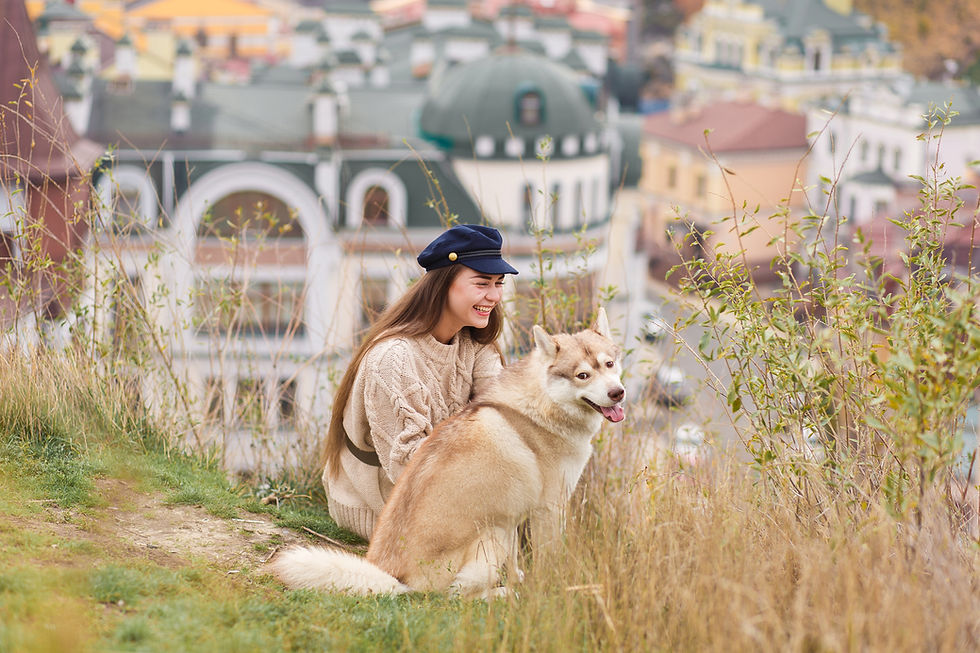
Physical Characteristics of the Siberian Husky
The Siberian Husky possesses one of the most recognizable appearances in the canine world — a harmonious blend of strength, agility, and elegance. Every feature of this breed serves a functional purpose, shaped by centuries of survival in the harsh Siberian tundra.
Body Structure
Medium-sized and compact, the Husky’s physique is built for endurance rather than raw power. Males typically weigh between 20–27 kilograms (45–60 lbs), while females range from 16–23 kilograms (35–50 lbs). Their balanced proportions — deep chest, strong back, and well-muscled hindquarters — allow them to cover great distances at steady speeds. This athletic symmetry enables them to pull sleds efficiently for hours without fatigue.
Head and Facial Features
The Husky’s head is moderately rounded with a proportionate muzzle that tapers gently toward the nose. Their almond-shaped eyes — often icy blue, brown, amber, or even bi-colored — give them a piercing and expressive gaze. Their erect, triangular ears are medium-sized and well-furred inside, offering both protection from frost and a keen sense of alertness. The expression of a Husky is always a mix of intelligence, curiosity, and friendliness.
Coat and Color
The Siberian Husky’s double coat is its most iconic feature. The undercoat is dense and soft, providing insulation against freezing temperatures, while the outer coat consists of straight, smooth guard hairs that repel snow and moisture. This dual-layer system allows them to survive temperatures as low as −60°C in their native environments.
Color patterns are highly variable, ranging from pure white to black, gray, red, sable, and agouti. The most common and widely recognized combination is black-and-white, often with distinctive facial masks and markings that enhance their wolf-like aesthetic. Their coat naturally adapts seasonally, becoming thicker in winter and lighter in summer to regulate body temperature.
Tail and Movement
The Husky’s tail is a continuation of its graceful balance. It’s medium-length, well-furred, and carried in a sickle curve over the back when alert or active — known affectionately as the “fox tail.” During rest or sleep, Huskies often curl their tails over their noses to trap heat, a behavior inherited from their Arctic ancestors.
Their gait is smooth, effortless, and almost feline in fluidity. Every movement conserves energy, emphasizing efficiency over brute force. Observing a Husky in motion — especially during a run — reveals the breed’s true nature: elegance born of necessity.
General Appearance
Overall, the Siberian Husky exudes athleticism and grace. Their proportions convey endurance and lightness rather than bulk. A well-bred Husky should appear alert, poised, and confident, embodying both beauty and function — the perfect balance between wild instinct and domestic adaptability.

Character and Behavior of the Siberian Husky
The Siberian Husky is one of the most complex and fascinating dog breeds in terms of personality. They are an extraordinary combination of independence, loyalty, intelligence, and social charm. Unlike many other working breeds that were developed for obedience or protection, Huskies were bred for teamwork and endurance — not servitude. This makes their character remarkably distinct and, at times, challenging for inexperienced owners.
Social Nature
Siberian Huskies are inherently social dogs. They thrive in the company of humans and other dogs, often showing a strong sense of pack mentality. They dislike being left alone for extended periods; isolation can lead to anxiety, excessive howling, or destructive behavior. Their love for companionship is not limited to their owners — they are known to be friendly even with strangers, which explains why they are rarely suitable as guard dogs.
Playful and Mischievous
At heart, the Husky is a playful trickster. They enjoy games, outdoor adventures, and activities that stimulate both their body and mind. This playful nature, however, often crosses into mischief. A bored Husky might dig up a garden, chew furniture, or figure out clever ways to escape a fenced yard. Their curious mind drives them to explore constantly, making mental enrichment a necessity.
Communication and Expressiveness
Huskies are famous for their vocal nature. They “talk” in an astonishing range of sounds — yodels, howls, grumbles, and even tones that mimic human speech patterns. This form of communication is a key part of their personality and emotional intelligence. They don’t bark excessively, but they will express joy, frustration, or boredom in their own unique language, which can be both entertaining and demanding for their families.
Temperament and Discipline
A well-balanced Siberian Husky is neither aggressive nor timid. They are confident but not dominant, affectionate but not clingy. Their temperament thrives under consistent structure and calm leadership. They respond best to positive reinforcement and routine — harsh punishment or inconsistent training will only cause defiance. In multi-dog households, they usually establish a clear hierarchy naturally, relying on their strong pack instincts.
Emotional Sensitivity
Despite their rugged image, Huskies are emotionally sensitive dogs. They can pick up on human emotions with surprising accuracy, often reacting to tension or sadness in their owners. This empathy, combined with their loyalty, makes them deeply bonded companions. However, it also means that negative energy or inconsistent attention can affect their confidence.
In summary, the Siberian Husky’s personality is a paradox — fiercely independent yet deeply affectionate, mischievous yet loyal, intelligent yet stubborn. They are not the easiest breed to manage, but for those who understand their nature, they become lifelong companions that embody freedom, intelligence, and emotional depth.
Common Diseases of the Siberian Husky
Although generally healthy and resilient, the Siberian Husky is predisposed to certain hereditary and environmental health conditions. Responsible breeding and regular veterinary care can greatly reduce the risk of these disorders, but awareness is essential for prevention and early treatment.
Disease | Description | Risk Level |
Hip Dysplasia | A genetic condition where the hip joint doesn’t fit properly into its socket, leading to pain, stiffness, and eventual arthritis. Regular exercise on soft ground and weight management are key to prevention. | Medium |
Progressive Retinal Atrophy (PRA) | A degenerative eye disease causing gradual vision loss and eventual blindness. Genetic screening in breeding pairs is crucial to avoid transmission. | High |
Cataracts | Common in older Huskies, cataracts cloud the lens of the eye, impairing vision. Early diagnosis can often allow surgical correction. | Medium |
Corneal Dystrophy | A condition affecting the cornea that causes opacity and vision issues, often hereditary in Huskies. It rarely causes blindness but may require monitoring. | Medium |
Hypothyroidism | A hormonal disorder where the thyroid gland produces insufficient hormones, leading to weight gain, lethargy, and hair loss. It’s easily managed with lifelong medication. | High |
Zinc-Responsive Dermatosis | A skin condition unique to northern breeds like Huskies. Caused by poor zinc absorption, it leads to scaly, crusty skin around the eyes, mouth, and joints. | Medium |
Allergies (Food & Environmental) | Huskies may develop allergies to grains, poultry, or environmental factors like pollen. Symptoms include itching, ear infections, or gastrointestinal issues. | Medium |
Epilepsy | A neurological disorder that triggers recurrent seizures. With proper medication and care, affected dogs can still live full lives. | Low |
Autoimmune Disorders | Some Huskies develop autoimmune skin diseases, particularly lupus-like conditions. These require veterinary supervision and immune-modulating treatment. | Low–Medium |
Heatstroke | Due to their dense double coat, Huskies are highly susceptible to overheating in warm climates. Symptoms include excessive panting, drooling, and collapse — an emergency condition. | High |
Preventive Recommendations
Schedule annual veterinary checkups and regular eye examinations.
Use balanced diets rich in zinc and omega-3 fatty acids to support skin and coat health.
Avoid overexertion in hot climates; prefer early morning or late evening exercise sessions.
Ensure genetic health certificates when adopting from breeders — particularly for PRA and hip dysplasia.
Maintain consistent parasite control, oral hygiene, and proper vaccination schedules.
By prioritizing proactive care, Husky owners can greatly extend the lifespan and quality of life of their dogs, preventing many common health complications before they emerge.
Intelligence and Training Ability of the Siberian Husky
The Siberian Husky is a highly intelligent and observant breed, but their intelligence is of a unique kind — one rooted in problem-solving, adaptability, and independence rather than blind obedience. They were bred for cooperation in sled teams, where making fast, autonomous decisions was essential for survival in the Arctic tundra. This makes them brilliant thinkers but also notoriously stubborn learners.
Type of Intelligence
Huskies demonstrate what experts call “functional intelligence” — the ability to understand patterns, anticipate outcomes, and make decisions in dynamic environments. For example, a sled dog may choose to ignore a musher’s command to proceed if it senses thin ice ahead — an act of intelligent defiance that historically saved lives. This type of reasoning is what sets Huskies apart from more obedient but less independent breeds.
They also have strong emotional intelligence. Huskies can sense human moods and adjust their behavior accordingly, often becoming calmer around sad owners or excited when the atmosphere is joyful. Their sensitivity to social cues makes them engaging, emotionally perceptive companions.
Training Challenges
Training a Siberian Husky requires patience, consistency, and an understanding of motivation. Unlike breeds that are eager to please (like Labradors or Border Collies), Huskies are more likely to ask, “What’s in it for me?” Repetition or harsh discipline quickly bores or alienates them. Instead, they respond best to:
Positive reinforcement (treats, praise, play)
Short, varied training sessions
Interactive tasks that challenge their intellect (puzzle feeders, scent games, agility courses)
Because of their pack heritage, Huskies respect confident, calm leadership. They need to understand why a command benefits them or the “team.” Training methods that encourage participation and reward cooperation are the most effective.
House Training and Obedience
Huskies are clean animals, and with proper consistency, they can be housetrained quickly. However, recall commands (like “come”) and off-leash obedience are their weak points. Their natural curiosity and prey drive can override obedience, so off-leash walks are only safe in secure areas.
Socialization and Adaptability
Early socialization is critical. Puppies exposed to different people, animals, and environments grow into balanced, confident adults. A well-socialized Husky can adapt beautifully to urban life, provided they have enough outlets for their energy.
In short, Siberian Huskies are not hard to train — they are hard to bore. When training aligns with their intelligence, they become attentive, responsive, and even humorous partners, capable of learning complex behaviors and performing with confidence.
Exercise and Activity Level of the Siberian Husky
If there is one word that defines the Siberian Husky, it is motion. These dogs were born to run — not just for minutes, but for hours on end. Their stamina is legendary, a direct reflection of their heritage as Arctic sled dogs bred to pull loads across hundreds of kilometers in harsh conditions.
Daily Exercise Requirements
Siberian Huskies need at least two hours of intensive physical activity per day. This can include:
Long walks, jogs, or runs
Bike rides using dog harness attachments
Hiking or sledding (in colder regions)
Dog sports like canicross, skijoring, and bikejoring
Off-leash play in a secure, fenced area
Without adequate exercise, a Husky’s boundless energy will find unwanted outlets. Many behavioral issues — digging, chewing, excessive howling — stem from insufficient activity. Their physical needs are as important as their emotional ones.
Mental Stimulation
Physical activity alone is not enough. Huskies also require mental exercise to stay balanced. Boredom is their worst enemy. Puzzle toys, scent-based games, obedience drills, and even learning new tricks can satisfy their need for mental engagement. They particularly enjoy problem-solving challenges that reward them for thinking — a trait inherited from their working ancestors.
Environmental Considerations
Because of their thick double coat, Huskies perform best in cooler climates. In warmer areas, exercise should take place early in the morning or late evening to prevent heat exhaustion. Always provide ample water, shade, and rest periods. Owners in hot regions can supplement physical activity with indoor mental games or swimming, as water-based play helps regulate body temperature.
Pack Dynamics and Exercise
Huskies are social athletes. They prefer running or playing with other dogs, mirroring their historical teamwork in sled packs. Group activities help them burn energy while reinforcing social balance. Even in a single-dog household, joint play sessions with other canines or human companions are essential.
The Joy of Motion
Watching a Siberian Husky in full stride is witnessing pure freedom — every muscle perfectly synchronized, every breath a rhythm of purpose. Exercise is not merely a need for this breed; it is a form of identity. The happiest Huskies are those allowed to express their innate drive to move, explore, and connect with the world around them.
Feeding and Diet Recommendations for the Siberian Husky
The Siberian Husky’s metabolism is unique among dog breeds. Developed through generations of Arctic endurance, Huskies have an exceptionally efficient energy system that allows them to thrive on relatively small portions of food compared to other dogs of similar size. This adaptation helped them survive long sled journeys with limited supplies — but it also means that modern owners must pay special attention to the quality, not just the quantity, of their food.
Caloric and Nutritional Needs
Adult Siberian Huskies typically require 1,000–1,400 kcal per day, depending on activity level, climate, and metabolism. Active or working Huskies may need up to 2,000–2,400 kcal, while more sedentary ones can thrive on less.
An ideal diet should maintain the following balance:
Protein: 25–35% (animal-based sources such as chicken, lamb, salmon, or beef)
Fat: 15–25% (essential for coat health and energy)
Carbohydrates: 20–30% (from digestible sources like rice, oats, or sweet potato)
Fiber: 3–5% (to promote healthy digestion)
Feeding Schedule
Huskies benefit from two balanced meals daily rather than free-feeding. Their sensitive stomachs can react poorly to overfeeding or irregular feeding times. Divide portions evenly and avoid exercising your Husky immediately before or after meals to reduce the risk of bloating (gastric dilatation-volvulus).
Protein Quality and Variety
High-quality animal protein is essential for muscle recovery and coat health. Fish-based proteins, especially salmon, are rich in omega-3 fatty acids that promote healthy skin and a glossy coat. Rotating protein sources every few months helps prevent food allergies and nutrient imbalances.
Hydration
Despite their cold-climate origins, Huskies can dehydrate quickly, especially in warmer regions or during intense exercise. Always provide fresh, cool water and monitor their intake closely. Wet food or adding water to dry kibble can help increase hydration levels.
Supplements and Additives
Omega-3 and Omega-6 fatty acids: For coat shine and anti-inflammatory benefits.
Zinc: Critical for preventing zinc-responsive dermatosis, a skin condition common in the breed.
Glucosamine and chondroitin: Support joint health and mobility.
Probiotics: Aid in digestion and gut flora balance.
Foods to Avoid
Huskies are prone to digestive sensitivities. Avoid:
Corn, soy, or wheat-based fillers
Onions, garlic, chocolate, and grapes
High-fat table scraps
Overly processed dog foods or low-quality kibble
Raw and Home-Prepared Diets
Some owners successfully feed their Huskies raw or home-cooked meals. When properly balanced with veterinary guidance, such diets can be beneficial. However, unbalanced home diets risk nutritional deficiencies, particularly in calcium, zinc, and vitamins A and E. Consulting a professional nutritionist is essential before switching.
Body Condition and Monitoring
Huskies are naturally lean and muscular. You should be able to feel (but not see) their ribs easily. Weight gain may signal hypothyroidism or lack of exercise. Regularly assess your dog’s Body Condition Score (BCS) to ensure an optimal physique.
A well-fed Husky is not overfed — it is balanced, hydrated, and energized. Feeding them thoughtfully means respecting the evolutionary design that once allowed them to run thousands of miles through snow and ice.
Training Techniques for the Siberian Husky
Training a Siberian Husky is not about dominance — it’s about partnership. They are not submissive learners but cooperative thinkers. The key is to channel their independence into productive learning through consistency, creativity, and positive reinforcement.
1. Positive Reinforcement
Huskies respond best to praise, treats, and play. Every command should be rewarded instantly when executed correctly. Harsh discipline or yelling breaks trust and can make them more defiant. Keep sessions upbeat, short (10–15 minutes), and end on success.
Example Commands to Teach Early:
Sit
Stay
Come
Leave it
Down
Wait before eating or crossing doors
Consistency builds confidence. Always use the same tone, command words, and timing.
2. Establishing Leadership
A Siberian Husky respects leadership rooted in calm confidence, not intimidation. Establish routines, define clear boundaries, and enforce rules gently but firmly. They must understand you are the decision-maker of the “pack.” Daily rituals — feeding after exercise, walking through doors first, structured playtime — reinforce this hierarchy naturally.
3. Leash Training
Huskies are born pullers. Teaching leash manners early is crucial. Use a no-pull harness instead of choke collars, and reward loose-leash walking. Incorporate changes in direction to keep the dog’s attention on you. Consistent leash control is not optional — it’s a safety measure for a breed built to run long distances.
4. Recall and Freedom Training
Due to their prey drive, Huskies can rarely be trusted off-leash in open areas. Recall training must begin early using high-value rewards and long-lead exercises. Never punish them for returning late — always make “coming back” a positive experience.
5. Crate and Alone-Time Training
Huskies are prone to separation anxiety. Crate training provides them with a sense of safety and routine. Introduce the crate gradually, never as punishment, and leave enrichment toys when you’re away. Practicing short absences helps them adapt to independence.
6. Socialization
Expose your Husky to a variety of environments, people, and animals from a young age. Puppy classes, dog parks, and new experiences teach confidence and prevent fear-based reactions. Proper socialization creates the difference between an anxious dog and a calm, adaptable one.
7. Advanced Training and Mental Work
As intelligent dogs, Huskies thrive in advanced challenges such as agility, obedience competitions, and scent-tracking. These activities strengthen the bond between dog and owner while preventing behavioral boredom.
8. Patience and Humor
Training a Husky will test your patience. They are clever enough to outsmart you, ignore you, or even “pretend” they didn’t hear. But with humor, consistency, and empathy, they’ll reward you with loyalty and unmatched affection. Remember: a Husky will not simply obey you — they will choose to respect you.
Coat, Skin, Eye, and Ear Care for the Siberian Husky
The Siberian Husky’s double coat, sensitive skin, and expressive eyes demand a specialized care routine. Despite being naturally clean dogs, regular grooming and preventive hygiene are vital to maintain their health and majestic appearance.
Area | Recommendation |
Coat | Brush the coat 2–3 times per week using a slicker or undercoat rake to remove loose hair and prevent matting. During shedding seasons (spring and fall), daily brushing is essential. Avoid shaving the coat, as it disrupts natural insulation and exposes the skin to UV rays. |
Bathing | Bathe your Husky only every 2–3 months or when visibly dirty. Overbathing strips natural oils and causes dryness. Use mild, hypoallergenic dog shampoos with oatmeal or aloe extracts. Ensure full drying after baths to prevent fungal infections in the undercoat. |
Skin | Regularly inspect for dandruff, redness, or scaly patches — common signs of zinc-responsive dermatosis or allergies. Supplementing with zinc and omega-3 fatty acids helps maintain a healthy dermal barrier. |
Eyes | Clean around the eyes weekly with sterile wipes to remove debris or tear stains. Huskies are prone to corneal dystrophy and cataracts, so schedule annual ophthalmic exams. Cloudiness or excessive tearing requires veterinary attention. |
Ears | Check the ears every week for wax buildup or odor. Clean gently using vet-approved ear solutions and cotton pads — never insert deep objects. Because of their upright ear structure, Huskies are less prone to infections but still susceptible to yeast buildup if neglected. |
Nails and Paws | Trim nails every 3–4 weeks. After outdoor activities, clean and inspect paws for cuts, burns (in summer), or ice accumulation (in winter). Apply protective balms in extreme weather. |
Teeth and Oral Health | Brush teeth 2–3 times weekly with enzymatic toothpaste. Dental chews or water additives can help maintain oral hygiene and reduce tartar buildup. |
Seasonal Protection | In hot climates, use cooling mats, shaded exercise areas, and avoid midday walks. In cold weather, Huskies naturally thrive but still benefit from paw protection against road salts and ice. |
Routine grooming is more than cosmetic — it’s preventive health care. Consistent coat and skin maintenance reduces shedding, regulates body temperature, and prevents infections. Regular handling also strengthens trust between owner and dog, making grooming a bonding ritual rather than a chore.
General Health and Life Expectancy of the Siberian Husky
The Siberian Husky is one of the most robust and long-lived working breeds. Their average lifespan ranges between 12 and 15 years, often extending beyond with excellent nutrition and preventive care. Their Arctic heritage gifted them a resilient immune system and strong physical constitution — yet, as with all breeds, genetic and environmental factors play a significant role in long-term health.
Longevity Factors
Genetics: Responsible breeding programs that exclude dogs with hereditary diseases (hip dysplasia, PRA, hypothyroidism) significantly improve life expectancy.
Diet and Nutrition: High-quality protein sources, adequate zinc, and omega fatty acids support immune function, coat quality, and metabolic stability.
Exercise: Regular, structured activity keeps their cardiovascular system strong and prevents obesity — one of the few health threats to the breed.
Climate Management: While they are cold-adapted, maintaining comfort in warmer climates through hydration and shade is essential.
Mental Health: Huskies are social and emotionally expressive. Chronic loneliness, neglect, or lack of stimulation can lead to stress-related disorders and shortened lifespan.
Senior Care (10+ Years)
As Siberian Huskies age, metabolism slows, and joint flexibility decreases. Key aspects of senior care include:
Weight Management: Avoid overfeeding; senior diets with joint supplements and moderate fat content are ideal.
Arthritis Prevention: Daily low-impact exercise such as walking or swimming maintains mobility.
Regular Veterinary Exams: Twice-yearly health checks with blood panels help detect thyroid or kidney issues early.
Vision and Hearing Monitoring: Early signs of cataracts or hearing loss should be addressed promptly.
Comfortable Sleeping Area: Orthopedic beds ease pressure on joints, improving rest and longevity.
Life Expectancy Statistics
Condition | Effect on Lifespan |
Optimal care, balanced diet, regular vet visits | 14–15 years |
Average care and moderate activity | 12–13 years |
Chronic neglect, obesity, or climate stress | 9–11 years |
Ideal Owner and Living Environment for the Siberian Husky
The Siberian Husky is not a breed suited for everyone. Owning a Husky means committing to an active lifestyle, consistent routines, and an understanding of their working-dog psychology. They are beautiful and loyal animals, but without the right environment and leadership, their energy and intelligence can become overwhelming.
Ideal Owner Profile
A perfect Siberian Husky owner should embody the following traits:
Active and Outdoors-Oriented: Huskies are not couch companions. Their ideal owner loves running, hiking, biking, and exploring the outdoors. Regular physical challenges keep the dog mentally balanced.
Patient and Consistent: Their intelligence comes with stubbornness. The best owners provide structured training with calm persistence rather than force.
Confident Leader: Huskies respect strength and direction. They need someone who naturally provides guidance, boundaries, and reassurance — not chaos or emotional volatility.
Experienced with Dogs: First-time dog owners often struggle with a Husky’s energy and independence. Prior experience with active or intelligent breeds (like Border Collies or German Shepherds) helps immensely.
Emotionally Engaged: A Husky forms deep emotional connections. They require empathy, time, and companionship. Neglect or isolation can cause depression or destructive behaviors.
Family Compatibility
Siberian Huskies thrive in family environments where they can participate in daily life. They are typically excellent with children, playful yet gentle, though supervision is essential for very young kids due to the dog’s size and energy. With proper socialization, they coexist harmoniously with other dogs, though smaller pets may trigger their prey drive.
Living Environment
Space: A house with a secure fenced yard is ideal. Apartment living is possible only with extensive daily exercise routines.
Climate: They flourish in cool to cold climates. In warmer regions, owners must provide shade, airflow, and limit outdoor activity during hot hours.
Fencing: Minimum fence height should be 1.8–2 meters (6 ft), as Huskies are skilled jumpers and diggers. Reinforced ground barriers prevent escape attempts.
Sleeping Area: Indoors, Huskies enjoy cool, well-ventilated sleeping spots — preferably away from heaters or direct sunlight. They also appreciate soft bedding and open space rather than confinement.
Social Needs: They dislike loneliness. If left alone for long periods, consider dog-sitters, daycare, or adopting a second dog for companionship.
Urban Adaptation
Urban Huskies can live happily in cities if their owners commit to structured daily exercise, mental enrichment, and early socialization. Dog parks, jogging trails, or interactive toys are crucial for releasing pent-up energy.
Lifestyle Balance
The best environment for a Husky is one where movement and companionship coexist. A balanced Husky is a joyful, expressive, and disciplined animal — but a neglected Husky quickly becomes frustrated, restless, and vocal. The breed is, at its core, a partner in adventure — not an accessory.
Life Expectancy and Reproduction of the Siberian Husky
Siberian Huskies are among the most enduring and genetically resilient dog breeds, often living well into their teens when cared for properly. Their average life expectancy is between 12 and 15 years, but many reach 16 or more with optimal diet, exercise, and preventive health care.
Reproductive Maturity
Females (Bitches): Reach sexual maturity at 6–9 months, though ethical breeding should not occur until after the second heat cycle (18–24 months).
Males: Reach full reproductive maturity around 12–15 months.
Breeding Frequency and Ethics
A responsible breeding program prioritizes the health and temperament of both parents. Female Huskies should not be bred more than once per year, as frequent pregnancies can deplete calcium and zinc reserves, affecting coat health and vitality. Health testing for hip dysplasia, thyroid function, and eye diseases (especially PRA) must be completed before mating.
Gestation and Litter Size
The gestation period lasts approximately 63 days. Average litter size ranges from 4 to 6 puppies, though first-time mothers may have fewer. Whelping should occur in a calm, temperature-controlled environment, and veterinary supervision is strongly advised.
Puppy Development Stages
Neonatal (0–2 weeks): Puppies depend entirely on the mother for warmth and nutrition.
Transitional (2–4 weeks): Eyes open, mobility begins, and vocalization develops.
Socialization (4–12 weeks): Exposure to sounds, handling, and other animals is critical.
Juvenile (3–6 months): Rapid physical growth; teething and curiosity peak.
Adolescence (6–18 months): Independence, stubbornness, and hormonal changes emerge — consistent training during this period determines adult temperament.
Reproductive Health Considerations
Spaying and neutering provide significant health and behavioral benefits:
Females: Reduced risk of mammary tumors and uterine infections (pyometra).
Males: Lower risk of prostate issues and decreased roaming behavior.However, timing is important — many veterinarians recommend neutering after 12–18 months to allow full skeletal development, especially in large breeds like the Husky.
Senior Life and Longevity
After age 10, most Huskies enter their senior phase. Common age-related conditions include:
Mild joint stiffness
Reduced eyesight or hearing
Slower metabolism Maintaining an active but gentle lifestyle, a nutrient-rich senior diet, and regular vet visits can help them remain lively and affectionate well beyond 13 years.
Lifespan Extension Strategies
Balanced diet with zinc and omega oils
Moderate daily exercise without overexertion
Stress-free environment and emotional stimulation
Twice-yearly blood tests for thyroid and kidney health
A Husky that receives holistic care — body, mind, and spirit — often becomes a living testament to vitality and resilience. They are not merely pets; they are lifelong companions whose energy, loyalty, and warmth endure for decades.
Siberian Husky (dog breed) – Frequently Asked Questions (FAQ)
Is the Siberian Husky breed banned in any country?
No, the Siberian Husky is not classified as a banned breed in any country. It is widely recognized as a friendly and non-aggressive dog, with a temperament far from the breeds typically restricted under “dangerous dog” laws. However, certain apartment complexes, municipalities, or private housing associations might impose restrictions on large or wolf-like breeds due to appearance or size. Always check local regulations before adoption or travel, especially in countries with strict import requirements such as the United Arab Emirates, Singapore, or Australia.
How much does a Siberian Husky cost?
The average price of a Siberian Husky varies significantly depending on location, pedigree, and breeder quality. In the United States, well-bred Huskies range between $800 and $2,000 USD; in Europe, prices range from €700 to €1,800; while in Turkey, typical costs are around 20,000–35,000 TL. Show-quality or champion bloodline puppies can exceed these figures. Prospective owners should prioritize ethical breeders who provide health certifications over cheaper, unverified sellers.
Do Siberian Huskies shed a lot?
Yes — Huskies are heavy shedders, especially during seasonal coat changes in spring and fall. They “blow” their undercoat completely twice a year, producing substantial loose fur. Daily brushing during these periods minimizes shedding and keeps the coat healthy. Outside these cycles, brushing two or three times weekly is sufficient.
Are Siberian Huskies suitable for apartment living?
While it is possible, apartment living requires extra dedication. Huskies can adapt to small spaces as long as they receive two or more hours of daily exercise and ample mental stimulation. Owners must also manage noise, as Huskies are vocal and may howl when bored. A lack of outdoor activity can quickly lead to destructive behavior.
Can Siberian Huskies live in hot climates?
They can, but careful management is essential. Huskies have dense double coats designed for cold, so in hot regions, activities must be scheduled early morning or late evening. Constant access to shade, ventilation, and fresh water is mandatory. Never shave their coat; it protects against both heat and UV radiation. Cooling mats and indoor play can also help regulate temperature.
Are Siberian Huskies good with children?
Yes, Siberian Huskies are generally excellent family dogs and get along wonderfully with children. They are playful, patient, and rarely aggressive. However, due to their size and enthusiasm, supervision is recommended with small children to prevent accidental knocks during play. Teaching both the dog and the child respectful interaction creates harmony at home.
Do Siberian Huskies get along with other pets?
It depends on socialization. Huskies have a strong prey drive, meaning small animals like cats, rabbits, or birds may trigger instinctive chasing. Early and consistent socialization from puppyhood increases compatibility. Many Huskies peacefully coexist with other dogs, especially when raised together.
Are Siberian Huskies difficult to train?
They can be challenging due to their independence and curiosity. Huskies respond best to positive reinforcement and dislike repetitive or forceful methods. Short, playful, reward-based sessions yield the best results. Patience, consistency, and leadership are essential. Once engaged, a Husky can learn advanced commands and tasks with impressive intelligence.
Do Siberian Huskies bark a lot?
No, Huskies rarely bark — instead, they howl or “talk.” They use a range of vocalizations to express emotions, from excitement to frustration. This makes them entertaining companions but potentially noisy in shared living spaces. Training them with calm verbal cues helps manage excessive howling.
Can Siberian Huskies be left alone?
Ideally, no. Huskies dislike solitude and can develop separation anxiety if left alone for long periods. This often leads to destructive behaviors like digging, chewing, or escape attempts. If long absences are unavoidable, provide stimulating toys, a companion pet, or arrange short visits with a dog walker.
What is the ideal diet for a Siberian Husky?
A balanced, protein-rich diet is essential. High-quality kibble or fresh meals containing chicken, salmon, lamb, and rice work well. Avoid fillers such as corn, soy, and by-products. Huskies benefit from supplements like zinc, omega-3 fatty acids, and glucosamine to maintain skin, coat, and joint health. Hydration is equally vital, especially in warm environments.
Are Siberian Huskies aggressive?
Generally not. They are naturally friendly, outgoing, and non-territorial. Aggression in Huskies usually stems from neglect, poor socialization, or mistreatment rather than genetics. With proper training, early exposure, and affection, they remain gentle and approachable dogs.
Do Siberian Huskies need a lot of grooming?
Yes, regular grooming is essential. Weekly brushing prevents matting, while daily care is required during heavy shedding. Bathing should be limited to every 2–3 months to preserve natural oils. Eye and ear cleaning, nail trimming, and dental hygiene complete their grooming routine.
What kind of owner is best for a Siberian Husky?
The ideal owner is active, patient, and confident. A Husky thrives with someone who enjoys outdoor activities and has the time to meet its exercise needs. Owners who establish firm but loving boundaries and integrate the dog into family life experience the best companionship.
Are Siberian Huskies good guard dogs?
No — they are too friendly. Despite their wolf-like appearance, Huskies rarely show territorial or protective aggression. They might alert owners with howling but are more likely to greet strangers enthusiastically. For home protection, other breeds are more suitable.
Do Siberian Huskies smell bad?
Not at all. One of the breed’s unique advantages is its low natural odor. Their thick coat repels dirt and grime effectively, and they often groom themselves like cats. Regular brushing and limited bathing keep them fresh without a noticeable doggy smell.
How often should a Siberian Husky be bathed?
Once every 2–3 months is ideal. Overbathing can strip natural oils, leading to dryness and irritation. Always use a gentle, pH-balanced shampoo and ensure the undercoat dries completely to prevent fungal growth.
Are Siberian Huskies good first-time dogs?
They are not recommended for complete beginners. Although affectionate and intelligent, their energy, independence, and exercise needs can overwhelm inexperienced owners. However, motivated first-timers who invest in learning and training can still build a rewarding bond.
Do Siberian Huskies suffer from health issues?
Generally, Huskies are a robust and healthy breed, but they can be prone to hereditary conditions like hip dysplasia, eye diseases (PRA, cataracts), hypothyroidism, and zinc-responsive dermatosis. Responsible breeding and regular veterinary exams minimize these risks.
At what age do Siberian Huskies calm down?
Most Huskies begin to mature emotionally between 2 and 3 years old. Their hyperactivity lessens, but they remain playful throughout life. Mental engagement and consistent routines help channel their energy productively even as adults.
Do Siberian Huskies need cold weather to be happy?
No, but they prefer cooler temperatures. With proper care, hydration, and shade, they can live comfortably in warmer regions. Owners should adapt their exercise schedules to early morning or late evening to prevent overheating.
What is the average lifespan of a Siberian Husky?
Siberian Huskies typically live 12–15 years, with many reaching 16 or older. Longevity depends on diet quality, genetics, and lifestyle. Regular checkups, balanced nutrition, and daily activity are key to maintaining health and vitality into old age.
How many puppies can a Siberian Husky have?
On average, a Husky litter contains 4–6 puppies. First-time mothers may have smaller litters. Responsible breeders prioritize maternal health and genetic screening before mating to ensure strong, disease-free offspring.
Can Siberian Huskies swim?
Yes — most Huskies enjoy swimming once introduced gradually. Their athletic build and strong legs make them capable swimmers, though not all individuals take naturally to water. Always supervise swimming sessions and provide safe, shallow entry points.
Do Siberian Huskies like to cuddle?
Yes, but on their terms. Huskies are affectionate yet independent; they enjoy physical closeness when relaxed but dislike being restrained. They often express affection through playful behavior, leaning against their owners, or sleeping nearby.
Why do Siberian Huskies howl so much?
Howling is a key part of Husky communication. They use it to express excitement, seek attention, respond to sounds, or communicate with other dogs. It’s not always a sign of distress — rather, it’s a social behavior rooted in their wolf ancestry.
Sources
American Kennel Club (AKC)
Fédération Cynologique Internationale (FCI)
The Siberian Husky Club of America (SHCA)
American Veterinary Medical Association (AVMA)
Mersin Vetlife Veterinary Clinic – https://share.google/XPP6L1V6c1EnGP3Oc