
Cat Conjunctivitis - Cat Pink Eye: Causes, Symptoms, Treatment and When to Worry

What Is Conjunctivitis in Cats?
Conjunctivitis in cats is the inflammation of the conjunctiva, the thin, transparent membrane that lines the inside of the eyelids and covers the white part of the eye (sclera). When this delicate tissue becomes irritated or infected, it becomes red, swollen, and uncomfortable, often causing noticeable eye discharge and excessive tearing.
Conjunctivitis is one of the most common eye conditions seen in cats and can affect cats of any age or breed. The condition may involve one eye (unilateral conjunctivitis) or both eyes (bilateral conjunctivitis). In some cases, only one eye is affected initially before the inflammation spreads to the other eye.
The severity of conjunctivitis varies depending on the underlying cause. Mild irritation from dust or environmental allergens may resolve quickly with appropriate care, while viral infections such as Feline Herpesvirus-1 (FHV-1) or bacterial infections can require targeted veterinary treatment and, in some cats, may recur throughout life.
Conjunctivitis itself is not a disease but a clinical sign indicating that something has irritated or inflamed the eye. Identifying and treating the underlying cause is essential to prevent complications such as corneal ulcers, chronic inflammation, or vision impairment.
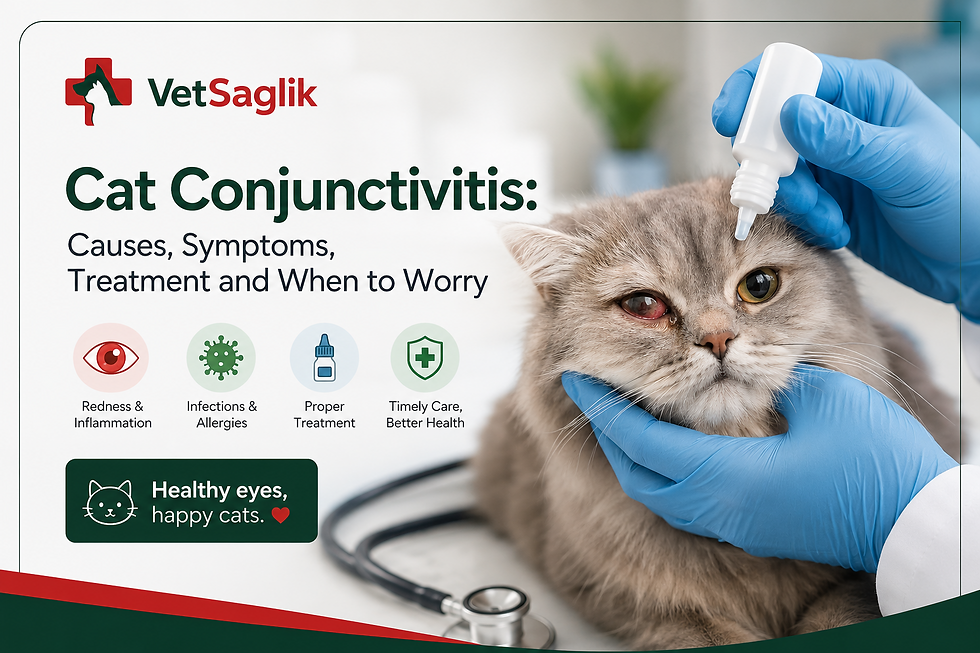
Fortunately, most cases respond well to treatment when diagnosed early. However, because many serious eye diseases initially resemble conjunctivitis, any cat with persistent eye redness, pain, or abnormal discharge should be examined by a veterinarian as soon as possible.
What Does Cat Conjunctivitis Look Like?
The appearance of conjunctivitis can vary from mild redness to severe swelling with thick eye discharge. Most affected cats develop several signs simultaneously, although the exact symptoms depend on the underlying cause and the stage of the disease.
The most recognizable sign is redness of the conjunctiva, giving the eye a pink or bloodshot appearance. As inflammation progresses, the conjunctival tissue may swell significantly, a condition known as chemosis, making the membrane appear puffy or protrude around the eye.
Many cats also develop clear, watery tears during the early stages. If bacteria become involved or the infection progresses, the discharge may become white, yellow, or green, sometimes causing the eyelids to stick together after sleeping.
Affected cats frequently squint, blink excessively, or keep the affected eye partially closed because of discomfort. Some will rub their face against furniture or paw repeatedly at the eye in an attempt to relieve irritation. Increased sensitivity to light (photophobia) may also be observed.
In more severe cases, the third eyelid (nictitating membrane) becomes more visible, partially covering the eye. This can be especially noticeable in cats with viral eye infections such as feline herpesvirus.
Although conjunctivitis primarily affects the conjunctiva, additional signs such as corneal cloudiness, severe eye pain, unequal pupils, or sudden vision changes are not typical of uncomplicated conjunctivitis and may indicate a more serious eye condition requiring immediate veterinary attention.
Clinical Case (VetSaglik) The photographs and video below show a real Scottish Fold cat diagnosed with conjunctivitis. Typical findings include conjunctival redness, mild swelling, excessive tearing, and ocular discharge. Real clinical images like these can help cat owners recognize early warning signs and seek veterinary care before complications develop.
What Causes Conjunctivitis in Cats?
Conjunctivitis is not a disease itself but rather a sign that the eye has become irritated, inflamed, or infected. Identifying the underlying cause is the most important step because treatment varies depending on what triggered the inflammation. Some cats recover quickly with simple therapy, while others require long-term management for chronic or recurring conditions.
Viral Infections (Especially Feline Herpesvirus-1)
Feline Herpesvirus-1 (FHV-1) is the most common cause of conjunctivitis in cats, particularly in kittens and cats living in multi-cat environments. Once infected, many cats become lifelong carriers of the virus. Stress, illness, surgery, or other factors that weaken the immune system can reactivate the infection, leading to repeated episodes of conjunctivitis.
Cats with FHV-1 often develop watery eye discharge, redness, squinting, sneezing, nasal discharge, and, in severe cases, corneal ulcers.
Bacterial Infections
Bacteria may cause conjunctivitis on their own or develop as secondary infections following viral disease or eye injury. Common bacterial pathogens include Staphylococcus, Streptococcus, and other opportunistic bacteria that invade irritated eye tissues.
Typical signs include thick yellow or green discharge, swollen eyelids, redness, and discomfort. Most bacterial infections respond well to veterinarian-prescribed antibiotic eye medications once the correct diagnosis is made.
Chlamydia felis
Chlamydia felis is a contagious bacterial organism that commonly causes conjunctivitis, especially in young cats, shelters, breeding facilities, and multi-cat households.
Affected cats usually develop severe conjunctival redness, swelling, watery discharge that later becomes thicker, and sometimes mild respiratory signs. Because this organism spreads easily between cats, infected animals may require isolation during treatment.
Mycoplasma Species
Certain Mycoplasma bacteria are also associated with feline conjunctivitis. They frequently occur alongside viral infections such as FHV-1, making clinical signs more severe.
Diagnosis often requires specialized laboratory testing, and treatment usually involves specific antibiotics prescribed by a veterinarian.
Allergies
Although less common than infections, environmental allergies can trigger conjunctival inflammation. Dust, pollen, mold spores, perfumes, cigarette smoke, cleaning chemicals, and other airborne irritants may cause red, watery, itchy eyes.
Allergic conjunctivitis often affects both eyes equally and may occur seasonally or after exposure to a particular environmental trigger.
Eye Injuries
Scratches from another cat, accidental trauma, or self-inflicted rubbing can damage the conjunctiva and lead to inflammation. Even minor injuries increase the risk of secondary bacterial infection if left untreated.
Cats with eye trauma may show sudden squinting, tearing, pain, or reluctance to open the affected eye.
Foreign Bodies
Small particles such as grass seeds, dust, sand, plant material, or tiny debris trapped beneath the eyelids can irritate the conjunctiva and cause conjunctivitis.
Foreign bodies should never be removed forcefully at home, as improper handling can scratch the cornea and worsen the injury.
Corneal Ulcers
A corneal ulcer can produce symptoms that closely resemble conjunctivitis, including redness, tearing, and squinting. In many cases, conjunctivitis develops alongside the ulcer because of inflammation affecting nearby tissues.
Since corneal ulcers require different treatment and may threaten vision, veterinary examination is essential whenever severe pain or corneal cloudiness is present.
Tear Duct Problems
Blocked or poorly functioning tear ducts can prevent normal tear drainage, resulting in excessive tearing and chronic irritation around the eyes. Although tear duct disorders are not among the most common causes of conjunctivitis, they can contribute to persistent inflammation in some cats.
Eyelid Abnormalities
Conditions such as entropion (inward rolling eyelids), eyelid tumors, congenital eyelid defects, or abnormal eyelashes can continuously rub against the eye surface. This ongoing mechanical irritation may lead to chronic conjunctivitis if the underlying problem is not corrected.
Environmental Irritants
Smoke, aerosol sprays, household cleaners, shampoos, dust, strong fragrances, and other chemical irritants may temporarily inflame the conjunctiva.
Most mild cases improve once the irritant is removed, but persistent redness, pain, or discharge should always be evaluated by a veterinarian to rule out more serious eye disease.

Which Cats Are Most at Risk?
Although conjunctivitis can develop in any cat, certain age groups, lifestyles, and medical conditions significantly increase the risk. Understanding these risk factors can help owners recognize problems earlier and seek veterinary care before complications develop.
Kittens
Young kittens are particularly vulnerable because their immune systems are still developing. They are more likely to become infected with organisms such as Feline Herpesvirus-1 (FHV-1), Chlamydia felis, and Mycoplasma spp. Conjunctivitis in kittens can progress quickly and, if left untreated, may damage the cornea or permanently affect vision.
Cats Living in Multi-Cat Households
Cats that share their environment with other cats have a much greater chance of being exposed to contagious infectious agents. Shelters, breeding facilities, rescue organizations, and homes with multiple cats often experience outbreaks of conjunctivitis because viruses and bacteria spread through close contact, shared food bowls, bedding, grooming, and respiratory secretions.
Outdoor Cats
Outdoor cats face additional risks from environmental irritants, dust, plant material, foreign bodies, traumatic injuries, and fights with other cats. Bite or scratch injuries around the eye can introduce bacteria and lead to secondary conjunctivitis.
Cats with Weakened Immune Systems
Cats suffering from chronic illnesses or immune suppression are more susceptible to eye infections and often experience slower recovery. Conditions such as Feline Immunodeficiency Virus (FIV), Feline Leukemia Virus (FeLV), diabetes mellitus, or prolonged corticosteroid therapy may increase both the severity and recurrence of conjunctivitis.
Cats with Chronic Feline Herpesvirus Infection
Many cats infected with FHV-1 remain lifelong carriers after their initial illness. Although they may appear healthy for long periods, stressful events such as boarding, moving to a new home, surgery, illness, or the introduction of a new pet can reactivate the virus. These cats often experience recurrent episodes of conjunctivitis throughout their lives.
Brachycephalic Breeds
Flat-faced (brachycephalic) breeds have anatomical features that make eye problems more common. Their shallow eye sockets, prominent eyes, and altered tear drainage increase the likelihood of irritation and inflammation.
Breeds at higher risk include:
Himalayan
Scottish Fold (particularly individuals with flatter facial structure)
British Shorthair (some individuals)
These cats benefit from regular eye examinations and routine cleaning around the eyes to reduce irritation and detect problems early.

How Veterinarians Diagnose Conjunctivitis in Cats
Because many eye diseases can produce similar symptoms, veterinarians perform a thorough examination to determine whether the problem is simple conjunctivitis or a more serious condition affecting deeper structures of the eye. An accurate diagnosis ensures that the cat receives the most appropriate treatment while reducing the risk of permanent eye damage.
Complete Eye Examination
The examination begins with a careful assessment of both eyes. Your veterinarian evaluates the color of the conjunctiva, the amount and type of discharge, eyelid position, corneal clarity, pupil size, tear production, and the presence of swelling or pain. Even if only one eye appears affected, both eyes are always examined for comparison.
Fluorescein Stain Test
A fluorescein stain is commonly used to detect corneal ulcers or scratches, which can produce symptoms similar to conjunctivitis. A harmless fluorescent dye is placed on the eye, where it adheres to damaged areas of the cornea. Identifying an ulcer is especially important because certain medications that are safe for conjunctivitis may be harmful if a corneal ulcer is present.
Schirmer Tear Test
If dry eye (keratoconjunctivitis sicca) is suspected, a Schirmer tear test measures tear production using a small sterile paper strip placed inside the lower eyelid. Although true dry eye is less common in cats than in dogs, inadequate tear production can contribute to chronic eye irritation in some cases.
Cytology
Your veterinarian may collect a small sample of cells from the conjunctiva using a sterile swab or slide. Microscopic examination helps identify inflammatory cells, bacteria, and other abnormalities that can guide treatment decisions.
PCR Testing
When viral or specific bacterial infections are suspected, particularly Feline Herpesvirus-1, Chlamydia felis, or Mycoplasma spp., polymerase chain reaction (PCR) testing may be recommended. This laboratory test detects the genetic material of infectious organisms and can help confirm the underlying cause in complicated or recurrent cases.
Bacterial Culture and Sensitivity Testing
For severe, persistent, or treatment-resistant infections, a bacterial culture may be performed. This test identifies the exact bacteria responsible and determines which antibiotics are most likely to be effective, allowing for more targeted therapy.
Tonometry
If glaucoma or uveitis is suspected, your veterinarian may measure intraocular pressure using a procedure called tonometry. This quick, non-invasive test helps rule out serious eye diseases that require urgent treatment and should not be mistaken for simple conjunctivitis.
Treatment for Cat Conjunctivitis
The treatment for conjunctivitis depends entirely on its underlying cause. While mild cases may resolve quickly with appropriate therapy, infectious or chronic conditions often require more comprehensive treatment. Because several serious eye diseases can resemble conjunctivitis, treatment should always be guided by a veterinarian after a proper eye examination.
Antibiotic Eye Drops or Ointments
If a bacterial infection is confirmed or strongly suspected, your veterinarian may prescribe antibiotic eye drops or ophthalmic ointments. These medications help eliminate bacteria, reduce inflammation, and prevent the infection from spreading deeper into the eye.
It is important to complete the entire course of treatment, even if your cat's eye appears normal after a few days, as stopping medication too early may allow the infection to return.
Antiviral Medications
Cats diagnosed with Feline Herpesvirus-1 (FHV-1) may require antiviral therapy, especially if the infection is severe or recurrent. Depending on the individual case, your veterinarian may recommend antiviral eye medications, oral antiviral drugs, or supportive care aimed at reducing viral activity and minimizing future flare-ups.
Because herpesvirus remains in the body for life, treatment focuses on controlling symptoms rather than permanently eliminating the virus.
Artificial Tears and Lubricating Eye Drops
Lubricating eye drops or artificial tears help keep the eye moist, improve comfort, and protect the corneal surface while healing occurs. These products are particularly beneficial for cats experiencing irritation, reduced tear production, or chronic ocular inflammation.
Only veterinary-approved ophthalmic lubricants should be used unless specifically instructed otherwise by your veterinarian.
Pain Management
Inflamed eyes can be painful. In some cases, veterinarians prescribe pain-relieving or anti-inflammatory medications to improve comfort during recovery. These medications are selected carefully because some drugs commonly used in people can be dangerous for cats.
Pain control is especially important when conjunctivitis is associated with corneal ulcers or significant inflammation.
Cleaning Eye Discharge
Removing accumulated discharge helps reduce irritation and allows medications to reach the eye more effectively. Owners are typically advised to gently wipe away discharge using sterile saline solution or clean gauze moistened with warm water.
Each eye should be cleaned with a separate piece of gauze to reduce the risk of spreading infection.
Elizabethan Collar (E-Collar)
Cats experiencing significant irritation often rub or scratch their eyes, which can worsen inflammation or cause corneal injuries. An Elizabethan collar may be recommended temporarily to prevent self-trauma while the eye heals.
Although some cats initially dislike wearing the collar, it can play an important role in preventing serious complications.
Treating the Underlying Cause
Successful treatment involves more than relieving redness and discharge. The underlying disease must also be addressed.
For example:
Viral infections may require antiviral management.
Bacterial infections require appropriate antibiotics.
Allergic conjunctivitis improves by reducing exposure to allergens.
Foreign bodies must be safely removed.
Eyelid abnormalities may require surgical correction.
Corneal ulcers demand specialized treatment to protect vision.
Treating only the visible symptoms without addressing the primary cause often leads to recurring episodes.
Important: Never use human eye drops or leftover medications from another pet unless specifically prescribed by your veterinarian. Some human eye medications, particularly those containing corticosteroids, can significantly worsen certain feline eye diseases and may even threaten vision if a corneal ulcer is present.
Home Care Tips While Your Cat Recovers
Home care plays an important role in your cat's recovery, but it should always complement—not replace—professional veterinary treatment. Following your veterinarian's instructions carefully can help reduce discomfort, speed healing, and lower the risk of recurrence.
Administer Medications Exactly as Prescribed
Eye medications work best when they are given at the recommended intervals. Skipping doses or stopping treatment early may allow the infection or inflammation to return.
If your cat is prescribed multiple eye medications, ask your veterinarian how long to wait between each application to ensure both medications work effectively.
Keep the Eyes Clean
Gently remove eye discharge using sterile saline or clean gauze dampened with warm water. Wipe away debris softly without rubbing the eye itself, and always use a fresh piece of gauze for each eye to minimize the spread of infectious organisms.
Reduce Stress
Stress can trigger flare-ups of chronic viral infections, particularly Feline Herpesvirus-1. Providing a quiet, comfortable environment with a consistent routine can help support your cat's immune system during recovery.
Prevent Eye Rubbing
If your cat repeatedly paws at the affected eye, consult your veterinarian about using an Elizabethan collar. Preventing self-inflicted trauma reduces the risk of corneal ulcers and other complications.
Monitor for Changes
Most cats begin to improve within several days after appropriate treatment starts. However, worsening redness, increasing swelling, thick discharge, cloudiness of the eye, severe pain, or vision changes should never be ignored.
If your cat's symptoms fail to improve within the timeframe recommended by your veterinarian—or if they worsen at any point—schedule a re-examination as soon as possible.
Never Use Human Eye Medications
Many over-the-counter human eye drops are not safe for cats. Products designed to reduce redness or those containing corticosteroids can be harmful and may worsen certain eye diseases, particularly if a corneal ulcer is present.
Always use medications specifically prescribed or approved by your veterinarian for your cat's condition.
Can Cat Conjunctivitis Spread to Other Cats?
Whether conjunctivitis is contagious depends on its underlying cause. While some cases result from allergies, injuries, or environmental irritation and cannot spread to other cats, infectious forms of conjunctivitis can be highly contagious, particularly in households with multiple cats, shelters, and breeding facilities.
Viral Conjunctivitis
Conjunctivitis caused by Feline Herpesvirus-1 (FHV-1) is one of the most common contagious eye diseases in cats. The virus spreads primarily through direct contact with infected eye or nasal secretions, shared food and water bowls, bedding, grooming, and close social interaction.
Even after recovery, many cats remain lifelong carriers of the virus and may shed it again during periods of stress or illness, making recurrence and transmission possible.
Bacterial Conjunctivitis
Certain bacterial infections, including Chlamydia felis and Mycoplasma spp., can also spread between cats through close contact. These infections are especially common in kittens and in environments where many cats live together.
Prompt diagnosis and treatment help reduce transmission and improve recovery.
Non-Infectious Conjunctivitis
Conjunctivitis caused by allergies, foreign bodies, eye injuries, eyelid abnormalities, or chemical irritants is not contagious. These cases affect only the individual cat because no infectious organism is involved.
How to Reduce the Risk of Transmission
If one cat in your home develops infectious conjunctivitis, several simple precautions can help protect other cats:
Isolate the affected cat whenever practical until your veterinarian advises otherwise.
Wash your hands thoroughly before and after handling each cat.
Avoid sharing food bowls, water bowls, litter boxes, bedding, towels, or grooming tools.
Clean frequently touched surfaces regularly.
Administer medications exactly as prescribed.
Monitor other cats for early signs such as eye redness, squinting, or discharge.
Early veterinary treatment not only improves recovery but also helps reduce the spread of contagious eye infections within the household.
How Long Does Cat Conjunctivitis Last?
Recovery time depends on the underlying cause, the severity of the inflammation, and how quickly treatment begins. Many cats improve rapidly with appropriate therapy, while others—particularly those with chronic viral infections—may experience recurring episodes throughout life.
Mild Cases
Mild conjunctivitis caused by minor irritation or uncomplicated bacterial infections often begins to improve within two to five days after appropriate treatment is started. Most cats recover completely within one to two weeks.
Viral Infections
Cats infected with Feline Herpesvirus-1 (FHV-1) may recover from an individual episode within one to three weeks, but the virus remains dormant in the body. Future flare-ups may occur during periods of stress, illness, surgery, or immune suppression.
Because of this, some cats experience occasional episodes of conjunctivitis throughout their lives.
Chlamydia and Mycoplasma Infections
Conjunctivitis caused by Chlamydia felis or Mycoplasma spp. generally improves with appropriate antibiotic treatment, although recovery may take several weeks. Completing the full course of medication is essential to reduce the risk of relapse.
Chronic or Recurrent Cases
Cats with chronic viral infections, eyelid abnormalities, tear duct disorders, or ongoing environmental irritation may develop repeated episodes of conjunctivitis. In these situations, long-term management focuses on controlling flare-ups and addressing the underlying condition rather than achieving a permanent cure.
Factors That Influence Recovery
Several factors affect how quickly a cat recovers, including:
The underlying cause of the conjunctivitis
How early treatment begins
The cat's age and immune status
Presence of corneal ulcers or other eye diseases
Consistent administration of prescribed medications
Most importantly, owners should never stop treatment simply because the eye looks better. Completing the prescribed therapy helps ensure complete healing and reduces the likelihood of recurrence.
Can Conjunctivitis Cause Blindness?
Simple conjunctivitis rarely causes blindness by itself. Most cats recover fully when the condition is diagnosed early and treated appropriately. However, delaying treatment or overlooking a more serious eye disease can increase the risk of permanent vision damage.
The greatest concern is not the conjunctivitis itself but the underlying conditions that may accompany or resemble it.
Corneal Ulcers
A corneal ulcer can develop alongside conjunctivitis or be mistaken for it because both conditions cause redness, tearing, and squinting. If a corneal ulcer becomes infected or deepens, it can permanently scar the cornea or even lead to rupture of the eye if left untreated.
Severe Viral Eye Disease
Cats with severe Feline Herpesvirus-1 (FHV-1) infections may develop chronic corneal inflammation, corneal ulcers, or corneal sequestra. These complications can reduce vision and sometimes require surgical treatment.
Uveitis and Glaucoma
Serious eye diseases such as uveitis and glaucoma may initially resemble conjunctivitis because they also cause red, painful eyes. Unlike uncomplicated conjunctivitis, these conditions threaten vision and require urgent veterinary care.
Delayed or Inappropriate Treatment
Using incorrect medications—especially eye drops containing corticosteroids when a corneal ulcer is present—can dramatically worsen the condition and increase the risk of vision loss.
For this reason, eye redness should never be treated with leftover medications or human eye drops without a veterinary examination.
When Vision Is Most at Risk
Seek immediate veterinary attention if your cat develops any of the following:
Sudden cloudiness of the eye
Severe eye pain or inability to open the eye
Blood inside the eye
A blue, white, or opaque cornea
Sudden vision loss
Eye trauma
Rapid worsening despite treatment
Although these signs are not typical of uncomplicated conjunctivitis, they may indicate a vision-threatening emergency requiring prompt intervention.
When Should You See a Veterinarian Immediately?
Although mild conjunctivitis may initially appear to be a minor problem, eye conditions can worsen rapidly. Because several serious eye diseases closely resemble conjunctivitis, it is safest to have any persistent or painful eye problem examined by a veterinarian as soon as possible.
Immediate veterinary attention is recommended if you notice any of the following signs:
The Eye Remains Closed
A cat that keeps one eye tightly closed is often experiencing significant pain. This may indicate a corneal ulcer, eye injury, glaucoma, or another serious condition rather than uncomplicated conjunctivitis.
Severe Eye Pain
Signs of severe pain include constant squinting, excessive blinking, pawing at the eye, rubbing the face against furniture, sensitivity to light, or reluctance to open the eye.
Painful eyes should always be considered an emergency until proven otherwise.
Cloudiness or Color Changes
A cloudy, blue, white, or opaque appearance of the cornea is not typical of simple conjunctivitis. These changes may indicate corneal ulcers, corneal edema, uveitis, glaucoma, or other potentially vision-threatening disorders.
Thick Green or Yellow Discharge
While mild watery discharge is common with many cases of conjunctivitis, thick yellow or green discharge may indicate a significant bacterial infection requiring prompt veterinary treatment.
Blood in or Around the Eye
Any bleeding involving the eye should be treated as an emergency. Trauma, severe inflammation, or internal eye disease may be responsible and requires immediate evaluation.
Sudden Vision Changes
If your cat suddenly bumps into objects, appears disoriented, has unequal pupils, or seems unable to see normally, immediate veterinary care is essential.
Vision loss can occur rapidly in certain eye diseases, and early treatment offers the best chance of preserving sight.
Eye Trauma
Scratches from another cat, bites, falls, foreign objects, or chemical exposure can all cause serious eye injuries. Even small wounds may become infected or develop into corneal ulcers if not treated promptly.
Symptoms That Do Not Improve
If your cat's eye redness, discharge, or swelling fails to improve within a few days of treatment—or worsens despite medication—a follow-up examination is recommended. Persistent conjunctivitis may indicate an incorrect diagnosis, resistant infection, or an underlying disease requiring additional treatment.
Important: Eye diseases can progress surprisingly quickly. Seeking veterinary care early is always safer than waiting, especially if your cat appears painful or develops changes involving the cornea or vision.
Can Cat Conjunctivitis Be Prevented?
Although not every case of conjunctivitis can be prevented, many episodes can be avoided by reducing exposure to infectious organisms, minimizing eye irritation, and maintaining your cat's overall health.
Keep Vaccinations Up to Date
Routine vaccination helps reduce the severity of several infectious diseases associated with conjunctivitis, particularly Feline Herpesvirus-1 (FHV-1) and feline calicivirus. While vaccination does not always prevent infection completely, it often results in milder disease and fewer complications.
Maintain Good Hygiene
Regularly washing food bowls, water bowls, bedding, litter boxes, and grooming tools helps reduce the spread of infectious organisms, especially in multi-cat households.
If one cat develops conjunctivitis, cleaning shared items frequently becomes even more important.
Reduce Stress
Stress is a well-known trigger for reactivation of latent FHV-1 infections. Maintaining a stable daily routine, providing adequate environmental enrichment, and introducing changes gradually may help reduce recurrent flare-ups in cats carrying the virus.
Avoid Eye Irritants
Limiting exposure to cigarette smoke, aerosol sprays, strong perfumes, household cleaning chemicals, dust, and other airborne irritants can help protect sensitive eyes from unnecessary inflammation.
Monitor Your Cat's Eyes Regularly
Early detection often leads to faster treatment and better outcomes. Contact your veterinarian if you notice:
Persistent eye redness
Excessive tearing
Eye discharge
Frequent squinting
Swelling around the eye
Increased rubbing or pawing at the face
Prompt evaluation can prevent relatively minor problems from progressing into more serious eye diseases.
Schedule Routine Veterinary Examinations
Regular health examinations allow veterinarians to identify eye abnormalities before they become severe. Cats with chronic herpesvirus infections, brachycephalic breeds, senior cats, and cats with previous eye disease particularly benefit from periodic ophthalmic evaluations.
Frequently Asked Questions
Can cat conjunctivitis heal on its own?
Some mild cases caused by temporary irritation may improve without treatment, but it is impossible to determine the underlying cause based on appearance alone. Because conjunctivitis can also result from infections, corneal ulcers, or other serious eye diseases, veterinary examination is always recommended.
Is conjunctivitis painful for cats?
Yes. Many cats experience discomfort ranging from mild irritation to significant pain. Common signs include squinting, excessive blinking, pawing at the eye, rubbing the face, and avoiding bright light.
Can humans catch conjunctivitis from cats?
Most causes of feline conjunctivitis, including Feline Herpesvirus-1, are species-specific and do not infect humans. However, some bacterial organisms such as Chlamydia felis have rarely been reported to infect people, particularly individuals with weakened immune systems. Good hand hygiene is recommended whenever handling an affected cat.
Can I use human eye drops on my cat?
No. Human eye medications should never be used unless specifically instructed by a veterinarian. Some products, especially those containing corticosteroids, can worsen certain feline eye diseases and may lead to serious complications if a corneal ulcer is present.
Why does my cat keep getting conjunctivitis?
Recurring conjunctivitis is commonly associated with chronic Feline Herpesvirus-1 (FHV-1) infection, but allergies, eyelid abnormalities, tear duct disorders, environmental irritation, and untreated underlying diseases may also contribute. Cats with repeated episodes should undergo a thorough veterinary evaluation.
How do I clean my cat's infected eye?
Use sterile saline solution or clean gauze moistened with warm water to gently remove eye discharge. Always wipe away debris carefully, use a separate piece of gauze for each eye, and avoid applying pressure directly to the eyeball.
Should I separate my cats?
If your veterinarian suspects a contagious cause such as FHV-1, Chlamydia felis, or Mycoplasma spp., temporarily separating affected cats can help reduce transmission, particularly in homes with multiple cats.
Can kittens get conjunctivitis?
Yes. Kittens are among the most commonly affected age groups because their immune systems are still developing. Prompt treatment is especially important, as severe infections may damage the cornea and affect normal vision.
What color eye discharge is abnormal?
Clear, watery tears may occur during the early stages of irritation or viral infection. White, yellow, or green discharge is more suggestive of bacterial involvement or more significant inflammation and should be evaluated by a veterinarian.
Is conjunctivitis an emergency?
Not every case is an emergency, but eye problems should never be ignored. If your cat develops severe pain, keeps the eye closed, has corneal cloudiness, blood in the eye, sudden vision changes, or symptoms following trauma, immediate veterinary attention is essential.
References
Source | Reference |
Merck Veterinary Manual – Disorders of the Conjunctiva in Cats | |
American Association of Feline Practitioners (AAFP) | |
International Society of Feline Medicine (ISFM) | |
European Advisory Board on Cat Diseases (ABCD) – Feline Herpesvirus Guidelines | |
European Advisory Board on Cat Diseases (ABCD) – Chlamydia felis Guidelines | |
Cornell University College of Veterinary Medicine – Cat Health Resources | |
MSD Veterinary Manual | |
WSAVA (World Small Animal Veterinary Association) | |
VIN (Veterinary Information Network) – Ophthalmology Resources | |
Slatter's Fundamentals of Veterinary Ophthalmology (Elsevier) |