
How Long Do Dogs Live? – Average Lifespan, Longevity Factors, and Secrets to a Longer, Healthier Life

Güncelleme tarihi: 17 Şub
How Long Do Dogs Live?
A dog’s lifespan varies widely depending on breed, size, genetics, nutrition, lifestyle, and veterinary care. While some small breeds can live up to 18–20 years, giant breeds rarely exceed 8–10 years. However, with proper care, balanced nutrition, and preventive health routines, many dogs can live far longer than average — leading full, healthy, and joyful lives beside their families.
In this comprehensive guide, we’ll explore the average dog lifespan, the biological reasons behind breed differences, the main diseases that affect aging dogs, and actionable tips to help your canine companion live longer and healthier.

Average Lifespan of Dogs
The average lifespan of dogs ranges from 10 to 13 years, but this number depends heavily on their size and breed.Generally, smaller dogs live longer than larger ones because they age more slowly at the cellular level and experience fewer metabolic stresses.
Dog Size / Type | Average Lifespan | Examples of Breeds |
Small Breeds | 14–18 years | Chihuahua, Maltese, Toy Poodle, Shih Tzu |
Medium Breeds | 12–15 years | Beagle, Cocker Spaniel, Border Collie |
Large Breeds | 10–13 years | Labrador Retriever, Golden Retriever, German Shepherd |
Giant Breeds | 7–10 years | Great Dane, Saint Bernard, Mastiff |
The longest-living dog ever recorded was Bluey, an Australian Cattle Dog who lived for 29 years and 5 months, a world record still recognized today.
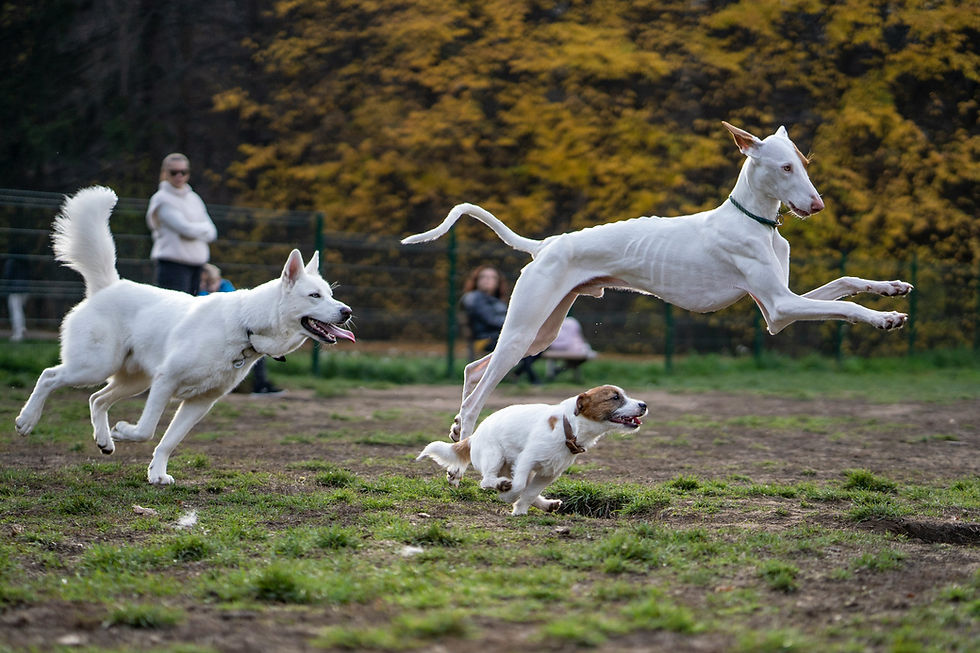
Why Size Matters: Biological Differences Among Breeds
The reason big dogs live shorter lives is rooted in biology:
Rapid growth: Larger breeds grow quickly, putting more strain on bones, joints, and organs.
Faster metabolism: Their cells divide faster, leading to quicker aging.
Higher stress on organs: The heart and circulatory system work harder to support a large body.
In contrast, small breeds have slower metabolic rates, less oxidative stress, and typically fewer age-related diseases — allowing them to enjoy a longer, steadier life pace.
Dog Years vs. Human Years
The old saying “one dog year equals seven human years” is a myth. The real conversion depends on breed and size.
Dog Age | Small Breeds (Human Years) | Medium Breeds (Human Years) | Large Breeds (Human Years) |
1 year | 15 | 15 | 14 |
2 years | 24 | 24 | 22 |
5 years | 36 | 37 | 40 |
8 years | 48 | 51 | 55 |
10 years | 56 | 60 | 66 |
12 years | 64 | 69 | 77 |
15 years | 76 | 83 | 96 |
A 10-year-old small dog equals roughly a 60-year-old human, while a large dog of the same age equals about 66 human years.
Main Factors Influencing a Dog’s Lifespan
Genetics: Some breeds, like Chihuahuas and Dachshunds, are naturally long-lived, while others are predisposed to hereditary diseases.
Diet: Proper nutrition rich in animal proteins, healthy fats, and essential minerals directly affects longevity.
Weight Control: Obesity shortens lifespan by increasing risks of heart disease, diabetes, and joint problems.
Exercise: Regular walks and play keep the cardiovascular and muscular systems healthy.
Veterinary Care: Routine checkups, vaccinations, and parasite control can add years to a dog’s life.
Neutering / Spaying: Reduces hormonal stress, prevents cancers, and can extend life expectancy by 20–25%.
Environment and Stress: A peaceful, stable environment supports immune balance and mental well-being.
Nutrition and Longevity
Good nutrition is the foundation of a long life.Dogs are omnivorous carnivores and require animal protein as the main energy source.
Feeding principles for a long-lived dog:
Prioritize animal-based proteins (chicken, beef, fish).
Provide Omega-3 and Omega-6 fatty acids for heart and skin health.
Include fiber and antioxidants (pumpkin, carrots, spinach).
Avoid table scraps, processed foods, and sugars.
Always ensure fresh water is available.
Example of a balanced daily diet:
Component | Purpose |
Lean meats | Protein source and muscle maintenance |
Cooked vegetables | Vitamins and fiber for digestion |
Healthy oils | Skin and coat nourishment |
Clean water | Kidney protection and hydration |
Exercise and Mental Stimulation
Physical and mental activity are equally important for a long, healthy life.
Daily walks: At least 30–60 minutes, adjusted to the dog’s energy level.
Playtime: Games like fetch, hide-and-seek, or agility improve coordination.
Mental work: Training sessions and puzzle toys strengthen the brain.
Socialization: Meeting other dogs reduces anxiety and improves confidence.
A sedentary dog not only gains weight but also faces higher risks of depression and premature aging.
Signs of Aging in Dogs
Reduced energy and slower movement.
Weight loss or gain.
Gray or thinning fur.
Vision or hearing decline.
Bad breath and dental issues.
Stiffness and arthritis.
Increased sleep duration.
Early recognition of these signs allows for better care and adaptation to an older dog’s needs.
Caring for Senior Dogs
As dogs age, they require extra attention and a softer approach:
Schedule veterinary visits every 6 months.
Provide easy-to-digest senior dog food.
Keep them warm and comfortable.
Encourage gentle daily exercise.
Use orthopedic beds for joint relief.
Support mental health with affection and stimulation.
Maintain dental hygiene.
Avoid sudden changes in routine or environment.
Older dogs can still live happily and actively with the right adjustments.
Common Diseases That Shorten Lifespan
Disease | Description | Risk Level |
Common in large or overweight dogs | High | |
Diabetes | Linked to obesity and poor diet | Medium |
Frequent in older dogs | Medium | |
Arthritis | Causes pain and reduced mobility | High |
Common after 10 years of age | High | |
Dental Disease | Leads to organ infections if untreated | Medium |
Preventive care — including blood tests, weight management, and early diagnosis — can add years to a dog’s life.
The Role of Neutering and Spaying
Scientific studies show that sterilized dogs:
Live 1.5 to 2 years longer on average.
Have lower risks of reproductive cancers.
Experience reduced aggression and roaming behavior.
Are less likely to suffer from hormonal stress.
Sterilization improves both quality and length of life when done under proper veterinary guidance.
Dogs With the Longest Lifespans
Breed | Average Lifespan (Years) | Health Traits |
Chihuahua | 16–18 | Very strong heart, low cancer rate |
Jack Russell Terrier | 15–17 | Extremely active and energetic |
Shih Tzu | 15–18 | Low genetic disease incidence |
15–20 | Excellent longevity, requires dental care | |
Beagle | 12–15 | Strong health, prone to obesity |
Dachshund | 14–17 | Back care needed |
13–16 | High intelligence and stamina |
Shortest-Lived Dog Breeds
Breed | Average Lifespan (Years) | Main Health Concern |
7–9 | Heart failure and bone disorders | |
Saint Bernard | 8–10 | Joint problems and gastric torsion |
Mastiff | 7–9 | Cancer and heart issues |
Bernese Mountain Dog | 8–10 | High cancer risk |
Irish Wolfhound | 7–9 | Fast growth and joint fragility |
How to Help Your Dog Live Longer
Feed a balanced, high-quality diet.
Maintain a healthy weight.
Provide daily exercise and mental stimulation.
Schedule regular vet visits.
Keep vaccinations and parasite control up to date.
Brush teeth regularly.
Avoid stress and isolation.
Offer consistent love and companionship.
Every small act of care — from feeding correctly to showing affection — adds days, months, and even years to your dog’s life.
Environmental and Emotional Well-Being
Dogs are emotional beings. They feel stress, anxiety, and happiness just like humans.
Maintain a stable routine — dogs thrive on predictability.
Avoid loud noises and frequent relocations.
Reward calm, positive behavior.
Spend time together daily — emotional connection directly affects lifespan.
A loved dog is a healthier dog — emotionally and physically.
Example of a Healthy Daily Routine
Time of Day | Recommended Activity |
Morning | 30-minute walk before breakfast |
Noon | Play or light training session |
Afternoon | Rest period in a quiet, cool area |
Evening | Walk and interaction with family |
Night | Light meal and calm environment before sleep |
Consistency provides comfort and stability, essential for long-term well-being.
Conclusion
The lifespan of a dog depends on countless small factors — many of which are in the owner’s hands.With balanced nutrition, preventive veterinary care, daily exercise, emotional connection, and unconditional love, your dog can live longer, happier, and healthier.
A dog’s time on Earth may be short, but with proper care, every year can be filled with health, joy, and loyalty — the very essence of the bond between human and animal.
Frequently Asked Questions (FAQ) - how long do dogs live
How long do dogs usually live?
Most dogs live between 10 and 13 years, although lifespan varies significantly depending on breed, size, genetics, diet, and overall care. Small breeds often live beyond 15 years, while some giant breeds have shorter life expectancies of 8–10 years. Lifestyle factors such as nutrition, exercise, preventive care, and living environment also play a crucial role in longevity.
Which dog breeds live the longest?
Small breeds tend to live the longest. Breeds such as Chihuahua, Toy Poodle, Jack Russell Terrier, Shih Tzu, and Dachshund frequently reach 16–20 years with proper care. Their slower growth rates and smaller body mass are believed to contribute to extended lifespan.
Why do larger dogs have shorter lifespans?
Large and giant breeds grow rapidly during puppyhood, placing greater stress on their organs, joints, and cardiovascular system. This accelerated growth is associated with faster cellular aging and increased risk of conditions such as heart disease, orthopedic disorders, and certain cancers, which collectively reduce lifespan.
Do mixed-breed dogs live longer than purebred dogs?
In many cases, yes. Mixed-breed dogs often benefit from greater genetic diversity, which can reduce the likelihood of inheriting breed-specific genetic disorders. However, lifespan still depends heavily on care, environment, and preventive health management.
How can I convert my dog’s age into human years?
The commonly used method estimates that the first year of a dog’s life equals about 15 human years, the second year equals approximately 9 human years, and each additional year corresponds to roughly 4 human years. However, this formula varies by breed and size, as larger breeds age more quickly than smaller ones.
Does neutering or spaying extend a dog’s lifespan?
Yes. Sterilized dogs often live 1–3 years longer on average. Spaying eliminates the risk of uterine infections and significantly reduces mammary tumor risk, while neutering prevents testicular cancer and reduces hormone-driven behaviors that may increase injury risk.
What are the most common causes of death in older dogs?
The most common life-limiting conditions in senior dogs include cancer, heart disease, kidney failure, diabetes, and severe arthritis. Regular health screenings and early diagnosis can significantly improve treatment outcomes and survival time.
At what age is a dog considered old?
A dog’s senior status depends on size. Small breeds are typically considered senior at around 10 years of age, medium breeds at approximately 8 years, and large or giant breeds at 6–7 years due to their faster aging process.
How can I help my dog live longer?
A balanced diet, consistent exercise, preventive veterinary care, dental hygiene, mental stimulation, and maintaining a healthy weight are key factors in extending lifespan. Emotional stability and a low-stress environment also contribute significantly to long-term health.
Does exercise extend a dog’s life?
Yes. Regular physical activity strengthens the cardiovascular system, maintains healthy weight, supports joint mobility, and reduces stress. Dogs that exercise consistently have lower rates of obesity and metabolic diseases.
What type of food helps dogs live longer?
High-quality food rich in animal protein, essential fatty acids such as Omega-3, vitamins, and balanced minerals supports organ function and immune health. Avoiding excessive carbohydrates, processed fillers, and table scraps reduces long-term metabolic strain.
Does obesity shorten a dog’s life?
Yes. Obese dogs live 1–3 years less on average. Excess weight increases strain on the heart, joints, and pancreas, raising the risk of diabetes, arthritis, and cardiovascular disease.
What are the first signs of aging in dogs?
Common early aging signs include reduced energy, graying fur around the muzzle, slower movements, mild stiffness, changes in appetite, and increased sleeping. Subtle behavioral shifts may also occur.
How should I care for a senior dog?
Senior dogs benefit from softer or highly digestible diets, shorter but frequent walks, orthopedic bedding, routine blood tests, and closer monitoring of behavioral changes. Maintaining a consistent routine reduces anxiety and cognitive decline.
Can dogs lose vision or hearing as they age?
Yes. Cataracts, retinal degeneration, and age-related hearing loss are common in older dogs. Regular eye and ear examinations help detect early changes and slow progression.
How often should dogs see a veterinarian?
Healthy adult dogs should receive annual examinations. Dogs over seven years of age should ideally have veterinary checkups every six months, including bloodwork and organ function screening.
What diseases reduce lifespan the most?
Cancer, chronic kidney disease, heart disease, diabetes mellitus, and severe endocrine disorders are among the most life-limiting conditions in dogs. Early detection significantly improves prognosis.
Does sterilization affect behavior and health?
Yes. Sterilization reduces hormone-driven behaviors such as roaming and aggression. It also lowers the risk of several reproductive diseases and certain cancers.
How important is dental hygiene for longevity?
Very important. Dental infections allow bacteria to enter the bloodstream, potentially damaging the heart, liver, and kidneys. Regular tooth brushing and professional cleanings can extend lifespan.
How much water should a dog drink daily?
Dogs generally require approximately 50–60 milliliters of water per kilogram of body weight daily. Adequate hydration supports kidney function, circulation, and metabolic balance.
Does stress affect a dog’s lifespan?
Yes. Chronic stress elevates cortisol levels, suppresses immunity, and accelerates aging processes. A calm environment, routine, and emotional bonding reduce long-term stress effects.
Is it normal for older dogs to sleep more?
Yes. Senior dogs require more rest to recover energy. However, excessive lethargy, appetite loss, or behavioral changes may indicate underlying health issues.
Do indoor dogs live longer than outdoor dogs?
Generally, yes. Indoor dogs are less exposed to traffic accidents, infectious diseases, extreme weather, and environmental hazards, which contributes to longer life expectancy.
Does emotional connection affect longevity?
Yes. Dogs that experience strong human bonding tend to have lower stress levels, improved immune function, and overall better health outcomes.
Can a dog live 25 years?
It is rare but possible. Exceptional cases, such as documented long-lived dogs, demonstrate that optimal genetics, environment, nutrition, and preventive care can allow some dogs to reach advanced ages.
Sources
American Kennel Club (AKC)
World Small Animal Veterinary Association (WSAVA)
The Kennel Club (UK)
Mersin Vetlife Veterinary Clinic – https://share.google/XPP6L1V6c1EnGP3Oc