
Best Cat Foods You Can Buy: A Comprehensive Scientific Guide

Scientific Introduction to Choosing the Best Cat Food
Selecting the best cat food is one of the most important long-term health decisions a cat owner can make. Cats are obligate carnivores, meaning their biological and metabolic systems are designed to thrive on diets rich in animal-based proteins, specific amino acids, and controlled levels of minerals and fatty acids. Because of this unique physiology, the concept of “best cat food” cannot be simplified to brand popularity or marketing promises; it must be based on measurable nutritional science, digestibility, and quality standards.
A scientifically sound cat diet must provide optimal levels of high-quality animal protein, essential amino acids such as taurine, correct omega-3 and omega-6 fatty acid ratios, appropriate energy density, and precisely balanced minerals, especially magnesium, phosphorus, and calcium. These nutritional factors affect nearly every key system in the feline body, including cardiac function, kidney health, digestion, immune performance, muscle integrity, and neurological development.
Modern commercial cat foods are formulated by veterinary nutritionists, food scientists, biochemists, and regulatory institutes to meet standards set by organizations such as FEDIAF (Europe), AAFCO (United States), and NRC (National Research Council). These standards define nutrient minimums and maximums based on scientific research rather than brand preference. When evaluating cat foods, it is essential to look beyond advertising and identify the formulation quality, raw ingredient sourcing, digestibility scores, amino acid profiles, and whether the product has undergone feeding trials.
This guide provides a deeply detailed, science-based overview of today’s cat food landscape. It breaks down how to assess ingredient quality, compare product types, understand nutrition labels, and select the most appropriate food categories for kittens, neutered cats, allergic cats, medically compromised cats, and various breeds. The goal is to offer cat owners a reliable, research-driven reference to make informed, long-term feeding decisions that enhance health, prevent disease, and support a longer feline lifespan.
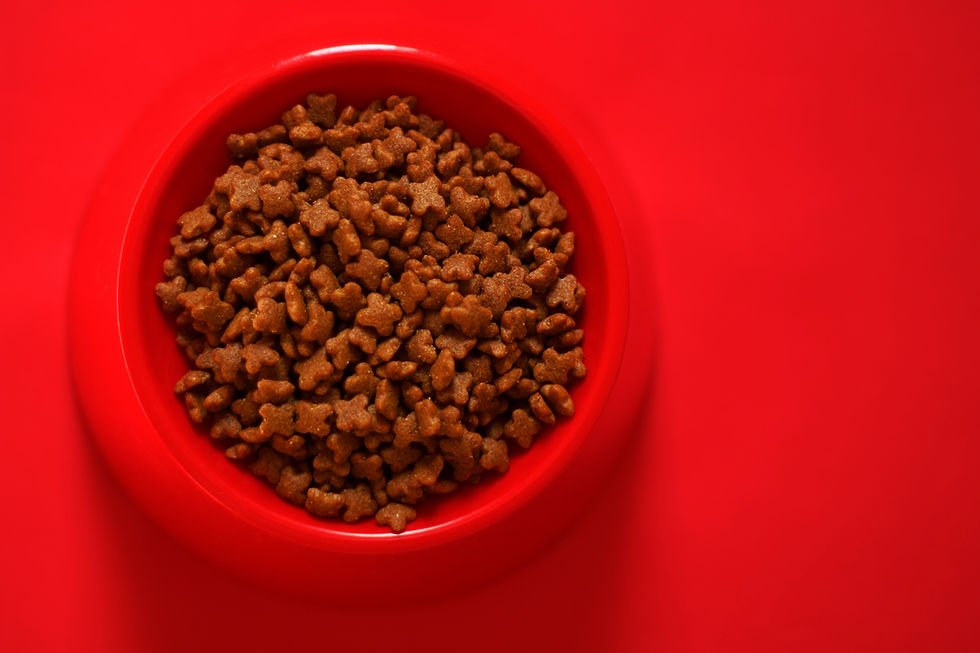
Quality Standards and Nutritional Composition in Cat Foods
The true quality of a cat food is determined not only by its ingredient list, but by the scientific integrity of its formulation, the nutritional balance of its components, the digestibility of its proteins, and the manufacturing standards used to produce it. High-quality cat foods are defined by controlled nutrient profiles, precise mineral ratios, clear protein sourcing, clean ingredient transparency, and adherence to international quality certifications.
Protein Source and Biological Value
Cats require high levels of biologically valuable animal protein. Protein quality is defined by its amino acid profile, digestibility, and biological value. The highest-quality protein sources in cat nutrition include:
Chicken muscle meat
Turkey
Salmon and other ocean fish
Egg protein
High-grade poultry meals (category-3 certified)
Generic terms like “meat by-products,” “poultry by-products,” or “animal meal” indicate lower ingredient transparency and variable quality.
Fat and Essential Fatty Acids
Fat is a primary energy source for cats. A science-based formula uses balanced omega-3 and omega-6 fatty acids to support skin health, coat quality, joint function, and inflammatory regulation. The best omega-3 sources include salmon oil, herring oil, anchovy oil, and krill oil.
Carbohydrate Source and Glycemic Load
Cats have a limited ability to metabolize carbohydrates. Therefore, the ideal cat food includes controlled carbohydrate levels and avoids excessive use of high-glycemic fillers. Some grain-free foods still contain high carbohydrate levels from peas or potatoes, which must be evaluated carefully.
Mineral Balance and Urinary Health
Minerals play a crucial role in preventing urinary tract issues such as struvite or calcium oxalate crystal formation. The most critical mineral specifications include:
Magnesium: 0.08–0.12%
Phosphorus: 0.7–1.0%
Calcium-to-phosphorus ratio: 1.1:1–1.3:1
Controlled sodium levels for urinary pH regulation
Premium cat foods maintain precise mineral targets, whereas low-quality foods may vary significantly.
Taurine and Essential Nutrients
Taurine is an essential amino acid required for cardiac function, vision, reproduction, and neurological health. All high-quality cat foods supplement taurine to ensure levels meet or exceed scientific requirements.
Manufacturing Quality and Certifications
A cat food’s safety and consistency depend heavily on the manufacturer’s quality controls. High-standard facilities follow:
FEDIAF compliance
AAFCO nutrient profiles
HACCP food safety protocols
GMP+ manufacturing good practices
ISO 22000 food safety management
Foods produced under these certifications offer superior consistency, safety, and nutrient accuracy.
Quick Scientific Comparison Table: Low vs High Quality Cat Foods
Criterion | Low-Quality Cat Foods | High-Quality Cat Foods |
Protein Source | By-products, meat derivatives | Named animal proteins |
Carbohydrate Content | High | Controlled and species-appropriate |
Omega-3 Profile | Low | EPA/DHA balanced |
Mineral Balance | Variable | Precisely controlled |
Digestibility | 70–80% | 85–95% |
Quality Certifications | Often absent | FEDIAF, AAFCO, HACCP, GMP+ |
A rigorous scientific evaluation of nutritional composition is essential for determining whether a cat food supports long-term health, prevents metabolic disease, and promotes a balanced feline lifestyle.

Scientific Differences Between Dry Food and Wet Food
Understanding the scientific differences between dry and wet cat foods is essential for making an informed decision. Although both food types can be part of a balanced diet, they differ significantly in moisture content, caloric density, digestibility, urinary health impact, and overall nutritional profile.
Moisture Content and Hydration
The most fundamental difference is water content:
Dry food: 6–10% moisture
Wet food: 70–80% moisture
Cats have a naturally low thirst drive because their evolution favored obtaining moisture directly from prey. Therefore, feeding only dry food may result in chronic dehydration, reduced urine volume, and increased risk of urinary crystals or lower urinary tract disease (FLUTD). Wet food, by contrast, improves hydration and supports optimal urinary health.
Energy Density and Caloric Differences
Dry food is more calorie-dense due to its low moisture content. This makes it convenient for feeding small, controlled portions, but also increases the risk of overfeeding. Wet food contains fewer calories per gram and is more satiating due to higher volume, which helps maintain a healthy weight.
Digestibility and Palatability
Wet food generally has higher palatability and digestibility. The soft texture reduces chewing effort and can be particularly beneficial for senior cats, cats with dental issues, or picky eaters. Dry food may vary in digestibility depending on processing and ingredient quality.
Carbohydrate Levels
Dry food commonly contains more carbohydrates to maintain kibble structure. Wet foods typically have lower carbohydrate content, aligning better with a carnivorous diet. Controlled carbohydrate intake helps prevent obesity, diabetes risk, and metabolic imbalance.
Dental Health Considerations
While dry food has often been promoted as helpful for dental cleaning, scientific evidence shows the effect is minimal unless the kibble is specially designed for dental care and has proven mechanical cleaning properties.
Scientific Comparison Table: Dry Food vs Wet Food
Feature | Dry Food | Wet Food |
Moisture Content | 6–10% | 70–80% |
Caloric Density | Very high | Moderate |
Digestibility | High (variable) | Very high |
Carbohydrates | Generally higher | Usually lower |
May require added hydration | Naturally supportive | |
Palatability | Moderate–high | High |
Storage & Shelf Life | Long shelf life | Must be used quickly after opening |
Dental Benefits | Limited | None |
Best Practice
Most veterinarians and nutrition experts recommend a combination of dry and wet food to ensure hydration, weight control, and balanced nutrient intake.

Best Food Choices for Kittens
Kittens have unique nutritional requirements due to rapid growth, muscle development, bone mineralization, and immune system maturation. Choosing the best food for kittens is essential to ensure healthy development during this critical early-life period.
Increased Protein and Energy Requirements
Kittens require significantly more protein and calories per kilogram of body weight compared to adult cats. Scientifically ideal kitten food should contain:
30–36% high-quality animal protein
18–22% fat for energy and development
Essential amino acids such as taurine and arginine
Balanced omega-3 fatty acids (DHA for brain and eye development)
Calcium and Phosphorus Balance
Bone and skeletal growth rely heavily on correct calcium-phosphorus ratios. The scientifically optimal Ca:P ratio is:
1.1:1 to 1.3:1
Adequate vitamin D3 is also required for proper mineral absorption.
Digestibility and Gut Development
Kittens possess developing digestive systems, making highly digestible proteins and gentle carbohydrate sources essential. Prebiotics such as MOS and FOS support gut flora development and reduce digestive upset.
Immune System Support
High-quality kitten foods include antioxidants (Vitamins E and C), omega-3 fatty acids, and zinc to support immune resilience during the intense growth period.
Palatability and Food Acceptance
Kitten food must be highly palatable to encourage consistent intake, especially during the weaning period (4–8 weeks). Wet kitten food is often easier to accept and digest during early life stages.
Scientific Kitten Food Requirements Table
Requirement | Ideal Scientific Range | Importance |
Protein | 30–36% | Muscle development |
Fat | 18–22% | Energy and growth |
DHA | High | Brain and eye development |
Ca:P Ratio | 1.1–1.3:1 | Bone mineralization |
Digestibility | ≥85% | Reduces GI stress |
Energy Density | High | Supports rapid growth |
Summary
The best kitten foods use premium animal proteins, DHA-rich oils, balanced minerals, and scientifically validated nutrient profiles. These components lay the foundation for lifelong health, strong immunity, and proper physical development.

Food Selection Criteria and Cost Analysis for Neutered Cats
Neutered cats have unique metabolic and physiological changes that strongly influence their nutritional requirements. A decrease in metabolic rate (up to 20–30%) combined with an increase in appetite significantly raises the risk of obesity and urinary tract problems. Therefore, choosing the best cat food for neutered cats requires careful consideration of calorie density, protein quality, mineral balance, and weight-management nutrients.
Metabolic Changes After Neutering
After neutering, cats experience:
Reduced energy expenditure
Increased appetite
Higher risk of fat accumulation
Increased likelihood of urinary crystals (struvite or calcium oxalate)
This combination makes diet selection critical for long-term health.
Ideal Nutrient Profile for Neutered Cats
A scientifically balanced neutered-cat formula should include:
32–35% high-quality animal protein
10–14% fat to prevent unnecessary weight gain
Controlled minerals—especially magnesium and phosphorus
L-carnitine to support fat metabolism
Moderate fiber to increase satiety
Controlled calorie density
These factors help maintain lean muscle mass while preventing excess fat accumulation.
Mineral Management for Urinary Health
Urinary health is one of the most important concerns in neutered cats. The ideal mineral levels are:
Magnesium: 0.09–0.12%
Phosphorus: 0.7–1.0%
Calcium-phosphorus ratio: 1.1–1.3:1
Sodium: controlled to regulate urinary pH
Foods designed for urinary health help maintain slightly acidic urine (pH 6.0–6.5), reducing crystal risk.
Satiety and Weight Management
Adding moderate dietary fiber (e.g., beet pulp, pea fiber, cellulose) helps neutered cats feel full with fewer calories. This reduces overeating and helps maintain a stable body weight.
Cost Analysis for Neutered Cat Foods (United States / 2025)
Category | Price Range (Per Pound) | Monthly Cost (Average Consumption 4–4.5 lb) |
Budget Neutered Formulas | $3 – $6 | $15 – $30 |
Mid-Range Brands | $7 – $12 | $30 – $55 |
Premium Brands | $13 – $22 | $55 – $95 |
Veterinary Prescription Diets | $20 – $30 | $80 – $130 |
Neutered cats benefit significantly from high-quality diets due to their increased risk of obesity and urinary disease. Choosing the right formula prevents expensive long-term medical conditions and enhances quality of life.

Appropriate Food Choices for Cats with Allergies or Sensitivities
Food allergies and intolerances are common in cats and typically present as skin irritation, chronic itching, recurrent ear infections, digestive upset, vomiting, or chronic diarrhea. Selecting the best food for allergic or sensitive cats requires identifying proteins or ingredients that trigger immune reactions and choosing formulas scientifically designed to minimize allergenic responses.
Common Food Allergens in Cats
The most frequent allergens include:
Chicken
Beef
Fish
Dairy
Eggs
Corn or wheat
Soy
Symptoms can take weeks or months to develop, making diagnosis challenging without a controlled diet.
Hypoallergenic Diet Options
1. Hydrolyzed Protein Diets (Gold Standard)
Hydrolyzed proteins are broken down into small molecular fragments that the immune system does not recognize. Veterinary-approved hydrolyzed diets are the most effective option for severe allergies.
2. Novel Protein Diets (Monoprotein)
These contain a single, new protein source the cat has not eaten before, such as:
Duck
Turkey
Rabbit
Venison
Lamb
These are ideal for elimination diet trials.
3. Grain-Free Sensitive Formulas
Although not suitable for all cats, grain-free options can help those with specific carbohydrate sensitivities.
Digestive Intolerances vs True Allergies
True allergies involve an immune response, while intolerances reflect difficulty digesting certain ingredients. Sensitive-stomach formulas generally use:
Easily digestible proteins
Reduced fat
Gentle carbohydrates
Added prebiotics (FOS, MOS)
Scientific Comparison Table for Allergy-Friendly Cat Foods
Type of Diet | Key Feature | Best For |
Hydrolyzed Protein Diet | Proteins broken into micro-fragments | Severe allergies, chronic dermatitis |
Novel Protein (Monoprotein) | One single protein source | Mild–moderate allergies, elimination diets |
Grain-Free Sensitive | No corn, wheat, or soy | Mild digestive sensitivity |
Low-Fat Sensitive GI Diet | Gentle on the stomach | Cats with pancreatitis or IBS tendencies |
Elimination Diet Trial (8–12 Weeks)
This is the gold standard for diagnosing allergies. During this period:
Only the hypoallergenic food should be fed
No treats, table scraps, or flavored medications
Symptoms should be documented weekly
Improvement confirms a dietary cause.
Summary
Sensitive or allergic cats require tightly controlled ingredients, high digestibility, and scientifically formulated diets. Hydrolyzed and monoprotein foods remain the safest and most effective long-term choices.

Food Recommendations for Digestive, Kidney, Liver, and Other Medical Conditions
Cats with medical conditions require highly specific dietary profiles. Food selection for these cats must be based on clinical science, as inappropriate nutrition can worsen disease progression. Digestive disorders, kidney disease, liver conditions, and urinary problems all require tailored formulas that support metabolic stability and reduce organ strain.
1. Digestive Disorders (IBD, Gastritis, Pancreatitis, Chronic Diarrhea)
Cats with gastrointestinal sensitivity need foods that are gentle, highly digestible, and formulated to reduce inflammation.
Ideal features for digestive-health diets:
Highly digestible animal proteins
Moderate fat content
Controlled fiber levels (FOS, MOS, beet pulp)
Limited-ingredient formulas
Avoidance of artificial additives
Omega-3 fatty acids (anti-inflammatory benefits)
Cats with chronic diarrhea or irritable bowel disease often show improvement with hydrolyzed protein diets or novel protein formulations.
2. Kidney Disease (CKD – Chronic Kidney Disease)
Kidney disease is one of the most common conditions in adult and senior cats. Nutritional modification slows disease progression and reduces kidney workload.
Science-based renal diet characteristics:
Controlled phosphorus (0.3–0.6% dry matter)
Controlled protein levels (high-quality, moderate amount)
Higher moisture content (wet renal diets preferred)
Increased omega-3 fats (EPA/DHA to reduce renal inflammation)
Balanced electrolytes
Reduced sodium
Renal diets are not simply “low-protein diets.” The protein must be highly digestible to maintain muscle mass while decreasing nitrogen waste.
3. Liver Disease (Hepatic Lipidosis, Chronic Hepatitis, Liver Failure)
Cats with liver disease require controlled fat metabolism and enhanced antioxidant support.
Ideal hepatic diet profile:
Moderate fat content
Easily digestible animal proteins
L-carnitine (critical for fat transport in liver lipidosis)
Increased antioxidants (Vitamin E, Vitamin C, taurine)
Controlled copper levels (important in cholangiohepatitis cases)
High moisture for hydration support
Cats recovering from hepatic lipidosis often need calorie-dense food with strong palatability to restore appetite.
4. Urinary Tract Conditions (FLUTD, Struvite, Calcium Oxalate)
The most important dietary factors for urinary health are:
Controlled magnesium
Moderate phosphorus
Controlled calcium
Moisture-rich diet
Urinary acidifiers (for struvite cases)
Formulas that help maintain urine pH between 6.0–6.5
Wet food plays a major role in preventing urinary crystals by increasing urine volume and reducing concentration.
Medical Condition Diet Comparison Table
Medical Condition | Ideal Diet Profile | Avoid |
Digestive Disorders | Highly digestible protein, moderate fat, limited ingredients | High-fat foods, artificial additives |
Kidney Disease | Low phosphorus, moderate protein, high moisture, EPA/DHA | High phosphorus, low-moisture dry-only diets |
Liver Disease | L-carnitine, antioxidants, controlled copper | Very high fat, poor-quality proteins |
Urinary Issues | Controlled magnesium, moisture-rich, urinary pH support | High magnesium, dehydrating dry-only diets |
Cats with medical conditions must always transition foods gradually and under veterinary supervision.
Scientific Evaluation of Grain-Free and High-Protein Cat Foods
Grain-free and high-protein cat foods have gained enormous popularity, but their benefits depend heavily on formulation quality rather than marketing claims. Both categories must be examined through scientific standards rather than trends.
Grain-Free Cat Foods: What the Science Shows
Grain-free foods exclude common grains such as corn, wheat, and barley. However, grain-free does not automatically mean low-carbohydrate or healthier.
Many grain-free diets use potatoes, peas, lentils, or tapioca, which may have equal or higher carbohydrate content than grains. Therefore, “grain-free” is not inherently better; the key factor is total carbohydrate level and protein quality.
Potential benefits of grain-free diets:
Helpful for cats with confirmed grain allergies (rare)
Lower glycemic index ingredients in some formulas
Often include more meat-based proteins
Potential limitations:
Can still be high in carbohydrates
Excessive pea protein may lower biological protein quality
Not suitable for all cats, especially those with kidney risks
High-Protein Cat Foods: When Are They Ideal?
High-protein diets typically contain 38–45% crude protein, but protein quality matters more than percentage. The protein must be mostly animal-derived, with minimal plant proteins.
Ideal for:
Active young adult cats
Bengal, Abyssinian, Savannah, and other highly active breeds
Cats needing muscle mass support
Use with caution in:
Senior cats with reduced kidney function
Cats prone to dehydration
Cats with phosphorus-sensitive medical conditions
Scientific Comparison Table: Grain-Free vs High-Protein Foods
Feature | Grain-Free Cat Foods | High-Protein Cat Foods |
Carbohydrate Content | Moderate–High (varies greatly) | Low–Moderate |
Protein Source | Mixed (sometimes plant-heavy) | Mostly animal-based (ideal) |
Suitability | Allergic cats, some GI issues | Active, muscular cats |
Risks | Pea-heavy formulas, carb overload | Kidney stress in senior cats |
Overall Benefit | Depends on ingredient quality | Excellent when protein is animal-based |
Final Scientific Assessment
Grain-free diets are beneficial only when formulation quality is high and carbohydrate levels are controlled.
High-protein diets are excellent for healthy adult cats, but require careful monitoring in older or medically vulnerable cats.
The best choice is not grain-free or high-protein alone, but a balanced formula that provides high-quality animal protein with controlled minerals and carbohydrates.
Budget-Friendly Cat Foods and Performance Comparison
Budget-friendly cat foods are widely available and often appear attractive due to their lower price point. However, affordability does not necessarily reflect nutritional suitability. Budget formulas vary significantly in protein quality, carbohydrate load, mineral accuracy, digestibility, and long-term health impact. Therefore, evaluating inexpensive cat foods requires a detailed scientific comparison rather than assumptions.
Typical Characteristics of Budget Cat Foods
Budget cat foods often use:
Meat by-products or animal derivatives instead of named meats
Higher levels of carbohydrates (corn, wheat, rice, soy)
Lower omega-3 fatty acid content
Inconsistent mineral profiles
Lower digestibility (70–80%)
These factors do not make budget cat food inherently harmful, but they can contribute to long-term health issues if not monitored properly.
Advantages of Budget Cat Foods
Affordable and widely accessible
Suitable for multi-cat households with budget limitations
Some mid-quality budget foods offer decent protein-to-price ratio
Cats with no medical issues may tolerate them well when supplemented with wet food
Limitations of Budget Cat Foods
Lower-quality animal proteins
Higher glycemic load due to excessive grains
Higher risk of urinary tract issues if minerals are not controlled
More frequent stool output due to lower digestibility
Increased likelihood of weight gain and skin/coat issues
Scientific Summary Table: Budget Foods vs Ideal Standards
Criterion | Budget Cat Foods (Typical) | Ideal Scientific Standard |
Protein Source | By-products, general meat meals | Named animal proteins |
Carbohydrates | Medium–high (30–40%) | Controlled (10–25%) |
Omega-3 Fatty Acids | Low | Balanced EPA/DHA |
Digestibility | 70–80% | >85% |
Mineral Balance | Variable | Stable, optimized |
Higher | Lower |
When Are Budget-Friendly Cat Foods Acceptable?
They can be used when:
The cat is young, healthy, and has no urinary or weight issues
The owner supplements hydration with wet food
The owner monitors weight and stool regularly
The brand provides transparent ingredients and safety standards
Budget cat foods require more frequent monitoring but can be made safer with proper hydration and regular veterinary check-ups.
Premium Cat Foods: Ingredient Quality and Scientific Advantages
Premium cat foods are formulated using advanced nutritional science, high-quality ingredients, controlled mineral levels, and superior manufacturing standards. The purpose of premium formulas is not only to feed the cat, but to optimize metabolic health, maintain muscle mass, support immune function, and prevent chronic diseases.
Key Characteristics of Premium Cat Foods
Named animal proteins as the first ingredient
High-quality protein sources (chicken, turkey, salmon, lamb, egg)
Balanced omega-3 and omega-6 profile
High digestibility (85–95%)
Precisely controlled magnesium, phosphorus, and calcium levels
Natural preservatives (mixed tocopherols, vitamin E)
Free from artificial colors and unnecessary fillers
Produced in FEDIAF-, AAFCO-, HACCP-, and ISO-certified facilities
These features make premium formulas more consistent, safer, and biologically appropriate for obligate carnivores.
Advantages of Premium Cat Foods
Better urinary health due to controlled minerals
Improved digestion and reduced stool volume
Shinier coat and healthier skin
Stronger immunity thanks to higher micronutrient levels
Reduced long-term risk of obesity, kidney disease, and diabetes
More stable energy levels
High palatability without artificial flavors
Premium formulas also help maintain lean body mass while preventing fat accumulation—an essential factor for longevity.
Possible Limitations
Higher price point
Not all premium-branded foods are scientifically superior
Some cats may require transition time due to richer ingredients
Price is often the only downside, but premium foods may reduce future veterinary costs by preventing chronic diseases.
Scientific Comparison Table: Budget vs Premium Cat Foods
Feature | Budget Foods | Premium Foods |
Protein Quality | Variable, sometimes plant-heavy | High-quality animal protein |
Digestibility | 70–80% | 85–95% |
Mineral Control | Inconsistent | Precisely balanced |
Omega-3 Levels | Low | Rich in EPA/DHA |
Skin/Coat Health | Moderate | Excellent |
Urinary Health | Requires monitoring | Strongly supportive |
Long-Term Cost | Lower upfront, higher vet risk | Higher upfront, lower vet risk |
Premium foods provide scientifically superior nutrition that directly influences longevity, immune resilience, and disease prevention.
Scientific Guide to Reading Cat Food Labels
Reading a cat food label accurately is one of the most important skills for selecting a truly high-quality product. Cat food labels can be confusing or intentionally vague, especially when brands use marketing language instead of scientific ingredient clarity. A scientifically correct approach focuses on ingredient transparency, nutrient percentages, mineral balance, and whether the product meets recognized regulatory standards.
1. Ingredient List Order and Transparency
Ingredients are listed by weight before processing.This makes the first 3–5 ingredients the most influential.
What to look for:
Named animal proteins (“chicken,” “turkey,” “salmon,” “chicken meal”)
High-quality animal meals (dehydrated meats with controlled category standards)
Natural fats (chicken fat, salmon oil)
What to avoid:
“Meat by-products,” “animal derivatives,” “poultry meal” with no species defined
Excessive plant proteins (“pea protein isolate,” “soy protein concentrate”)
Artificial colorings or chemical preservatives
A food with clear, named protein sources indicates better quality and safety.
2. Protein, Fat, and Carbohydrate Ratios
Cats require high levels of animal protein, moderate fat, and minimal carbohydrates.However, carbohydrate levels are not listed on labels and must be calculated manually:
Carbohydrate % = 100 – (Protein + Fat + Fiber + Moisture + Ash)
Ideal scientific ranges:
Protein: 32–40% (higher for active cats)
Fat: 10–20%
Carbohydrates: 10–25%
Values outside these ranges may indicate imbalanced nutrition.
3. Mineral Balance (Critical for Urinary Health)
Mineral inaccuracies can cause urinary stones and chronic urinary issues.
Key scientific targets:
Mineral | Ideal Range |
Magnesium | 0.08–0.12% |
Phosphorus | 0.7–1.0% |
Calcium : Phosphorus Ratio | 1.1–1.3 : 1 |
Sodium | Controlled levels |
4. Essential Nutrients: Taurine, Vitamins, and Omega Fatty Acids
A complete cat food must contain:
Taurine for heart + eye function
Balanced omega-3 and omega-6 fatty acids
Vitamin A, D3, E, B-complex
Zinc, copper, manganese
Taurine deficiency leads to severe cardiomyopathy and retinal degeneration, making it one of the most critical nutrients to check for.
5. Quality Assurance and Certifications
Look for foods manufactured under strict quality systems:
FEDIAF (Europe)
AAFCO (US)
HACCP
GMP+
ISO 22000
These certifications ensure that the food is produced under scientifically validated hygiene, safety, and nutritional accuracy standards.
6. Quick Label Evaluation Table
Label Feature | Low-Quality Food | High-Quality Food |
Protein Source | By-products | Named meats |
Carbohydrates | High | Controlled |
Preservatives | Chemical (BHA/BHT) | Natural (tocopherols) |
Omega-3s | Minimal | Adequate EPA/DHA |
Mineral Accuracy | Inconsistent | Precisely controlled |
Certifications | Often missing | Present |
Understanding labels empowers cat owners to distinguish marketing terms from real scientific quality.
Homemade Cat Food vs Commercial Cat Food: Scientific Comparison
Homemade cat food is appealing to some owners who value ingredient control and freshness. However, without veterinary nutritionist formulation, homemade diets often fail to meet essential feline nutrient requirements. Commercial foods, especially premium products, are scientifically balanced and extensively tested.
Advantages of Homemade Cat Food
Full ingredient transparency
Useful for cats with severe allergies (under professional supervision)
No artificial additives
Freshly prepared
However, these benefits only apply when the diet is formulated by a veterinary nutritionist.
Major Scientific Risks of Homemade Cat Food
1. Taurine DeficiencyHome-prepared meats contain insufficient taurine. Deficiency leads to heart failure (DCM) and retinal degeneration.
2. Incorrect Calcium–Phosphorus RatioMost homemade diets use plain meat, which is extremely high in phosphorus and deficient in calcium. Cats quickly develop metabolic bone disease, fractures, or dental issues.
3. Vitamin and Mineral ImbalancesCommercial foods balance:
Vitamins A, D, and E
B-complex vitamins
Zinc, iron, copper, manganese
Homemade diets almost always lack these unless supplemented correctly.
4. Incomplete Amino Acid ProfileSingle-protein homemade diets rarely match the amino acid structure needed for feline biology.
5. Microbiological RisksRaw diets increase the risk of:
Salmonella
Campylobacter
E. coli
These pathogens threaten both cats and humans.
Advantages of Commercial (Industrial) Cat Food
Scientifically balanced nutrient profiles
Precisely adjusted mineral ratios
Optimal taurine content
High digestibility
Diverse formulas (renal, urinary, hypoallergenic, etc.)
Produced under strict safety certifications
Commercial diets match the exact nutrient standards required for feline health.
Scientific Comparison Table: Homemade vs Commercial Cat Food
Factor | Homemade Diet | Commercial Diet |
Taurine Level | Insufficient | Optimal and controlled |
Nutrient Balance | Often incomplete | Complete and balanced |
Mineral Accuracy | Incorrect Ca:P ratio | Scientifically adjusted |
Digestibility | Variable | Consistent and high |
Safety | Risk of contamination | HACCP/ISO controlled |
Suitability for Disease | Not recommended | Specialized clinical formulas available |
Scientific Conclusion
Homemade cat food is only safe if formulated by a veterinary nutritionist with precise supplementation. For the general population, commercial cat food is significantly safer and nutritionally superior, especially for long-term feeding.
Daily Feeding Amounts, Feeding Routines, and Obesity Management
Determining the correct daily feeding amount is one of the most critical components of maintaining a cat’s long-term health. Overfeeding leads to obesity, which is one of the strongest predictors of diabetes, arthritis, liver lipidosis, and reduced lifespan. Underfeeding leads to muscle loss, nutrient deficiencies, and weakened immunity. A scientifically balanced feeding plan considers the cat’s ideal body weight, lifestyle, and the caloric density of the food.
How to Scientifically Determine Daily Feeding Amount
Veterinary nutritionists calculate daily caloric requirements using the following formula:
Daily Energy Requirement (DER):70 × (Ideal Body Weight in kg ^ 0.75) × Activity Factor
Activity factors:
Low activity: 1.0
Moderate activity: 1.2
High activity: 1.4
Once the DER is known, simply divide it by the food’s caloric density (kcal/kg) to determine grams per day.
General Feeding Guidelines (Dry Food)
Cat Type | Daily Dry Food Amount | Notes |
50–95 g | High energy/protein needs | |
Adult Cats (1–7 years) | 40–70 g | Adjust by lifestyle |
Neutered Cats | 35–60 g | Lower metabolism |
Senior Cats (7+) | 35–55 g | Require gentle, highly digestible food |
25–45 g | Must be paired with weight-loss plan |
These values may vary based on brand, caloric density, and the cat’s individual health.
Feeding Routines for Optimal Health
Cats evolved to eat multiple small prey throughout the day. As a result, the ideal feeding routine should mimic this pattern with small, controlled portions.
Best practice feeding model:
2–3 structured meals per day
Wet food incorporated daily for hydration and satiety
Avoid free-feeding (leaving kibble out all day)
Provide enrichment feeding (puzzle feeders, slow-feeders) when possible
Structured feeding prevents overeating, digestive stress, and erratic hunger cycles.
Obesity in Cats: Why It Happens and How to Prevent It
Obesity is one of the most common nutritional disorders in cats and is linked to:
Excess calories
High-carbohydrate diets
Free-feeding lifestyle
Lack of exercise
Metabolic changes after neutering
Obesity significantly increases the risk of:
Diabetes mellitus
Arthritis
Heart disease
Liver lipidosis
Reduced lifespan
Chronic inflammation
Scientific Obesity Management Approach
Caloric Restriction:Reduce daily calories to 70–80% of maintenance needs.
High-Protein, Controlled-Carb Diet:Higher protein preserves lean mass during weight loss.
Increased Hydration:Wet food helps increase volume and satiety without high calories.
Activity Enhancement:Daily 10–20 minutes of interactive play improves energy use.
Obesity Prevention Table
Strategy | Recommendation | Scientific Benefit |
Calorie Control | Reduce portions gradually | Encourages fat loss |
High-Protein Diet | 35%+ protein | Preserves muscle mass |
Wet Food Use | Daily inclusion | Reduces calorie density |
Limited Treats | <10% of daily intake | Prevents hidden calories |
Exercise | Play sessions daily | Boosts metabolism |
A well-regulated feeding routine combined with the right diet is essential for preventing obesity and maintaining lifelong health.
Scientific Transition Protocol for Changing Cat Food
Cats do not tolerate abrupt dietary changes well due to their sensitive digestive systems and fixed food preferences. A proper transition protocol ensures smooth adaptation to the new formula and prevents gastrointestinal upset such as vomiting, soft stool, diarrhea, or food refusal.
Why Gradual Transition Is Required
The gut microbiome needs time to adjust to new ingredients
Digestive enzymes must adapt to different protein and carbohydrate profiles
Sudden changes trigger stress responses, reducing appetite
A controlled transition helps detect potential allergies or intolerances early
7-Day Scientifically Recommended Transition Plan
Day | Old Food | New Food | Purpose |
Days 1–2 | 75% | 25% | Initial introduction |
Days 3–4 | 50% | 50% | Mid-transition |
Days 5–6 | 25% | 75% | Majority new diet |
Day 7 | 0% | 100% | Full switch |
Depending on the cat’s sensitivity, the transition can be extended to 10–14 days.
Key Signs the Transition Is Too Fast
Soft stool or diarrhea
Vomiting
Gas or bloating
Sudden food refusal
Increased scratching (possible intolerance)
If these occur, slowing down the transition usually resolves symptoms.
Scenario-Based Adjustments
Issue | Adjustment | Reason |
Food Refusal | Mix new food with wet food for palatability | Encourages acceptance |
Mild Diarrhea | Extend each stage to 3–4 days | Allows the gut to adjust |
Vomiting | Revert to 75% old food for 1–2 days | Reduces digestive stress |
Suspected Allergy | Stop immediately and start a novel or hydrolyzed protein | Prevents escalation |
Scientific Summary
A scientifically structured transition ensures:
Stable digestion
Better food acceptance
Reduced allergic reactions
Protection of gut microbiota
More accurate evaluation of the new food’s effects
With a proper transition, cats are more likely to benefit fully from the nutritional advantages of high-quality diets.
Cat Food Storage, Freshness, and Oxidation Control
Proper storage of cat food is essential to preserve nutritional quality, prevent oxidation, and protect cats from digestive upset or nutrient degradation. Cat foods—especially those containing omega-3 and omega-6 fatty acids—are highly sensitive to heat, air, and humidity. Poor storage conditions can significantly reduce nutrient potency and increase the risk of rancidity.
What Is Oxidation and Why Does It Matter?
Oxidation occurs when fats in the cat food react with oxygen, causing:
Loss of essential fatty acids
Development of rancid or bitter odors
Reduced palatability
Degradation of vitamins (especially A, D, E, K)
Increased risk of digestive upset
Formation of harmful free radicals
Dry foods protected with natural preservatives (mixed tocopherols) still degrade quickly when exposed to air.
Scientific Rules for Storing Dry Cat Food
Keep food in its original bagThe bag is engineered to protect nutrients and minimize air exposure. Place it inside an airtight container rather than pouring food directly into the container.
Store in a cool, dry placeIdeal storage temperature: 15–25°C (59–77°F).Heat accelerates oxidation dramatically.
Avoid sunlight and moistureDirect sunlight breaks down fats and vitamins.Moisture increases the risk of mold and bacterial growth.
Use opened bags within 4–6 weeksAfter this period, nutrient degradation becomes significant.
Do not refrigerate dry foodRefrigerators create condensation that ruins kibble texture and increases mold risk.
Wash food bowls dailyOils from the food adhere to surfaces and turn rancid, producing harmful bacteria.
Storing Wet Cat Food
Unopened cans/pouches: store at room temperature
Opened cans: refrigerate immediately and use within 24–48 hours
Never leave wet food out for more than 2–3 hours, especially in warm environments
Freshness and Storage Control Table
Risk Factor | Result | Scientific Solution |
Heat | Faster oxidation, nutrient loss | Store in cool places |
Humidity | Mold growth | Keep completely dry |
Air Exposure | Rancidity | Use airtight containers |
Sunlight | Vitamin degradation | Store in dark cabinets |
Dirty Bowls | Bacterial buildup | Wash daily |
How to Tell if Cat Food Has Gone Bad
Sour or rancid smell
Oily or greasy residue on kibble surface
Color change
Reduced food acceptance
Loose stool after eating
When in doubt, discard the food.
Proper storage preserves nutritional value, maintains safety, and ensures the cat food continues supporting long-term health.
Breed-Specific Cat Food Recommendations (British, Scottish, Maine Coon, etc.)
Different cat breeds have unique metabolic traits, coat types, skeletal structures, and hereditary tendencies. While all cats require high-quality animal protein, certain breeds benefit from targeted nutritional profiles tailored to their physiological characteristics.
A science-based approach considers breed-specific risks such as obesity, joint issues, coat maintenance, and heart health.
British Shorthairs are muscular, stocky, and prone to weight gain.
Ideal nutritional features:
34–38% high-quality animal protein
Moderately low fat levels
L-carnitine for fat metabolism
Controlled calorie density
Omega-3 supplements for coat density
Balanced minerals for urinary protection
Their slow metabolism makes weight control essential.
Scottish breeds often have cartilage and joint sensitivity.
Recommended food characteristics:
Omega-3 rich formulas (anchovy/salmon oil)
Glucosamine and chondroitin for joint support
Moderate fat and energy levels
High-quality digestible proteins
Strict mineral control
Joint health is a top nutritional priority for this breed.
As one of the largest domestic cat breeds, Maine Coons need nutrient-dense diets that support bone, heart, and muscle development.
Key dietary needs:
38–45% protein
Moderate fat for controlled energy
Taurine levels on the high end of the standard
EPA/DHA for cardiac support (HCM risk management)
Joint-support nutrients (glucosamine, chondroitin)
Their size and genetic risks require advanced nutritional support.
Persians have long fur, flat faces, and a tendency toward digestive sensitivity.
Ideal formulas include:
Specific fiber blends for hairball reduction
Omega-3 and omega-6 for coat and skin
Easily digestible proteins
Prebiotics (FOS/MOS) for gut health
Medium fat levels
Digestion and coat maintenance are top priorities.
Bengals are exceptionally active and muscular.
Nutritional focus:
High protein (40%+)
High animal-protein ratio
Moderate–high fat for energy
Taurine-rich formulas
Balanced minerals to protect kidney health
Their athletic metabolism requires dense animal-based nutrition.
Breed Comparison Table
Breed | Key Risks | Ideal Nutritional Focus |
British Shorthair | Obesity, dense coat | Controlled calories, L-carnitine, omega-3 |
Scottish Fold | Joint issues | Glucosamine, anti-inflammatory fats |
Maine Coon | HCM, joint stress | High taurine, EPA/DHA, joint support |
Persian | Hairballs, GI sensitivity | Fiber blends, digestible proteins |
Bengal | High energy needs | Very high animal protein, balanced fats |
Breed-specific nutrition supports natural physiology, reduces hereditary risks, and enhances long-term well-being.
2025 Cat Food Price Analysis (United States, UK, EU, Global Trends)
Cat food prices in 2025 vary significantly across regions due to differences in supply chains, currency fluctuations, ingredient sourcing, manufacturing standards, and brand positioning. Understanding these differences helps cat owners evaluate cost-to-nutrition value more accurately. While premium foods often cost more upfront, they may lower long-term veterinary expenses by preventing chronic health issues.
Key Factors Influencing Global Cat Food Prices
Protein Source CostsAnimal-based proteins—especially salmon, turkey, and lamb—have increased in price due to agricultural, fishing, and transportation constraints.
Manufacturing StandardsRegions with stricter regulations (EU, UK) tend to have slightly higher prices due to compliance with FEDIAF and ISO standards.
Inflation and Supply Chain DisruptionsGlobal inflation in raw materials, shipping, and packaging has pushed prices up across all markets.
Brand Positioning (Budget, Mid-Range, Premium, Veterinary Diets)Premium and veterinary diets reflect the cost of research, clinical testing, and higher-quality ingredients.
2025 Price Comparison by Region
Region | Budget (Per kg) | Mid-Range (Per kg) | Premium (Per kg) | Veterinary Diet (Per kg) |
United States | $6 – $12 | $13 – $20 | $22 – $35 | $30 – $45 |
United Kingdom | £5 – £9 | £10 – £16 | £18 – £28 | £26 – £40 |
European Union | €6 – €11 | €12 – €18 | €20 – €32 | €28 – €45 |
Australia | AUD 10 – 18 | AUD 20 – 32 | AUD 35 – 55 | AUD 50 – 75 |
Global Average | Varies | Varies | Premium significantly higher | Most expensive |
Prices may vary depending on import taxes, local availability, and brand reputation.
Cost Efficiency Analysis
Premium cat food appears more expensive upfront, but it often provides:
Higher digestibility (meaning cats eat less to feel full)
Better urinary health (reduces high vet bills)
Healthier skin and coat (reduces supplements)
Stabilized weight (reduces obesity-related conditions)
In contrast, budget foods may lead to:
Higher feeding volume
Increased stool output
More urinary issues
Long-term health risks
Thus, the monthly cost of feeding high-quality cat food is often closer to mid-range foods once digestibility and feeding volume are considered.
2025 Monthly Feeding Cost Estimate (Global Average)
Category | Average Monthly Cost | Notes |
Budget | $20 – $35 | Suitable for healthy, active cats |
Mid-Range | $35 – $60 | Best cost–quality balance |
Premium | $60 – $100 | Ideal for long-term health |
Veterinary Diets | $90 – $150 | For medical needs; vet prescribed |
Choosing cat food based solely on price can be misleading. Cost must always be weighed against ingredient quality, digestibility, and long-term health impact.
How Cat Food Quality Impacts Lifespan and Long-Term Health
Nutrition is one of the most powerful determinants of a cat’s lifespan and overall vitality. High-quality diets support all major physiological systems, reduce disease risk, and slow biological aging. Poor-quality diets—especially those high in carbohydrates, low in animal protein, or imbalanced in minerals—can gradually damage organs and shorten lifespan.
Impact on Lifespan
Scientific research shows that cats fed a balanced, high-quality diet can live 2–4 years longer on average than cats fed low-quality foods.This difference results from:
Lower inflammation
Better organ protection
Reduced metabolic strain
Higher immune resilience
Controlled weight and body condition
Impact on Key Body Systems
1. Kidney and Urinary Health
Quality cat food with controlled phosphorus, magnesium, and sodium directly prevents chronic kidney disease and urinary crystals.Poor-quality food accelerates kidney deterioration.
2. Digestive System
High digestibility reduces gastrointestinal stress and improves nutrient absorption.Low-quality food often causes gas, diarrhea, bloating, or vomiting.
3. Heart and Eye Health
Adequate taurine and omega-3 fatty acids protect:
Cardiac function
Retinal integrity
Neurological balance
Taurine-deficient diets can cause fatal dilated cardiomyopathy.
4. Immune System
Antioxidants, vitamins, and micronutrients in premium diets help:
Resist infections
Reduce chronic inflammation
Improve recovery from illness
5. Weight and Metabolic Health
Cats fed high-carbohydrate, low-protein diets are significantly more likely to develop:
Obesity
Diabetes
Fatty liver disease
High-quality, protein-rich diets maintain metabolic equilibrium.
Long-Term Health Comparison Table
Health Category | Poor-Quality Food | High-Quality Food |
Lifespan | Shorter (high disease risk) | Longer (protected health) |
Kidney Health | High strain | Reduced strain |
Immune System | Weaker | Stronger |
Weight Control | Poor | Excellent |
Skin/Coat | Dry, dull | Shiny, healthy |
Digestive Health | Unstable | Consistent |
Scientific Conclusion
High-quality cat food is not just about brand or price—it is an investment in long-term well-being. Proper nutrition protects every major system in the feline body, reduces disease risk, and significantly enhances lifespan. Cats thrive when fed species-appropriate, scientifically formulated diets rich in animal protein and balanced nutrients.
FAQ – Frequently Asked Questions About the Best Cat Foods
What factors determine the best cat food for long-term health?
The best cat food is defined by several scientific criteria: high-quality animal protein as the primary source, biologically appropriate amino acid profiles, controlled mineral levels (especially magnesium and phosphorus), balanced omega-3 and omega-6 fatty acids, low-to-moderate carbohydrates, and compliance with nutritional guidelines such as AAFCO or FEDIAF. Foods that meet these standards support optimal kidney, liver, heart, and digestive health. Cats receiving nutritionally complete diets generally enjoy longer lifespans, better immune function, and reduced risk of chronic disease.
Is the best cat food the same for every cat?
No. The best cat food varies according to a cat’s age, breed, health status, activity level, and whether the cat is neutered. Kittens need high-energy, high-protein formulas, while senior cats benefit from moderate protein and easily digestible nutrients. Neutered cats require controlled calories and balanced minerals to prevent urinary problems. Allergic or medically compromised cats need highly specialized diets. There is no single “best” food that fits every situation.
Are grain-free cat foods healthier?
Not necessarily. Grain-free cat foods are only healthier if they have controlled carbohydrate levels and rely on high-quality animal proteins. Many grain-free foods simply replace grains with peas or potatoes, which may increase overall carbohydrate content. Grain-free diets are beneficial only for cats with confirmed grain sensitivities—which are actually rare.
Do cats really need high-protein diets?
Yes, cats are obligate carnivores and require high levels of animal-based protein for muscle maintenance, organ function, and metabolic stability. However, the protein must be digestible and species-appropriate. High-protein cat foods are excellent for healthy adult cats but may require caution in older cats with kidney concerns. The quality of the protein matters more than the percentage alone.
Is dry cat food or wet cat food better?
Wet cat food is scientifically superior for hydration and urinary health due to its high moisture content (70–80%). Dry cat food is calorie-dense, more convenient, and often more affordable. The best approach is usually a combination of both: wet food for hydration and urinary support, dry food for controlled calorie intake and practicality. Cats with urinary issues often require daily wet food.
How can I tell if a cat food label is trustworthy?
A trustworthy cat food label includes named animal proteins (e.g., chicken, salmon, turkey), clear fat sources (chicken fat, salmon oil), well-defined mineral levels, natural preservatives, and compliance statements such as “AAFCO complete and balanced.” Avoid products with vague terms like “animal derivatives,” “meat by-products,” or “poultry meal” without a specified species. Transparent labeling reflects higher manufacturing standards.
What ingredients should I avoid when choosing cat foods?
Avoid foods containing excessive plant proteins (pea protein concentrates), artificial colors, chemical preservatives like BHA/BHT, high levels of corn or soy, vague protein terms (meat meal, animal meal), high carbohydrate content, and unspecified fats. These ingredients may contribute to digestive sensitivity, obesity, skin issues, and reduced nutrient absorption.
How does neutering affect the type of cat food I should choose?
After neutering, cats experience a drop in metabolism and an increase in appetite, raising the risk of weight gain and urinary crystals. Neutered cats benefit from cat foods with moderate calories, controlled minerals (especially magnesium and phosphorus), L-carnitine for fat metabolism, and increased hydration. These features help prevent obesity and urinary problems.
Can I feed homemade cat food instead of commercial formulas?
Homemade cat food is rarely nutritionally complete unless formulated by a veterinary nutritionist. Homemade diets often lack taurine, proper calcium-to-phosphorus ratios, essential vitamins, and balanced fatty acids, leading to serious long-term health problems. Commercial cat foods—particularly premium ones—are scientifically balanced and much safer for routine feeding.
What is the role of taurine in the best cat foods?
Taurine is an essential amino acid that supports heart function, vision, reproduction, and neurological health. Deficiency leads to dilated cardiomyopathy (DCM) and retinal degeneration, both of which can be fatal. High-quality cat foods always supplement taurine to meet or exceed required levels. Low-quality foods often fail to include proper amounts.
Why is phosphorus level important in cat food?
Phosphorus plays a crucial role in kidney function. High phosphorus levels over time can accelerate kidney disease, especially in older cats. The best cat foods maintain phosphorus between 0.7% and 1.0% for healthy cats, while renal diets use even lower levels. Monitoring phosphorus intake is one of the most effective ways to protect kidney health.
How can I identify food allergies in my cat?
Common signs of food allergies include itching, skin inflammation, chronic ear infections, vomiting, diarrhea, or soft stool. The only definitive method to diagnose food allergies is an 8–12 week elimination diet using a hydrolyzed protein or novel protein cat food. If symptoms improve during this period, the allergy is confirmed.
Is grain-free cat food good for cats with allergies?
Sometimes. Cats with allergies benefit from cat foods that reduce exposure to common triggers. Grain-free cat food can help with carbohydrate sensitivity, but true allergies usually involve proteins such as chicken, beef, or fish rather than grains. In most cases, hydrolyzed or novel protein formulas are more effective than grain-free diets.
What makes a premium cat food worth the higher price?
Premium cat foods invest in better ingredient quality, higher digestibility, controlled mineral ratios, clean proteins, natural preservatives, omega-3 fatty acids, and manufacturing certifications. This leads to better stool quality, healthier coats, controlled weight, improved urinary health, and fewer long-term medical issues. Over a lifetime, premium cat foods can reduce veterinary costs.
How much should I feed my cat per day?
Feeding amounts depend on ideal body weight, activity level, age, and caloric density of the cat food. A healthy adult cat typically needs 40–70 grams of dry food or a combination of dry and wet foods. Kittens, seniors, neutered cats, and obese cats require adjusted feeding amounts. Feeding guidelines on the package are a starting point, but individual adjustments are often necessary.
Why do some cats gain weight even on “healthy” cat foods?
Many “healthy” foods still have high calorie density or too many carbohydrates. Free-feeding (leaving food out all day) is also a major cause of obesity. Neutered cats gain weight more easily due to reduced metabolic rate. The best weight-management strategy involves portion control, wet food inclusion, high protein, controlled carbs, and increased daily activity.
Is it true that wet food helps prevent urinary problems?
Yes. Wet cat food contains high moisture levels that increase total water intake, dilute urine, and reduce urinary crystal formation. Cats that consume adequate moisture have significantly lower risk of developing FLUTD. Even the best dry cat foods cannot replicate the hydration benefits of wet formulas.
What is the safest way to transition between cat foods?
Use a 7-day gradual transition:Days 1–2: 75% old food + 25% newDays 3–4: 50% old + 50% newDays 5–6: 25% old + 75% newDay 7: 100% newSensitive cats may require 10–14 days. Rapid transitions can cause digestive upset.
Can low-cost cat foods be healthy?
Some budget cat foods are acceptable if they provide clear protein sources, controlled minerals, and decent digestibility. However, many low-cost products rely on by-products, high carbohydrates, and inconsistent nutrient profiles. If budget foods are used, pairing them with wet food and monitoring urinary health is essential.
What is the biggest mistake owners make when choosing cat foods?
The most common mistake is selecting cat food based on brand recognition or marketing rather than ingredient quality and nutrient science. Another mistake is assuming grain-free equals high quality, even when carbohydrate levels are excessive. Many owners also overlook mineral content—particularly magnesium and phosphorus—which can significantly affect urinary health.
How does hydration relate to the best cat food choices?
Hydration is critical because cats naturally have a low thirst drive. High-moisture foods (wet cat food, broths) support kidney and urinary health. When feeding primarily dry food, owners must encourage additional water intake via fountains or wet food supplements. Hydration is just as important as protein quality.
How can diet improve my cat’s skin and coat health?
High-quality cat foods rich in omega-3 fatty acids (EPA and DHA), animal-based proteins, zinc, and biotin significantly improve coat shine, reduce shedding, and strengthen the skin barrier. Cats on poor-quality diets often develop dull coats, dandruff, and itchy skin due to nutrient deficiencies.
Which proteins are best for cats with sensitive digestion?
Highly digestible proteins such as turkey, rabbit, lamb, and hydrolyzed proteins are ideal. Sensitive-stomach cat foods often use limited ingredients, gentle carbohydrates, and prebiotics to reduce GI irritation. Some cats cannot tolerate chicken or fish; novel proteins may be necessary.
How does cat food quality influence lifespan?
High-quality cat foods reduce inflammation, protect organs, maintain ideal body weight, support immune function, and reduce the risk of chronic diseases. Scientific studies show that cats on balanced, high-protein, controlled-mineral diets live 2–4 years longer on average than cats fed low-quality foods.
How do I know if the best cat food is working for my cat?
Signs of a well-functioning diet include:
Stable, healthy weight
Shiny coat and healthy skin
Firm, consistent stools
Good muscle tone
Strong appetite
High energy levels
Clear eyes and reduced tear staining
If your cat shows digestive issues, weight loss, excessive shedding, or urinary problems, reassessment of the diet is recommended.
Is mixing different cat foods safe?
Mixing cat foods is generally safe if nutritionally complete products are used. However, mixing brands with drastically different mineral levels or digestibility scores may cause digestive upset. Switching foods too often can also destabilize the gut microbiome. A stable, gradual approach is best.
Sources
FEDIAF Nutritional Guidelines for Cats
AAFCO Official Publication – Cat Food Nutrient Profiles
American College of Veterinary Nutrition (ACVN)
National Research Council (NRC) – Nutrient Requirements of Cats
Mersin Vetlife Veterinary Clinic – https://share.google/XPP6L1V6c1EnGP3Oc


Comments