
Dog Grooming Haircut Guide: When Is It Necessary, Which Method Is Suitable, and Which Breeds Should Avoid It?

What Is Dog Grooming Haircut and Why Is It Important?
A dog grooming haircut is the controlled trimming or shaving of a dog’s coat to maintain hygiene, comfort, and overall skin health. It isn’t only about appearance — it’s a vital part of preventive healthcare. Proper grooming keeps the coat manageable, reduces shedding, and prevents tangles or matting that can cause irritation or infection.
Different coat types require different grooming approaches. For example:
Long-haired breeds like Shih Tzus, Afghan Hounds, and Golden Retrievers benefit from regular trimming to prevent tangles.
Curly-coated dogs such as Poodles and Bichons require scissoring or clipper cuts to maintain shape and cleanliness.
Double-coated breeds (Huskies, German Shepherds, Malamutes) must never be fully shaved because their undercoat regulates temperature and protects the skin.
Beyond aesthetics, grooming affects comfort and behavior. Dogs with overgrown or matted fur often experience itching, restricted movement, or even pain. A proper haircut helps regulate body temperature, prevents overheating in summer, and reduces odor buildup.
However, improper grooming can harm rather than help. Over-shaving can lead to “post-clip alopecia” (hair not regrowing properly), sunburn, and imbalance in natural insulation. For this reason, professional grooming or veterinarian-guided trimming is always recommended.
In short, dog grooming haircuts are a blend of healthcare, hygiene, and emotional well-being — ensuring that your dog feels as good as it looks.
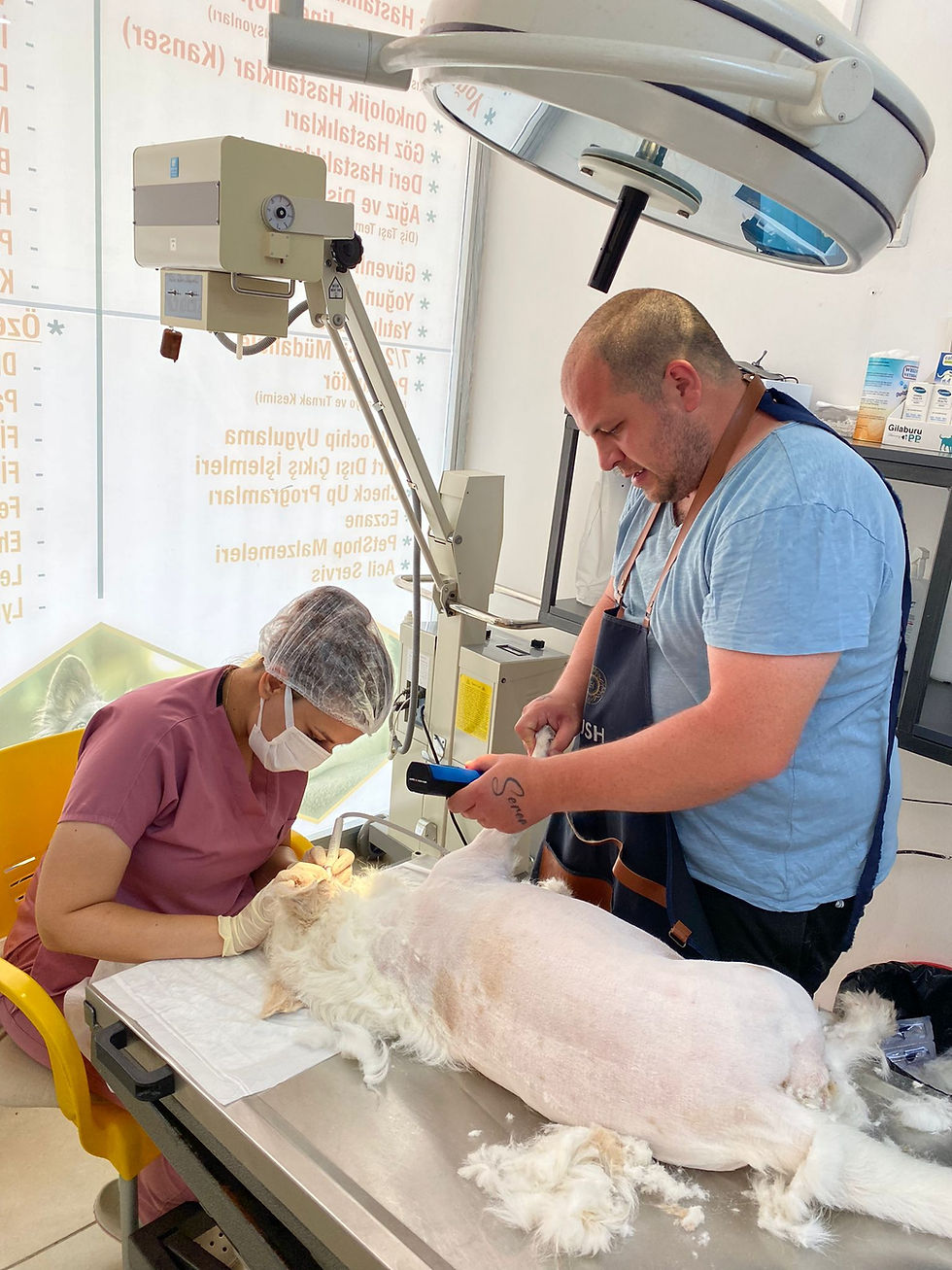
Signs Your Dog Needs a Grooming Haircut
Not all dogs need frequent haircuts, but recognizing the signs that grooming is overdue is crucial for their comfort and health. Dogs can’t communicate discomfort directly — their coats often tell the story.
1. Visible Matting or Tangles
Mats pull tightly on the skin and trap moisture, leading to sores, odor, and even infections. If brushing no longer separates the fur, it’s time for a professional groom.
2. Strong Odor or Greasy Coat
A dog’s natural oils can accumulate when the coat isn’t regularly maintained. A greasy or musty smell indicates dirt, sebum, and bacteria trapped close to the skin.
3. Excessive Shedding
While shedding is natural, uncontrolled shedding that fills the home with fur signals the need for a deshedding trim or undercoat thinning.
4. Change in Behavior
If your dog becomes irritable, scratches constantly, or avoids touch, discomfort from tangled fur or dirty skin might be the cause. Grooming restores comfort and confidence.
5. Overheating or Panting Indoors
In warm seasons, a thick or matted coat traps heat, preventing temperature regulation. A lighter trim improves airflow and reduces heat stress.
6. Eye or Ear Irritation
Long fur around the eyes or ears can harbor debris and moisture, leading to irritation or infection. Trimming these areas improves hygiene and visibility.
7. Difficulty Moving or Grooming Itself
Elderly or overweight dogs may struggle to clean themselves properly. Professional grooming helps maintain hygiene and prevent discomfort in hard-to-reach areas.
8. Dull Coat Appearance
Healthy fur should look soft and shiny. If your dog’s coat appears dull, frizzy, or lifeless, regular brushing and trimming will stimulate new growth and distribute natural oils evenly.
9. Seasonal Coat Change
If your dog’s coat thickens before summer or begins shedding heavily in spring, a grooming session helps manage the transition and prevents mat buildup.
10. Hygiene Issues Around Genital or Anal Areas
Fur accumulation near these regions can trap fecal matter or urine, leading to odor, irritation, and infection. Sanitary trims are part of responsible grooming.

Benefits and Risks of Dog Haircuts (Table Format)
Dog grooming haircuts provide essential health and comfort benefits, but when performed incorrectly, they can also pose risks. The following table summarizes the main advantages and potential issues associated with grooming:
Aspect | Benefits | Potential Risks |
Comfort | Reduces overheating, prevents matting, improves mobility. | Over-shaving can cause skin sensitivity or sunburn. |
Hygiene | Removes dirt, dead hair, and odor-causing buildup. | Irritation or bacterial infection if tools are unclean. |
Health | Allows early detection of lumps, wounds, or parasites. | Improper technique may damage follicles and delay regrowth. |
Appearance | Keeps coat shiny, soft, and tidy. | Uneven cuts or poor blending can alter natural coat texture. |
Behavior | Reduces frustration from tangles; improves mood and activity. | Some dogs may feel insecure or stressed after a full shave. |
Key Takeaways
Grooming enhances overall comfort, hygiene, and well-being, especially in long-haired or thick-coated breeds.
The most common mistakes arise from improper shaving depth or tool hygiene, which can lead to dermatitis or “post-clip alopecia.”
Professional or veterinary grooming eliminates nearly all risks while maximizing benefits.
Proper technique and aftercare (moisturizing, avoiding sun exposure, and maintaining brushing routines) ensure a healthy, balanced coat.

Different Types of Dog Haircuts and Their Purposes
There are several grooming styles and haircut techniques, each designed for different coat types, climates, and lifestyles. Understanding these helps owners choose the safest and most practical option for their dog’s comfort.
1. Basic Trim
This is a maintenance haircut where only the excess fur around the paws, ears, face, and sanitary areas is trimmed.
Ideal for: Short-haired and double-coated breeds (Labrador Retriever, German Shepherd).
Purpose: Keeps the coat tidy without altering its natural structure.
2. Puppy Cut
The most common and versatile style, leaving an even coat length (about 1–2 inches) all over the body.
Ideal for: Poodles, Shih Tzus, Maltese, and Yorkies.
Purpose: Prevents matting, reduces shedding, and provides easy maintenance.
Benefit: Keeps dogs looking youthful and soft, with minimal stress.
3. Teddy Bear Cut
Similar to the puppy cut but with rounded features on the face, giving a “stuffed toy” appearance.
Ideal for: Poodles, Cavapoos, Cockapoos, and Bichon Frises.
Purpose: Enhances aesthetics while maintaining comfort.
Note: Requires regular brushing to avoid tangles.
4. Lion Cut
A dramatic style where the body is shaved short, leaving fur around the head, tail tip, and sometimes the legs.
Ideal for: Long-haired breeds like Pomeranians or Chow Chows in hot climates.
Purpose: Reduces heat stress and prevents severe matting.
Warning: Overuse may cause follicle damage or uneven regrowth in sensitive breeds.
5. Breed-Specific Cuts
Some breeds have unique grooming standards:
Poodle Continental Cut – accentuates body shape and hygiene.
Schnauzer Cut – short body with longer “beard” and leg furnishings.
Cocker Spaniel Cut – trims belly and ears for airflow.These are mostly used for shows but can be simplified for everyday comfort.
6. Sanitary Trim
Focused trimming around the anus, genital area, and underbelly to maintain hygiene and prevent odor.
Essential for: Long-haired dogs or those prone to fecal contamination.
Often part of routine veterinary grooming.
7. Deshedding or Undercoat Removal
Rather than a haircut, this involves brushing and thinning to remove the dense undercoat.
Best for: Double-coated breeds such as Huskies, Samoyeds, and Golden Retrievers.
Purpose: Maintains insulation while preventing overheating and mat buildup.
8. Medical or Surgical Shaves
Used before surgery, dermatologic treatment, or ultrasound scanning.
Always performed by veterinarians or trained staff.
Temporary and focused on the specific area, not aesthetic purposes.
9. Summer Comfort Cut
A lighter variation of the puppy cut done during hot months to reduce heat stress.
Safe for most breeds except thick double-coated dogs.
Always leave a minimum of 1 inch of fur to prevent sunburn and UV exposure.

Grooming Frequency Based on Coat Type (Short, Double, Long, Curly)
Each dog breed has a unique coat structure that determines how often it should be groomed or trimmed. Proper grooming frequency maintains healthy hair growth, reduces shedding, and prevents matting or odor buildup.
Coat Type | Examples of Breeds | Recommended Grooming Frequency | Notes and Tips |
Short Coat | Beagle, Boxer, Dalmatian | Brushing once a week; haircut every 3–4 months only if necessary. | Avoid over-shaving; coat naturally protects from sun and temperature. |
Double Coat | Siberian Husky, Golden Retriever, German Shepherd | Regular brushing 2–3 times per week; deshedding every 6–8 weeks. | Never fully shave — undercoat regulates body temperature. |
Long Coat | Shih Tzu, Afghan Hound, Yorkshire Terrier | Brush daily; professional grooming every 6–8 weeks. | Trim around paws and eyes regularly to prevent tangles. |
Curly Coat | Poodle, Bichon Frise, Labradoodle | Brush every 2 days; haircut every 4–6 weeks. | Prone to matting — consistent maintenance essential. |
Additional Factors Affecting Frequency
Climate: Hot regions require lighter trims; cold regions need coat preservation for insulation.
Activity Level: Outdoor or working dogs require more frequent bathing and brushing.
Age and Health: Older dogs or those with skin diseases may need specialized grooming routines.
Consistent grooming prevents coat neglect — which is not just aesthetic but also a medical necessity for skin and comfort.
Cost of Dog Grooming (International)
Prices vary based on breed size, coat type, matting severity, sedation needs, and whether bath/drying is included.
USA: $60 – $150
UK: £40 – £100
EU (Eurozone): €50 – €120
With sedation or additional services, costs increase. Always confirm with your groomer or clinic.
How Professional Dog Grooming Is Done Step by Step
Professional grooming ensures hygiene, safety, and a stress-free experience for the dog. Certified groomers or veterinary staff follow a systematic process designed to protect both coat and skin health.
1. Pre-Grooming Assessment
Before grooming begins, the professional checks:
The condition of the coat (matting, tangles, dirt, parasites).
The dog’s behavior and temperament (nervous, aggressive, calm).
Any skin problems, wounds, or allergies.This step helps determine whether sedation or veterinary supervision is necessary.
2. Brushing and Detangling
The coat is thoroughly brushed to remove debris and loosen tangles.If mats are severe, they are cut out with guarded scissors or pre-clipped gently before bathing. This prevents pain and skin pulling during the process.
3. Bathing and Drying
Dogs are washed using hypoallergenic or breed-specific shampoos, followed by conditioner for long coats. After rinsing, the coat is dried using a low-noise, warm-air dryer to minimize stress.
4. Clipping and Haircut
Based on the breed and owner’s preference:
Clippers are used with the direction of hair growth to prevent skin irritation.
The coat length depends on climate and coat type.
Sensitive areas (belly, tail, ears) are trimmed using smaller blades.
Common techniques:
Blending: Smooth transition between short and long fur areas.
Scissoring: Precision shaping for curly or show breeds.
Undercoat thinning: Maintains natural insulation in double-coated breeds.
5. Nail, Ear, and Paw Care
Nails are trimmed to avoid overgrowth or posture problems.
Ears are cleaned with antiseptic wipes to prevent infections.
Paw pads are checked for cracks or debris and moisturized if necessary.
6. Final Finishing
The groomer applies detangling spray or coat shine, trims stray hairs, and ensures even symmetry.A final inspection checks for cuts, redness, or any overlooked mats.
7. Aftercare Advice to Owners
Owners are advised on:
Brushing frequency and tools suitable for their dog’s coat.
Warning signs of irritation or hot spots post-grooming.
Follow-up appointments (usually every 6–8 weeks).
Professional grooming is not just cosmetic — it’s an essential part of preventive health care, improving comfort, appearance, and hygiene simultaneously.
How to Safely Trim or Groom a Dog at Home
While professional grooming is the safest choice, many owners prefer to maintain their dog’s coat between appointments. With the right tools and patience, basic home grooming can be safe and effective. However, incorrect techniques can easily harm your dog’s skin — so preparation is key.
1. Prepare the Environment
Choose a quiet, well-lit room with minimal distractions.
Use a non-slip mat or table to stabilize your dog.
Keep all tools (clippers, brushes, towels, wipes) within reach.
Start only when your dog is calm — after exercise or a meal works best.
2. Gather the Right Tools
Essential grooming equipment includes:
Low-noise electric clippers with guard combs.
Slicker brush or wide-tooth comb for detangling.
Nail clippers and styptic powder for trimming nails safely.
Ear-cleaning wipes and pet-safe shampoo.
Pro Tip: Always disinfect blades before and after grooming to avoid skin infections.
3. Brushing Before Cutting
Brush your dog thoroughly to remove tangles or mats.
Never clip over a mat — this can catch the skin and cause injury.
If mats are too tight, use a detangling spray or consult a professional.
4. Trimming the Coat
Start from the neck or back area, moving with the direction of hair growth.
Keep the blade guard on; avoid cutting too close to the skin.
Be extra gentle on the belly, inner thighs, and armpits — these areas are thin and sensitive.
For the face and paws, use round-tipped scissors to prevent accidents.
5. Managing Sensitive Areas
Ears: Trim only visible hair around the edges. Never insert scissors into the ear canal.
Tail: Brush thoroughly, then trim slightly for cleanliness.
Sanitary zones: Carefully trim around the anus and genitals to prevent hygiene issues.
6. Post-Grooming Care
Reward your dog with treats and calm praise.
Wipe the skin with a damp cloth to remove loose hairs.
Check for redness, cuts, or razor burns.
Allow your dog to rest — grooming can be physically and emotionally tiring.
Important: If your dog is aggressive, anxious, or has medical conditions, avoid at-home full grooming. Seek help from a veterinary grooming professional for safety.
Common Mistakes to Avoid During Dog Grooming
Even well-intentioned owners can make mistakes that cause discomfort, skin irritation, or coat damage. Knowing these common errors helps maintain both safety and coat health.
1. Shaving Double-Coated Breeds
The most frequent mistake is shaving double-coated dogs (like Huskies, Malamutes, or Golden Retrievers).These coats regulate body temperature — shaving removes natural insulation and can lead to heatstroke or hair regrowth issues (post-clip alopecia). Instead, use de-shedding tools to thin the undercoat.
2. Using Dull or Dirty Clippers
Dull blades pull hair instead of cutting it cleanly, causing pain and skin redness. Dirty blades introduce bacteria, leading to infections.Always use sharp, sanitized blades.
3. Clipping Against Hair Growth
Cutting in the opposite direction of hair growth causes uneven texture, razor burns, and irritation. Always clip with the grain for smooth results.
4. Ignoring Matting Before Shaving
Trying to clip over mats can tear the skin or jam the clippers. Mats must be carefully detangled or removed before trimming.
5. Over-Bathing Before Grooming
Frequent washing strips natural oils from the coat, leading to dryness and static. Bath your dog every 4–6 weeks unless prescribed otherwise by a vet.
6. Poor Drying Techniques
Leaving a damp coat after bathing encourages fungal and bacterial infections. Use a low-heat, pet-safe dryer or towel dry thoroughly.
7. Forgetting Nail and Paw Care
Neglecting nails can alter walking posture, causing joint strain. Always trim nails during grooming sessions and check paw pads for cracks or debris.
8. Using Human Products
Human shampoos, scissors, or hair dryers are unsafe for dogs. They can cause burns, skin irritation, or allergic reactions due to different pH levels and power settings.
9. Ignoring Behavioral Cues
If your dog growls, trembles, or tries to escape, stop immediately. Forcing grooming can lead to long-term fear or aggression toward future sessions.
10. Rushing the Process
Grooming requires patience. Quick, rough handling increases the risk of cuts and trauma. Take breaks and keep the environment calm and positive. Health Conditions That Require or Forbid Haircuts
Not every dog benefits from regular shaving — in some cases, it’s essential, while in others, it can be harmful. The decision must always balance comfort, hygiene, and medical needs.
1. Conditions That Require Haircuts
These are situations where trimming or shaving directly contributes to the dog’s recovery or hygiene management:
a. Skin Infections and Hot Spots
Dogs with bacterial, fungal, or allergic dermatitis benefit from light trimming around affected areas. It improves airflow and allows medicated creams or sprays to work effectively.
b. Parasite Infestations
When fleas, mites, or ticks heavily infest a dog, shaving part of the coat allows better visibility and cleaning. However, full-body shaving should be avoided unless directed by a vet.
c. Post-Surgical or Diagnostic Needs
Vets shave specific body regions before operations (spay, neuter, wound care) or for ultrasound, IV catheterization, and injections. These are targeted medical shaves, not aesthetic ones.
d. Severe Matting and Hygiene Problems
When mats become too tight to detangle without pain, a controlled shave is necessary. Matted fur can restrict movement, pull on the skin, and harbor infection.
e. Heat Stress or Overheating in Hot Climates
Long-haired or dense-coated breeds living in warm regions may benefit from a partial or “summer cut” to avoid heat exhaustion. However, the coat should never be shaved too close to the skin.
2. Conditions That Forbid Haircuts
Some health issues make shaving risky or counterproductive.
a. Endocrine Disorders (e.g., Hypothyroidism, Cushing’s Disease)
Dogs with hormonal imbalances often experience delayed hair regrowth. Shaving can worsen coat quality and lead to permanent alopecia (hair loss).
b. Sensitive Skin or Chronic Allergies
In dogs prone to dermatitis, shaving may expose skin directly to allergens or irritants, intensifying the reaction.
c. Post-Clip Alopecia Risk
Some breeds (especially northern and double-coated ones) can develop post-clip alopecia, where hair fails to regrow normally after shaving. The undercoat becomes patchy, dull, or permanently thin.
d. Senior or Medically Fragile Dogs
Elderly dogs with poor circulation, arthritis, or weak immune systems may not tolerate grooming stress or clipping vibration well. Gentle brushing or spot trimming is safer.
e. Double-Coated Breeds (Detailed Below)
Full shaving disrupts their natural thermoregulation and should never be done except under veterinary supervision.
Breeds That Should Avoid Full Shaving (Double-Coated Dogs)
Double-coated dogs have two distinct fur layers — a dense undercoat for insulation and a protective topcoat for repelling dirt, moisture, and UV radiation.Shaving removes both layers, which can permanently disrupt natural body temperature control.
Breed Group | Examples | Why Shaving Is Dangerous |
Northern Breeds | Siberian Husky, Alaskan Malamute, Samoyed | Their double coat regulates heat and cold; shaving can lead to heatstroke or permanent follicle damage. |
Retrievers and Shepherds | Golden Retriever, Labrador Retriever, German Shepherd | The coat protects from both heat and sun. Shaving causes sunburn and uneven regrowth. |
Spitz-Type Breeds | Pomeranian, Akita, Shiba Inu | These dogs often suffer from “post-clip alopecia.” Once shaved, hair may not grow back evenly. |
Mountain Dogs | Bernese Mountain Dog, Great Pyrenees | The thick coat reflects heat in summer and insulates in winter — shaving interferes with both. |
Herding and Working Dogs | Border Collie, Australian Shepherd | Their double coat repels dirt and moisture; shaving ruins its waterproofing and texture. |
Why the Double Coat Should Stay Intact
It works like a natural air conditioner: the undercoat traps air, cooling the body during heat.
It also acts as UV protection, shielding from sunburn.
When shaved, the hair regrows unevenly — the undercoat dominates, making the coat thicker and hotter than before.
Safe Alternatives to Shaving Double-Coated Dogs
De-shedding with grooming tools (Furminator, rake brushes).
Undercoat blowouts using high-velocity dryers.
Seasonal brushing (spring and autumn) to remove dead undercoat.
Partial trimming around paws, belly, and sanitary areas for hygiene.
Rare Exceptions
Full shaving may be justified only for:
Medical reasons (surgery, severe matting, infection).
Tick or parasite infestations where visibility is essential.
Veterinary recommendation due to skin disease.
Otherwise, never shave a double-coated dog for cosmetic purposes — it may permanently alter coat structure and temperature regulation. Post-Grooming Care: Skin, Coat, and Behavior
A dog’s coat and skin become more sensitive after grooming. Proper post-care ensures that the skin remains healthy, the coat regrows correctly, and the dog stays calm and comfortable. Neglecting this stage can undo the benefits of even the best haircut.
1. Immediate Skin Care After Grooming
Inspect the skin for redness, bumps, or razor burns, especially on thin areas (belly, armpits, inner thighs).
Apply a veterinary-approved moisturizing spray or aloe-based conditioner to soothe irritation.
Avoid human creams — perfumes and alcohols can irritate or poison your dog’s skin.
2. Preventing Sunburn and Overexposure
Freshly trimmed dogs, especially light-colored or short-haired breeds, are at risk of sunburn.
Keep your dog indoors or shaded for the first 5–7 days post-grooming.
If sun exposure is unavoidable, use pet-safe sunscreen on the back and nose.
Never apply human sunscreen, as it can contain zinc oxide, toxic to dogs.
3. Maintaining Hydration and Skin Balance
After trimming, sebaceous glands rebalance oil production. Support this by:
Providing constant access to fresh water.
Adding omega-3 and omega-6 supplements (fish oil) to the diet.
Avoid bathing again for at least 10 days to preserve natural oils.
4. Reducing Behavioral Stress
Grooming, especially shaving, can cause temporary stress or discomfort.
Give your dog space, soft bedding, and a calm environment.
Use pheromone diffusers (Adaptil) or play soft music.
Avoid touching or brushing aggressively until the dog adjusts to its new coat.
5. Monitoring Coat Regrowth
Hair regrowth rates vary by breed and coat type:
Short coats: 4–6 weeks.
Curly or dense coats: 6–10 weeks.
Double coats: 3–4 months or more.If the coat grows unevenly or shows bald patches, consult a veterinarian — this may indicate follicular damage or hormonal imbalance.
6. Reward and Positive Reinforcement
End each grooming session with praise and treats. Associating grooming with positive experiences reduces anxiety in future sessions, creating a cooperative grooming routine.
Seasonal Grooming Advice (Summer vs. Winter)
Seasonal changes dramatically affect a dog’s grooming needs. Adapting haircut frequency and style to the season prevents discomfort and keeps your dog healthy year-round.
1. Summer Grooming
In summer, the goal is heat management and hygiene, not full shaving.
Trim, don’t shave: Leave at least 2–3 cm of fur to protect from sunburn.
Focus on sanitary trims (underbelly, paws, neck) to improve airflow.
Use de-shedding tools to remove excess undercoat without thinning protective fur.
Bathe once every 3–4 weeks with a cooling, hypoallergenic shampoo.
Keep outdoor activities early in the morning or evening to avoid heatstroke.
Tip: Long-haired breeds (e.g., Golden Retrievers, Border Collies) benefit more from undercoat removal than from shaving — their fur acts as insulation even in heat.
2. Winter Grooming
In cold months, fur serves as insulation and should be preserved as much as possible.
Avoid full haircuts; opt for light trims and brushing to prevent matting.
Apply paw balms to protect pads from salt and frost damage.
Dry your dog thoroughly after walks — damp fur increases the risk of hypothermia.
For indoor dogs, consider humidifiers to prevent skin dryness from heating systems.
Tip: Bathing frequency should decrease in winter (every 6–8 weeks) unless medically necessary. Excess washing strips natural oils, making the coat brittle and less insulating.
3. Spring and Fall (Shedding Seasons)
These are the major coat transition periods, especially for double-coated breeds.
Perform undercoat blowouts using high-velocity dryers to remove dead fur.
Brush daily to prevent clumps and improve air circulation through the coat.
Use natural anti-shedding sprays or light conditioners to support healthy regrowth.
4. Adjusting Grooming by Living Environment
Indoor Dogs: Tend to shed moderately all year; maintain grooming every 6–8 weeks.
Outdoor or Working Dogs: Experience seasonal extremes; increase grooming frequency in spring and autumn.
Tropical Climates: Require monthly trimming and cooling shampoos to manage humidity-related dermatitis.
5. Seasonal Grooming Safety Table
Season | Goal | Recommended Grooming Type | Precautions |
Spring | Remove old coat, prep for heat | De-shedding, brushing | Avoid over-shaving — preserve topcoat |
Summer | Prevent overheating | Light trim, sanitary cut | Protect from sunburn, keep hydrated |
Autumn | Prepare winter coat | Undercoat maintenance | Reduce bath frequency |
Winter | Retain warmth | Minimal trimming | Protect paws and skin from cold/dry air |
How to Choose a Qualified Dog Groomer or Veterinary Salon
Choosing the right professional groomer or veterinary salon ensures your dog’s grooming experience is safe, hygienic, and stress-free. Many accidents, skin irritations, and emotional traumas result from untrained or careless grooming practices. Here’s how to identify a trustworthy grooming professional.
1. Check Certification and Training
Look for groomers who are certified or have formal training in canine handling and coat care.
Recognized certifications include:
National Dog Groomers Association of America (NDGAA)
International Professional Groomers (IPG)
Pet Industry Federation (PIF) in Europe
Veterinary clinics with in-house grooming services provide an added layer of medical safety.
2. Inspect the Facility
A professional grooming salon should be:
Clean and odor-free, with sanitized tools and well-ventilated rooms.
Quiet and calm, avoiding loud dryers or overcrowded spaces.
Equipped with non-slip tables, proper restraints, and temperature control for comfort.
If the facility smells unpleasant, appears cluttered, or uses dirty tools — don’t risk it.
3. Evaluate Grooming Techniques
Observe how the groomer interacts with the dog:
Gentle, confident handling with no shouting or rough restraint.
Proper use of safety guards on clippers.
Breaks for anxious or senior dogs.
Reputable groomers tailor their approach to each dog’s breed, coat type, and temperament.
4. Ask About Health and Safety Protocols
Before booking, ask:
Are tools disinfected after every session?
Is sedation available for nervous or aggressive dogs (under vet supervision)?
How do they handle emergencies or allergic reactions?
These questions reveal the level of professionalism and preparedness.
5. Check Client Reviews and References
Read verified online reviews or ask for referrals from your veterinarian. Consistent positive feedback about gentle handling, cleanliness, and reliability is a strong sign of quality.
6. Observe Your Dog’s Reaction
After grooming, your dog should appear relaxed, clean, and energetic — not fearful or withdrawn. Negative behavioral changes (hiding, trembling, or aggression) may indicate poor handling.
7. Look for Veterinary-Supervised Grooming
For dogs with medical conditions, elderly pets, or double-coated breeds, choose a veterinary grooming clinic. These professionals combine cosmetic expertise with medical monitoring — ideal for high-risk dogs.
8. Red Flags to Avoid
❌ Unlicensed groomers offering cheap home visits without insurance. ❌ Facilities that smell of chemicals or lack proper sanitation. ❌ Excessive noise, rough restraint, or staff unwilling to answer questions.
Choosing the right groomer protects both your dog’s physical health and emotional comfort, ensuring grooming becomes a positive and beneficial experience rather than a stressful ordeal.
Dog Grooming Haircut Guide – Frequently Asked Questions (FAQ)
What is dog grooming and why is it important?
Dog grooming is the hygienic maintenance of a dog’s coat, skin, nails, and ears. It helps prevent matting, reduces shedding, and keeps the dog comfortable. Grooming also allows early detection of skin infections, lumps, or parasites that could go unnoticed.
How often should a dog get a haircut?
It depends on coat type and lifestyle. Long-haired or curly-coated dogs need grooming every 4–6 weeks, while short-haired breeds may only need trimming every 3–4 months. Double-coated breeds require regular brushing but should not be shaved.
Is dog grooming only about looks?
No — grooming is a form of preventive healthcare. It keeps the skin healthy, reduces allergies, prevents infections, and helps regulate body temperature. A clean, well-groomed coat improves the dog’s physical comfort and emotional well-being.
What are the benefits of a dog haircut?
Regular haircuts prevent tangles, matting, and heat buildup. They make hygiene easier and improve air circulation through the skin. Grooming also enhances the dog’s mood and confidence.
Are there risks to dog haircuts?
Yes, if done incorrectly. Over-shaving can cause sunburn, skin irritation, or “post-clip alopecia” (uneven regrowth). Using unclean tools may lead to bacterial infections or razor burns. Professional grooming minimizes these risks.
Can I do dog grooming at home?
Basic brushing, nail trimming, and bathing can be done at home. However, full-body dog haircuts should be left to professionals — dogs have thin, delicate skin, and improper technique can cause injury.
How do I know if my dog needs grooming?
If your dog’s coat looks dull, tangled, greasy, or smells bad, grooming is overdue. Other signs include excessive scratching, overheating, or difficulty moving due to matting.
What are the different types of dog haircuts?
Popular types include puppy cuts, teddy bear cuts, lion cuts, and breed-specific trims like the Poodle Continental or Schnauzer Cut. Each serves a purpose, from temperature control to maintaining hygiene or breed standards.
What is the difference between dog grooming and dog haircut?
Dog grooming covers the entire hygienic routine — brushing, bathing, nail trimming, ear cleaning — while a dog haircut specifically refers to trimming or shaving the fur for hygiene, comfort, or style.
Can dog grooming reduce shedding?
Yes. Regular brushing and deshedding treatments remove loose undercoat hairs before they fall off naturally, keeping both the coat and your home cleaner.
Is it safe to shave a dog completely?
For most breeds, complete shaving is not recommended. Dogs rely on their coats for insulation and protection from UV rays. Shaving double-coated breeds like Huskies or Retrievers can cause permanent coat damage.
What breeds should never get a full shave?
Breeds with double coats — such as Siberian Huskies, German Shepherds, Golden Retrievers, and Pomeranians — should never be shaved unless medically necessary. Their fur naturally regulates temperature and protects from sun exposure.
What’s the best way to calm a dog during grooming?
Start grooming sessions slowly in a quiet environment. Offer treats and breaks. Gentle handling, pheromone diffusers, and calm speech reduce anxiety. For extremely anxious dogs, sedation under veterinary supervision may be required.
Can a dog haircut cause skin irritation?
If the clippers are dull, dirty, or used too close to the skin, irritation or razor burn may occur. Always ensure tools are disinfected and sharp, and apply moisturizing sprays after grooming.
How much does professional dog grooming cost?
Prices vary by breed and coat condition. Basic grooming averages $40–$60, full-body haircuts $70–$120, and veterinary-supervised grooming (with sedation) $150–$250. Matted coats or large breeds cost more due to time and complexity.
Can dog grooming help with allergies?
Yes. Grooming removes dander and loose fur — the main sources of allergens — and keeps the skin clean. This reduces allergic triggers for both dogs and owners.
What’s the difference between open and closed coat grooming?
“Open coat grooming” refers to thinning or deshedding the undercoat, allowing better airflow. “Closed coat grooming” maintains longer layers for insulation. The correct method depends on the season and breed type.
How often should dogs be brushed between grooming sessions?
Short-haired breeds: once per week.Medium and long-haired breeds: every other day.Curly or double-coated dogs: daily brushing is ideal to prevent tangling and matting.
What should I do after a dog haircut?
Check for redness, razor burns, or dryness. Keep your dog indoors for a few days to prevent sunburn. Provide fresh water, use a moisturizing spray, and reward your dog with treats for calm behavior.
Can dog grooming improve behavior?
Yes. Dogs with clean, untangled coats feel lighter and more comfortable, reducing irritability. Regular grooming routines also strengthen the bond between the dog and owner.
Is it okay to bathe a dog right before a haircut?
Yes, and it’s often part of the grooming process. However, make sure the coat is completely dry before trimming — wet fur can clog clippers and lead to uneven cuts.
Can senior dogs handle regular grooming?
Yes, but sessions should be shorter and gentler. Senior dogs may need support pads, warm environments, and slower drying times. Veterinary supervision is ideal for fragile or arthritic pets.
How can I find a trustworthy dog groomer?
Choose certified professionals with clean facilities, gentle handling, and transparent safety policies. Read reviews, ask about disinfection practices, and ensure they have experience with your dog’s breed.
Why do dogs act strange after a haircut?
Some dogs feel lighter or sensitive after losing fur. Others are startled by the change in smell or sensation. Comforting them, using calm voices, and maintaining routine helps them adjust quickly.
Can dog grooming prevent fleas and ticks?
Yes. Grooming allows early detection and removal of parasites. Bathing and clipping make it easier to apply topical flea and tick prevention treatments effectively.
Keywords
dog grooming, dog haircut, professional dog groomer, dog grooming safety, dog grooming frequency
Sources
American Veterinary Medical Association (AVMA)
National Dog Groomers Association of America (NDGAA)
International Professional Groomers (IPG)
Cornell University College of Veterinary Medicine
Mersin Vetlife Veterinary Clinic – Haritada Aç: https://share.google/XPP6L1V6c1EnGP3Oc


Comments