
Gastric Torsion/Torsion in Dogs (Gastric Dilatation Volvulus): Risky Breeds, Treatment Process, and Surgery


What is Gastric Torsion (Gastric Dilatation Volvulus) in Dogs?
Gastric torsion in dogs, medically known as Gastric Dilatation Volvulus (GDV) , is an extremely urgent and life-threatening condition in which the stomach first expands excessively ( dilatation ) with gas, liquid, or food, and then twists ( volvulus ) around its own axis. If left untreated, this condition can result in death within hours or even minutes .
Under normal conditions, the stomach is an organ that can move freely within the abdominal cavity. However, when GDV develops, the stomach, especially in dogs with a long and narrow chest structure, expands excessively and rotates around itself. As a result of this rotational movement:
The passages entering and exiting the stomach are closed.
Gas and contents cannot be released.
Intragastric pressure increases rapidly.
Blood circulation is severely impaired.
From this point on, not only the stomach but the entire body system begins to be affected.
One of the most dangerous consequences of gastric torsion is the interruption of blood flow to the stomach, resulting in necrosis (tissue death) of the stomach tissue . Simultaneously, the enlarged stomach puts pressure on the large blood vessels in the abdomen, reducing venous blood flow back to the heart. This situation can quickly lead to:
Severe circulatory disorder
Hypotension
Shock chart
It leads to its development.
GDV is not just a problem limited to the digestive system. As the disease progresses:
Heart rhythm disorders
The lungs are unable to expand sufficiently.
Impairment of kidney function
Metabolic acidosis
A clinical picture of multiple organ failure may develop.
Gastric torsion in dogs is generally a disease that begins suddenly , progresses rapidly, and presents with pronounced clinical signs. However, in some cases, early symptoms may be mild, leading owners to not take the situation seriously. Therefore, GDV is considered a " race against time emergency " in veterinary medicine.
In large and giant breed dogs in particular, factors such as rapid eating, single-meal feeding, intense exercise after meals, and genetic predisposition significantly increase the risk of gastric torsion. However, it should be remembered that it can also occur, albeit rarely, in smaller breeds.
In this disease , early diagnosis and prompt surgical intervention are the most important factors determining the dog's chances of survival. Every minute of delay means irreversible damage to the stomach tissue and an increased risk of death.

Symptoms of Gastric Torsion in Dogs
In dogs, symptoms of gastric torsion usually begin suddenly , worsen rapidly, and quickly become life-threatening . Early detection of symptoms directly determines the dog's chances of survival. However, in some cases, the initial symptoms may be subtle, which can delay intervention.
The most characteristic feature of gastric torsion is the dog's inability to vomit despite experiencing severe discomfort. The dog gags as if trying to vomit, but the contents cannot be expelled because the stomach's entrance and exit are blocked. This is a critical warning sign for the disease.
Below is a table listing the main symptoms that can be seen in gastric torsion and what they mean:
Symptom | Possible Illness/Condition | Explanation |
Sudden abdominal bloating | Gastric dilation | The stomach expands rapidly with gas and liquid. |
Trying to vomit but being unable to. | Gastric torsion | The stomach's exit passages are blocked. |
Restlessness, inability to sit still. | Severe abdominal pain | The dog cannot find a comfortable position. |
Nausea and pain | The vomiting reflex is unsuccessful. | |
Rapid and shallow breathing. | Diaphragm pressure | A swollen stomach compresses the lungs. |
Pale or purplish gums | Circulatory disorder | Early signs of shock |
Rapid heartbeat | Hypovolemic shock | The amount of blood returning to the heart decreases. |
Systemic failure | The disease has progressed. | |
Loss of consciousness | Advanced stage GDV | There is an immediate risk of death. |
The presence of several of these symptoms simultaneously , especially in large and deep-chested breeds, strongly suggests gastric torsion. In this case, seeking immediate veterinary attention is vital.
An important point to note is that some dogs have a high pain threshold and may only show restlessness and loss of appetite in the first few hours. Therefore, waiting and thinking "it just has a little gas" can lead to irreversible consequences.

Types of Gastric Torsion in Dogs (Dilatation and Volvulus)
Gastric torsion in dogs is not a single-stage disease. Clinically, two main stages are discussed, and this distinction directly affects the severity of the disease and the type of intervention.
Gastric Dilatation (Stomach Enlargement)
Gastric dilation is a condition in which the stomach expands due to excessive gas, liquid, or food . At this stage, the stomach has not yet rotated around its own axis. In some dogs, this condition may be temporary and may resolve with appropriate intervention. However, there is a significant risk:
Gastric dilation is a potential emergency that can develop into volvulus at any moment.
Although intra-stomach pressure begins to increase at this stage, blood circulation is not yet completely cut off. However, the expanding stomach puts strain on the connective tissues and increases the risk of torsion.
Gastric Volvulus (Stomach Twisting)
During volvulus, the stomach typically rotates around its own axis, usually clockwise. This rotation is accompanied by:
The entrance to the stomach (esophagus) closes.
The exit from the stomach (duodenum) closes.
Gas and liquid are trapped.
Blood vessels constrict.
This situation quickly leads to ischemia and necrosis in the stomach tissue. The spleen can also twist along with the stomach, further aggravating the condition.
When volvulus develops , surgery is the only option . Medical treatment is not possible to resolve this stage.
Partial and Complete Volvulus
In some cases, the stomach twists only partially , not completely. This can cause the symptoms to progress somewhat more slowly. However, even partial volvulus is extremely dangerous and can quickly develop into full volvulus.
Therefore, regardless of whether gastric torsion is "partial" or "complete," every case requires urgent surgical evaluation .

Causes of Gastric Torsion in Dogs
Gastric torsion in dogs does not develop due to a single cause. The disease arises from a combination of multiple risk factors . Some of these factors are congenital, while others are entirely related to diet and lifestyle .
Anatomical and Racial Factors
Dogs with a deep and narrow chest structure are at the highest risk of gastric torsion. This anatomical structure allows the stomach to move more freely within the abdominal cavity. The looser connective tissues that hold the stomach in place increase the risk of torsion.
Large and giant breeds have a larger stomach capacity. This allows the stomach to expand and twist much faster when gas accumulates. The risk also increases with age as the elasticity of the ligaments supporting the stomach decreases.
Nutritional Habits
Diet is one of the most important triggers in the development of gastric torsion. Specifically:
One meal a day
Eating too fast
Large portions
Excessive water consumption (especially before or after meals)
This causes a sudden increase in stomach volume. This leads to the stomach filling with gas and a shift in the center of gravity.
Post-Meal Activity
Engaging in strenuous physical activity, such as running, jumping, or playing, immediately after eating can trigger gastric torsion. A full stomach, with sudden movements, shakes within the abdominal cavity, increasing the risk of it rotating around its own axis.
Therefore, a rest period of at least 1-2 hours after feeding is extremely important, especially for at-risk breeds.
Stress and Psychological Factors
Stress is a significant factor affecting gastric motility and gas production. Situations such as moving, adjusting to a new environment, living in a boarding house, or changes in home routines can increase the risk of gastric torsion.
In anxious and sensitive dogs, the negative effects of stress hormones on the digestive system may be more pronounced.
Genetic predisposition
The presence of a history of gastric torsion in dogs from the same family highlights the importance of genetic predisposition. Dogs with a history of GDV in their mother, father, or siblings are considered to be at risk.
Therefore, in high-risk breeds, preventive measures and early awareness are vital.

Treatment and Surgery Costs for Gastric Torsion in Dogs (EU & US)
Treating gastric torsion in dogs is an urgent and costly process. The treatment plan varies depending on the stage of the disease, the dog's overall condition, any complications that arise, and the surgical procedures performed.
Emergency Response and Stabilization Costs
In dogs brought to the clinic with suspected GDV, the initial stage is:
Intravenous access
Intensive fluid therapy
Pain control
Monitoring heart rhythm
Emergency relief of stomach gas.
Procedures such as these are applied. This stage is vitally important before surgery and can represent a significant cost on its own.
In EU countries: Emergency stabilization and first aid costs generally range between 500 and 1,500 EUR .
In the US: The cost of this stage ranges from $1,000 to $3,000 at most clinics.
Costs of Surgical Intervention (Gastropexy)
In cases of advanced volvulus, surgical intervention is necessary. During surgery:
The stomach is returned to its normal anatomical position.
Damaged stomach tissue is evaluated.
Spleen surgery is performed if necessary.
The stomach is fixed to the abdominal wall (gastropexy)
The duration and complexity of the surgery may increase depending on the presence of complications.
In EU countries: The total cost of gastropexy surgery is generally between 2,000 and 5,000 EUR .
In the US: Surgical treatment costs generally range between $3,000 and $8,000 .
Intensive Care and Post-Surgery Costs
Dogs are usually monitored in intensive care during the post-operative period. During this process:
Continuous heart rhythm monitoring
Pain and antibiotic treatment
Fluid and electrolyte balance
Monitoring for possible complications
It is necessary. As the intensive care period lengthens, the costs also increase.
In EU countries: Post-operative care costs may add an extra 500 – 2,000 EUR .
In the US: This process may require an additional expense of $1,000 – $3,000 .
Total Cost Assessment
Overall:
Total cost in EU: approximately 3,000 – 8,000 EUR
Total cost in the US: approximately 5,000 – 12,000 USD
These figures clearly demonstrate how serious and economically damaging gastric torsion is. Therefore, preventive measures and early intervention in at-risk dogs are not only life-saving but also economically crucial.
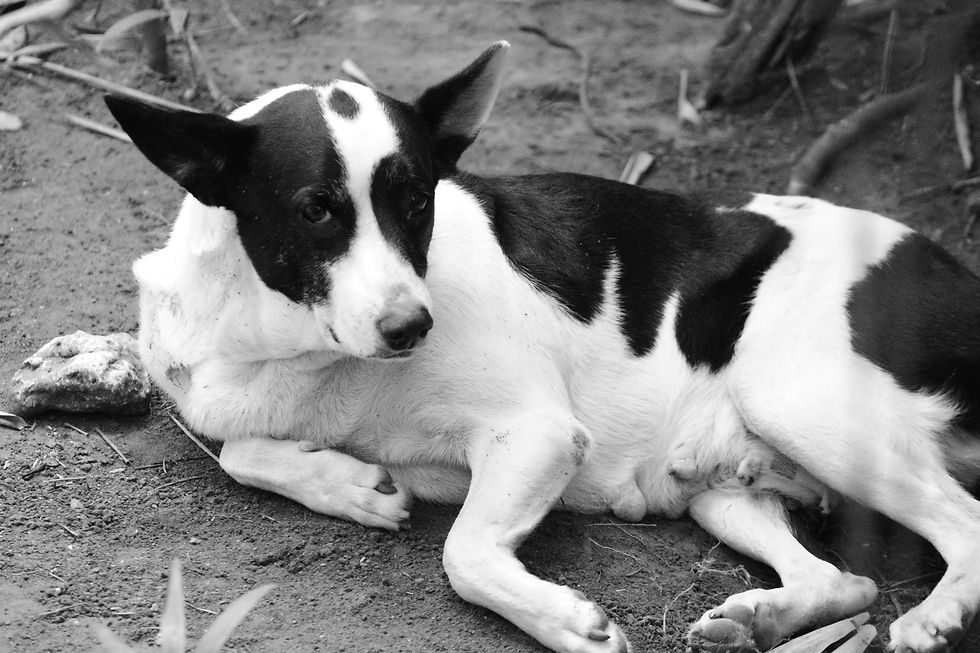
Dog Breeds Prone to Gastric Torsion
Gastric torsion (Gastric Dilatation Volvulus) in dogs can occur in any breed, but some breeds are at significantly higher risk due to their anatomical structure and genetic characteristics . Large and giant breeds, especially those with deep and narrow rib cages , are more susceptible to this disease.
In these breeds, the stomach can move more freely within the abdominal cavity. The long and flexible connective tissues that stabilize the stomach make it easier for the stomach to rotate around its own axis in cases of excessive gas accumulation. Furthermore, the large stomach volume in these breeds causes dilation to reach significant levels very quickly.
The following table presents the dog breeds known to be truly susceptible to gastric torsion and their risk levels:
Race | Explanation | Predisposition Level |
A very broad and deep chest structure makes it one of the highest-risk breeds. | A lot | |
German Shepherd | Deep rib cage and high activity level | A lot |
Thin waistline and a tendency to eat quickly. | A lot | |
Weimaraner | Deep chest structure and high stress sensitivity. | A lot |
Saint Bernard | Giant breed, large stomach capacity | A lot |
Irish Setter | Deep chest and fast metabolism | Middle |
Deep chest, sensitive digestive system. | Middle | |
Chest structure and high mobility | Middle | |
Akita | Large body size, genetic predisposition. | Middle |
Rottweiler | Large body, tendency to feed quickly. | Middle |
It should not be assumed that gastric torsion never occurs in breeds not included in this table. Although the risk is lower in small breed dogs, GDV can develop when factors such as eating too quickly, being fed only one meal a day, and intense stress combine.
In dogs, especially those of susceptible breeds, preventive measures and early detection are life-saving. In some high-risk dogs, prophylactic gastropexy may even be recommended during another surgical procedure.
How is Gastric Torsion Diagnosed in Dogs?
Gastric torsion in dogs is diagnosed through rapid clinical evaluation and imaging methods . The diagnostic process should be kept as short as possible, as every minute of delay reduces the chances of survival.
Clinical Examination Findings
The first step in the diagnostic process is assessing the dog's overall condition. During the examination, the veterinarian will typically encounter the following findings:
Significant abdominal bloating and tenderness.
Sensitivity to pain
Pale or purplish gums
Rapid heartbeat
Rapid and labored breathing
These findings strengthen the suspicion of gastric torsion, but they do not constitute a definitive diagnosis alone .
Radiographic Imaging (X-ray)
The gold standard method for diagnosing gastric torsion is abdominal radiography. X-rays taken particularly in the right lateral position reveal characteristic images specific to gastric torsion.
On X-rays, often:
"Double bubble" or "split stomach" appearance
A stomach full of excessive gas
Disruption of the stomach's normal anatomical position.
These findings largely confirm the diagnosis of volvulus.
Laboratory Findings
Blood tests are used more to assess the severity and prognosis of gastric torsion than to diagnose the condition itself . Specifically:
Elevated lactate levels
Electrolyte imbalances
Signs of metabolic acidosis
This may indicate that the disease is in an advanced stage. High lactate levels suggest impaired tissue perfusion and a potentially worse prognosis.
Differential Diagnosis
When diagnosing gastric torsion, other acute abdominal conditions that may present with similar symptoms are also considered. However, rapid abdominal distension accompanied by inability to vomit, and radiographic findings, often differentiate GDV from other conditions.
As soon as the diagnosis is confirmed , surgical intervention is planned without delay. Waiting or only applying medical treatment after this point seriously reduces the dog's chances of survival.
Treatment Process for Gastric Torsion in Dogs
Treating gastric torsion in dogs is a multi-stage process, a race against time . Treatment for this condition isn't simply about repairing the stomach; the goal is also to control shock, restore circulation, and prevent multiple organ failure.
Emergency Stabilization Phase
The first and most critical step in the treatment process is stabilizing the dog's overall condition. Most dogs brought to the clinic are in shock. At this stage:
A rapid intravenous line is established.
Intensive intravenous fluid therapy is initiated.
Pain control is provided.
Oxygen support is provided.
Heart rhythm and blood pressure are closely monitored.
The goal is to keep the dog's vital functions as stable as possible until surgery can be performed.
Reducing Stomach Pressure
A key part of the stabilization process is reducing pressure inside the stomach. This process usually involves:
With a nasogastric tube
Or by inserting a needle into the stomach through the abdominal wall.
This procedure helps relieve stomach gas and temporarily reduces pressure on the circulatory system. However, it is not a permanent cure ; it only aims to reduce life-threatening risks in the time leading up to surgery.
Preoperative Assessment
Before surgery, the dog's overall condition is reassessed. Blood values, electrolyte balance, and heart rhythm are reviewed. The findings at this stage are important in determining the risk level and prognosis of the surgery.
An important point is this: In gastric torsion, the approach of "let the dog recover a bit, then we'll operate" is wrong . As soon as stabilization is achieved, surgery should be performed without delay.
The Time Factor in the Treatment Process
The success rate in GDV cases largely depends on whether intervention occurs within the first few hours . Dogs brought in early and undergoing surgery quickly have a significantly higher survival rate. In delayed cases, irreversible damage to the stomach tissue can develop.
Gastric Torsion Surgery in Dogs (Gastropexy)
In dogs with advanced gastric torsion , surgery is the only permanent treatment option . The main goal of this surgery is to return the stomach to its normal anatomical position and prevent it from torsion in the future.
Basic Stages of Surgery
During the surgical procedure, the stomach is first carefully returned to its original position. At this stage, the stomach tissue is evaluated in detail. If there are areas with impaired blood circulation or necrosis, the necessary interventions are performed.
In some cases, the spleen may also have torn along with the stomach. In this case, the condition of the spleen tissue is checked, and additional surgical procedures are performed if necessary.
What is Gastropexy?
Gastropexy is a surgical procedure that fixes the stomach to the abdominal wall. This prevents the stomach from rotating back around its own axis in the future. Simply correcting the stomach without performing gastropexy significantly increases the risk of recurrence .
This procedure can be performed both in emergency GDV surgeries and for preventative purposes in some high-risk dogs.
Risks and Success Rate of Surgery
Gastric torsion surgery is a major and risky operation. The risk of complications increases, especially in dogs that have developed shock before surgery. Nevertheless, the success rate is high in cases where early intervention is provided.
Factors that influence success include:
Time elapsed until intervention
The dog's age and general health condition.
Viability of stomach tissue
Quality of postoperative care
It is located there.
The First Hours After Surgery
The first 24–72 hours after surgery are considered critical. During this period, close monitoring is necessary for heart rhythm disorders, infection, and circulatory problems. Therefore, most dogs are monitored in intensive care after surgery.
Complications and Prognosis After Gastric Torsion in Dogs
Even if gastric torsion in dogs is successfully treated, the postoperative period is a high-risk phase for complications . Therefore, the prognosis in dogs with GDV depends not only on the success of the surgery but also on the early detection and management of any problems that may arise after surgery.
Possible Complications
One of the most common postoperative complications is cardiac arrhythmias . Cardiac oxygenation and electrolyte balance can be disrupted during and after GDV. Arrhythmias, especially those developing within the first 24–72 hours, require close monitoring.
Another important complication occurs in cases where necrosis develops in the stomach tissue . If there is significant damage to the stomach wall, the risk of suture line problems or infection increases in these areas. This can result in life-threatening conditions such as sepsis and peritonitis.
In some dogs, during the post-operative period:
Acute renal failure
Coagulation disorders
Pulmonary edema
Infections
These complications can occur. They are generally more common in delayed cases and in dogs that have developed advanced shock.
Factors Affecting Prognosis
The prognosis for gastric torsion depends on many variables. The most decisive factor is the time elapsed until intervention . Dogs that undergo surgery shortly after the onset of symptoms have a significantly higher survival rate.
Other factors that affect the prognosis include:
The dog's age and general health condition.
Viability of stomach tissue during surgery
Whether additional organs such as the spleen are affected
Postoperative intensive care facilities
In cases where early intervention is provided and serious complications do not develop, dogs can return to their normal lives. However, in cases where treatment is delayed and multiple organs are involved, the prognosis should be evaluated cautiously .
Long-Term Quality of Life
Following successful gastropexy, the risk of gastric torsion recurring is greatly reduced. This allows dogs to live long and healthy lives with proper nutrition and lifestyle adjustments.
Home Care and Prevention of Gastric Torsion in Dogs
Post-operative home care is crucial for the dog's full recovery and to reduce the risk of future gastric torsion. Dog owners need to be attentive and informed during this process.
Diet Plan
In the post-operative period, dogs should be fed small, frequent meals . Instead of one or two large meals a day, 3-4 small meals are preferable. This approach reduces sudden pressure on the stomach.
For dogs that tend to eat quickly during meals, food bowls that encourage slow eating can be used. It is also beneficial to limit excessive water intake, especially before and immediately after meals.
Activity and Rest
A rest period of at least 1-2 hours should be provided after meals. Activities such as running, jumping, and playing should be avoided during this time. Daily exercise should be scheduled for times independent of meals.
Stress Management
Stress can negatively affect gastric motility and gas formation. Keeping the home environment calm, avoiding sudden changes in routine, and ensuring the dog feels safe are important. Stress factors should be kept to a minimum, especially in the first few weeks after surgery.
Protective Measures
In high-risk dogs, even if they have not previously experienced gastric torsion , prophylactic gastropexy may be considered by a veterinarian. This procedure provides significant protection, especially in susceptible breeds.
It is also vital that dog owners are well aware of the symptoms of gastric torsion and seek immediate medical attention at the slightest suspicion.
Dog Owners' Responsibilities and Emergency Management
In a critical condition like gastric torsion in dogs, where every minute counts , the owner's level of knowledge and speed of decision-making directly impact the success of treatment. Therefore, gastric torsion is an emergency requiring active participation not only from veterinarians but also from dog owners .
Responsibility for Recognizing Symptoms
One of the most important responsibilities of dog owners is being able to recognize the early signs of gastric torsion. Specifically:
Sudden and firm bloating in the abdomen
Trying to vomit but being unable to.
Severe unrest
Excessive drooling
Rapid breathing
When symptoms like these appear, waiting and thinking it might be just a "temporary digestive problem" can be a fatal mistake . These symptoms indicate a condition requiring urgent intervention.
What to do in an emergency
The course of action for a dog suspected of having gastric torsion is clear and straightforward:
Get to the nearest equipped clinic without wasting any time.
Absolutely do not resort to methods like inducing vomiting, passing gas, or massaging at home.
Do not give the dog food or water.
Ensuring the dog remains calm during transport.
The goal at this point is to receive professional intervention as soon as possible . Every minute spent at home negatively affects the prognosis.
Preventive Responsibilities
Dog owners should consciously implement certain daily measures to reduce the risk of gastric torsion. These include:
Feeding with small, frequent meals
Observe the post-meal rest period.
Using appropriate food bowls for dogs that tend to eat quickly.
Creating a lifestyle that reduces stress.
These measures can make a significant difference, especially in dogs of susceptible breeds.
Information and Preparation
It is extremely important for owners of high-risk dogs to know the locations of 24-hour clinics in their area in advance and to plan how to act in an emergency. This preparation will prevent wasted time in a crisis.
Differences in Gastric Torsion Between Dogs and Cats
Gastric torsion is a condition most commonly associated with dogs. It is extremely rare in cats. This difference stems from anatomical and physiological differences between the two species.
Anatomical Differences
In dogs, especially large and deep-chested breeds, the stomach can move more freely within the abdominal cavity. This facilitates stomach torsion, along with excessive gas buildup. In cats, however, the stomach is held more tightly by ligaments within the abdominal cavity, and the rib cage structure allows less for torsion.
Nutritional and Behavioral Differences
Cats are generally fed small, frequent meals throughout the day. This feeding pattern prevents a sudden and large load on the stomach. In dogs, however, feeding only one meal is common, and this increases the risk of gastric torsion.
Additionally, cats are less prone to intense physical activity after meals compared to dogs. This is another factor that reduces the risk of torsion.
Clinical Presentation and Risk Level
While gastric torsion in dogs is considered one of the most urgent cases in veterinary medicine, it has been reported as an exceptional case in cats. Therefore, when similar symptoms are observed in cats, different gastrointestinal or systemic diseases are usually considered first.
Difference in Clinical Approach
While suspected GDV in dogs directly leads to emergency surgical planning, a broader differential diagnosis list is considered when similar symptoms are observed in cats. This difference clearly demonstrates how interspecies anatomical and physiological characteristics guide clinical approaches.
Frequently Asked Questions
How long does it take for gastric torsion (gastric dilation volvulus) to become fatal in dogs?
Gastric torsion in dogs is a disease that can be fatal very quickly after the onset of symptoms. In some cases, shock, circulatory failure, and multiple organ failure can occur within a few hours of gastric torsion. Delaying intervention leads to irreversible damage to the stomach tissue. Therefore, a "wait and see" approach in dogs suspected of having GDV carries a life-threatening risk.
Can gastric torsion in dogs be detected at home?
Yes, dog owners can notice some early signs at home. Symptoms such as sudden abdominal bloating, inability to vomit, restlessness, excessive drooling, and rapid breathing can be observed at home. However, instead of trying to treat these symptoms at home, it is necessary to get the dog to the clinic immediately . Any delay at home reduces the dog's chances of survival.
Does gastric torsion in dogs always require surgery?
Surgery is mandatory in cases where gastric torsion has developed. Temporary relief may be achieved in some early cases with only gastric dilation, but if volvulus has developed, recovery without surgery is not possible. Correction of the stomach and gastropexy during surgery are necessary to both resolve the existing problem and reduce the risk of recurrence.
Can gastric torsion recur after surgery in dogs?
In dogs that have undergone gastropexy, the risk of recurrence of gastric torsion is greatly reduced . However, correcting the stomach without gastropexy increases the risk of recurrence. Failure to follow postoperative nutritional and lifestyle recommendations can also pose a risk, albeit rarely. Therefore, postoperative care and precautions are extremely important.
At what ages is gastric torsion more common in dogs?
Gastric torsion (GDV) is generally more common in middle-aged and older dogs. This is because the connective tissues supporting the stomach loosen and lose elasticity with age. However, GDV can also develop in young dogs, especially in susceptible breeds and if there are poor feeding habits. Age alone is not a protective factor.
Can gastric torsion be prevented in dogs?
While gastric torsion is not a completely preventable disease, the risk can be significantly reduced . Feeding small, frequent meals, allowing rest time after meals, using food bowls that prevent rapid eating, and reducing stress are important preventive measures. In high-risk breeds, prophylactic gastropexy may also be considered after veterinary evaluation.
Can gastric torsion in dogs also occur in small breeds?
Yes, while gastric torsion in small breeds is rare, it is not impossible . Factors such as fast eating, one-meal feeding, intense stress, and excessive gas can increase the risk of GDV in small breed dogs. Therefore, all dog owners should be aware of the symptoms.
How to differentiate between gastric torsion and simple gas pain in dogs?
In simple gas pains, the dog usually shows brief restlessness and eventually relaxes. In gastric torsion, however, the abdomen is hard and distended, the dog wants to vomit but cannot, and symptoms rapidly worsen . While the general condition usually remains stable in gastric pains, weakness and signs of shock develop quickly in gastric torsion. In case of suspicion, the worst-case scenario should always be considered, and an urgent evaluation should be performed.
Keywords
Gastric torsion in dogs, gastric dilation volvulus, canine stomach twisting, gastric torsion surgery in dogs, GDV dog
Sources
American College of Veterinary Surgeons (ACVS)
American Veterinary Medical Association (AVMA)
Merck Veterinary Manual
WSAVA – World Small Animal Veterinary Association
Mersin Vetlife Veterinary Clinic – Open on Map: https://share.google/XPP6L1V6c1EnGP3Oc


Comments