
Hypoallergenic Dogs (Breeds That Don't Trigger Allergies) – Complete Guide

What Are Hypoallergenic Dogs?
Hypoallergenic dogs are breeds that tend to produce fewer allergy-triggering proteins, making them more suitable for individuals with dog-related allergies. It is important to clarify that hypoallergenic does not mean zero-allergen. Instead, these dogs naturally release far fewer allergens through their coat, skin flakes (dander), saliva, and urine. Because allergic reactions are caused by microscopic proteins such as Can f 1, Can f 2, and Can f 3, the amount of these proteins a dog spreads into the environment determines how tolerable the dog is for sensitive individuals.
Hypoallergenic dogs generally share several biological traits that reduce allergen exposure. Many have non-shedding or low-shedding coats, which means loose hair and dander are less likely to become airborne. Others have curly or tightly wound coats that trap dander rather than release it. Some hypoallergenic breeds produce lower levels of salivary allergens, while others lack the strong “dog smell” associated with heavy sebaceous (oil) secretion.
These dogs are especially valued in households where family members have allergic rhinitis, asthma, or heightened sensitivity to pet dander. Although no breed is completely allergen-free, hypoallergenic dogs significantly reduce the allergen load within a home when combined with good grooming practices and proper indoor hygiene. As a result, many individuals with mild to moderate dog allergies are able to live comfortably with these breeds without experiencing severe symptoms.
Hypoallergenic dogs are a product of both genetics and coat biology. Breeds like the Poodle, Maltese, or Bichon Frise have hair that grows continuously, similar to human hair, rather than undergoing heavy seasonal shedding. Meanwhile, breeds such as the Xoloitzcuintli lack fur altogether, dramatically decreasing airborne allergen levels. For allergy-sensitive individuals, these distinctions can profoundly impact daily comfort and overall quality of life.

The Science Behind Dog Allergies
Dog allergies stem not from fur itself, but from proteins found in a dog’s skin flakes (dander), saliva, and urine. When dogs groom themselves, these proteins spread across the coat and subsequently become airborne through natural shedding or physical contact. Once inhaled or transferred to the skin, these proteins can trigger an immune reaction in sensitive individuals. The most significant allergen among these proteins is Can f 1, which is produced in high concentrations in salivary and sebaceous glands.
Allergic reactions occur when the immune system misidentifies harmless proteins as threats, leading to symptoms such as sneezing, nasal congestion, itchy eyes, coughing, and skin irritation. Because these allergens are microscopic, they can remain suspended in the air or settle into carpeting, upholstery, bedding, and clothing. This means that even indirect contact—or entering a home where a dog lives—can trigger symptoms in highly sensitive people.
Hypoallergenic breeds typically produce lower levels of allergenic proteins or possess coat types that reduce the spread of these proteins. For example, curly or wiry coats trap dander instead of allowing it to drift into the air. Hairless breeds naturally release fewer airborne allergens because they lack fur as a carrier medium. Additionally, dogs that drool less tend to trigger fewer reactions because salivary proteins are a major allergen source for many individuals.
Environmental factors also play a large role. Homes with good ventilation, HEPA air filtration, frequent cleaning, and controlled humidity levels tend to have much lower allergen loads. Conversely, dry skin in dogs—often caused by poor diet, infrequent grooming, or environmental dryness—can significantly increase dander production.
Understanding the underlying biology of dog allergies helps explain why some breeds are better tolerated than others—and why proper grooming, appropriate diet, and indoor cleanliness are essential, even when living with a hypoallergenic dog.
Common Traits of Hypoallergenic Dog Breeds
Hypoallergenic dog breeds share several biological and coat-related characteristics that significantly reduce the amount of allergens they release into the environment. Although each breed is unique, the factors that make them more suitable for allergy-sensitive individuals are largely consistent across this group. Understanding these traits helps owners choose the right hypoallergenic dog and maintain a living environment with minimal allergen exposure.
One of the most important traits is low shedding. Dogs that shed heavily release large quantities of dander, loose hair, and allergen-coated particles into the air and throughout the home. In contrast, hypoallergenic breeds either shed very minimally or do not shed at all. This reduces the airborne distribution of allergenic proteins such as Can f 1. Breeds like the Poodle, Maltese, and Bichon Frise have coats that grow continuously rather than shedding seasonally, maintaining lower allergen levels in the indoor environment.
Another key characteristic is a curly, wiry, or tightly textured coat. This kind of coat traps dander close to the skin, preventing it from becoming airborne. It also minimizes the spread of microscopic flakes that would otherwise attach to fabrics, carpets, and furniture. Dogs such as the Lagotto Romagnolo or Irish Water Spaniel have dense, curly coats that efficiently retain dander until grooming removes it.
Many hypoallergenic breeds also have single-layer coats rather than double coats. Double-coated breeds undergo intense seasonal shedding, dramatically increasing indoor allergen levels. Single-coated breeds shed far less, which directly translates into fewer allergens circulating in the home.
In addition to coat structure, low salivary production is an important factor. For many allergy sufferers, the primary allergen source is not hair but saliva. Breeds that drool excessively leave allergenic proteins on surfaces, toys, and clothing. Hypoallergenic dogs such as the Schnauzer, Yorkshire Terrier, and Basenji produce less saliva and distribute fewer salivary proteins throughout their living environment.
Another distinctive trait is the lack of a strong dog odor. Sebum, the natural oil on a dog’s skin, carries allergen proteins. Breeds with naturally low oil production emit less odor and fewer oily particles, which often contribute to allergic reactions. Basenji, Maltese, and Yorkshire Terrier are particularly known for being low-odor dogs.
Finally, many hypoallergenic breeds have stable temperaments and lower stress reactivity. Stress can cause excess shedding and skin flaking in some dogs, which increases allergen levels. Calm and balanced breeds reduce this risk and maintain healthier skin, which in turn reduces dander.
These combined traits make hypoallergenic breeds far more manageable for allergy-sensitive individuals. However, consistent grooming, nutrition, and hygiene practices remain essential for maintaining these low allergen levels.

Most Popular Hypoallergenic Dog Breeds
Several hypoallergenic dog breeds have gained worldwide recognition for their compatibility with allergy-sensitive owners. These breeds offer a combination of low shedding, minimal dander production, reduced salivary allergens, and manageable coat structures. While each breed has unique characteristics, the following dogs are consistently listed among the most popular and reliable hypoallergenic choices.
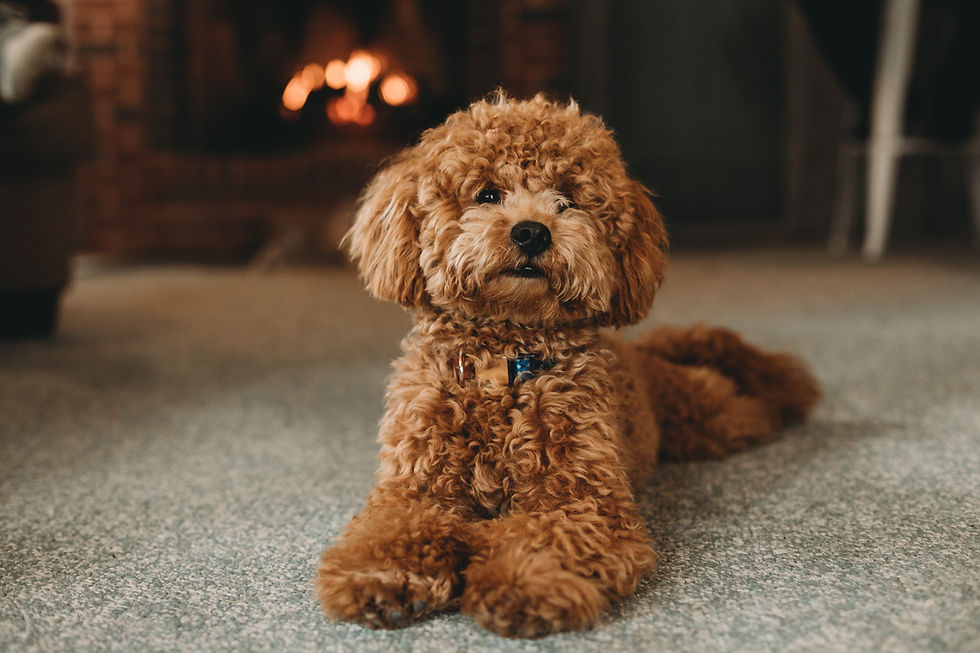
The Poodle (Toy, Miniature, and Standard) is widely regarded as the gold standard of hypoallergenic dogs. Its tightly curled, single-layer coat traps dander effectively and sheds minimally. Poodles also produce low levels of saliva and have a reputation for being nearly odorless. Their intelligence and trainability make them highly adaptable to various households.
The Maltese is another top choice due to its silky, non-shedding coat that grows continuously like human hair. This breed produces exceptionally low levels of dander and is known for being gentle, affectionate, and easy to manage in small living spaces. Their naturally low oil secretion also contributes to a minimal allergen footprint.
The Bichon Frise is beloved for its soft, curly, cotton-like coat that traps dander efficiently. Their low shedding and minimal salivary production make them especially suitable for people with moderate dog allergies. Additionally, their cheerful and friendly dispositions make them excellent family companions.
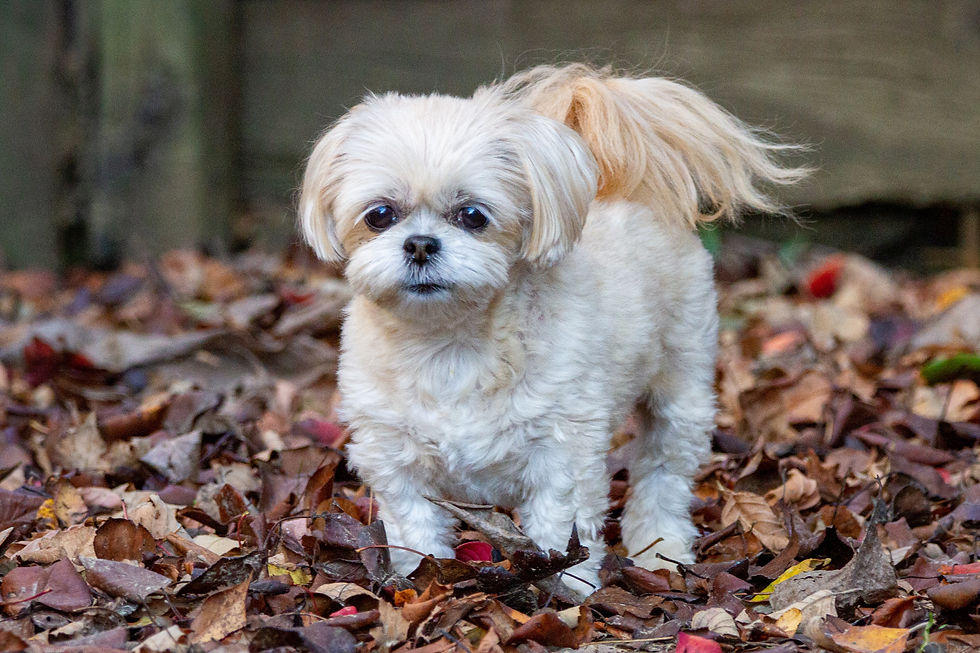
The Shih Tzu, despite having long hair, sheds very little and produces minimal airborne dander. Their hair grows continuously and requires regular grooming, but when maintained properly, Shih Tzus are among the most allergy-friendly companion breeds available.
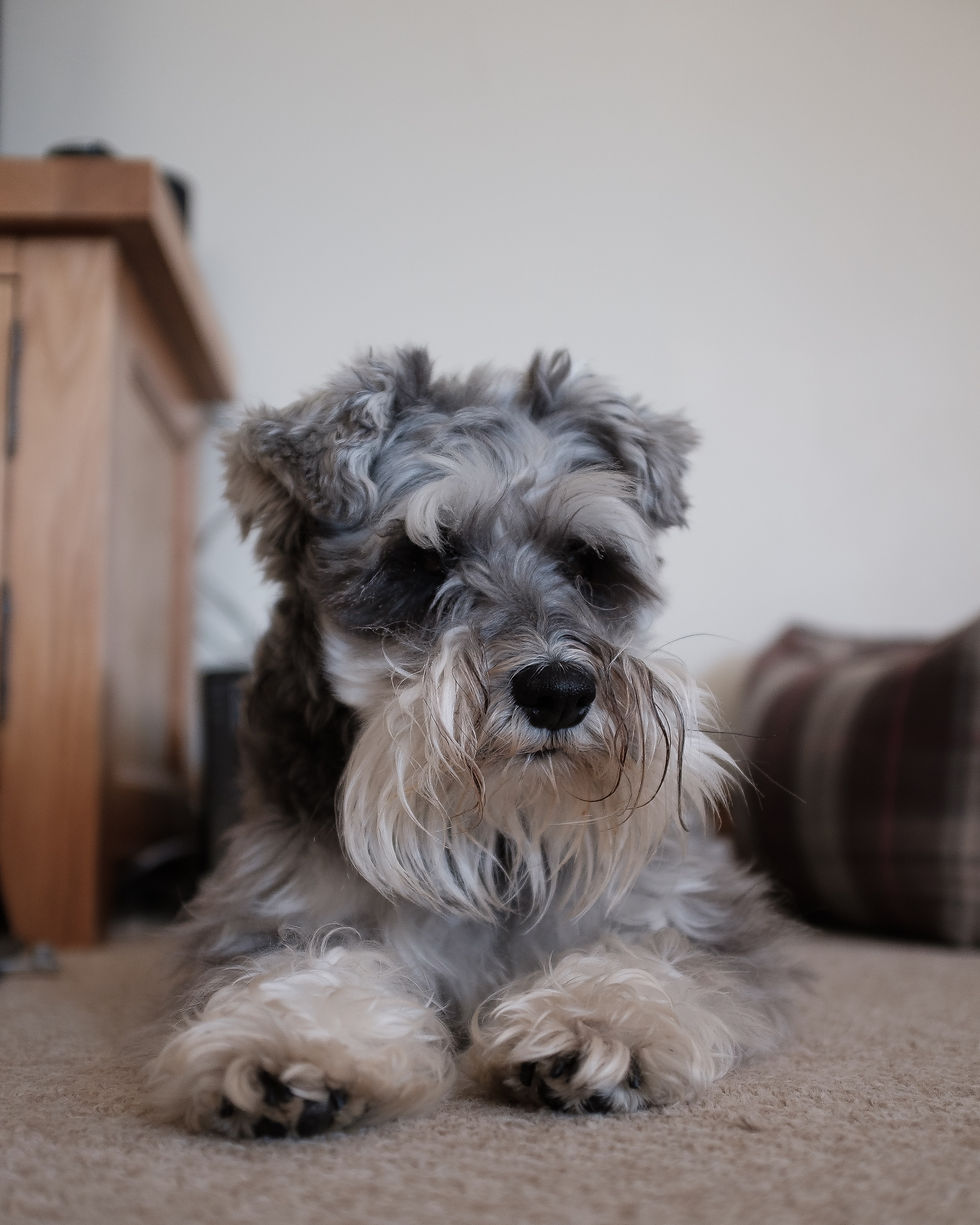
Schnauzers (Miniature, Standard, and Giant) are also commonly recommended due to their wiry, low-shedding coats and low salivary production. Their coat texture significantly reduces the spread of allergenic particles. Schnauzers also have relatively low natural odor, which benefits individuals with sensitivities to sebaceous allergens.
The Yorkshire Terrier, with its fine, silky, single-layer coat, sheds minimally and distributes far fewer allergens than many other small breeds. Their compact size and low dander production make them ideal for apartment living.
Among medium and large breeds, the Portuguese Water Dog and Lagotto Romagnolo are two of the most widely recommended hypoallergenic dogs. Both have dense, curly, non-shedding coats that require consistent maintenance but retain allergens exceptionally well until grooming removes them.
The Irish Water Spaniel offers similar benefits, with a tightly curled, low-shedding coat and very low salivary output. This breed is often recommended for active households that still require allergy-friendly traits.
The Xoloitzcuintli (Mexican Hairless Dog) is one of the most efficient hypoallergenic breeds due to its lack of fur. With no coat to trap or disperse allergens, this breed significantly reduces airborne allergen levels—making it a strong option for highly sensitive individuals.
Lastly, the Basenji, known as the “barkless dog,” has a short, sleek coat that sheds minimally and produces very little odor. Its self-cleaning behavior, similar to that of a cat, further reduces surface allergens.
These breeds—ranging from tiny companions to athletic medium and large dogs—form the backbone of hypoallergenic options for households dealing with allergies. With proper grooming and home hygiene, they offer some of the safest and most comfortable living conditions for allergy-sensitive individuals.
Poodle (Toy, Miniature, Standard) – Hypoallergenic Features
The Poodle—whether Toy, Miniature, or Standard—is widely considered the most reliable hypoallergenic dog breed in the world. All three size varieties share the same coat structure, skin composition, and biological traits that dramatically reduce allergen production. The Poodle’s reputation as the “gold standard” for allergy-friendly breeds comes from its unique coat biology: the hair grows continuously like human hair, sheds minimally, and forms tight curls that trap dander and prevent it from dispersing into the air.
A key reason the Poodle is so hypoallergenic is its single-layer, tightly curled coat. Unlike double-coated breeds that release large quantities of loose undercoat during seasonal shedding, the Poodle’s single coat does not undergo heavy cyclic shedding. Its curls hold onto dead hair and microscopic skin flakes until they are removed during grooming. This makes the Poodle’s coat one of the most efficient natural filters for reducing airborne allergen exposure.
Another major advantage is that Poodles produce very little natural odor. Their low sebaceous oil output means fewer oily particles carrying salivary proteins or skin allergens are released into the environment. Many individuals with dog sensitivities report that Poodles cause less respiratory irritation, likely due to this reduced oil-atmosphere interaction.
Saliva is one of the most potent allergen carriers in dogs, particularly for individuals sensitive to the protein Can f 1. Poodles tend to produce less saliva than many other breeds and rarely drool, limiting the spread of salivary proteins around the home. This makes them suitable for individuals whose allergic reactions stem specifically from salivary allergens rather than dander.
Poodles’ emotional stability and intelligence also play a role in their hypoallergenic performance. Stressed dogs often shed more, produce more dander, and experience skin irritation. Poodles are highly trainable, eager to please, and emotionally resilient, reducing stress-induced allergen production. Their predictable temperament ensures consistent coat quality and overall skin health, further lowering allergen levels.
However, because Poodles shed so little, their coats require routine grooming to prevent matting and buildup of trapped dander. Without regular brushing and professional grooming, the coat can accumulate allergens that would otherwise be removed naturally in shedding breeds. When properly maintained, however, the Poodle remains one of the safest and most allergy-friendly companions available.
In summary, the Poodle’s tightly curled, non-shedding coat, low salivary output, minimal odor, and stable temperament collectively make it one of the most hypoallergenic dog breeds worldwide. With consistent grooming, it provides an exceptionally tolerable living experience for many allergy-sensitive individuals.

Maltese – Hypoallergenic Features
The Maltese is one of the most well-known small hypoallergenic dog breeds, highly valued for its silky, non-shedding coat and exceptionally low dander output. Despite having a long coat, the Maltese sheds far less than the average dog because its hair grows continuously, following a growth cycle similar to that of human hair. This unique growth pattern significantly reduces the amount of airborne dander—a core component of dog-related allergies.
A defining feature of the Maltese is its single-layer coat, which lacks the heavy undercoat responsible for seasonal shedding in many other breeds. Because there is no dense secondary coat to shed, the Maltese releases far fewer loose hairs into the environment. This substantially limits the spread of Can f 1 and Can f 2 proteins, which are carried on shed hair and skin flakes.
The texture of the Maltese coat is another contributing factor. Instead of coarse guard hairs, Maltese dogs have soft, fine, silky strands that hold onto dead skin cells rather than allowing them to become airborne. When combined with regular grooming, this coat type allows for efficient removal of trapped dander before it disperses throughout the home.
Maltese dogs are also known for being low-odor. They produce minimal skin oil, which means fewer oil-bound allergens circulate in the environment. Individuals sensitive to sebaceous secretions often find the Maltese more tolerable than breeds with oilier skin. Their low oil production also minimizes the characteristic “dog smell” that can intensify allergic reactions in sensitive individuals.
Another major advantage is that Maltese dogs are low droolers. Their small jaw structure and minimal salivary output reduce the spread of allergenic proteins commonly found in dog saliva. Since many allergy sufferers react more strongly to salivary allergens than to dander, this characteristic makes the Maltese a particularly safe choice.
The Maltese’s small physical size also plays a practical role in reducing allergen exposure. A smaller dog naturally produces less dander, less saliva, and fewer particles overall than a larger dog. This makes the Maltese especially suitable for apartment living or small households where allergen accumulation can occur quickly.
Although the Maltese is hypoallergenic by nature, proper maintenance is essential. Their long coat must be regularly brushed to prevent matting, which can trap moisture, bacteria, and allergens. Regular bathing using gentle, moisturizing shampoos preserves skin health and reduces dander production. When properly cared for, the Maltese is one of the most allergy-friendly breeds available.
Overall, the Maltese’s combination of non-shedding single-layer coat, low oil production, minimal drooling, and small body size make it one of the most reliable hypoallergenic dog breeds. For individuals seeking a small, affectionate, and allergy-friendly companion, the Maltese remains one of the top choices worldwide.

Bichon Frise – Hypoallergenic Features
The Bichon Frise is one of the most frequently recommended hypoallergenic dog breeds, known for its soft, dense, and tightly curled coat that naturally minimizes allergen spread. Despite its plush appearance, the Bichon Frise releases remarkably low levels of dander—the microscopic skin flakes responsible for triggering allergic reactions. Its coat structure plays a central role in reducing airborne allergens: the curls trap dead hair and skin particles, preventing them from floating freely in the environment.
A defining characteristic of the Bichon Frise is its non-shedding, double-curled coat. Although it appears fluffy, the coat does not shed heavily or seasonally. Instead, loose hairs remain trapped within the curls until they are removed during brushing or grooming. This makes the Bichon Frise far more allergy-friendly than breeds with open, straight, or shedding coats. Individuals with allergies often report fewer symptoms around Bichons because the breed distributes significantly fewer allergen-coated particles into the air.
The Bichon’s coat also produces low natural oil, which reduces both odor and the spread of oily allergen-bound particles. Sebum (skin oil) often carries potent allergy-triggering proteins, but because Bichon Frises have minimal sebaceous output, they produce fewer oily allergens than many other breeds. This is especially beneficial for individuals sensitive to the characteristic “dog smell,” as the Bichon is widely considered a low-odor breed.
Another important hypoallergenic feature is the breed’s low salivary production. Many dog allergies originate not from fur, but from saliva containing Can f 1 proteins. The Bichon Frise does not drool excessively and spreads far fewer salivary allergens onto surfaces, toys, or bedding. This makes the breed more manageable for individuals whose allergies are triggered primarily by saliva rather than dander.
The Bichon’s temperament also supports its hypoallergenic status. It is a calm, cheerful, and emotionally balanced breed. Stress-induced shedding—which can worsen allergen spread—is far less common in Bichons compared to anxious or hyperactive dogs. Their stable disposition preserves coat health and minimizes skin irritation that could increase dander production.
Regular maintenance is essential. The coat must be brushed several times per week and groomed professionally every 4–6 weeks to prevent matting, which can trap dirt, moisture, and allergens. With proper care, the Bichon Frise remains one of the top hypoallergenic breeds for individuals seeking both an affectionate companion and a low-allergen environment.

Shih Tzu – Hypoallergenic Features
The Shih Tzu may appear to be an unlikely hypoallergenic breed due to its long, luxurious coat, yet it is one of the most allergy-friendly small dogs in the world. The key lies in the structure of the Shih Tzu’s hair, which grows continuously and sheds at an extremely low rate. Like humans, Shih Tzus have hair—not typical dog fur—and this hair does not undergo heavy seasonal shedding. As a result, they release far fewer airborne allergens than many short-haired dogs.
Shih Tzus possess a single-layer coat, eliminating the dense undercoat that commonly produces large volumes of shedding in many breeds. Without this undercoat, the amount of loose hair and dander entering the environment is significantly reduced. Dead hairs typically fall into the coat instead of drifting into the air, where they can be removed with consistent grooming.
The Shih Tzu also produces low levels of natural skin oil, which reduces odor and decreases the transmission of oil-bound allergens. Because sebaceous oil is one of the mediums through which allergenic proteins spread, Shih Tzus naturally expose their owners to lower amounts of these irritants. Individuals who react strongly to “dog smell” often find Shih Tzus more tolerable.
In addition, Shih Tzus are low-saliva dogs. Their jaw structure and facial shape mean they drool very little. Since salivary proteins are among the strongest dog allergens, this trait makes the Shih Tzu a suitable option for individuals whose allergies are triggered by saliva rather than hair.
The breed’s gentle temperament further contributes to its hypoallergenic qualities. Shih Tzus are known for being calm, affectionate, and emotionally stable. Stress-induced shedding or skin irritation—common in nervous or reactive breeds—is relatively rare in Shih Tzus. Their ease of adaptation to indoor living means they maintain healthier skin and coat conditions, reducing allergen output.
Regular grooming is essential to maintain the Shih Tzu’s hypoallergenic advantages. Their hair tends to mat if not brushed frequently, trapping dust and dander. Weekly baths and diligent coat maintenance prevent buildup and preserve the breed’s low-allergen nature. When cared for properly, Shih Tzus offer one of the most allergy-friendly living experiences among toy-sized dogs.
Overall, the Shih Tzu remains a strong candidate for allergy-sensitive individuals due to its long, slow-growing hair, minimal shedding, low salivary output, and stable temperament. With structured grooming routines, this breed can live comfortably alongside people who have mild to moderate dog allergies.
Schnauzer (Miniature, Standard, Giant) – Hypoallergenic Features
The Schnauzer—whether Miniature, Standard, or Giant—is one of the most dependable hypoallergenic dog breeds due to its distinctive wiry coat, low shedding pattern, and overall low allergen output. Although the three size varieties differ in temperament and energy levels, their coat type and allergen-reducing characteristics are remarkably consistent across all categories. This makes the Schnauzer family an excellent choice for households seeking an allergy-friendly companion in various size options.
One of the strongest hypoallergenic traits of the Schnauzer is its hard, wiry, double-textured coat, which sheds far less than typical dog fur. The topcoat acts as a natural barrier that holds dead hair and microscopic skin flakes (dander) in place, preventing them from becoming airborne. Unlike soft, freely shedding coats found in many breeds, the Schnauzer’s coarse hair keeps allergen-bearing particles close to the body until they are manually removed during grooming.
The Schnauzer’s coat is also known for minimal natural oil production, resulting in significantly less odor and fewer oil-bound allergens being released into the environment. Sebaceous oil is one of the primary carriers of dog allergens. Because Schnauzers produce comparatively little oil, they are often perceived as “cleaner” and more tolerable by allergy-sensitive individuals. This characteristic also reduces the likelihood of greasy buildup on furniture, fabrics, and carpets.
Another critical hypoallergenic feature is that Schnauzers are low-saliva dogs. They rarely drool, and their mouth structure minimizes saliva dispersion across household surfaces. Many individuals mistakenly assume fur is the main allergy trigger, when in reality saliva—rich in Can f 1 proteins—is a major contributor. The Schnauzer’s low drooling trait therefore plays an essential role in reducing allergic reactions.
Schnauzers also have a temperament that supports their hypoallergenic profile. They are generally alert, confident, and emotionally stable. Dogs that are anxious or reactive often shed more or experience dry, irritated skin due to stress. Schnauzers’ balanced temperament reduces the risk of stress-induced dander production, keeping allergen levels consistently low.
To maintain their hypoallergenic benefits, Schnauzers require regular grooming, including brushing to remove trapped hairs and professional grooming every few weeks to maintain coat texture. Traditional hand-stripping techniques are especially effective for removing dead hair and minimizing allergen accumulation. When properly groomed, Schnauzers remain among the most reliably hypoallergenic breeds available.
Overall, the Schnauzer’s combination of low shedding, minimal odor, limited saliva production, and coat structure makes it an excellent choice for individuals seeking an allergy-friendly dog in multiple size varieties. With consistent grooming, this breed offers a highly manageable allergen profile and an adaptable, loyal personality.

Yorkshire Terrier – Hypoallergenic Features
The Yorkshire Terrier is one of the most popular small hypoallergenic dog breeds, prized for its fine, silky, human-like hair and extremely low shedding pattern. Unlike many breeds that have fur composed of multiple layers, the Yorkshire Terrier has a single-layer coat of straight, smooth hair that grows continuously and sheds minimally. This unique coat structure dramatically reduces the distribution of dander and allergen-coated hair in the environment.
Yorkies produce significantly less dander than the average dog because their hair does not break or shed easily. Dead hairs typically stay within the coat until removed during brushing, preventing them from becoming airborne allergen carriers. This characteristic is particularly beneficial for individuals sensitive to inhaled allergens, as airborne dander is one of the major triggers of symptoms such as sneezing, congestion, and itchy eyes.
Another strong hypoallergenic trait of the Yorkshire Terrier is its low sebum production. Dogs with oily skin tend to spread oil-bound allergens more widely, both through direct contact and through the characteristic “dog smell.” Yorkies are known for being low-odor animals, a direct result of their reduced oil secretion. For individuals sensitive to sebaceous allergens or dog odor, this trait can significantly improve indoor comfort.
The Yorkshire Terrier is also a low-drooling breed, meaning it distributes far fewer salivary allergens around the home. Saliva is one of the strongest sources of allergy-triggering proteins, and drooly breeds can cause reactions even without shedding. Because Yorkies rarely produce excess saliva, they pose a considerably lower risk for individuals whose allergies stem from salivary proteins.
Yorkies’ small body size also contributes to their hypoallergenic nature. Smaller dogs naturally produce less dander and saliva simply due to having less surface area and mass. This makes the Yorkshire Terrier especially suitable for apartment living or households where allergen control is a top priority.
The breed’s temperament further supports allergy management. Yorkies are active but usually not excessively stressed or anxious when properly socialized. Because stress can aggravate skin problems and increase shedding in some breeds, the Yorkie’s generally stable disposition reduces this risk. Calm, balanced dogs tend to produce less skin irritation—and consequently less dander.
Regular grooming is essential for maintaining the Yorkshire Terrier’s hypoallergenic coat. Their long hair must be brushed frequently to prevent matting, which can trap allergens, dust, and environmental debris. Regular bathing also helps remove dander and keeps pollutants from accumulating in the coat. When grooming is performed consistently, Yorkies become one of the most allergy-friendly companion dogs available.
In summary, the Yorkshire Terrier’s fine, single-layer, non-shedding coat; low salivary output; minimal odor; and small size make it one of the most reliable hypoallergenic small breeds. For allergy-sensitive individuals seeking a manageable, affectionate, and elegant companion, the Yorkie remains a top-tier choice.

Portuguese Water Dog – Hypoallergenic Features
The Portuguese Water Dog is one of the most respected medium-to-large hypoallergenic breeds, known for its dense, curly or wavy coat and exceptionally low shedding profile. This breed gained widespread attention as an allergy-friendly dog largely because of its coat structure, which is biologically similar to that of the Poodle and Lagotto Romagnolo. The Portuguese Water Dog’s coat is not only minimal shedding, but it also grows continuously, meaning dead hairs do not fall freely into the environment. Instead, they remain trapped within the coat until removed during grooming.
The coat consists of a single layer—a key hypoallergenic trait. Double-coated breeds shed seasonally and produce a large amount of airborne dander; the Portuguese Water Dog avoids this entirely. Without an undercoat, there is no “blowing coat” period, which significantly reduces the distribution of allergen-bearing particles throughout the home. Additionally, the tight curls or waves of the coat serve as an effective trap for microscopic skin flakes, limiting the release of airborne allergens.
Saliva is another major allergen source, and the Portuguese Water Dog produces relatively low levels of saliva and exhibits minimal drooling. Since Can f 1, one of the most potent dog allergens, is highly concentrated in saliva, breeds that drool less are naturally more tolerable for allergy-sensitive individuals. This trait, combined with the coat’s unique structure, places the Portuguese Water Dog among the most allergy-friendly medium-sized breeds.
Another important characteristic is the breed’s low natural odor. Portuguese Water Dogs have balanced sebaceous activity, meaning their skin does not produce excessive oils. Dogs with high oil output often carry stronger odor and distribute more oil-bound allergens across surfaces. This breed’s low-oil skin reduces both odor and allergen spread, making it particularly suitable for indoor living.
Temperament also contributes to the breed’s hypoallergenic nature. Portuguese Water Dogs are intelligent, eager to please, and emotionally steady. They handle stress well when physical and mental needs are met. Stress-induced shedding or dry skin is uncommon in this breed, reducing sudden changes in allergen output. These dogs thrive with consistent exercise, and their active lifestyle supports healthy coat growth and skin condition.
Maintenance is essential for preserving their hypoallergenic qualities. The coat must be brushed several times per week to prevent matting, which can trap allergens, moisture, and dirt. Professional grooming every 6–8 weeks is recommended to maintain coat health and prevent buildup of dead hair within the curls. Bathing every few weeks helps remove dander and environmental allergens from the coat.
In summary, the Portuguese Water Dog’s minimal shedding, single-layer curly coat, low salivary output, and stable temperament make it one of the best hypoallergenic options for households seeking an energetic yet allergy-compatible companion. With proper grooming, it provides a highly manageable allergen profile even in homes with moderate sensitivities.

Soft Coated Wheaten Terrier – Hypoallergenic Features
The Soft Coated Wheaten Terrier is a highly regarded hypoallergenic breed known for its silky, wavy coat and minimal shedding characteristics. Unlike many terriers that have wiry hair or dense undercoats, the Wheaten Terrier has a single-layer, soft-textured coat that sheds significantly less than typical dog fur. This non-shedding pattern means fewer loose hairs and less airborne dander in the environment—two of the main contributors to allergic reactions.
The Wheaten’s coat continuously grows rather than shedding in seasonal cycles. This slow, consistent hair growth minimizes the release of allergen-bearing hair shafts into the air or onto home surfaces. The soft, flowing texture of the coat also retains dead skin flakes until grooming removes them, preventing microscopic allergens from circulating freely in the environment. This contributes substantially to the breed’s hypoallergenic profile.
Another important feature is the Wheaten Terrier’s low natural oil output. Excess sebaceous oil carries allergenic proteins and contributes to the “dog smell” that many allergy-sensitive individuals react strongly to. Wheatens produce less oil than many other breeds, resulting in reduced odor and fewer oil-bound particles in the air. This trait makes them ideal for people who experience respiratory irritation or skin sensitivities triggered by dog odors.
The Soft Coated Wheaten Terrier is also known for being a low-drooling breed. Because drool contains a high concentration of canine allergenic proteins, low salivary output directly translates to lower allergen spread in the home. This is particularly important for individuals whose allergies are triggered more by saliva than hair.
Wheaten Terriers have a cheerful, stable temperament, which indirectly supports their hypoallergenic qualities. Dogs that are chronically stressed or anxious tend to shed more and may develop dry skin issues, increasing allergen production. The Wheaten’s friendly, balanced demeanor helps maintain consistent skin and coat health. When well-exercised and mentally stimulated, they remain relaxed and produce fewer stress-related allergens.
However, the Wheaten Terrier requires regular grooming to maintain its hypoallergenic benefits. Its soft coat can quickly develop tangles and mats, which trap dust, pollen, dander, and environmental allergens. Brushing several times per week, along with scheduled professional grooming, helps keep the coat clean and prevents allergen buildup. Regular baths remove external irritants and help maintain healthy skin.
Overall, the Soft Coated Wheaten Terrier’s non-shedding, single-layer coat, low salivary output, reduced oil production, and friendly temperament make it one of the most reliable hypoallergenic medium-sized breeds. With proper grooming and coat management, the Wheaten Terrier offers an excellent balance of companionship and allergen control for households with mild to moderate dog allergies.

Irish Water Spaniel – Hypoallergenic Features
The Irish Water Spaniel is one of the most distinctive and effective hypoallergenic breeds, offering an exceptional combination of a tightly curled, water-resistant coat and a naturally low-shedding profile. Often compared to the Poodle in terms of coat structure and allergen reduction, the Irish Water Spaniel is among the best choices for allergy-sensitive individuals who prefer a larger, active dog. Its dense ringlets and unique single-layer coat are designed to retain loose hairs and dander, minimizing airborne allergen distribution.
Unlike double-coated breeds that undergo heavy seasonal shedding, the Irish Water Spaniel features a single, tightly curled coat that grows continuously and sheds minimally. Dead hairs and skin flakes remain trapped within the curls until they are removed during brushing. This containment of allergen-bearing particles helps maintain a cleaner indoor environment with fewer floating irritants. Because the curls create a naturally compact structure, dander dispersal is significantly lower compared to straight- or short-haired shedding breeds.
Another important hypoallergenic characteristic is the breed’s low sebaceous oil output. Sebum is a major carrier of dog allergens and contributes to the typical “dog smell” that many sensitive individuals react to. The Irish Water Spaniel’s balanced skin oil production means fewer oily allergen particles are released into the surroundings. As a result, this breed is often described as low odor, an additional benefit for allergy-prone owners.
The Irish Water Spaniel also produces minimal saliva, with drooling being rare. Because Can f 1 and other salivary proteins are potent allergens, breeds that drool heavily tend to cause more intense allergic reactions. The Irish Water Spaniel’s limited saliva dispersal reduces this risk, making it more tolerable for those whose allergies are triggered primarily by saliva rather than dander.
The breed’s temperament also supports its hypoallergenic status. Irish Water Spaniels are spirited, intelligent, and emotionally resilient. Dogs that become stressed easily often experience increased skin flaking or stress-induced shedding. This breed’s calmness under proper exercise routines minimizes such fluctuations. Regular physical activity keeps their skin healthy and coat well-maintained, contributing to lower allergen output.
However, the Irish Water Spaniel requires consistent grooming to maintain its hypoallergenic benefits. Without regular brushing, the tight curls can mat, trapping moisture, allergens, and environmental debris. Regular baths help remove pollen, dust, and dander from the coat. Professional grooming every few weeks ensures the coat stays manageable, healthy, and free of buildup.
In summary, the Irish Water Spaniel’s tightly curled single coat, low shedding, minimal odor, and stable temperament make it one of the most effective hypoallergenic dog breeds in the medium-to-large category. With proper coat maintenance and routine grooming, it remains a highly suitable option for allergy-sensitive individuals seeking an athletic, loyal companion.

Lagotto Romagnolo – Hypoallergenic Features
The Lagotto Romagnolo, an ancient Italian breed originally used for truffle hunting, is widely recognized as one of the most hypoallergenic dog breeds available. Its dense, curly, wool-like coat—combined with exceptionally low shedding—creates an ideal environment for allergy-sensitive owners. The Lagotto’s coat structure is biologically similar to that of the Poodle and Portuguese Water Dog, but it is often considered even more effective at reducing airborne allergens due to its compact, corkscrew curls.
The Lagotto Romagnolo’s coat is single-layered and continuously growing, meaning the dog does not experience heavy seasonal shedding. Instead, loose hairs stay embedded within the curls until removed through grooming, dramatically reducing the amount of dander and allergen particles released into the air. These tight curls act as a natural filter, preventing allergens from dispersing throughout living spaces.
Another major hypoallergenic attribute of the Lagotto is its low natural oil production. Breeds with oily skin tend to have increased odor and carry more sebaceous allergens, which can aggravate respiratory symptoms in sensitive individuals. The Lagotto’s balanced oil level results in a low-odor profile and fewer oil-bound allergens on fabrics, floors, and surfaces. This feature is one of the primary reasons many allergy sufferers report fewer symptoms around Lagotto Romagnolos compared to other breeds.
The breed is also known for being a low-drooling dog, which is critical for individuals whose allergies are triggered primarily by saliva. Because the Lagotto disperses less saliva around the home, allergic individuals experience fewer reactions related to salivary proteins such as Can f 1.
Temperament plays an indirect but important role in the breed’s hypoallergenic nature. Lagottos are steady, intelligent, and emotionally balanced. They do not typically suffer from chronic stress or anxiety when adequately exercised and mentally stimulated. Because stress can contribute to skin irritation and increased dander, the Lagotto’s stable disposition helps maintain consistent, low levels of allergen production.
To maintain its hypoallergenic advantages, the Lagotto Romagnolo requires regular grooming and coat care. The curls can mat quickly if not brushed several times per week, and mats can trap allergens, moisture, and environmental irritants. Routine professional grooming helps maintain coat structure and ensures loose hair and dander are removed before they accumulate. Regular baths are essential for reducing allergen buildup, especially for dogs that spend significant time outdoors.
In addition to coat structure, the Lagotto’s moderate size also contributes to its allergy-friendliness. Smaller and medium-sized dogs naturally produce fewer allergens due to reduced body mass. This makes the Lagotto easier to manage in indoor environments compared to larger hypoallergenic breeds.
Overall, the Lagotto Romagnolo stands out as one of the top hypoallergenic dog breeds thanks to its tight curls, minimal shedding, low oil production, low saliva dispersion, and stable temperament. With consistent grooming and proper skin care, the Lagotto provides an exceptionally allergy-friendly living experience.

Xoloitzcuintli (Mexican Hairless Dog) – Hypoallergenic Features
The Xoloitzcuintli, often referred to simply as the Xolo, is one of the oldest dog breeds in the world and one of the most hypoallergenic dogs ever documented. Its defining feature—the absence of fur—eliminates one of the largest allergen carriers in dogs. Because there is little to no hair for dander or salivary proteins to cling to, the Xoloitzcuintli produces exceptionally low levels of airborne allergens. For many individuals with strong dog allergies, the Xolo is one of the few breeds that can be tolerated with minimal or no symptoms.
The absence of a traditional coat means that the Xoloitzcuintli does not shed in the way most dogs do. There are no loose hairs circulating in the home, no undercoat being released during seasonal changes, and significantly fewer allergens trapped in fabrics, bedding, carpets, or clothing. Dander—the primary allergen—still exists because all dogs shed skin cells, but the Xolo’s smooth skin and tight dermal structure produce dander at very low levels and distribute far less of it into the air.
Another key advantage is the Xolo’s low sebaceous oil secretion. Sebum (skin oil) often carries allergenic proteins that can aggravate respiratory symptoms in sensitive individuals. The Xoloitzcuintli has minimal natural odor and produces fewer oil-bound allergens than most coated breeds. This trait is especially beneficial for people who react strongly to the “dog smell,” as the Xolo has virtually none.
In addition to its hairless structure, the Xoloitzcuintli is known for its low salivary output. It does not drool excessively, and its mouth anatomy naturally limits the spread of saliva onto surfaces, toys, floors, and fabrics. Since many allergy sufferers have a stronger reaction to salivary allergens than to dander, the Xolo’s low saliva distribution significantly reduces the likelihood of allergic symptoms.
However, a hairless dog comes with unique skin-care requirements. Without fur to protect the skin, the Xolo needs regular baths to remove environmental pollutants, accumulated oils, and microscopic debris. Moisturizing skincare products may be necessary to prevent dryness, which can otherwise increase dander production. Proper skin management is essential not only for the dog’s health but also to maintain a low-allergen environment for sensitive owners.
The breed’s temperament also supports its hypoallergenic status. Xolos are known for being calm, emotionally stable, and not prone to stress-related skin issues. Stress can trigger shedding, flaking, or dermatitis in many breeds, but the Xolo’s steady demeanor keeps dander production predictable and minimal.
Overall, the Xoloitzcuintli is one of the most hypoallergenic dog breeds in existence due to its lack of fur, minimal dander output, low salivary production, and low natural odor. When paired with appropriate skincare routines, this ancient breed offers one of the cleanest and most allergy-friendly dog companionship experiences available.

Basenji – Hypoallergenic Features
The Basenji, often called the “barkless dog,” is widely regarded as a hypoallergenic breed due to its extremely low shedding, minimal odor, and unusually clean habits. Although not hairless, the Basenji’s short, fine, tight coat sheds far less than the average dog, and it produces minimal dander compared to many other short-haired breeds. This combination makes it a standout choice for allergy-sensitive individuals who prefer a small-to-medium-sized dog with a sleek appearance.
One of the Basenji’s strongest hypoallergenic traits is its very low natural odor. The breed produces remarkably little sebaceous oil, which means fewer oil-bound allergens circulate throughout the home. Dogs with oily coats often aggravate allergic reactions due to both odor and particulate spread, but the Basenji’s naturally clean and low-oil skin significantly minimizes these triggers.
Basenjis also have a low-shedding coat that releases minimal loose hair into living spaces. Although all dogs shed to some degree, the Basenji sheds so little that it is often mistaken for a non-shedding breed. The fine, short hairs are less likely to trap high concentrations of allergenic proteins, and because shedding is minimal, fewer particles become airborne. This drastically reduces the overall allergen load in the environment.
The breed is also known for its cat-like grooming behaviors. Basenjis frequently lick and clean themselves much like cats do. This self-cleaning behavior removes environmental debris, dust, and dander from the coat before it can be distributed throughout the home. As a result, Basenjis naturally maintain a cleaner coat, which benefits allergy-sensitive owners.
Another hypoallergenic quality is the Basenji’s very low salivary distribution. The breed does not drool, drip saliva, or leave wetness on surfaces. Because salivary proteins are one of the most potent allergy triggers, the Basenji’s minimal saliva spread significantly reduces the likelihood of allergic flare-ups.
Temperament also plays an indirect role. Basenjis are naturally calm, independent, and not prone to anxiety-driven scratching or excessive licking—behaviors that can increase skin irritation and dander production in other breeds. Their stable emotional profile makes them less likely to experience stress-induced shedding or skin flaking.
Maintenance needs are relatively moderate. While the Basenji does not require extensive grooming, regular brushing helps remove dead skin cells and small amounts of loose hair. Occasional baths further reduce environmental allergens. Because the Basenji’s coat is short and smooth, it dries quickly and does not trap moisture, preventing skin irritation and allergen buildup.
Overall, the Basenji is one of the most hypoallergenic short-haired dog breeds, offering a rare combination of low shedding, low odor, low salivary output, and fastidious self-grooming habits. These traits make it an excellent option for individuals with mild to moderate dog allergies who prefer a clean, low-maintenance companion.
Home Allergy Reduction Techniques
Managing allergies at home is just as important as choosing a hypoallergenic dog breed. Even breeds that produce fewer allergens can still trigger reactions if the home environment allows for accumulation of dander, dust, saliva residue, and other particulate matter. Effective allergen control involves a combination of air management, cleaning routines, grooming habits, and environmental adjustments. When put into practice consistently, these techniques dramatically reduce allergen exposure and allow allergy-sensitive individuals to live comfortably with a dog.
One of the most impactful steps is the use of HEPA air filtration systems. HEPA filters are designed to capture microscopic particles—including dander, dust mites, pollen, and airborne proteins—down to extremely small sizes. Placing HEPA air purifiers in the bedroom, living room, and the dog’s primary living area can reduce allergen concentration by up to 80%. Combining this with a forced-air HVAC system equipped with HEPA-grade filters enhances whole-home air purification.
Another essential technique is restricting bedroom access. Because individuals spend many consecutive hours sleeping, the bedroom must remain the cleanest, most allergen-free area of the home. Allowing a dog—even a hypoallergenic breed—into the bedroom increases exposure to dander, saliva residue, and environmental particles trapped in the dog’s coat. Establishing the bedroom as a dog-free zone helps prevent nighttime symptoms such as congestion, coughing, or itchy eyes.
Maintaining a strict cleaning routine is also critical. Vacuuming with a HEPA-filter vacuum cleaner prevents re-release of allergen particles into the air, something standard vacuums often cause. Floors should be cleaned with damp mops or microfiber cloths instead of dry sweeping, which can cause allergens to disperse. Upholstered furniture, curtains, and carpets should be cleaned regularly, as fabric surfaces easily trap and hold allergens.
Regular washing of dog bedding, blankets, and soft toys is another key step. These items accumulate dander and saliva proteins and can become hotspots for allergens if not laundered weekly in hot water. Using hypoallergenic detergents reduces the risk of chemical sensitivities exacerbating allergy symptoms.
Controlling home humidity plays a significant role. A humidity level between 40% and 50% prevents excess dryness (which increases skin flaking in both humans and dogs) while avoiding moisture levels that encourage mold growth. Mold is a known respiratory irritant and can compound allergy symptoms.
Minimizing textiles can also help. Rugs, heavy curtains, and plush furniture retain allergens. Replacing these with low-pile rugs or washable textiles reduces allergen buildup. Leather or faux leather furniture is easier to clean and significantly less likely to trap dander compared to fabric upholstery.
Finally, bathing and brushing the dog regularly outside the home prevents the release of dander into indoor spaces. Weekly baths (or biweekly depending on the breed) remove pollen, dust, and accumulated allergens from the coat. Brushing outdoors further ensures allergens are removed before entering the indoor environment.
By combining these strategies—air filtration, strict cleaning routines, controlled humidity, textile management, and regular dog grooming—households can achieve dramatic reductions in indoor allergen levels, making life with a dog manageable even for those with moderate allergies.
How to Choose a Dog If You Have Allergies
Choosing a dog when you have allergies requires a thoughtful, informed approach that goes far beyond simply selecting a hypoallergenic breed. Allergies are highly individualized; what triggers symptoms in one person may not affect another. As a result, the selection process should incorporate careful evaluation of breed characteristics, personal allergy triggers, grooming requirements, living conditions, and the dog's temperament. When these factors are aligned correctly, individuals with even moderate allergies can successfully live with a canine companion.
The first step is understanding which allergens trigger your symptoms. Some people react more strongly to dander, while others are most sensitive to salivary proteins or sebaceous secretions. Allergy testing can identify whether your reaction is triggered largely by Can f 1, Can f 2, or other dog proteins. This information helps determine which hypoallergenic breeds may be more suitable—for example, choosing a low-drooling breed if saliva is your primary trigger.
Once triggers are identified, consider coat structure and shedding patterns. Breeds with single-layer, non-shedding coats (Poodle, Maltese, Lagotto, Bichon Frise) are ideal for individuals sensitive to airborne allergens. Hairless breeds such as the Xoloitzcuintli are particularly suitable for those with severe dander sensitivity, as they release almost no airborne hair particles.
The size of the dog matters as well. Larger dogs naturally produce more dander simply due to having more skin surface area. For allergy-sensitive individuals, small or medium breeds are usually easier to manage than very large breeds. Even among hypoallergenic dogs, choosing a smaller breed such as a Yorkshire Terrier or Shih Tzu often results in fewer overall allergens in the home.
Temperament is another important factor. Dogs that are anxious, stressed, or hyperactive tend to shed more and may develop dry skin or irritation, increasing allergen production. Breeds known for stable, calm temperaments—such as Maltese, Lagotto Romagnolo, and Basenji—are generally more compatible with allergy-sensitive households. A dog’s emotional stability directly affects its skin and coat health.
It is also critical to evaluate the maintenance level required. Hypoallergenic dogs often need more grooming, not less. Their coats tend to trap dander and must be brushed regularly. If you cannot maintain a consistent grooming schedule or afford professional grooming every 4–8 weeks, some hypoallergenic breeds may not be suitable. Understanding this commitment early prevents frustration later.
Before finalizing a choice, always perform a direct interaction test. Spend several hours with the breed you are considering to observe whether any symptoms emerge. Ideally, visit the dog's breeder, shelter, or owner in a home environment where dander levels are realistic. This hands-on test is often the most reliable predictor of compatibility.
Lifestyle compatibility should also be considered. Active breeds such as the Portuguese Water Dog, Irish Water Spaniel, or Lagotto require substantial exercise and may not suit individuals with sedentary lifestyles. Conversely, small companion breeds like the Maltese or Shih Tzu thrive in calmer indoor settings. Matching energy levels ensures a healthy relationship and reduces stress-induced shedding or skin problems.
Finally, consider your home environment. If you live in a small apartment and cannot restrict the dog’s access to certain rooms, it is essential to choose a breed that produces minimal dander and saliva. Your ability to maintain air filtration, cleaning routines, and grooming schedules should influence your choice.
Selecting a dog with allergies is completely achievable, but it requires informed decision-making. When you align your allergy profile, living conditions, grooming capacity, and the dog’s characteristics, you greatly increase your chances of a comfortable, symptom-free coexistence.

Coat, Skin, and Hygiene Care for Hypoallergenic Dogs
Proper coat, skin, and hygiene care is one of the most crucial components of maintaining a hypoallergenic dog’s low-allergen profile. Even though these breeds naturally produce fewer allergens than others, improper grooming or inadequate skin care can significantly increase dander levels, worsen shedding patterns, and reduce the dog’s allergy-friendly qualities. Effective care routines not only help keep allergic reactions under control but also preserve the overall health, comfort, and appearance of the dog.
One of the most important responsibilities is regular brushing. Hypoallergenic dogs often have curly, wavy, or continuously growing coats that trap dander, dust, pollen, and loose hair within the coat. If not brushed regularly, these materials accumulate, forming mats and tangles that irritate the skin and increase flaking. Brushing several times per week—ideally outdoors—removes trapped allergens before they can circulate inside the home. Breeds like the Poodle, Bichon Frise, Lagotto Romagnolo, and Portuguese Water Dog benefit greatly from consistent coat maintenance.
Routine bathing is another essential step in allergen management. Bathing removes environmental allergens, skin flakes, and accumulated oils. Depending on the breed, baths may be required every 2–4 weeks. Dogs with curly or dense coats often benefit from more frequent baths to keep the coat clean and moisturized. The use of mild, moisturizing, hypoallergenic shampoos is critical, as harsh shampoos can strip natural oils, cause dryness, and increase dander production. Dogs with hairless or sensitive skin, such as the Xoloitzcuintli, require careful selection of gentle cleansers and routine moisturizing to maintain healthy skin and prevent flaking.
Maintaining a dog’s skin health directly influences allergen output. Dry, irritated, or inflamed skin produces significantly more dander—the main source of allergic reactions. To protect the skin barrier, dog owners should monitor for signs of flaking, redness, itching, or hotspots. Supplements containing omega-3 and omega-6 fatty acids can promote healthier skin and reduce dryness. High-quality diets, proper hydration, and routine veterinary care also play a crucial role in ensuring that the skin stays healthy and allergen production remains minimal.
A hypoallergenic dog’s hygiene needs also include regular grooming appointments, especially for breeds with continuously growing coats. Professional grooming every 4–8 weeks helps maintain the coat’s structure, remove accumulated allergens, prevent matting, and keep the coat in optimal condition. Groomers often perform tasks such as trimming hair around the eyes, paws, and sanitary areas, which are difficult for owners to manage at home.
Equally important is oral hygiene. Because saliva is one of the primary carriers of dog allergens, maintaining clean oral health can indirectly reduce allergen exposure. Brushing the dog’s teeth several times a week and providing dental chews can help reduce salivary bacterial buildup and prevent excessive drooling in breeds prone to oral issues.
Environmental hygiene is also part of coat and skin care. Washing dog beds, blankets, and fabric toys weekly prevents allergen accumulation. Wiping the dog’s paws after outdoor walks reduces the amount of pollen and dust brought into the home.
In essence, consistent coat, skin, and hygiene care ensures that hypoallergenic dogs remain truly manageable for allergy-sensitive individuals. When maintained properly, these routines significantly reduce allergen levels and create a healthier living environment for both the dog and the owner.
Advantages and Disadvantages of Hypoallergenic Dogs
Hypoallergenic dogs offer meaningful benefits for individuals who struggle with dog-related allergies, but they also come with unique challenges. Understanding the advantages and disadvantages is essential for making an informed decision about whether a hypoallergenic dog is the right fit.
Advantages
Reduced Allergen Levels
The most significant advantage is the reduction in allergen production. Hypoallergenic breeds typically shed very little hair, produce less dander, and distribute fewer salivary proteins. This dramatically lowers the likelihood of allergic reactions and makes it possible for many individuals with mild to moderate allergies to live comfortably with a dog.
Low Odor
Most hypoallergenic breeds have naturally low sebaceous oil production, resulting in almost no “dog smell.” This is especially beneficial for individuals who react strongly to natural pet odors or who experience respiratory symptoms triggered by oily particulates in the air.
Minimal Shedding
Continuous hair-growth cycles and single-layer coats mean less shedding and fewer loose hairs in the environment. This results in cleaner furniture, cleaner floors, and fewer allergens on clothing and fabrics.
Compatibility With Smaller Living Spaces
Many hypoallergenic breeds are small or medium-sized, making them ideal for apartments and homes where close proximity with a pet could otherwise intensify allergy symptoms.
Better Skin and Coat Health With Proper Care
Because hypoallergenic dogs tend to have sensitive skin or specialized coat types, owners often maintain more structured grooming routines. This consistent care helps maintain healthier skin and reduces irritation-related allergen production.
Disadvantages
High Grooming Requirements
One of the most notable drawbacks is the need for regular, often intensive grooming. Breeds like the Poodle, Bichon Frise, and Lagotto require consistent brushing, frequent bathing, and routine professional grooming. Without these routines, their coats can trap allergens, worsen skin conditions, and increase allergy risk.
Potentially High Costs
Due to increased grooming needs and specialized diets, hypoallergenic breeds often come with higher long-term costs. Professional grooming sessions every month or two, along with high-quality shampoos, brushes, and maintenance products, can add up over time.
Not Completely Allergen-Free
Hypoallergenic dogs still produce allergens—just at lower levels. People with severe allergies may still react, especially if the environment is not well controlled. No dog breed is completely risk-free, even those considered “best” for allergy sufferers.
Limited Breed Availability
Some hypoallergenic breeds, such as the Xoloitzcuintli, Portuguese Water Dog, or Lagotto Romagnolo, can be difficult to find. This limited availability may increase purchase costs and make adoption more challenging.
Skin Sensitivities
Many hypoallergenic breeds have delicate skin that requires careful handling, gentle grooming products, and attentive care. Without proper maintenance, they can develop dryness, irritation, or infections, which can increase allergen production.
Behavioral and Lifestyle Demands
Some hypoallergenic breeds require significant exercise, mental stimulation, and social interaction. For example, Irish Water Spaniels and Portuguese Water Dogs have high energy levels that not every household can accommodate. Matching the breed’s needs to the owner’s lifestyle is essential.

The Role of Nutrition in Allergy-Reducing Breeds
Nutrition plays a vital role in the overall health and hypoallergenic performance of dogs, particularly breeds classified as allergy-reducing. Although these breeds naturally release fewer allergens, poor nutrition can compromise skin health, increase dander production, trigger inflammation, and ultimately diminish the hypoallergenic benefits that make them desirable for allergy-sensitive individuals. Proper diet and supplementation are therefore essential not only for the dog’s wellbeing but also for maintaining a tolerable allergen environment within the home.
A major nutritional factor in allergen control is the balance of omega-3 and omega-6 fatty acids. These essential fatty acids support skin hydration, reduce inflammation, and strengthen the skin barrier. Dry or irritated skin leads to excessive flaking—a major source of airborne dander. Omega-3 fatty acids, often derived from fish oil, salmon oil, anchovies, or flaxseed, help maintain a healthy, moisturized skin surface. Omega-6 fatty acids assist in skin renewal, but an imbalance—especially excessive omega-6 relative to omega-3—can increase inflammation and worsen dander production. High-quality dog foods with a balanced fatty acid profile significantly reduce allergen output.
Another crucial nutritional component is high-quality, digestible protein. Dogs with food sensitivities often experience skin irritation, gastrointestinal upset, and allergies that indirectly increase shedding and dander. Single-source, high-quality proteins such as salmon, turkey, lamb, duck, or rabbit minimize the risk of triggering dietary sensitivities. For dogs exhibiting signs of food allergies, hydrolyzed protein diets or limited-ingredient formulas may be necessary. These diets reduce immune overactivity and help stabilize skin health.
Carbohydrate selection also contributes to allergen management. Dogs with grain sensitivities may exhibit itching, flaking, and rashes that elevate their allergen output. While not all hypoallergenic breeds require grain-free diets, sensitive individuals may benefit from grain-free or low-grain formulas. However, grain-free diets must be implemented carefully to avoid nutritional imbalances and should ideally be supervised by a veterinarian.
Micronutrients, including zinc, vitamin E, vitamin A, biotin, and selenium, are critical for maintaining healthy skin and coat. Deficiencies can lead to dryness, dull coat texture, dandruff, and compromised immune response—conditions that increase allergen release. High-quality commercial foods typically include these nutrients in balanced proportions, but supplementation may be necessary in certain cases.
Hydration is another essential aspect. Adequate water intake supports skin elasticity and prevents dryness. Dry skin, regardless of breed, leads to increased dander shedding. Owners should ensure fresh water is always available and consider incorporating wet food into the diet for dogs that drink minimally.
Lastly, treats and table scraps can significantly impact skin health. Foods high in sodium, preservatives, or artificial additives may trigger allergies or digestive inflammation. Hypoallergenic dogs benefit from single-ingredient treats such as freeze-dried salmon, dehydrated chicken breast, or vegetables like carrots.
In summary, nutrition is foundational to maintaining the hypoallergenic qualities of allergy-reducing breeds. Balanced fatty acids, high-quality proteins, essential vitamins, appropriate hydration, and mindful treat choices collectively support healthy skin and minimize allergen production. With a well-managed diet, hypoallergenic dogs remain comfortable, healthy, and more compatible with allergy-sensitive households.
Important Considerations Before Adopting a Hypoallergenic Dog
Adopting a hypoallergenic dog requires more preparation and evaluation than many people realize. Although these breeds are more suitable for allergy-sensitive individuals, they present unique lifestyle, grooming, and environmental demands. Understanding these factors ahead of time ensures a successful, healthy, and sustainable relationship between the dog and its future owner.
The most important consideration is understanding your specific allergy triggers. Not all dog allergies are the same. Some individuals react primarily to dander, while others react to salivary proteins or urine proteins. Allergy testing can help identify your sensitivity profile and lead you toward the most suitable breed. For example, if saliva triggers severe reactions, choosing a low-drooling breed—such as the Basenji, Schnauzer, or Yorkshire Terrier—is essential.
Another factor is evaluating your living environment. Hypoallergenic dogs reduce allergen production, but they do not eliminate it. Therefore, homes with carpeting, heavy drapery, or poor ventilation may still trap allergens. Before adopting, potential owners should consider whether they can implement HEPA filtration, maintain strict cleaning routines, and possibly restrict dog access to certain rooms, particularly the bedroom.
Grooming commitment is another central consideration. Many hypoallergenic breeds—especially those with curly or continuously growing coats—require frequent brushing, regular bathing, and scheduled professional grooming. Failing to maintain coat health allows dander, pollen, dirt, and loose hair to accumulate, ultimately increasing allergen exposure. Individuals who cannot commit to consistent grooming may prefer low-maintenance hypoallergenic breeds such as the Basenji or Xoloitzcuintli.
Financial planning is also necessary. Hypoallergenic dogs often come with higher ongoing expenses due to grooming, premium diets, dental care, skin care products, and vet visits. Monthly grooming appointments, high-quality nutritional supplements, or hypoallergenic skin treatments can increase long-term costs. Prospective owners must be prepared for the financial responsibilities associated with these breeds.
The dog’s temperament and energy level are equally important. Some hypoallergenic dogs, like the Lagotto Romagnolo or Portuguese Water Dog, require extensive exercise and mental stimulation. If a dog’s physical and emotional needs are not met, stress may increase, causing skin issues or shedding irregularities that exacerbate allergy problems. Matching the breed’s activity level to the owner’s lifestyle helps prevent stress-induced coat and skin problems.
Another crucial factor is performing a direct interaction test before committing to adoption. Spending several hours—or ideally a full day—with the breed allows the potential owner to observe whether symptoms develop. Because allergies are highly individualized, breed lists are helpful but not absolute; personal compatibility is the ultimate deciding factor.
Finally, consider whether your household structure is compatible with the dog’s needs. Hypoallergenic dogs sometimes bond deeply with one person, have strong grooming requirements, or depend on structured routines. Families with very young children, limited time, or busy travel schedules need to select a breed that fits their capacity for care and consistency.
In summary, adopting a hypoallergenic dog requires thoughtful planning, honest evaluation of personal sensitivities, and a commitment to consistent maintenance. With the right preparation, individuals with dog allergies can enjoy a fulfilling and symptom-free companionship with these specialized breeds.
Cost of Owning a Hypoallergenic Dog
The cost of owning a hypoallergenic dog is typically higher than owning a non-hypoallergenic breed, and these expenses must be evaluated carefully before adoption. While the reduced allergen production is highly beneficial for allergy-sensitive individuals, maintaining those low allergen levels often requires specialized care, high-quality grooming, and premium nutrition. These ongoing costs can vary depending on the breed, size, and specific needs of the dog, but they consistently trend above average compared to standard dog ownership.
The first financial factor is the initial purchase or adoption cost. Hypoallergenic breeds are in high demand and often have limited availability, especially those like the Lagotto Romagnolo, Portuguese Water Dog, Irish Water Spaniel, or Xoloitzcuintli. Reputable breeders invest heavily in health testing, coat quality, and temperament stability, which increases the purchase price. Adoption from shelters is less costly, but hypoallergenic breeds rarely appear in shelters due to their popularity.
Long-term financial commitments begin with professional grooming, which is essential for most hypoallergenic dogs. Breeds with curly or continuously growing coats—such as the Poodle, Bichon Frise, Shih Tzu, or Wheaten Terrier—require grooming every 4 to 8 weeks. Regular grooming prevents matting, removes trapped allergens, maintains skin health, and ensures the coat retains its hypoallergenic benefits. These grooming sessions typically include coat trimming, brushing, bathing, nail clipping, and ear cleaning, and they represent one of the highest recurring expenses for these breeds.
Nutrition also contributes significantly to the overall cost. To minimize dander production and maintain a healthy skin barrier, hypoallergenic dogs often require high-quality, limited-ingredient, or sensitive skin formulas. Diets rich in omega-3 fatty acids, single-source proteins, and balanced micronutrients are essential for maintaining skin moisture and coat integrity. These premium diets generally cost more than standard dog food but play a critical role in reducing allergens.
Healthcare expenses also tend to be higher for hypoallergenic breeds. Curly-coated or hairless dogs may require specialized dermatological care, regular skin check-ups, or medicated shampoos to prevent dryness, irritation, or infections. Regular veterinary visits are essential to monitor skin conditions, allergies, and coat health. Hairless breeds like the Xoloitzcuintli may require sun protection, moisturizers, and additional preventative skincare that contributes to ongoing maintenance costs.
In addition to grooming and nutrition, environmental maintenance carries financial implications. Many allergy-sensitive households rely on HEPA air purifiers, HEPA vacuum cleaners, washable dog bedding, frequent laundering, and hypoallergenic cleaning products. While these investments significantly improve comfort and indoor air quality, they add to the overall expense of maintaining a low-allergen environment.
Training and behavioral support may also be necessary, particularly for active breeds like the Portuguese Water Dog or Irish Water Spaniel. Ensuring proper mental stimulation and exercise prevents stress-related skin issues that can increase allergen production. This may involve training classes, dog walkers, or specialized enrichment tools.
Despite these costs, the long-term value of owning a hypoallergenic dog is often immeasurable for individuals who would otherwise be unable to share their lives with a canine companion. With the right budgeting and preparation, the financial obligations of hypoallergenic dog ownership can be managed successfully.
Final Assessment: Do Hypoallergenic Dogs Truly Prevent Allergies?
The concept of hypoallergenic dogs is widely misunderstood. While the term often implies that these breeds completely eliminate allergic reactions, the scientific reality is more nuanced. No breed—regardless of coat type, size, or genetic background—is entirely free of allergens. All dogs produce allergenic proteins found in dander, saliva, and urine. The key difference with hypoallergenic dogs is that they produce significantly lower levels of these proteins or retain them in ways that prevent widespread environmental distribution.
Hypoallergenic dogs excel at reducing exposure, not eliminating allergens. Their non-shedding or low-shedding coats trap loose hairs and skin flakes, preventing them from becoming airborne. Their low salivary output minimizes the spread of potent allergens like Can f 1. Their low sebaceous oil production reduces odor and limits oil-bound allergen particles. These traits collectively make hypoallergenic dogs markedly more tolerable for individuals with dog sensitivities.
However, whether a hypoallergenic dog triggers allergies depends on several individual factors. Some people react strongly to trace levels of allergens, making even the lowest-producing breeds problematic. Others tolerate hypoallergenic dogs with no symptoms whatsoever. Genetics, immune activity, environmental cleanliness, skin health, and grooming habits all influence the overall allergen load in a household.
Environmental management plays a substantial role in allergy outcomes. Even with a hypoallergenic breed, homes with poor ventilation, infrequent cleaning, or textile-heavy furnishings may trap allergens and increase symptoms. Conversely, households that implement HEPA filtration, regular washing routines, controlled humidity, and consistent grooming often achieve exceptional results—even for those who previously struggled with dog allergies.
The temperament and health of the dog are equally important. Stress, skin conditions, or poor diet can significantly increase dander production, even in breeds considered low allergen. That is why selecting a breed with stable temperament, maintaining proper skin care, and ensuring high-quality nutrition are crucial components of sustaining a hypoallergenic environment.
Ultimately, hypoallergenic dogs do not prevent allergies in the absolute sense, but they make dog ownership possible for millions of individuals who would otherwise experience constant allergic reactions. They provide a balance between companionship and comfort, offering the best chance of living symptom-free when combined with good grooming practices, proper nutrition, and a well-maintained home environment.

FAQ – Frequently Asked Questions About Hypoallergenic Dogs
What does the term “hypoallergenic dogs” actually mean?
The term “hypoallergenic dogs” refers to breeds that produce fewer allergenic proteins compared to typical dogs. These breeds shed less, create less airborne dander, and often drool far less, which makes them more tolerable for people with dog allergies. However, “hypoallergenic” does not mean allergen-free; these dogs simply reduce exposure to triggers rather than eliminating allergens entirely.
Are hypoallergenic dogs completely safe for people with severe dog allergies?
Not always. Individuals with severe dog allergies may still react to hypoallergenic dogs because all dogs produce some level of allergenic proteins, especially in saliva and skin flakes. The degree of reaction depends on individual immune sensitivity. Hypoallergenic dogs significantly reduce exposure, but a direct interaction test is always recommended before adoption.
Why do allergy-friendly dogs shed less than other breeds?
Low-shedding dogs typically have hair that grows continuously—much like human hair—rather than undergoing seasonal shedding cycles. This continuous growth pattern keeps loose hairs and dander trapped in the coat until grooming removes them. As a result, fewer allergen-coated particles enter the air or settle on furniture and fabrics.
What makes curly-coated breeds more hypoallergenic than straight-coated dogs?
Curly coats trap loose hairs, dander, and environmental dust within the hair structure, preventing allergen particles from becoming airborne. Breeds like Poodles and Lagotto Romagnolos act almost like natural filters, holding allergens close to the body until grooming removes them. This significantly reduces allergen spread indoors.
Do hypoallergenic dogs produce less dander than typical breeds?
Most hypoallergenic dogs produce less airborne dander, not less dander overall. Many breeds shed minimal dander because their coat structure retains flakes instead of dispersing them. Additionally, these breeds tend to have healthier skin with lower oil production, which helps reduce irritation and flaking.
Is saliva an important factor in dog allergies?
Yes. Salivary proteins—especially Can f 1—are among the strongest dog allergens. Many allergy-friendly dog breeds drool less and spread less saliva throughout the home. Low-drooling breeds like Schnauzers, Basenjis, and Maltese create fewer salivary allergens on surfaces, toys, and bedding.
Are hairless dogs like the Xoloitzcuintli the best option for allergy sufferers?
Hairless breeds often release the fewest airborne allergens because they lack fur, which is the main carrier of dander. However, they still produce some dander and saliva. Hairless dogs require consistent skincare routines, as dry skin can increase flaking. For many individuals with strong allergies, hairless breeds are among the most tolerable options.
Can proper grooming make a hypoallergenic dog even more allergy-friendly?
Absolutely. Regular grooming—including brushing, bathing, and professional trimming—removes trapped dander, loose hairs, and environmental allergens like pollen. Grooming is essential for maintaining the hypoallergenic qualities of curly-coated or constantly growing-coated breeds.
Do hypoallergenic dogs require special diets to minimize allergens?
While not mandatory, high-quality diets rich in omega-3 fatty acids, vitamins, and balanced proteins support healthy skin and reduce dryness that leads to increased dander. Nutrition plays a significant role in managing dog allergies and maintaining coat health.
Can stress increase allergen production in dogs?
Yes. Stress can trigger excess shedding, dry skin, and inflammation in any breed—even hypoallergenic dogs. Breeds with stable temperaments generally maintain healthier skin, which translates to lower dander production. Proper exercise and mental stimulation help minimize stress-induced allergen spikes.
Are small hypoallergenic breeds better for allergy sufferers?
Often yes. Smaller dogs produce less total dander simply because they have smaller bodies and less skin surface area. Breeds like the Maltese, Shih Tzu, and Yorkshire Terrier are commonly recommended for apartments and close living environments where allergen control is crucial.
Do hypoallergenic dogs smell less than other breeds?
Most hypoallergenic dogs produce less sebaceous oil, which reduces the “dog smell” and limits the spread of oil-bound allergens. Low-odor breeds like the Basenji, Maltese, and Poodle are especially suitable for scent-sensitive individuals.
Are hypoallergenic dogs easier to clean up after?
In many ways, yes. Because low-shedding dogs produce fewer loose hairs, homes tend to stay cleaner, with fewer allergens embedded in carpets, textiles, and upholstery. However, their coats require more maintenance to prevent matting and buildup.
Do allergy-friendly dogs still need regular baths?
Yes. Frequent bathing helps remove dander, loose hairs, environmental pollutants, and allergens like pollen. The frequency depends on the breed, coat type, and environment, but most hypoallergenic dogs benefit from a bath every 2–4 weeks.
Is it true that females cause fewer allergies than males?
Some studies suggest male dogs—especially unneutered males—may produce higher levels of certain allergens due to hormonal influences. However, individual variation is significant. Spaying or neutering generally reduces allergen output across both genders.
Can I reduce dog allergies by using air filters at home?
Yes. HEPA air purifiers capture microscopic allergen particles, significantly reducing airborne exposure. When combined with proper cleaning routines and grooming, air filters can improve allergy management dramatically.
Do hypoallergenic puppies cause fewer allergies than adults?
Not necessarily. Puppies often produce different levels of allergens, and some individuals may react more strongly to adult coats once they develop. It is important to interact with adult dogs of the same breed to understand long-term compatibility.
Are mixed-breed dogs ever hypoallergenic?
Yes. Mixed breeds with genetics from low-shedding, curly-coated, or hairless breeds may exhibit hypoallergenic traits. However, the outcome is less predictable than with purebred hypoallergenic dogs. Coat testing and observation are crucial before adoption.
Do hypoallergenic dogs trigger asthma symptoms?
Hypoallergenic dogs reduce the likelihood of asthma flare-ups, but sensitive individuals may still experience symptoms if dander or salivary allergens accumulate. Using HEPA filters, maintaining grooming routines, and cleaning fabrics regularly help lessen risks.
Is it possible to build tolerance to hypoallergenic dogs over time?
Some individuals gradually adapt to specific hypoallergenic dogs through repeated exposure, especially when allergen levels remain low. However, this varies widely between individuals and should not be assumed. Proper environmental control remains essential.
Are outdoor walks increasing allergen levels in hypoallergenic dogs?
Outdoor walks can introduce pollen, dust, and environmental allergens into the coat—even in hypoallergenic breeds. Wiping the dog’s coat and paws after walks helps keep allergens from entering the home and triggering reactions.
Are hypoallergenic dogs a good option for families with children who have allergies?
Yes, as long as the family chooses an allergy-friendly breed and maintains good hygiene and grooming routines. Many hypoallergenic breeds—including Poodles, Bichon Frises, and Lagottos—are known for gentle and family-friendly temperaments.
Do hypoallergenic breeds experience skin problems more often?
Some curly-coated and hairless breeds have sensitive skin, which requires attentive grooming and proper diet. When cared for correctly, they maintain healthy skin and continue to produce very low levels of dander.
How can I know which hypoallergenic dog is right for me?
The best way is to meet the breed in person and observe whether symptoms develop. Spend time with adult dogs of the same breed, understand grooming needs, evaluate temperament, and consider your living environment. Allergy compatibility is highly individual.
What is the single most important factor in managing dog allergies at home?
Consistency. Consistent grooming, consistent cleaning, consistent air filtration, and consistent coat maintenance are far more important than any single product or technique. Hypoallergenic dogs work best when the household maintains a stable allergen-management routine.
Keywords
hypoallergenic dog breeds, low-shedding dogs, allergy-friendly pets, dog dander management, non-allergenic dog care
Sources
American Kennel Club (AKC)
The Kennel Club (UK)
American Veterinary Medical Association (AVMA)
Centers for Disease Control and Prevention (CDC) – Pet Allergy Guidance
Mersin Vetlife Veterinary Clinic – https://share.google/XPP6L1V6c1EnGP3Oc


Comments