
Bitten by a Cat or Dog: Am I at Risk of Rabies? Symptoms, Treatment, and Prevention

What Is Rabies?
Rabies is a fatal viral disease that attacks the central nervous system (CNS) of all mammals, including humans. It is caused by the Rabies virus (RABV) — a member of the Lyssavirus genus within the Rhabdoviridae family. The virus is neurotropic, meaning it specifically targets the brain and spinal cord. Once the virus reaches the brain and clinical symptoms appear, the disease is almost always fatal without timely post-exposure vaccination.
Rabies is one of the oldest recorded zoonotic infections in human history, yet it continues to kill over 59,000 people worldwide each year, primarily in Asia and Africa. Despite being preventable, it remains a major public-health concern because of inadequate vaccination, stray-animal populations, and delayed medical response after exposure.
How the virus acts:When the virus enters the body through a bite, scratch, or saliva contact with an open wound or mucous membrane (mouth, eyes, nose), it begins replicating in local muscle tissue. After an incubation period ranging from 1 to 3 months (rarely shorter or longer), it migrates via peripheral nerves toward the spinal cord and brain. Once inside the CNS, the virus causes encephalitis — inflammation of brain tissue — resulting in confusion, aggression, paralysis, and eventually death.
Key features of rabies infection:
Caused by a single-stranded RNA virus.
Transmitted exclusively through the saliva or neural tissue of infected animals.
Affects all warm-blooded mammals, including cats, dogs, bats, raccoons, foxes, and humans.
Once symptoms start, death typically occurs within 5–7 days due to respiratory or cardiac failure.
Incubation variability:The incubation period depends on factors such as bite location, viral dose, species of animal, and immune status of the victim. Bites on the head, face, or neck cause a faster onset because the virus travels a shorter distance to the brain.
Rabies has no cure once clinical disease develops, but it is completely preventable through immediate wound care and post-exposure vaccination. Awareness of early intervention is the difference between survival and fatality.
How Rabies Spreads Between Animals and Humans
Rabies is transmitted primarily through direct contact with infected saliva. The most common route is a bite or scratch from an infected animal, although transmission can also occur if infected saliva contacts open skin or mucous membranes.
1. Transmission in animals:
The virus circulates among wild and domestic mammals.
In developing regions, dogs are responsible for about 99% of human cases.
In developed countries, cats, bats, raccoons, skunks, and foxes are the primary reservoirs.
Infected animals shed the virus in saliva for several days before showing symptoms, which increases the risk of unnoticed exposure.
2. Transmission to humans:
Bites: Deep bites inject virus-laden saliva directly into muscle tissue, allowing the virus to replicate rapidly.
Scratches: Even small scratches contaminated with saliva can transmit infection if skin integrity is broken.
Mucosal exposure: Contact between infected saliva and eyes, mouth, or nasal membranes may lead to infection, though this is rare.
Aerosol or organ transplantation: Extremely rare cases have occurred in laboratory settings or via infected donor organs.
3. Non-transmissible scenarios:Rabies does not spread through casual contact, petting, blood exposure, or touching animal fur, unless saliva or brain tissue directly enters a wound. It also cannot be transmitted through eating properly cooked meat of infected animals, as the virus is destroyed by heat.
4. Infectious period in animals:Animals become infectious a few days before clinical signs appear and remain so until death. This is why even apparently healthy animals that bite must be observed for 10 days to confirm whether they were incubating rabies at the time of the incident.
5. Why rabies remains endemic:
Limited vaccination coverage in stray dog populations.
Poor access to post-exposure vaccines in rural areas.
Misconceptions leading to delays in seeking medical care.
Rabies control requires a “One Health” approach — integrating veterinary, medical, and public-health systems to manage animal vaccination, human education, and immediate response after exposure.

Common Carriers: Cats, Dogs, and Wild Animals
Rabies affects all mammals, but certain species act as primary reservoirs and transmitters. Understanding which animals carry and spread the virus helps determine the risk level after exposure and guides medical treatment decisions.
Dogs (Canis lupus familiaris)
Globally, domestic dogs are responsible for nearly 99% of human rabies cases, especially in Asia and Africa.Unvaccinated stray dogs serve as the main source of infection due to uncontrolled breeding and close proximity to people. A single rabid dog can infect several others before dying, maintaining the viral chain in urban and rural settings.
Key facts about dogs and rabies:
Infected dogs can shed the virus 3–5 days before symptoms appear.
Puppies born to unvaccinated mothers are highly susceptible.
Street dogs often contract rabies through fights or scavenging infected carcasses.
Bite wounds on hands, face, and legs from dogs pose the highest transmission risk.
Cats (Felis catus)
While less common than dogs, cats are the leading domestic carrier in developed countries, particularly in the United States and parts of Europe. Cats can become infected when fighting with stray animals or hunting rodents and bats that carry the virus.
Important notes on feline rabies:
Infected cats often show aggressive or unpredictable behavior — hissing, attacking without provocation, or excessive salivation.
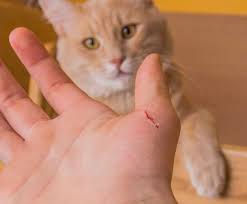
Cats are more likely to scratch than bite, but their claws may carry infected saliva from grooming.
Because cats roam freely, vaccination compliance must be maintained even for indoor-outdoor pets.
Wild animals (bats, raccoons, foxes, skunks, mongooses, jackals)
In wildlife, rabies circulates among regional species known as wild reservoirs.
Bats: The most important carriers in North and South America. Tiny bites often go unnoticed, but bat-transmitted rabies is nearly 100% fatal if untreated.
Raccoons & skunks: Common in North America; outbreaks cycle every few years.
Foxes & jackals: Major vectors across Europe, the Middle East, and Africa.
Mongooses: A recognized reservoir in parts of the Caribbean and South Asia.
Rabies transmission between wild animals and domestic pets occurs through territorial fights, scavenging carcasses, or exposure to infected saliva.Because wildlife vaccination is logistically challenging, mass vaccination of dogs and cats remains the cornerstone of rabies control worldwide.
Signs of Rabies Infection in Animals
Recognizing rabies symptoms in animals is essential for both pet owners and veterinarians. Once signs appear, the disease progresses rapidly — usually ending in death within 5–7 days. The infection manifests in two major forms: furious rabies and paralytic (dumb) rabies.
Furious Rabies (Classical form)
This is the most well-known and aggressive form of rabies. It represents about 80% of all animal cases.
Clinical features:
Sudden behavioral changes: previously calm animals become irritable or violent.
Restlessness and increased activity, often pacing or wandering aimlessly.
Unprovoked attacks on people, other animals, or even inanimate objects.
Hypersensitivity to sound, light, or movement.
Excessive salivation (foaming at the mouth) due to throat muscle paralysis.
Difficulty swallowing (hydrophobia) and continuous vocalization.
Convulsions and progressive paralysis in the final stage.
Dogs with furious rabies often leave home and never return, dying within days after onset.
Paralytic (Dumb) Rabies
Seen in about 20% of cases, this form is quieter but equally lethal.
The animal becomes weak, lethargic, and unusually calm.
Lower jaw drooping, inability to swallow, and drooling are common.
Progressive paralysis starts in the limbs and spreads to the respiratory muscles.
Death usually occurs from respiratory failure within a few days.
Cats and wild animals:
Cats often alternate between aggression and depression. They may bite repeatedly and then retreat to hide.
Foxes and raccoons may lose their natural fear of humans, approaching urban areas or daylight settings.
In livestock, such as cattle, rabies may mimic choking or bloat — farmers sometimes mistake early symptoms for simple illness until neurological signs appear.
Key veterinary observation period:
If an animal bites someone, authorities recommend 10 days of observation (for dogs and cats).
If the animal remains healthy after 10 days → rabies transmission was not possible at the time of the bite.
If the animal dies or shows symptoms → immediate testing and post-exposure prophylaxis are mandatory.
Because rabies is invariably fatal once clinical signs develop, any suspected animal should be treated as potentially infected and reported to veterinary or public-health authorities for containment and testing.

Early Symptoms of Rabies in Humans
The early phase of rabies in humans is called the prodromal stage and typically lasts 2 to 10 days. During this period, the virus has already reached the nervous system but has not yet caused full neurological involvement. Recognizing these early signs is critical because post-exposure prophylaxis (PEP) is still effective if administered before the onset of neurological symptoms.
Common early symptoms
Fever and malaise: A low-grade fever, fatigue, and body aches are often the first nonspecific signs.
Headache and dizziness: The infection inflames the meninges and nerves, leading to persistent headaches or light sensitivity.
Pain, tingling, or burning at the bite site: Known as paresthesia, this is one of the hallmark early indicators. It results from viral replication in local nerves and occurs in 30–80% of patients.
Loss of appetite, nausea, and anxiety: As the virus spreads toward the central nervous system, vague systemic symptoms appear.
Restlessness and sleep disturbances: Many patients report difficulty sleeping, irritability, or nightmares.
Behavioral and emotional changes
Some victims become unusually agitated or fearful. Subtle changes—like hypersensitivity to noise, touch, or air currents—signal the virus has reached the sensory neurons.
Importance of early detection
Once these mild symptoms start, the window for life-saving vaccination rapidly closes. The virus soon crosses the blood-brain barrier, after which rabies becomes nearly 100% fatal.
Any history of a bite, scratch, or saliva contact from a potentially rabid animal, even months earlier, should trigger urgent evaluation and immediate vaccination. Delaying medical care, hoping symptoms “pass,” is the most common cause of preventable rabies deaths worldwide.
Advanced (Neurologic) Stages of Rabies
After the prodromal phase, the virus has fully invaded the brain and spinal cord. This stage is known as the neurologic phase, and it marks the point where treatment is no longer curative. Once symptoms appear, death usually follows within 5–7 days despite intensive care.
There are two main clinical forms of neurologic rabies: Furious (encephalitic) and Paralytic (dumb).
Furious Rabies (Encephalitic Form)
This is the classical and most recognizable form, accounting for about 80% of human cases.Characteristic symptoms include:
Severe agitation and confusion: Patients may alternate between hyperactivity and calm.
Hydrophobia (fear of water): Attempting to drink or even seeing water causes painful throat spasms due to laryngeal paralysis.
Aerophobia (fear of drafts): A sudden gust of air can trigger spasmodic throat or chest contractions.
Hallucinations and aggression: The infection inflames the brain, leading to violent outbursts, delirium, or visual hallucinations.
Hyper-salivation and inability to swallow: Caused by paralysis of facial and throat muscles.
Convulsions and respiratory arrest: Final stages result in coma and death.
The term furious reflects the severe agitation and manic behavior produced by the virus’s attack on limbic and brainstem regions.
Paralytic (Dumb) Rabies
Seen in about 20% of cases, this form progresses more quietly but ends the same way.Clinical characteristics:
Gradual onset of muscle weakness starting at the bite site.
Flaccid paralysis spreading from the limbs to the respiratory muscles.
No agitation or hydrophobia, which often causes misdiagnosis as Guillain-Barré syndrome.
Death occurs due to respiratory failure.
Paralytic rabies may take slightly longer to progress (up to 2 weeks), but once paralysis begins, recovery is impossible.
Neuropathology
Microscopically, rabies causes Negri bodies — eosinophilic inclusions inside neurons, particularly in the hippocampus and cerebellum. These are diagnostic hallmarks of infection and explain the intense neurological dysfunction.
Terminal outcome
Regardless of form, once neurologic rabies develops, mortality exceeds 99.9%. Intensive care can prolong survival by a few days but rarely changes the outcome. Prevention through immediate post-exposure vaccination and wound cleaning remains the only effective defense.

Incubation Period and Factors Affecting Onset
The incubation period of rabies — the time between exposure and the first symptoms — typically ranges from 1 to 3 months, but in some cases it can be as short as a few days or as long as a year or more. During this silent period, the virus travels from the site of entry to the central nervous system, replicating slowly in muscle tissue and spreading along peripheral nerves toward the spinal cord and brain.
Key factors influencing incubation time
Location of the bite or scratch
Bites on the head, face, neck, or hands have the shortest incubation (often under 30 days).
These areas are highly innervated and close to the brain, allowing the virus to travel faster.
Bites on the legs or tail area (in animals) may take several months to show symptoms.
Viral load (amount of virus inoculated)
Deep, bleeding wounds introduce more virus into tissue.
Minor scratches with minimal saliva contact may cause delayed or mild infections, but risk still exists.
Host immune status
Individuals with compromised immunity, malnutrition, or co-infections develop symptoms faster.
Vaccinated persons exposed to rabies typically show longer or suppressed incubation because of preexisting antibodies.
Species of the biting animal
Rabies virus variants differ slightly between species (dogs, bats, raccoons).
Bat-transmitted strains may have prolonged incubation, sometimes several months.
Post-exposure treatment
Immediate wound cleaning and vaccination can halt the infection entirely, effectively terminating the incubation process before the virus reaches the nerves.
Why incubation matters
This variability makes rabies unpredictable. Even if exposure happened weeks or months earlier, symptoms can suddenly appear without warning, which is why vaccination is recommended no matter how much time has passed since a bite.
What to Do Immediately After a Bite or Scratch
If bitten, scratched, or even licked on broken skin by a cat, dog, or wild animal, every minute counts. The first few hours after exposure are critical in preventing the virus from establishing infection.
Follow these emergency steps immediately:
Step 1: Wash the wound thoroughly
Rinse the area under running water for at least 15 minutes using soap or detergent.
Mechanical washing removes a significant portion of the virus.
Avoid scrubbing too hard or using harsh disinfectants that damage tissue.
Step 2: Apply an antiseptic
After washing, apply povidone-iodine (Betadine), alcohol, or 0.1% benzalkonium chloride to the wound.
These substances inactivate residual virus particles.
Step 3: Do NOT cover or stitch the wound immediately
Covering too soon can trap the virus in deeper tissue.
Only healthcare professionals should decide whether suturing is safe, usually after the first vaccine dose.
Step 4: Identify the animal (if possible)
If the animal is domestic, obtain vaccination records and observe it for 10 days under veterinary supervision.
If the animal is stray, wild, or cannot be found, assume it is rabid until proven otherwise.
Step 5: Seek medical attention immediately
Go to the nearest hospital or rabies treatment center without delay.
The doctor will assess wound severity, vaccination status, and exposure category according to WHO guidelines (Category I, II, III).
Post-exposure prophylaxis (PEP) must begin the same day — never wait for lab confirmation of the animal.
Step 6: Avoid traditional or home remedies
Applying chili, herbs, or oil to the wound is dangerous and ineffective.
These methods delay proper medical care and may increase viral absorption.
Step 7: Follow-up care
Complete the full vaccination schedule even if the wound heals quickly.
Report the incident to local public-health or veterinary authorities so that the animal can be traced and monitored.
Why immediate action saves lives
Rabies infection can be 100% prevented with timely wound care and vaccination — even after exposure. The virus moves slowly through nerves, giving a short but crucial window for intervention.If you clean the wound and receive the vaccine within hours, your risk of developing rabies drops to almost zero.
Medical Evaluation and Rabies Risk Assessment
Once a person reports an animal bite or scratch, the medical evaluation must begin immediately. The goal is to assess the likelihood of rabies exposure and determine the appropriate treatment plan, including vaccination and immunoglobulin use.
1. Patient history and exposure details
The healthcare provider gathers key information:
Type of animal (dog, cat, bat, etc.)
Circumstances of the incident (provoked or unprovoked attack)
Vaccination history of the animal, if known
Whether the animal is available for observation
Depth, number, and location of wounds
The patient’s vaccination history (previous rabies vaccines or boosters)
This information helps categorize the exposure according to World Health Organization (WHO) risk levels.
2. WHO Exposure Categories
Category | Type of Exposure | Examples | Recommended Action |
I (No risk) | Touching or feeding animals, lick on intact skin | Petting or contact without skin break | No treatment required |
II (Moderate risk) | Nibbling on uncovered skin, minor scratches without bleeding | Cat scratch, small bite | Immediate vaccination (no immunoglobulin) |
III (High risk) | Single or multiple bites, deep wounds, saliva contact with mucosa or broken skin | Dog bite on face, hand, or bleeding wound | Immediate vaccination + Rabies Immunoglobulin (RIG) |
Even a minor scratch or lick on broken skin qualifies as Category III if there’s saliva contact.Doctors must treat all high-risk exposures as emergencies, regardless of the animal’s condition.
3. Wound evaluation
Wounds are classified by severity and location.
Head and neck injuries are highest risk due to short nerve distance to the brain.
Deep or multiple wounds may require hospitalization for monitoring and IV antibiotics to prevent bacterial infection.
4. Observation of the animal
If the biting animal is a vaccinated pet, it is quarantined and observed for 10 days.
If it remains healthy, rabies transmission was not possible.
If the animal dies, disappears, or shows symptoms → immediate testing and continuation of PEP are mandatory.
5. Additional tests (rarely used)
Rabies diagnosis in humans during incubation is not practical — laboratory confirmation is usually postmortem. Tests such as fluorescent antibody testing (FAT) and RT-PCR are performed on animal brain samples to confirm rabies.
Post-Exposure Prophylaxis (PEP) and Vaccine Protocol
Post-Exposure Prophylaxis (PEP) is the medical term for preventive treatment given after potential exposure to rabies. It is the only life-saving measure once someone has been bitten or scratched by a potentially rabid animal. When performed correctly and promptly, PEP is nearly 100% effective.
1. Components of PEP
PEP has two main components:
Wound care – immediate, thorough cleaning with soap and antiseptic.
Vaccination ± Rabies Immunoglobulin (RIG) – depending on the exposure category.
2. Rabies Vaccine Schedule (WHO-recommended)
Schedule Type | Days of Injection | Notes |
Essen (5-dose) | Days 0, 3, 7, 14, 28 | Most widely used; safe for all ages |
Zagreb (4-dose) | Day 0 (2 doses), Day 7, Day 21 | Shorter protocol used in some countries |
Intradermal schedule | Days 0, 3, 7, 28 | Uses smaller doses; cost-effective in developing countries |
Day 0 = the day of the first injection (the same day as exposure).
All injections must be completed even if the animal appears healthy later.
Missing doses can reduce immunity — restarting the course may be necessary if gaps are too long.
3. Rabies Immunoglobulin (RIG)
RIG provides immediate passive immunity while the vaccine triggers the body’s active immune response (which takes 7–10 days). It is used only for Category III exposures (deep bites, multiple wounds, facial injuries).
Administration rules:
Infiltrate as much of the RIG as possible into and around the wound.
Any remaining volume is injected intramuscularly at a site distant from the vaccine injection.
RIG should be administered only once, ideally within 7 days of the first vaccine dose.
Dosage:
Human RIG (HRIG): 20 IU/kg body weight
Equine RIG (ERIG): 40 IU/kg body weight (requires allergy testing before administration)
4. Common side effects (mild)
Local pain or swelling at the injection site
Low-grade fever or fatigue
Very rarely, allergic reactions (mainly from ERIG)
These effects are minor compared to the risk of rabies. Vaccination should never be delayed due to fear of mild reactions.
5. What if vaccination was incomplete?
If a person starts PEP but misses one or more doses, they must resume immediately, not restart.If symptoms like tingling or fever appear during treatment, continue vaccination and consult a doctor — the protection develops progressively, and missing doses drastically lowers immunity.
6. Efficacy and prevention rate
When PEP is done correctly — wound cleaning + full vaccination ± RIG — the survival rate is virtually 100%.Worldwide data show that nearly all fatal rabies cases occur in people who did not receive or complete post-exposure prophylaxis.
7. Booster recommendations
For individuals at continuous risk (veterinarians, animal handlers, laboratory workers):
Pre-exposure vaccination: 3 doses on days 0, 7, and 21/28.
Booster: every 2–3 years or after any suspected exposure.
Rabies PEP remains one of the most successful public-health interventions ever developed — a guaranteed life-saving measure when applied in time. No other viral infection with a 100% fatality rate can be prevented so effectively through post-exposure vaccination. Wound Cleaning and Home First-Aid Steps
Wound cleaning is the first and most important step after a cat or dog bite. Immediate and proper cleansing can reduce the risk of rabies infection by up to 90% because it removes viral particles before they enter nerve tissue.
Even before reaching a hospital, basic first aid can save lives. Here’s exactly what to do:
Step 1: Rinse the wound under running water
Hold the wound under clean, running tap water for at least 15 minutes.
Use plenty of water — mechanical flushing removes saliva and debris.
Avoid simply wiping; the water pressure helps eliminate virus particles.
Step 2: Wash with soap or detergent
Apply soap, detergent, or antiseptic liquid directly to the wound.
Rub gently to ensure penetration into the bite marks.
Do not use harsh chemicals or bleach — they can damage tissue and slow healing.
Step 3: Apply antiseptic
After thorough washing, apply an iodine-based solution (povidone-iodine), ethanol (70%), or benzalkonium chloride (0.1%).These antiseptics destroy most rabies virus particles remaining in the area.
Step 4: Do not bandage or stitch immediately
Leave the wound open to the air if possible.
Cover lightly only to control bleeding or protect from contamination.
Suturing, if required, should be done after vaccination begins and only by medical personnel.
Step 5: Avoid traditional or harmful remedies
Do not apply chili, turmeric, plant extracts, toothpaste, or oil — these do not neutralize the virus and may worsen tissue damage.
Step 6: Control bleeding (if severe)
Apply gentle pressure with sterile gauze. Avoid tight bandages that reduce blood flow.
Step 7: Seek professional medical care immediately
After washing, go to the nearest healthcare facility for wound assessment, tetanus booster, and rabies PEP (Post-Exposure Prophylaxis).
Step 8: Monitor the wound
In the following days, watch for redness, swelling, or pus — these signs indicate bacterial infection and may need antibiotics.
Summary tip:
“Soap and water are the most powerful weapons against rabies.”Even in rural areas without access to a hospital, washing the wound immediately and thoroughly is the single most effective life-saving step.
Diagnostic Testing for Rabies Exposure
Diagnosing rabies in humans before symptoms appear is extremely difficult, and in most cases, laboratory confirmation is performed on the animal rather than the person. However, understanding the available diagnostic methods helps clarify how doctors confirm exposure and guide treatment.
1. Human diagnostic challenges
During the incubation period, the virus remains localized in muscle tissue and peripheral nerves — not yet detectable in blood or saliva. Therefore, rabies diagnosis in exposed humans relies primarily on exposure history, not lab tests.
2. Diagnostic methods (when symptoms appear)
Test Type | Sample Used | Purpose / Result |
Fluorescent Antibody Test (FAT) | Brain tissue of animal or human | Gold standard for rabies confirmation. Detects viral antigen. |
RT-PCR (Reverse Transcription Polymerase Chain Reaction) | Saliva, cerebrospinal fluid, or skin biopsy | Detects viral RNA with high sensitivity. |
Direct Rapid Immunohistochemical Test (dRIT) | Brain tissue (animal testing) | Used in field labs for fast diagnosis in dogs/cats. |
Serology (antibody tests) | Blood or serum | Used to verify vaccine response, not for diagnosis. |
Skin biopsy (nuchal area) | Human hair follicles and nerves | Detects viral antigen in late stages. |
In most bite incidents, the animal is tested, not the person. This provides faster results for risk confirmation.
3. Animal testing process
When a biting animal dies or shows symptoms, brain tissue is collected by trained veterinarians or public-health officials.The fluorescent antibody test (FAT) — recommended by WHO — can confirm rabies within hours.
A positive FAT result = immediate continuation or completion of full PEP in the victim.
A negative FAT result (no virus detected) = PEP can be discontinued under medical supervision.
4. Why human testing is rarely done
Once symptoms develop, rabies is almost universally fatal. Testing at that point is primarily for confirmation and epidemiological data, not treatment. Therefore, prevention through rapid wound care and vaccination remains the focus.
5. Monitoring vaccinated individuals
After completing PEP, doctors may order antibody titers (ELISA or RFFIT tests) to confirm immune response, especially for immunocompromised or high-risk individuals like veterinarians.
6. Key takeaway
Rabies cannot be diagnosed early — it must be prevented.Doctors act on exposure risk, not lab confirmation, because waiting for test results could cost a life.
Immediate vaccination and wound disinfection remain the cornerstones of diagnosis-based prevention. Rabies Treatment: What Happens After Symptoms Begin
Once the clinical symptoms of rabies appear, the disease enters its irreversible phase.At this stage, the virus has already reached the central nervous system, spreading through the brain and spinal cord. Unfortunately, there is no effective antiviral treatment for rabies once neurological signs develop.
1. Why rabies is almost always fatal
The rabies virus travels within the nerves — not in the bloodstream — which makes it inaccessible to antibodies and antiviral drugs. By the time symptoms begin, the immune system and vaccines can no longer stop viral replication inside the brain.
Mechanism:
The virus binds to nicotinic acetylcholine receptors in neurons.
It replicates inside nerve cells, moving toward the brain.
In the brain, it causes widespread inflammation, leading to convulsions, paralysis, and coma.
2. Supportive medical care
Although there is no cure, intensive medical support may prolong life briefly:
Sedation and pain control: To reduce agitation and seizures.
Ventilatory support: For patients with respiratory muscle paralysis.
Hydration and nutrition: To maintain metabolic balance.
Anticonvulsants and antipyretics: To control seizures and fever.
Despite these efforts, mortality remains >99.9% once symptoms appear.
3. The Milwaukee Protocol
In 2004, a teenage girl in the United States survived rabies after doctors induced a therapeutic coma and administered antiviral drugs — a method known as the Milwaukee Protocol.However, subsequent attempts to replicate her survival largely failed. Fewer than 30 survivors worldwide exist, and most suffered residual neurological damage.As a result, the Milwaukee Protocol is now considered experimental and unreliable.
4. What doctors focus on instead
Modern rabies management emphasizes prevention rather than treatment. Once symptoms begin, the focus shifts to:
Palliative care and symptom control
Prevention of suffering
Family counseling and post-exposure vaccination for close contacts
5. Emotional and ethical considerations
Rabies fatalities are deeply traumatic because they are entirely preventable. The key message from medical authorities remains:
“No one should ever die from rabies — if exposed, seek treatment immediately before symptoms appear.”
How Rabies Vaccines Work (Pre- and Post-Exposure)
The rabies vaccine works by stimulating the body’s immune system to produce protective antibodies before or immediately after exposure. These antibodies neutralize the virus before it reaches nerve tissue, making rabies one of the few deadly diseases that can still be prevented after exposure.
1. Vaccine mechanism
The vaccine contains inactivated rabies virus — it cannot cause disease.After injection, immune cells recognize the viral proteins and produce antibodies that specifically target the rabies virus.
Within 7–10 days, the body develops active immunity.
These antibodies neutralize the virus in the muscle before it enters the nerves.
Once inside the nervous system, antibodies can no longer reach the virus, which is why timing is crucial.
2. Types of vaccination
There are two main types of vaccination depending on timing and risk:
a. Pre-Exposure Prophylaxis (PrEP)Given to people at high risk before any exposure occurs — such as veterinarians, animal handlers, laboratory staff, and travelers to rabies-endemic regions.
Standard PrEP Schedule:
3 doses: Day 0, Day 7, and Day 21 or 28.
Booster every 2–3 years (or after exposure).
Benefits of PrEP:
Simplifies post-exposure treatment (no need for immunoglobulin).
Provides long-term baseline immunity.
b. Post-Exposure Prophylaxis (PEP)Administered after a suspected or confirmed exposure.Includes:
Immediate wound cleaning (soap + antiseptic).
Full vaccine series (Essen or Zagreb schedule).
Rabies Immunoglobulin (for Category III exposures).
When started within hours or days of exposure, PEP is nearly 100% effective in preventing disease.
3. Vaccine types
Modern rabies vaccines are cell culture–based and extremely safe.
Human Diploid Cell Vaccine (HDCV)
Purified Chick Embryo Cell Vaccine (PCECV)
Purified Vero Cell Vaccine (PVRV)
All are WHO-approved and used worldwide for both pre- and post-exposure prevention.
Outdated nerve-tissue vaccines are no longer recommended due to high side-effect rates and low efficacy.
4. Booster doses and antibody testing
After full vaccination, immunity typically lasts 5–10 years.
High-risk professionals should check antibody titers every 2–3 years.
Booster shots are needed if antibody levels fall below 0.5 IU/mL, as per WHO guidelines.
5. Combined immunity with immunoglobulin
For unvaccinated individuals exposed to rabies, the vaccine triggers active immunity, while immunoglobulin provides immediate passive protection.Together, they create a two-tier defense that prevents the virus from ever reaching the nervous system.
6. Vaccine safety and side effects
Modern rabies vaccines are among the safest biologicals available.Common mild reactions:
Local pain or redness at the injection site
Mild fever or fatigue
Rare allergic reactions (especially to older vaccine types)
No serious long-term side effects have been reported with current WHO-approved vaccines.
7. Core message
Rabies vaccination is a life-saving emergency, not an optional measure.Even if exposure occurred days or weeks earlier, start vaccination immediately — it’s never too late until symptoms appear.
Global Rabies Statistics and Mortality Rates
Despite being one of the oldest and most preventable viral diseases, rabies continues to claim tens of thousands of lives each year, mostly in developing nations. The global distribution of rabies reflects a deep divide between regions with effective animal vaccination programs and those with poor access to healthcare.
1. Global burden
According to the World Health Organization (WHO), rabies causes approximately 59,000 human deaths annually.
Over 95% of cases occur in Asia and Africa.
40% of victims are children under 15, often bitten by unvaccinated dogs.
Dog bites account for 99% of human rabies transmissions.
2. Regional highlights
Asia: India reports nearly 20,000 rabies deaths each year — the highest in the world.
Africa: More than 21,000 deaths occur annually due to low vaccination coverage in rural areas.
Americas: Successful vaccination campaigns have reduced rabies cases by over 95%. Human rabies is now rare in North America.
Europe: Rabies has been largely eliminated from Western Europe through strict pet vaccination and wildlife control.
Middle East: Sporadic outbreaks continue due to stray animal populations and incomplete vaccination programs.
3. Economic impact
Rabies costs the global economy over $8.6 billion per year, including healthcare costs, livestock losses, and post-exposure treatment expenses.More than 29 million people receive PEP annually, yet access to vaccines remains limited in many rural regions.
4. Case fatality rate
Once symptoms begin, rabies remains nearly 100% fatal — one of the highest mortality rates of any infectious disease.This is why public awareness, vaccination, and prompt medical response are essential. Every rabies death is preventable, making it both a medical and ethical challenge for global health systems.
5. Global elimination goal
The WHO, World Organisation for Animal Health (WOAH), and other partners launched the “Zero by 30” initiative — a plan to eliminate dog-mediated human rabies deaths by 2030 through:
Mass dog vaccination campaigns.
Improved access to human PEP.
Enhanced surveillance and reporting.
Although progress has been significant, success depends on continued government support, community education, and responsible pet ownership.
Rabies Prevention Strategies for Pet Owners
For pet owners, preventing rabies is not just about protecting animals — it’s about safeguarding the entire household and community. Since domestic animals are the primary bridge between wildlife and humans, their vaccination and management are the first line of defense.
1. Vaccinate all pets regularly
Every dog and cat should receive core rabies vaccination according to local regulations.
The first dose is typically given at 12–16 weeks of age, followed by a booster after one year, then every 1–3 years depending on vaccine type and national laws.
Keep official vaccination certificates updated — some countries require proof for travel or licensing.
2. Control your pet’s outdoor exposure
Avoid allowing pets to roam unsupervised, especially at night.
Keep them away from wildlife habitats and stray animals.
If your pet fights or interacts with unknown animals, consult a veterinarian immediately — even small wounds can be dangerous.
3. Report and isolate suspected cases
If you notice a dog or cat showing suspicious symptoms (aggression, drooling, difficulty swallowing, sudden paralysis), isolate it safely and contact veterinary authorities. Never attempt to handle an animal that appears rabid.
4. Responsible pet management
Spaying and neutering help reduce stray populations, lowering overall rabies transmission risk.
Encourage local vaccination drives and community awareness programs.
5. Personal safety practices
Teach children never to approach unfamiliar dogs or cats, even if they seem friendly.
Avoid touching or feeding stray animals.
Wash any bite or scratch immediately and seek medical advice the same day.
6. Travel precautions
If you’re traveling to rabies-endemic regions:
Ensure your pets are fully vaccinated before departure.
Carry vaccination certificates when crossing borders.
Avoid contact with local animals and ensure you know where to access vaccines in case of exposure.
7. Veterinary follow-up after exposure
If your vaccinated pet bites or is bitten:
Contact your veterinarian.
Report the incident to public-health authorities.
Your vet may recommend a booster vaccine to reinforce immunity.
8. The role of community education
Sustained rabies prevention depends on public understanding. Awareness campaigns on vaccine schedules, wound care, and risk assessment have proven to reduce deaths dramatically.
Rabies prevention is a shared responsibility — between veterinarians, owners, and communities.Every vaccinated animal protects not just itself but also the humans around it.
Mandatory Vaccination and Public Health Regulations
Rabies control is not just an individual responsibility — it is a legal and public-health obligation in most countries. Because rabies poses a threat to both humans and animals, governments worldwide have established strict vaccination, reporting, and quarantine laws to prevent outbreaks.
1. Legal requirement for pet vaccination
In many countries, rabies vaccination is mandatory for all dogs and cats over 3 months old.
Pet owners are required to keep official vaccination certificates issued by licensed veterinarians.
Some regions enforce annual vaccination, while others follow three-year protocols depending on vaccine formulation.
Failure to vaccinate pets can result in fines or loss of pet ownership rights in certain jurisdictions.
Example regulations:
United States: Rabies vaccination for dogs is required in all 50 states; some states also mandate it for cats and ferrets.
European Union: Pets must be microchipped and vaccinated before travel under the EU Pet Passport scheme.
India, Philippines, Thailand, and Africa: National Rabies Control Programs require mass vaccination of stray and domestic dogs annually.
2. Reporting animal bites
Public-health laws require that all animal bites be reported to health authorities.Once a bite is reported:
The biting animal is quarantined or observed for 10 days.
Local veterinary officers coordinate testing and public awareness.
Hospitals record bite cases to monitor vaccine usage and outbreak hotspots.
3. Quarantine and observation laws
If a vaccinated pet bites someone:
It must be kept under observation for 10 days by a veterinarian.
If the animal remains healthy, no rabies transmission occurred.
If symptoms develop or the animal dies, brain tissue testing is mandatory.
For unvaccinated animals, quarantine may extend to 45 days or euthanasia for diagnostic testing may be ordered by public-health authorities.
4. International travel regulations
When traveling across borders:
Dogs and cats must have proof of recent rabies vaccination.
Some rabies-free countries (e.g., Australia, Japan, UK) require quarantine periods ranging from 10 to 30 days.
Blood antibody testing (FAVN or RFFIT) may be needed to confirm protective immunity.
5. Governmental programs and mass vaccination campaigns
WHO recommends 70% dog vaccination coverage in endemic regions to break transmission cycles.
Many nations implement “One Health” initiatives, integrating veterinary and human health sectors for coordinated rabies control.
Community vaccination drives, stray-animal sterilization, and education campaigns are critical pillars of these programs.
6. Legal penalties
Owners who conceal rabies cases, abandon infected animals, or fail to report bites can face legal prosecution under public-health laws.The principle is clear: rabies control is a shared civic duty, not merely a private responsibility.
Rabies in Cats vs. Dogs: Key Differences
Although both cats and dogs can transmit and succumb to rabies, the disease behaves somewhat differently in each species due to variations in behavior, anatomy, and exposure risk.
1. Infection prevalence
Dogs are the primary source of human rabies worldwide, responsible for up to 99% of cases in endemic countries.
Cats are the leading domestic carrier in developed regions, particularly in the United States and Europe, where dog vaccination programs are well established.
2. Behavioral differences
Rabid dogs often display overt aggression and attack indiscriminately, increasing transmission likelihood.
Rabid cats may show sudden irritability, excessive meowing, or unprovoked biting and scratching, but attacks are usually shorter.
Cats’ grooming habits mean saliva can contaminate claws — scratches may also transmit the virus, though less efficiently than bites.
3. Clinical presentation
Feature | Dogs | Cats |
Incubation period | 10 days – 2 months | 14 days – 3 months |
Common form | Furious (aggressive) | Furious or mixed (alternating hyperactivity and lethargy) |
Early signs | Behavioral change, hiding, fearfulness | Sudden agitation, staring, excessive vocalization |
Neurologic phase | Paralysis, drooling, hydrophobia | Hind limb weakness, tremors, facial spasms |
Fatality rate | 100% once symptomatic | 100% once symptomatic |
4. Diagnosis and management
Both species are diagnosed via fluorescent antibody testing of brain tissue postmortem.
Treatment is not possible after symptom onset, but prevention through vaccination is equally effective in both species.
5. Transmission potential
A single rabid dog can bite multiple people or animals, spreading the virus widely.
Cats, although less likely to cause mass exposure, pose unique risk due to stealthy bites and scratches that may go unnoticed.
6. Vaccination schedules
Both dogs and cats must follow official vaccination timetables:
First dose: 12–16 weeks old
Booster: 1 year later
Subsequent boosters: Every 1–3 years (depending on vaccine type)
7. Prognosis and prevention
Neither cats nor dogs can survive once rabies symptoms appear.However, routine vaccination ensures lifelong protection and stops community transmission entirely.
Every vaccinated pet acts as a biological firewall, preventing rabies from crossing the species barrier into humans.
Preventing Rabies Through Responsible Pet Ownership
Rabies prevention begins not in hospitals but in homes and neighborhoods.Responsible pet ownership is the foundation of rabies control — because every vaccinated, well-managed animal creates a safer community for humans and other pets alike.
1. Vaccinate on schedule
Keep all dogs and cats up to date on rabies vaccinations from licensed veterinarians.
Record the vaccine brand, batch number, and expiry date for reference.
Never delay booster doses — lapses can leave your pet unprotected.
2. Control reproduction and stray populations
Spay and neuter pets to help limit the number of unvaccinated stray animals.
Support local animal birth control (ABC) or trap-neuter-release (TNR) programs — they are proven to reduce rabies incidence over time.
3. Supervise outdoor access
Do not allow pets to roam freely, especially at night or in rural areas where they may encounter wildlife.
Use leashes during walks and ensure secure fencing around your property.
4. Practice safe handling
Avoid physical contact with unknown or aggressive animals, even if they appear friendly.
If your pet fights with a stray animal, wear gloves while handling and consult a veterinarian immediately for evaluation and possible booster vaccination.
5. Maintain hygiene and veterinary visits
Schedule annual veterinary check-ups for vaccines, deworming, and health monitoring.
Maintain good grooming and flea/tick control to prevent secondary infections that can complicate bite wounds.
6. Educate your family
Teach children that not all animals are safe to approach or pet.
Encourage them to avoid teasing, feeding, or disturbing sleeping or eating animals.
Explain the importance of telling an adult immediately if they get scratched or bitten.
7. Community responsibility
Report stray or suspicious animals to local authorities.
Participate in vaccination drives and awareness campaigns.
Encourage neighbors to vaccinate their pets — rabies prevention only works when everyone participates.
Rabies prevention starts with responsible ownership.Every responsible owner protects not just one pet — but an entire neighborhood.
Myths and Misconceptions About Rabies
Despite decades of scientific progress, rabies is still surrounded by dangerous myths that delay treatment and cost lives.Dispelling these misconceptions is essential to improving public awareness and saving both human and animal lives.
Myth 1: “You can tell if an animal has rabies by its behavior.”
Reality: Early-stage rabies often shows no visible signs. Infected animals may look healthy for several days while still shedding the virus in their saliva. Never rely on appearance to judge safety — always assume risk after any bite.
Myth 2: “Rabies only affects dogs.”
Reality: All mammals — including cats, bats, raccoons, foxes, cattle, and humans — can contract rabies. In many countries, cats and bats cause more human infections than dogs.
Myth 3: “If the wound doesn’t bleed, there’s no danger.”
Reality: Even minor scratches or licks on broken skin can transmit rabies. The virus enters through nerve endings, not blood vessels — bleeding or not, every exposure counts.
Myth 4: “I can wait a few days before seeing a doctor.”
Reality: Rabies prevention depends on immediate action. Every hour lost gives the virus more time to reach the nerves. Wound washing and vaccination must begin the same day.
Myth 5: “Traditional remedies or herbs can neutralize rabies.”
Reality: No home remedy, herb, or oil can stop rabies. Only vaccines and immunoglobulin provide proven protection. Delaying treatment for folk methods is fatal.
Myth 6: “Vaccinated pets don’t need boosters.”
Reality: Immunity wanes over time. Boosters are essential to maintain protective antibody levels. Skipping boosters can leave your pet vulnerable.
Myth 7: “Rabies doesn’t exist in my country anymore.”
Reality: Even in rabies-controlled countries, imported or unvaccinated animals can reintroduce the virus. Continuous vaccination and surveillance are vital to keeping rabies eliminated.
Myth 8: “Humans can get rabies from touching animal fur.”
Reality: Rabies is transmitted through saliva or neural tissue, not fur. Petting an animal is safe unless saliva contacts an open wound or mucous membrane.
Myth 9: “If I got vaccinated years ago, I’m still protected forever.”
Reality: Pre-exposure vaccines provide long-term but not lifelong protection. Antibody titers should be checked every few years, and boosters are necessary for ongoing risk.
Myth 10: “Rabies always shows immediate symptoms.”
Reality: The incubation period can last weeks to months. Even if you feel fine, vaccination after any exposure is still lifesaving.
Truth saves lives.Rabies is 100% preventable — but only if myths are replaced with facts and immediate medical action.
When to Seek Emergency Care After an Animal Bite
Many people delay medical care after being bitten or scratched by an animal, thinking the wound is too small or that the pet “looked healthy.”However, every bite or scratch from a mammal must be treated as a potential rabies exposure until proven otherwise. Early medical evaluation is the only way to prevent infection before symptoms appear.
1. Seek emergency care immediately if:
You were bitten, scratched, or licked on broken skin by any dog, cat, bat, fox, raccoon, skunk, or other wild animal.
The animal was stray, unvaccinated, or unknown.
The bite is on the face, head, neck, or hands — these are high-risk areas due to nerve density and proximity to the brain.
The wound is deep, multiple, or bleeding heavily.
You were bitten by a bat, even if the bite marks are invisible.
The animal is acting strangely — excessive drooling, aggression, paralysis, or nocturnal activity during daytime.
You have not received tetanus vaccination in the last 10 years (since both vaccines are often administered together after bites).
2. What to expect at the hospital
At the emergency department, healthcare professionals will:
Clean and disinfect the wound thoroughly again.
Evaluate the wound depth and infection risk.
Determine the WHO exposure category (I, II, or III).
Administer the appropriate rabies vaccine series and immunoglobulin if needed.
Prescribe antibiotics for bacterial infection prevention.
Record the case for public-health reporting and follow-up.
3. Delay can be deadly
Symptoms may not appear for weeks, but once they do, treatment no longer works.The virus travels silently through nerves during incubation, meaning the absence of symptoms does not indicate safety.
Golden rule:“Don’t wait for signs — start the vaccine the same day.”
4. When follow-up is necessary
If you received post-exposure vaccination:
Return for each scheduled booster dose on days 3, 7, 14, and 28.
Report any new symptoms such as tingling or fever.
Contact the hospital if the animal that bit you dies or shows signs of illness during observation.
Even if you’re not sure whether exposure qualifies, it’s better to visit a doctor unnecessarily than to regret it later — because once rabies begins, it’s irreversible.
Long-Term Immunity and Booster Recommendations
Rabies vaccines are highly effective, but like all vaccines, their protection decreases over time.Understanding how long immunity lasts and when boosters are needed ensures lifelong safety — especially for people or pets in frequent contact with animals.
1. Duration of immunity in humans
After completing a full post-exposure vaccination (PEP), immunity lasts for several years.
However, WHO recommends booster doses every 2–3 years for those with regular exposure risk:
Veterinarians, technicians, wildlife officers, and laboratory personnel.
Travelers to rabies-endemic regions.
Animal shelter or rescue workers.
Antibody levels can be checked using RFFIT or ELISA tests to confirm adequate immunity.
A booster is given if antibody levels fall below 0.5 IU/mL, the minimum protective threshold.
2. Duration of immunity in pets
Puppies and kittens: first rabies vaccine at 12–16 weeks old.
Booster after 1 year, then repeated every 1 to 3 years depending on the product label and local law.
For imported or traveling animals, proof of vaccination must be valid within the last 12 months.
Tip: Keep vaccination certificates safe and accessible — they serve as both legal proof and health assurance.
3. Missed boosters
If a person or pet misses a scheduled booster, vaccination should resume as soon as possible.
There is no need to restart the full series unless the delay is extreme (several years).
Even partial immunity from previous doses offers some protection, but full boosters restore complete safety.
4. Post-exposure boosters (previously vaccinated individuals)
If someone who has already received a full vaccine series is re-exposed to rabies:
Only two booster doses are needed — on Day 0 and Day 3.
No immunoglobulin is required since the immune system already has memory antibodies.
5. Long-term community impact
Maintaining proper booster schedules across populations — both human and animal — is key to achieving “herd protection” against rabies.Each vaccinated individual acts as a barrier that blocks viral transmission pathways in society.
Bottom line:Rabies immunity is strong, but it must be maintained.Timely boosters — for both people and pets — ensure the virus never gets another chance to spread.
Global Eradication Efforts and WHO Guidelines
Although rabies has existed for more than 4,000 years, it is one of the few infectious diseases that humanity can realistically eliminate with existing tools. The virus has no known wildlife reservoir outside mammals and no long-term environmental persistence — making eradication scientifically feasible.
1. The “Zero by 30” global initiative
In 2018, the World Health Organization (WHO), World Organisation for Animal Health (WOAH), and Global Alliance for Rabies Control (GARC) launched the “Zero by 30” strategy — aiming for zero human deaths from dog-mediated rabies by 2030.
The initiative focuses on three core pillars:
Effective dog vaccination: Achieving and maintaining at least 70% vaccination coverage in dog populations.
Accessible post-exposure prophylaxis (PEP): Ensuring every person can access vaccines and immunoglobulin within hours of exposure.
Community awareness and education: Empowering people to recognize risk and act quickly after animal bites.
2. Achievements so far
Latin America reduced human rabies deaths by over 95% since the 1980s through mass vaccination campaigns.
Countries like Japan, South Korea, Canada, Western Europe, and parts of Oceania are now rabies-free.
India, Bangladesh, and the Philippines have launched nationwide control programs modeled on WHO guidelines.
WHO-supported vaccine banks provide low-cost human and animal vaccines to developing countries.
3. Remaining challenges
Despite progress, obstacles persist:
Limited access to affordable vaccines in rural areas.
High stray dog populations and weak surveillance systems.
Cultural myths and delayed healthcare seeking.
Political instability and lack of veterinary infrastructure in some regions.
WHO continues to emphasize the “One Health” approach — collaboration between human, animal, and environmental health sectors. The global goal is achievable if every nation commits to sustained vaccination, education, and reporting.
4. WHO guidelines for prevention and control
WHO recommendations for rabies control include:
Mass dog vaccination campaigns as the most cost-effective solution.
Public education on immediate wound washing and medical care after bites.
Improved surveillance systems to track and investigate every human and animal rabies case.
International cooperation in vaccine supply, laboratory capacity, and border control for animal movement.
“Rabies elimination is not a dream — it is a commitment.”— World Health Organization, 2024 update
Summary: Steps to Protect Yourself and Your Pets
Rabies is almost 100% fatal, yet 100% preventable — a paradox that underscores the importance of awareness and action.Protecting yourself, your family, and your pets from rabies requires consistent preventive habits and swift response to exposure.
1. For humans
Avoid contact with stray or wild animals.
Wash any bite or scratch immediately with soap and water for 15 minutes.
Apply antiseptic and seek medical attention the same day.
Complete all vaccine doses — do not stop midway.
Educate children to never play with unfamiliar animals.
2. For pet owners
Vaccinate dogs and cats regularly.
Keep pets supervised and prevent them from roaming freely.
Report animal bites to local authorities.
Participate in community vaccination campaigns.
Keep vaccination certificates updated and accessible.
3. For veterinarians and professionals
Stay vaccinated with pre-exposure prophylaxis (PrEP).
Follow biosafety protocols in handling animals and samples.
Report suspected rabies cases promptly to public-health departments.
4. For communities and governments
Support mass dog vaccination and sterilization programs.
Ensure free access to human rabies vaccines in public hospitals.
Maintain public awareness campaigns every World Rabies Day (September 28).
Encourage inter-sectoral cooperation between health and veterinary services.
5. The final takeaway
Rabies elimination is not just a medical challenge — it is a social responsibility.Every responsible pet owner, every informed parent, and every alert health worker contributes to breaking the chain of transmission.
Remember: Rabies = 100% fatal once symptoms begin. Rabies = 100% preventable with immediate vaccination.
Protect your pets. Educate your family. Act fast after every bite.That’s how we end rabies — one community at a time.
Frequently Asked Questions (FAQ)
What is rabies and why is it so dangerous?
Rabies is a viral infection that attacks the brain and spinal cord of mammals. It is almost always fatal once symptoms appear because the virus spreads through the nervous system, not the bloodstream, making treatment impossible after onset.
How do humans get rabies from dogs or cats?
Rabies is transmitted when infected saliva from a dog or cat enters the body through a bite, scratch, or open wound. It can also occur if saliva contacts the eyes, nose, or mouth.
Can you get rabies from a cat scratch?
Yes, if the cat’s claws are contaminated with infected saliva. Although scratches are less risky than bites, they still require washing and immediate medical evaluation.
How soon after a bite do rabies symptoms appear?
The incubation period usually lasts 1–3 months, but can range from days to over a year depending on bite location, depth, and the amount of virus introduced.
What are the first signs of rabies in humans?
Early symptoms include fever, headache, weakness, and tingling or pain around the bite site. These are followed by anxiety, restlessness, and difficulty swallowing.
Can a vaccinated dog still transmit rabies?
It’s extremely rare, but theoretically possible if the vaccine failed or immunity waned. Even vaccinated pets that bite should be observed by a veterinarian for 10 days.
Is rabies curable once symptoms begin?
No. Once the virus reaches the brain and symptoms appear, rabies is nearly 100% fatal. Only immediate wound cleaning and vaccination before symptoms can prevent the disease.
What should I do immediately after a dog or cat bite?
Wash the wound thoroughly with soap and water for 15 minutes, apply antiseptic (like povidone-iodine), and go to the nearest healthcare facility for rabies and tetanus evaluation.
How effective is the rabies vaccine after exposure?
When administered correctly within hours or days after exposure, post-exposure prophylaxis (PEP) is nearly 100% effective in preventing rabies.
Do I need rabies shots after every animal bite?
Yes, if the animal’s vaccination status is unknown or it’s a stray/wild species. Medical professionals classify bites using WHO categories to decide on vaccines and immunoglobulin.
What is rabies immunoglobulin (RIG)?
RIG is a purified antibody solution given with the first vaccine dose in high-risk exposures. It provides immediate protection until your body develops its own antibodies.
How many rabies shots are required after a dog bite?
Typically, five doses are given on Days 0, 3, 7, 14, and 28 (Essen schedule). In some countries, a four-dose regimen (Zagreb schedule) is used.
Can I get rabies without being bitten?
Yes, though very rarely. Rabies can spread through saliva contact with broken skin or mucous membranes. Bat bites, often unnoticed, are a common example.
What happens if I delay rabies vaccination after a bite?
Delays allow the virus to move into the nervous system, reducing vaccine effectiveness. The sooner vaccination begins, the higher the chance of complete protection.
How can I tell if an animal that bit me has rabies?
Animals with rabies may act unusually — excessive aggression, drooling, paralysis, or fear of water. However, early-stage rabid animals can look healthy; always seek medical advice.
Should I get a rabies booster if I was vaccinated years ago?
Yes. For people regularly exposed to animals (veterinarians, travelers, etc.), boosters are recommended every 2–3 years or if antibody levels fall below 0.5 IU/mL.
What are the side effects of rabies vaccines?
Most people experience mild pain, redness, or swelling at the injection site. Fever and fatigue are rare. Modern vaccines are extremely safe and effective.
Can children safely receive rabies vaccines?
Absolutely. Rabies vaccines are safe for all ages and are routinely given to children after exposure — especially since kids are more likely to be bitten while playing.
Is there a blood test to check for rabies infection?
Not in the early stages. Rabies diagnosis in humans is usually based on exposure history. Laboratory confirmation is done on animals, not people, during the incubation period.
Can rabies spread from person to person?
Human-to-human transmission is virtually nonexistent. Only a few isolated cases from organ transplants have ever been documented.
How can I protect my pets from rabies?
Vaccinate dogs and cats on schedule, keep them indoors or supervised outdoors, and prevent contact with stray or wild animals. Annual checkups maintain immunity.
Do indoor cats need rabies vaccines?
Yes. Even indoor cats can escape or encounter infected animals through open windows or carried-in bats. Vaccination ensures full protection.
What countries are free of rabies?
Many Western European nations, Japan, Australia, and New Zealand are rabies-free due to strict import controls and mass vaccination. However, risk persists when traveling abroad.
How long does rabies immunity last after vaccination?
In humans, protection lasts several years; boosters are recommended every 2–3 years for high-risk individuals. In pets, boosters are required every 1–3 years depending on the vaccine.
Is rabies 100% preventable?
Yes. Rabies is completely preventable through immediate wound care and timely vaccination after any potential exposure. Awareness and quick action save lives every day.
Sources
World Health Organization (WHO) – Rabies: Epidemiology and Prevention
World Organisation for Animal Health (WOAH – OIE) – Global Rabies Control Strategy
Centers for Disease Control and Prevention (CDC) – Rabies: Human and Animal Health Guidelines
Global Alliance for Rabies Control (GARC) – Zero by 30 Initiative
American Veterinary Medical Association (AVMA) – Rabies Vaccination and Public Health Policy
Mersin Vetlife Veterinary Clinic – Haritada Aç: https://share.google/XPP6L1V6c1EnGP3Oc


Comments