
Papillon Dog: Personality, Care, Health Problems and Life Expectancy


What Is a Papillon Dog?
The Papillon dog is a small companion breed recognized for its large, upright ears, fine bone structure and lively personality. Its name means “butterfly” in French, a reference to the shape created by its ears and their long fringes.
Despite its delicate appearance, the Papillon is an active, curious dog. Many enjoy learning cues, exploring their surroundings and participating in activities with their owners. A comfortable lap may be welcome, but companionship for this breed often involves doing things together rather than simply sharing a sofa.
The Papillon belongs to the Continental Toy Spaniel family. Two ear varieties are recognized within that family: the upright-eared Papillon and the drop-eared Phalène. Their classification and naming can differ between kennel organizations, but both share the same historical background.
A Papillon’s small size can make everyday travel and indoor living practical. However, size alone does not determine whether a dog will suit a household. Prospective owners should consider the time available for training, exercise, grooming and supervised interaction with children or larger animals.
The best way to understand a Papillon is as a small dog with an active mind. Its appeal extends beyond its distinctive ears: much of the pleasure of living with one comes from discovering what it enjoys learning and how readily it becomes involved in family routines.
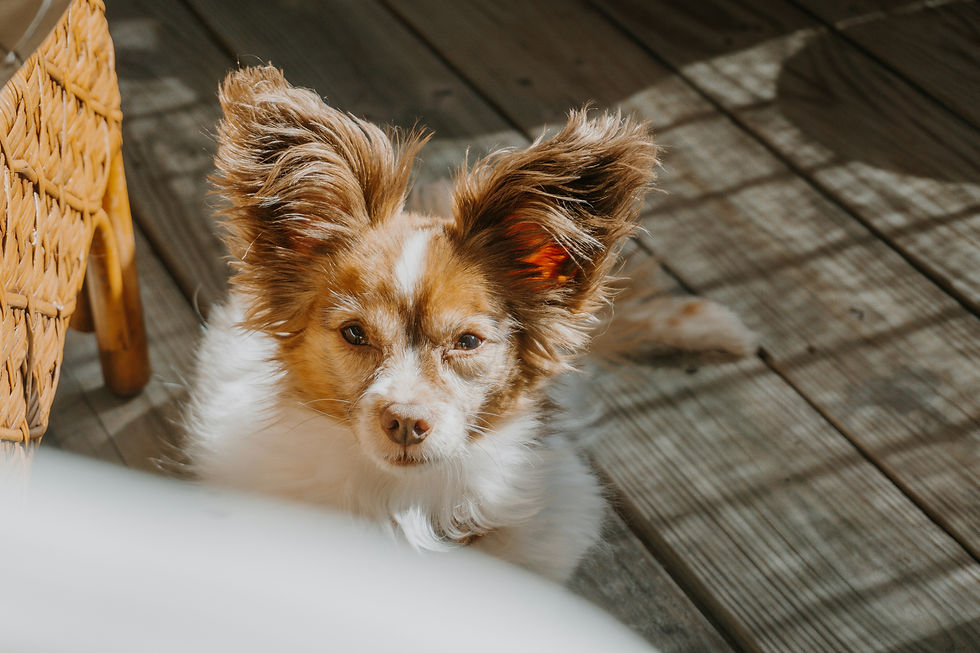
Papillon History: From Companion Dog to Modern Family Pet
The Papillon developed from the small companion spaniels that appeared in European paintings centuries ago. Artworks from the early sixteenth century provide a record of these dogs alongside their owners, illustrating their long association with domestic life and wealthy households.
Those early toy spaniels generally had hanging ears. The upright ears now associated with the Papillon became prominent much later, particularly during the nineteenth century. The butterfly-inspired name describes this appearance; it should not be taken to mean that every small spaniel in an older painting looked exactly like today’s Papillon.
France and Belgium are listed as the breed’s countries of origin in its international classification. Its broader history, however, involves companion spaniels found across several parts of Europe. It is more accurate to describe a gradual development than to assign the modern breed to one clearly documented founding event.
Unlike breeds developed primarily to move livestock or retrieve game, the Papillon’s historical role centered on companionship. That background does not prevent it from succeeding in activities that require athleticism and learning. Modern Papillons participate in obedience, agility and other sports alongside their role as household companions.
The transition from painted companion to modern family dog has preserved the breed’s recognizable elegance. What owners encounter today is also a lively participant in daily life—one whose needs extend well beyond looking decorative.
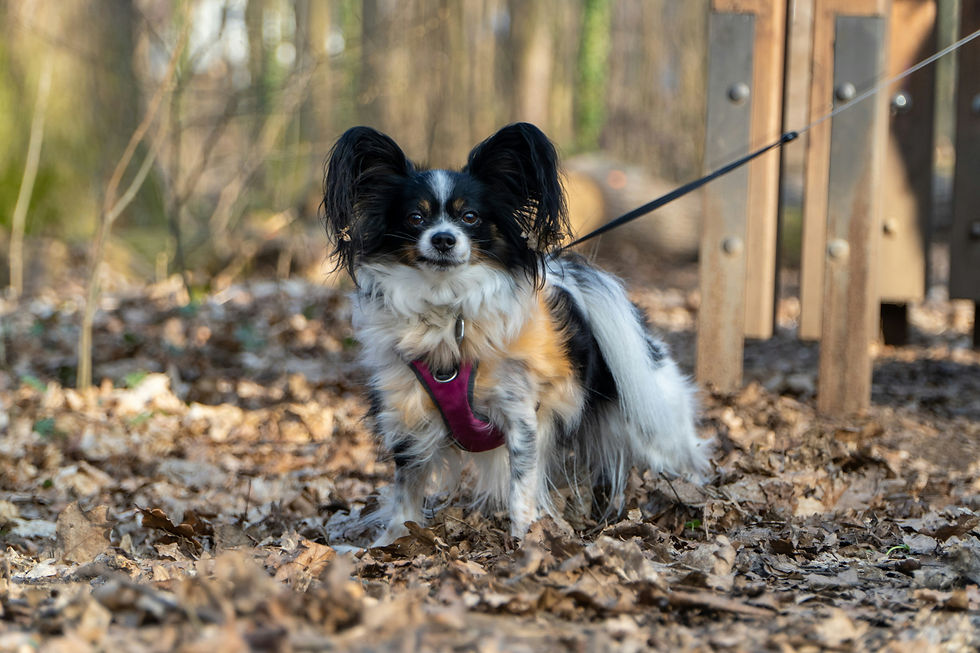
Appearance, Size and Coat: What Does a Papillon Look Like?
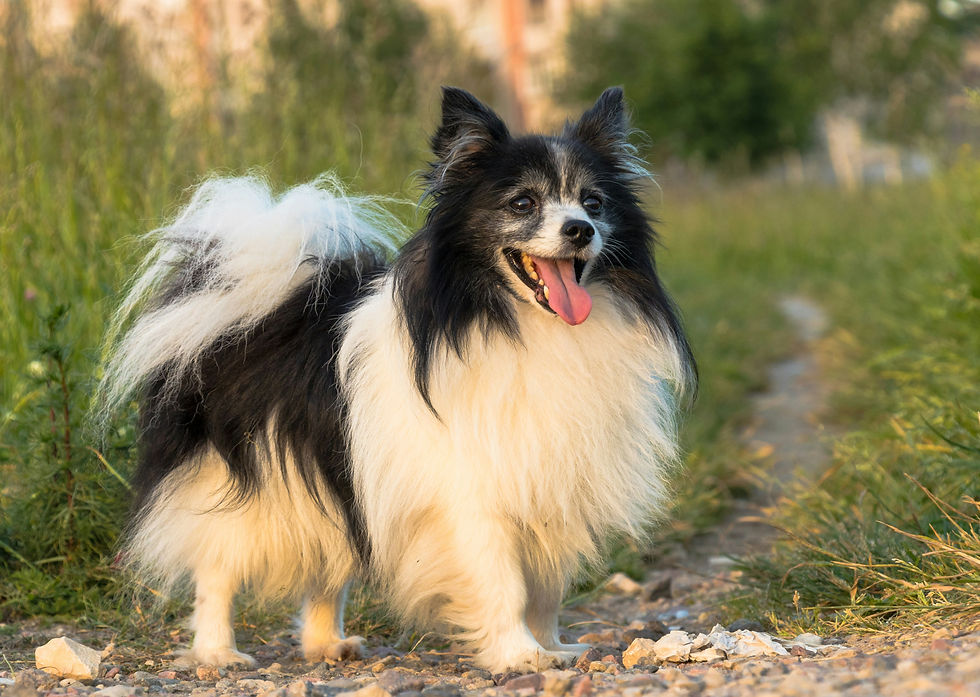
The Papillon is a small, fine-boned dog with a slightly longer-than-tall body, a flowing coat and a plumed tail carried over its back. Its large, fringed ears give it a recognizable outline even from a distance.
The breed’s ideal shoulder height in several kennel standards is approximately 8–11 inches (20–28 cm). This describes a breed-standard range rather than a measurement every individual must match. Adult size varies, and a dog outside a show standard can still be a much-loved companion.
The coat is long, silky and without an undercoat. Hair is shorter on the face and the fronts of the legs, while longer furnishings frame the ears, chest, legs and tail. The coat should follow the body rather than create the rounded, fluffy silhouette associated with some other toy breeds.
Papillons typically have a white base coat with colored markings. The placement of facial markings helps emphasize the butterfly-like appearance, although markings vary between individuals.
Feature | Typical Appearance |
Build | Small, fine-boned and slightly longer than tall. |
Ears | Large, upright and fringed in the Papillon variety. |
Coat | Long and silky, without an undercoat. |
Tail | Plumed and carried over the back. |
Movement | Light, lively and coordinated. |
A beautiful coat should not distract from the dog underneath it. When assessing an individual Papillon, comfortable movement, a healthy body condition and willingness to engage are more useful everyday observations than whether its markings are perfectly symmetrical.
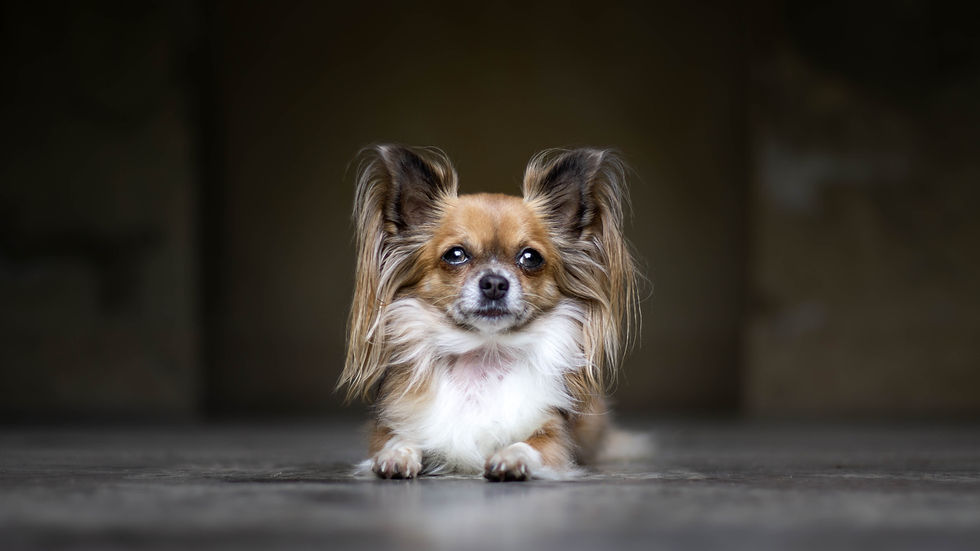
Papillon vs. Phalène: What Is the Difference?
The main difference between the Papillon and the Phalène is how their ears are carried. The Papillon has upright ears that spread outward, creating its butterfly-like silhouette. The Phalène has hanging ears, giving the head a softer outline.
Both belong to the Continental Toy Spaniel family. In French, Papillon means butterfly, while Phalène refers to a moth. These names describe the contrasting appearance of the ears rather than two fundamentally different kinds of companion dog.
The drop-eared form reflects the appearance of the older European toy spaniels from which the modern breed developed. Upright ears became prominent later. A Phalène is therefore not simply a Papillon whose ears have “failed” to stand.
Kennel organizations handle the names differently. The international classification recognizes Papillon and Phalène as two varieties of the Continental Toy Spaniel. In the American breed standard, both erect and drop ears are recognized within the Papillon breed.
Feature | Papillon | Phalène |
Ear carriage | Upright, spreading outward. | Hanging down. |
Name association | Butterfly. | Moth. |
Historical background | Later upright-eared development. | Older drop-eared form. |
Breed family | Continental Toy Spaniel. | Continental Toy Spaniel. |
Ear carriage alone does not establish that one dog is smarter, healthier or more affectionate than another. When choosing a companion, focus on the individual dog’s temperament, health history and suitability for your household rather than treating ear shape as a measure of quality.
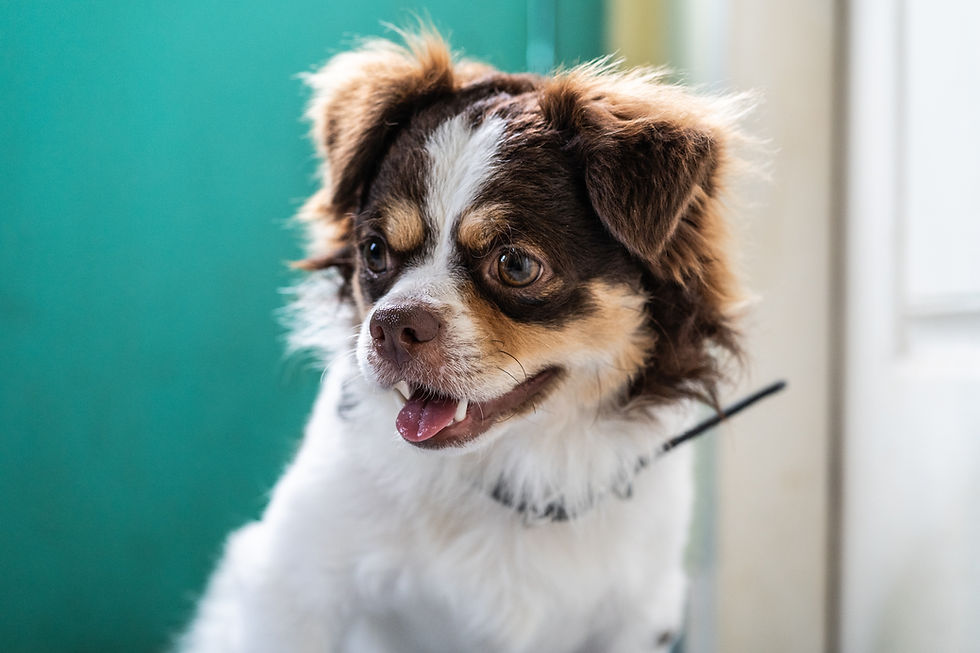
Papillon Temperament: Affectionate, Alert and Active
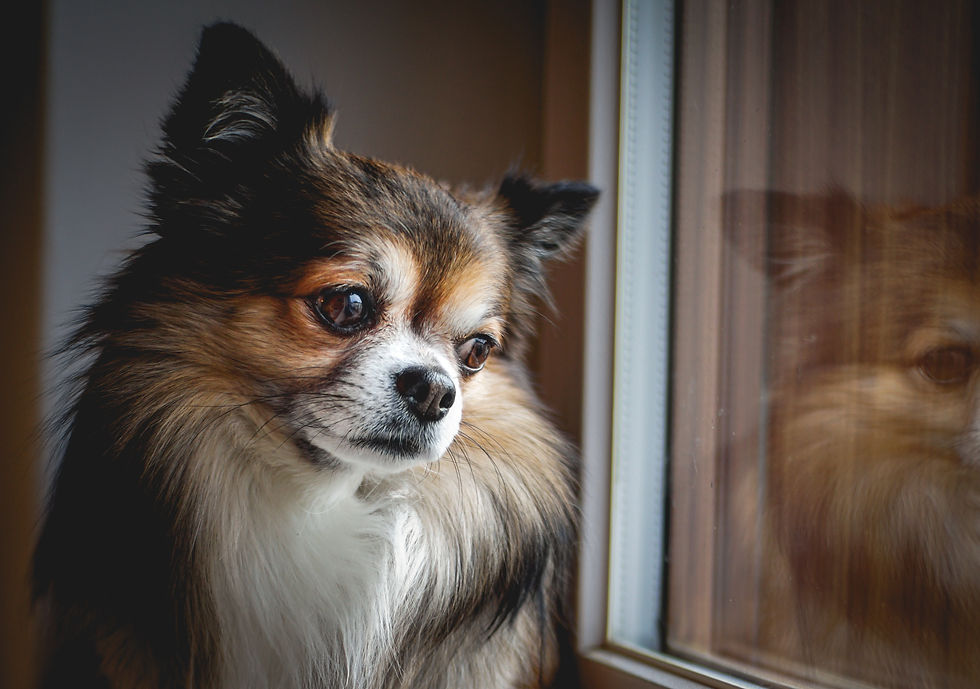
The Papillon is generally an affectionate, lively and attentive companion. Many enjoy staying close to their owners and taking part in everyday activities, whether that means playing, learning a new cue or settling nearby while someone works. Their small size does not necessarily mean they are content to spend most of the day on a lap.
Alertness is another characteristic of the breed. A Papillon may quickly notice visitors, unfamiliar sounds or movement outside a window. Some respond by barking, especially when they are excited or have learned that barking brings attention. Providing a predictable routine and rewarding calm responses can help owners manage this behavior.
Papillons are often curious and willing to explore, but confidence varies between individuals. One may readily approach a visitor, while another needs time and space before interacting. Friendly behavior should be encouraged through comfortable experiences rather than forced contact. Allowing the dog to approach voluntarily helps make unfamiliar situations less overwhelming.
Breed descriptions indicate general tendencies, not a fixed personality. Early experiences, socialization, health and the home environment all influence how a Papillon behaves. Owners should respond to the dog in front of them rather than expect every individual to fit the same description.
How Intelligent Is a Papillon? Training and Learning Ability
Papillons are known for their responsiveness and enthusiasm for learning. Despite their small size, they can participate in activities such as obedience, agility and trick training. Their ability to notice patterns and respond to people can make training rewarding for both dog and owner.
However, intelligence does not mean a dog automatically understands household rules. A Papillon still needs clear cues, consistent responses and opportunities to practise. A dog that performs a behavior easily in a quiet room may find it much harder outdoors, where smells, movement and other animals compete for attention.
Reward-based training helps make the desired behavior clear. Food rewards, toys or praise can reinforce successful responses, depending on what the individual dog enjoys. For example, rewarding a Papillon when all four paws remain on the floor can help teach polite greetings. Everyone in the household should respond consistently so that jumping is not rewarded sometimes and discouraged at other times.
Keep sessions short enough for the dog to remain engaged, and increase difficulty gradually. If the dog repeatedly struggles, simplify the task or move to a quieter setting.
Learning should also extend beyond tricks. Coming when called, resting on a mat and cooperating with gentle handling are useful everyday skills. Harsh corrections are unnecessary and can create fear; effective training gives the dog a clear, achievable way to succeed.

Are Papillons Good with Children and Other Pets?
A Papillon can be a loving family companion, but successful relationships with children depend on gentle handling, supervision and the individual dog’s temperament. Their playful personality may appeal to children, yet their small size makes rough play and accidental falls a concern.
Children should interact with a Papillon at floor level rather than carry the dog around. Calm games and supervised training can provide enjoyable ways to spend time together. Children should also learn to leave the dog undisturbed while eating, sleeping or resting in a quiet retreat.
An adult should actively supervise interactions and separate the dog and children when supervision is unavailable. Moving away, turning the head or becoming stiff can indicate that the dog needs space. Growling should be treated as a warning to stop the interaction, not something to punish.
Papillons may also live comfortably with other dogs and cats, but compatibility should never be assumed from breed alone. Introductions should be gradual, with enough space for each animal to move away. With larger dogs, even friendly play needs monitoring because of the size difference.
For households with cats, provide elevated resting places and separate access to food and litter trays. Prevent chasing and reward calm behavior around one another. The goal is comfortable coexistence, not forcing the animals to become playmates. Some pets form close relationships; others prefer to share a home while keeping their distance.

Can a Papillon Live in an Apartment or Be Left Alone?
A Papillon can adapt well to apartment living when daily exercise, companionship and mental stimulation are provided. A large home or garden is not essential, but a small living space does not remove the need for walks, play and opportunities to explore.
Their alert nature can make hallway noises, doorbells and activity outside windows especially interesting. Some Papillons bark in response. Choosing a quiet resting area, limiting access to particularly stimulating views and rewarding settled behavior can help make apartment life more comfortable.
Living comfortably in an apartment and coping with time alone are separate skills. Papillons are companion dogs, and prolonged isolation may be difficult for some individuals. However, being affectionate does not automatically mean a dog will develop separation-related problems.
Introduce alone time gradually, beginning with brief periods that the dog can manage calmly. Increase the duration according to the dog’s response rather than a fixed timetable. A camera can help reveal whether the dog rests comfortably or spends the absence pacing, vocalizing or repeatedly approaching the exit.
There is no single number of hours that suits every Papillon. Age, toilet needs, health and previous experience all matter. Puppies need particularly frequent attention, and owners with long working days should arrange suitable daytime care.
If the dog becomes distressed during short absences, reduce the difficulty and seek veterinary or qualified behavioral guidance. Leaving the dog to “cry it out” is not an appropriate way to teach comfortable independence.

How Much Exercise and Mental Stimulation Does a Papillon Need?
A Papillon needs daily opportunities to move, explore and use its brain. Although small enough to exercise comfortably in limited space, this is an active companion that benefits from regular walks and interactive play. Following people around the house should not be its only activity.
A practical routine combines walks that allow time for sniffing, short play sessions and a little training throughout the day. The right amount depends on the dog’s age, fitness, health and response to activity. There is no single exercise target that suits every Papillon, and owners should adjust the routine rather than push a tired dog to complete a set distance.
Mental stimulation can be simple. Hiding a toy in an easy location, practising a familiar cue in a different room or offering an appropriately sized food puzzle gives the dog something to investigate. Begin with achievable tasks and increase difficulty gradually. Food used during these activities should count toward the daily allowance.
Some Papillons enjoy agility, obedience and other structured activities. These should be introduced progressively, with equipment and intensity appropriate to the individual dog. Puppies should not be expected to perform demanding adult exercise routines.
Rest is equally important. A balanced day includes opportunities to settle without constant entertainment. If the dog becomes reluctant to walk, repeatedly falls behind or shows a sudden change in exercise tolerance, seek veterinary advice rather than assuming it needs more encouragement.

Grooming, Shedding and Dental Care
The Papillon’s long, silky coat needs regular attention, but routine care is usually manageable at home. Brushing several times a week helps remove loose hair and prevent tangles. Some dogs need more frequent attention, particularly where the coat is longer or prone to matting.
Check behind the ears, around the hind legs and along the feathered areas carefully. Work gently through small tangles rather than pulling at them. Tight mats close to the skin are best handled by a groomer or veterinary professional, especially if the dog appears uncomfortable.
Papillons shed despite having no undercoat. Brushing helps manage loose hair, but it does not eliminate shedding. Bathe when needed using a shampoo formulated for dogs, rinse thoroughly and dry the coat carefully. Include nail checks and gentle ear inspections in the routine; persistent redness, odor or discomfort warrants veterinary attention.
Dental care deserves consistent attention too. Daily toothbrushing is the most effective home routine for limiting plaque accumulation. Use a soft brush of an appropriate size and toothpaste formulated for dogs. Introduce handling gradually, rewarding cooperation rather than forcing the mouth open.
Dental chews or other suitable products may supplement brushing, but they do not replace veterinary dental assessment. Persistent bad breath, bleeding gums, difficulty chewing or loose teeth should be investigated. Even a dog receiving excellent home care may need professional dental treatment.
Feeding a Papillon: Portions, Treats and Weight Management
A Papillon should eat a complete and balanced diet appropriate for its life stage and individual needs. Puppies require food formulated for growth, while adult dogs need portions that maintain a healthy body condition. Medical conditions may require a different feeding plan recommended by a veterinarian.
There is no single portion size that suits every Papillon. Calorie needs vary with body size, age, activity, neuter status and health. Foods also differ considerably in calorie density, so the same volume of two different products may provide very different amounts of energy.
Use the food’s feeding guide as a starting point, then adjust according to weight trends and body condition. Weighing food with a kitchen scale makes small portions easier to measure consistently. Beneath the coat, the ribs should be readily felt without a thick covering of fat, and the dog should have a visible waist when viewed from above.
Treats deserve particular attention in a small dog. Treats and other extras should generally provide no more than 10% of daily calories, with the remainder coming from complete and balanced food. This includes table scraps, dental chews and food used to give medication. Setting aside part of the regular food allowance for training can help prevent accidental overfeeding.
Regular weight checks are more useful than waiting until weight gain becomes obvious. If the dog needs to lose weight, seek an individualized feeding plan rather than sharply reducing meals or replacing balanced food with low-calorie extras.
Are Papillons Resistant to Any Diseases? What the Evidence Can Tell Us
Papillons are often described as hardy dogs, but this should not be interpreted as resistance to specific diseases. A reputation for good health is not the same as scientifically demonstrated protection against illness.
Disease risk can differ between breeds, yet a lower risk does not mean that a condition cannot occur. Reliable comparisons also require evidence from appropriately studied populations. The absence of a disease from a breed’s recommended screening list does not prove that the breed is protected against it.
Genetic test results require similarly careful interpretation. A Papillon that tests clear for a particular disease-associated variant is not automatically free from every inherited disorder. For example, a clear Pap-PRA1 result addresses the variant included in that test; it does not guarantee lifelong normal vision or exclude unrelated eye disease.
Individual health records are more useful than broad claims that a breed is “disease-resistant.” Relevant information includes documented parental screening, the dog’s examination findings, family history and any changes in movement, behavior or appetite.
Owners should therefore approach the Papillon as a dog with its own health needs, rather than assume that a lively appearance or healthy ancestry removes the need for preventive care. Good breeding decisions and ongoing veterinary attention can help manage risk, but neither can guarantee a lifetime without illness.

Recommended Health Screening for Papillon Dogs
Health screening helps identify certain problems before they become obvious and supports informed breeding decisions. For Papillons, relevant assessments include examinations of the knees, eyes and heart, together with selected DNA tests.
Recommendations differ between countries and breeding programs. A pre-breeding screening checklist is also different from the care plan for an individual pet. A veterinarian can help determine which examinations and tests are appropriate for the dog’s age, history and intended breeding status.
Screening or test | What it assesses | Important limitation |
Whether the kneecaps remain in their normal position | Does not exclude every cause of lameness or future orthopedic disease | |
Specialist eye examination | Detectable inherited and other eye abnormalities | Some conditions develop later, so repeat examinations may be appropriate |
Cardiac examination | Evidence of heart abnormalities, according to the examination performed | A normal result does not guarantee lifelong freedom from heart disease |
Pap-PRA1 DNA test | A variant associated with progressive retinal atrophy in Papillons | Does not detect every possible cause of retinal disease or blindness |
NAD DNA test | The Papillon-associated variant linked to neuroaxonal dystrophy | Addresses this specific inherited disorder, not all neurological conditions |
von Willebrand disease type 1 DNA test | A variant associated with an inherited bleeding disorder | Does not replace investigation of abnormal bleeding or exclude other bleeding disorders |
When choosing a puppy, ask to see the parents’ actual results rather than accepting a general statement that they were “health checked.” Confirm which tests were performed, when examinations took place and which dog each certificate identifies.
DNA testing and physical examinations provide different information and should not be treated as interchangeable. For recessive disorders such as Pap-PRA1 and NAD, a carrier may remain clinically healthy while still being able to pass the variant to offspring. Breeding decisions therefore require interpretation of both parents’ results.
For an existing pet, symptoms take priority over screening certificates. A dog that develops lameness, vision changes or unusual bleeding needs assessment even if previous screening results were normal.
Papillon Life Expectancy and Senior Care
The Papillon’s commonly quoted life expectancy is approximately 14–16 years. This is a general breed estimate, not a prediction for an individual dog. Some live longer, while others develop illnesses that shorten their lives. Genetics, existing health conditions and lifelong care all influence the outcome.
As a Papillon grows older, subtle changes deserve attention. Becoming reluctant to climb stairs, chewing differently, waking during the night or interacting less with the family should not automatically be dismissed as normal aging. Pain, dental disease, sensory changes and other medical problems can affect everyday behavior.
Senior dogs generally benefit from veterinary examinations about every six months, with the schedule adjusted to their needs. Blood and urine tests may be recommended alongside the examination to look for changes that are not yet obvious at home.
Daily routines should remain engaging but become easier to manage when necessary. Shorter walks, comfortable bedding and nonslip surfaces can help an older dog stay active and confident. Keep familiar routes through the home clear if vision declines, and adapt games to the dog’s abilities.
Monitor weight, appetite, drinking, toileting and mobility between appointments. An older Papillon may need dietary adjustments, but age alone does not determine the right food. Maintaining comfortable movement, an appropriate body condition and enjoyable daily experiences is more useful than focusing only on the number of years lived.
Is a Papillon the Right Dog for Your Lifestyle?
A Papillon may suit someone who wants a small, affectionate companion and enjoys actively involving a dog in daily life. Their interest in learning can make training enjoyable, while their compact size can work well in a smaller home. However, meeting their needs requires more than providing a comfortable lap.
The most important consideration is whether your routine allows time for companionship, activity and consistent care. Daily walks, gentle handling, coat maintenance and toothbrushing should fit realistically into your schedule. Owners should also be prepared to manage alert barking and teach comfortable independence.
A Papillon may be a good match if you enjoy short training sessions, interactive games and regular outings. First-time owners can consider the breed if they are willing to learn and provide patient, reward-based guidance.
Households with young children or much larger dogs need particularly thoughtful supervision. The Papillon’s enthusiasm does not remove the physical risks of rough handling or boisterous play. Similarly, someone who spends long days away should arrange suitable care rather than expect the dog to adjust to prolonged isolation.
Before deciding, spend time with adult Papillons when possible and discuss temperament, health records and daily routines with a responsible breeder or rescue organization. Choose the individual dog as carefully as the breed. A confident, energetic youngster and a quieter adult may suit very different homes, even when both share the same butterfly-shaped ears.
Frequently Asked Questions About Papillon Dogs
Are Papillons Good Dogs for First-Time Owners?
Papillons can suit first-time owners who have time for training, exercise and companionship. Their responsiveness can make learning enjoyable, but they still need consistent guidance. Small size should not be mistaken for low maintenance or an ability to cope with long periods of isolation.
Do Papillon Dogs Bark a Lot?
Some Papillons are vocal, especially when they notice visitors, unfamiliar noises or movement outside. Barking varies between individuals and can have different causes. Rewarding calm behavior, managing triggers and meeting the dog’s daily needs can help. Persistent barking during absences may indicate distress rather than a simple training problem.
Are Papillons Hypoallergenic?
No dog breed can be guaranteed hypoallergenic. Papillons shed, and allergens are associated with skin flakes, saliva and other biological material—not just loose hair. Someone with dog allergies should seek medical advice and avoid choosing a breed solely because of its coat type.
What Is the Difference Between a Papillon and a Phalène?
The main visible difference is ear carriage. Papillons have upright ears, while Phalènes have dropped ears. Classification varies between kennel organizations, but both belong to the Continental Toy Spaniel tradition. Dropped ears are a recognized characteristic, not a defect that needs correction.
Can Papillons Live Happily in Apartments?
Yes, provided their exercise, social contact and mental stimulation needs are met. Regular outings remain important even when indoor space is sufficient for play. Owners may also need to manage barking triggered by hallway sounds or activity outside windows.
How Long Do Papillons Usually Live?
A commonly quoted breed estimate is approximately 14–16 years. Individual lifespan varies, and this range is not a guarantee. Preventive care, appropriate nutrition, weight management and attention to emerging health problems support quality of life throughout adulthood and old age.
What Health Tests Should I Ask About Before Getting a Papillon Puppy?
Ask for documented parental results relevant to the breeding program, including patella, eye and cardiac assessments, together with appropriate genetic tests. Pap-PRA1 and NAD are particularly relevant inherited conditions to discuss. Recommendations differ between countries, so a veterinarian can help interpret the records rather than relying on a general “health tested” claim.
Does a Clear DNA Test Mean a Papillon Will Never Become Ill?
No. A clear result usually concerns a specific genetic variant included in the test. It does not exclude unrelated inherited conditions, acquired disease or future health problems. DNA testing complements veterinary examinations and responsible breeding decisions; it does not replace them.
References
Source | Full URL |
American Kennel Club — Papillon breed information, care and recommended health tests | |
Fédération Cynologique Internationale — Continental Toy Spaniel classification | |
Papillon Club of America — A Brief History of the Papillon | |
Papillon Club of America — Breed Standard | |
Canadian Kennel Club — Papillon temperament, exercise and care | |
American Veterinary Society of Animal Behavior — Position Statements, including Humane Dog Training | |
PDSA — Children and Dogs | |
PDSA — Introducing Cats and Dogs | |
RSPCA — Teaching a Dog to Be Left Alone | |
PDSA — Papillon breed care | |
American Animal Hospital Association — Dental disease and dental care | |
American Animal Hospital Association — Feeding Plans for Healthy, Appropriate Weight Cats and Dogs | |
University of California, Davis, School of Veterinary Medicine — Treat Guidelines for Dogs | |
The Royal Kennel Club — Papillon health and screening recommendations | |
The Royal Kennel Club — Pap-PRA1 DNA testing | |
University of Pennsylvania, PennGen — Neuroaxonal Dystrophy testing | |
American Animal Hospital Association — Senior Care Guidelines for Dogs and Cats | |
Mersin Mezitli Vetlife Veterinary Clinic |


Comments