
Post-Anesthesia Recovery in Dogs: The First 24 Hours, the First Days, and Risks


What is the post-anesthesia period in dogs?
The post-anesthesia period is a transitional phase during which the anesthetic drugs are gradually eliminated from the dog's body , and all physiological systems, especially the nervous system, attempt to regain balance. This period can vary depending on the type of anesthesia, the combination of drugs used, the duration of the operation, and the dog's overall health condition.
Anesthesia doesn't just cause loss of consciousness; it also creates temporary pressure on muscle tone, reflexes, balance, respiratory rhythm, and the digestive system. Therefore, many symptoms observed in the post-anesthesia period are considered a natural part of the body's process of recovering from this pressure.
In general, the post-anesthesia period consists of the following stages:
Awakening phase: Gradual return of consciousness.
The initial 24-hour adaptation period: A period characterized by significant behavioral and physiological changes.
Recovery in the early days: The body is getting closer to normal.
Most of the changes seen during this process are temporary and will regress spontaneously over time.

Normal findings that can be seen in dogs in the first 24 hours after anesthesia.
The first 24 hours after anesthesia are when the most noticeable changes are observed in dogs. Many findings during this period are considered normal and usually do not cause concern.
Common findings that may be observed within the first 24 hours include:
Dizziness and confusion: The dog may react more slowly to its surroundings and respond late to commands.
Sleepiness: A desire to sleep longer than usual is common.
Changes in balance and coordination: May include staggering while walking and difficulty climbing stairs.
Slowed reflexes: Reactions to sudden sounds or touch may be temporarily reduced.
These symptoms are generally related to the temporary effects of anesthetic drugs on the central nervous system. It is important to provide a calm, safe environment free from excessive stimuli so that the dog is not distressed during this period.

Behavioral Changes in Dogs During the First 24 Hours After Anesthesia
The first day after anesthesia is an adaptation period during which temporary but noticeable changes in a dog's behavior can be observed. These behaviors are often a natural part of the recovery process.
Common behavioral changes during this period include:
Restlessness or excessive calmness: Some dogs may be more active and agitated, while others may be much calmer than usual.
Different reactions towards the owner: The dog may act distant towards people it is normally close to, or may demand more attention.
Temporary barking or whining: May be related to perceptual confusion or feelings of discomfort.
Desire to change position: A constant change of position or search for a comfortable spot may be observed.
These behaviors are rooted in the temporary effects of anesthesia on the nervous system, stress , and the post-operative adaptation process. In most dogs, these symptoms significantly decrease within the first 24 hours, and the recovery process begins.

Physical Changes in Dogs During the First Days After Anesthesia
The first few days after anesthesia are a recovery period during which the dog's body attempts to fully eliminate the anesthetic agents and restore physiological balance. Some physical changes may be observed during this process, and most are temporary.
Common physical changes that may be observed in the first few days include:
Loss of appetite: It is considered normal for a dog to experience a decrease in appetite during the first 12–24 hours. Some dogs may not eat any food at all on the first day.
Changes in water consumption: Water drinking habits may temporarily change due to dry mouth or stomach sensitivity.
Changes in toilet habits: On the first day, there may be no bowel movement or a decrease in urine volume.
Mild weakness and fatigue: The dog may tire more easily and need more rest.
These symptoms usually subside gradually within 48–72 hours. If symptoms lessen over time, the recovery process is considered normal.

Causes of Pain, Restlessness, and Stress After Anesthesia in Dogs
In the post-anesthesia period, some dogs may exhibit restlessness due to pain or noticeable signs of stress. This does not always indicate a serious problem; it is often a result of a combination of temporary factors.
Possible causes of these symptoms include:
Effects of anesthetic drugs on the central nervous system: Temporary agitation or restlessness may occur during the awakening period.
Post-operative discomfort: Mild pain or tension following surgery can affect a dog's behavior.
Environmental stressors: The clinical setting, the transportation process, and changes in the home environment can all create stress.
Perceptual and disorientation disorders: When a dog cannot fully perceive its surroundings, restlessness and inability to stay still may be observed.
These symptoms usually subside within the first 24–72 hours. Keeping the dog in a calm environment, avoiding sudden stimuli, and gradually returning to its routine will support recovery.

How should dogs be fed and drink water after anesthesia?
Post-anesthesia nutrition is an important aspect to consider during a dog's recovery process. Since the digestive system is also affected by anesthesia, feeding should not be rushed.
The key points to consider during the nutrition process are as follows:
First feeding time: Food should not be given until the dog is fully awake and its swallowing reflex has fully returned.
Small portions: Initial meals should be small and monitored for tolerance.
Prefer familiar foods: Avoid trying new foods or treats.
Access to water: Clean, fresh water should always be available, but should not be forced upon anyone.
Feeding usually begins to return to normal within the first 24–48 hours. Cases of prolonged loss of appetite or recurrent vomiting require closer evaluation.
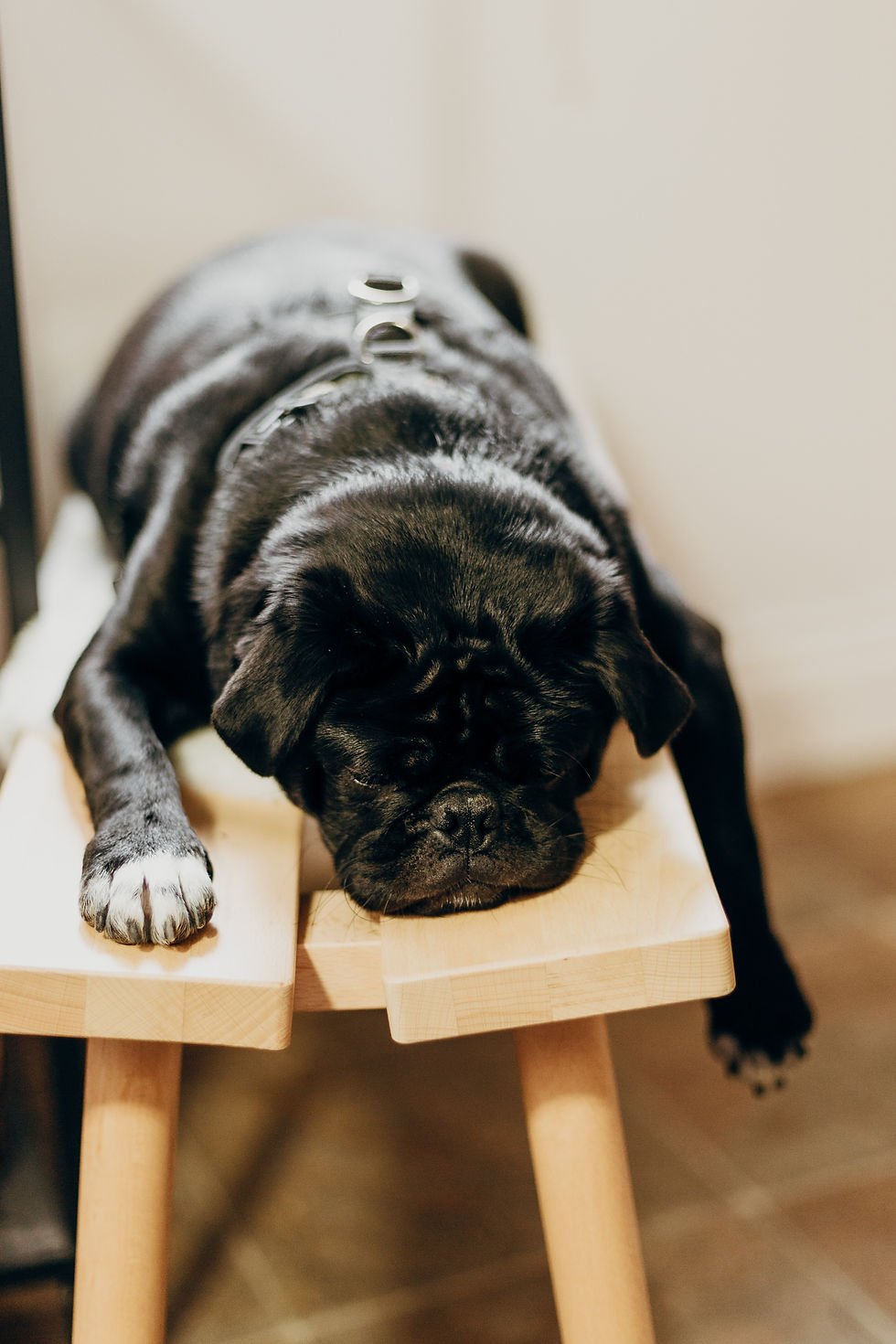
What is the normal recovery time after anesthesia in dogs?
Recovery time after anesthesia varies from dog to dog. The anesthetic agents used, the duration of the operation, the dog's age, and overall health all play a significant role in determining this time. Therefore, instead of defining a single "definite time," a phased assessment is more accurate.
The general recovery process in most dogs progresses as follows:
First 24 hours: Dizziness, drowsiness, imbalance, and loss of appetite may be noticeable. This is the period when the effects of anesthesia are felt most intensely.
24–48 hours: Behavior gradually begins to return to normal. Appetite and water intake increase, and restlessness decreases.
48–72 hours: Most of the effects of anesthesia wear off, and the dog begins to return to its daily routine.
In older dogs or individuals with chronic health problems, the recovery period may take a few days longer. The important thing is that the symptoms gradually subside.
Risks Requiring Post-Anesthesia Monitoring in Dogs
While some symptoms observed in the post-anesthesia period are not emergencies, they should be closely monitored. These risks often suggest that recovery is progressing slower than expected or that further evaluation may be necessary.
Situations that may require follow-up include:
Significant lethargy lasting longer than 48 hours: The dog does not become more lively each day.
Continued loss of appetite: Still no food intake after the second day.
Symptoms of persistent restlessness or pain: Groaning, inability to stay still, or extreme sensitivity that does not decrease over time.
Symptoms of recurrent vomiting or stomach upset: if they persist after the first few hours.
These symptoms alone may not indicate a serious problem; however, they should not be ignored, and the dog's overall condition should be assessed together.
Signs in Dogs Requiring Emergency Assessment After Anesthesia
Some symptoms are considered outside the normal recovery process after anesthesia and should be addressed without delay. These are rare, but prompt action is important when they occur.
The main symptoms requiring immediate evaluation are:
Respiratory problems: Rapid, irregular, or difficult breathing.
Significant impairment of consciousness: Inability to wake up for a long period, lack of response to the environment.
Symptoms of severe and increasing pain include: uncontrollable restlessness, aggression, or intense groaning.
Color changes: Bluish discoloration or excessive paleness of the mouth, gums, or tongue.
When such symptoms are observed, prompt assessment is the safest approach rather than waiting.
Home Care and Environmental Arrangement After Anesthesia in Dogs
In the post-anesthesia period, the home environment directly affects the dog's recovery speed and comfort. The goal is to create a space where the dog feels safe and free from physical strain.
The key points to consider during the home care process are as follows:
A quiet and calm environment: Noise, crowds, and sudden stimuli can increase a dog's restlessness.
Avoid slippery surfaces: Carpets or non-slip surfaces should be preferred as they can cause balance problems.
Activity limitation: Jumping, running, and climbing stairs should be restricted in the first few days.
Maintaining body temperature: Since there may be a tendency to feel cold after anesthesia, the ambient temperature should be kept stable.
These adjustments are usually sufficient for the first 24–48 hours. As the dog recovers, a controlled return to normal daily routine can be achieved.
Factors Affecting Post-Anesthesia Recovery in Dogs
Every dog's recovery process after anesthesia is different. Even two dogs undergoing the same operation can show variations in recovery time and symptoms. This is because many factors influence the process.
The main factors affecting recovery are:
Age: In older dogs, metabolism slows down, which can prolong the elimination of anesthetic agents.
General health status: Heart, kidney, or liver problems can affect the healing process.
Anesthesia protocol: The type and duration of medication used are crucial for recovery.
Duration and scope of the operation: Recovery may be slower after longer and more extensive procedures.
Stress level: Clinical experience and home environment conditions influence the dog's behavior.
Given these factors, it is important to remember that each dog's recovery process should be assessed individually.
When should professional help be sought after anesthesia in dogs?
The post-anesthesia recovery process is usually smooth for most dogs. However, in some cases, early assessment allows minor issues to be addressed before they escalate, making the process safer.
Professional help may be appropriate in the following situations:
If the symptoms are getting worse instead of decreasing day by day
If significant weakness or loss of appetite persists after 72 hours
If unusual and persistent changes are observed in the dog's behavior
If a situation has arisen that causes uncertainty or anxiety for the owner
This approach helps protect the dog's health and allows for a more controlled recovery process.
Frequently Asked Questions (FAQ)
How long does drowsiness last in dogs after anesthesia?
Post-anesthesia drowsiness is common in most dogs during the first 12–24 hours. In some dogs, this can last up to 48 hours. This is considered normal if the drowsiness gradually decreases and the dog recovers slightly each hour.
Is unsteady gait normal in dogs after anesthesia?
Yes. Anesthetic drugs can temporarily affect muscle coordination and balance. Stumbling while walking or difficulty climbing stairs is common in the first few days and usually resolves spontaneously.
Why do dogs sleep so much after anesthesia?
Sleepiness is a natural consequence of the effects of anesthetic agents on the central nervous system. Dogs may sleep longer than usual during the first day. It is normal for sleep duration to shorten over time.
How many days does loss of appetite last in dogs after anesthesia?
Loss of appetite usually appears within the first 24 hours. In some dogs, this period can extend up to 48 hours. If the dog still refuses to eat after the third day, an evaluation is recommended.
Can dogs vomit after anesthesia?
Mild stomach discomfort or occasional vomiting may occur in the first few hours after anesthesia. However, repeated vomiting or stomach problems lasting for days are not considered normal.
Why do dogs become restless after anesthesia?
Restlessness, disorientation, stress, pain, or the effects of anesthetic drugs may be the cause. This condition usually subsides within the first 24–72 hours.
How can you tell if a dog is in pain after anesthesia?
Symptoms may include groaning due to pain, restlessness, a desire to hide, aggressive behavior, or extreme sensitivity to touch. If these symptoms do not decrease over time, evaluation is necessary.
When should I feed my dog after anesthesia?
Food should not be given to the dog until it is fully awake and its swallowing reflex has returned. Feeding in small portions a few hours later is generally appropriate. Avoid overfeeding in the first few meals.
What should I do if my dog doesn't drink water after anesthesia?
A decreased desire to drink water in the first few hours may be normal. However, caution should be exercised if the child does not drink water for a long time or if other accompanying symptoms are present. Water should not be forced upon the child.
When do dogs fully recover after anesthesia?
In most healthy dogs, the effects of anesthesia largely disappear within 48–72 hours. This period may be slightly longer in older dogs or those with chronic illnesses.
When are post-anesthesia symptoms a cause for concern?
If the symptoms worsen day by day, if the dog is still noticeably lethargic, has respiratory problems, or its behavior has changed unusually, an evaluation should be sought without delay.
Should dogs be walked on their first day after anesthesia?
Long walks are not recommended on the first day. Short, controlled walks to relieve yourself are sufficient. Activity should be gradually increased as the dog recovers.
Source
American Veterinary Medical Association (AVMA) – Anesthesia and Recovery in Dogs
American Animal Hospital Association (AAHA) – Anesthesia and Monitoring Guidelines for Dogs
World Small Animal Veterinary Association (WSAVA) – Canine Anesthesia and Post-Anesthetic Care
Merck Veterinary Manual – Anesthesia in Dogs and Postoperative Recovery
Royal Veterinary College (RVC) – Post-Anesthetic Care in Canine Patients
Mersin Vetlife Veterinary Clinic – Open on Map: https://share.google/XPP6L1V6c1EnGP3Oc


Comments