
Signs of Stress in Cats and Stress Reduction Techniques in the Home Environment

Updated: Sep 23
What is Stress in Cats?
In cats, stress is a physiological and behavioral response to a stimulus caused by environmental changes, social pressure, illness, or internal factors. Stress occurs when the cat's body activates the hormones adrenaline and cortisol in response to a situation it perceives as a threat. When short-term (acute stress), this response can improve a cat's adaptability; however, when prolonged (chronic stress), it can lead to behavioral disorders, weakened immune systems, digestive issues, urinary tract disorders , and even serious problems like aggression.
The world of indoor cats is much more sensitive than that of humans. Even small environmental changes—an unfamiliar person, a new item in the house, the smell of another animal, a change in litter box, or a different brand of food—can be significant sources of stress for some cats. Cats are closely tied to their routines, so even the slightest disruption to their daily routine can be perceived as a threat.
The biological basis of stress includes activation of the sympathetic nervous system, increased cortisol levels, altered metabolic rate, decreased digestive motility, and defensive responses in the behavioral repertoire. This can negatively impact both the cat's physical and psychological well-being.
The main reason stress in cats can be difficult to detect is that cats naturally tend to hide their symptoms . This is an evolutionary trait, where cats hide their discomfort to avoid appearing weak in the wild. Therefore, many early signs of stress can be overlooked.
A cat experiencing stress at home often presents with superficial signs like moodiness, hair loss , loss of appetite, or strange behavior. However, these can be the beginning of a serious underlying psychological distress. Therefore, stress is a condition that must be recognized early in cats, as it can have lasting effects on a cat's health when it becomes chronic.
The primary goal of this chapter is to demonstrate that stress in cats is not merely a behavioral problem, but a multidisciplinary condition affecting physical, hormonal, and neurological systems. This perspective facilitates understanding why stress management in the home environment is crucial.

Types of Stress in Cats
Stress in cats is divided into various categories based on its manifestation, duration, and source. Each type of stress manifests itself in cats through different behavioral and physical responses. Accurately classifying stress is crucial for both treatment and home adjustments.
1. Acute Stress (Short-Term Stress)
Acute stress is a type of stress that occurs suddenly, lasts for a short time, and is often caused by a specific trigger. Example triggers:
A stranger coming to the house
Sudden loud noise (door slamming, construction noise, fireworks)
Carrying case experience
Sudden appearance of an animal in the house
This type of stress usually subsides within a few minutes to a few hours. However, frequent acute stress episodes can pave the way for chronic stress.
2. Chronic Stress (Long-Term Stress)
Chronic stress develops when a cat is subjected to sustained stress over days, weeks, or months. It's the most dangerous type of stress because it causes long-term weakening of the immune system, hormonal disruption, and serious behavioral changes.
Obvious reasons:
Competition in multi-cat households
Constant noise in the home environment
Intense loneliness
Change of ownership or house move
Litter box hygiene problems
Lack of suitable storage areas
Incompatibility with other animals in the home
Chronic stress can lead to serious consequences such as urinary tract diseases (FIC, FLUTD) , excessive licking (alopecia), aggression and anxiety disorders.
3. Environmental Stress
It is a type of stress caused by the physical environment in which cats are located. These include:
Changes in location at home
Frequent changes in the order of items
Changing the brand or scent of cat litter
Discomfort caused by cigarettes, bad odors or chemical solutions at home
Visual pressure from other animals passing by the window
Because cats are so dependent on their environmental patterns, such changes pose an intense threat to them.
4. Social Stress
It is the pressure that arises from the cat's interactions with other animals, people, or members of the household.
Sources:
The arrival of a new cat or dog in the house
Baby birth
Arguments between individuals in the household
Forcibly petting a cat even though it doesn't want to
Competition with other cats
Resource sharing (food, water, toilet) in multi-cat households
Social stress is particularly evident in cats with introverted or shy personalities.
5. Medical Stress
Some health problems directly produce stress in cats or cause behaviors that resemble signs of stress.
Examples:
Pain and inflammatory diseases
Thyroid disorders
Kidney diseases
Digestive system problems
Cognitive disorders associated with old age
Therefore, signs of medical stress should be evaluated by a veterinarian.

Causes of Stress in Cats
Numerous environmental, social, and physiological factors contribute to the development of stress in cats. Cats are naturally routine-bound, territorial, sensitive, and possess a strong olfactory memory. Therefore, even seemingly minor changes can signal a serious threat to them. Properly understanding the causes of stress allows for both effective treatment and effective home adjustments.
1. Environmental Changes
Cats are most sensitive to sudden changes in their environment. Prominent factors:
House moving
Changing the furniture arrangement
Adding or removing new items
Constant movement in the same house (renovation, painting, cleaning)
Appearance of foreign animals around the window
Cats view the space they live in as their territory. Sudden changes in this area can make a cat feel out of control and increase stress levels.
2. Social Interaction Problems
Other animals or people in the home can put serious social pressure on cats. This is especially common in multi-cat households.
Possible triggers:
A new cat or dog coming home
Hierarchy struggle between cats living in the same house
Baby birth at home
Forcibly petting a cat even though it doesn't want to
Loud talking or arguing environments of the household
Cats prefer quiet, controlled, and stable social bonds. When this pattern is disrupted, signs of stress appear.
3. Disruption of Routine
Cats have very strong daily habits. The following situations can disrupt their routine:
Change of feeding time
Sudden change of food
Change in cat litter brand or scent
Changing the location of the litter box
Interference with the sleep area
Such changes create a feeling of loss of control in the cat.
4. Medical Problems
Some physical illnesses can be a direct cause of stress or can lead to behaviors that resemble stress symptoms.
Examples:
Chronic pain
Dental problems
Thyroid hormone imbalances
Infectious diseases
Urinary tract problems
Digestive problems
When a cat experiences any form of pain, significant changes in its behavioral repertoire can be observed.
5. Lack of Resources
It is the most common cause of stress in multi-cat households.
Lack of resources includes:
Inadequate food and water bowls
Using a single litter box
Few storage areas
Limited playgrounds
Having to share valuable areas such as windows
Cats perceive resource competition as a threat.
6. Loneliness and Neglect
Although cats are independent creatures, being left alone for long periods of time can create social isolation. Specifically:
Long working hours
Change of ownership
Leaving the cat alone
This situation can develop anxiety due to loneliness.
7. Traumatic Events
Negative experiences a cat has had in the past can be a source of long-term stress.
Examples:
Bad experiences on the street
Violence
Traumatic veterinarian visit
Bad memories with carrying case
These types of traumas can cause the cat to overreact to similar situations.

Stress in Cats – Prone Breeds (Table)
Some cat breeds are more susceptible to stress due to their genetic, behavioral, and behavioral characteristics. This can affect both their sensitivity to environmental changes and the behavioral patterns they develop after stress. The table below outlines the stress susceptibility levels of different breeds.
Race | Explanation | Level of Predisposition |
They are a very social, talkative breed, and extremely sensitive to environmental changes. Changes in routine can quickly become stressful. | A lot | |
Russian Blue | It is sensitive to social stress due to its quiet, shy and reserved nature towards strangers. | A lot |
This is a calm, composed breed. Noisy environments and intense social interactions can cause stress. | Middle | |
Although generally harmonious, they can be sensitive to the stress of competition in a crowded household. | Middle | |
Scottish Fold | He likes quiet environments. He is sensitive to changes in routine and can experience stress in social isolation. | Middle |
Persian (Persian Cat) | Doesn't like environmental changes. Sensitive to noise and new smells. | A lot |
They need high energy and mental stimulation. Insufficient play is a serious source of stress. | A lot | |
It is people-oriented and change of ownership is the biggest stress factor. | Middle | |
Sphynx | Sensitive to temperature changes, lack of attention, and social stressors. | Middle |
Van Cat | Because of the territorial nature, disruption of domestic order triggers stress. | Middle |
This chart demonstrates that stress susceptibility is merely a tendency. Every cat is individual; its personality, past experiences, and environment shape its overall stress response.
Signs of Stress in Cats
Cats naturally tend to hide their discomfort and anxiety. Therefore, signs of stress often manifest as subtle behavioral changes and can be overlooked in the early stages. However, as stress continues, both behavioral and physiological symptoms become more pronounced. Understanding how stress manifests itself in cats is crucial to preventing it from becoming chronic.
1. Behavioral Symptoms
Behavioral changes are the earliest indicators of stress.
Withdrawal and hiding: Cats seek refuge in dark, safe spaces, such as under couches, beds, and closets. Normally social cats can become completely withdrawn under stress.
Overgrooming: The cat licks much more than usual, especially around the belly and hind legs. This can sometimes lead to hairless patches and redness on the skin.
Aggression: Hissing, hitting, pawing, or biting behavior may occur for no apparent reason. This is common in cats experiencing social pressure.
Refusal to play: Even cats with normally high playful energy may withdraw from play behavior under stress.
Uncertain pacing and restlessness: The cat constantly wanders around the same area, cannot sit still, and gets up immediately after sitting. This is usually a sign of anxiety.
2. Toilet and Litter Box Behavior Changes
One of the most important indicators of stress is a change in litter box behavior.
Urinating outside the litter box: The cat may mark or incontinence due to stress.
Avoiding the litter box: The cat avoids the litter box completely and this poses a risk for urinary tract diseases.
Excessive digging or not digging at all: Stress can cause irregularities in cleaning behaviors.
3. Appetite Changes
Cats can exhibit two extreme reactions to stress:
Loss of appetite (the most common symptom)
Excessive appetite and rapid food consumption
Hunger strikes are very dangerous in cats as they can lead to severe fatty liver (hepatic lipidosis).
4. Vocalization and Sounding
In stressed cats:
Wandering around making noise all night long
Low-pitched vocalizations, similar to moans
It can be seen. It is more noticeable in talkative breeds such as the Siamese and Bengal.
5. Disruption of Sleep Pattern
The cat is not used to it:
Can sleep a lot
May wake up at night and wander around the house
Can change sleeping places
Changes in sleep patterns are important indicators of psychological stress.
6. Physical Symptoms
Long-term stress can lead to various physiological changes in the body.
Hair loss : Hormonal changes can cause excessive hair loss.
Weight loss: It occurs due to loss of appetite.
Digestive problems: Symptoms such as vomiting, diarrhea, and constipation may occur.
Urinary tract problems: Stress is a trigger for diseases such as FLUTD.
7. Scratching objects and damaging furniture
Defensive and territorial marking behavior intensifies.
8. Excessive scent release behaviors
When face rubbing, urine spraying, and nail markings increase, this indicates stress-induced control seeking.
Diagnosing Stress in Cats
Diagnosing stress in cats isn't limited to simply observing symptoms. Stress is a complex phenomenon that can be confused with both behavioral and medical conditions. Therefore, both behavioral analysis and clinical evaluation must be performed together for a correct diagnosis.
1. Detailed Anamnesis (Story Collection)
The veterinarian first collects detailed information about the cat's home environment, daily routine and recent changes.
Important questions:
Has there been any recent changes at home?
Got a new pet or baby?
Has the food, litter or room arrangement changed?
How long does the cat stay alone?
When did stress symptoms first begin?
This information is critical to understanding the trigger of stress.
2. Behavioral Analysis
A veterinarian or behaviorist will evaluate the cat's behavioral repertoire.
Areas examined:
Tendency to hide
Aggression level
Litter box behavior
Game request
Vocalization
Over-grooming or lack of grooming
If necessary, video recordings are also reviewed.
3. Physical Examination
Stress symptoms can be similar to many medical illnesses. Therefore, the doctor may perform a physical examination to:
Pain symptoms
Skin lesions
Hair loss areas
Weight status
It evaluates parameters such as.
4. Laboratory Tests
Before diagnosing stress, it is necessary to exclude other medical problems.
Tests that can be applied:
blood test
Urinalysis
Hormonal assessments (such as thyroid hormone)
Infection screenings
Ultrasound or X-ray
These are particularly necessary to differentiate urinary tract diseases, thyroid disorders, and sources of chronic pain.
5. Environmental and Social Factor Assessment
If necessary, the physician will question the arrangements in the home environment:
How many litter boxes are there?
Placement of food and water bowls
Is there noise or heavy traffic at home?
Are there safe areas where the cat can hide?
If necessary, a professional behavioral specialist may make a home visit.
6. Diagnostic Differentiation (Differential Diagnosis)
Signs of stress in cats can resemble behaviors caused by pain or infection. Therefore, the veterinarian will rule out conditions that resemble stress:
FLUTD
Arthritis
Gastrointestinal disorders
Cognitive disorders
Hyperthyroidism
After the differential diagnosis is made, the stress diagnosis is clarified.

Stress Treatment and Management in Cats
Treating stress in cats isn't just about suppressing symptoms; it's about identifying the source of stress and adapting the environment, social structure, and daily routine to the cat's needs. Stress management often requires a multifaceted treatment plan that includes environmental management, behavioral approaches, and, when necessary, medical support.
1. Environmental Regulations
Optimizing the environment according to the cat's needs is the key to stress management.
Creating safe hiding places: Covered boxes, cat houses or shelves should be provided so that the cat can hide safely in areas of its own choosing.
Vertical space: Cats feel safer up high. Shelves, climbing trees, and window-top platforms reduce stress.
Litter box arrangement: In multi-cat households, the "one litter box plus one additional one" rule should be implemented. The litter box should be located in a quiet, calm, and easily accessible location. Changes in odor should be avoided.
Fixed order: Furniture, food bowls, water bowls and litter box locations should remain as fixed as possible.
2. Social Regulations and Interaction Management
Cats are naturally territorial and socially selective, so proper management of social stressors is important.
Introducing a new animal: When a new cat or dog arrives home, the introduction should be slow and controlled. In the first few days, the animals are kept in separate rooms, allowing for scent exchanges and controlled visual contact.
Avoid forced petting: Allow the cat to initiate interaction voluntarily. Forced cuddling or excessive petting increases stress.
Arguments and noise in the home: Loud noises, shouting, and vacuuming can cause intense stress in cats. During these times, the cat should be provided with a safe room where they can hide.
3. Play and Mental Stimulation
Mental and physical stimulation helps reduce stress in cats naturally.
Suggested activities:
Coat sticks and chasing toys
Brain teaser food bowls
Short but frequent gaming sessions throughout the day
Birdwatching spots by the window
When cats can't release their high energy through play, stress hormones build up.
4. Pheromone Support
Cat-relaxing pheromones, such as synthetic Feliway, help reduce stress by creating a sense of security in the environment. Specifically:
House moving
Adding new animals
It is an effective support in situations such as veterinary visits.
5. Nutritional Regulations
Some brands of formula contain calming ingredients like L-tryptophan and alpha-casocin, which can help manage stress.
6. Medical Treatment (Under veterinary supervision)
When stress reaches severe levels or cannot be controlled by other methods, medication may be necessary.
Drug groups that can be used:
Anxiolytics
Antidepressants
Behavior modifier support preparations
These medications must be used under the supervision of a veterinarian because they require expertise in dosage adjustment and side effects.
7. Behavioral Therapy
Professional cat behaviorists analyze the cat's environmental and social stress factors to develop specific behavioral protocols. These therapies:
Aggression management
Anxiety reduction
Resource competition solutions
It is carried out within the scope of positive reinforcement techniques.
Complications and Prognosis of Stress in Cats
Untreated or chronic stress can lead to a variety of serious physical and psychological disorders in cats. The long-term effects of stress significantly reduce a cat's quality of life and can sometimes lead to life-threatening consequences.
1. Urinary Tract Diseases (FLUTD / FIC)
Stress is the most powerful trigger, especially for Feline Idiopathic Cystitis (FIC) . Symptoms:
Frequent urination
Painful urination
Blood in the urine
Avoiding the litter box
If a urinary tract obstruction develops in male cats, this requires immediate veterinary attention.
2. Gastrointestinal Problems
Stress affects intestinal motility by:
Diarrhea
Constipation
It may cause complications such as loss of appetite.
Prolonged anorexia increases the risk of fatty liver (hepatic lipidosis) in cats.
3. Weakening of the Immune System
Chronic stress increases cortisol levels, leading to suppression of the immune system. As a result:
Susceptibility to viral infections
Increase in bacterial infections
Slow healing processes may be observed.
4. Behavioral Disorders
Untreated stress can develop into persistent behavioral problems:
Persistent aggression
Chronic hiding
Obsessive grooming
Do not damage property
Excessive vocalization
Eating disorders
These situations weaken the cat's social life and bond with humans.
5. Hormonal Disorders
Excess cortisol:
Hypertension
Metabolic imbalance
It can trigger problems such as weight loss or excessive weight gain .
6. Long-Term Prognosis
The prognosis for stress depends on the treatment applied, the cat's personality, and environmental settings. The vast majority of cats:
Correct diagnosis
Optimizing the home environment
Reducing resource competition
Regular play and mental stimulation
Medical support if necessary
can completely return to normal with .
However, in cats where chronic stress persists for a long time, behavioral disorders may become permanent and specialist behavioral therapy may be required.
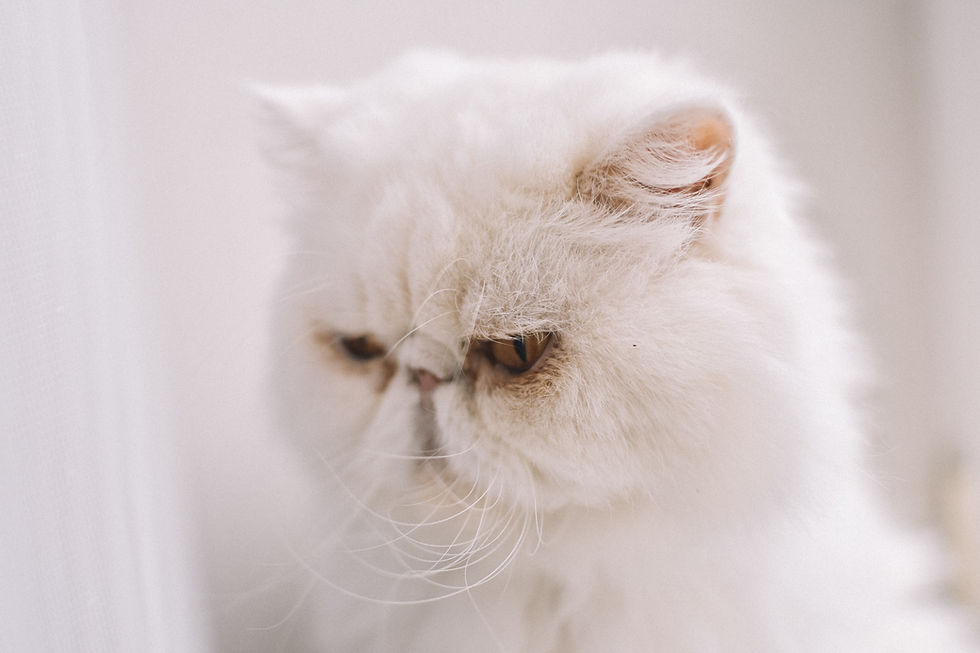
Home Care and Stress Prevention in Cats
Preventing stress in cats relies on multifaceted adjustments to the home environment. The home is both a cat's living space and a safe haven. Therefore, stress management depends not only on veterinary intervention but also on meeting the cat's physical and psychological needs effectively in daily life. Care strategies implemented at home aim to ensure the cat feels safe and minimize potential sources of stress.
1. Appropriate Environmental Regulation
Cats require a living space structured according to their territoriality and security needs.
Elevated Areas and Climbing Opportunities: Shelves, cat climbing trees, and window-top platforms allow cats to monitor their surroundings. These configurations help reduce stress hormones.
Hiding Areas: A box, tunnel, cat house, or enclosed bed helps the cat find a safe area when it feels threatened.
A Quiet and Stable Room: It is important to have a special room where the cat can hide and relax when there are noisy activities at home.
2. Litter Box Management
The litter box is one of the areas where cats' stress indicators most often appear.
In multi-cat households, the rule of one litter box + one additional litter box for each cat should be applied.
The litter box should always be kept clean, and odorless and fine-grained sand should be preferred.
The litter box should be located in a fixed location, away from traffic and in a peaceful area.
3. Food and Water Routine
Nutritional stress is a common problem.
Food and water bowls should not be kept in crowded areas.
Smart food bowls or puzzle feeders provide mental stimulation.
A water fountain can be used to increase the cat's daily water consumption.
Food changes should not be made suddenly; a transition period of at least 7 days should be applied.
4. Play and Mental Activity
Mental satiety provides the most natural way to reduce stress.
Prey-imitating toys (coat sticks, laser pointers, use with caution) are used.
Daily 10–15 minute play sessions build regular bonding with the cat.
Creating a bird watching area in front of a window satisfies the cat's natural hunting instincts.
5. Use of Pheromones
Synthetic pheromone diffusers (e.g. Feliway) can significantly reduce stress levels by creating a sense of security in the cat. Their use is particularly effective in situations such as moving house, having guests over or adding a new pet.
6. Sound, Smell and Visual Arrangements
Cats are sensitive to environmental stimuli.
Loud music, arguments, and sudden noises should be avoided.
Strong-smelling detergents or room fresheners should not be used.
Excessive light changes in the house may disturb the cat; light balance should be maintained.
7. Stability of Daily Routine
Cats adhere closely to their daily routines.
Feeding times
Playtimes
Litter box cleaning routines
Sleeping area layout
It should not be changed as much as possible. Disruption of routine can lead to a sudden increase in stress hormones.
8. Coping with Loneliness
Social isolation stress may occur in cats left alone for long periods of time.
If the child is going to be away from home for a long time, intelligence toys can be left behind.
For cats that are left alone for a lot of time, a behavioral assessment should be performed before considering a second cat.
Responsibilities of Cat Owners
Managing and preventing stress in cats doesn't solely depend on veterinary treatment plans. True success depends on the owner's conscientious approach to daily life, consistent environmental maintenance, and accurate understanding of the cat's needs. This section provides the most comprehensive overview of the cat owner's active role in combating stress.
1. Following Behavior and Routine
Cat owners should be well aware of their cat's normal behavior and be able to detect even the slightest change.
food,
toilet,
sleep,
game,
social interaction
Changes in routines such as these should be noted early.
2. Not Neglecting Health Checks
Chronic stress is associated with many medical illnesses. Therefore, cat owners should:
Annual health checks
Vaccination calendar
Anti-interference
Blood and urine tests
Veterinary care should not be disrupted, such as: When medical problems are detected early, signs of stress also decrease.
3. Keeping the Home Environment Stable
Cat owners should avoid sudden changes in the home and minimize arrangements that disrupt the cat's sense of security.
For example:
Not moving the litter box
Keeping food bowls in a fixed spot
Take the cat to a safe room before sudden renovations
is necessary.
4. Preventing Resource Competition
It requires serious responsibility, especially in multi-cat homes.
Cat owner:
Multiple litter boxes
Separate food and water bowls
Separate bed or resting area for each cat
can reduce sources of stress by keeping
5. Avoiding Unnecessary Interaction
Cats have very different social tendencies. Some cats require intense contact, while others prefer solitude. Cat owners should respect their cat's boundaries and avoid forced contact.
6. Creating the Right Game Program
Organizing regular play sessions for the cat to release its energy in a healthy way and receive mental stimulation is an important responsibility for the owner.
7. Act Quickly When You See Signs of Stress
When the first signs of stress appear, the cat owner must take action.
Among them:
Veterinarian visit
House layout analysis
Behavioral specialist support is available.
Early intervention prevents chronicity.
8. Education and Information
Cat owners should constantly learn about cat behavior. Understanding cats' needs is the most powerful step in stress management.

Differences Between Stress in Cats and Dogs
Although cats and dogs are domesticated animals, their perception of stress, stress response mechanisms, and behavioral responses to stress are completely different. Understanding these differences makes stress management much more effective, especially in homes where both species coexist. These biological and behavioral differences between species also necessitate different care and environmental management strategies in the home.
1. Social Structure and Stress Sensitivity
Cats: Cats are inherently territorial and independent creatures. They tend to protect their individual territories rather than establish social hierarchies. Territorial changes are among the most potent triggers of stress in cats.
Dogs: Dogs operate in a pack mentality and are more prone to social bonding. The behavior, tone of voice, and attention of individuals in the household directly impact stress levels in dogs. Loneliness anxiety is much more common in dogs.
2. Threat Perception and Behavioral Response
Cats: When cats perceive threats, they often respond with behaviors such as hiding, retreating, hissing, and excessive grooming. Passive-aggressive responses are more prevalent.
Dogs: Dogs exhibit more obvious physical responses to threat: barking, attacking, retreating, or attempting to make contact. These reactions are often more outward and visible.
3. Tolerance to Environmental Changes
Cats are easily affected by changes in routine. Even changing the layout of the house, adding new furniture, or relocating the litter box can be a source of stress.
Dogs: Dogs adapt more quickly to environmental changes than cats. However, they are more sensitive to social changes (such as a change of owner).
4. Effect on Urinary and Toilet Behavior
Cats: Stress can quickly trigger behaviors such as urinating outside the litter box, spraying urine, and avoiding the litter box.
Dogs: Stress can cause toilet accidents in dogs, but this is not as dramatic a behavioral disorder as it is in cats.
5. Game and Energy Management
Cats: When stressed, cats may stop playing altogether or engage in excessive scratching behavior.
Dogs: Stress in dogs can manifest itself through behaviors such as excessive energy release, restlessness, rapid breathing, and rolling around on the ground.
6. Desire for Social Interaction
Cats: When stressed, they often withdraw from humans, hide, or become aggressive.
Dogs: Under stress, dogs often tend to stay close to their owners and follow them. Their search for security is more pronounced.
7. Medical Effects and Disease Susceptibility
Cats: Chronic stress is particularly strongly linked to FIC (Feline Idiopathic Cystitis), excessive hair loss, excessive licking, and gastrointestinal problems.
Dogs: Stress in dogs manifests itself through symptoms such as gastric torsion, separation anxiety, behavioral regression, and overeating/hunger.
8. The Healing Process and Response to Change
Cats: They tend to recover slowly from treatment and environmental adjustments. Because they dislike change, the rehabilitation process may be longer.
Dogs: Dogs respond more quickly to behavioral therapy and environmental adjustments.
These differences make it clear that stress management for each species requires a personalized, species-focused, and environmentally adapted plan.
Keywords
cat stress symptoms
Causes of stress in cats
cat stress treatment
cat stress prevention at home
behavioral changes in cats

FAQ (Frequently Asked Questions)
What is the earliest sign of stress in cats?
The earliest sign of stress in cats is often behavioral withdrawal. Cats may withdraw from their usual social environments, hide more, and avoid eye contact. Additionally, a decrease in playfulness, decreased food intake, and changes in litter box behavior may also be evident early on. Recognizing early signs is crucial because the longer the intervention is delayed, the greater the risk of chronic stress.
How can I tell if my cat is stressed at home?
To detect stress in the home, it's important to closely monitor your cat's routine behavior. If your cat is hiding more, preferring to be alone, using the litter box less, meowing more, or licking their fur excessively, there's a high probability they're experiencing stress. Increased hair loss, loss of appetite, or hypersensitivity to changes in their environment are also important indicators.
Does stress cause physical illnesses in cats?
Yes. Stress isn't just a behavioral problem in cats; it's a significant trigger for physical illnesses. Urinary tract diseases (FIC, FLUTD), gastrointestinal problems, weakened immune systems, weight loss, and excessive hair loss are all directly linked to stress. When chronic stress hormones remain active for extended periods, all of a cat's systems are negatively affected.
Does stress cause loss of appetite in cats?
Stress is one of the most common appetite problems in cats. Some cats may stop eating altogether due to stress. Cats that don't eat for extended periods can develop a serious complication such as fatty liver (hepatic lipidosis). Therefore, loss of appetite during periods of stress should be taken seriously.
Is it normal for my other cat to be stressed when the new cat comes home?
Yes, it's very common. Because cats are territorial, the arrival of a new pet can make an existing cat feel threatened. This can lead to behaviors like avoidance, aggression, hiding, and litter box problems. Therefore, introducing new cats should be done slowly and carefully.
What should I do if my cat suddenly shows signs of stress?
If symptoms appear suddenly, it's important to first consider any changes that have occurred in the home in the last 24–48 hours. Factors such as furniture changes, guests, loud noises, or changes in food can be triggers. However, because sudden signs of stress can also be a sign of certain medical conditions, a veterinary examination is essential.
Does visiting the vet cause stress in cats?
Yes, most cats experience significant stress during vet visits. The carrier, clinic odors, unfamiliar noises, and the presence of other animals can disrupt a cat's sense of security. Therefore, it's helpful to use pheromone spray before visits, keep the carrier in a visible place at all times, and foster a positive association between the carrier and the carrier.
Does stress cause cats to urinate outside the litter box?
Yes. Cats show significant changes in litter box behavior under stress. Urinating outside the litter box, spraying urine, avoiding the litter box, and toileting on different surfaces are strong indicators of stress. This condition may also be related to a medical issue, so a veterinary evaluation is essential.
Can noise at home cause stress?
Cats are hypersensitive to sounds. Construction noises, loud music, vacuum cleaners, arguments, and sudden noises can cause acute stress in cats. If the noise persists, it can turn into chronic stress.
When a cat becomes lethargic, could this be a sign of stress?
Yes. If your cat, while normally active, suddenly becomes passive, decreases its activity, loses its desire to play, or falls asleep constantly, this could be a sign of stress. However, this condition can also be associated with medical problems, so a clinical evaluation is necessary.
Is house moving one of the biggest causes of stress in cats?
Absolutely. House moves are one of the most stressful situations for cats. The change of location, new smells, new furniture, and the process of traveling can completely disrupt a cat's sense of security. Hiding spaces, pheromone diffusers, and gradual introductions are essential during the move.
Does changing food cause stress?
Sudden food changes can cause digestive stress and behavioral stress responses in cats. Therefore, a food change should be planned with a transition plan that lasts at least seven days.
Does a cat get stressed if left alone for a long time?
Some cats tolerate solitude, but for most cats, prolonged alone time can lead to social isolation stress. This is especially true in cats left alone for long periods of time. Intelligent toys and window-side activities can reduce this stress.
Does the arrival of a new baby cause stress in a cat?
Yes. The arrival of a baby in the home disrupts the cat's routine, causing changes in vocalizations, decreased interest, and exposure to new smells. This can be stressful. It's important to introduce the cat to the baby gradually and in a controlled manner.
Why has my cat started shedding excessively?
Stress hormones can negatively impact the hair cycle, causing excessive hair loss. Excessive licking and plucking (alopecia) is common, especially on the abdomen and legs. However, because hair loss can also be associated with skin conditions, a physical examination is recommended.
Is it normal for a stressed cat to cause damage to the house?
Yes. Scratching, furniture scratching, and knocking over objects are common behaviors in stressed cats. These behaviors serve both as a stress reliever and to mark territory.
Can a cat attack its owner when stressed?
Yes, stress can lead to aggression in cats. This aggression is usually defensive. Cats may resort to pawing or biting when they feel cornered or threatened.
Do changes in odor cause stress in cats?
Absolutely. Cats perceive the world through scent. The smells of new furniture, detergents, perfumes, or even the smell of a new pet can cause stress in cats. It's important for the olfactory system to be stable.
Would play be enough to relieve your cat's stress?
Play is an important component, but it's not always sufficient. Play helps the cat release energy, but environmental adjustments, hiding places, litter box management, and a socially stress-free environment are also essential.
Do pheromone diffusers really work?
Yes. Synthetic pheromones are artificial versions of the natural pheromones found on a cat's face and create a sense of security in the environment. They are especially effective during periods of house moves, adding a new cat, renovations, or high noise levels.
Is stress more common in multi-cat households?
Yes, stress is more common in multi-cat households due to resource sharing. Inadequate food bowls, water, litter boxes, bedding, and elevated areas can lead to competition and stress among cats. Separate resource areas should be created for each cat.
Why does a cat hide when it's stressed?
Hiding is a natural defense mechanism in cats. When stressed, a cat may retreat to a quiet, enclosed area because it doesn't feel safe. This behavior is instinctive, designed to reduce the perception of threat.
Why do cats meow a lot when they're stressed?
Excessive vocalization occurs in many cats as a stress response. The cat may be seeking attention, feeling lonely, or perceiving an environmental threat. It is more pronounced in talkative breeds like the Siamese.
How to calm a stressed cat?
While calming the cat, avoid forceful contact; provide a safe space; use pheromone support; and maintain a stable environment. Allow the cat to interact voluntarily, and if necessary, veterinary-supported behavioral therapy should be implemented.
Can stress in cats be completely eliminated?
Yes, the tendency can be reduced and symptoms can be controlled. With proper diagnosis, environmental adjustments, regular playtime, social stability, and medical support when necessary, the vast majority of cats return to a normal, healthy behavioral pattern.
Source
American Veterinary Medical Association (AVMA)
American Association of Feline Practitioners (AAFP)
International Society of Feline Medicine (ISFM)
The Royal College of Veterinary Surgeons (RCVS)
Mersin Vetlife Veterinary Clinic – Open on Map: https://share.google/XPP6L1V6c1EnGP3Oc


Comments