
What Causes Loss of Appetite in Cats? Scientific Explanations and Solution Guide for Not Eating or Eating Less

Definition and Importance of Loss of Appetite in Cats
Anorexia in cats is the cat's marked reduction in the amount of food they normally consume daily, or the complete cessation of food intake. This can be a simple behavioral response, or it can be the first and earliest sign of a very serious illness. Cats are physiologically unable to tolerate short-term fasting . Due to their liver metabolism and energy storage, loss of appetite lasting longer than 24–36 hours accelerates fat mobilization , which can lead to fatal conditions such as liver lipidosis, especially in adult and overweight cats. Therefore, anorexia is a clinical finding that should always be taken seriously.
Loss of appetite is often a nonspecific symptom in cats; that is, it alone does not indicate which organ system is affected. It can occur for a wide range of reasons, including respiratory infections, fever, pain, gastrointestinal disorders, kidney failure , dental and oral problems , endocrine diseases, stress, or environmental changes. Therefore, the presence of loss of appetite requires careful monitoring of the cat's general condition, evaluation of accompanying findings, and, if necessary, a prompt veterinary examination.
In kittens, even a loss of appetite lasting 12–18 hours increases the risk of hypoglycemia . In older cats , it can be the first sign of chronic illness. The cat's water drinking behavior should also be evaluated, as many systemic diseases can cause a decrease in appetite while an increase in thirst, or vice versa. Therefore, loss of appetite is an early and important warning sign of a cat's health.

The Most Common Causes of Loss of Appetite in Cats
The causes of loss of appetite in cats are diverse, and more than one factor is often involved. Cats are extremely sensitive to environmental changes, and even mild discomfort can rapidly reduce appetite. When evaluating loss of appetite, the causes can be categorized into four main groups: medical causes, oral and dental problems, environmental/psychological causes, and nutritional issues.
1. Medical (Physiological) Causes
Infections: Upper respiratory tract infections (FHV-1, FCV), stomatitis, tonsillitis. Nasal congestion impairs the sense of smell, making the cat reluctant to eat.
Digestive system diseases: Gastritis, enteritis, pancreatitis, constipation, intestinal obstruction.
Kidney failure: Increased uremic toxins cause nausea and loss of appetite.
Liver diseases: Cholangiohepatitis, onset of hepatic lipidosis.
Pain: Trauma, joint pain, toothache, intra-abdominal inflammations.
Fever: High body temperature naturally suppresses appetite.
Blood diseases: Anemia, viral diseases affecting the immune system (FIV, FeLV).
Tumors: Mouth, liver, stomach, kidney, intestinal tumors.
2. Causes Related to the Mouth, Teeth and Jaw
Oral problems in cats are among the most common and overlooked causes of loss of appetite:
Dental stones
Gingivitis and stomatitis
Tooth root abscesses
Ulcers in the mouth
Foreign objects (string, bone fragment) Cats with oral pain go to the food bowl, sniff it, but withdraw without eating.
3. Psychological and Environmental Causes
Cats greedily display even the slightest change in routine:
Moving to a new home
Arrival of a new animal or human
Feeding bowl, changing place or changing food
Noise, stress, moving, loneliness
Owner change: In such cases, decreased appetite is usually a behavioral response, but if it lasts for a long time, it poses a medical risk.
4. Nutritional Causes
Sudden change in food
Spoiled, stale or off-flavored food
Very cold food
Taste and texture incompatibility: Very picky cats may react to even small changes in food ingredients with a decrease in appetite.

Acute (Sudden) Anorexia and Emergency Symptoms
Sudden onset of loss of appetite (occurring within the last few hours), especially if accompanied by other symptoms , requires immediate evaluation . Acute loss of appetite in cats is often an early warning sign that the body is struggling to cope with a problem. The following situations are particularly dangerous:
1. Loss of Appetite Along with High Fever and Weakness
A fever indicates the body is fighting infection or inflammation. Cats with a fever often refuse to smell food, are unresponsive to their surroundings, and retreat to a corner to rest. Fever and loss of appetite are particularly indicative of infectious diseases.
2. Sudden Loss of Appetite with Vomiting
Recurrent vomiting
Bile vomiting
Bloody vomiting: These symptoms may suggest gastrointestinal obstruction, pancreatitis, gastritis, or toxic substance ingestion.
3. Respiratory Problems and Nasal Congestion
A cat with a stuffy nose cannot smell; because it cannot smell, it will not eat. The following symptoms are an emergency:
Rapid breathing
Mouth breathing
Grunt
Intense increase in nasal discharge
4. Sudden Pain Symptoms
By meowing or responding to being touched
Hiding
Unwillingness to move: Many painful conditions cause a sudden decrease in appetite. Cats experiencing abdominal pain, in particular, may stop eating altogether.
5. Shock-Like Appearance
Pale gums
Cold paws
Weak pulse
InactivityThis condition is seen in life-threatening situations, and "loss of appetite" is only the surface finding.
6. Sudden Food Refusal Lasting More Than 24–36 Hours
Any loss of appetite beyond this period increases the risk of liver lipidosis, especially in adult and overweight cats, and requires urgent intervention.

Chronic (Long-Term) Anorexia and Underlying Diseases
Chronic anorexia is when a cat eats significantly less or gradually decreases food intake over several days. Unlike acute anorexia, chronic anorexia is often an indicator of underlying organ disease, metabolic disorders, or slow-growing infections. Therefore, prolonged loss of appetite, especially in older cats, warrants a thorough medical evaluation.
The most common causes of chronic anorexia are:
1. Kidney failure (Chronic Renal Failure)
It's one of the most common illnesses in older cats. When uremic toxins increase in the blood, cats experience persistent nausea. Appetite decreases, and food is sniffed but not eaten. Frequent water drinking, weight loss, bad breath, and weakness may also accompany the condition.
2. Liver diseases
The early stages of cholangiohepatitis, liver inflammation, or hepatic lipidosis begin with chronic anorexia. As the cat begins to use its fat stores for energy, fatty liver disease accelerates, further exacerbating anorexia. Vomiting, jaundice, weakness, and weight loss are common symptoms of liver disease.
3. Chronic gastrointestinal diseases
Irritable bowel disease (IBD)
Parasites
Food intolerances
Chronic gastritis: In these cases, the cat intermittently reduces its food intake, sometimes rejecting certain foods, and in the long term, weight loss develops.
4. Endocrine diseases
Hormonal diseases such as hyperthyroidism, diabetes, and Cushing's syndrome alter appetite behavior. While hyperthyroidism usually results in an increased appetite, anorexia can develop in advanced cases. Chronic hormonal fluctuations can affect a cat's metabolism, reducing food intake.
5. Chronic oral problems
Gum disease, chronic stomatitis, or non-healing mouth ulcers can cause pain every time a cat tries to eat, leading to the cat retreating to the food bowl.
6. Prolonged exposure to stress and environmental factors
Persistent stressors within the home (a new home, constant noise, a new pet, disruptions to routine) can disrupt a cat's appetite in the long term. Chronic stress results in a combination of anorexia and weight loss.
7. Tumors
Internal organ tumors, particularly those originating in the gastrointestinal tract, liver, or kidney, are a significant cause of chronic anorexia. Anorexia progresses slowly in the early stages and becomes more pronounced over time.
The most dangerous aspect of chronic anorexia is that it's often overlooked because it appears to be "habitual behavior." By the time owners discover the condition late, the underlying condition may have already progressed. Therefore, prolonged loss of appetite should always be considered serious.
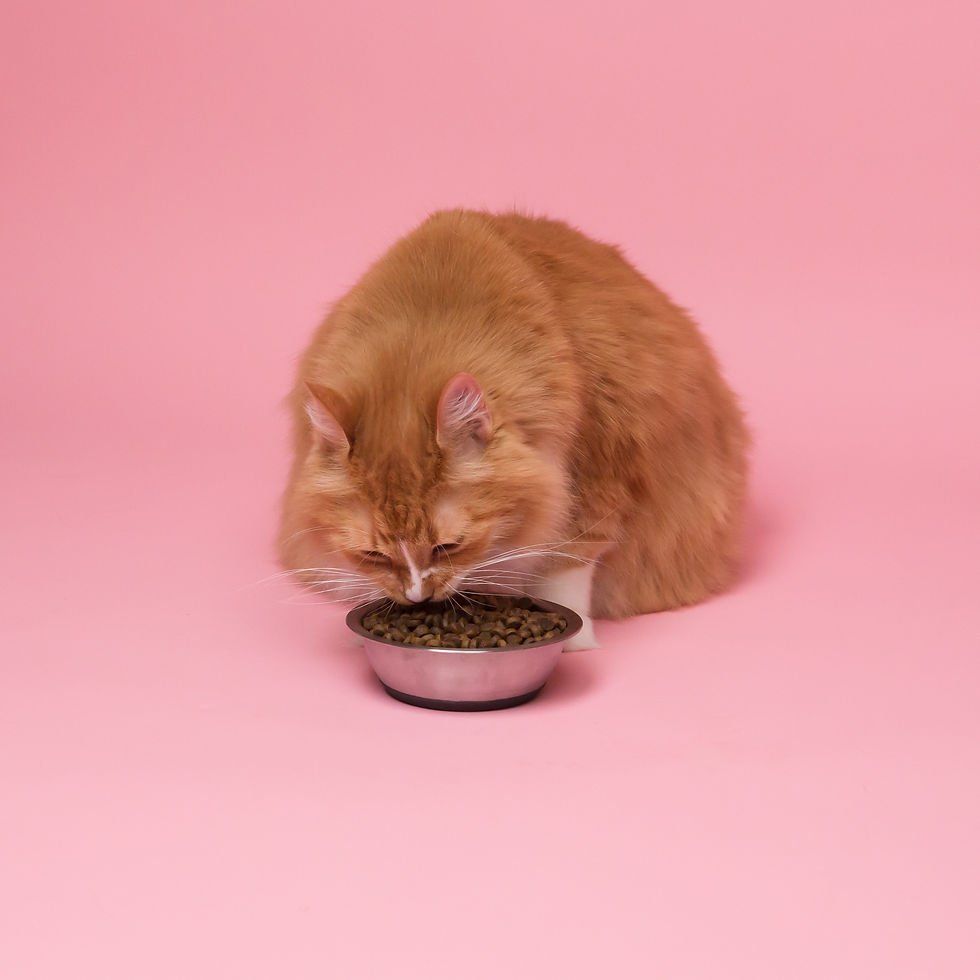
Risks of Anorexia in Cats: Dehydration, Hypoglycemia, and Hepatic Lipidosis
Loss of appetite isn't just a decrease in food intake; it's a critical condition that directly impacts a cat's metabolism, organ function, and overall vitality. When cats don't eat or drink enough water for several days, they can develop serious metabolic problems.
1. Dehydration
Loss of appetite is often accompanied by decreased water consumption. Thirst develops rapidly in cats because most of their water intake comes from food. Symptoms of dehydration:
Decreased skin turgor
Dry gums
Weakness
Rapid pulse
Decreased urine output: Kidney damage can progress rapidly because dehydration directly affects kidney function.
2. Hypoglycemia (Low Blood Sugar)
It's one of the biggest risks for kittens, underweight cats, and cats that haven't eaten for a long time. When a cat doesn't eat, their body quickly depletes their glycogen stores. When these stores are depleted, the brain can't get enough glucose, and the following symptoms appear:
Shake
Unsteadiness in walking
Confusion
SeizuresFor this reason, even 12–18 hours of loss of appetite in kittens is considered an emergency.
3. Hepatic Lipidosis
This is the most feared complication in cats. When anorexia begins, especially in overweight cats, the body rapidly mobilizes fat stores for energy. However, the liver cannot process this fat load, and fat cells begin to accumulate in the liver. As a result:
Liver functions are impaired
Bile flow slows down
The cat becomes even more unappetizing
Vomiting, weight loss, and jaundice develop. Lipidosis is life-threatening if left untreated. Therefore, loss of appetite for more than 24–36 hours is considered an emergency warning for lipidosis.

First Interventions That Can Be Done at Home for Cats with Loss of Appetite
Home interventions are important to stabilize the cat's condition, reduce stressors, and encourage food intake. However, these steps are not a substitute for medical attention ; they are only a first-line approach.
1. Food and water arrangement
Warming the food slightly (provides the cat with a scent stimulus).
Offer wet food or mix a small amount of wet food into dry food.
Using fresh food and water bowls.
Adding a small amount of chicken broth (unsalted) to enhance the flavor of the food.
2. Stress reduction
Creating a quiet area where the cat can hide.
Feeding at the same times throughout the day without breaking the routine.
Reducing noise in the house.
If there is a new animal/person at home, make controlled introductions in the first few days.
3. Environmental stimulus control
Keeping the food bowl and water bowl in a fixed position.
Not keeping a litter box too close to the food bowl.
Avoiding high temperature or extremely cold environment.
4. Gentle methods of encouragement
Increasing your cat's desire to eat with treats it likes.
Offer your pet's favorite flavored wet food in small portions.
Offering very small amounts of food by hand.
5. Strengthening the sense of smell
Nasal congestion in upper respiratory tract infections directly reduces appetite. What can be done at home:
Warm steam application (placing a hot water container next to it)
Wipe the area around the nose with a clean cloth
Use of mild nasal decongestant solutions with veterinary approval
6. Follow-up
How many times a day does he go to his food bowl?
Has water consumption increased or decreased?
Is there vomiting, weakness, or breathing changes? These observations are critical information for diagnosis during veterinary checkups.
If there is no improvement within 12–24 hours despite interventions at home, or if the cat's general condition worsens, veterinary evaluation is mandatory.

Treatment Approaches to Loss of Appetite in Cats
Treatment varies depending on the cause of anorexia. Anorexia alone is not the only treatment; the underlying condition is targeted. However, supportive treatments also play an important role in restoring appetite.
1. Cause-Specific Treatments
Infections: Antibiotics, antiviral treatments, supportive fluids
Gastrointestinal problems: Antacids, antiemetics (maropitant), probiotics
Kidney failure: Fluid therapy, special diets, phosphorus binders
Liver diseases: Hepatoprotective drugs, supplemental glutathione therapies
Pain: Analgesics and anti-inflammatories
Oral diseases: Professional dental cleaning, situations requiring tooth extraction
2. Supportive Treatments
Fluid therapy: Subcutaneous or intravenous fluids to correct dehydration
Appetite stimulants: Safe appetite stimulants such as mirtazapine, capromorelin
Anti-nausea medications: Nausea is the most important trigger of loss of appetite.
3. Nutritional Supports
Soft and highly flavored foods
Feeding tube (gastrostomy or nasogastric) may be applied in cases of severe lipidosis risk.
Frequent feeding with small portions
High-calorie wet foods
4. Behavioral Approaches
Reducing stress factors
Creating a calmer environment at home
Keeping the food and water bowls in place
Establishing routine feeding times
The entire treatment depends on the severity of the loss of appetite, the underlying disease, and the cat's general health.

Psychological and Environmental Factors Affecting Eating Behavior in Cats
Cats are creatures who thrive on routine and are highly sensitive to environmental changes. Therefore, a loss of appetite isn't always due to a physical illness; behavioral and psychological factors alone can reduce food consumption. Sensitive cats, in particular, react with appetite to even the slightest changes in the home.
1. Environmental Changes
Moving to a new home
Furniture changes in the house
Changing the location of the food bowl
The arrival of a new animal in the home: These changes cause restlessness in the cat and a short-term loss of appetite may occur.
2. Social Stress Factors
Cats are very sensitive to social pressure:
Competition with a new cat
Incompatibility with the dog in the house
Having a new member in the family (baby, guest, change of partner) In these cases, the cat may be reluctant to eat or prefer to hide.
3. Psychological Reactions Related to Food
Some cats may completely refuse to eat when the food brand is changed or they do not like it. Examples of psychological reactions:
Odor degradation
Change in the content of food packaging
Food that is too cold or too hot
4. Routine Disruption
Changing feeding times, decreasing the time spent with the owner, or being left alone at home for long periods of time can directly affect the cat's appetite.
5. Smell and Stimulus Sensitivity
Cats are extremely sensitive to odors. Loss of appetite may occur in the following situations:
Paint or cleaning odors in the home
Perfume, room fragrance, detergent odors
Strong smelling items near the food can
6. Behavioral Disorders
Cats experiencing prolonged stress, anxiety, or signs of depression may reduce their food intake. This is often due to a combination of environmental and social factors.
Psychological and environmental factors often cause mild to moderate anorexia, but if prolonged, weight loss and metabolic problems can occur. Therefore, even behavioral anorexia should be carefully monitored.
Differences in Anorexia in Kittens, Adults, and Older Cats
The severity and metabolic effects of anorexia in cats vary greatly with age. Therefore, while the same duration of anorexia may be an emergency in a kitten, it may be slightly more tolerable in an adult cat, or it may be a sign of a completely different condition in an older cat.
Kittens (0–12 months)
Kittens are metabolically very fast and their glycogen stores are small. Therefore:
Even 12–18 hours of loss of appetite can lead to hypoglycemia.
Shivering, weakness, feeling cold, and confusion may develop rapidly.
Loss of appetite is more dangerous in kittens that have just come out of the weaning period. Loss of appetite in kittens is always considered an "emergency" condition.
Adult Cats (1–7 years old)
Adult cats tolerate short-term anorexia better, but metabolic risks are still high.
Not eating for more than 24–36 hours creates a risk of lipidosis .
Stress factors play a more prominent role in this age group.
Gastrointestinal problems (parasites, gastritis, foreign bodies) are common causes.
Senior Cats (over 7 years old)
In older cats, loss of appetite is often the first sign of systemic diseases:
Kidney failure
Hyperthyroidism
Liver diseases
Cancer: The combination of anorexia and weight loss is very significant in older cats. Rapid medical intervention is required.
Food Selection and Feeding Strategies for Loss of Appetite in Cats
Feeding strategies are critical for getting your cat back to eating. Food selection should be tailored to both biological needs and appetite stimuli.
1. Highly flavored and warm foods
Cats eat by following scent.
Gently heating wet food (microwave for 10 seconds) increases the odor.
Fish, chicken and liver flavored foods stimulate appetite.
2. Soft-textured foods
Granular or hard foods are not suitable for cats with oral pain.
Puree-like wet food
Crushed chicken meat
Mixtures thinned with chicken broth work well.
3. Frequent feeding with small portions
Instead of serving a large meal all at once:
Small portions every 2–3 hours
Controlled presentation instead of leaving food on the tray
4. Special medical foods
Depending on the underlying disease, different nutrition may be required:
Kidney disease: low phosphorus and protein adjusted formulas
Gastrointestinal sensitivity: easily digestible foods
Liver problems: high energy density, low copper content foods
5. Increasing water intake
Water need increases in case of loss of appetite:
Spring type water dispensers
Water ratio of wet food
Adding chicken broth: Hydration is as important as nutrition.
When is Emergency Veterinary Intervention Required?
In certain cases, anorexia requires immediate emergency intervention. Delay can lead to critical conditions.
Situations considered urgent
Not eating for 24–36 hours (adult cat).
Not eating for 12 hours + lethargy (kitten).
Complete loss of appetite with vomiting
Rapid breathing, nasal congestion, mouth breathing
Abdominal pain symptom
Sudden weight loss
Yellow gums (a sign of liver lipidosis)
Excessive thirst + loss of appetite together
Suspicion of ingesting toxic substances
Paleness under the tongue (sign of shock)
If there is a loss of appetite and another symptom, it should always be taken more seriously. For example, the combination of loss of appetite and not drinking water is very dangerous.
Scientific Methods That Can Be Applied to Increase Appetite at Home
There are medically accepted methods that can be used to stimulate a cat's appetite in the home environment. These provide temporary support but are not a substitute for medical diagnosis.
1. Heat and odor enhancement techniques
Warming the food slightly
Aromatic wet food
Adding chicken broth stimulates the sense of smell.
2. Environmental arrangement
A quiet, dark room
The food bowl should be in a fixed place.
Stress relief
Keeping other animals away
3. Gentle feeding methods
Serving small pieces by hand
Giving small portions with the tip of a fork
Using beloved rewards solely for appetizing purposes
4. Steam bath
In upper respiratory tract infections:
Turning on hot water in the bathroom and keeping the cat in the steam environment for 5-10 minutes. Opening the nose restores the sense of smell.
5. Vitamin and omega-3 supplements
These do not directly increase appetite, but they support general well-being and contribute to the appetite mechanism in the long term.
6. Avoiding coercion
Trying to force food increases stress and worsens anorexia.
Common Mistakes and Practices to Avoid in Loss of Appetite
Some well-intentioned actions taken by cat owners can actually worsen the situation. This section is crucial because many complications arise from incorrect interventions.
1. Force-feeding
In cats with oral disease, nausea, or pain, straining makes the situation worse.
2. Change food frequently
Giving different food every day makes the cat even more selective.
3. Providing human food
Salt, oil, spices or cold foods will irritate a cat's stomach more.
4. The idea that "Let him stay hungry for a while, he'll eat when he's hungry"
This is dangerous for cats; it increases the risk of lipidosis.
5. Giving medication at home randomly
Many human medications are toxic to cats.
6. Ignoring nasal congestion
A cat without smell cannot eat; if this is ignored, anorexia rapidly worsens.
Frequently Asked Questions (FAQ)
What causes loss of appetite in cats and in what cases is it dangerous?
Loss of appetite in cats can occur for a wide range of reasons, from infections and kidney and liver diseases to pain, stress factors, oral problems, blockages, and viral illnesses. If loss of appetite lasts longer than 24–36 hours, if additional symptoms such as vomiting and lethargy are present, or if it persists for more than 12 hours in a kitten, the situation is dangerous.
My cat doesn't eat but drinks water. Is this normal?
Continuing to drink water during a loss of appetite in cats doesn't always mean it's safe. If a cat drinks water but doesn't eat, it's often due to nausea, a toothache, an upper respiratory infection, or a systemic illness. Drinking water doesn't eliminate the risk of liver lipidosis, especially in cats that haven't eaten for more than 24 hours.
How many hours does loss of appetite in cats last for and is considered an emergency?
For adult cats, 24–36 hours, for older cats, 18–24 hours, and even 12 hours are the emergency limits for kittens. Because kittens consume energy very quickly, they are prone to hypoglycemia.
My cat goes to the food bowl but doesn't eat, what could be the reason?
This behavior often indicates oral pain, gum disease, stomatitis, a tooth root abscess, or nausea. The cat will approach the food bowl, sniff, and then back away. This behavior is also seen with upper respiratory infections because nasal congestion reduces the sense of smell.
What does it mean if vomiting occurs along with loss of appetite in cats?
The combination of vomiting and loss of appetite suggests digestive system diseases (gastritis, enteritis, obstruction), pancreatitis, ingestion of toxic substances, liver-biliary system problems, or severe stress responses.
My cat hasn't eaten for over a day. Is there anything I can do at home?
If your cat's anorexia persists for more than a day, there are limited options at home. Warming up food, trying wet food, adding chicken broth, or creating a quiet room can help, but these steps don't resolve any medical issues. In such cases, veterinary evaluation is essential, as the risk of lipidosis is significantly increased.
Could loss of appetite in cats be caused by stress?
It certainly can happen. Moving to a new home, the arrival of a new pet, changes in routine, loud environments, a change of owner, or competitive relationships can all cause a loss of appetite in cats. However, even stress-induced anorexia can pose a metabolic risk within hours.
My cat is picky about food and eats very little. Is this normal?
Picky eating is common in cats, but it's never completely innocent. If a cat eats less, it's either a sign that they don't like their food or that they're avoiding it due to a medical condition.
What does it mean if loss of appetite in cats is accompanied by fever?
Fever is an indicator of infection, inflammation, viral diseases, or systemic organ disorders. If fever is accompanied by loss of appetite, there is an underlying infection or inflammatory process.
My cat sniffs food but doesn't eat, and has a runny nose; what should I do in this situation?
This is a typical sign of an upper respiratory tract infection . Nasal congestion prevents the cat from smelling, so it avoids food. Steam therapy, warming the food, and enhancing the aroma provide temporary relief, but the infection requires treatment.
How does anorexia in cats lead to liver lipidosis?
When a cat isn't eating, the body rapidly mobilizes fat stores for energy. The liver can't process this massive influx of fat, and fat cells accumulate in the liver tissue. This condition is called "liver lipidosis," and it can be fatal in cats.
My cat isn't eating but is active. Could this still be a problem?
Yes. Even if a cat appears active, there may be an underlying medical problem. Especially in the early stages of kidney disease or the initial phase of an infection, a cat may appear active, but a loss of appetite is still a serious symptom. Activity does not reduce metabolic risks.
How can you tell if loss of appetite in cats is caused by dental disease?
Cats with oral pain may go to the food bowl, sniff the food, and chew, but then withdraw due to the pain. Bad breath, increased drooling, one-sided chewing, or paw-tapping are all telltale signs of oral anorexia.
My cat stopped eating after changing food, is this normal?
Yes, but a healthy cat will adjust to a new food within a few days. A complete refusal may indicate either a dislike of the food's smell or general discomfort at the time.
Why is anorexia in cats more dangerous in kittens?
Kittens have limited metabolic reserves. Therefore, even brief fasting can lead to low blood sugar, rapid weight loss, dehydration, and developmental delays. Loss of appetite in kittens is considered an emergency.
My cat has been eating very little for two days but drinking water. Is this still a risk?
Yes. Drinking water alone doesn't mean it's safe. Factors such as the risk of liver lipidosis, vomiting, weight loss, or progression of infection are independent of water consumption. Loss of appetite lasting two days always requires medical evaluation.
What does weakness accompanied by loss of appetite in cats indicate?
The combination of lethargy and anorexia often indicates a systemic problem: infections, kidney disease, liver disorders, anemia, or pain. This decline in the cat's general condition indicates increased urgency.
The cat does not eat but hides, what could be the reason for this behavior?
Hiding behavior in cats can be a sign of pain, stress, fear, or illness. When a cat hides and refuses to eat, it's often accompanied by pain or fever. This is often associated with infections, trauma, or intra-abdominal discomfort.
How important is nasal congestion in loss of appetite in cats?
Cats use their olfactory reflexes before eating. If the nose is blocked, they can't smell, and the cat won't eat. Loss of smell is often the primary cause of loss of appetite in upper respiratory infections.
My cat won't even eat the wet food she loves so much. Why?
This is a serious sign. A cat that refuses even its favorite food is either in pain or has significant nausea. Abdominal pain, fever, a viral infection, or liver or kidney problems may be contributing factors to this behavior.
How do I know if my cat's anorexia is behavioral or physical?
If anorexia coincides with an environmental change (moving, new pet, stress), it may be behavioral. However, physical causes often present with additional symptoms: vomiting, fever, weakness, bad breath, weight loss, and changes in water consumption.
My cat doesn't eat food but drinks water all the time. What diseases does this suggest?
This condition is most commonly associated with kidney failure, diabetes, hyperthyroidism, liver disease, and severe dehydration. An increased desire to drink water is often a sign of metabolic disorders and, when combined with loss of appetite, requires immediate evaluation.
What happens if anorexia in cats is not treated?
Untreated anorexia initially leads to weight loss and low energy. This then leads to the risk of liver lipidosis, weakened immune systems, impaired kidney function, and impaired water and electrolyte balance.
Is it safe to give appetite enhancers at home?
No appetite stimulants should be given without veterinary approval. Human medications are toxic to cats. Medications such as mirtazapine or capromorelin should only be used under veterinary supervision.
What does it mean if cats experience rapid weight loss along with loss of appetite?
Rapid weight loss is an early sign of chronic disease or the onset of lipidosis. If weight loss occurs drastically, especially within 1-2 days, there is a serious underlying metabolic problem and urgent intervention is necessary.
Sources
American Veterinary Medical Association (AVMA)
Cornell University College of Veterinary Medicine
Merck Veterinary Manual – Feline Anorexia & Inappetence
World Small Animal Veterinary Association (WSAVA)
Mersin Vetlife Veterinary Clinic – Open on Map: https://share.google/XPP6L1V6c1EnGP3Oc


Comments