
Common Pomeranian Health Problems: Diseases They Are Prone To and Resistant To

Quick Overview: Pomeranian Health Problems at a Glance
Although Pomeranians are often considered healthy companion dogs, they have several well-recognized breed predispositions that veterinarians commonly diagnose in clinical practice. Respiratory disease, orthopedic disorders, dental disease, and skin conditions are among the most important health concerns in this breed.

The following table summarizes the diseases every Pomeranian owner should be familiar with.
Disease / Condition | Predisposition in Pomeranians | Primary Body System | Typical Age of Onset | Screening Available |
Tracheal Collapse | Very High | Respiratory | Adult | Clinical Examination & Imaging |
Very High | Musculoskeletal | Young Dog to Adult | Orthopedic Examination | |
Periodontal Disease | Very High | Oral Health | Adult | Dental Examination |
Alopecia X (Black Skin Disease) | High | Skin | Young Adult to Adult | Clinical Diagnosis |
Mitral Valve Disease | High | Cardiovascular | Middle-aged to Senior | Cardiac Examination |
Hypoglycemia (Especially Puppies) | High | Metabolic | Puppy | Blood Glucose Testing |
Legg-Calvé-Perthes Disease | Moderate | Musculoskeletal | Young Dog | Radiography |
Cataracts | Moderate | Eyes | Adult to Senior | Eye Examination |
Progressive Retinal Atrophy (PRA) | Moderate | Eyes | Adult | DNA Test / Eye Examination |
Distichiasis | Moderate | Eyes | Any Age | Ophthalmic Examination |
Moderate | Metabolic | Any Age | Body Condition Scoring |
Understanding the Table
A high breed predisposition does not mean that every Pomeranian will develop these diseases. Instead, it indicates that veterinary studies and clinical experience have consistently shown these conditions to occur more frequently in Pomeranians than in many other dog breeds.
Among all breed-associated disorders, tracheal collapse is one of the most characteristic health problems seen in Pomeranians because of the breed's small airway anatomy. Patellar luxation and periodontal disease are also extremely common and may significantly affect mobility and quality of life if not recognized early. In addition, Pomeranians are predisposed to conditions such as Alopecia X, mitral valve disease, and hypoglycemia during puppyhood, making regular veterinary monitoring particularly important.
Routine health examinations, preventive dental care, appropriate weight management, and early diagnostic screening can help identify many of these diseases before they progress to more advanced stages.

Common Pomeranian Health Problems: Diseases They Are Prone To and Resistant To
Pomeranians are one of the world's most recognizable toy dog breeds, admired for their compact size, lively personality, and luxurious double coat. Despite their small stature, they are generally energetic and long-lived dogs. However, like every purebred breed, Pomeranians have several inherited and breed-specific health conditions that owners should understand.
Many of the diseases affecting Pomeranians are associated with their small body size, delicate skeletal structure, and genetic background. Respiratory disorders, orthopedic conditions, dental disease, and certain skin disorders occur more frequently in this breed than in many larger dogs. Fortunately, many of these conditions can be successfully managed—or even prevented from becoming severe—through routine veterinary care, early diagnosis, and responsible breeding practices.
This guide explores the most common health problems seen in Pomeranians, the diseases they are predisposed to, conditions that are less commonly associated with the breed, recommended health screening tests, and practical strategies to help owners keep their Pomeranians healthy throughout every stage of life.

Most Common Diseases Pomeranians Are Prone To
Pomeranians have several well-documented breed-specific health concerns that affect different body systems throughout life. While some disorders are inherited, others develop gradually with age or are influenced by the breed's small size and anatomical characteristics. Understanding these conditions allows owners to recognize early clinical signs and seek veterinary care before serious complications develop.
The following table summarizes the diseases most commonly associated with Pomeranians.
Disease | Breed Predisposition | Typical Age | Early Clinical Signs | Why It Matters |
Tracheal Collapse | Very High | Adult | Dry "goose-honk" cough, exercise intolerance | Progressive airway disease |
Very High | Young Dog to Adult | Skipping gait, intermittent limping | May progress to arthritis | |
Periodontal Disease | Very High | Adult | Bad breath, tartar buildup, swollen gums | Leading cause of tooth loss |
High | Young Adult | Progressive hair loss, darkened skin | Cosmetic but may require long-term management | |
Mitral Valve Disease | High | Middle-aged to Senior | Heart murmur, exercise intolerance | Progressive heart disease |
Hypoglycemia | High (Puppies) | Puppy | Weakness, tremors, lethargy | Medical emergency if severe |
Legg-Calvé-Perthes Disease | Moderate | Young Dog | Hind limb lameness, hip pain | May require surgery |
Cataracts | Moderate | Adult to Senior | Cloudy eyes, reduced vision | Can impair eyesight |
Progressive Retinal Atrophy (PRA) | Moderate | Adult | Night blindness, progressive vision loss | Inherited eye disease |
Obesity | Moderate | Any Age | Weight gain, reduced activity | Increases risk of other diseases |
Why Are Pomeranians Prone to These Diseases?
Several factors contribute to the Pomeranian's distinctive health profile. Their small body size and delicate skeletal structure increase the likelihood of orthopedic disorders such as patellar luxation and Legg-Calvé-Perthes disease. Likewise, the breed's narrow trachea makes tracheal collapse one of the most commonly diagnosed respiratory conditions.
Dental disease is also particularly common because the breed's compact jaw often results in crowded teeth, encouraging plaque accumulation and periodontal disease. In addition, inherited genetic factors contribute to conditions such as Progressive Retinal Atrophy, Alopecia X, and certain cardiac disorders.
Although these predispositions are well recognized, many Pomeranians enjoy long, healthy lives when they receive regular preventive care, routine veterinary examinations, and early treatment whenever health problems arise.
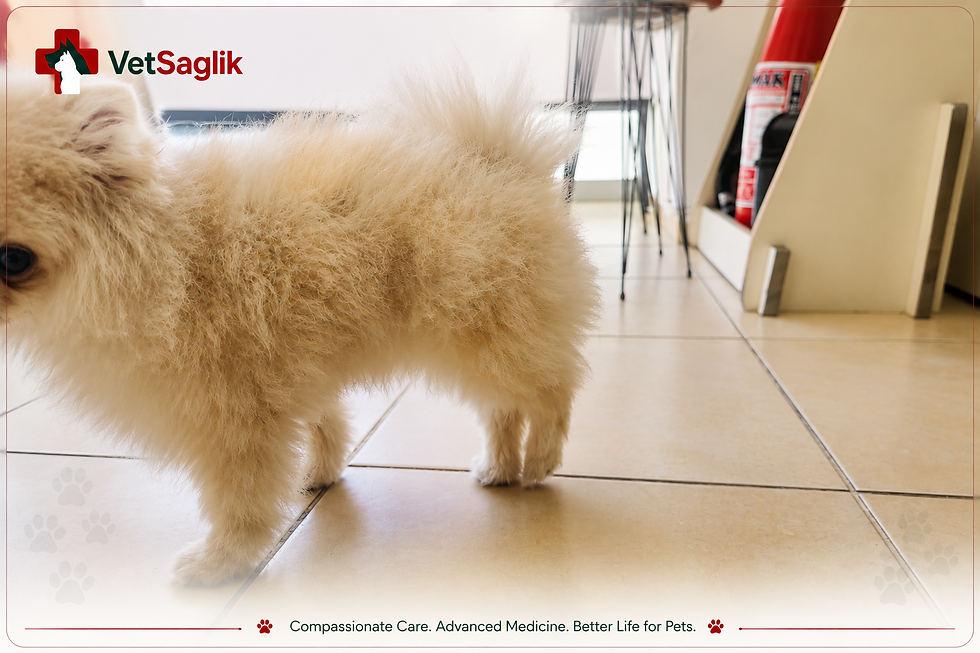
Tracheal Collapse: One of the Most Common Pomeranian Health Problems
Tracheal collapse is one of the most characteristic and frequently diagnosed health conditions in Pomeranians. The disease occurs when the cartilage rings that normally keep the trachea open gradually weaken, causing the airway to flatten during breathing. As the condition progresses, airflow becomes increasingly restricted, leading to chronic coughing and respiratory difficulty.
Because Pomeranians are a toy breed with naturally small airways, they are significantly more susceptible to tracheal collapse than many larger breeds. Although the condition usually develops gradually, early diagnosis and appropriate management can greatly improve a dog's quality of life.
Stages of Tracheal Collapse
Stage | Description | Common Clinical Signs | Severity |
Grade I | Mild weakening of the tracheal cartilage | Occasional dry cough | Mild |
Grade II | Moderate narrowing of the airway | Frequent coughing, exercise intolerance | Moderate |
Grade III | Significant airway collapse | Persistent coughing, noisy breathing | Severe |
Grade IV | Nearly complete collapse of the trachea | Severe respiratory distress, cyanosis | Critical |
Risk Factors
Several factors increase the likelihood of tracheal collapse or worsen existing disease.
Risk Factor | Why It Increases Risk |
Small breed anatomy | Naturally narrow tracheal diameter |
Obesity | Increases pressure on the airway |
Neck collars | Can compress the trachea during walks |
Chronic airway inflammation | Weakens tracheal cartilage over time |
Advancing age | Cartilage gradually loses strength |
Genetic predisposition | Inherited weakness of tracheal cartilage |
Common Clinical Signs
Clinical signs often begin gradually and become more noticeable over time.
Clinical Sign | Description |
Dry "goose-honk" cough | The most characteristic symptom |
Exercise intolerance | Difficulty breathing during activity |
Noisy breathing | Wheezing or harsh respiratory sounds |
Gagging | Often follows coughing episodes |
Difficulty breathing | More common during excitement or exercise |
Cyanosis | Bluish gums in severe cases |
Collapse | Rare but possible in advanced disease |
Diagnosis and Treatment
Diagnosis begins with a complete physical examination and a detailed history of coughing episodes. Thoracic radiographs may reveal narrowing of the trachea, while fluoroscopy or bronchoscopy can provide a more accurate assessment of airway collapse.
Treatment depends on disease severity. Mild cases are often managed with weight control, cough suppressants, anti-inflammatory medications, bronchodilators, and the use of a chest harness instead of a neck collar. Dogs with advanced disease may require surgical or interventional procedures, such as placement of an intraluminal tracheal stent.
Although tracheal collapse is a chronic condition, many Pomeranians continue to enjoy an excellent quality of life when the disease is recognized early and managed appropriately.

Patellar Luxation and Orthopedic Disorders
Patellar luxation is one of the most common orthopedic diseases in Pomeranians. The condition occurs when the kneecap (patella) slips out of its normal position within the femoral groove. Some dogs experience only occasional skipping while walking, whereas others develop chronic pain, arthritis, and reduced mobility.
Because of their small skeletal structure and inherited anatomical characteristics, Pomeranians have a significantly higher risk of patellar luxation than many larger breeds.
Common Orthopedic Disorders
Disease | Breed Predisposition | Typical Age | Primary Joint | Diagnostic Method |
Patellar Luxation | Very High | Young Dog to Adult | Stifle (Knee) | Orthopedic Examination |
Legg-Calvé-Perthes Disease | Moderate | Puppy to Young Adult | Hip | Radiography |
Cranial Cruciate Ligament Injury | Moderate | Adult | Stifle (Knee) | Orthopedic Examination |
Osteoarthritis | Moderate | Senior | Multiple Joints | Clinical Examination |
Common Clinical Signs
Orthopedic disease may progress slowly or appear suddenly depending on the underlying condition.
Clinical Sign | Possible Cause |
Skipping while walking | Patellar luxation |
Intermittent hind limb lameness | Patellar luxation |
Difficulty jumping | Joint pain |
Stiffness after resting | Osteoarthritis |
Hip pain | Legg-Calvé-Perthes disease |
Reduced activity | Chronic orthopedic disease |
Muscle loss in the hind limbs | Long-term joint disease |
Prevention and Long-Term Management
Although inherited orthopedic disorders cannot always be prevented, appropriate management can reduce discomfort and slow disease progression.
Preventive Measure | Benefit |
Maintain an ideal body weight | Reduces stress on the joints |
Prevent excessive jumping from furniture | Lowers the risk of joint injury |
Provide regular low-impact exercise | Maintains muscle strength and joint stability |
Schedule routine orthopedic examinations | Detects problems earlier |
Consider surgical correction when recommended | Improves long-term mobility in severe cases |
Avoid breeding affected dogs | Helps reduce inherited disease prevalence |
Many Pomeranians with mild patellar luxation remain comfortable for years with conservative management. However, dogs experiencing persistent lameness, pain, or repeated luxation often benefit from surgical correction before irreversible joint damage develops.

Dental Disease in Pomeranians
Dental disease is one of the most common health problems affecting Pomeranians and other toy breeds. Their small jaws often contain the same number of teeth as much larger dogs, resulting in overcrowding that promotes plaque accumulation, tartar formation, and periodontal disease.
Without regular dental care, bacteria can spread below the gumline, damaging the tissues that support the teeth. Advanced periodontal disease may lead to tooth loss, chronic pain, and, in severe cases, contribute to systemic health problems involving the heart, kidneys, and liver.
Common Dental Diseases
Dental Disease | Breed Predisposition | Typical Age | Primary Concern |
Periodontal Disease | Very High | Adult | Progressive gum and bone damage |
Very High | Young Adult | Reversible gum inflammation | |
Dental Calculus (Tartar) | Very High | Adult | Promotes bacterial growth |
Tooth Loss | High | Senior | Advanced periodontal disease |
Retained Deciduous Teeth | High | Puppy | Crowding and abnormal bite development |
Common Clinical Signs
Dental disease often develops gradually, and many dogs continue eating despite significant oral discomfort.
Clinical Sign | Possible Cause |
Bad breath | Periodontal disease |
Red or swollen gums | Gingivitis |
Yellow or brown tartar | Dental calculus |
Loose teeth | Advanced periodontal disease |
Difficulty chewing | Oral pain |
Dropping food while eating | Dental discomfort |
Excessive drooling | Oral inflammation |
Pawing at the mouth | Tooth pain |
Preventing Dental Disease
Routine dental care is one of the most effective ways to improve both oral and overall health in Pomeranians.
Preventive Measure | Benefit |
Daily tooth brushing | Removes plaque before tartar forms |
Professional dental cleaning | Removes tartar below the gumline |
Veterinary oral examinations | Detects disease early |
Dental diets and approved dental chews | Helps reduce plaque accumulation |
Early removal of retained baby teeth | Prevents overcrowding and malocclusion |
Regular home oral health checks | Identifies developing problems sooner |
Because periodontal disease is progressive, prevention is far more effective than treatment after severe damage has occurred. Establishing a dental care routine during puppyhood greatly reduces the risk of lifelong oral disease.
Skin and Coat Disorders
Pomeranians are recognized for their dense double coat, which requires regular grooming to remain healthy. While their coat provides excellent insulation and protection, it also makes the breed susceptible to several skin and coat disorders. Some conditions are inherited, while others develop secondary to allergies, infections, hormonal disorders, or inadequate grooming.
One of the most distinctive skin disorders in Pomeranians is Alopecia X, sometimes referred to as Black Skin Disease. Although the condition is not life-threatening, it can cause significant cosmetic changes and may require long-term management.
Common Skin and Coat Disorders
Disease | Breed Predisposition | Common Cause | Typical Clinical Signs |
Alopecia X (Black Skin Disease) | High | Suspected genetic and hormonal factors | Progressive hair loss, darkened skin |
Atopic Dermatitis | Moderate | Environmental allergens | Persistent itching, skin redness |
Moderate | Dietary allergens | Itching, recurrent ear infections | |
Seborrhea | Moderate | Genetic or secondary disease | Flaky or greasy skin |
Pyoderma | Moderate | Secondary bacterial infection | Pustules, crusts, hair loss |
Hot Spots | Low to Moderate | Self-trauma, moisture, allergies | Painful, moist skin lesions |
Common Clinical Signs
Many skin diseases share similar symptoms, making veterinary examination important for determining the underlying cause.
Clinical Sign | Possible Disease |
Progressive hair loss | Alopecia X, endocrine disease |
Darkened skin | Alopecia X |
Persistent itching | Allergies |
Greasy coat | Seborrhea |
Dry, flaky skin | Seborrhea |
Red, inflamed skin | Allergic dermatitis |
Recurrent skin infections | Allergies, pyoderma |
Excessive licking or scratching | Skin irritation or allergy |
Prevention and Long-Term Management
Healthy skin begins with consistent preventive care and early treatment of underlying conditions.
Preventive Measure | Benefit |
Regular brushing | Removes loose hair and improves coat health |
Routine parasite prevention | Reduces flea-related skin disease |
Balanced nutrition | Supports healthy skin and coat |
Prompt treatment of allergies | Reduces chronic inflammation |
Regular bathing with veterinarian-recommended shampoos | Helps maintain skin barrier function |
Veterinary evaluation of unexplained hair loss | Allows earlier diagnosis of Alopecia X and other disorders |
Most skin diseases in Pomeranians can be managed successfully with an individualized treatment plan. Dogs experiencing persistent itching, recurring infections, or progressive hair loss should undergo a complete dermatological evaluation to identify the underlying cause and begin appropriate long-term management.
Heart Diseases in Pomeranians
Heart disease becomes increasingly common as Pomeranians grow older, with Degenerative Mitral Valve Disease (DMVD) being the breed's most frequently diagnosed cardiac disorder. This progressive condition affects the mitral valve, allowing blood to leak backward within the heart. Over time, the heart works harder to compensate, which may eventually lead to congestive heart failure if left untreated.
Fortunately, many Pomeranians with early-stage heart disease live comfortably for years when the condition is detected early and monitored regularly.
Common Heart Diseases
Heart Disease | Breed Predisposition | Typical Age | Screening Available | Prognosis |
Degenerative Mitral Valve Disease (DMVD) | High | Middle-aged to Senior | Cardiac Examination, Echocardiography | Good to Variable |
Congestive Heart Failure | Moderate | Senior | Echocardiography, Chest Radiographs | Variable |
Heart Murmurs | Moderate | Adult to Senior | Auscultation, Echocardiography | Depends on underlying cause |
Cardiac Arrhythmias | Low to Moderate | Adult | ECG | Variable |
Common Clinical Signs
Heart disease often develops slowly, and many affected dogs show no obvious symptoms during the earliest stages.
Clinical Sign | Possible Heart Disease |
Heart murmur | Degenerative mitral valve disease |
Persistent cough | Congestive heart failure |
Exercise intolerance | Heart disease |
Rapid breathing | Congestive heart failure |
Fatigue | Chronic heart disease |
Difficulty breathing | Advanced heart disease |
Collapse | Severe cardiac disease or arrhythmia |
Prevention and Long-Term Management
Although degenerative valve disease cannot be prevented completely, routine monitoring allows earlier intervention.
Preventive Measure | Benefit |
Annual veterinary examinations | Detects heart murmurs early |
Echocardiography when recommended | Evaluates heart function |
Maintain an ideal body weight | Reduces cardiovascular workload |
Regular exercise | Supports overall cardiovascular health |
Early treatment after diagnosis | May slow disease progression |
Routine monitoring in senior dogs | Detects changes before clinical signs worsen |
Many Pomeranians diagnosed with early mitral valve disease remain active for years with appropriate medical management and regular follow-up examinations.
Eye Diseases in Pomeranians
Pomeranians are predisposed to several inherited and age-related eye disorders that may gradually affect vision. Some diseases progress slowly over many years, while others can develop more rapidly and require prompt veterinary attention.
Routine ophthalmic examinations are particularly valuable for breeding dogs and senior Pomeranians because early diagnosis often improves long-term outcomes.
Common Eye Diseases
Eye Disease | Breed Predisposition | Hereditary | Vision Loss Risk |
Cataracts | Moderate | Sometimes | Moderate to High |
Progressive Retinal Atrophy (PRA) | Moderate | Yes | High |
Distichiasis | Moderate | Sometimes | Low to Moderate |
Keratoconjunctivitis Sicca (Dry Eye) | Low to Moderate | Sometimes | Moderate |
Corneal Ulcers | Moderate | No | Moderate |
Common Clinical Signs
Owners should monitor for gradual or sudden changes in their dog's eyes and vision.
Clinical Sign | Possible Eye Disease |
Cloudy eyes | Cataracts |
Difficulty seeing at night | Progressive Retinal Atrophy |
Bumping into furniture | Vision loss |
Excessive tearing | Distichiasis, corneal irritation |
Squinting | Eye pain or corneal disease |
Thick eye discharge | Dry eye |
Red or inflamed eyes | Corneal ulcer or conjunctivitis |
Prevention and Long-Term Management
Routine eye care and veterinary examinations help preserve vision throughout life.
Preventive Measure | Benefit |
Annual ophthalmic examinations | Detects inherited eye diseases |
DNA testing for breeding dogs | Reduces inherited disorders |
Prompt treatment of eye injuries | Prevents permanent damage |
Regular home eye inspections | Identifies abnormalities early |
Avoid breeding affected dogs | Improves long-term breed health |
Although not every eye disease can be prevented, early diagnosis allows veterinarians to slow disease progression, preserve vision whenever possible, and improve overall quality of life. Pomeranians showing signs of vision loss, eye discomfort, or persistent discharge should receive a complete ophthalmic examination as soon as possible.
Hormonal and Metabolic Disorders in Pomeranians
Hormonal and metabolic disorders are less common than respiratory or orthopedic diseases in Pomeranians, but they can still have a significant impact on overall health. These conditions often develop gradually and may affect body weight, energy levels, skin quality, and blood sugar regulation.
One of the most important metabolic concerns in this breed is hypoglycemia, particularly in puppies. Due to their small body size and limited energy reserves, young Pomeranians can develop dangerously low blood sugar levels if they miss meals, become stressed, or experience illness. Adult Pomeranians may also develop endocrine disorders such as hypothyroidism or obesity later in life.
Common Hormonal and Metabolic Diseases
Disease | Breed Predisposition | Typical Age | Primary Body System | Long-Term Management |
Hypoglycemia | Very High (Puppies) | Puppy | Metabolic | Diet and emergency glucose support |
Hypothyroidism | Moderate | Middle-aged | Endocrine | Lifelong medication |
Obesity | Moderate | Adult | Metabolic | Diet and exercise |
Low to Moderate | Adult to Senior | Endocrine | Insulin therapy |
Common Clinical Signs
Many hormonal disorders develop slowly, while hypoglycemia may appear suddenly and become life-threatening if not treated promptly.
Prevention and Long-Term Management
Early recognition and appropriate management greatly improve outcomes for endocrine and metabolic disorders.
Preventive Measure | Benefit |
Feed puppies small, frequent meals | Helps prevent hypoglycemia |
Avoid prolonged fasting | Maintains stable blood glucose |
Maintain an ideal body weight | Reduces obesity-related complications |
Annual blood testing | Detects endocrine disease early |
Monitor body condition regularly | Identifies gradual weight changes |
Seek immediate veterinary care for weakness or collapse | Prevents life-threatening complications |
Most adult endocrine disorders can be successfully managed with medication and routine monitoring. In puppies, preventing hypoglycemia through proper feeding schedules remains one of the most important aspects of early care.
Digestive Diseases and Gastrointestinal Problems
Although Pomeranians are not considered highly predisposed to severe gastrointestinal diseases, they commonly experience digestive problems related to their small body size, sensitive digestive system, and dietary indiscretion. Puppies are particularly vulnerable because vomiting or diarrhea can rapidly lead to dehydration and low blood sugar.
Early veterinary evaluation is recommended whenever gastrointestinal signs persist beyond 24 hours or are accompanied by weakness, abdominal pain, or blood in the vomit or stool.
Common Digestive Diseases
Disease | Breed Predisposition | Emergency | Typical Age |
Acute Gastroenteritis | Moderate | Sometimes | Any Age |
Moderate | Yes | Adult | |
Food Intolerance | Moderate | No | Any Age |
Moderate | No | Adult | |
Hypoglycemia Secondary to Digestive Disease | High (Puppies) | Yes | Puppy |
Common Clinical Signs
Digestive disorders may range from mild stomach upset to life-threatening emergencies.
Clinical Sign | Possible Disease |
Gastroenteritis, pancreatitis | |
Gastrointestinal disease | |
Digestive disorders | |
Abdominal pain | Pancreatitis, gastroenteritis |
Lethargy | Dehydration, hypoglycemia |
Severe gastrointestinal disease | |
Weakness | Hypoglycemia, dehydration |
Weight loss | Chronic digestive disease |
Prevention and Long-Term Management
Many gastrointestinal disorders can be minimized through consistent nutrition and preventive care.
Preventive Measure | Benefit |
Feed a consistent, balanced diet | Supports digestive health |
Avoid sudden dietary changes | Reduces gastrointestinal upset |
Prevent access to fatty or toxic foods | Lowers pancreatitis risk |
Ensure constant access to fresh water | Helps prevent dehydration |
Feed puppies frequent meals | Helps maintain blood glucose |
Seek veterinary care for persistent vomiting or diarrhea | Improves treatment outcomes |
Most digestive disorders resolve successfully with prompt treatment. However, because puppies have limited energy reserves, gastrointestinal illness should never be ignored in young Pomeranians, as dehydration and hypoglycemia can develop rapidly and require immediate veterinary attention.
Diseases Pomeranians May Be More Resistant To
Although Pomeranians are predisposed to several health conditions associated with toy breeds, they are not considered a high-risk breed for every canine disease. Compared with large, giant, brachycephalic, or working breeds, Pomeranians are less frequently affected by several inherited orthopedic, cardiac, neurological, and respiratory disorders.
It is important to remember that "more resistant" does not mean immune. Any dog can develop these diseases. The following table highlights conditions that are generally considered less common or less strongly associated with the Pomeranian breed.
Disease / Condition | Pomeranian Risk | Breeds with Higher Predisposition | Notes |
Low | Golden Retriever, Labrador Retriever, German Shepherd | Uncommon due to the breed's small size. | |
Very Low | Labrador Retriever, Bernese Mountain Dog | Rarely diagnosed in Pomeranians. | |
Very Low | Great Dane, Irish Setter, Weimaraner | Small body size greatly reduces risk. | |
Dilated Cardiomyopathy (DCM) | Low | Doberman Pinscher, Great Dane, Boxer | Degenerative mitral valve disease is far more common in Pomeranians. |
Wobbler Syndrome | Very Low | Doberman Pinscher, Great Dane | Not considered a breed-associated disease. |
Subaortic Stenosis (SAS) | Low | Newfoundland, Golden Retriever, Rottweiler | Rare in Pomeranians. |
Copper-Associated Chronic Hepatitis | Very Low | Doberman Pinscher, Bedlington Terrier | Not commonly reported in the breed. |
Osteosarcoma | Very Low | Great Dane, Rottweiler, Irish Wolfhound | Primarily affects large and giant breeds. |
Hemangiosarcoma | Low | Golden Retriever, German Shepherd | Lower prevalence than in many large breeds. |
Brachycephalic Obstructive Airway Syndrome (BOAS) | Very Low | Pug, French Bulldog, English Bulldog | Pomeranians have a normal muzzle and are not brachycephalic. |
Why Are These Diseases Less Common?
Every dog breed has its own genetic profile and physical characteristics that influence disease risk. While Pomeranians are predisposed to conditions such as tracheal collapse, patellar luxation, periodontal disease, Alopecia X, and mitral valve disease, they lack many of the anatomical features associated with disorders seen in larger or brachycephalic breeds.
For example, their lightweight body places far less stress on the hip and elbow joints than in large breeds, making hip and elbow dysplasia considerably less common. Likewise, their small stomach and body conformation make life-threatening gastric dilatation-volvulus (GDV) extremely rare.
Routine veterinary care remains essential because even diseases that are uncommon in Pomeranians may occasionally occur in individual dogs.
Health Screening Checklist for Pomeranians
Routine preventive healthcare allows many diseases to be identified before noticeable clinical signs develop. Because several common Pomeranian diseases progress gradually, scheduled examinations are one of the most effective ways to maintain long-term health.
The following checklist summarizes the most valuable screening tests for Pomeranians.
Screening Test | Detects | Recommended For | Suggested Frequency |
Complete Physical Examination | General health abnormalities | All Pomeranians | Every 6–12 months |
Orthopedic Examination | Patellar luxation | All dogs | Annually |
Cardiac Examination | Heart murmurs, mitral valve disease | Adult and senior dogs | Annually |
Echocardiography | Structural heart disease | Dogs with heart murmurs | As recommended |
General health assessment | Adult and senior dogs | Annually | |
Serum Biochemistry Panel | Liver, kidney, metabolic disorders | Adult and senior dogs | Annually |
Hypoglycemia | Puppies and symptomatic dogs | As needed | |
Dental Examination | Periodontal disease | All dogs | Every 6–12 months |
Ophthalmic Examination | Cataracts, PRA, other eye diseases | Adult and breeding dogs | Annually |
DNA Testing (when available) | Inherited eye disorders | Breeding dogs | Once before breeding |
Recommended Health Screening by Age
Age | Recommended Evaluations |
Physical examinations, vaccination program, blood glucose monitoring when indicated, retained baby tooth evaluation | |
Young Adult (1–3 years) | Annual examination, orthopedic evaluation, dental examination, baseline blood work |
Adult (4–7 years) | Annual blood testing, cardiac examination, dental evaluation, ophthalmic examination |
Comprehensive blood work, cardiac evaluation, dental assessment, eye examination, blood pressure measurement when indicated |
Routine screening helps identify many diseases before they significantly affect a Pomeranian's health. Early diagnosis often allows less invasive treatment, improves quality of life, and helps many dogs remain active well into their senior years.
Warning Signs Pomeranian Owners Should Never Ignore
Many serious health conditions in Pomeranians begin with subtle symptoms that owners may initially dismiss. Because toy breeds can deteriorate quickly, especially puppies and senior dogs, recognizing early warning signs and seeking prompt veterinary care can significantly improve outcomes.
The following clinical signs should never be ignored, particularly if they appear suddenly or continue to worsen.
Clinical Sign | Possible Underlying Disease(s) | Veterinary Attention |
Persistent "goose-honk" cough | Tracheal collapse | Prompt evaluation |
Difficulty breathing | Tracheal collapse, heart disease | Immediate |
Collapse or fainting | Heart disease, severe hypoglycemia | Immediate |
Weakness or tremors (especially puppies) | Hypoglycemia | Immediate |
Seizures | Severe hypoglycemia | Emergency |
Persistent limping or skipping gait | Patellar luxation, Legg-Calvé-Perthes disease | Prompt evaluation |
Bad breath with swollen gums | Periodontal disease | Veterinary examination recommended |
Loose or missing teeth | Advanced dental disease | Prompt evaluation |
Progressive hair loss | Alopecia X, endocrine disease | Veterinary examination recommended |
Cloudy eyes | Cataracts | Prompt evaluation |
Sudden vision loss | Progressive retinal disease | Prompt evaluation |
Persistent vomiting or diarrhea | Gastrointestinal disease, pancreatitis | Prompt evaluation |
Increased thirst and urination | Diabetes mellitus | Veterinary examination recommended |
Exercise intolerance | Heart disease, respiratory disease | Veterinary examination recommended |
When Should You Contact a Veterinarian?
Pomeranians are naturally active, alert, and energetic. Any noticeable reduction in activity, appetite, or responsiveness should be taken seriously, particularly in puppies and elderly dogs.
Emergency signs such as difficulty breathing, collapse, seizures, severe weakness, or persistent coughing accompanied by respiratory distress require immediate veterinary attention. Less urgent problems, including chronic coughing, hair loss, limping, dental disease, or gradual vision changes, should still be evaluated promptly to prevent long-term complications.
How to Reduce Health Risks in Pomeranians
Although inherited diseases cannot always be prevented, owners can greatly reduce the likelihood of complications through preventive healthcare, proper nutrition, dental care, and regular veterinary examinations.
Maintaining a healthy lifestyle from puppyhood through old age remains one of the most effective ways to support lifelong health.
Preventive Measure | Primary Benefit |
Schedule routine veterinary examinations | Detects disease before clinical signs become severe |
Maintain an ideal body weight | Reduces stress on joints, heart, and airway |
Use a chest harness instead of a neck collar | Helps reduce pressure on the trachea |
Brush teeth daily | Prevents periodontal disease |
Schedule professional dental cleanings | Preserves long-term oral health |
Feed puppies small, frequent meals | Helps prevent hypoglycemia |
Provide regular moderate exercise | Maintains cardiovascular and musculoskeletal health |
Groom the coat regularly | Promotes healthy skin and early detection of abnormalities |
Monitor for coughing, limping, or hair loss | Allows earlier diagnosis of common breed disorders |
Purchase puppies from health-tested breeding lines | Reduces inherited disease risk |
Long-Term Health Tips
Pomeranians often enjoy long lifespans, with many living 12 to 16 years or longer when they receive appropriate preventive care. Regular veterinary checkups, consistent dental hygiene, proper weight management, and early treatment of emerging health problems all contribute to improved longevity.
Owners should also become familiar with their dog's normal breathing pattern, appetite, activity level, and coat condition. Even subtle changes may represent the earliest signs of respiratory disease, heart disease, or metabolic disorders. Early intervention remains one of the most effective ways to preserve both health and quality of life.
Frequently Asked Questions About Common Pomeranian Health Problems
What is the most common health problem in Pomeranians?
Tracheal collapse is one of the most common breed-associated health conditions in Pomeranians. Other frequently diagnosed disorders include patellar luxation, periodontal disease, Alopecia X, and degenerative mitral valve disease.
Are Pomeranians prone to tracheal collapse?
Yes. Pomeranians are considered one of the dog breeds most commonly affected by tracheal collapse because of their small airway anatomy and inherited predisposition.
Why do Pomeranians often develop dental disease?
Their small jaws frequently contain crowded teeth, allowing plaque and tartar to accumulate more easily. Without routine dental care, periodontal disease may develop and eventually lead to tooth loss.
Why do some Pomeranians lose their hair?
Progressive hair loss in Pomeranians is commonly associated with Alopecia X, also known as Black Skin Disease. Other causes include allergies, hormonal disorders, parasites, and skin infections, making veterinary evaluation important for an accurate diagnosis.
What health tests should Pomeranians receive?
Routine health screening may include physical examinations, dental evaluations, cardiac examinations, blood testing, ophthalmic examinations, orthopedic assessments for patellar luxation, and blood glucose testing in puppies when indicated.
Are Pomeranians resistant to any diseases?
Compared with many large and giant breeds, Pomeranians are generally less predisposed to conditions such as hip dysplasia, elbow dysplasia, dilated cardiomyopathy, gastric dilatation-volvulus (GDV), and osteosarcoma. However, no breed is completely resistant to disease.
How long do Pomeranians usually live?
The average lifespan of a Pomeranian is approximately 12–16 years, although many individuals live even longer with proper nutrition, preventive healthcare, regular dental care, and early disease detection.
References
Source | Open Link |
American Kennel Club (AKC) – Pomeranian | |
American Pomeranian Club (APC) – Health Information | |
Orthopedic Foundation for Animals (OFA) – Pomeranian Health Testing Recommendations | |
Canine Health Information Center (CHIC) – Pomeranian | |
AKC Canine Health Foundation | |
Merck Veterinary Manual – Tracheal Collapse in Dogs | |
Merck Veterinary Manual – Patellar Luxation in Dogs | |
Merck Veterinary Manual – Periodontal Disease in Small Animals | |
Merck Veterinary Manual – Degenerative Mitral Valve Disease | |
Merck Veterinary Manual – Hypoglycemia in Small Animals | |
Merck Veterinary Manual – Legg-Calvé-Perthes Disease | |
Merck Veterinary Manual – Cataracts in Dogs | |
Merck Veterinary Manual – Progressive Retinal Atrophy | |
WSAVA (World Small Animal Veterinary Association) – Global Guidelines | |
VetCompass Programme – Royal Veterinary College | |
VetGen – Progressive Retinal Atrophy (PRA) Information | |
Mersin Vetlife Veterinary Clinic |