
Vetmedin for Dogs: Uses, Dosage, Side Effects and Heart Disease Treatment Guide

What Is Vetmedin for Dogs?
Vetmedin for Dogs is a veterinary prescription medication commonly used to manage certain forms of heart disease in dogs. Its active ingredient, pimobendan, helps the heart pump blood more efficiently while also reducing the workload placed on the heart muscle.
Veterinarians frequently prescribe Vetmedin for dogs diagnosed with conditions such as degenerative mitral valve disease (DMVD) and dilated cardiomyopathy (DCM). These diseases can eventually lead to congestive heart failure if left untreated.
Although Vetmedin for Dogs does not cure heart disease, it can improve quality of life, reduce clinical signs, and help many dogs live longer and more comfortably when combined with appropriate veterinary care.

Active Ingredient and How Vetmedin for Dogs Works
The active ingredient in Vetmedin for Dogs is pimobendan. This medication belongs to a class of drugs known as inodilators, meaning it both strengthens heart contractions and widens blood vessels.
Pimobendan works through two primary mechanisms:
It increases the strength of the heart's contractions, allowing the heart to pump blood more effectively.
It relaxes and dilates blood vessels, making it easier for blood to circulate throughout the body.
By improving cardiac output and reducing vascular resistance, Vetmedin for Dogs helps decrease the stress placed on a diseased heart. Many dogs experience improved energy levels, better exercise tolerance, and reduced symptoms such as coughing, breathing difficulties, and fatigue after starting treatment.
For best results, Vetmedin for Dogs should always be administered according to a veterinarian's instructions and as part of a comprehensive heart disease management plan.
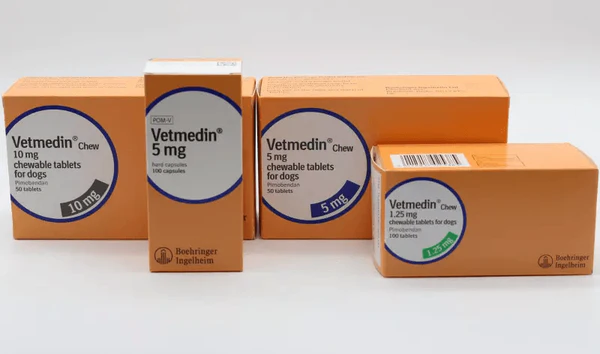
Conditions Treated With Vetmedin for Dogs
Vetmedin for Dogs is primarily prescribed for dogs suffering from specific heart conditions that reduce the heart's ability to circulate blood efficiently. The most common indication is degenerative mitral valve disease (DMVD), a condition in which the mitral valve gradually deteriorates and allows blood to leak backward within the heart.
Another major use of Vetmedin for Dogs is the management of dilated cardiomyopathy (DCM). In this disease, the heart muscle becomes weakened and enlarged, making it difficult to pump blood effectively throughout the body.
Veterinarians may prescribe Vetmedin for Dogs in the following situations:
Degenerative mitral valve disease (DMVD)
Dilated cardiomyopathy (DCM)
Congestive heart failure associated with these conditions
Certain preclinical heart disease cases before heart failure develops
The medication is often used alongside other cardiac medications, dietary management, and regular monitoring to achieve the best possible outcome.
Heart Disease Cycle and Why Vetmedin for Dogs Is Needed
Heart disease in dogs often progresses slowly over months or years. As the heart becomes less efficient, the body attempts to compensate by activating hormonal and circulatory mechanisms designed to maintain blood flow. While these responses may help initially, they can eventually place additional strain on the heart.
As the disease advances, affected dogs may develop:
Reduced exercise tolerance
Persistent coughing
Rapid or difficult breathing
Fluid accumulation in the lungs or abdomen
Vetmedin for Dogs helps interrupt this cycle by improving the heart's pumping ability and reducing the resistance against which the heart must work. This allows oxygen-rich blood to reach tissues more effectively while decreasing cardiac stress.
Early intervention with Vetmedin for Dogs has been shown to delay the progression of some forms of heart disease and can significantly improve both quality of life and overall survival time in many canine patients.
Cost of Vetmedin for Dogs in the US and Europe
The cost of Vetmedin for Dogs varies depending on the tablet strength, the dog's body weight, treatment duration, and the country in which the medication is purchased. Larger dogs generally require higher doses, resulting in higher monthly treatment costs.
Region | Approximate Monthly Cost |
$40–$180 USD | |
€35–€160 EUR | |
£30–£140 GBP |
Several factors can influence the final price, including veterinary consultation fees, follow-up examinations, cardiac imaging, and additional medications prescribed alongside Vetmedin for Dogs.
Because heart disease often requires lifelong management, owners should consider the long-term financial commitment associated with treatment. Many veterinarians recommend regular monitoring to ensure the medication remains effective and appropriately dosed.
How to Give Vetmedin for Dogs Step by Step
Vetmedin for Dogs should only be administered according to veterinary instructions. Proper administration helps maximize effectiveness and supports long-term heart health.
Step 1: Confirm the Prescribed Dose
Always verify the correct tablet strength and dosage prescribed by your veterinarian. Never adjust the dose without professional guidance.
Step 2: Administer on an Empty Stomach
Vetmedin for Dogs is generally absorbed most effectively when given approximately one hour before feeding. Follow your veterinarian's specific recommendations if different instructions are provided.
Step 3: Give the Medication at Consistent Times
Most dogs receive Vetmedin twice daily. Maintaining a consistent schedule helps provide stable therapeutic effects throughout the day.
Step 4: Observe Your Dog After Administration
Monitor your dog for normal swallowing and watch for any unusual reactions such as vomiting, weakness, loss of appetite, or behavioral changes.
Step 5: Continue Treatment as Directed
Heart disease medications often require long-term or lifelong administration. Even if your dog appears clinically improved, treatment should not be discontinued without veterinary approval.
Regular veterinary examinations, chest radiographs, blood pressure assessments, and cardiac ultrasounds may be recommended to evaluate treatment effectiveness and disease progression.
Preparation Before Giving Vetmedin for Dogs
Before starting Vetmedin for Dogs, a veterinarian should confirm the diagnosis through a complete cardiac evaluation. Because pimobendan affects heart function and circulation, treatment should only begin after determining the underlying heart condition and its severity.
Common diagnostic procedures performed before treatment include:
Physical examination
Heart auscultation
Chest radiographs (X-rays)
Echocardiography (cardiac ultrasound)
Electrocardiography (ECG) when necessary
Blood pressure measurement
Routine blood testing
Owners should also inform the veterinarian about any medications, supplements, or existing medical conditions. Proper preparation helps reduce the risk of complications and allows a treatment plan tailored to the individual dog.
Establishing a consistent medication routine before therapy begins can improve compliance and support long-term treatment success.

Dosage Frequency and Duration of Vetmedin for Dogs
The dosage of Vetmedin for Dogs is determined by a veterinarian based on body weight and the specific heart condition being treated. The medication is typically administered twice daily, approximately 12 hours apart.
Treatment Aspect | Recommendation |
Typical Administration Frequency | Twice daily |
Timing Between Doses | Approximately 12 hours |
Feeding Recommendation | Usually given about 1 hour before meals |
Dose Determination | Based on body weight and veterinary assessment |
Missed Dose | Contact a veterinarian if unsure; do not double the next dose |
Treatment Duration | Often long-term or lifelong |
Follow-Up Monitoring | Regular examinations and cardiac evaluations recommended |
Because heart disease is usually a chronic condition, Vetmedin for Dogs is commonly used throughout the dog's life. Regular veterinary monitoring helps assess treatment effectiveness and allows dosage adjustments if needed.
Owners should never change the prescribed dosage or discontinue treatment without veterinary guidance, even if clinical signs appear to improve.
Vetmedin for Dogs vs Other Heart Medications
Vetmedin for Dogs is often used alongside other cardiac medications rather than as a replacement. Each medication targets a different aspect of heart disease, and combination therapy is common in dogs with congestive heart failure.
Medication | Main Purpose | Typical Use |
Vetmedin (Pimobendan) | Improves heart contractions and dilates blood vessels | DMVD, DCM, congestive heart failure |
Furosemide | Removes excess fluid from the body | Pulmonary edema and fluid accumulation |
Enalapril | Reduces blood pressure and cardiac workload | Chronic heart disease management |
Benazepril | ACE inhibitor that supports circulation | Heart failure and hypertension |
Spironolactone | Helps control fluid retention and hormonal effects | Advanced heart disease cases |
Digoxin | Helps control certain arrhythmias | Selected cardiac rhythm disorders |
The ideal treatment plan depends on the dog's diagnosis, disease stage, and overall health status. Many patients receive Vetmedin together with one or more additional medications to achieve optimal cardiac support.
Safety Considerations When Using Vetmedin for Dogs
Vetmedin for Dogs is generally considered safe when used according to veterinary instructions. However, like any prescription medication, it should be administered carefully and under professional supervision.
Important safety considerations include:
Use only under veterinary guidance.
Follow the prescribed dosage exactly.
Do not discontinue treatment abruptly.
Attend all recommended follow-up examinations.
Inform the veterinarian about all other medications and supplements.
Store the medication according to the manufacturer's recommendations.
Keep tablets out of reach of children and pets.
Dogs receiving Vetmedin for Dogs should be monitored regularly for changes in breathing rate, activity level, appetite, and overall comfort. Any sudden worsening of symptoms should be reported to a veterinarian promptly.
Routine cardiac evaluations can help identify disease progression and ensure that treatment continues to provide the intended benefits.
Side Effects and Possible Reactions to Vetmedin for Dogs
Most dogs tolerate Vetmedin for Dogs very well, and serious adverse reactions are considered uncommon. However, as with any medication, side effects may occasionally occur and should be monitored throughout treatment.
Potential side effects include:
Possible Side Effect | Description |
Reduced interest in food or treats | |
Occasional stomach upset after administration | |
Mild digestive disturbances may occur | |
Temporary decrease in energy levels | |
Weakness | May be noticed in some sensitive patients |
Increased Heart Rate | Rarely observed in certain dogs |
Coordination Changes | Uncommon but should be reported immediately |
Owners should contact their veterinarian if side effects persist, worsen, or are accompanied by difficulty breathing, collapse, severe weakness, or other concerning symptoms.
Regular follow-up examinations help ensure that Vetmedin for Dogs remains both safe and effective throughout treatment.
Using Vetmedin for Dogs in Puppies, Pregnant and Nursing Dogs
The use of Vetmedin for Dogs in puppies, pregnant dogs, and nursing dogs should be approached cautiously. Safety data in these groups is more limited compared to adult dogs with naturally occurring heart disease.
Patient Group | Considerations |
Use only when specifically recommended by a veterinarian | |
Risk-benefit assessment should be performed before treatment | |
Nursing Dogs | Veterinary supervision is recommended |
Breeding Dogs | Treatment decisions should be individualized |
Because heart disease can present unique challenges in these patients, veterinarians will evaluate factors such as disease severity, expected benefits, potential risks, and alternative treatment options before prescribing Vetmedin.
Owners should never administer Vetmedin for Dogs to pregnant, nursing, or very young animals without explicit veterinary guidance.
When Veterinary Supervision Is Essential During Vetmedin for Dogs Treatment
Regular veterinary supervision is an important part of successful treatment with Vetmedin for Dogs. Although many dogs remain stable for long periods, heart disease is typically progressive and requires ongoing monitoring.
Veterinary attention is especially important in the following situations:
Newly diagnosed heart disease
Worsening coughing or breathing difficulties
Reduced exercise tolerance
Loss of appetite or weight loss
Fainting episodes or collapse
Development of abnormal heart rhythms
Changes in other medications or medical conditions
Routine recheck examinations allow veterinarians to assess treatment effectiveness and identify potential complications before they become serious. Depending on the condition, follow-up visits may include physical examinations, chest radiographs, blood pressure measurements, ECG testing, or echocardiography.
Prompt veterinary evaluation can significantly improve long-term outcomes in dogs with heart disease.
Monitoring and Follow-Up Care During Vetmedin for Dogs Therapy
Successful long-term management involves more than simply administering medication. Owners play an important role in monitoring their dog's condition and recognizing changes that may indicate disease progression.
Monitoring Area | What to Watch For |
Increased resting respiratory rate or labored breathing | |
Coughing | More frequent or worsening cough |
Energy Level | Reduced activity, exercise intolerance, fatigue |
Appetite | Decreased food intake or unexplained weight loss |
Gradual weight changes over time | |
Fluid Accumulation | Abdominal enlargement or swelling |
Medication Response | Improvement or worsening of clinical signs |
Many veterinarians recommend keeping a simple log of respiratory rate, appetite, activity level, and medication administration. This information can be valuable during follow-up appointments and may help identify subtle changes earlier.
With consistent monitoring, regular veterinary evaluations, and appropriate treatment, many dogs receiving Vetmedin for Dogs can maintain a good quality of life for extended periods despite underlying heart disease.
Frequently Asked Questions About Vetmedin for Dogs
Is Vetmedin for Dogs a cure for heart disease?
No. Vetmedin for Dogs does not cure heart disease. It helps the heart work more efficiently, reduces the workload on the cardiovascular system, and may improve both quality of life and survival time in dogs with certain heart conditions.
How long can a dog live while taking Vetmedin for Dogs?
Life expectancy varies depending on the type and severity of heart disease, the dog's age, and overall health. Many dogs receiving Vetmedin for Dogs can live months or even years longer when treatment is started appropriately and combined with regular veterinary care.
How quickly does Vetmedin for Dogs start working?
Vetmedin begins affecting heart function relatively quickly after administration. However, noticeable improvements in breathing, energy levels, or exercise tolerance may take several days to a few weeks depending on the individual patient.
Should Vetmedin for Dogs be given with food?
Vetmedin for Dogs is generally recommended to be given on an empty stomach, approximately one hour before meals. This may help improve absorption and effectiveness. Always follow your veterinarian's specific instructions.
What happens if I miss a dose of Vetmedin for Dogs?
If a dose is missed, contact your veterinarian for guidance. In most cases, owners should not double the next dose. Maintaining a consistent dosing schedule is important for effective heart disease management.
Can Vetmedin for Dogs be given together with other medications?
Yes. Vetmedin for Dogs is frequently prescribed alongside medications such as furosemide, spironolactone, enalapril, or benazepril. The exact combination depends on the dog's diagnosis and stage of heart disease.
Can Vetmedin for Dogs cause side effects?
Most dogs tolerate the medication well. Mild digestive upset, vomiting, diarrhea, reduced appetite, or lethargy may occur in some patients. Serious side effects are uncommon but should be evaluated by a veterinarian immediately.
Can Vetmedin for Dogs be used in all heart diseases?
No. Vetmedin for Dogs is primarily approved for specific conditions such as degenerative mitral valve disease (DMVD) and dilated cardiomyopathy (DCM). It may not be appropriate for every cardiac condition.
Does Vetmedin for Dogs improve quality of life?
Yes. Many dogs experience improved activity levels, reduced coughing, easier breathing, and greater comfort after beginning treatment. The degree of improvement varies between patients.
Can Vetmedin for Dogs be used for life?
In many cases, yes. Heart disease is often a lifelong condition, and Vetmedin for Dogs may be prescribed for long-term use. Regular veterinary monitoring is important throughout treatment.
How often should dogs taking Vetmedin for Dogs be rechecked?
The frequency of rechecks depends on disease severity and clinical stability. Many veterinarians recommend examinations every few months, with additional testing when necessary.
Is Vetmedin for Dogs safe for senior dogs?
Yes. In fact, many patients receiving Vetmedin for Dogs are senior dogs. Age alone does not prevent treatment, although older dogs may require closer monitoring and additional health assessments.
Can Vetmedin for Dogs be stopped if my dog seems better?
No. Improvement often occurs because the medication is working effectively. Discontinuing treatment without veterinary guidance can result in worsening clinical signs and disease progression.
What signs suggest that Vetmedin for Dogs may no longer be controlling heart disease effectively?
Increasing cough, faster breathing, exercise intolerance, reduced appetite, weakness, fainting episodes, abdominal enlargement, or worsening fatigue may indicate disease progression and should prompt veterinary evaluation.
Is Vetmedin for Dogs one of the most commonly prescribed heart medications for dogs?
Yes. Pimobendan, marketed as Vetmedin for Dogs, is considered one of the most widely used and important medications in the management of canine congestive heart failure and certain other cardiac diseases.
Keywords
vetmedin for dogs, pimobendan for dogs, dog heart medication, congestive heart failure in dogs, mitral valve disease in dogs
Sources
Source | Link |
U.S. Food and Drug Administration (FDA) – Vetmedin | |
European Medicines Agency (EMA) | |
Merck Veterinary Manual | |
American College of Veterinary Internal Medicine (ACVIM) | |
Boehringer Ingelheim Animal Health | |
Mersin VetLife Veterinary Clinic |