
Spaying Female Dogs (Ovariohysterectomy/OVH) – Guide

What Is Spaying (Ovariohysterectomy/OVH)?
Spaying, also known as ovariohysterectomy (OVH), is a common and highly recommended surgical procedure performed to sterilize female dogs. It involves the complete removal of both ovaries and the uterus, thereby eliminating the animal’s ability to reproduce and greatly reducing hormone-driven behaviors and diseases associated with the reproductive system.
In some regions or clinics, only the ovaries are removed through a simpler variant called ovariectomy (OVE). While both methods prevent heat cycles and pregnancy, OVH provides broader protection against uterine diseases such as pyometra (uterine infection) and uterine tumors.
The main objective of spaying is to prevent unwanted pregnancies, reduce the risk of reproductive diseases, and improve long-term health outcomes. When performed under proper anesthesia and surgical protocols, it is a safe and routine procedure with a low complication rate. Most dogs return to normal activity within 10–14 days following surgery, provided that postoperative care instructions are followed correctly.
Spaying is also a key part of responsible pet ownership. By sterilizing female dogs, owners contribute to reducing stray dog populations, which in turn decreases the number of animals that end up in shelters or face euthanasia. In many developed countries, this procedure is not only a health decision but also a public welfare measure encouraged by veterinarians and animal welfare organizations.
Modern veterinary medicine offers advanced anesthesia, sterile environments, and pain management protocols, ensuring minimal discomfort during and after surgery. The use of inhalation (gas) anesthesia and modern monitoring systems allows for safe and precise control of the dog’s vital parameters throughout the operation.
Ultimately, spaying is a preventive measure that enhances both the quality and longevity of life in female dogs while promoting a healthier and more balanced canine population overall.
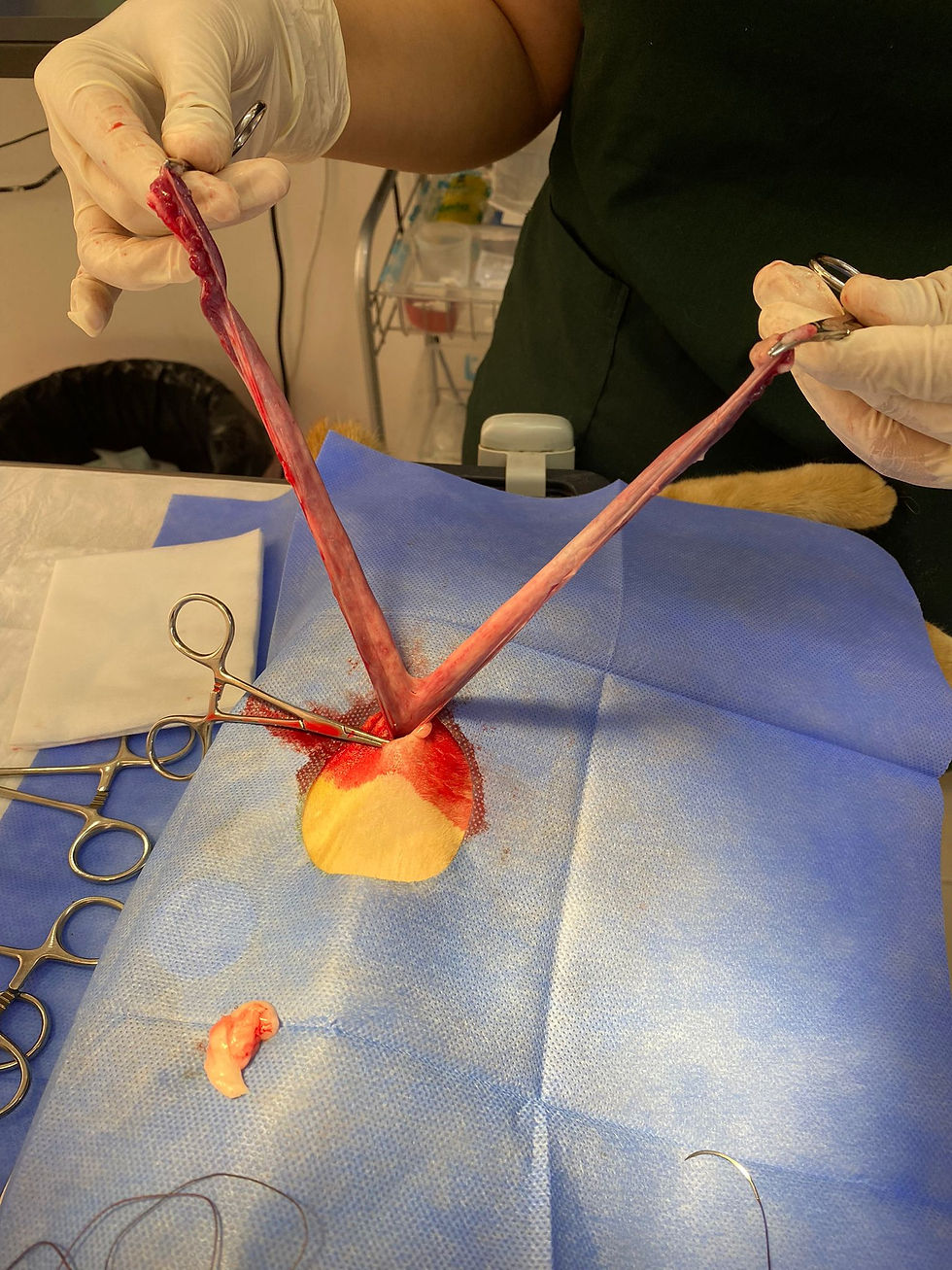
Why Spaying Is Important for Female Dogs
Spaying plays a crucial role in maintaining the overall health, safety, and well-being of female dogs. Beyond the prevention of unwanted litters, the surgery has significant medical and behavioral benefits that directly influence a dog’s quality of life.
From a medical perspective, spaying dramatically reduces the risk of developing life-threatening reproductive diseases. One of the most serious of these is pyometra, a severe uterine infection that can rapidly lead to sepsis and death if untreated. By removing the uterus entirely, the risk of pyometra is completely eliminated. Additionally, early spaying — ideally before the first or second heat cycle — reduces the risk of mammary (breast) tumors by up to 90%, a benefit supported by decades of veterinary research.
Hormonal regulation is another major factor. When the ovaries are removed, estrogen and progesterone levels stabilize, preventing hormonally driven conditions such as false pregnancies, cystic endometrial hyperplasia, and certain behavioral fluctuations associated with the heat cycle.
From a behavioral standpoint, spayed females are less likely to experience mood changes, anxiety, or roaming tendencies. During heat cycles, unspayed females release pheromones that attract male dogs from long distances, often resulting in aggression, escapes, or unwanted mating. Spaying eliminates these issues entirely, making management at home and in public spaces far easier.
Moreover, spaying has important public health and community benefits. In regions with large stray populations, reducing the number of breeding females helps control the spread of infectious diseases such as canine distemper, parvovirus, and rabies. Many municipalities also require sterilization as part of responsible ownership regulations or provide incentives for owners who choose to spay their dogs.
When considered from all perspectives — medical, behavioral, and societal — spaying represents one of the most beneficial procedures a pet owner can authorize. It’s a simple, one-time intervention that leads to a lifetime of health and safety advantages, both for the dog and the broader community.
Health Benefits of Spaying Female Dogs
Spaying offers a wide range of medical, behavioral, and preventive health benefits that extend throughout a female dog’s life. While the most obvious benefit is preventing pregnancy, the true value of the procedure lies in its ability to protect dogs from potentially fatal reproductive and hormone-related diseases.
1. Prevention of Pyometra and Uterine Diseases
One of the most life-saving advantages of spaying is the complete prevention of pyometra, a bacterial infection of the uterus that can occur in unspayed females, especially as they age. Pyometra causes pus accumulation in the uterus, leading to sepsis, kidney failure, or death if untreated. By removing the uterus and ovaries, spaying eliminates the organ where such infections originate.
2. Reduced Risk of Mammary Tumors
Female dogs that are spayed before their first or second heat cycle have a significantly lower risk of developing mammary gland (breast) cancer. Studies have shown that the risk drops from nearly 25% to less than 1% when spaying is performed early. Mammary tumors in dogs are often malignant, so this preventive effect is critical to long-term health.
3. Elimination of Ovarian and Uterine Tumors
By removing the ovaries and uterus, spaying prevents ovarian cysts, uterine polyps, and reproductive tract tumors entirely. These conditions can be silent for years and may only be detected once the disease has progressed, making preventive surgery the safest option.
4. Stabilization of Hormones and Improved Metabolism
Spaying helps stabilize hormone levels, preventing hormonal imbalances that can contribute to false pregnancies, mood changes, and appetite fluctuations. Many spayed dogs maintain a more predictable and stable metabolism, especially when combined with proper diet and exercise management.
5. Behavioral Benefits
After spaying, female dogs no longer experience heat cycles, meaning they will not exhibit hormonal behaviors such as restlessness, vocalization, or roaming. This leads to calmer, more predictable behavior patterns, making household management much easier.
6. Longer Life Expectancy
According to multiple veterinary studies, spayed female dogs live 1–3 years longer on average than unspayed females. The reduction in reproductive cancers, infections, and trauma-related risks (like escaping during heat) all contribute to longer and healthier lives.
Ultimately, spaying provides not just disease prevention but also a foundation for long-term wellness and behavioral stability. It is considered one of the single most important preventive measures in modern veterinary medicine.
When Is the Best Age to Spay a Female Dog?
The optimal age for spaying can vary depending on breed, size, and overall health, but most veterinarians recommend performing the procedure before the first or second heat cycle — typically between 6 and 12 months of age for most dogs.
Early Spaying (Before First Heat)
Spaying before the first heat cycle provides the maximum health protection, particularly against mammary tumors and pyometra. Hormonal exposure during heat cycles is directly linked to breast tissue development, which increases cancer risk later in life. Early spaying nearly eliminates this risk.
For small and medium-sized breeds, early spaying (around 6 months) is generally ideal. At this age, the body is mature enough to handle anesthesia and surgery safely, yet early enough to prevent hormonal influence on the reproductive organs.
Spaying After Maturity (After First or Second Heat)
In larger breeds such as Labradors, Golden Retrievers, and German Shepherds, veterinarians sometimes recommend waiting until 12–18 months of age, allowing bones and joints to mature under the influence of natural hormones. This approach helps reduce the risk of orthopedic issues, such as hip dysplasia or cruciate ligament injury, which may be slightly more common in large-breed dogs spayed too early.
Adult or Senior Dogs
Even if a dog is older or has already gone through several heat cycles, spaying can still offer substantial health benefits. Senior dogs can safely undergo the procedure with modern gas anesthesia and careful pre-surgical blood analysis, although the benefits shift more toward preventing pyometra and uterine tumors rather than reproductive control.
Key Considerations Before Surgery
Before scheduling the operation, the veterinarian will typically perform a physical examination, blood work, and sometimes imaging tests to assess organ health and anesthetic safety. Dogs in heat are usually not spayed immediately, as the uterus becomes more vascular and prone to bleeding — instead, the procedure is delayed by 4–6 weeks after the cycle ends.
In summary, while the best timing may differ by individual case, spaying before the first or second heat remains the gold standard for maximizing health and longevity benefits, provided it’s done under safe anesthetic conditions.
Pre-Surgical Preparation and Veterinary Assessment
Before any surgical procedure, proper pre-surgical preparation and assessment are essential to ensure the safety and success of the operation. Spaying is a routine procedure, but like all surgeries involving anesthesia, it requires careful planning and individualized evaluation.
1. Veterinary Consultation and Medical History
The process begins with a comprehensive veterinary examination. The veterinarian reviews the dog’s age, breed, weight, reproductive history, and any previous illnesses or surgeries. A detailed medical history helps identify risk factors such as allergies, heart conditions, or endocrine disorders that might affect anesthesia or wound healing.
Dogs that have recently been in heat or are pregnant are generally not spayed immediately, as the reproductive organs are more vascular, increasing bleeding risk. The veterinarian will usually advise waiting 4–8 weeks after a heat cycle before scheduling surgery.
2. Pre-Anesthetic Blood Tests
Bloodwork is an essential part of pre-surgical preparation. It includes a complete blood count (CBC) and biochemical profile to evaluate organ function, especially the liver and kidneys, which process anesthetic drugs. These tests help detect hidden health issues such as anemia, infection, or metabolic imbalances, allowing the veterinarian to adjust the anesthesia plan or delay surgery if needed.
3. Fasting and Hydration Protocol
Dogs are usually fasted for 8–12 hours before surgery to reduce the risk of vomiting or aspiration during anesthesia. However, water is typically allowed up to 2 hours before the procedure to prevent dehydration. Puppies or small-breed dogs may require shorter fasting times due to their higher metabolic rates.
4. Pre-Operative Sedation and IV Access
Prior to anesthesia, the dog receives a sedative and pain-relief injection to minimize stress and ensure smooth induction. An intravenous (IV) catheter is then placed to deliver fluids and medications directly into the bloodstream. This helps maintain stable blood pressure and hydration throughout surgery.
5. Anesthesia and Monitoring Preparation
Modern veterinary clinics use gas anesthesia systems (isoflurane or sevoflurane) combined with advanced monitoring equipment that tracks heart rate, blood pressure, oxygen saturation, and temperature. The dog is carefully shaved and sterilized at the surgical site to maintain aseptic conditions.
6. Owner Responsibilities Before Surgery
Owners should provide accurate information about any current medications or supplements, as some can interfere with anesthesia or blood clotting. It’s also important to ensure that the dog is free from fleas, ticks, or external parasites before the operation, as these can increase infection risk.
Proper pre-surgical assessment and preparation not only improve surgical safety but also ensure smoother recovery and minimal complications after the procedure.
Step-by-Step Spaying Procedure (Ovariohysterectomy Explained)
The spaying procedure, or ovariohysterectomy (OVH), is performed under full anesthesia and follows a precise, sterile protocol. The surgery generally takes 30 to 60 minutes, depending on the dog’s size, body condition, and reproductive status.
1. Anesthesia Induction and Positioning
Once the dog is anesthetized, she is positioned on her back on a sterile surgical table. The abdomen is shaved and disinfected thoroughly with antiseptic solution (usually chlorhexidine or povidone-iodine). The area is draped to maintain a sterile field.
2. Abdominal Incision
A small incision—typically 2 to 6 cm long, depending on the dog’s size—is made along the midline of the abdomen (linea alba). This location provides the best surgical access with minimal bleeding and faster healing.
3. Identification and Ligation of the Ovaries
The surgeon locates the ovaries near the kidneys, carefully isolating each ovary along with its blood vessels. These vessels are then securely ligated (tied off) using absorbable surgical sutures to prevent bleeding. Once ligated, the ovaries are removed.
4. Removal of the Uterus
After both ovaries are detached, the surgeon proceeds to remove the uterine horns and body, which are also tied off and excised near the cervix. This step eliminates all reproductive tissue, ensuring no future heat cycles or pregnancies can occur.
5. Inspection and Hemostasis
The surgeon inspects the surgical site for any signs of bleeding and ensures complete hemostasis. Any residual blood or fluid is gently cleaned using sterile gauze and suction if necessary.
6. Closing the Incision
The abdominal wall, subcutaneous tissue, and skin are closed in multiple layers using absorbable sutures internally and either absorbable or non-absorbable stitches externally. Some veterinarians use intradermal (buried) sutures, which do not require removal and offer a cleaner cosmetic result.
7. Post-Operative Pain Control and Monitoring
After the procedure, the dog is transferred to a recovery area, where she is kept warm and monitored for vital signs until she is fully awake. Pain management is maintained with injectable or oral analgesics, and antibiotics are often prescribed to prevent infection.
Modern OVH surgeries are typically minimally invasive, with many clinics offering laparoscopic (keyhole) spays, which use smaller incisions and lead to faster recovery. Regardless of technique, the procedure aims to be as safe, clean, and pain-free as possible, prioritizing both medical and emotional welfare. Post-Operative Care and Recovery Guidelines
Proper post-operative care is essential for ensuring a smooth, safe, and complication-free recovery after spaying. Even though spaying is a routine procedure, the first 10 to 14 days following surgery are critical for wound healing and overall health. Careful monitoring, rest, and hygiene during this period dramatically reduce the risk of infection or delayed healing.
1. Immediate Recovery (First 24 Hours)
After surgery, the dog will likely feel drowsy, disoriented, or slightly nauseous as the anesthesia wears off. It’s normal for her to be quiet, prefer lying down, or move slowly. Owners should provide a quiet, warm, and dimly lit environment free from loud noises or other pets.
Offer small amounts of water after 2–3 hours, and if tolerated, a light meal later that day.
Do not force food or water; appetite may take 12–24 hours to return.
Avoid stairs, jumping, or rough handling.
2. Wound Monitoring and Cleaning
Inspect the surgical incision twice daily for redness, swelling, or discharge. A small amount of bruising is normal, but significant bleeding, pus, or foul odor indicates infection.
The incision must remain dry and clean; no bathing or swimming for at least 10 days.
Use a surgical collar (E-collar) or inflatable recovery collar to prevent licking or chewing the stitches.
Never apply creams, alcohol, or disinfectants unless prescribed by the veterinarian — these may delay healing or irritate the tissue.
3. Pain Management and Medication
Pain control is crucial. Most veterinarians prescribe NSAIDs (non-steroidal anti-inflammatory drugs) for 3–5 days post-surgery. It’s vital to follow dosage instructions carefully — overdosing can cause serious side effects.Antibiotics may also be given to prevent post-surgical infections. If the dog vomits, refuses food, or seems unusually lethargic after medication, contact the vet immediately.
4. Activity Restriction
Restrict physical activity for at least 10 to 14 days. Even if the dog seems energetic, internal healing continues for several days after external stitches appear closed.
Walks should be short and leash-controlled.
Avoid running, jumping, or playing with other pets.
Use a crate or confined area when unsupervised to prevent excessive movement.
5. Suture Removal or Follow-Up Visit
Depending on the type of sutures used, a follow-up visit is scheduled around 10–14 days post-surgery. If non-absorbable sutures or staples were placed, they will be removed at this appointment. The vet will also check for any signs of infection or fluid accumulation under the skin.
6. Behavioral and Appetite Changes
Temporary loss of appetite, mild swelling, or fatigue is normal for the first 48 hours. However, contact your vet if you observe:
Continuous vomiting or diarrhea
Persistent swelling or bleeding
Fever, pale gums, or labored breathing
Signs of severe pain (crying, shaking, restlessness)
With proper care, most dogs fully recover within two weeks, regaining normal energy and appetite levels. Following veterinary guidance closely ensures a quick, complication-free recovery.
Possible Complications and How to Manage Them
Although spaying is a safe and routine surgery, complications can occasionally occur, particularly if post-operative care is neglected. Understanding potential problems and their early warning signs helps owners respond promptly and protect their dog’s health.
1. Surgical Site Infection
Infections are among the most common complications, usually caused by bacteria entering the wound through licking or poor hygiene. Symptoms include redness, swelling, heat, pus discharge, or foul odor.
Prevention: Keep the incision clean and dry; use an E-collar at all times.
Treatment: Veterinary cleaning, antibiotic therapy, and sometimes reopening the wound for drainage in severe cases.
2. Seroma Formation (Fluid Under the Skin)
A seroma is a pocket of clear fluid that may form under the incision, typically due to excessive movement or licking. It appears as a soft, painless swelling.
Prevention: Strict rest and limited activity.
Treatment: Small seromas often resolve naturally; larger ones may require drainage by a veterinarian.
3. Internal Bleeding or Hemorrhage
Although rare, bleeding inside the abdomen can occur if a blood vessel ligature loosens. Warning signs include pale gums, weakness, rapid breathing, or a swollen abdomen.
Action: This is a medical emergency requiring immediate veterinary attention.
4. Reaction to Anesthesia
Mild reactions such as grogginess or vomiting are common, but severe reactions like collapse or breathing difficulty are rare. Modern gas anesthesia systems minimize these risks, and pre-surgical blood testing further enhances safety.
5. Suture Reactions or Dehiscence (Opening of the Wound)
Some dogs experience mild irritation to internal sutures, leading to small nodules or inflammation. In more serious cases, the incision may open if the dog licks or moves excessively.
Prevention: Use protective collars and ensure minimal physical activity.
Treatment: Immediate veterinary evaluation; sometimes the wound requires re-stitching.
6. Hormonal or Metabolic Changes
After spaying, hormonal levels drop, slightly slowing metabolism. As a result, dogs may gain weight if calorie intake is not adjusted.
Prevention: Reduce daily food portions by 10–15% and increase controlled exercise once recovery is complete.
Note: Spaying does not make a dog “lazy” — weight gain results from reduced calorie needs, not hormonal imbalance alone.
7. Urinary Incontinence (Rare)
In some middle-aged, large-breed females, reduced estrogen levels can cause hormonal urinary incontinence, leading to occasional leakage during sleep.
Management: This condition is usually manageable with medication such as phenylpropanolamine or estrogen supplements under veterinary supervision.
Overall, the complication rate for spaying is very low, particularly in modern clinics using sterile techniques and gas anesthesia. Most issues can be avoided with proper care, observation, and quick veterinary response if abnormalities occur. Myths and Misconceptions About Spaying
Despite being one of the most common and beneficial surgical procedures in veterinary medicine, spaying is still surrounded by myths and misinformation. Many of these misconceptions come from outdated beliefs, anecdotal experiences, or confusion about how the procedure actually affects a female dog’s body and behavior. Understanding the facts helps owners make informed, confident decisions.
1. “A Female Dog Should Have One Litter Before Being Spayed.”
This is one of the most persistent myths in pet ownership. Scientifically, there is no health benefit to allowing a dog to have a litter before spaying. In fact, early spaying (before the first heat) dramatically reduces the risk of mammary cancer and eliminates the chance of life-threatening uterine infections (pyometra) later in life. Allowing a dog to go through pregnancy and lactation only increases physical strain without adding any protective benefit.
2. “Spaying Will Make My Dog Fat or Lazy.”
Weight gain after spaying is not caused by the surgery itself but by reduced calorie requirements and unchanged feeding habits. Once hormones are stabilized, metabolism slightly slows, meaning dogs need 10–15% fewer calories. If owners continue feeding the same portions as before surgery, weight gain may occur. Regular exercise and portion control prevent this completely.
3. “Spaying Changes a Dog’s Personality.”
Spaying does not alter a dog’s fundamental temperament or personality traits. Instead, it removes hormone-driven behaviors linked to heat cycles—such as restlessness, excessive vocalization, and attraction to males. Dogs typically become calmer, more focused, and easier to train afterward. Their unique personality remains the same, but their overall behavior becomes more stable.
4. “It’s a Cruel or Unnatural Procedure.”
Spaying is a humane and responsible medical intervention, not an act of cruelty. It prevents countless unwanted pregnancies that often result in neglect, abandonment, or euthanasia. In nature, overpopulation is limited by starvation and disease, but in human society, sterilization is the most ethical and controlled way to manage population health.
5. “Only Street Dogs Need to Be Spayed.”
Even household pets benefit enormously from spaying. Indoor dogs can still escape during heat, leading to accidental mating and serious risks such as injury or infection. Spaying provides medical protection as well as population control, making it equally vital for family pets.
6. “It’s Too Risky for My Dog.”
When performed by a qualified veterinarian under modern anesthesia, spaying is among the safest surgical procedures in small animal medicine. Complication rates are extremely low, and the long-term benefits far outweigh temporary surgical risks. Pre-surgical blood tests and careful monitoring further ensure safety.
Dispelling these myths is crucial for promoting responsible pet ownership. Modern veterinary science overwhelmingly supports spaying as a life-saving, preventive, and welfare-enhancing practice for female dogs worldwide.
Behavioral and Hormonal Changes After Spaying
After spaying, a dog’s hormonal balance changes significantly, but in ways that improve health and manageability rather than causing negative effects. Understanding these changes helps owners set realistic expectations for behavior and metabolism post-surgery.
1. Hormonal Adjustments
Spaying removes the ovaries, which are the primary sources of estrogen and progesterone. The absence of these hormones halts the estrous cycle (heat cycle) completely. Without cyclical hormone fluctuations, dogs no longer experience mood swings, false pregnancies, or attraction to males.
Over time, the body adapts to these new hormone levels, leading to more stable energy levels and emotions. Some dogs may exhibit temporary lethargy or appetite changes for a few weeks post-surgery, but these typically resolve as the body rebalances.
2. Reduction of Heat-Related Behaviors
Unspayed females typically go into heat twice a year, during which they display restlessness, marking, and strong attraction to males. After spaying, these behaviors disappear completely.
Roaming tendencies and attempts to escape are reduced.
Mounting behaviors or anxious whining cease.
Marking and bloody discharge associated with estrus no longer occur.
This behavioral stability is one of the main reasons spayed females are easier to manage in homes and multi-dog environments.
3. Calmer Temperament and Reduced Anxiety
Spayed females often become more affectionate, relaxed, and focused, especially in environments where other dogs are present. The removal of hormonal surges lowers territorial or mating-related stress. Dogs that were previously anxious or hyperactive during heat cycles often show notable improvement in mood consistency.
However, it’s important to note that spaying does not replace training or socialization. Undesirable behaviors learned through experience (e.g., barking, chewing, fear responses) must still be addressed with positive training techniques.
4. Metabolic and Appetite Changes
After spaying, metabolic rate slows slightly, meaning the dog burns fewer calories at rest. Appetite may temporarily increase due to hormonal shifts. Without dietary adjustment, this can lead to gradual weight gain over time. To prevent obesity:
Feed a calorie-controlled, high-protein diet.
Limit treats and adjust meal sizes post-surgery.
Maintain daily exercise, such as walking or controlled play sessions.
5. Long-Term Emotional and Social Stability
Once hormonal cycles are eliminated, many female dogs exhibit consistent behavior year-round, without the emotional fluctuations of the heat cycle. This stability enhances training outcomes, reduces aggression between females, and improves compatibility with other pets.
Overall, the hormonal and behavioral changes after spaying are predictable, manageable, and overwhelmingly positive. Dogs remain the same loving companions — only calmer, healthier, and less driven by reproductive instincts. Long-Term Health Outcomes and Life Expectancy
The long-term health benefits of spaying extend far beyond reproductive control — they profoundly influence a dog’s overall longevity, disease resistance, and quality of life. Scientific studies and decades of clinical data consistently show that spayed females live longer, healthier lives compared to unspayed ones.
1. Reduced Risk of Life-Threatening Diseases
Spaying completely prevents uterine infections (pyometra), a condition that affects nearly one in four unspayed females by middle age. Pyometra can develop silently but progress rapidly to sepsis and death if untreated. By eliminating the uterus, this fatal risk is removed for life.
Similarly, ovarian and uterine cancers cannot occur once these organs are removed. Mammary (breast) cancer — one of the most common malignancies in female dogs — is reduced by up to 90% when spaying occurs before the first or second heat. Early sterilization thus acts as a permanent cancer-prevention measure.
2. Stabilized Hormonal Health
Female dogs that remain intact experience continuous hormonal cycling, which can trigger false pregnancies, cystic endometrial hyperplasia, and hormonal skin problems. Spaying interrupts these cycles, providing hormonal stability and reducing the likelihood of endocrine-related disorders later in life.
3. Prevention of Reproductive Complications
Conditions such as uterine torsion, vaginal hyperplasia, and dystocia (difficult labor) are seen only in intact females. Spaying ensures that such emergency situations never occur, sparing both owner and dog from potential trauma and costly surgery.
4. Longer Lifespan Statistics
Large-scale epidemiological research indicates that spayed dogs live an average of 1.5 to 3 years longer than their intact counterparts. The difference stems primarily from decreased reproductive and infection-related deaths. Spayed females also face fewer risks of roaming and accidental injuries since the drive to seek mates disappears entirely.
5. Improved Senior Health
In later years, spayed dogs are less prone to hormone-driven diseases such as mammary tumors, uterine infections, and ovarian cysts. They also tend to maintain steadier body weight and bone density when properly exercised. Combined with balanced nutrition, this leads to a higher quality of life during senior years.
Ultimately, the data are overwhelming: spaying is not merely a preventive procedure — it is a life-extending medical intervention that promotes long-term vitality and well-being.
Cost of Spaying and Factors That Affect the Price
The cost of spaying can vary considerably depending on a range of medical, regional, and procedural factors. While many owners initially focus on price, it’s important to understand that cost differences often reflect the level of safety, technology, and post-operative care provided.
1. Average Price Range
In most regions, the cost of spaying ranges between $150 and $600 (USD).
Small clinics or shelters may offer subsidized programs closer to the lower end of this range.
Private veterinary hospitals with advanced facilities and monitoring systems tend to charge more but provide enhanced safety and comfort.
In Turkey and parts of Europe, prices may vary between ₺2,500 and ₺8,000, depending on clinic standards, anesthetic methods, and included medications.
2. Factors Influencing the Cost
a. Dog Size and Weight
Larger dogs require more anesthesia, surgical materials, and operating time. For example, spaying a 35 kg Labrador costs more than spaying a 6 kg Terrier due to increased drug and suture usage.
b. Age and Health Condition
Younger, healthy dogs usually undergo quicker, less complicated surgeries. Senior dogs or those with underlying illnesses (such as heart or kidney disease) need additional bloodwork, monitoring, and tailored anesthesia, which increases cost.
c. Type of Anesthesia Used
Clinics that employ modern gas anesthesia (isoflurane or sevoflurane) ensure safer, more controlled operations but at a slightly higher cost than injectable-only protocols. Gas anesthesia allows for precise oxygen and anesthetic balance, minimizing risk during surgery.
d. Surgical Technique (Traditional vs. Laparoscopic)
Laparoscopic spaying uses keyhole incisions and specialized equipment, resulting in less pain and faster recovery. However, this minimally invasive technique typically costs 30–50% more than traditional open surgery due to equipment and training expenses.
e. Post-Operative Care and Hospitalization
Some clinics include pain management, antibiotics, e-collars, and a short recovery stay in the base price, while others bill these separately. High-standard hospitals may also provide overnight observation, especially for large breeds or senior dogs.
f. Geographic Location and Clinic Reputation
Urban clinics with advanced diagnostic tools, emergency backup, and accredited surgical teams charge more than rural or low-volume facilities. However, the higher cost often reflects superior hygiene and patient safety standards.
3. Why Price Should Not Be the Only Factor
While low-cost programs are valuable for public health, owners should avoid choosing clinics solely based on price. The experience of the surgical team, the use of sterile equipment, and continuous anesthesia monitoring are far more critical than small differences in cost.
Choosing a trusted veterinary clinic ensures not just a successful surgery but also peace of mind knowing that your pet is receiving professional care, from anesthesia induction to full recovery. Comparing Ovariohysterectomy (OVH) vs Ovariectomy (OVE)
Both ovariohysterectomy (OVH) and ovariectomy (OVE) are surgical sterilization procedures designed to prevent reproduction in female dogs. While they share the same ultimate goal — eliminating heat cycles, preventing pregnancy, and reducing hormonal diseases — the surgical approach and scope differ slightly. Understanding these differences helps owners and veterinarians choose the most appropriate option based on medical needs and available technology.
1. Ovariohysterectomy (OVH)
In an ovariohysterectomy, both ovaries and the uterus are completely removed. This is the traditional and most commonly performed method, particularly in North America, Asia, and many parts of Europe.
Advantages of OVH:
Eliminates all uterine diseases: Since the uterus is removed, there is zero risk of pyometra, uterine tumors, or uterine infections.
Prevents hormonal fluctuations: The removal of both ovaries stops estrogen and progesterone production, preventing false pregnancies and reproductive cycle behaviors.
Suitable for all ages: OVH is often preferred for older dogs or those with a history of uterine infections, cysts, or tumors.
Disadvantages:
The procedure is slightly more invasive, as it involves a longer incision and more tissue handling.
Recovery may take a bit longer compared to OVE, though the difference is minor with modern surgical techniques.
2. Ovariectomy (OVE)
In an ovariectomy, only the ovaries are removed while the uterus remains intact. The rationale is that without ovaries, the uterus is hormonally inactive and cannot develop reproductive diseases. OVE is becoming increasingly popular in Western Europe due to its less invasive nature and faster recovery times.
Advantages of OVE:
Smaller incision and less surgical trauma, resulting in shorter anesthesia time and faster healing.
Lower post-operative discomfort and reduced risk of bleeding.
Ideal for young, healthy dogs without uterine abnormalities.
Disadvantages:
In rare cases, if residual ovarian tissue remains (incomplete removal), hormonal signs may persist — a condition called ovarian remnant syndrome.
Although the risk is very low, leaving the uterus theoretically allows for uterine disease if microscopic infection already existed before surgery.
3. Clinical Comparison and Outcomes
Multiple veterinary studies confirm that both procedures provide equal long-term protection against unwanted pregnancies and most reproductive disorders when performed correctly.
Surgical duration: OVE tends to be 15–20% faster.
Pain level: Slightly lower in OVE patients in the first 24 hours post-surgery.
Complication rates: Nearly identical when performed by skilled surgeons.
Longevity and cancer prevention: Both procedures equally reduce the risk of mammary tumors and completely eliminate ovarian diseases.
4. Which Procedure Is Right for Your Dog?
The best choice depends on the dog’s age, breed, reproductive history, and local veterinary expertise:
Young, healthy dogs: OVE offers a simpler, less invasive option.
Older dogs or those with uterine concerns: OVH provides full removal and greater long-term assurance.
Clinics equipped with laparoscopic tools: Laparoscopic OVE is often preferred due to its minimal incision and very rapid recovery.
In summary, both OVH and OVE are safe, effective, and humane sterilization options. The difference lies in surgical philosophy rather than outcome. What truly determines success is not which procedure is chosen, but the surgeon’s skill, anesthesia quality, and postoperative care. Frequently Asked Questions (FAQ) About Spaying Female Dogs
Is spaying painful for female dogs?
During the procedure, your dog is under full anesthesia, so she does not feel any pain. After surgery, mild discomfort or tenderness is expected for 24–48 hours, similar to human abdominal surgery. Veterinarians provide pain-relief medications such as NSAIDs to minimize post-operative pain. With proper care, most dogs resume normal activity within 10 to 14 days. Rest, warmth, and limited movement are essential for ensuring complete comfort during recovery.
What is the best age to spay a female dog?
Most veterinarians recommend spaying between 6 and 12 months of age, ideally before the first heat cycle. Early spaying offers the greatest protection against mammary tumors and uterine infections. However, large-breed dogs may benefit from waiting until 12–18 months to allow for joint and bone maturity. Senior dogs can also be safely spayed if pre-anesthetic blood tests confirm good health.
How long does the spaying surgery take?
The spay surgery typically lasts 30 to 60 minutes, depending on the dog’s size, anatomy, and reproductive condition. Laparoscopic (keyhole) techniques may reduce surgical time and recovery length. Additional time is spent on anesthesia induction, monitoring, and post-operative observation to ensure stability before discharge.
How long is the recovery period after spaying?
Most dogs fully recover within 10 to 14 days. During this time, activity should be restricted to short, controlled walks. The incision site should be checked daily for swelling or redness. Dogs should not jump, run, or bathe until the vet confirms proper healing. Using an E-collar helps prevent licking or chewing the stitches.
Can my dog eat or drink after the surgery?
Yes, but slowly. Small amounts of water can be offered 2–3 hours after returning home. A light meal can follow later in the day, depending on your vet’s advice. Avoid heavy or oily food for 24 hours. If vomiting occurs more than twice, contact your veterinarian. Appetite generally returns to normal within 24 hours.
Will my dog gain weight after being spayed?
Weight gain after spaying is common only when diet and exercise remain unchanged. Because metabolism slows slightly after the procedure, calorie requirements drop by about 10–15%. Adjusting food portions and ensuring daily walks or playtime easily prevent weight gain. Spaying itself does not make dogs fat or lazy.
Does spaying affect my dog’s personality?
Spaying does not change your dog’s core personality — it simply removes hormone-driven behaviors. After surgery, many dogs become calmer and more focused since they no longer experience heat-related anxiety or mood swings. They remain just as affectionate and loyal as before, often showing improved trainability.
Can spaying help prevent cancer?
Yes. Spaying significantly reduces or completely eliminates several reproductive cancers. When done before the first heat, the risk of mammary tumors drops by up to 90%, and uterine and ovarian cancers are completely prevented. It is one of the most effective cancer-prevention strategies in veterinary medicine.
What is the difference between OVH and OVE?
Ovariohysterectomy (OVH) removes both ovaries and the uterus, while ovariectomy (OVE) removes only the ovaries. Both procedures prevent pregnancy and heat cycles. OVH offers full uterine disease protection, while OVE is less invasive and has a quicker recovery. The long-term outcomes are equally effective when performed correctly.
Is spaying safe for older dogs?
Yes, with proper pre-surgical evaluation. Older dogs may face slightly higher anesthetic risks, but modern gas anesthesia and advanced monitoring minimize complications. Blood tests and physical exams are essential before surgery. Spaying still provides valuable protection against pyometra and uterine tumors, even in senior dogs.
How can I tell if my dog is in pain after surgery?
Signs of pain include whining, trembling, reluctance to move, loss of appetite, or licking the surgical site. Your vet may prescribe additional pain relief if these signs persist. Never give human painkillers, as many are toxic to dogs. If you suspect significant pain, always contact your veterinarian.
Can my dog go into heat after being spayed?
No. Once the ovaries are removed, the reproductive hormones responsible for heat cycles (estrogen and progesterone) are no longer produced. Your dog will not experience swelling, bleeding, or behavioral changes associated with being in heat.
What are the risks of not spaying my female dog?
Unspayed females are at high risk for pyometra, a deadly uterine infection, and mammary gland cancer. They also face risks of accidental pregnancy and related complications like dystocia. Behavioral issues such as roaming and stress during heat cycles are also common.
Can my dog be spayed while in heat?
It’s not ideal. During heat, the uterus and ovaries become more vascular, increasing bleeding risk. Most veterinarians recommend waiting 4–6 weeks after the heat cycle ends before performing surgery. Emergency spaying may still be done if a health issue, like pyometra, develops.
What type of anesthesia is used for spaying?
Modern clinics use gas anesthesia (isoflurane or sevoflurane) combined with IV sedatives and oxygen monitoring. Gas anesthesia is safer because it allows real-time control of anesthesia depth and quick recovery once the surgery is over. It’s the standard of care in high-quality veterinary hospitals.
How do I clean my dog’s incision?
In most cases, you don’t need to clean it — just keep it dry and monitor for redness or swelling. Avoid alcohol, hydrogen peroxide, or creams unless prescribed. Prevent licking with an E-collar. Contact your vet if the incision becomes red, warm, or starts oozing.
Can spaying cause urinary incontinence?
In rare cases, yes — particularly in middle-aged, large-breed females. Hormonal changes may weaken the bladder sphincter, leading to mild leakage during sleep. This condition is treatable with medications such as phenylpropanolamine or estrogen supplements.
When can my dog resume normal activities?
After about two weeks, provided the incision has healed well. Your veterinarian will confirm at the follow-up visit. Start with short, gentle walks and gradually increase activity. Avoid strenuous exercise or jumping until cleared by your vet.
Does my dog need a follow-up visit after spaying?
Yes. A check-up is usually scheduled 10–14 days after surgery to ensure proper healing. If non-absorbable stitches were used, they’ll be removed at this visit. The vet will also assess pain level and check for complications like seromas or infection.
What happens if I don’t use an E-collar?
Without an E-collar, your dog may lick or bite the incision, leading to infection or wound opening. Even well-behaved dogs lick instinctively. Keeping the collar on for at least 10 days prevents serious post-operative issues and ensures proper healing.
Can spaying affect my dog’s lifespan?
Yes, positively. Research shows that spayed females live 1–3 years longer than unspayed dogs. The prevention of reproductive cancers, infections, and accidents during heat-related roaming all contribute to increased longevity and quality of life.
Is spaying reversible?
No. Spaying is a permanent sterilization procedure. Once the ovaries and uterus are removed, reproduction is no longer possible. Owners should be completely certain about their decision before scheduling surgery.
Will my dog need special food after spaying?
A balanced diet formulated for sterilized or adult dogs is ideal. These foods typically contain fewer calories and more fiber. Avoid overfeeding and maintain consistent meal times. Discuss dietary changes with your veterinarian for personalized guidance.
Can my dog stay overnight after surgery?
Many clinics discharge the dog the same day once she’s alert and stable. However, overnight observation is recommended for large breeds, senior dogs, or those with medical conditions. This allows continuous monitoring and immediate response to any complications.
Is spaying required by law in some areas?
Yes, in some regions or municipalities, sterilization is mandatory to control stray populations. Many shelters and adoption centers require pets to be spayed or neutered before adoption. Always check local regulations for specific requirements.
What should I do if my dog starts bleeding after surgery?
Minor bruising or a few drops of blood are normal. However, continuous bleeding, swelling, or foul-smelling discharge are signs of infection or internal bleeding. Seek immediate veterinary care — prompt treatment prevents serious complications.
Can my dog still develop cancer after being spayed?
While spaying eliminates uterine and ovarian cancers and reduces mammary cancer risk by up to 90%, other unrelated cancers (like skin or bone cancer) can still occur. Regular checkups, balanced nutrition, and exercise remain vital for lifelong cancer prevention. Sources
American Veterinary Medical Association (AVMA)
American Animal Hospital Association (AAHA)
World Small Animal Veterinary Association (WSAVA)
The Royal College of Veterinary Surgeons (RCVS)
Mersin Vetlife Veterinary Clinic – Haritada Aç: https://share.google/XPP6L1V6c1EnGP3Oc