
All About the Chow Chow (Dog Breed) – Everything You Need to Know

Origin and History of the Chow Chow Dog
The Chow Chow is one of the oldest and most distinctive dog breeds in the world, tracing its origins back thousands of years to northern China and Mongolia. This ancient breed is believed to date as far back as the Han Dynasty (206 BC – 220 AD), making it one of humanity’s earliest domesticated canine companions.
Historical artifacts, including pottery, sculptures, and written records, depict dogs remarkably similar to the modern Chow Chow, often shown accompanying emperors and aristocrats. These early representations suggest that the breed was highly valued not only for its utility but also as a symbol of dignity, loyalty, and power.
Ancient Role and Purpose
In its early days, the Chow Chow served multiple purposes in ancient Chinese society. It was used for hunting large game such as deer and pheasant, guarding temples and palaces, and even pulling sleds in the harsh northern climate. The breed’s strong, compact body and dense double coat made it perfectly suited for cold environments, while its courage and endurance made it a reliable working dog.
Beyond its functional roles, the Chow Chow was deeply ingrained in Chinese culture and symbolism. The breed’s imposing lion-like mane and noble demeanor gave rise to the nickname “Songshi Quan”, meaning “puffy-lion dog.” This association with the lion—a sacred creature in Chinese mythology—made the Chow Chow a popular guardian in temples, believed to ward off evil spirits and bring good fortune to its owners.
Cultural and Historical Influence
Over the centuries, the Chow Chow became a prestigious status symbol among the Chinese elite. The Tang Dynasty (618–907 AD) emperor Tang Taizong reportedly kept as many as 2,500 Chow Chows in his royal kennel, using them for hunting and ceremonial purposes. Ancient Chinese paintings and silk scrolls also depict noble families with their Chow Chows, reinforcing the breed’s reputation as a dog of aristocracy.
In addition to its cultural importance, the Chow Chow’s genetic lineage offers fascinating insights. Modern DNA studies confirm that the breed is one of the few “basal” dog breeds — meaning it shares a direct ancestral connection with the earliest domesticated dogs. This ancient genetic heritage explains many of its unique physical and behavioral traits that distinguish it from later-developed breeds.
Introduction to the Western World
The Chow Chow remained relatively unknown outside of China until the late 18th century when British merchants and explorers began trading with the East. The breed’s unusual appearance and dignified temperament quickly captured Western curiosity. When the first Chows were brought to England aboard merchant ships, they were often referred to as “Chinese Edible Dogs” — a reference to the unfortunate historical practice in some regions of using dogs as livestock.
However, their regal presence soon overshadowed this misconception. In 1820, the breed appeared in the London Zoological Gardens, where it was exhibited as an exotic animal from the Far East. By the late 19th century, Chow Chows had begun to enter English households, gaining immense popularity after Queen Victoria adopted one as a companion pet.
Recognition and Modern Development
The Chow Chow was officially recognized by the American Kennel Club (AKC) in 1903, marking its rise as a formal breed standard in Western canine registries. Breeders in both the United Kingdom and the United States began refining its physical features—particularly its distinctive blue-black tongue, dense coat, and scowling expression—turning it into the modern version known today.
Over time, selective breeding emphasized the Chow’s aesthetic and temperamental traits, transitioning it from a working and hunting dog into a prestigious companion animal. Despite this evolution, the Chow Chow has retained much of its independence, intelligence, and reserved dignity—hallmarks of its ancient heritage.
Today, the breed is recognized worldwide as a symbol of elegance, confidence, and loyalty, combining the mystique of ancient Chinese nobility with the devotion of a modern family pet. Its presence in art, culture, and popular media continues to pay tribute to its long and distinguished past, reminding us that the Chow Chow is not merely a pet, but a living piece of canine history.

Positive Traits of the Chow Chow Dog
The Chow Chow is often described as a breed of contrasts — calm yet alert, independent yet deeply loyal, aloof yet affectionate with those it trusts. These traits make the Chow a unique and fascinating companion for experienced dog owners who appreciate its regal and self-possessed nature.
Below is a detailed table summarizing the positive traits of the Chow Chow dog:
Trait | Description |
Loyalty and Devotion | The Chow Chow forms a strong, lifelong bond with its family. Once trust is earned, it becomes an exceptionally loyal companion that will guard and protect its loved ones without hesitation. |
Cleanliness | This breed is remarkably clean, often compared to cats in its grooming habits. Chow Chows naturally avoid dirt and rarely develop strong odors, making them one of the most hygienic dog breeds. |
Independence | The Chow Chow values personal space and autonomy. This trait makes it well-suited for owners who appreciate a calm, low-maintenance companion that doesn’t constantly demand attention. |
Quiet and Dignified Temperament | Unlike many breeds, the Chow Chow is not overly vocal. It rarely barks without reason and maintains a calm, composed demeanor even in stimulating environments. |
Protective Instinct | Its natural guarding instinct and alertness make it an excellent watchdog. The Chow Chow’s deep bark and imposing stance deter intruders effectively without unnecessary aggression. |
Loyal Family Guardian | The Chow Chow’s devotion extends particularly to one or two primary caregivers, forming a bond that is both emotional and protective. It thrives in stable households where routines are consistent. |
Adaptability to Climate | With its dense double coat, the breed is well-adapted to cold climates, remaining comfortable and active even in low temperatures. |
Low Odor and Shedding Control | While it sheds seasonally, the Chow Chow’s thick coat is easy to maintain with regular brushing, and it produces minimal odor compared to other large breeds. |
Intelligence and Problem Solving | Chow Chows are intelligent and capable of understanding complex commands when trained with patience and consistency. Their independent thinking makes them excellent learners under calm leadership. |
Elegant Appearance | With its leonine mane, broad head, and almond-shaped eyes, the Chow Chow exudes a sense of nobility and grace that has captivated admirers for centuries. |
Emotional and Behavioral Positives
Chow Chows possess a quiet confidence that inspires respect. They rarely act impulsively and often prefer to observe before engaging, a behavior reminiscent of their historical role as guardians. When socialized from a young age, they are gentle with children, patient with other pets, and affectionate toward family members.
Their composure and independence make them ideal for calm households, apartments, or owners who spend long hours working from home. Unlike highly energetic breeds, the Chow Chow does not require constant activity or excessive exercise to remain content — moderate walks and structured playtime are enough to keep it happy and healthy.
Bond with Owners
Despite their reputation for aloofness, Chow Chows form deep emotional attachments. They are not overly demonstrative but express affection subtly — by sitting nearby, leaning against their owner, or quietly following them from room to room. Once bonded, they are fiercely protective and will often position themselves strategically in the home to monitor and safeguard their family.
Temperament Balance
The Chow Chow’s combination of calm, dignity, and courage makes it an excellent companion for experienced owners who value respect over exuberance. It thrives under confident, consistent leadership and responds best to kindness and routine rather than forceful training methods.
In essence, the Chow Chow’s positive traits stem from its long history as a noble, intelligent, and self-reliant breed. It embodies balance — a perfect blend of loyal guardian and serene companion, making it one of the most unique and emotionally rewarding breeds for those who understand and appreciate its independent nature.
Negative Traits of the Chow Chow Dog
While the Chow Chow is admired for its regal beauty and steadfast loyalty, it is not a breed suited for everyone. Its strong-willed temperament, natural aloofness, and independent nature can pose challenges, especially for first-time dog owners. Understanding its potential difficulties is essential for maintaining a balanced relationship with this ancient and proud breed.
Below is a detailed table summarizing the negative traits of the Chow Chow dog:
Trait | Description |
Strong Independence | Chow Chows often prefer making their own decisions rather than following commands blindly. This independence can make training challenging without consistent, calm leadership. |
Aloofness with Strangers | The breed tends to be reserved and suspicious around unfamiliar people. Without early socialization, this trait can evolve into territorial or defensive behavior. |
Low Tolerance for Rough Handling | Chow Chows dislike being hugged, grabbed, or overly handled. This can make them less suitable for families with very young children who may not understand gentle interaction. |
Stubbornness | Due to their self-assured nature, Chow Chows may resist repetitive or forceful training techniques. They require patience, respect, and positive reinforcement rather than punishment. |
Aggression Toward Other Animals | Without proper socialization, Chow Chows can display dominance toward other dogs, particularly those of the same sex. Early exposure to various animals is essential. |
Heat Sensitivity | Their thick double coat, though protective in cold climates, can cause overheating in hot or humid environments if not properly managed. |
Limited Affection Expression | Unlike more demonstrative breeds, Chow Chows are not typically cuddly or playful. Some owners misinterpret this emotional restraint as coldness. |
Protectiveness that May Escalate | Their natural guarding instinct can become excessive if not managed with proper training and controlled exposure to social environments. |
High Grooming Requirements | Regular brushing (3–4 times per week) is mandatory to prevent matting, especially during shedding seasons. Neglecting coat care can lead to skin infections. |
Risk of Dominance Behavior | When not provided clear boundaries, the Chow Chow may attempt to assert authority over family members, becoming possessive of space or objects. |
Temperament Considerations
Chow Chows are dignified but demanding companions. They require owners who are confident, calm, and consistent in leadership. Harsh discipline or erratic environments can cause stress and make the dog more withdrawn or reactive.
Their intelligence often manifests as selective hearing — they understand commands but choose whether to follow them. This trait is not defiance but a reflection of their analytical, independent mindset inherited from centuries of autonomous work.
Socialization Challenges
Because of their strong territorial instincts, early and continuous socialization is critical. Puppies should be gently introduced to different people, pets, sounds, and settings from an early age. A well-socialized Chow Chow can coexist peacefully with other animals and display a calm, composed demeanor in public spaces.
Suitability for Owners
This breed is not ideal for first-time dog owners or those seeking an overly affectionate pet. It thrives under experienced handlers who appreciate its intelligence and autonomy. With proper understanding, the Chow Chow’s so-called “negative” traits become manageable quirks that add to its unique character.
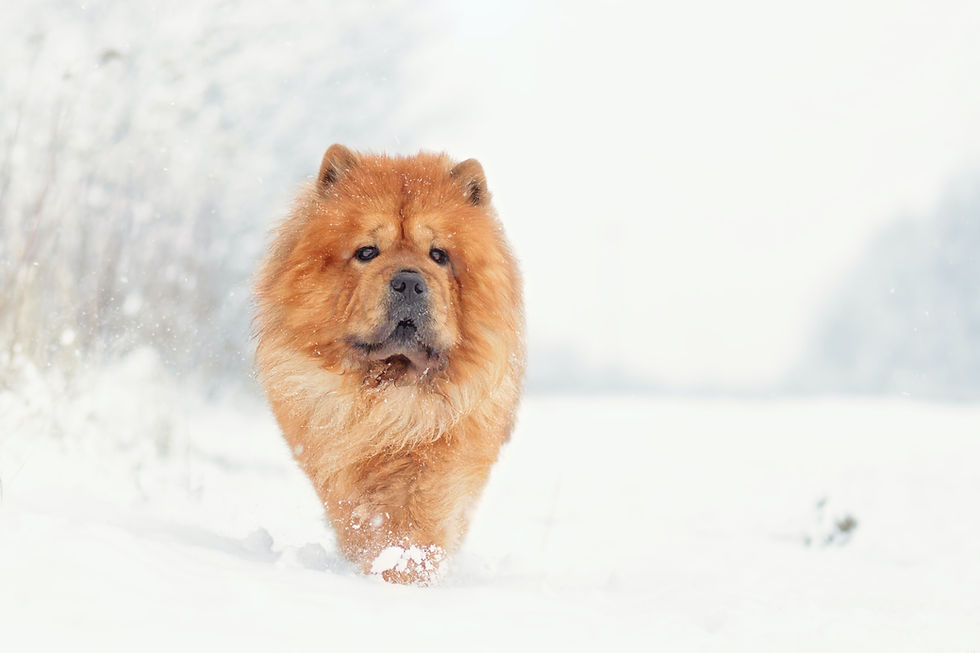
Physical Characteristics of the Chow Chow Dog
The Chow Chow is instantly recognizable for its majestic lion-like appearance, dense fur, and distinctive blue-black tongue. Every physical aspect of this breed conveys power, endurance, and elegance — traits refined through centuries of selective breeding.
General Appearance
The Chow Chow is a medium-to-large-sized dog with a square, compact body, broad head, and deep chest. Its unique combination of muscular build and abundant coat gives it a commanding yet graceful silhouette. Both the bone structure and coat density serve practical functions rooted in its northern origins, providing protection against cold weather and predators.
Characteristic | Description |
Height | 43–51 cm (17–20 inches) at the shoulder |
Weight | 20–32 kg (45–70 lbs), depending on gender and build |
Body Type | Compact, muscular, and square-proportioned — body length nearly equal to height |
Head | Broad and flat with a short muzzle; pronounced stop and strong jawline |
Ears | Small, triangular, and slightly rounded at the tips, carried erect and forward, giving a scowling expression |
Eyes | Deep-set, almond-shaped, and dark brown; contribute to the breed’s serious, noble look |
Tail | Set high and carried tightly curled over the back |
Tongue | Distinctive blue-black color, one of the Chow Chow’s hallmark features |
Coat Type | Two varieties: rough (long and dense) and smooth (shorter, plush coat) |
Colors | Red, black, blue, cinnamon, and cream; solid and uniform without markings |
The Coat: A Defining Feature
The Chow Chow’s luxurious coat is its most iconic trait. The rough-coated variety has a dense outer layer with a soft, woolly undercoat, forming a full mane around the neck that resembles a lion’s ruff. The smooth-coated variety, while rarer, has a velvety texture and requires less grooming.
The coat’s primary function is thermal insulation — essential for the breed’s survival in cold climates. In modern environments, however, it necessitates regular maintenance to prevent tangling, matting, and overheating.
Movement and Posture
The Chow Chow’s gait is short and stilted due to its straight hind legs, a characteristic that differentiates it from most other breeds. This structure gives it a proud, almost floating movement that mirrors its dignified personality.
Facial Expression
Perhaps the most defining aspect of the Chow Chow’s physical identity is its “scowling expression.” This look, resulting from its deep-set eyes and forward-tilted ears, is often mistaken for aggression but actually reflects the breed’s natural stoicism and alertness.
Health Implications of Structure
While its unique body structure contributes to its charm, it also predisposes the Chow Chow to certain orthopedic and dermatological issues (which will be detailed later in the “Common Diseases” section). Responsible breeding practices and proper care help ensure that these physical attributes remain aesthetic, not problematic.
In summary, the Chow Chow’s physical characteristics embody strength, grace, and ancient beauty. Every element — from its lion-like mane to its confident posture — tells the story of a breed shaped by nature’s harshest conditions and refined by human admiration into a timeless symbol of elegance and dignity.
Character and Behavior of the Chow Chow Dog
The Chow Chow is renowned for its dignified, loyal, and independent personality — a combination that makes it both intriguing and challenging. This breed’s temperament is deeply rooted in its ancient history as a working and guarding dog in northern China, where independence and self-control were essential for survival.
General Temperament
The Chow Chow is calm, intelligent, and highly self-assured. It moves with quiet confidence, often described as “cat-like” in its mannerisms — observing everything but reacting only when necessary. Unlike many dogs that crave constant human attention, the Chow Chow prefers to form a deep, selective bond with a few trusted individuals rather than showing affection indiscriminately.
It is not a clingy breed, but one that values mutual respect. Once a Chow Chow decides to trust someone, its devotion is unwavering. However, gaining that trust requires patience, consistency, and fairness.
Interaction with Family
With Owners: The Chow Chow forms an intense bond with its primary caregiver. It often follows them silently from room to room, not seeking cuddles but showing affection through quiet companionship.
With Children: While affectionate with family members, Chow Chows are better suited to homes with older children who understand boundaries. Their tolerance for rough play is limited.
With Strangers: The breed is naturally reserved and wary of unfamiliar people. Without proper socialization, this can manifest as aloofness or mild defensiveness. However, a well-socialized Chow Chow remains calm and observant, not aggressive.
Behavioral Traits
Protectiveness: Loyal and territorial by nature, the Chow Chow serves as an excellent guardian. It does not bark unnecessarily but will react immediately to perceived threats.
Independence: This breed prefers to act autonomously and does not rely heavily on its owner for validation. It can spend time alone without anxiety if provided with structure and clear expectations.
Sensitivity: Despite its proud demeanor, the Chow Chow is emotionally sensitive. Harsh correction or yelling can cause it to withdraw and lose trust.
Intelligence: Chow Chows are highly intelligent but use their intellect selectively. They excel in environments that emphasize routine, positive reinforcement, and respect.
Behavioral Challenges
Without early socialization, a Chow Chow may develop:
Overprotectiveness toward family members
Territorial aggression toward other dogs
Reluctance to obey commands from unfamiliar people
To avoid these issues, socialization must begin during puppyhood, exposing the dog to various sights, sounds, people, and pets in a positive manner.
Ideal Behavioral Management
Chow Chows thrive under structured leadership. They respond best to calm, confident owners who enforce rules with consistency but compassion. Training sessions should be short, engaging, and reward-based rather than repetitive or harsh.
In the right hands, the Chow Chow exhibits a balance of serenity, loyalty, and self-respect — qualities that make it one of the most sophisticated breeds in the canine world.
Common Diseases of the Chow Chow Dog
Like many purebred dogs, the Chow Chow is predisposed to certain health conditions due to its genetic background and physical structure. Responsible breeding, routine veterinary care, and proper nutrition can significantly reduce these risks.
Below is a comprehensive table outlining the most common diseases observed in the Chow Chow breed:
Disease | Description | Risk Level |
Hip Dysplasia | A hereditary condition where the hip joint fails to fit properly, causing pain and reduced mobility. Chow Chows have a higher predisposition due to their compact build and straight hind legs. | High |
Elbow Dysplasia | Similar to hip dysplasia but affecting the forelimbs, leading to stiffness, lameness, and arthritis. | Medium |
Entropion | An ocular condition where the eyelid rolls inward, causing eyelashes to rub against the cornea. This is common in Chow Chows due to their facial structure. | High |
Ectropion | The opposite of entropion; the eyelid droops outward, exposing the eye to dryness and infection. | Medium |
Patellar Luxation | The kneecap dislocates from its normal position, leading to intermittent limping or skipping. | Medium |
Hypothyroidism | An endocrine disorder caused by low thyroid hormone levels, resulting in lethargy, weight gain, and hair loss. | High |
Allergies and Dermatitis | Due to the thick coat, the Chow Chow is prone to skin irritation, fungal infections, and allergic reactions if not groomed properly. | High |
Bloat (Gastric Dilatation-Volvulus) | A life-threatening condition where the stomach twists, trapping gas. Requires immediate veterinary attention. | Medium |
Heatstroke | The dense double coat makes this breed vulnerable to overheating in hot climates, particularly during physical activity. | High |
Autoimmune Disorders | Some Chow Chows may develop autoimmune diseases affecting skin or joints due to genetic predisposition. | Medium |
Eye and Skin Health
The Chow Chow’s prominent head and deep-set eyes make it especially prone to entropion, which can cause chronic irritation or corneal ulcers if untreated. Regular veterinary check-ups and early surgical correction, if necessary, can prevent long-term damage.
Similarly, their dense double coat can trap moisture and bacteria, leading to hot spots or dermatitis. Routine grooming and airflow to the skin are essential preventive measures.
Joint and Mobility Concerns
Because of their straight hind legs and heavy body, Chow Chows are prone to joint stiffness, especially in old age. Maintaining a healthy weight, providing glucosamine supplements, and avoiding excessive jumping or running on hard surfaces help preserve joint health.
Endocrine and Metabolic Issues
Hypothyroidism is among the most frequently diagnosed chronic conditions in Chow Chows. It often manifests as dull coat, lethargy, and unexplained weight gain. Regular blood tests after middle age can detect the condition early, allowing effective hormone replacement therapy.
Preventive Health Care
To minimize health risks, owners should follow a structured preventive routine:
Annual veterinary check-ups with complete blood and thyroid profiles
Regular eye examinations
Weekly coat brushing and monthly deep grooming
Controlled diet with appropriate protein and omega-3 fatty acids
Avoiding exposure to excessive heat and humidity
Lifespan and Quality of Life
With proper care, a Chow Chow typically lives between 9 and 15 years. Ensuring early detection of genetic issues and maintaining an ideal weight greatly contribute to longevity.
In conclusion, while the Chow Chow is predisposed to certain diseases, these risks can be effectively managed through proactive health monitoring, responsible breeding, and a balanced lifestyle. When well cared for, the breed enjoys a long, dignified, and fulfilling life.
Intelligence and Training of the Chow Chow Dog
The Chow Chow is often misunderstood when it comes to intelligence. While it may not display obedience in the same way as highly trainable breeds like Border Collies or German Shepherds, the Chow Chow possesses a distinct type of intelligence — independent, analytical, and self-reliant. This mindset, inherited from its ancient origins as a hunting and guarding breed, makes it capable of problem-solving and decision-making but also resistant to repetitive or force-based training.
Understanding Chow Chow Intelligence
Chow Chows are strategic thinkers. They observe before they act, analyze before they obey, and often decide whether a command is worth following. This is not stubbornness, but rather a reflection of a deep-rooted instinct to operate autonomously. In ancient China, Chow Chows guarded temples and livestock with minimal human supervision, developing an ability to assess situations independently.
They have excellent memory retention and can remember commands or boundaries for years once properly taught. However, their motivation differs from that of typical working breeds — they respond not to the desire to please, but to mutual trust and respect.
Training Approach
Training a Chow Chow requires patience, consistency, and emotional intelligence from the owner. Coercive or harsh techniques are counterproductive and can damage the bond of trust. Instead, owners should rely on:
Positive reinforcement — use treats, praise, or affection immediately after desired behavior.
Short, focused sessions — limit training to 10–15 minutes to maintain engagement.
Firm but calm tone — Chow Chows respond to authority that feels confident yet respectful.
Repetition and structure — consistent routines help reinforce behavior patterns.
Chow Chows are particularly responsive to training methods that stimulate their mind — such as clicker training, scent recognition, puzzle toys, and structured obedience exercises.
Socialization as a Learning Process
Socialization is not merely a form of training but a necessity for this breed. Introducing the Chow Chow to different environments, people, and animals during its early months prevents the development of territorial or overly protective behaviors. Gradual, positive exposure shapes a balanced, confident adult dog capable of adapting to new experiences calmly.
Common Training Challenges
Selective responsiveness: Chow Chows may ignore commands they find unnecessary.
Low tolerance for frustration: They shut down under harsh correction or excessive repetition.
Guarding instincts: Without proper guidance, their protectiveness may turn into possessiveness.
Owner Compatibility
The Chow Chow is best suited for experienced and patient owners who can combine firm leadership with gentle communication. Once trained with understanding, the Chow Chow can excel in obedience, tracking, and even therapy work, proving that its intelligence is not inferior — just different.
In essence, a well-trained Chow Chow is not a dog that obeys blindly, but one that chooses cooperation through trust, reflecting its noble and self-respecting temperament.
Exercise and Activity Needs of the Chow Chow Dog
Despite its large size and majestic appearance, the Chow Chow is not a high-energy breed. Its exercise requirements are moderate, making it ideal for owners who prefer a calm, structured lifestyle rather than constant physical activity. However, regular movement is still vital to maintain muscle tone, joint health, and mental well-being.
Daily Exercise Requirements
A healthy adult Chow Chow typically needs:
30 to 45 minutes of moderate exercise per day, divided into two or three short walks.
Low-impact activities, such as walking, controlled play, or light jogging in cool weather.
Mental stimulation, including scent games, puzzle feeders, or basic obedience training.
Due to their thick double coat and tendency to overheat, Chow Chows should never be exercised during the hottest parts of the day. Early morning and late evening walks are ideal.
Preferred Activities
The Chow Chow enjoys quiet, purposeful activities over chaotic play. Recommended exercises include:
Structured walks — steady, consistent pace to build endurance.
Short hikes in mild weather — great for mental enrichment.
Indoor scent games — hiding treats encourages natural hunting instincts.
Leash training practice — reinforces discipline and bonding.
Chow Chows are not fond of swimming or agility courses, as their heavy coat and unique leg structure limit flexibility and buoyancy. They prefer calm, deliberate movement that matches their reserved personality.
Exercise Precautions
Because of its straight hind legs and dense build, the Chow Chow is prone to joint strain if overexerted. Avoid:
Jumping from heights (e.g., cars or furniture)
Running on hard pavement for long distances
Vigorous play in high temperatures
Additionally, the Chow Chow’s coat prevents efficient heat dissipation, so heatstroke is a serious risk. Owners should monitor for signs such as excessive panting, drooling, or lethargy and immediately provide shade and hydration.
Behavioral Benefits of Regular Exercise
Moderate, structured activity helps prevent:
Weight gain and obesity-related disorders (hypothyroidism, joint problems)
Boredom-induced behaviors like chewing or pacing
Anxiety or irritability caused by pent-up energy
Adaptation to Modern Lifestyles
The Chow Chow adapts well to apartment or suburban living, provided it gets its daily walks and occasional outdoor exploration. Its calm nature and low exercise demand make it ideal for owners with a steady, predictable routine.
In summary, the Chow Chow’s physical and mental balance depends on moderate, purposeful activity rather than intense exercise. Daily walks, gentle play, and environmental enrichment are sufficient to keep this proud, stoic breed healthy and fulfilled.
Feeding and Diet Recommendations for the Chow Chow Dog
The Chow Chow’s nutritional needs are unique due to its dense coat, compact body, and predisposition to certain metabolic conditions. A carefully balanced diet helps maintain its health, prevent obesity, and support joint and skin integrity. Feeding a Chow Chow is not just about portion size — it’s about optimizing nutrient quality, digestibility, and long-term wellness.
Nutritional Profile and Requirements
The ideal diet for a Chow Chow should include:
High-quality animal protein (25–30%) — derived from chicken, salmon, lamb, or beef to support muscle maintenance.
Moderate fat content (10–15%) — providing essential fatty acids for skin and coat health.
Complex carbohydrates (brown rice, oats, sweet potato) — for steady energy without spiking blood sugar.
Omega-3 and Omega-6 fatty acids — to prevent dry skin and inflammation.
Joint-support supplements (glucosamine, chondroitin) — to protect against hip and elbow dysplasia.
Antioxidants and vitamins (A, C, E, and biotin) — to strengthen immunity and improve coat shine.
Chow Chows are prone to hypothyroidism and obesity, making portion control and calorie balance crucial. Overfeeding, even by small margins, can lead to joint strain and metabolic disorders.
Feeding Schedule
A regular, structured feeding routine promotes digestive health and prevents overeating:
Puppies (2–6 months): 3–4 small meals per day
Adults (6 months–7 years): 2 meals per day
Seniors (7+ years): 2 smaller meals with reduced fat and protein content to support slower metabolism
It’s essential to measure food precisely — using a scale or measuring cup — rather than estimating by eye. Free-feeding (leaving food out all day) should be avoided, as this breed easily gains weight.
Recommended Food Types
Dry kibble (premium-grade): Promotes dental health and portion control.
Wet food (in moderation): Increases hydration but should not exceed 30% of daily intake.
Homemade diets: Acceptable if balanced under veterinary supervision with added calcium and vitamins.
Raw diets (BARF): Only recommended for experienced owners under strict hygienic and nutritional guidelines.
Foods to Avoid
Certain foods can cause digestive upset or toxicity in Chow Chows:
Chocolate, onions, garlic, grapes, raisins
Fatty meats and fried foods
Excessive salt or seasoning
Processed human snacks or leftovers
Hydration and Coat Health
Fresh, clean water must be available at all times. Dehydration can trigger skin irritation and dullness of the coat. Including fish oil supplements or flaxseed in the diet helps maintain a glossy coat and reduces shedding.
Example Daily Meal Plan (Adult 25 kg Chow Chow)
Morning: 150g of dry kibble (lamb and rice formula)
Evening: 120g of dry kibble + 50g steamed vegetables (carrot, zucchini, pumpkin)
Weekly: 2 boiled eggs or a small serving of cooked salmon for additional protein and omega oils
Weight Management
Chow Chows tend to overeat if unmonitored. Regular weight checks and visible waistline evaluation help prevent obesity. Use a Body Condition Score (BCS) system — the ribs should be palpable but not visible, and the abdomen slightly tucked.
In short, feeding a Chow Chow is a precise, ongoing responsibility that directly impacts longevity and coat quality. Proper nutrition ensures that this regal breed remains as healthy and majestic as its appearance suggests.
Training Techniques for the Chow Chow Dog
Training a Chow Chow requires patience, mutual respect, and a deep understanding of its psychological makeup. Unlike many breeds that seek to please, the Chow Chow thrives on trust-based cooperation. Its reserved nature demands an approach focused on emotional intelligence rather than domination.
Core Principles of Training
Consistency is key: Establish clear routines for feeding, walking, and training times. Inconsistency confuses this breed and leads to disobedience.
Positive reinforcement: Reward desired behavior immediately with praise, treats, or affection. Chow Chows respond best to positive association rather than correction.
Firm but calm leadership: The owner must project confidence and authority without aggression. Yelling or harsh punishment damages trust permanently.
Short, engaging sessions: Limit training sessions to 10–15 minutes to prevent boredom. Two or three short sessions per day are more effective than one long session.
Key Training Stages
1. Socialization (8 weeks–6 months):Expose the puppy to various people, sounds, and environments early. This prevents fear-based reactivity later in life. Use calm introductions and reward curiosity.
2. Basic Obedience (3–9 months):Teach core commands — sit, stay, come, down, leave it. Use treats and gentle repetition. Avoid overly repetitive drills, as Chow Chows quickly lose interest.
3. Boundary Setting (6 months–adulthood):Chow Chows need clear household rules. Decide where they can rest, eat, or play, and stick to those boundaries consistently. They thrive in structured environments where expectations never change.
4. Leash Training:Because of their natural independence, Chow Chows may pull or resist walking beside their owner. Use front-clip harnesses and consistent leash cues. Reward calm walking and ignore pulling rather than punishing it.
5. Handling and Grooming Tolerance:This breed dislikes excessive touching, especially around the face and paws. Introduce grooming gradually, combining brushing sessions with rewards. This builds trust and reduces defensive reactions.
Behavioral Management
Chow Chows are prone to dominance if they sense weak leadership. Avoid:
Allowing the dog to claim couches or beds as its territory
Free feeding without supervision
Overindulging negative behaviors (growling, guarding)
Instead, reinforce calm, obedient behavior through structure. Confidence and predictability from the owner create a stable mental environment where the Chow Chow can relax.
Advanced Training Possibilities
Though not a typical obedience breed, Chow Chows can excel in:
Scent detection and tracking exercises
Therapy work, due to their calm demeanor when well-socialized
Canine good citizen (CGC) programs, promoting discipline and social skills
Common Mistakes to Avoid
Starting obedience training too late
Using punishment-based techniques
Over-reliance on food without phasing into verbal praise
Expecting labrador-style enthusiasm or quick compliance
Mental Stimulation
Beyond obedience, Chow Chows need cognitive challenges to stay balanced:
Interactive puzzle toys
Food-dispensing balls
Hide-and-seek games with treats
Learning new tricks periodically
Emotional Training Outcome
The ideal Chow Chow is calm, confident, and cooperative. It obeys commands out of trust, not submission. Owners who understand this dynamic earn lifelong respect and loyalty from their dogs.
A Chow Chow trained with empathy and consistency becomes not just an obedient pet but a partner — dignified, intelligent, and deeply bonded to its human family.
Coat, Skin, Eye, and Ear Care for the Chow Chow Dog
The Chow Chow’s iconic lion-like coat is one of its defining characteristics, but it also demands significant care. Proper maintenance of the coat, skin, eyes, and ears is essential to prevent infections, discomfort, and loss of the breed’s distinctive beauty.
The following table summarizes the key care guidelines for each area:
Area | Recommendation |
Coat | Brush the entire coat 3–4 times per week using a slicker brush and metal comb to prevent matting and remove dead hair. During shedding seasons (spring and autumn), daily brushing is ideal. Avoid shaving the coat, as it disrupts natural insulation. |
Skin | Inspect the skin weekly for redness, bumps, or odor. Keep the undercoat dry and well-ventilated. Apply hypoallergenic grooming sprays or moisturizing conditioners to prevent dryness and dermatitis. |
Eyes | Chow Chows are prone to entropion, where the eyelid rolls inward. Clean tear stains with a damp cotton pad and consult a vet if squinting, redness, or discharge appears. Early detection is crucial to prevent corneal damage. |
Ears | Clean gently once a week with a veterinary-approved ear cleanser. Avoid inserting cotton swabs deeply. Look for wax buildup, odor, or excessive scratching — signs of infection or mites. |
Teeth | Brush the dog’s teeth 2–3 times per week using canine toothpaste. Dental chews and dry kibble can help reduce tartar buildup. |
Nails | Trim nails every 3–4 weeks. Overgrown nails can alter gait and contribute to joint strain, especially in heavy-bodied dogs. |
Bathing | Bathe every 6–8 weeks using a mild, sulfate-free shampoo. Always dry the undercoat thoroughly with a low-heat dryer to avoid fungal infections. |
Coat-Specific Considerations
Chow Chows come in two coat types — rough and smooth.
The rough-coated variety requires more frequent brushing to prevent tangles and matting, especially around the mane, thighs, and tail.
The smooth-coated variety has shorter fur that still needs weekly grooming but is easier to manage.
Grooming should begin early in puppyhood, with gentle handling and positive reinforcement to help the dog tolerate future sessions calmly.
Skin and Allergy Management
Due to their dense fur, Chow Chows are susceptible to hot spots — localized skin infections caused by trapped moisture or bacteria. To prevent them:
Avoid excessive humidity and heat.
Ensure thorough drying after bathing or rain.
Provide omega-3 fatty acid supplements to strengthen the skin barrier.
If itching, flaking, or redness persists, a veterinary dermatologist should evaluate for allergies (environmental or food-related).
Eye and Ear Maintenance
The Chow’s deep-set eyes and thick fur can trap debris and moisture. Owners should regularly trim hair around the eyes to prevent irritation. For ear care, cleaning should be gentle — excessive cleaning can cause inflammation.
Regular grooming sessions not only keep the Chow Chow’s coat healthy but also strengthen the bond between dog and owner. A well-maintained Chow Chow will showcase its legendary beauty with pride and remain comfortable throughout its life.
General Health and Life Expectancy of the Chow Chow Dog
The Chow Chow is a hardy and resilient breed, yet it requires attentive care due to its specific anatomical and genetic traits. Proper veterinary supervision, preventive care, and balanced nutrition can greatly enhance both its lifespan and quality of life.
Average Life Expectancy
Typical lifespan: 9–15 years
Average lifespan (well cared-for): 12 years
With exceptional care, some Chow Chows have been known to live beyond 15 years.
Factors Influencing Longevity
Genetics: Responsible breeding minimizes the risk of hereditary conditions such as hip dysplasia and entropion.
Weight management: Maintaining an ideal weight prevents joint issues and metabolic disorders.
Diet: A nutrient-rich, portion-controlled diet strengthens immunity and reduces the risk of hypothyroidism.
Exercise: Regular, moderate activity preserves mobility and heart health.
Environment: Chow Chows thrive in cool, calm environments away from excessive heat or humidity.
Veterinary care: Annual blood work, thyroid testing, and dental checks are essential for early disease detection.
Preventive Health Measures
Vaccinations: Follow standard canine vaccination protocols for distemper, parvovirus, hepatitis, and rabies.
Parasite control: Maintain monthly treatments for internal and external parasites.
Dental hygiene: Poor oral care can lead to systemic infections affecting kidneys and heart.
Regular check-ups: Schedule biannual wellness exams, especially after 7 years of age.
Signs of Aging and Senior Care
As Chow Chows age, they may exhibit:
Slower mobility and joint stiffness
Cloudiness in the eyes (beginning cataracts)
Graying around the muzzle and mane
Reduced activity level and increased sleep
Owners should adapt by:
Providing orthopedic bedding for joint support
Switching to senior-formulated diets with glucosamine and antioxidants
Shortening walk duration but maintaining daily routine
Regularly checking for skin growths or dental problems
Common Geriatric Conditions
Elderly Chow Chows may develop:
Arthritis — managed with supplements and physiotherapy
Hypothyroidism — controlled with lifelong medication
Dental disease — preventable with consistent oral care
Vision decline — managed through environmental consistency
Quality of Life Management
A well-cared Chow Chow remains alert and emotionally connected even in old age. Gentle exercise, mental stimulation, and consistent companionship help sustain cognitive function and emotional well-being.
In conclusion, longevity in Chow Chows is the result of prevention, balance, and love. When provided with structured care, proper grooming, and medical attention, this ancient breed can enjoy a long, dignified life — a true reflection of its noble heritage.
Ideal Owner and Living Environment for the Chow Chow Dog
The Chow Chow is not a breed for everyone. Its independent spirit, aloof temperament, and strong guarding instinct demand an owner who understands canine psychology and values structure and respect over constant affection. When placed in the right hands and environment, the Chow Chow becomes an exceptionally loyal and balanced companion.
Ideal Owner Profile
The perfect owner for a Chow Chow is calm, patient, confident, and consistent. This breed thrives under leadership that is firm but not harsh — owners must be able to enforce rules without emotional outbursts.
Chow Chows bond deeply with one or two primary caregivers, showing affection through quiet companionship rather than exuberance. They appreciate owners who:
Respect their independence and avoid excessive physical handling.
Provide routine and predictability in daily life.
Understand canine body language and emotional cues.
Offer mental stimulation through structure, not chaos.
First-time dog owners may find the Chow Chow challenging, as it does not respond well to inconsistent training or fluctuating boundaries. In contrast, experienced dog owners familiar with firm, balanced leadership find the breed deeply rewarding.
Compatibility with Families
With Adults: Chow Chows are loyal, composed, and protective of adult family members. They make excellent companions for calm households.
With Children: They can coexist peacefully with older children who respect boundaries. Rough play or teasing should be avoided, as the Chow may react defensively if startled.
With Other Pets: Early socialization is crucial. Chow Chows can live harmoniously with other pets if introduced gradually and under supervision, though they often prefer to be the dominant animal.
Ideal Living Environment
Chow Chows adapt surprisingly well to various living arrangements, provided their physical and psychological needs are met.
Apartment or Urban Living:
Suitable if given daily walks and mental stimulation.
Requires a cool, well-ventilated home environment.
Suburban or Rural Homes:
Ideal for the breed, especially if a secure, fenced yard is available.
The space allows controlled independence and movement.
Climate Considerations
Because of their thick double coat, Chow Chows are highly sensitive to heat. They are best suited for cooler climates. In warm regions:
Keep them indoors during the day.
Ensure constant access to shade and fresh water.
Avoid mid-day walks and outdoor play during high temperatures.
Lifestyle Match
Chow Chows thrive in structured, quiet households with limited chaos and stable routines. They are not ideal for highly social owners who frequently host guests or travel often.
In the right setting, the Chow Chow transforms from an aloof guardian to a gentle, dependable protector — calm, elegant, and unshakably loyal to its human family.
Life Expectancy and Reproduction of the Chow Chow Dog
Average Life Expectancy
A healthy, well-bred Chow Chow typically lives between 9 and 15 years. Their longevity depends on genetics, diet, exercise, and preventive care. Well-maintained individuals often remain active and alert even into advanced age.
Factors Affecting Longevity
Genetic quality: Dogs from responsible breeders, screened for hip dysplasia, entropion, and thyroid conditions, have longer, healthier lives.
Weight control: Maintaining an optimal body weight significantly reduces joint stress and cardiovascular strain.
Nutrition and hydration: Diets rich in lean protein and omega fatty acids support longevity and cognitive function.
Environment: Cool, low-stress surroundings extend quality of life.
Preventive veterinary care: Routine exams, vaccinations, and early disease detection prevent chronic conditions from worsening.
Reproductive Maturity
Chow Chows reach sexual maturity around 8–12 months, though breeding should not occur until physical and emotional maturity is reached — typically after 18–24 months of age.
Females (bitches):
Usually experience their first heat cycle between 8–10 months.
Should not be bred before their second or third heat to ensure proper development.
Have an average of 4–6 puppies per litter.
Males (studs):
Become fertile at around 8 months but should not be used for breeding until at least 18 months.
Can remain fertile into senior years if in good health.
Gestation and Whelping
The gestation period lasts about 63 days, similar to other dog breeds. Because Chow Chows have a compact body and broad head structure, whelping can be challenging, and veterinary supervision is strongly advised. Cesarean sections are not uncommon in cases of narrow pelvic formation.
Breeding Considerations
Ethical breeding is essential to preserve the health and temperament of the breed:
Only pair healthy, temperamentally stable dogs with documented genetic testing.
Avoid breeding individuals with known hereditary disorders.
Provide prenatal care with high-quality nutrition and regular veterinary checkups.
Postnatal and Puppy Care
Chow Chow puppies require intensive early socialization between 3–14 weeks of age to prevent behavioral rigidity. Gentle exposure to different people, sounds, and textures helps shape a confident and well-adjusted adult dog.
Puppies should be fed a high-calorie, protein-rich diet designed for large or medium breeds, supporting growth and bone development without excessive weight gain.
Lifespan Enhancement Practices
Owners who follow these practices often see their Chow Chows live longer, healthier lives:
Maintain an ideal weight at all stages of life.
Provide regular low-impact exercise to preserve joint mobility.
Prioritize mental stimulation and routine grooming.
Conduct annual thyroid and joint health screenings after age 5.
In short, the Chow Chow’s lifespan and reproductive health are the result of balanced breeding, structured care, and attentive lifelong management. With commitment and responsible ownership, this ancient breed continues to embody strength, grace, and loyalty well into its golden years.
Frequently Asked Questions about the Chow Chow Dog (FAQ)
Is the Chow Chow a good family dog?
Yes, the Chow Chow can be an excellent family companion when properly socialized. It is calm, loyal, and protective toward its household. However, this breed prefers quiet environments and structured routines. It bonds deeply with its owner but is often aloof toward strangers. Families with older, respectful children tend to have the best experience, as the Chow Chow dislikes rough or unpredictable play.
Are Chow Chows aggressive by nature?
No, a well-bred and properly socialized Chow Chow is not aggressive. The breed’s natural aloofness and territorial instinct can sometimes be mistaken for aggression, but it is actually a form of self-control and cautious observation. Aggressive behavior only develops when the dog is neglected, mistreated, or not properly trained. Calm, confident handling prevents any behavioral issues.
How intelligent is the Chow Chow compared to other dog breeds?
The Chow Chow ranks high in independent intelligence. While it may not score as high as working breeds on obedience tests, its problem-solving and observational intelligence are exceptional. It evaluates situations logically and acts with intention rather than impulse. This makes the Chow Chow ideal for experienced owners who value mutual respect over blind obedience.
Do Chow Chows get along with other pets?
They can, but it depends on early socialization. Chow Chows have strong territorial instincts and may assert dominance if not introduced properly to other pets. When raised with other animals from puppyhood, they coexist peacefully, but same-sex dogs may require supervision. Consistent boundaries and gradual introductions are key to maintaining harmony.
Are Chow Chows suitable for first-time dog owners?
Generally, no. The Chow Chow’s independence, intelligence, and strong will can be challenging for inexperienced owners. They need firm, confident leadership and a clear routine. First-time owners who are patient, disciplined, and willing to study canine behavior can succeed, but this breed is best suited to those with previous dog experience.
Do Chow Chows bark a lot?
No. Chow Chows are one of the quietest dog breeds. They bark only when necessary — usually to alert their owner to an unfamiliar presence or sound. Their calm and composed nature makes them excellent watchdogs without being excessively vocal.
Are Chow Chows difficult to train?
They are not difficult to train, but they require a different approach. The Chow Chow responds best to positive reinforcement, short sessions, and mutual respect. Repetition or harsh discipline causes them to lose interest or withdraw emotionally. They learn quickly but choose when to comply, which reflects their independent nature.
How much exercise does a Chow Chow need?
Moderate exercise is sufficient. About 30–45 minutes of daily walking and light play keeps them healthy and content. They are not high-energy dogs and should avoid strenuous activity, especially in warm weather. Controlled, consistent exercise prevents obesity and supports joint health.
Do Chow Chows tolerate hot weather?
No. Due to their thick double coat, Chow Chows are prone to overheating and heatstroke. They should live in cool environments and avoid outdoor activity during the hottest parts of the day. Always provide shade, fresh water, and air circulation during warm seasons.
Are Chow Chows hypoallergenic?
No. Chow Chows shed seasonally and produce dander, which can trigger allergies. Regular grooming and cleaning can reduce allergens, but the breed is not suitable for people with severe pet allergies.
What kind of grooming does a Chow Chow require?
Chow Chows need intensive grooming. Brushing three to four times a week prevents matting and maintains skin health. During shedding season, daily brushing is ideal. They also require regular ear cleaning, nail trimming, and eye inspection due to their dense fur and deep-set eyes.
How often should a Chow Chow be bathed?
Every 6–8 weeks is sufficient. Overbathing can strip natural oils from their skin. Use mild, hypoallergenic shampoo and always dry the undercoat completely to avoid fungal infections. Professional grooming every few months helps maintain coat condition.
Why do Chow Chows have blue-black tongues?
The Chow Chow’s blue-black tongue is a genetic trait unique to the breed, shared only with the Shar Pei. It’s caused by extra pigment cells called melaninocytes in the tongue tissue. The color appears around 8–10 weeks of age and is a hallmark of the breed’s ancient genetic lineage.
Do Chow Chows shed a lot?
Yes, especially during spring and autumn shedding seasons. The rough-coated variety sheds more heavily than the smooth-coated type. Regular brushing and grooming minimize hair buildup and maintain coat health.
Are Chow Chows loyal to one person only?
Chow Chows often form their strongest bond with one or two primary caregivers, showing deep loyalty and devotion. While they accept other family members, they tend to choose a single person as their “true human.” This loyalty is lifelong and often protective in nature.
How can I socialize my Chow Chow puppy?
Begin early, ideally between 3 and 14 weeks of age. Expose the puppy to various people, animals, and environments in positive, controlled situations. Reward calm behavior and avoid overstimulation. Regular, gentle exposure helps prevent fear-based aggression and builds confidence.
What are common health problems in Chow Chows?
The most frequent issues include hip dysplasia, entropion (eyelid rolling inward), hypothyroidism, skin allergies, and heat sensitivity. Regular vet check-ups, weight control, and proper grooming greatly reduce these risks. Early diagnosis ensures longer, healthier life expectancy.
How long do Chow Chows live?
Typically 9–15 years, depending on diet, genetics, and overall care. Proper nutrition, moderate exercise, and regular veterinary screening can extend lifespan. Many Chow Chows remain healthy and active well into their senior years.
Can Chow Chows live in apartments?
Yes, if their exercise and grooming needs are met. Their calm temperament makes them suitable for apartment living, but they must be walked daily and kept in cool environments. Quiet, structured households suit them best.
Are Chow Chows good guard dogs?
Yes. Chow Chows are naturally protective and alert, with strong territorial instincts. They will defend their home and family if necessary but do so calmly and without unnecessary aggression. Their deep bark and imposing appearance alone often serve as deterrents.
Do Chow Chows like to cuddle?
Not usually. They show affection in subtle ways — sitting near their owner, watching closely, or following them quietly. They prefer proximity over physical contact. Forcing cuddles may make them uncomfortable, but mutual trust brings gentle, calm affection.
Can Chow Chows be left alone during the day?
Yes, if properly trained. Their independent temperament allows them to stay alone for moderate periods without anxiety. However, they should not be isolated for long hours daily, as boredom can lead to destructive behavior. Providing toys and background noise helps them stay relaxed.
Do Chow Chows get along with children?
They do, especially with older, well-behaved children. Young children should be taught to interact gently. Chow Chows dislike sudden movements and rough play, but they are calm, patient, and protective toward children who respect their space.
Is the Chow Chow breed banned in any countries?
In some countries or municipalities, Chow Chows may be listed under restricted breeds due to misconceptions about aggression. However, most regions allow ownership with responsible management. Always check local regulations before adopting one.
How much does a Chow Chow cost?
Prices vary by region and pedigree. In the United States, a Chow Chow puppy typically costs between $1,000 and $3,000, while in Europe prices can range from €1,200 to €2,500. Show-quality or champion bloodlines may exceed these ranges. Adoption from shelters or rescues is a lower-cost alternative.
Sources
American Kennel Club (AKC)
The Kennel Club (UK)
Fédération Cynologique Internationale (FCI)
World Small Animal Veterinary Association (WSAVA)
Mersin Vetlife Veterinary Clinic – Haritada Aç: https://share.google/XPP6L1V6c1EnGP3Oc


Comments