
Can Dogs Eat Nuts? Safe vs Toxic Nuts Explained for Dog Owners

Symptoms and Risks When Dogs Eat Nuts (Toxicity Table)
When dogs consume nuts—especially in large quantities or toxic varieties—their bodies may react quickly. Symptoms can range from mild digestive discomfort to severe neurological or systemic issues depending on the type of nut, the amount consumed, and the dog’s size and health status.
Early recognition of symptoms is critical. Some reactions appear within hours, while others may develop more gradually over 12–48 hours.

Below is a detailed symptom-based risk table:
Symptom | Possible Condition | Explanation |
Gastrointestinal irritation | High fat and difficult-to-digest structure of nuts irritate the stomach lining | |
Digestive upset | Excess fat disrupts normal digestion and gut balance | |
Systemic discomfort | Dogs may refuse food due to nausea or abdominal pain | |
Toxic reaction or fat overload | The body diverts energy to processing toxins or inflammation | |
Tremors | Neurological toxicity (e.g., macadamia nuts) | Certain nuts affect the nervous system, causing muscle shaking |
Weakness (especially hind legs) | Macadamia toxicity | A classic sign of macadamia poisoning in dogs |
Fever | Inflammatory response | The body reacts to toxins or severe digestive stress |
Abdominal pain | Pancreatitis risk | High-fat intake can inflame the pancreas |
Excessive thirst | Electrolyte imbalance | Often linked to high salt intake from processed nuts |
Seizures (rare but severe) | Mycotoxin exposure or severe toxicity | Mold-contaminated nuts can affect brain function |
Bloating | Gas buildup or obstruction risk | Nuts can ferment or block digestion in some cases |
Stress or toxicity response | Seen in more serious cases of poisoning |
One of the most serious complications associated with nuts is pancreatitis, a painful and potentially life-threatening inflammation of the pancreas. This condition is commonly triggered by high-fat foods, including nuts, and may require hospitalization.
Another overlooked risk is salt toxicity. Many commercially available nuts contain high sodium levels, which can lead to dehydration, tremors, or even sodium ion poisoning in severe cases.
Additionally, mold toxins (mycotoxins)—especially in improperly stored walnuts or peanuts—can cause neurological symptoms such as tremors and seizures. This makes even “non-toxic” nuts potentially dangerous under certain conditions.
If a dog shows any of the symptoms listed above after consuming nuts, especially neurological signs like tremors or weakness, it should be treated as a potential emergency. Early intervention significantly improves outcomes.
Which Nuts Are Safe for Dogs? (Detailed Breakdown)
When asking can dogs eat nuts, it’s important to understand that “safe” does not mean “recommended.” Some nuts are considered low-risk in very small amounts, but they still carry potential downsides such as high fat content and choking hazards.
Below is a detailed breakdown of nuts that are generally considered safer options for dogs when given occasionally and correctly:
Nut Type | Safety Level | Conditions for Safe Feeding | Notes |
Peanuts | Relatively safe | Unsalted, plain, dry-roasted only | Technically a legume; avoid flavored or coated versions |
Cashews | Moderately safe | Plain, unsalted, very small amounts | Higher fat than peanuts; limit frequency |
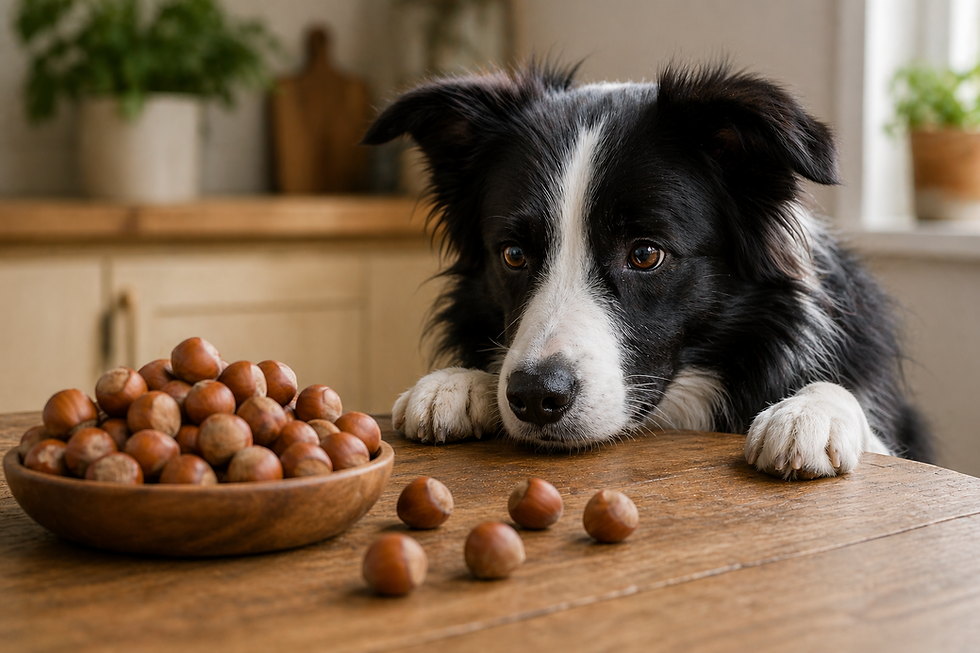
Hazelnuts | Low-risk (caution) | Whole, plain, and in tiny portions | Choking risk, especially for small dogs |
Pine nuts | Low-risk (rare use) | Plain, unsalted, minimal quantity | Very fatty; can upset digestion easily |
Peanuts are the most commonly given “safe” nut, especially in the form of peanut butter. However, even peanut butter must be carefully checked for xylitol, an artificial sweetener that is highly toxic to dogs.
Cashews can also be tolerated by many dogs, but their high fat content means they should only be offered rarely. Overfeeding can quickly lead to gastrointestinal upset or contribute to long-term weight gain.
Hazelnuts and pine nuts are less commonly discussed but fall into the “low-risk” category. The main concern with these is not toxicity but physical hazards such as choking or intestinal blockage.
Even among “safe” nuts, portion control is critical:
Small dogs: 1–2 small pieces
Medium dogs: 2–3 pieces
Large dogs: up to 4–5 pieces (rarely)
Frequency should remain occasional (not daily). Nuts should never replace balanced dog nutrition or be used as a regular treat source.
Ultimately, while some nuts may be tolerated, they provide no essential benefit that dogs cannot obtain from safer, species-appropriate foods.
Which Nuts Are Toxic or Dangerous for Dogs? (Toxicity Table)
Not all nuts are equal. Some are outright toxic, while others are dangerous due to mold contamination, fat levels, or preparation methods. Understanding which nuts to avoid is critical when evaluating can dogs eat nuts safely.
Below is a detailed toxicity and risk table:
Nut Type | Risk Level | Main Danger | Explanation |
Macadamia nuts | Highly toxic | Neurological toxicity | Causes tremors, weakness, vomiting, and fever even in small amounts |
Walnuts (especially black walnuts) | Toxic / high risk | Mycotoxins (mold) | Can cause tremors, seizures, and neurological issues |
Almonds | Not toxic but dangerous | Choking + digestive issues | Hard texture can block intestines or irritate the gut |
Pistachios | Risky | Mold + high fat | Prone to aflatoxin contamination; also causes GI upset |
Pecans | Risky to toxic | Mold toxins | Similar to walnuts; may trigger neurological symptoms |
Brazil nuts | High risk | Extremely high fat | Can trigger pancreatitis even in small quantities |
Hickory nuts | Toxic (similar to walnuts) | Mycotoxins | Can lead to vomiting and neurological signs |
Mixed nuts (commercial) | Very dangerous | Salt, spices, additives | Often contain onion/garlic powder or excessive sodium |
Macadamia nuts are the most dangerous and should never be given under any circumstances. Even small amounts can cause symptoms within 6–12 hours, including hind limb weakness, tremors, and lethargy.
Walnuts and pecans are particularly risky because of mold contamination, which produces toxins affecting the nervous system. This risk increases significantly if the nuts are old, improperly stored, or found outdoors.
Almonds are a special case. They are not directly toxic but are still unsafe due to their hard structure, which can lead to choking or intestinal blockage—especially in small breeds.
Commercial mixed nuts pose additional risks due to:
High sodium levels → dehydration, salt toxicity
Flavorings → garlic, onion, spices
Oils and coatings → digestive irritation
In practical terms, when considering can dogs eat nuts, the safest rule is simple:
Avoid all toxic nuts completely
Be extremely cautious even with non-toxic varieties
Why Nuts Can Be Dangerous for Dogs (Fat, Salt, and Additives)
Understanding why nuts can be dangerous is key to answering the question can dogs eat nuts safely. The risks are not limited to toxicity alone; even “non-toxic” nuts can still cause significant health problems due to their composition and how they are processed for human consumption.
High Fat Content
Most nuts contain 40–70% fat, which is extremely high for a dog’s digestive system. While dogs do need fat in their diet, excessive intake can overwhelm the pancreas and lead to pancreatitis, a painful and potentially life-threatening condition.
Pancreatitis symptoms include:
Severe abdominal pain
Vomiting and diarrhea
Lethargy and loss of appetite
Even a single high-fat snack—such as a handful of nuts—can trigger this condition, especially in small breeds or dogs with a history of digestive sensitivity.
Salt and Sodium Levels
Commercial nuts are often heavily salted. Dogs are much more sensitive to sodium than humans, and excess intake can lead to:
Dehydration
Excessive thirst and urination
Tremors
In severe cases, sodium ion poisoning
Salted nuts are therefore significantly more dangerous than plain ones, even if the nut itself is not toxic.
Harmful Additives and Flavorings
Many nuts are coated or flavored with ingredients that are unsafe for dogs, such as:
Garlic powder
Onion powder
Artificial sweeteners (especially xylitol)
Spices and preservatives
Among these, xylitol is particularly dangerous. Even small amounts can cause a rapid insulin release in dogs, leading to life-threatening hypoglycemia and liver failure.
Mold and Mycotoxins
Certain nuts—especially walnuts and peanuts—can develop mold contamination if stored improperly. These molds produce mycotoxins, which can cause:
Tremors
Seizures
Neurological damage
This risk is often invisible, as contaminated nuts may not show obvious signs of spoilage.
Physical Risks (Choking and Obstruction)
Nuts are small, hard, and sometimes irregularly shaped, making them a potential choking hazard, particularly for small dogs. In some cases, they may also cause:
Esophageal blockage
Intestinal obstruction
Difficulty swallowing
Overall, the dangers of nuts for dogs are multifactorial:
Chemical (toxins, additives)
Metabolic (fat and salt overload)
Physical (choking and obstruction)
This combination makes nuts a high-risk, low-benefit food choice for dogs.
Can Dogs Eat Nuts? General Overview and Safety Considerations
The question “can dogs eat nuts” is more complex than it appears. While some nuts are technically safe in very small amounts, many pose serious health risks to dogs due to their fat content, toxicity, salt levels, or the presence of harmful additives. Unlike humans, dogs metabolize certain compounds differently, making even small quantities of specific nuts potentially dangerous.
At a basic level, nuts fall into three categories for dogs:
Relatively safe (in moderation): plain, unsalted peanuts or cashews
Risky (not recommended): almonds, walnuts, pistachios
Toxic (must be avoided completely): macadamia nuts
One of the biggest misconceptions is that because nuts are “healthy” for humans, they must also be healthy for dogs. In reality, nuts are very high in fat, which can easily lead to digestive upset or more serious conditions such as pancreatitis. Even nuts that are not directly toxic can still cause problems if given regularly or in large quantities.
Another critical factor is how nuts are prepared. Most nuts consumed by humans are salted, flavored, roasted, or coated with spices. Ingredients such as garlic powder, onion powder, artificial sweeteners (like xylitol), and excessive sodium can all be harmful—or even life-threatening—for dogs.
Cost of Treating Nut Toxicity in Dogs (US & EU Price Comparison)
When evaluating can dogs eat nuts, one often overlooked aspect is the financial impact of potential toxicity or complications. Even a small dietary mistake can quickly escalate into a costly medical situation, especially if emergency care is required.
Treatment costs vary depending on the severity of symptoms, the type of nut ingested, and how quickly intervention occurs. Below is a realistic comparison of common veterinary expenses in the United States and Europe:
Treatment Type | US Estimated Cost (USD) | EU Estimated Cost (EUR) | Details |
Initial veterinary exam | $50 – $150 | €40 – €100 | Basic physical exam and history |
Induced vomiting (early cases) | $100 – $300 | €80 – €200 | Performed if ingestion was recent |
$100 – $400 | €80 – €250 | Evaluates organ function and toxicity impact | |
IV fluid therapy | $200 – $800 | €150 – €600 | Supports hydration and toxin elimination |
Hospitalization (24–48 hrs) | $500 – $2,000 | €300 – €1,200 | Needed for moderate to severe cases |
Medications (anti-nausea, pain relief) | $50 – $300 | €40 – €200 | Symptom control |
Pancreatitis treatment | $1,000 – $3,500 | €600 – €2,000 | One of the most common complications |
Emergency care (severe toxicity) | $1,500 – $5,000+ | €800 – €3,000+ | Includes intensive monitoring |
In cases involving macadamia nut toxicity or severe pancreatitis, costs can rise rapidly due to hospitalization, continuous monitoring, and supportive care.
From a risk-management perspective, feeding nuts offers very low benefit but high potential cost exposure. A single incident can easily exceed months—or even years—of routine pet care expenses.
This cost-benefit imbalance is a key reason why most professionals recommend avoiding nuts entirely in a dog’s diet.
Nutritional Value of Nuts and Their Effects on Dogs
At first glance, nuts may seem like a nutritious snack option. They are rich in healthy fats, protein, vitamins, and minerals. However, when considering can dogs eat nuts, it’s essential to evaluate how these nutrients actually affect a dog’s physiology.
Key Nutritional Components of Nuts
Fats (40–70%): Primarily unsaturated fats
Protein: Moderate levels depending on the nut type
Vitamins: Vitamin E, B-complex vitamins
Minerals: Magnesium, phosphorus, selenium
Fiber: Supports digestion (in small amounts)
While these nutrients are beneficial for humans, dogs process them differently. The high fat concentration is the most important factor. Dogs have a much lower tolerance for fatty foods, and excessive intake can lead to:
Gastrointestinal upset
Weight gain and obesity
Pancreatitis (serious and potentially life-threatening)
Positive Effects (Limited and Conditional)
In very small quantities, certain nuts may provide:
A minor protein boost
Healthy fats for energy
Trace micronutrients
However, these benefits are not unique to nuts and can be obtained more safely from balanced dog food or species-appropriate treats.
Negative Effects (More Significant)
The risks generally outweigh the benefits:
Fat overload → digestive issues and inflammation
Salt content → dehydration and electrolyte imbalance
Additives → toxic ingredients (e.g., xylitol, spices)
Caloric density → rapid weight gain even with small portions
Another important consideration is digestibility. Nuts are dense and difficult for dogs to break down efficiently, meaning much of their nutritional value may not even be properly utilized.
Portion Size: How Much Nuts Can Dogs Eat Safely?
If the question is can dogs eat nuts, a more precise version would be: how much is safe, if any at all?
The answer depends on several variables, including the dog’s size, health status, and the type of nut. However, even in the best-case scenario, nuts should only be given in very small, occasional amounts—if at all.
General Portion Guidelines
Dog Size | Maximum Occasional Amount | Frequency |
Small dogs (under 10 kg) | 1 small piece | Rare (once every few weeks) |
Medium dogs (10–25 kg) | 2–3 small pieces | Rare |
Large dogs (25+ kg) | 3–5 small pieces | Rare |
These values apply only to safe, plain, unsalted nuts such as peanuts or cashews. They do not apply to toxic or risky nuts.
Important Feeding Rules
Nuts should always be unsalted and unseasoned
Avoid giving whole nuts to small dogs (break into smaller pieces if necessary)
Never mix nuts with other fatty foods
Always monitor your dog after introducing a new food
Situations Where Nuts Should Be Avoided Completely
Even small portions may be unsafe for certain dogs:
Dogs with a history of pancreatitis
Overweight or obese dogs
Dogs with sensitive digestion
Puppies (more vulnerable to choking and toxicity)
Why Even Small Portions Matter
Nuts are extremely calorie-dense, meaning even a few pieces can significantly increase daily caloric intake. Over time, this can contribute to:
Metabolic imbalance
Reduced lifespan due to obesity-related conditions
What to Do If Your Dog Eats Nuts (Step-by-Step Emergency Guide)
If your dog has eaten nuts, your response should depend on the type of nut, the amount consumed, and any symptoms present. Acting quickly can significantly reduce the risk of complications.
Step-by-Step Action Plan
Step 1: Identify the nut
Determine exactly what type of nut was consumed (e.g., peanut, macadamia, walnut).
If unsure, assume worst-case scenario (toxic exposure) and act cautiously.
Step 2: Estimate the amount and timing
How many nuts were eaten?
When did ingestion occur? (within the last 1–2 hours is critical)
Step 3: Check for symptoms Look for early warning signs such as:
Vomiting or diarrhea
Lethargy
Tremors or weakness
Loss of coordination
Step 4: Contact a professional immediately
If toxic nuts (especially macadamia) are suspected → urgent consultation required
Even with “safe” nuts, seek advice if symptoms appear
Step 5: Do NOT induce vomiting at home unless instructed
Incorrect induction can cause aspiration or further complications
Step 6: Monitor closely for 24–48 hours
Some symptoms (especially pancreatitis) develop gradually
When It Becomes an Emergency
Seek immediate care if you notice:
Tremors or seizures
Weakness in hind legs
Persistent vomiting
Severe lethargy
Rapid breathing or heart rate
What Professionals May Do
Induce vomiting (if early)
Administer activated charcoal
Provide IV fluids
Monitor neurological and metabolic status
Early action often leads to full recovery, while delays can increase both risk and treatment complexity.
Long-Term Health Effects of Nuts in Dogs
Even if a dog appears fine after eating nuts, repeated exposure can lead to chronic health issues over time.
Potential Long-Term Effects
Obesity → Nuts are calorie-dense and contribute to weight gain
Chronic pancreatitis → Repeated fat overload stresses the pancreas
Digestive sensitivity → Long-term GI irritation
Nutritional imbalance → Disrupts balanced diet intake
Dogs that regularly consume fatty treats may also experience reduced energy levels and metabolic inefficiency, which can affect overall quality of life.
Cumulative Risk
The danger with nuts is not always immediate toxicity, but cumulative stress on the body. Small, repeated exposures can quietly lead to:
Organ strain
Increased disease risk
Shortened lifespan in severe cases
Safe Alternatives to Nuts for Dogs
Instead of asking can dogs eat nuts, a better approach is identifying safe and beneficial alternatives.
Recommended Alternatives
Food | Benefit | Notes |
Carrots | Low-calorie, crunchy | Good for dental health |
Apples (no seeds) | Fiber + vitamins | Remove core and seeds |
Antioxidants | Serve in moderation | |
Pumpkin | Digestive support | Plain, cooked only |
Dog-safe peanut butter | Protein source | Must be xylitol-free |
These options provide similar or better nutritional benefits without the risks associated with nuts.
How to Introduce New Foods to Dogs Safely
Whenever introducing any new food:
Start with very small portions
Introduce one new food at a time
Monitor for 24 hours
Watch for digestive or behavioral changes
Gradual introduction reduces the risk of adverse reactions and allows early detection of intolerance.
Common Mistakes Dog Owners Make with Nuts
Assuming “natural = safe”
Feeding salted or flavored nuts
Ignoring portion size
Giving nuts regularly instead of occasionally
Not recognizing early symptoms
Sharing mixed nuts without checking ingredients
Expert Tips for Feeding Dogs Human Foods Safely
Always research before sharing human food
Avoid processed, salty, or seasoned items
Prioritize dog-specific nutrition
Use human foods only as occasional treats
When in doubt, do not feed
Keywords
can dogs eat nuts, are nuts safe for dogs, toxic nuts for dogs, can dogs eat peanuts, nuts and dogs safety
Sources
Source | Link |
American Kennel Club (AKC) | |
ASPCA Animal Poison Control | |
FDA Pet Food Safety | |
Pet Poison Helpline | |
Mersin Vetlife Veterinary Clinic |


Comments