
Canine Parvovirus ( Parvo ) — Guide: Signs, Transmission, Treatment, Vaccination & Home Disinfection

What Is Canine Parvovirus (Parvo)?
Canine Parvovirus (CPV) is a highly contagious, potentially fatal viral disease of dogs that primarily targets the gastrointestinal tract and the rapidly dividing cells of the bone marrow and lymphoid tissues. In very young puppies (especially under ~8 weeks) it can also inflame the heart (myocarditis), but modern vaccination has made this form rare.
Key virology in plain English
Agent: Non-enveloped, single-stranded DNA virus in the family Parvoviridae. Being non-enveloped makes it exceptionally tough in the environment (survives months—sometimes a year—on dry surfaces).
Variants: Field strains CPV-2a, CPV-2b, CPV-2c circulate globally. All cause the classic disease; differences are mostly in geographic spread and antigenicity.
Who is at highest risk?
Puppies 6–20 weeks (maternal antibodies are waning; their own immunity is not fully built).
Unvaccinated or incompletely vaccinated juveniles up to 1 year.
Certain breeds show higher susceptibility reports (e.g., Rottweiler, Doberman Pinscher, American Pit Bull Terrier, German Shepherd), but any breed can be affected.
Incubation period: Typically 3–7 days from exposure to first signs.
Clinical picture (classic enteric form): Sudden lethargy, fever, loss of appetite, followed by vomiting and profuse, often bloody diarrhea, rapid dehydration, abdominal pain, and marked leukopenia (low white cells). Without prompt care, sepsis, shock, DIC, and death can occur in 24–72 hours after GI signs start.
Why parvo is so dangerous
Explosive spread: Infected dogs shed billions of viral particles per gram of stool. A microscopic amount transferred on shoes, hands, floors, grass, bowls, or tires can infect a naïve pup.
Brutal pathogenesis: CPV attacks the intestinal crypt cells (the factories that renew the gut lining). When these are destroyed, the lining blunts and sloughs → bloody diarrhea, malabsorption, fluid loss, and bacteria/toxin translocation into blood. Simultaneous destruction of bone-marrow precursors causes neutropenia, so the pup cannot fight invading bacteria.
Environmental stamina: Ordinary detergents and most household disinfectants do not inactivate CPV. Only a short list of agents (e.g., sodium hypochlorite/bleach at the right dilution, accelerated hydrogen peroxide) reliably destroy it.
Outcomes with and without treatment
Untreated mortality: Frequently >80–90% in young pups.
With aggressive, early veterinary care: Survival 80–90%+ is achievable in many cases. Time to fluids and antiemetics is critical.

Breeds and Age Groups Most at Risk
While any unvaccinated dog can contract Canine Parvovirus (CPV), some breeds, ages, and circumstances dramatically increase vulnerability. The disease’s severity depends on the dog’s immune maturity, genetic background, and environmental exposure.
1. Age Susceptibility
Puppies (6–20 weeks old):The most critical risk group. Puppies rely on maternal antibodies for early immunity, but as these antibodies decline, they become highly susceptible before vaccination is complete.
Unvaccinated juveniles (under 1 year):Adolescents who never finished their vaccine series or missed boosters remain at high risk.
Adult dogs:Usually protected through vaccination or prior exposure, but lapses in annual boosters can reintroduce susceptibility.
Senior dogs with immune decline:Rarely infected but can have atypical or milder forms if immunity wanes.
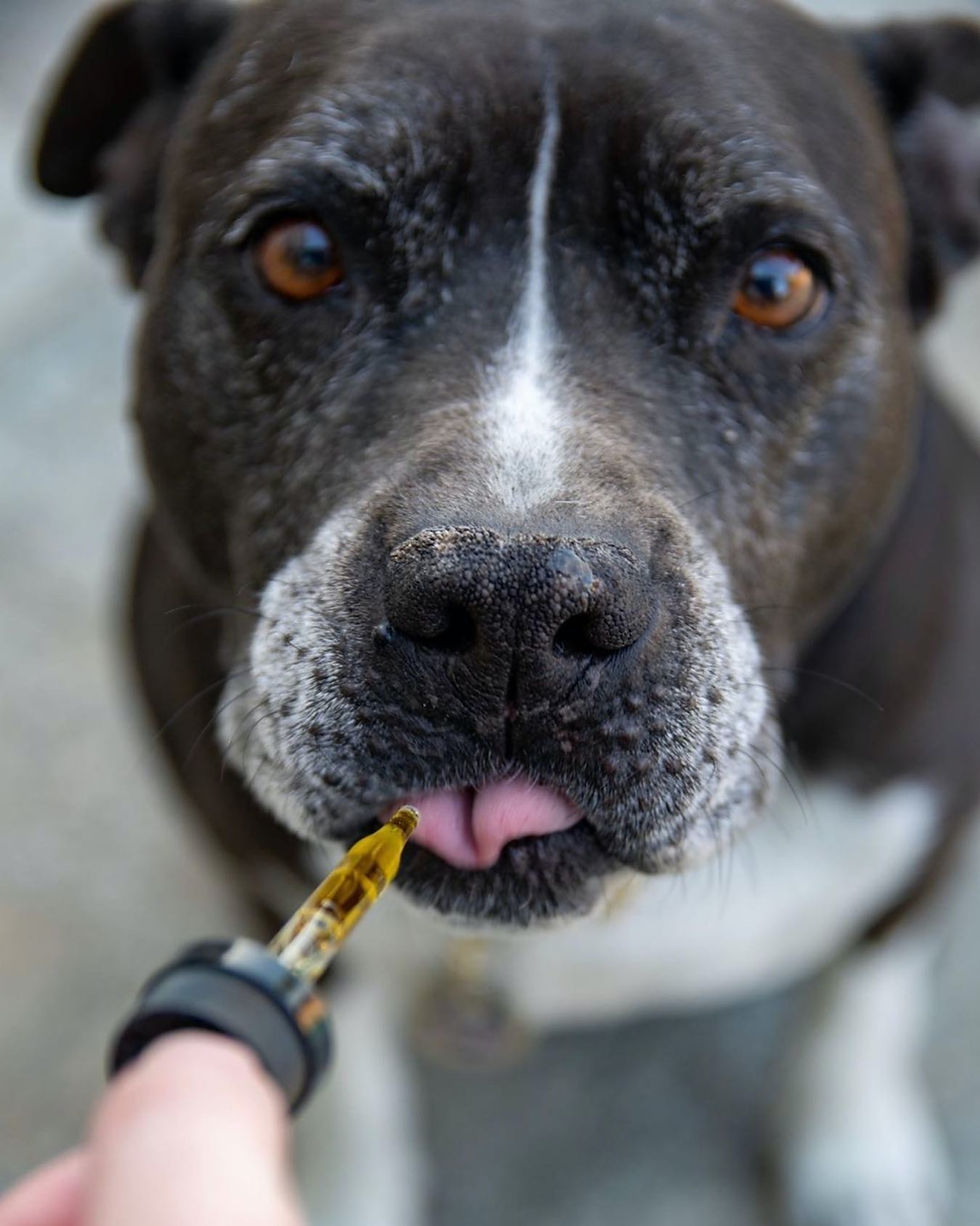
2. Breed Predisposition
Veterinary epidemiology studies have consistently identified breeds that show higher mortality or infection rates, possibly due to genetic immune-response differences.
High-Risk Breeds | Observations |
Rottweilers | Often experience severe or prolonged disease; may require extended vaccination schedules. |
Doberman Pinschers | Particularly prone to hemorrhagic gastroenteritis during infection. |
American Pit Bull Terriers | Overrepresented in outbreaks; rapid disease progression noted. |
German Shepherds | May develop secondary bacterial infections due to profound leukopenia. |
Labrador Retrievers | Moderate risk but often affected in multi-dog homes and kennels. |
Alaskan Sled Dogs and Huskies | Susceptible in colder climates where viral persistence is longer. |
3. Environmental & Social Risk Factors
Shelters and kennels: Dense populations, constant animal turnover, and limited sanitation make these prime outbreak zones.
Rescue groups and breeding facilities: Frequent movement and shared equipment create high fomite contamination risk.
Dog parks and pet stores: Public places with unknown vaccination status visitors act as silent transmission hubs.
Homes with previous parvo cases: Virus can survive in soil or flooring for up to a year, infecting new puppies even months later.
4. Immune and Nutritional Factors
Poor diet or malnutrition weakens the intestinal lining and immune defenses.
Intestinal parasite burden (worms) reduces overall resistance.
Concurrent infections (e.g., canine distemper, coronavirus) worsen parvo’s severity.
Stress from travel, rehoming, or temperature extremes suppresses immune function, facilitating viral replication.
In summary, the dogs at highest risk are young, unvaccinated, purebred puppies exposed to contaminated environments. Vaccination and strict hygiene are the only proven shields against this deadly infection.
Signs and Symptoms of Parvovirus in Dogs
Recognizing parvo early can mean the difference between life and death. The disease evolves rapidly, often progressing from mild malaise to critical shock within 24–48 hours.
1. Early (Prodromal) Stage
In the first 1–2 days post-incubation, dogs may show vague signs such as:
Sudden lethargy and weakness
Loss of appetite (anorexia)
Fever (typically 39.5–41°C / 103–106°F)
Mild dehydration (tacky gums, dry nose)
Depression or hiding behavior
Owners often mistake these for minor illness or fatigue—until gastrointestinal signs emerge abruptly.
2. Acute Gastrointestinal Phase
Once the virus attacks intestinal crypt cells, symptoms intensify:
Severe, projectile vomiting (often yellow or foamy)
Profuse diarrhea, frequently bloody and foul-smelling (metallic odor due to digested blood)
Extreme dehydration from fluid loss
Abdominal pain and bloating
Rapid weight loss and sunken eyes
Pale or grayish gums due to poor circulation
Dogs become visibly weak, cold to the touch, and unable to stand. The distinct "parvo smell" of the diarrhea is often diagnostic to experienced veterinarians.
3. Hematologic and Systemic Changes
Inside the body, parvo causes:
Leukopenia: A drastic drop in white blood cells, leaving the immune system defenseless.
Sepsis and endotoxemia: Bacteria from the gut enter the bloodstream through damaged intestinal walls.
Hypoglycemia: Especially in small-breed puppies due to decreased intake and energy demands.
Hypothermia: As circulation collapses, body temperature may drop below normal.
4. Cardiac Form (Rare in Modern Times)
In unvaccinated neonates, the virus may infect the heart muscle (myocardium), causing:
Sudden collapse or death
Fainting episodes
Arrhythmias detected on veterinary ECG
Chronic heart failure in survivors
5. Severe and Late-Stage Symptoms
Persistent vomiting/diarrhea despite supportive care
Shock and collapse due to fluid loss and sepsis
Black or tar-like stool (melena) indicating intestinal bleeding
Prolonged capillary refill time (CRT > 2 sec)
Coma and death, if not treated intensively
6. Recovery Indicators (with Treatment)
Return of appetite and normal stool consistency
Rehydration (pink gums, normal skin elasticity)
Stabilization of temperature and improved energy
Gradual weight regain within 7–10 days
Time Course Summary
Stage | Timeline After Exposure | Key Features |
Incubation | 3–7 days | No visible signs; virus replicating silently. |
Prodromal | 1–2 days | Lethargy, fever, inappetence. |
Acute GI Phase | 2–4 days | Vomiting, diarrhea (often bloody), dehydration, weakness. |
Critical Phase | 24–48 hours | Rapid deterioration, risk of death. |
Recovery (if treated) | 5–10 days | Appetite returns, stool normalizes, strength improves. |
How Canine Parvovirus Affects the Body
Understanding what happens inside a dog’s body during a parvovirus infection reveals why this disease is so devastating and why early, aggressive treatment is critical.
1. Entry and Replication
The virus typically enters through the mouth or nose when a dog sniffs or licks contaminated objects or feces.
It travels to the lymph nodes of the throat and begins replicating in rapidly dividing immune cells.
Within 3–5 days, the virus enters the bloodstream (viremia) and spreads to other organs, especially the intestinal lining, bone marrow, and lymphoid tissues.
2. Damage to the Intestinal Tract
The intestinal crypts—responsible for creating new cells for the gut lining—are the virus’s main target.
Once destroyed, the intestinal wall becomes thin and ulcerated, allowing bacteria and toxins to leak into the bloodstream (bacteremia and sepsis).
This leads to profuse, bloody diarrhea, severe dehydration, and electrolyte imbalances.
The body’s inability to absorb nutrients further weakens the dog, creating a dangerous cycle of weight loss and collapse.
3. Attack on the Immune System
The virus also destroys bone marrow precursors, drastically reducing white blood cell production (leukopenia).
The weakened immune system cannot fight bacteria or repair intestinal tissue.
The result is a “perfect storm” of infections and internal inflammation.
4. Secondary Organ Involvement
The liver and kidneys work overtime to remove toxins from the bloodstream, often resulting in temporary or permanent organ stress.
In puppies under eight weeks, the virus may invade heart muscle tissue, causing myocarditis (heart inflammation), which can lead to sudden death or chronic heart failure.
5. Fluid and Electrolyte Imbalance
Severe vomiting and diarrhea lead to rapid fluid loss, low blood volume (hypovolemia), and dangerously low blood pressure. The resulting shock deprives vital organs of oxygen and nutrients, leading to multi-organ failure if untreated.
6. Systemic Collapse
Without immediate intervention, the combined effects of dehydration, infection, and shock overwhelm the body. The final stages involve:
Hypoglycemia (low blood sugar)
Hypothermia (low body temperature)
Cardiac arrhythmias
DIC (Disseminated Intravascular Coagulation) – a fatal clotting disorder
Parvovirus essentially dismantles the two systems dogs rely on most for survival: the immune system and the gastrointestinal tract. Intensive care aims to stabilize both until the immune system can recover and clear the virus naturally.
Diagnosis of Parvovirus Infection in Dogs
Early diagnosis is the single most important step in saving a dog’s life. Because the disease progresses rapidly, veterinarians rely on a combination of clinical signs, laboratory tests, and medical history for confirmation.
1. Clinical Evaluation
Veterinarians begin by observing:
Age and vaccination status – young, unvaccinated dogs are immediate suspects.
Symptoms such as vomiting, bloody diarrhea, and rapid dehydration.
Physical exam findings including fever, abdominal pain, pale gums, and lethargy.
Although these signs are highly suggestive, they overlap with other diseases such as intestinal parasites, coronavirus, or toxin ingestion, so laboratory testing is essential.
2. In-Clinic Diagnostic Tests
The most common tests are fast, inexpensive, and provide results within minutes.
a. Fecal ELISA (Antigen Test)
Detects parvoviral antigens in the stool.
Produces results in 10 minutes and is the most widely used diagnostic method in clinics.
A positive result confirms infection; a negative result doesn’t always rule it out if testing occurs early or late in the disease, so repeat testing may be recommended.
b. CBC (Complete Blood Count)
Shows severe leukopenia (low white blood cell count), a hallmark of parvovirus.
Evaluates dehydration severity and helps guide fluid therapy.
c. PCR Test (Polymerase Chain Reaction)
Detects viral DNA in feces or blood with high sensitivity and specificity.
Often used by reference laboratories to confirm infection or detect specific viral strains (CPV-2a, 2b, 2c).
d. Blood Chemistry Panel
Measures electrolytes, glucose, and protein levels to assess dehydration and organ function.
Low blood glucose and albumin indicate severe intestinal damage and poor prognosis.
3. Additional Diagnostic Tools
Abdominal ultrasound: Shows thickened intestinal walls and fluid accumulation.
X-rays: Rule out obstructions or foreign bodies that mimic parvo symptoms.
Fecal examination: Identifies possible co-infections such as roundworms or coccidia.
4. Differential Diagnosis
Diseases that resemble parvovirus and must be excluded include:
Condition | Key Differences |
Canine coronavirus | Milder diarrhea, rarely bloody; rapid recovery. |
Giardiasis | Causes chronic soft stool, not acute bloody diarrhea. |
Toxin ingestion (rat poison, plants) | Possible bleeding but no viral shedding or leukopenia. |
Salmonellosis / Campylobacter | Bacterial cause; confirmed with stool cultures. |
Foreign body obstruction | Vomiting without severe diarrhea; visible on X-rays. |
5. Importance of Early Testing
Testing within the first 24 hours of symptom onset is critical. Rapid confirmation allows immediate supportive care — the single factor most strongly linked to survival.
Treatment and Supportive Care for Parvovirus
There is no direct antiviral drug that kills the parvovirus inside the body. Treatment focuses on supportive care — stabilizing the dog’s hydration, controlling symptoms, and preventing secondary infections while the immune system fights off the virus. Early, aggressive therapy under veterinary supervision can mean the difference between life and death.
1. Hospitalization and Isolation
Parvovirus is extremely contagious. Infected dogs must be isolated in a veterinary hospital or quarantine ward with strict biosecurity. Staff use separate gowns, gloves, and disinfectant footbaths to prevent spreading the virus to other animals.Owners should not bring other dogs into contact with an infected patient or its contaminated belongings.
2. Fluid Therapy – The Foundation of Treatment
Severe vomiting and diarrhea cause massive fluid, electrolyte, and protein loss, leading to hypovolemic shock.
IV fluid therapy (usually Ringer’s lactate or a balanced crystalloid) restores hydration and circulation.
Potassium and glucose supplementation corrects hypokalemia and hypoglycemia.
Colloids or plasma transfusions may be required if the dog has very low protein levels.
In mild cases, subcutaneous fluids can be given at home, but most dogs require continuous IV support for several days.
3. Control of Vomiting and Diarrhea
Antiemetic injections (e.g., Maropitant, Ondansetron, Metoclopramide) stop vomiting and allow oral rehydration to resume.
Gastroprotectants (e.g., famotidine, omeprazole, sucralfate) soothe and protect the stomach lining.
Activated charcoal or kaolin-pectin may be used to absorb intestinal toxins in some cases.
4. Antibiotic Therapy
Because parvovirus damages the gut barrier, intestinal bacteria enter the bloodstream and cause septicemia.
Broad-spectrum antibiotics (e.g., cefazolin, ampicillin, metronidazole, or enrofloxacin) are essential to prevent life-threatening infections.
Antibiotics do not target the virus but are crucial for survival in the leukopenic stage.
5. Nutritional Support
The intestines heal faster when provided with nutrition.
Feeding begins as soon as vomiting stops, typically within 24–48 hours of stabilization.
Easily digestible diets such as boiled chicken and rice, or veterinary recovery formulas (Hill’s i/d, Royal Canin Gastrointestinal) are introduced gradually.
Tube feeding may be used if the dog refuses food but can tolerate enteral nutrition.
Malnutrition prolongs recovery, so early feeding (even small amounts) improves survival rates.
6. Antiviral and Immune-Supportive Options
While there is no specific antiviral cure, some adjunctive therapies can help:
Recombinant interferon-omega (Virbagen Omega): Proven in studies to reduce mortality by boosting the immune response.
Hyperimmune plasma or serum transfusions: Contain antibodies from recovered dogs to help neutralize the virus.
Vitamin B complex and immune stimulants: Support recovery in malnourished puppies.
These therapies are expensive but can significantly improve outcomes in severe cases.
7. Pain and Comfort Management
Parvo causes intense abdominal pain and nausea.
Analgesics such as buprenorphine or tramadol may be used.
Keep the dog warm, as hypothermia is common due to dehydration and poor circulation.
Minimize stress: quiet, dimly lit environments aid recovery.
8. Outpatient or Home Treatment (Under Veterinary Approval)
Some mild cases can be managed at home, provided the owner can administer fluids and medications precisely. However, mortality in at-home treatment can exceed 50% if the dog deteriorates suddenly.Owners must commit to:
Frequent vet check-ins.
Strict isolation.
Meticulous cleaning with bleach solutions.
9. Recovery Period
Hospitalization typically lasts 3–7 days, depending on the dog’s immune response and how early treatment began. Appetite return and normalization of stool consistency are the first signs of improvement.
Early, aggressive veterinary intervention saves 8 out of 10 infected dogs, proving that time to treatment is the most critical factor in survival.
Prognosis and Recovery After Parvo Infection
1. Survival Rate
With prompt, intensive treatment: 70–90% of dogs recover fully.
Without veterinary care: mortality often exceeds 90% within a few days.
Puppies with severe dehydration or very low white blood cell counts have the poorest prognosis.
2. Recovery Timeline
Phase | Duration | Expected Developments |
Hospitalization | 3–7 days | IV fluids, antibiotics, and supportive care stabilize the patient. |
Initial Recovery | 1–2 weeks | Appetite returns, vomiting stops, stools become firmer. |
Full Intestinal Healing | 3–4 weeks | Weight gain, normal digestion restored. |
Immunity Development | Lifelong (partial) | Recovered dogs develop lasting immunity to the same viral strain. |
Recovered dogs may remain weak for several weeks. Gradually reintroduce normal food and activity. Avoid crowded areas or contact with unvaccinated animals for at least 3–4 weeks, as virus shedding may continue.
3. Long-Term Effects
Most survivors lead normal lives after recovery. However:
Some may suffer temporary heart inflammation (myocarditis) or digestive sensitivity for a few months.
Puppies may experience stunted growth if infected at an early age due to nutrient loss and intestinal damage.
Rarely, recovered dogs may show chronic digestive irregularities or immune suppression.
4. Post-Recovery Vaccination
Dogs that recover naturally should still receive routine vaccinations once cleared by the vet (usually 2–3 weeks after full recovery).
Natural infection provides strong immunity against that viral strain, but vaccines protect against evolving variants (CPV-2a, 2b, 2c).
Annual boosters are still recommended.
5. Risk of Relapse
Relapse is uncommon if recovery is complete, but failure to disinfect the environment can lead to re-exposure. Always clean kennels, yards, bowls, and bedding thoroughly before bringing the dog home or introducing new pets.
6. Key Prognostic Indicators
Positive Signs | Negative Signs (Poor Prognosis) |
Regained appetite | Persistent vomiting or bloody stool after 72 hours |
Improving hydration | Severe hypothermia (<37°C / 98°F) |
Normalizing white cell count | Continuous leukopenia or secondary sepsis |
Energetic behavior | Lethargy, unresponsiveness |
Firm stools | Black/tarry stools (intestinal hemorrhage) |
Early treatment, fluid therapy, and dedicated nursing care remain the three cornerstones of recovery. With proper intervention, most parvo survivors make a complete recovery and develop lifelong immunity.
Vaccination and Prevention Strategies for Parvovirus
Vaccination is the cornerstone of parvovirus prevention. No amount of cleaning or quarantine can substitute for strong, population-wide immunity. Once a dog is vaccinated properly, it gains nearly complete protection against severe disease.
1. Core Vaccine Overview
The parvovirus vaccine is a “core” immunization—meaning it is essential for all dogs, regardless of lifestyle, breed, or location. It’s usually given as part of the DHPP or DA2PP combination vaccine, which covers:
D – Distemper
H/A2 – Adenovirus (Hepatitis)
P – Parainfluenza
P – Parvovirus
2. Puppy Vaccination Schedule
Puppies are most vulnerable to infection, so their vaccination schedule must be followed precisely:
Age (Weeks) | Vaccine Action |
6–8 weeks | First Parvovirus vaccine (maternal antibodies may still interfere). |
10–12 weeks | Second booster to strengthen immune response. |
14–16 weeks | Final puppy dose—critical to ensure complete protection once maternal antibodies fade. |
1 year of age | First adult booster. |
Every 3 years | Ongoing adult booster (per WSAVA/AAHA guidelines). |
Important: In high-risk environments (shelters, endemic regions, or outbreak areas), a fourth booster at 18–20 weeks may be recommended.
3. Adult Dogs
Previously vaccinated adults need booster doses every 3 years or as recommended by the veterinarian.
Unvaccinated adults require an initial two-dose series, 3–4 weeks apart, followed by the regular 3-year schedule.
4. Pregnant and Nursing Dogs
Vaccines containing live attenuated virus should not be used in pregnant or lactating dogs. A killed (inactivated) vaccine or antibody titer testing may be recommended for breeding females to ensure maternal antibody transfer to puppies.
5. Immunity Check: Titer Testing
A vaccine titer test measures the dog’s antibody level against parvovirus, confirming if revaccination is needed. This is useful for dogs with previous vaccine reactions or in countries with strict vaccination regulations for travel.
6. Environmental Prevention
Even vaccinated dogs should avoid contaminated areas:
Do not allow puppies outside in public parks until two weeks after their final vaccine.
Always disinfect kennels, bowls, and leashes after visits to dog parks or clinics.
Quarantine new dogs for at least 2 weeks before introducing them to other pets.
7. Herd Immunity
When the majority of dogs in a community are vaccinated, it drastically reduces environmental viral load and transmission risk. In areas where vaccination rates drop below 70%, outbreaks re-emerge rapidly.
Vaccination is both an individual shield and a public health duty. Every missed vaccine creates a gap for the virus to exploit.
Home Disinfection and Environmental Control After Parvo
Even after a dog recovers, the virus can remain in the environment for up to 12 months. Effective decontamination is crucial to prevent re-infection or transmission to new pets.
1. How Long Parvovirus Survives
Indoors on hard surfaces: 1–6 months
Outdoors in shaded soil: >1 year
In sunlight and heat: Survives weeks, but still dangerousBecause CPV is non-enveloped, it resists most common household cleaners and alcohol-based products.
2. Effective Disinfectants
Disinfectant | Dilution | Contact Time | Notes |
Sodium hypochlorite (Bleach) | 1:30 (1 part 5–6% bleach to 30 parts water) | ≥10 minutes | Gold-standard; effective on pre-cleaned surfaces. |
Accelerated Hydrogen Peroxide (AHP) | Per label (e.g., 1:16 or ready-to-use) | ≥5 minutes | Safer for fabrics and metals; commercial kennel use. |
Potassium peroxymonosulfate (Virkon®-S) | 1% solution | ≥10 minutes | Stable and effective, used in clinics and shelters. |
3. Surfaces and Items to Clean
Floors, crates, walls, and bowls – Clean with detergent first, then disinfect thoroughly.
Fabrics and bedding – Machine wash with hot water + bleach (if color-safe) and dry on high heat.
Yards and outdoor areas – Remove organic debris; saturate concrete or hard surfaces with disinfectant. For soil, exposure to sunlight over time helps, but complete removal of contamination is difficult.
Toys, collars, leashes – Soak in diluted bleach for 10 minutes, rinse well, or discard if porous.
4. Quarantine Period
After a parvo case:
Wait at least 6 months before introducing new puppies to the contaminated environment.
If immediate reintroduction is unavoidable, ensure the new puppy has completed the full vaccination series.
5. Preventing Cross-Contamination
Keep dedicated cleaning tools (mops, sponges) for infected areas.
Use footbaths with bleach at entrances/exits of isolation rooms.
Wash hands thoroughly after contact or wear disposable gloves.
6. After Recovery
Even recovered dogs may shed the virus for up to 14 days. Continue strict hygiene, disinfect fecal accidents immediately, and monitor the environment closely.
7. Environmental Testing (Optional)
Specialized veterinary labs can test for residual CPV DNA in kennels, shelters, or breeding facilities to confirm effective sanitation before reintroducing animals.
By following proper disinfection protocols, pet owners can eradicate parvovirus from the environment, breaking the cycle of infection once and for all.
How to Protect Other Pets from Parvovirus
After a confirmed case of parvovirus, protecting the rest of your pets — and any future puppies — becomes a top priority. The virus is highly persistent, so thorough preventive measures are essential to stop further spread.
1. Immediate Isolation
Separate infected dogs from all others as soon as symptoms are suspected.
Keep the sick dog in a completely different room or outdoor kennel.
Use separate food and water bowls, leashes, bedding, and cleaning tools for each group.
2. Decontamination of Shared Spaces
Disinfect floors, bowls, crates, and hands after every contact with the infected dog.
Use 1:30 diluted bleach (or other proven virucides like accelerated hydrogen peroxide) for at least 10 minutes of contact time.
Pay attention to high-risk objects: door handles, clothing, shoes, car interiors, and veterinary transport crates.
3. Quarantine and Monitoring of Other Dogs
Healthy but unvaccinated dogs should be quarantined for at least 14 days, even if they show no signs.
Watch for early symptoms: appetite loss, fever, vomiting, or diarrhea. Immediate veterinary testing should follow any signs.
4. Vaccinate Immediately
All unvaccinated or overdue dogs must be vaccinated as soon as possible.
In a multi-dog household or kennel, emergency vaccination of all healthy animals is standard protocol.
Puppies under 16 weeks should restart their vaccination series under veterinary guidance.
5. Limit Public Exposure
Do not take dogs from the infected environment to parks, grooming salons, or training centers until your veterinarian confirms it is safe.
Inform any pet sitters, daycare centers, or boarding facilities about the exposure risk.
6. Environmental Control for Cats
While cats have their own parvovirus strain (feline panleukopenia virus), cross-infection with canine parvovirus (CPV-2 variants) has been documented in rare cases.
Keep cats indoors until full disinfection is complete.
Wash cat dishes and litter boxes separately from those used by dogs.
7. Replace or Sterilize Contaminated Items
Some materials (like carpet, unfinished wood, and porous toys) cannot be disinfected effectively. It’s safer to discard them rather than risk future infections.
8. Reintroducing Recovered Dogs
Recovered dogs can shed the virus in their stool for up to 14 days after clinical recovery. During this period:
Continue strict hygiene.
Pick up and dispose of feces immediately.
Do not allow them near puppies or unvaccinated dogs.
By combining isolation, vaccination, and rigorous disinfection, you can protect every animal in your care and permanently eliminate parvovirus from your environment.
Myths and Misconceptions About Canine Parvovirus
Because parvo is such a feared and widespread disease, many myths have emerged around its prevention, treatment, and risk. Let’s separate fact from fiction.
Myth 1: Only Puppies Get Parvo
False.While puppies are most vulnerable, unvaccinated adult dogs can still contract parvovirus. Immunity from puppy vaccines can fade if booster shots are skipped.
Myth 2: Parvo Can Be Treated at Home with Over-the-Counter Medicine
False.There is no home remedy or pill that cures parvo. Supportive care (IV fluids, antiemetics, antibiotics) must be given in a veterinary hospital. Home treatment without fluids often results in death from dehydration.
Myth 3: Bleach Is Too Harsh and Shouldn’t Be Used
False.Bleach, properly diluted (1:30), is the only common household disinfectant proven to kill parvovirus. It’s safe for most hard surfaces if rinsed after use.
Myth 4: Once a Dog Recovers, the Virus Leaves the House
False.The virus can survive up to a year in the environment. Even if the dog is healthy again, contaminated floors, bedding, and soil can infect new dogs months later.
Myth 5: Indoor Dogs Don’t Need Parvo Vaccination
False.Humans can carry parvovirus on shoes, clothes, and hands, infecting indoor-only pets. All dogs, regardless of lifestyle, must be vaccinated.
Myth 6: Parvo Only Spreads Through Direct Contact
False.Indirect transmission via fomites (leashes, bowls, grooming tools, or even vet exam tables) is far more common. That’s why sanitation protocols in clinics and shelters are so strict.
Myth 7: Puppies Are Safe After Their First Shot
False.Immunity isn’t reliable until the final vaccine at 16 weeks. Puppies remain at risk between doses and must be kept away from public spaces until vaccination is complete.
Myth 8: Parvo Always Means Death
False.With immediate veterinary treatment, survival rates now exceed 80–90%. The key is early recognition and rapid fluid therapy.
Myth 9: Natural Remedies or Garlic Kill Parvo
False. No herbal or “natural” product kills parvovirus or replaces veterinary care. Garlic and some herbs can even be toxic to dogs.
Myth 10: Once a Dog Has Had Parvo, It Will Get It Again
Mostly False.Dogs that recover from parvovirus develop long-lasting immunity, often lifelong to that strain. However, vaccination ensures protection against newer viral variants (2a, 2b, 2c).
Myth 11: Parvo Doesn’t Exist in Cold or Hot Climates
False.Parvo thrives in all climates because the virus resists temperature extremes. It’s found globally, from tropical countries to sub-zero regions.
Myth 12: Humans Can Catch Parvovirus from Dogs
False.Canine parvovirus does not infect humans. However, people can act as mechanical carriers, transferring the virus between environments via shoes or clothing.
Dispelling these myths helps pet owners make informed, science-based decisions — leading to stronger prevention and faster, more successful treatment outcomes.
When to See a Veterinarian for Suspected Parvo
Parvovirus is a true veterinary emergency. Every hour lost can significantly decrease a dog’s chance of survival. Early intervention—especially before dehydration and sepsis set in—dramatically improves recovery outcomes.
1. Warning Signs Requiring Immediate Veterinary Attention
Contact a veterinarian immediately if your dog—especially a puppy—shows any of the following:
Sudden loss of appetite or refusal to eat
Repeated vomiting (especially if yellow or foamy)
Diarrhea that becomes bloody or foul-smelling
Extreme lethargy or inability to stand
High fever (>39.5°C / 103°F) or, in late stages, abnormally low body temperature
Sunken eyes, pale gums, or signs of dehydration
Rapid heart rate, shallow breathing, or collapse
Even one or two of these signs in an unvaccinated puppy should be treated as a medical emergency. Waiting “to see if it improves tomorrow” often results in irreversible dehydration or shock.
2. What to Expect at the Veterinary Clinic
Veterinarians will:
Perform a fecal ELISA test to confirm parvovirus infection.
Start IV fluid therapy immediately to restore hydration.
Administer antiemetics, antibiotics, and pain relief to stabilize the patient.
Place the dog in isolation to prevent cross-contamination.
Discuss hospitalization options, prognosis, and estimated costs.
Be prepared for your dog to stay in the hospital for several days. Intensive care is often required, but most dogs improve rapidly once stabilized.
3. When to Call During Recovery
If your dog has been diagnosed and is recovering at home, call your vet immediately if:
Vomiting or diarrhea return.
Appetite drops suddenly after improving.
The dog becomes weak, cold, or disoriented.
Stool turns dark black (sign of intestinal bleeding).
Other pets start showing similar symptoms.
Never change or stop medications without consulting your veterinarian first.
4. Cost and Financial Assistance
Parvovirus treatment can be expensive due to the intensive care involved. If cost is a concern:
Ask your vet about outpatient treatment plans or financial assistance programs.
Local animal charities or parvo relief funds sometimes help cover part of the costs.
Some clinics partner with organizations like CareCredit® or Scratchpay® for manageable payment options.
The key is to act quickly, not wait for finances to be sorted—early treatment is both cheaper and more successful than late-stage crisis management.
5. Prevention Is the Best Medicine
Once your dog recovers or after you adopt a new puppy:
Complete the full vaccination series without delays.
Maintain yearly health checks and follow-up boosters.
Keep living spaces clean and disinfected.
Avoid exposing unvaccinated dogs to public areas, kennels, or other dogs’ feces.
A quick phone call to your veterinarian at the first sign of illness can save your pet’s life. With immediate medical care, most dogs survive parvovirus and go on to live healthy, happy lives.
Frequently Asked Questions (FAQ)
What is Canine Parvovirus (Parvo) in dogs?Canine Parvovirus (CPV) is a highly contagious viral disease that attacks a dog’s intestinal tract and bone marrow, causing severe vomiting, bloody diarrhea, dehydration, and immune suppression. It is most dangerous in unvaccinated puppies and can be fatal without prompt treatment.
How do dogs get parvo?Dogs become infected by ingesting the virus through contact with contaminated feces, soil, food bowls, shoes, or other objects. The virus is extremely resilient and can survive in the environment for up to 12 months.
Can parvo spread through human contact?Humans cannot be infected by parvovirus, but they can act as mechanical carriers. The virus can stick to shoes, clothing, or hands and transfer to other dogs or areas.
Which dogs are most at risk for parvo?Unvaccinated puppies between 6 and 20 weeks old are at the highest risk. Breeds such as Rottweilers, Doberman Pinschers, Pit Bulls, and German Shepherds are reported to be more susceptible.
What are the first signs of parvo in dogs?Early signs include lethargy, loss of appetite, fever, and vomiting, followed by severe diarrhea (often bloody), rapid dehydration, and weakness. Any unvaccinated dog showing these symptoms requires emergency veterinary attention.
How quickly does parvo progress?The virus incubates for 3–7 days after exposure, and symptoms appear suddenly. Without treatment, many dogs can die within 48–72 hours of the first clinical signs.
Is parvo treatable?There is no direct antiviral drug, but supportive veterinary care — including IV fluids, antibiotics, and antiemetics — can save up to 90% of dogs if started early.
Can dogs recover from parvo?Yes. With intensive treatment, most dogs recover within 7–10 days and develop long-term immunity. Recovery requires continued hydration, nutrition, and rest under veterinary guidance.
How long is a dog with parvo contagious?Infected dogs can shed the virus in their feces for up to 10–14 days after recovery. During this time, they should remain isolated to prevent infecting others.
How long does parvovirus live in the environment?Parvovirus can survive indoors for 1–6 months and outdoors for up to a year, especially in shaded, moist soil. It resists heat, cold, and many disinfectants.
What kills parvovirus on surfaces?Only strong disinfectants such as 1:30 diluted bleach, accelerated hydrogen peroxide, or Virkon®-S can inactivate the virus. Normal household cleaners, alcohol, or vinegar are ineffective.
Can vaccinated dogs get parvo?Although rare, vaccinated dogs can occasionally contract parvo if their immunity has waned or if vaccination schedules were incomplete. However, symptoms are typically milder, and recovery rates are higher.
How effective is the parvo vaccine?The parvo vaccine is over 99% effective when the full puppy series and booster schedule are followed. It provides long-term protection and drastically reduces disease severity even if exposure occurs.
When should puppies be vaccinated against parvo?Vaccinations begin at 6–8 weeks of age, with boosters every 3–4 weeks until 16–20 weeks. A booster is then given at 1 year and every 3 years thereafter.
Can adult dogs get parvo?Yes, unvaccinated adults or those who haven’t had boosters for several years can still become infected, though the disease is typically less severe than in puppies.
What is the survival rate for parvo in dogs?With early and aggressive veterinary treatment, survival rates range between 80–90%. Without treatment, the mortality rate exceeds 90%.
Can parvo cause permanent damage?Most dogs recover fully. In rare cases, puppies infected very young may have stunted growth, heart complications (myocarditis), or digestive sensitivity due to intestinal scarring.
Is parvo contagious to cats or humans?Parvovirus does not infect humans, but certain CPV-2 variants can infect cats. Cats are typically protected if vaccinated against feline panleukopenia virus (a related parvovirus).
Can parvo be treated at home?Home treatment without veterinary supervision is extremely risky. Dogs with parvo need IV fluids, injectable antibiotics, and continuous monitoring, which can only be safely provided in a clinic.
How can I prevent parvo in my home after an outbreak?Clean all surfaces with bleach (1:30) or AHP-based disinfectants, wash fabrics on high heat, and discard porous items like old toys or carpets. Avoid bringing new puppies into the environment for at least 6 months.
Can parvo come back after a dog recovers?Reinfection with the same strain is rare because recovered dogs develop strong immunity. However, vaccination ensures continued protection against new or mutated strains.
Can a recovered dog still spread parvo?Yes, a recovered dog can shed the virus for up to two weeks post-recovery. Continue disinfection and keep them isolated from unvaccinated animals during this period.
Is parvo seasonal?Parvo occurs year-round but is more common during warmer months due to increased outdoor activity and breeding. The virus, however, survives through all seasons.
What should I do if I suspect parvo in my puppy?Isolate the puppy immediately, disinfect all areas, and contact a veterinarian right away. Early diagnosis and fluid therapy are the keys to survival.
Why is canine parvovirus still a global problem despite vaccines?Because of incomplete vaccination, stray populations, and poor sanitation in shelters, parvovirus continues to circulate worldwide. Sustained vaccination coverage and hygiene are the only ways to eradicate it.
Can parvo be completely eradicated?In theory, yes — widespread vaccination, responsible breeding, and strict disinfection could eliminate parvovirus. In practice, environmental persistence and vaccine neglect keep it alive.
Sources
World Small Animal Veterinary Association (WSAVA) – Canine Vaccination and Parvovirus Guidelines
American Veterinary Medical Association (AVMA) – Parvovirus Infection in Dogs
Cornell University College of Veterinary Medicine – Canine Parvovirus: Pathogenesis and Treatment
Centers for Disease Control and Prevention (CDC) – Environmental Disinfection and Biosecurity Standards
European Advisory Board on Cat and Dog Diseases (ESCCAP) – Parvovirus Epidemiology and Prevention
Mersin Vetlife Veterinary Clinic – Haritada Aç: https://share.google/XPP6L1V6c1EnGP3Oc


Comments