
What Is Meloxicam? Complete Guide to Uses, Safety, and Side Effects in Dogs and Cats


What Is Meloxicam?
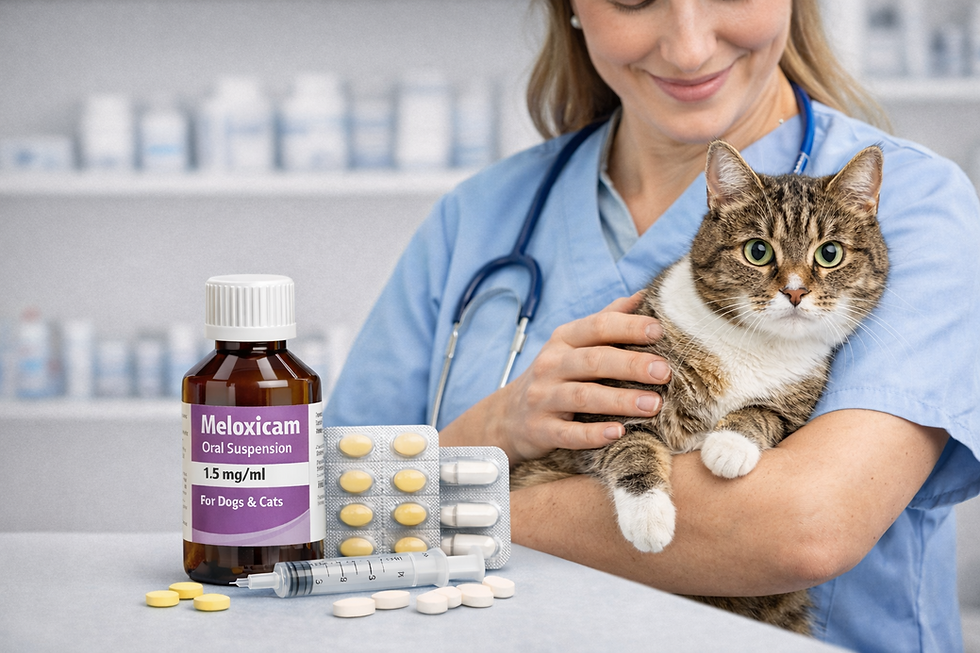
Meloxicam is a non-steroidal anti-inflammatory drug (NSAID) used in veterinary medicine to reduce pain, inflammation, and fever in animals, especially dogs and cats. It belongs to the oxicam class of NSAIDs, the same drug family used in human medicine for arthritis and musculoskeletal pain. In veterinary practice, meloxicam is most commonly prescribed for osteoarthritis, soft tissue injury, inflammation, and post-operative pain management.
Inflammation is a natural protective response of the body to injury, infection, or tissue damage. However, excessive inflammation causes pain, swelling, stiffness, and reduced mobility, particularly in joints. Meloxicam helps control this process by blocking the production of specific inflammatory chemicals, allowing pets to move more comfortably and recover more efficiently.
Meloxicam is widely known under several brand names, including:
Metacam®
Meloxidyl®
Loxicom®
Meloxoral®
generic meloxicam oral suspension or injectable formulations
These formulations are specifically designed for veterinary use, with concentrations adjusted for animal safety and accurate dosing.
Meloxicam is available in multiple forms to suit different clinical situations:
Formulation | Typical Use | Notes |
Oral suspension | Long-term arthritis management | Most common form for home use |
Injectable solution | Post-surgical pain or hospital use | Fast onset |
Tablets (less common in pets) | Alternative oral dosing | Used mainly in dogs |
In dogs, meloxicam is commonly approved for both short-term and long-term pain control, particularly for chronic joint disease such as osteoarthritis. In cats, its use is more carefully controlled, and in many regions it is primarily approved for single-dose injection after surgery, although low-dose oral protocols may be used in specific cases under professional supervision.
One of the key advantages of meloxicam is its long duration of action, typically allowing once-daily dosing in dogs. This improves compliance and makes it practical for chronic pain management.
Meloxicam does not cure underlying diseases such as arthritis or injury. Instead, it improves comfort, mobility, and quality of life, allowing pets to remain active while the underlying condition is managed.
Common situations where meloxicam may be prescribed include:
Osteoarthritis and degenerative joint disease
Pain after orthopedic or soft tissue surgery
Muscle injuries or ligament strain
Inflammatory conditions affecting joints or tissues
Trauma-related inflammation
Dental procedures and oral inflammation
Pets receiving meloxicam often show noticeable improvement in:
Willingness to walk or run
Ability to climb stairs
Reduced stiffness after rest
Increased activity and normal behavior
Because pain in animals is often subtle and difficult to recognize, medications like meloxicam play a critical role in improving animal welfare and long-term comfort.
Active Ingredient and Mechanism of Action of Meloxicam
Meloxicam works by inhibiting enzymes called cyclooxygenases (COX enzymes), which are responsible for producing inflammatory mediators known as prostaglandins. Prostaglandins are chemical messengers that contribute to:
Pain sensation
Swelling
Heat and redness
Fever
Tissue inflammation
When tissues are injured or inflamed, prostaglandin production increases significantly. This leads to pain and reduced mobility. Meloxicam reduces prostaglandin production, thereby decreasing inflammation and pain.
There are two main cyclooxygenase enzymes:
Enzyme | Function | Importance |
COX-1 | Protects stomach lining, supports kidney function, maintains blood flow | Essential for normal body function |
COX-2 | Produces inflammatory prostaglandins during injury or disease | Main target for pain relief |
Meloxicam is considered a preferential COX-2 inhibitor, meaning it primarily blocks the inflammatory enzyme (COX-2) while having less effect on the protective enzyme (COX-1). This selectivity improves safety compared to older NSAIDs, although side effects can still occur.
By reducing COX-2 activity, meloxicam provides several therapeutic effects:
Reduces joint inflammation
Decreases pain signals
Improves mobility
Reduces swelling
Helps restore normal function
After administration, meloxicam is absorbed into the bloodstream and distributed throughout the body. It concentrates especially in inflamed tissues and joints, where it exerts its therapeutic effects.
Onset and duration of action
Parameter | Typical Range |
Onset of effect | 1–2 hours |
Peak effect | 4–8 hours |
Duration | approximately 24 hours |
Dosing frequency | usually once daily |
This long duration makes meloxicam particularly useful for chronic conditions requiring consistent pain control.
Metabolism and elimination
Meloxicam is metabolized primarily in the liver and eliminated through bile and urine. Because of this, liver and kidney health play an important role in drug safety. Animals with impaired organ function may require dose adjustment or alternative medications.
Cats metabolize NSAIDs more slowly than dogs due to differences in liver enzyme activity. This is why dosing protocols differ significantly between species, and why careful dosing is essential.
Why COX-2 selectivity matters
Older NSAIDs that strongly inhibit COX-1 often caused:
Stomach ulcers
Gastrointestinal bleeding
Kidney damage
Meloxicam’s preferential COX-2 inhibition reduces these risks, making it one of the most commonly used NSAIDs in veterinary medicine. However, no NSAID is completely risk-free, and proper dosing and monitoring remain essential.
Common Uses of Meloxicam in Dogs and Cats
Meloxicam is primarily used to manage pain and inflammation associated with musculoskeletal, surgical, and inflammatory conditions in dogs and cats. Because inflammation is a major source of discomfort and tissue damage, controlling it helps animals recover faster and maintain normal mobility.
The most common indication for meloxicam in veterinary medicine is osteoarthritis, a chronic degenerative joint disease that affects millions of dogs worldwide and a significant number of aging cats. Osteoarthritis causes progressive cartilage damage, joint inflammation, stiffness, and pain. Pets with arthritis often show subtle signs such as reduced activity, reluctance to jump, difficulty climbing stairs, or stiffness after rest. Meloxicam reduces inflammation inside the joint capsule, improving comfort and restoring mobility.
Another major use is post-operative pain control. Surgical procedures, including spaying, neutering, orthopedic surgery, dental procedures, and tumor removal, cause predictable inflammation and tissue injury. Meloxicam helps reduce swelling and pain after surgery, improving recovery and reducing stress. Injectable meloxicam is commonly administered in clinical settings immediately after surgery, followed by oral treatment when appropriate.
Meloxicam is also frequently used for soft tissue injuries, such as:
Ligament sprains
Muscle strain
Trauma from falls or accidents
Bite wounds
Bruising and tissue inflammation
In these cases, inflammation can significantly limit mobility and delay healing. By reducing inflammatory mediators, meloxicam improves comfort and encourages normal movement, which supports recovery.
Dental disease is another important indication. Dogs and cats commonly develop gingivitis, periodontal disease, and oral inflammation, which can cause significant pain. Meloxicam helps reduce inflammation after dental cleaning or tooth extraction, allowing animals to resume eating normally.
Meloxicam may also be used for inflammatory diseases affecting various organ systems, including:
Joint inflammation (arthritis, synovitis)
Soft tissue inflammation
Post-traumatic inflammation
Post-procedural inflammation
Certain inflammatory conditions affecting mobility
The table below summarizes the most common clinical uses:
Condition | Why Meloxicam Is Used | Expected Benefit |
Osteoarthritis | Chronic joint inflammation | Improved mobility and reduced stiffness |
Post-operative pain | Surgical tissue injury | Faster recovery and pain control |
Muscle and ligament injury | Inflammation from strain or trauma | Reduced swelling and discomfort |
Dental procedures | Oral tissue inflammation | Improved eating and comfort |
Trauma and injury | Tissue inflammation | Reduced pain and faster healing |
Chronic inflammatory conditions | Ongoing inflammatory response | Improved quality of life |
In dogs, meloxicam is often used for long-term management of chronic arthritis, sometimes for months or years with appropriate monitoring. Many dogs experience substantial improvement in activity levels and overall quality of life.
In cats, meloxicam is more commonly used for short-term pain management, particularly after surgery. Long-term use may be considered in specific cases under careful supervision, but dosing must be extremely precise due to species-specific metabolic differences.
Pet owners may notice improvement within 24 to 48 hours, although full anti-inflammatory benefits may take several days, especially in chronic conditions.
Why Anti-Inflammatory Treatment Is Needed in Pets
Inflammation is a natural protective response that helps the body heal after injury or infection. However, excessive or prolonged inflammation causes pain, tissue damage, and reduced function, especially in joints and musculoskeletal tissues.
Unlike humans, animals cannot verbally express pain. Instead, they often hide discomfort as a survival instinct. This means inflammatory pain frequently goes unnoticed until it becomes severe. Untreated inflammation can significantly reduce an animal’s mobility, appetite, and quality of life.
Inflammation affects the body through several mechanisms:
Increased blood flow to injured tissue
Release of inflammatory chemicals
Swelling of tissues
Activation of pain receptors
Reduced joint lubrication
Over time, chronic inflammation can lead to permanent structural damage, particularly in joints.
The following table explains how inflammation affects pets:
Effect of Inflammation | What Happens in the Body | Visible Signs in Pets |
Joint swelling | Fluid and inflammatory cells accumulate | Stiffness, limping |
Pain receptor activation | Nerves transmit pain signals | Reluctance to move |
Tissue damage | Enzymes break down cartilage | Reduced mobility |
Muscle tension | Protective muscle contraction | Reduced activity |
Reduced circulation efficiency | Altered tissue oxygenation | Fatigue, weakness |
Without anti-inflammatory treatment, pets with chronic inflammatory conditions often experience progressive deterioration. This is especially common in aging animals.
Untreated arthritis, for example, can lead to:
Permanent joint damage
Muscle loss due to inactivity
Weight gain due to reduced exercise
Reduced cardiovascular health
Behavioral changes such as irritability or withdrawal
Pain also affects psychological well-being. Animals experiencing chronic pain may become less social, less active, and less responsive to their environment.
Anti-inflammatory medications such as meloxicam help break this cycle by reducing prostaglandin production. This leads to:
Reduced swelling
Reduced pain
Improved joint function
Increased mobility
Improved appetite and behavior
Improved mobility also helps maintain muscle strength, circulation, and joint stability, which slows disease progression.
In surgical patients, controlling inflammation is essential for proper healing. Excessive inflammation can delay tissue repair and increase complications. Anti-inflammatory therapy helps ensure smoother recovery.
Early and appropriate management of inflammation is one of the most important factors in preserving long-term mobility and quality of life in dogs and cats.
Cost of Meloxicam for Dogs and Cats (US and EU Price Guide)
The cost of meloxicam varies depending on several factors, including the country, brand, formulation (oral or injectable), bottle size, and whether a generic or branded product is used. Generic meloxicam is widely available and significantly more affordable than branded versions such as Metacam®, although both contain the same active ingredient.
Meloxicam is usually sold as an oral suspension for home use, while injectable formulations are typically administered in clinical settings. Because dosing is based on body weight, larger dogs require higher daily volumes, which increases long-term cost.
Below is a general price overview based on common veterinary pharmacy and clinic pricing in the United States and European Union.
Oral suspension (most common home-use form)
Region | Typical Price Range | Bottle Size | Estimated Duration |
United States | $20 – $60 USD | 10–32 ml | 1–3 months depending on dog size |
European Union | €15 – €45 EUR | 10–32 ml | 1–3 months depending on dog size |
Small dogs and cats require extremely small daily doses, so a single bottle may last several months.
Large dogs, especially those over 30 kg, may require more frequent refills due to higher daily dosing volume.
Injectable meloxicam (clinic use)
Region | Typical Cost per Injection | Notes |
United States | $15 – $40 USD | Usually included in surgery cost |
European Union | €10 – €30 EUR | Common after surgery |
Injectable meloxicam is most often administered:
After spay or neuter surgery
After orthopedic procedures
During hospitalization
The cost is often included as part of the overall treatment or surgical package rather than billed separately.
Monthly treatment cost estimate (example)
Pet Size | Estimated Monthly Cost (US) | Estimated Monthly Cost (EU) |
Cat (4–5 kg) | $5 – $15 USD | €5 – €12 EUR |
Small dog (5–10 kg) | $8 – $20 USD | €7 – €18 EUR |
Medium dog (15–25 kg) | $15 – $35 USD | €12 – €30 EUR |
$25 – $60 USD | €20 – €50 EUR |
Generic products significantly reduce long-term cost, making meloxicam one of the more affordable veterinary NSAIDs.
Other factors influencing price include:
Brand vs generic product
Veterinary clinic vs online pharmacy
Regional pricing differences
Prescription and consultation fees
Because meloxicam is often used long-term in arthritis patients, affordability and availability make it a practical option for chronic pain management.
How Meloxicam Is Administered (Oral, Injectable, and Practical Methods)
Meloxicam can be administered in oral or injectable form, depending on the medical condition, treatment duration, and clinical setting. The oral suspension is the most commonly used form for ongoing treatment at home, while injections are typically used in hospitals or during surgery.
Oral administration
The oral suspension is designed for precise dosing and is usually supplied with a graduated dosing syringe. It is administered once daily in most cases.
Common oral administration methods include:
Directly into the mouth using a dosing syringe
Mixed with a small amount of food
Placed on a treat or small portion of wet food
Administering meloxicam with food helps reduce the risk of gastrointestinal irritation.
Many veterinary formulations are flavored to improve acceptance, especially in dogs. Cats may require more careful administration due to taste sensitivity.
Injectable administration
Injectable meloxicam is typically given by a professional using:
Subcutaneous injection (under the skin)
Intravenous injection (in hospital settings)
Injectable administration provides:
Faster onset of action
Reliable absorption
Accurate dosing
This form is commonly used immediately after surgery or when oral administration is not possible.
Comparison of administration methods
Method | Typical Use | Advantages | Limitations |
Oral suspension | Long-term treatment | Convenient, suitable for home use | Requires daily administration |
Injection | Surgery or acute pain | Fast effect, precise dosing | Requires clinical setting |
Oral tablet (less common) | Alternative oral dosing | Simple form | Less flexible dosing accuracy |
Practical administration tips
Proper administration improves safety and effectiveness.
Important practical considerations include:
Always use the dosing syringe provided
Shake the bottle before use to ensure even concentration
Give at the same time each day
Do not exceed prescribed dose
Do not combine with other NSAIDs unless instructed
For cats and small dogs, dosing precision is especially critical because even small dose increases can significantly affect safety.
Onset after administration
After oral dosing, meloxicam is absorbed through the gastrointestinal tract and begins working within a few hours. Maximum anti-inflammatory benefit may develop over several days in chronic conditions.
Consistency is important for chronic pain management. Missing doses may reduce effectiveness, while overdosing increases risk of side effects.
Frequency of Use and Duration of Effect
Meloxicam is typically administered once daily because of its long duration of action. This makes it one of the more convenient anti-inflammatory medications for long-term management of pain and inflammation in dogs and cats. Its pharmacological properties allow it to remain active in the body for approximately 24 hours, maintaining consistent anti-inflammatory effects between doses.
After administration, meloxicam is absorbed into the bloodstream and distributed to tissues, particularly inflamed joints and injured areas. Its long elimination half-life allows sustained suppression of inflammatory prostaglandins.
Typical dosing frequency by species
Species | Typical Frequency | Notes |
Dogs | Once every 24 hours | Most common long-term protocol |
Cats | Often single dose or carefully controlled dosing | Long-term use requires strict supervision |
Post-surgical patients | Single injection followed by oral dosing if needed | Depends on procedure |
Dogs tolerate daily dosing relatively well when properly monitored. In chronic conditions such as osteoarthritis, meloxicam may be administered for months or even years, provided kidney and liver function remain normal.
Cats metabolize NSAIDs more slowly than dogs. Because of this, meloxicam may remain in a cat’s system longer, increasing the risk of accumulation if dosing is too frequent. This is why dosing schedules in cats are more conservative and individualized.
Onset and peak effectiveness timeline
Time After Administration | Expected Effect |
1–2 hours | Initial absorption begins |
4–8 hours | Peak blood concentration |
12–24 hours | Maximum anti-inflammatory benefit |
24 hours | Gradual decline, next dose needed |
In acute injuries or surgical cases, improvement may be noticeable within the first day. In chronic arthritis, full improvement may take several days to one week, as inflammation gradually decreases.
Duration of treatment
Meloxicam may be prescribed for different durations depending on the condition:
Condition | Typical Duration |
Post-surgical pain | 1–5 days |
Acute injury | Several days to weeks |
Dental procedures | 1–3 days |
Osteoarthritis | Long-term or lifelong in some cases |
Chronic inflammatory disease | Long-term with monitoring |
Long-term treatment requires periodic health monitoring to ensure continued safety.
Factors affecting duration and dosing interval
Several biological and medical factors influence how long meloxicam remains active:
Age of the animal
Body weight
Liver function
Kidney function
Hydration status
Severity of inflammation
Concurrent medications
Older animals may metabolize drugs more slowly, increasing drug exposure time.
Consistency is essential. Giving meloxicam at approximately the same time each day helps maintain stable drug levels and consistent pain control.
Comparison of Meloxicam With Other Veterinary NSAIDs
Meloxicam is one of several NSAIDs commonly used in veterinary medicine. Other widely used NSAIDs include carprofen, deracoxib, firocoxib, and robenacoxib. While all NSAIDs reduce inflammation and pain, they differ in selectivity, duration, safety profile, and species suitability.
Understanding these differences helps explain why meloxicam may be chosen in certain situations.
Common veterinary NSAIDs comparison
Drug | Common Brand Names | Species | Duration | Key Characteristics |
Meloxicam | Metacam®, Meloxidyl® | Dogs, cats | ~24 hours | Preferential COX-2 inhibitor, flexible dosing |
Carprofen | Rimadyl® | Dogs | ~12–24 hours | Widely used, strong arthritis control |
Deracoxib | Deramaxx® | Dogs | ~24 hours | COX-2 selective, often used post-surgery |
Firocoxib | Previcox® | Dogs | ~24 hours | Highly COX-2 selective |
Robenacoxib | Onsior® | Dogs, cats | ~24 hours | Common in cats, shorter tissue persistence |
Meloxicam is particularly valued because of its availability in both injectable and oral liquid forms, allowing precise dosing for small animals such as cats and small dogs.
Advantages of meloxicam
Meloxicam offers several clinical advantages:
Once-daily dosing
Available as liquid for precise dosing
Suitable for both dogs and cats
Effective for chronic and acute inflammation
Widely available worldwide
Cost-effective compared to some alternatives
Its liquid formulation is especially useful for small patients where tablet splitting would be inaccurate.
Limitations compared to other NSAIDs
Despite its advantages, meloxicam is not always the first choice in every situation.
Limitations include:
Some NSAIDs have higher COX-2 selectivity
Certain drugs may be preferred for specific conditions
Individual animals may respond better to different NSAIDs
Long-term use requires monitoring
If a pet does not respond well to meloxicam or develops side effects, another NSAID may be selected.
Why veterinarians choose one NSAID over another
Choice depends on multiple factors:
Species (dog vs cat)
Age
Kidney and liver health
Severity of pain
Duration of treatment needed
Previous response to NSAIDs
Cost and availability
No NSAID is universally superior in all cases. Meloxicam remains one of the most widely used options because of its balance between effectiveness, safety, flexibility, and affordability.
Safety Considerations and When Meloxicam Should NOT Be Used
Meloxicam is generally considered safe when used at the correct dose and under proper supervision, but like all NSAIDs, it can affect kidney function, gastrointestinal health, and blood circulation, especially in vulnerable animals. Careful patient selection and monitoring are essential to minimize risk.
Meloxicam works by reducing prostaglandin production. While prostaglandins contribute to inflammation, they also play important protective roles in maintaining:
Blood flow to the kidneys
Protection of the stomach lining
Normal blood clotting
Regulation of circulation during stress
Reducing prostaglandins can therefore create complications in animals that already have compromised organ function.
Animals that require special caution
Certain pets have a higher risk of complications when receiving meloxicam.
Risk Category | Reason for Increased Risk |
Dehydrated animals | Reduced kidney blood flow increases risk of kidney injury |
Senior pets | Age-related decline in organ function |
Pets with kidney disease | Reduced ability to eliminate the drug |
Pets with liver disease | Impaired drug metabolism |
Pets with gastrointestinal disease | Increased risk of stomach irritation or ulcers |
Very young animals | Immature metabolic systems |
Low blood pressure patients | Reduced kidney perfusion risk |
Dehydration is one of the most important risk factors. Animals that are vomiting, not eating, or severely ill should be stabilized before receiving NSAIDs.
Situations where meloxicam should NOT be used
Meloxicam is generally avoided or contraindicated in the following situations:
Condition | Reason |
Active kidney failure | Increased risk of worsening kidney injury |
Severe liver disease | Impaired drug breakdown |
Active stomach ulcer | Increased bleeding risk |
Gastrointestinal bleeding | NSAIDs can worsen bleeding |
Severe dehydration | Reduced kidney protection |
Known NSAID allergy | Risk of hypersensitivity reaction |
Dangerous drug combinations
Meloxicam should not be combined with certain medications because of increased risk of organ damage.
High-risk combinations include:
Drug Type | Examples | Risk |
Other NSAIDs | carprofen, firocoxib, aspirin | Severe gastrointestinal damage |
Corticosteroids | prednisone, dexamethasone | High ulcer and bleeding risk |
Certain diuretics | furosemide | Increased kidney stress |
ACE inhibitors | enalapril, benazepril | Reduced kidney perfusion risk |
A washout period is typically required when switching between NSAIDs to reduce complications.
Importance of proper dosing
NSAIDs have a narrow safety margin, meaning overdosing significantly increases risk. Accurate weight measurement and proper dosing tools are essential.
Small dosing errors can have a greater impact in:
Cats
Small dogs
Senior animals
Never adjust the dose without proper guidance.
Monitoring during treatment
Animals receiving meloxicam, especially long-term, should be monitored periodically. Monitoring helps detect early signs of complications before they become severe.
Recommended monitoring includes:
Monitoring Type | Purpose |
Blood tests | Evaluate kidney and liver function |
Hydration assessment | Ensure adequate circulation |
Appetite and activity monitoring | Detect early adverse effects |
Urination patterns | Identify kidney issues |
Early detection greatly improves safety.
Side Effects and Possible Adverse Reactions
Most dogs and cats tolerate meloxicam well when properly dosed, but side effects can occur. These range from mild gastrointestinal irritation to more serious complications involving the kidneys or gastrointestinal tract.
The most common side effects involve the digestive system because prostaglandins normally help protect the stomach lining.
Common side effects
Side Effect | Cause | Frequency |
Stomach irritation | Most common | |
Reduced appetite | Gastrointestinal discomfort | Common |
Diarrhea | Intestinal irritation | Common |
Lethargy | General systemic response | Occasional |
Soft stool | Mild digestive disruption | Occasional |
These symptoms often appear within the first few days of treatment.
Less common but more serious side effects
Side Effect | Underlying Mechanism |
Stomach ulcer | Reduced protective prostaglandins |
Gastrointestinal bleeding | Damage to stomach lining |
Kidney injury | Reduced blood flow to kidneys |
Liver enzyme elevation | Drug metabolism stress |
Severe dehydration | Secondary effects from vomiting |
These complications are uncommon but potentially serious.
Warning signs requiring immediate attention
Certain symptoms may indicate a serious adverse reaction and require prompt evaluation:
Persistent vomiting
Black or bloody stool
Severe lethargy
Loss of appetite lasting more than 24 hours
Increased thirst or urination
Pale gums
Collapse or weakness
These signs may indicate gastrointestinal bleeding or kidney involvement.
Overdose symptoms
Overdose significantly increases risk and may cause:
Severe vomiting
Bloody diarrhea
Severe lethargy
Kidney failure
Neurological depression
Early treatment greatly improves outcome.
Long-term safety considerations
Many dogs safely receive meloxicam for extended periods when properly monitored. Long-term treatment success depends on:
Correct dosing
Adequate hydration
Regular health monitoring
Avoidance of interacting medications
Cats require especially careful dosing due to slower drug metabolism.
Meloxicam remains one of the most widely used anti-inflammatory drugs in veterinary medicine because it provides effective pain relief while maintaining a generally favorable safety profile when used appropriately.
Use of Meloxicam in Kittens, Puppies, Pregnant, and Senior Animals
Meloxicam can be used in young and older animals when clinically appropriate, but these groups require special dosing considerations and careful monitoring because their metabolism and organ function differ from healthy adult animals.
Age, developmental stage, and physiological condition all influence how the body absorbs, distributes, and eliminates medications. Improper use in vulnerable populations increases the risk of complications, particularly involving the kidneys and gastrointestinal system.
Use in puppies and kittens
Young animals have developing liver and kidney function, which may affect drug metabolism and elimination. Because of this, dosing must be carefully calculated based on accurate body weight.
Meloxicam is commonly used in young animals for:
Post-surgical pain (spay and neuter procedures)
Injury-related inflammation
Acute inflammatory conditions
However, very young animals may have increased sensitivity to NSAIDs.
Age Group | Considerations |
Neonates | Usually avoided due to immature organ function |
Young puppies and kittens | May be used cautiously at appropriate doses |
Juvenile animals | Generally tolerate treatment well if healthy |
Proper hydration and overall health status are important factors before administration.
Use in senior dogs and cats
Senior animals are among the most frequent recipients of meloxicam because osteoarthritis and chronic inflammatory diseases are more common with age. Meloxicam can significantly improve comfort and mobility in aging pets.
However, aging is associated with:
Reduced kidney function
Reduced liver efficiency
Increased prevalence of chronic disease
These factors increase sensitivity to NSAIDs.
Age Category | Risk Level | Monitoring Importance |
Adult | Low to moderate | Routine monitoring |
Senior | Moderate | Regular monitoring recommended |
Geriatric | Higher | Close monitoring essential |
Despite these risks, many senior pets safely receive meloxicam for long-term arthritis management when monitored appropriately.
Use in pregnant or breeding animals
NSAIDs, including meloxicam, may interfere with normal prostaglandin function, which plays an important role in pregnancy and fetal development.
Potential concerns include:
Effects on fetal circulation
Interference with labor mechanisms
Limited safety data in pregnant animals
Because of these uncertainties, meloxicam is generally used cautiously or avoided in pregnant animals unless clearly necessary.
Use in animals with chronic disease
Animals with certain pre-existing medical conditions require careful evaluation before receiving meloxicam.
Higher risk groups include:
Kidney disease patients
Liver disease patients
Animals with cardiovascular compromise
Chronically dehydrated animals
Alternative medications may be considered in these cases.
Importance of individualized treatment
Every animal responds differently to medication. Factors influencing safety include:
Age
Body condition
Hydration status
Organ function
Underlying disease
Careful dosing and monitoring allow many animals, including seniors, to safely benefit from meloxicam therapy.
Monitoring After Meloxicam Administration
Monitoring plays a critical role in ensuring the safe use of meloxicam, particularly during long-term treatment. Early detection of adverse effects allows rapid intervention and prevents serious complications.
Most animals tolerate meloxicam well, but individual sensitivity varies. Monitoring should include both clinical observation and laboratory assessment when necessary.
Early monitoring after starting treatment
The first days of treatment are the most important period for identifying intolerance.
Pet owners and caregivers should observe for:
Appetite changes
Vomiting
Stool consistency changes
Activity level changes
Signs of discomfort
Mild digestive upset may resolve after adjustment, but persistent symptoms require evaluation.
Long-term monitoring
Animals receiving meloxicam for chronic conditions benefit from periodic health assessments.
Recommended monitoring schedule:
Monitoring Type | Purpose |
Physical examination | Evaluate overall health |
Blood chemistry testing | Assess kidney and liver function |
Hydration assessment | Ensure adequate circulation |
Weight monitoring | Detect appetite changes |
Mobility assessment | Evaluate treatment effectiveness |
These evaluations help ensure continued safety during prolonged therapy.
Kidney function monitoring
Kidneys depend on prostaglandins to regulate blood flow, especially during stress or illness. NSAIDs may reduce this protective mechanism.
Signs that may indicate kidney involvement include:
Increased thirst
Increased urination
Reduced appetite
Lethargy
Blood tests can detect early changes before symptoms become severe.
Gastrointestinal monitoring
Gastrointestinal irritation is the most common adverse effect of NSAIDs.
Warning signs include:
Vomiting
Diarrhea
Black stool
Reduced appetite
Early detection allows prompt treatment and prevents serious complications.
Monitoring treatment effectiveness
Monitoring is not only for safety but also for evaluating therapeutic benefit.
Signs of successful treatment include:
Improved mobility
Increased activity
Reduced stiffness
Improved comfort
If improvement is insufficient, treatment adjustments or alternative therapies may be considered.
Importance of hydration
Adequate hydration supports kidney function and improves medication safety. Animals receiving NSAIDs should always have access to clean water.
Dehydration significantly increases risk of kidney complications.
When monitoring is most critical
Monitoring is especially important in:
Senior animals
Long-term treatment cases
Animals with chronic disease
Animals receiving multiple medications
Proper monitoring allows meloxicam to be used safely and effectively in a wide range of clinical situations.
FAQ
What is meloxicam used for in dogs and cats?
Meloxicam is used to reduce pain, inflammation, and swelling in dogs and cats. It is most commonly prescribed for osteoarthritis, post-surgical pain, soft tissue injuries, dental procedures, and inflammatory joint conditions. By reducing inflammation inside joints and tissues, meloxicam helps pets move more comfortably and improves overall quality of life. It does not cure the underlying disease but helps control symptoms so animals can remain active and comfortable during recovery or chronic conditions.
Is meloxicam safe for dogs and cats?
Meloxicam is generally safe when given at the correct dose and under proper supervision. Dogs typically tolerate meloxicam well, including long-term use for arthritis when monitored appropriately. Cats can also receive meloxicam, but they are more sensitive to NSAIDs, so dosing must be precise. Safety depends on factors such as hydration, kidney health, liver function, and correct dosing. Most complications occur when overdosing, dehydration, or pre-existing disease is present.
How long does meloxicam take to work in pets?
Meloxicam usually begins working within 1 to 2 hours after administration. Noticeable improvement in comfort and mobility may occur within 24 hours. In chronic conditions such as arthritis, full anti-inflammatory benefits may take several days to develop. Consistent daily dosing allows the medication to maintain stable anti-inflammatory effects.
How long does meloxicam stay in a dog or cat’s system?
Meloxicam typically remains active for about 24 hours, which is why it is usually given once daily. However, the elimination time may vary depending on species, age, and organ function. Cats generally metabolize meloxicam more slowly than dogs, meaning the drug may remain in their system longer.
Can meloxicam be used long-term in dogs?
Yes, meloxicam is commonly used long-term in dogs with chronic arthritis and other inflammatory conditions. Many dogs receive meloxicam safely for months or years with appropriate monitoring. Regular health assessments help ensure continued safety during extended treatment.
Can meloxicam be used long-term in cats?
Meloxicam may be used long-term in cats in certain situations, but this requires careful dose control and monitoring. Cats metabolize NSAIDs differently than dogs, which increases sensitivity. Low-dose protocols may be used when benefits outweigh risks and when kidney function is normal.
What are the most common side effects of meloxicam?
The most common side effects include vomiting, reduced appetite, diarrhea, and mild lethargy. These effects are usually related to gastrointestinal irritation. Most pets tolerate the medication well, but persistent symptoms should be evaluated.
What are the serious side effects of meloxicam?
Serious side effects are uncommon but may include stomach ulcers, gastrointestinal bleeding, kidney injury, and liver dysfunction. Warning signs include black stool, persistent vomiting, severe lethargy, increased thirst, or loss of appetite. Early detection greatly improves safety.
Can meloxicam cause kidney problems in dogs and cats?
Yes, NSAIDs including meloxicam can affect kidney function, particularly in dehydrated animals or those with pre-existing kidney disease. Healthy, well-hydrated animals receiving proper doses generally tolerate meloxicam well. Monitoring kidney function is important during long-term use.
Should meloxicam be given with food?
Meloxicam is usually given with food to reduce stomach irritation. Food helps protect the stomach lining and improves tolerance. Giving the medication at the same time each day improves consistency and effectiveness.
Can meloxicam be used after surgery in pets?
Yes, meloxicam is commonly used after surgical procedures to control inflammation and pain. It may be administered as an injection immediately after surgery and followed by oral dosing when needed. This helps improve comfort and recovery.
Can meloxicam be used with other pain medications?
Meloxicam should not be combined with other NSAIDs or corticosteroids because this significantly increases the risk of gastrointestinal damage and kidney complications. Some other pain medications may be safely combined depending on the situation, but drug combinations must be carefully managed.
What happens if a pet receives too much meloxicam?
Overdose increases the risk of vomiting, diarrhea, stomach ulcers, kidney injury, and lethargy. Early treatment greatly improves outcome. Accurate dosing based on body weight is essential to prevent overdose.
Is meloxicam the same as Metacam?
Metacam is a brand name for meloxicam. Both contain the same active ingredient and provide the same anti-inflammatory effects. Generic meloxicam products are also widely available.
How does meloxicam reduce pain in animals?
Meloxicam blocks cyclooxygenase enzymes responsible for producing inflammatory prostaglandins. These prostaglandins contribute to pain, swelling, and inflammation. By reducing their production, meloxicam decreases inflammation and improves comfort.
Can meloxicam improve mobility in pets with arthritis?
Yes, meloxicam can significantly improve mobility in animals with arthritis by reducing joint inflammation and pain. Many pets become more active, comfortable, and willing to move after starting treatment.
Can meloxicam be used in senior dogs and cats?
Yes, meloxicam is frequently used in senior animals, especially for arthritis. However, older animals may have reduced organ function, so monitoring is especially important. Many senior pets benefit greatly from proper anti-inflammatory therapy.
Can meloxicam be given to dehydrated animals?
Meloxicam should generally be avoided in dehydrated animals because dehydration increases the risk of kidney injury. Hydration status should be corrected before administration.
Is meloxicam stronger than other NSAIDs for pets?
Meloxicam is not necessarily stronger but is highly effective and widely used. Different NSAIDs may be chosen depending on species, condition, and individual response. Meloxicam offers a good balance between effectiveness and safety.
Do pets need monitoring while taking meloxicam?
Yes, monitoring helps ensure safe use, especially during long-term treatment. Monitoring may include physical examinations and laboratory tests to assess kidney and liver function.
Can meloxicam improve quality of life in pets?
Yes, meloxicam can significantly improve comfort, mobility, and activity levels in animals suffering from inflammatory pain. Proper pain management helps pets remain active and maintain normal behavior.
What should owners watch for after giving meloxicam?
Owners should monitor appetite, activity, vomiting, stool consistency, and urination patterns. Any unusual changes should be evaluated promptly to ensure safety.
Can meloxicam be used for acute injuries?
Yes, meloxicam is commonly used for acute injuries such as muscle strain, ligament injury, and trauma. It helps reduce inflammation and speeds recovery.
Why is meloxicam commonly prescribed in veterinary medicine?
Meloxicam is widely used because it provides effective anti-inflammatory and pain-relieving effects, has convenient once-daily dosing, and is available in formulations suitable for both dogs and cats.
Keywords
meloxicam for dogs, meloxicam for cats, Metacam safety, NSAID side effects in pets, pain relief for dogs and cats
Sources
Source | Link |
U. S. Food & Drug Administration (FDA) – Information about the boxed warning on meloxicam labels regarding safety risks in cats | |
Merck Veterinary Manual – Overview of NSAIDs in veterinary medicine | |
European Medicines Agency (EMA) – Veterinary medicinal products / pharmacovigilance and safety information | |
American Animal Hospital Association (AAHA) – Pain management resources and guidance | |
Mersin VetLife Veterinary Clinic |


Comments