
Everything about the Akita Inu (dog breed): character, care, health, and life.


Akita Inu Origins and History
The Akita Inu is one of the oldest and most revered dog breeds, originating in Japan. It takes its name from the Akita region in northern Japan and has historically evolved by adapting to the harsh climate of this region. Archaeological and written sources indicate that dogs similar to the Akita have existed in Japan for approximately 3,000 years. In early times, these dogs were used for hunting and protection, playing a significant role in tracking large game such as bears, wild boars, and deer.
From the 17th century onwards, the status of the Akita Inu in Japanese society rose significantly. During this period, only nobles and the samurai class were allowed to keep Akitas, and the breed became a symbol of power, loyalty, and honor. Akitas were valued not only as hunting dogs but also as protectors of property and family. This status played a significant role in shaping the breed's character; traits such as independence, courage, and absolute devotion to their owner were reinforced during this process.
At the beginning of the 20th century, the Akita Inu was considered a "national treasure" in Japan. However, during World War II, the breed faced a serious threat of extinction. The famine during the war led to the loss of many Akitas; those that survived were crossbred with other breeds, such as German Shepherd Dogs . In the post-war period, Japanese breeders carried out intensive breeding work to recreate the pure Akita Inu line.
This process ultimately resulted in two distinct breeds: the Japanese Akita Inu and the American Akita. The Japanese Akita Inu has more elegant, fox-like facial features, while the American Akita is larger, stronger, and has a more bear-like appearance. The Akita Inu description discussed in this blog is based on the pure Japanese breed.
One of the most important symbols in the worldwide recognition of the Akita Inu is the story of Hachiko, who has become a symbol of loyalty in Japan. This event has ensured that the deep devotion and loyalty inherent in the Akita Inu's character are known on a global scale. Today, the Akita Inu is still considered a special dog breed, revered in Japanese culture and preferred by experienced owners worldwide.

Positive Characteristics of Akita Inu
The table below details the prominent positive characteristics of the Akita Inu and what these characteristics mean in daily life.
Feature | Explanation |
Loyalty | Akita Inu dogs display deep and unwavering loyalty to their owners. They view their family as their "pack" and consider protecting them a natural duty. |
Strong protective instinct | Thanks to its innate protective instincts, it is wary of strangers and can defend itself without hesitation when it perceives a threat. |
Quiet and peaceful structure | It doesn't bark unnecessarily. It prefers to observe its surroundings, which makes it advantageous for those who want a quiet life. |
Physical endurance | It is extremely resistant to cold weather conditions. Its thick, double-layered fur structure ensures comfortable living even in harsh climates. |
Independence | It doesn't constantly demand attention. It can spend time alone, and when this trait is managed correctly, it presents a balanced personality. |
Intelligence and problem-solving | Akita Inu dogs possess an intelligence that allows them to analyze their surroundings and develop strategies based on different situations. They learn through understanding, not repetition. |
Compassion towards his family | They exhibit a gentle, patient, and protective attitude towards family members. They are particularly calm and controlled within their own space. |
Nobility and self-confidence | Their posture, gait, and demeanor give off a confident impression. This characteristic is a natural reflection of the breed's historical status. |

Akita Inu Negative Characteristics
The Akita Inu's strong and independent character can bring about certain challenges if not managed properly. The table below details the negative traits specific to this breed and what they mean in daily life.
Feature | Explanation |
Dominant | Akita Inu dogs value pack hierarchy. Without clear and consistent leadership, they may attempt to take control. |
Intolerance towards other dogs | They may exhibit aggression, especially towards dogs of the same breed or those with dominant personalities. Early socialization is critically important. |
Persistence in education | Despite being intelligent, they have a "why should I do it?" attitude. They may resist challenging, repetitive teaching methods. |
A distant attitude towards foreigners. | This dog is not social and doesn't make friends with everyone. It is distant and cautious towards guests. |
Difficult for inexperienced owners. | This breed is not suitable for first-time dog owners. The wrong approach can lead to behavioral problems. |
Strong hunting instinct | There is a risk that they may perceive small animals (cats, rabbits, poultry) as prey. Controlled introduction is essential. |
Extreme tolerance for being alone. | Independence can sometimes lead to emotional distance. It may take time for the child to bond with their owner. |
Seasonal heavy molting | They shed heavily 1-2 times a year. If regular grooming isn't done, a serious shedding problem can develop indoors. |
Akita Inu Physical Characteristics
The Akita Inu is a large, well-balanced, and powerful dog breed that exudes nobility at first glance. Males are larger and more muscular than females; however, both sexes have remarkably balanced body proportions. Their body structure is neither bulky nor weak; it is characterized by a strong bone structure and a powerful muscular system.
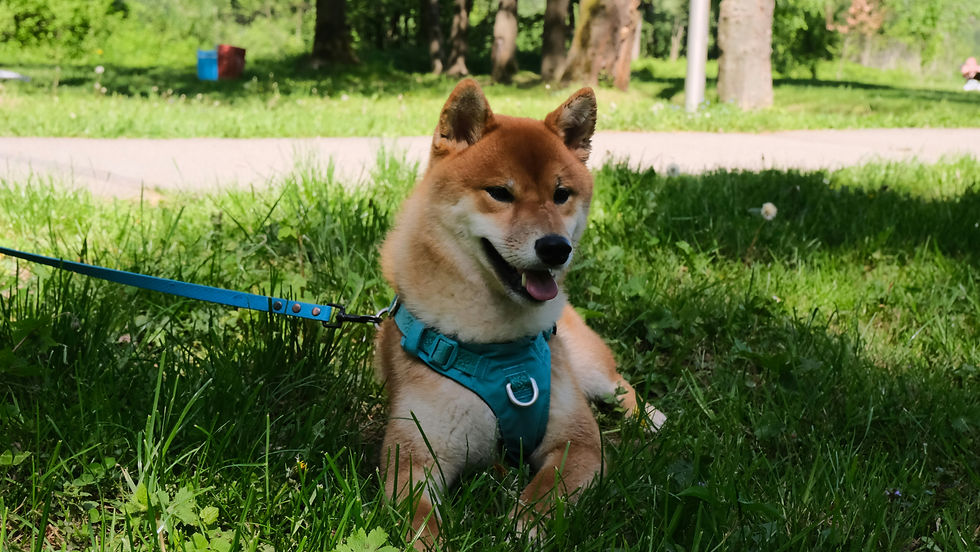
The head structure is one of the most distinctive features of the Akita Inu. A broad, flat forehead, small but erect triangular ears, and almond-shaped eyes with a deep, attentive gaze create the breed's characteristic expression. The nose is usually black, and the jaw structure is strong. This structure is a result of the Akita Inu's historical use in big game hunting.
The coat is double-layered. The upper layer is hard and straight, while the underlayer is extremely dense and soft. This structure makes the Akita Inu extremely resistant to cold climates. Coat colors can be white, red, sesame (reddish-black mix), brindle, and light brown. Regardless of color, the coat always appears thick and full.
The tail is another distinctive physical characteristic of the Akita Inu. It is thick, bushy, and curled tightly over the back. This tail structure is of great importance both aesthetically and in terms of breed standards. The legs are straight, strong, and well-angled; their gait is confident, balanced, and quiet.
In terms of height and weight, the Akita Inu belongs to the large breed class. Males typically stand 64–70 cm tall at the shoulder, while females reach 58–64 cm . Their weight ranges from 32–45 kg. These measurements demonstrate that the Akita Inu is a superior dog in terms of both physical strength and endurance.
Akita Inu Ownership and Care Costs
For those considering adopting an Akita Inu, the cost must be realistically assessed due to the breed's size, care needs, and specific requirements. The Akita Inu is a dog breed that requires budget planning not only for the initial purchase price but also for long-term care expenses.
Akita Inu puppy prices in the European and American markets vary significantly depending on pedigree, parental health tests, breeder reliability, and adherence to breed standards. On average:
In Europe (EU): €1,200 – €2,500
In the United States (US): $1,500 – $3,500
These prices only cover the cost of the puppy. Prices can be higher for show-quality puppies or those from champion bloodlines.
The monthly and annual maintenance costs of an Akita Inu should also be considered. Due to its large size, its food consumption is high. High-quality, protein-rich dry food suitable for large breeds should be preferred. For an average Akita Inu:
Monthly baby formula cost:
EU: €70 – €120
US$80 - $150
In addition, regular grooming, brushing, bathing products, and extra care costs during seasonal shedding periods are incurred. Although Akita Inus do not require professional grooming, care costs can increase during periods of heavy shedding.
When evaluated on an annual basis, including nutrition, care equipment, basic health checks, vaccinations, and unforeseen expenses:
Total annual maintenance cost:
EU: €1,200 – €2,000
US: $1,500 – $2,500
The Akita Inu is not a low-cost breed. Therefore, the decision to adopt should be made not only with emotional considerations in mind, but also with long-term economic responsibilities in mind.
Akita Inu Character and Behavioral Traits
The Akita Inu's character clearly distinguishes it from many other dog breeds. This breed is not people-centric; rather, it has a "companion but independent" nature. An Akita Inu develops a deep attachment to its owner, but this attachment doesn't manifest as a constant demand for contact and attention.
The Akita Inu is a calm, composed, and observant dog. It constantly monitors its surroundings, analyzes events, and avoids unnecessary reactions. This makes it attractive to those who dislike noisy and overly active dogs. However, this calmness does not mean passivity; it can react with extreme speed and decisiveness when it perceives a threat.
One of the most distinctive behavioral characteristics of this breed is its tendency towards independent decision-making . Instead of blindly following commands, Akita Inus assess the situation. Therefore, patience, consistency, and mutual trust are crucial in the training process. Authoritarian or harsh approaches make it difficult to establish a healthy relationship with an Akita Inu.
This dog is extremely loyal and protective towards its family members. In a home environment, it exhibits calm, controlled, and balanced behavior. However, it is reserved towards strangers. It is not a dog that approaches everyone in a friendly manner, and this is part of the breed's natural character. If proper socialization is not done early on, this reserve can develop into overprotectiveness.
Its relationship with other animals must be carefully managed. Akita Inus can be intolerant, especially towards dogs of the same breed or those with dominant personalities. They may exhibit a strong hunting instinct towards small animals. Therefore, owning an Akita Inu in a multi-animal household requires considerable experience and control.
In summary, Akita Inu dogs possess a calm, strong, confident, and independent character. When these traits are matched with the right person, they make for an excellent companion; however, in the wrong hands, behavioral problems can become inevitable.
Common Diseases in Akita Inu
While Akita Inus are generally a hardy breed, they do have genetic predispositions and certain breed-specific health risks. The table below lists the more common conditions in Akita Inus, along with brief descriptions and susceptibility levels. Early awareness and regular checkups are critical in managing these risks.
Illness | Explanation | Predisposition Level |
It can lead to pain, limping, and limited mobility due to the incompatible development of the hip joint. It is more common in large breeds. | Middle | |
Elbow Dysplasia | It causes pain and loss of performance due to developmental disorders in the anterior leg joints. | Little |
Hypothyroidism | Thyroid hormone deficiency can manifest as weight gain, fatigue, and deterioration in coat quality. | Middle |
Sebaceous Adenitis | Inflammation of the sebaceous glands can lead to hair loss and skin problems. A breed predisposition has been reported in Akitas. | Middle |
Progressive Retinal Atrophy (PRA) | Degeneration of the eye's retina can progress to vision loss over time. | Little |
Autoimmune Diseases | It occurs when the immune system attacks its own tissues; it can affect the skin and joints. | Middle |
It is known as stomach torsion; it develops suddenly and requires immediate intervention. There is a risk in large breeds with deep chests. | Little |
Akita Inu Intelligence and Trainability
The Akita Inu is a dog breed with high problem-solving skills and strong situational intelligence. However, this intelligence is not obedience-focused; it manifests itself through an independent and selective learning style. Rather than rote memorization of commands, the Akita Inu prefers to understand their meaning and act according to the context.
The level of trainability is directly related to the owner's approach. Akita Inus learn quickly when worked with consistent and calm leadership; they resist harsh, authoritarian, or impatient methods. Short, clear, and logical training sessions are more effective for this breed. Constantly repeating the same command can create apathy and stubbornness in an Akita Inu.
Positive reinforcement (rewards, gentle praise, play) should be the fundamental method in Akita Inu training. Physical punishment or shouting undermines the trust relationship and makes the training process more difficult. This breed wants to respect its owner; it doesn't want to be afraid. When a respectful relationship is established, the Akita Inu can exhibit highly controlled and reliable behavior.
Socialization training is just as important for Akita Inus as basic obedience. Akitas that are not introduced to different people, environments, and controlled animal contact during puppyhood may develop overly distant or protective behaviors later in life. Therefore, socialization should begin early and continue regularly into adulthood.
In conclusion, the Akita Inu is an intelligent, analytical breed capable of independent decision-making. With the right training approach, it becomes a calm and balanced companion; however, it is not suitable for those seeking obedience competitions or a dog profile that constantly demands commands.
Akita Inu Exercise and Activity Needs
Although the Akita Inu may not appear to be a high-energy dog, it is a breed that needs regular and controlled physical activity. These dogs are not hyperactive; however, a sedentary lifestyle can lead to both physical and behavioral problems. The ideal exercise plan for an Akita Inu consists of balanced, planned activities that also provide mental stimulation .
It is recommended that Akita Inus get at least 60–90 minutes of moderate exercise daily. This doesn't have to be all at once; it can be divided into morning and evening walks. Long, leisurely walks are more suitable for this breed than running or high-intensity play. Akita Inus love to explore their surroundings and follow scents; therefore, controlled walks are safer than free roaming.
Mental activity is just as important as physical exercise. Because Akita Inus are highly problem-solving dogs, they can quickly become bored with monotonous activities. Instead of simple command repetition, short but thought-provoking games, search-and-find exercises, and task-based activities are more effective. This type of mental stimulation also helps prevent unwanted behaviors.
Even for Akitas living in houses with gardens, it's important to remember that their exercise needs cannot be met solely by free roaming in the yard. Akita Inus don't consider simply roaming in their own space as exercise. Controlled activities done with their owner support both physical health and the bonding process.
Exercise duration should be carefully regulated for puppies and young Akita Inus. Overexertion during periods of rapid growth can negatively impact joint and bone development. For older Akitas, exercise duration should be shortened, but not completely eliminated. Regular, slow-paced walks improve quality of life, even in old age.
Akita Inu Nutrition and Diet Recommendations
The Akita Inu's diet must be carefully planned due to the breed's size, metabolic structure, and susceptibility to autoimmune diseases. Improper feeding can lead not only to weight problems but also to skin, coat, and overall health issues.
A high-quality, animal-protein-rich diet is essential for Akita Inus. It's important that the food prioritizes meat, is low in grains, and contains a minimum of additives. Since some individuals in this breed may have food sensitivities, foods with simpler ingredient lists offer a safer choice.
An adult Akita Inu should generally be fed two meals a day. Feeding only one meal a day is not recommended as it can increase the risk of gastric torsion. Intense exercise should be avoided after meals, and a rest period of at least 1-2 hours should be allowed after eating. This rule is particularly critical for large breeds at increased risk of GDV (Gastric Dystrophy).
Feeding Akita Inu puppies should be planned to support controlled growth. Excessive calorie intake can lead to rapid weight gain and joint problems. Formulated foods for large breed puppies ensure healthier development by maintaining a calcium-phosphorus balance.
Water access should always be unrestricted. Because Akita Inus have thick coats, their need for fluids increases in hot weather. Especially during the summer months, food quantities should be adjusted and access to water should be constantly monitored.
If a homemade diet or raw food diet (BARF) is chosen, it must be planned consciously. Unbalanced diets can lead to vitamin and mineral deficiencies or immune problems. The effects of nutritional errors may be more pronounced in breeds with autoimmune predispositions, such as the Akita Inu.
Akita Inu Training and Education Techniques
Training an Akita Inu is a process that requires patience and strategy. This breed has a nature that questions commands, makes decisions based on the situation, and does not blindly obey. While this trait may seem like a challenge, with the right approach, it results in an extremely controlled and reliable dog.
The concept of leadership is critical in the training process. Akita Inus will accept working with a consistent, calm leader who sets clear boundaries. Inconsistent, changeable, or overly lenient attitudes can increase the dog's tendency to take control. Similarly, harsh, authoritarian, or punitive methods will damage the Akita Inu's sense of security and create resistance.
The most effective method is a positive reinforcement-based but rule-based approach. Correct behaviors should be rewarded, while undesirable behaviors should be addressed calmly but clearly. Training sessions for Akita Inus should be kept short; 10-15 minute focused sessions are preferred. Long and repetitive sessions lead to a loss of motivation in this breed.
Basic obedience training should definitely begin in puppyhood. Commands like "sit," "wait," and "come" are necessary not only for control but also for establishing a safe living space. However, it should be accepted that Akita Inus may not always execute these commands at the same pace. This is not disobedience, but rather a form of evaluation behavior.
Socialization training is an integral part of an Akita Inu's training process. Akitas that are not introduced to different people, environments, and controlled dog contact during puppyhood may become overly distant or protective later in life. The socialization process should not be rushed; it should proceed at a pace where the dog feels safe.
Group training may not always be ideal for Akita Inus. Crowded and uncontrolled environments can create stress for this breed. Individual or small group training yields healthier results. The goal of the training process is not absolute obedience, but to establish mutual trust and control .
Akita Inu Skin, Coat, Eye and Ear Care
Akita Inu grooming is quite manageable when done regularly and consciously. However, due to their dense coat and certain breed predispositions, grooming routines should not be neglected. The table below lists grooming areas and basic recommendations.
Area | Suggestion |
Skin | The skin is generally resilient, but redness, dandruff, or hair loss should be regularly monitored due to autoimmune predispositions. Irritating shampoos should be avoided. |
Brushing should be done at least 2-3 times a week. Daily brushing is recommended during periods of intense seasonal shedding (1-2 times a year). | |
Eyelash | The area around the eyes should be checked a few times a week, and any discharge should be gently wiped away with a damp, clean cloth. |
Ear | Ears are well-ventilated due to their erect structure, but they should still be checked 1-2 times a month. If there is odor, redness, or discharge, cleaning should not be neglected. |
Akita Inus don't need frequent baths. Excessive washing can disrupt their natural oil balance and lead to skin problems. On average, bathing every 2-3 months is sufficient; this period can be shortened in cases of heavy soiling.
Nail care should not be overlooked. Nails that don't wear down enough can cause gait problems and joint stress. It is recommended to have them checked and trimmed if necessary once a month.
Akita Inu General Health Status and Life Expectancy
The Akita Inu is a generally robust and long-lived dog breed when given proper care and a balanced lifestyle. However, genetic predispositions, diet, exercise habits, and environmental factors directly affect the quality of life in this breed. The health of an Akita Inu can be largely maintained if it is regularly monitored from an early age.
One of the most important issues to watch out for in this breed is autoimmune predisposition . Akita Inus are genetically more susceptible to certain conditions where the immune system reacts against its own tissues. Therefore, symptoms such as sudden hair loss, skin problems, lethargy, or unexplained weight changes should not be ignored. Early detection of problems can prevent long-term complications.
Joint health also plays a significant role in the Akita Inu's overall health. Due to their large and heavy build, their joints can be subjected to strain over time. Excessive weight gain, particularly during growth, can lead to limited mobility in later years. Therefore, weight control is crucial throughout their lives.
The average lifespan of an Akita Inu is generally between 10 and 13 years . This is considered a satisfactory range for large breeds. With a balanced diet, regular exercise, and mental stimulation, Akitas can live an active and balanced life into old age.
In old age, Akita Inus become calmer. Activity time decreases, sleep time increases, and joint tenderness may become more pronounced. During this period, their diet should be adjusted, and exercise duration should be shortened but not completely stopped. Regular health checkups significantly improve their quality of life in old age.
Suitable Owner Profile and Living Environment for an Akita Inu
The Akita Inu is not a suitable breed for every dog owner. Due to its strong character and independent nature, this breed thrives best with experienced, conscientious, and consistent owners. Establishing a healthy relationship with an Akita Inu requires understanding its nature and providing a suitable lifestyle.
The ideal owner for an Akita Inu is someone calm, patient, and able to set clear boundaries. Those who constantly demand attention, are overly social, or want their dog to be friendly with everyone are not suitable for an Akita Inu. This breed wants its own space and privacy respected. In return, it offers a deep and unwavering commitment.
From a living environment perspective, the Akita Inu is not entirely unsuitable for apartment living , but certain conditions must be met. Apartment living can lead to behavioral problems if their daily exercise needs are not regularly met. Houses with gardens offer advantages; however, the garden must be securely enclosed. The Akita Inu's tendency to escape or protect its territory should be taken into consideration.
Akita Inus should be carefully considered for families with children. They are generally patient and protective towards their own children; however, sudden movements and uncontrolled contact can stress this breed. Child-dog interaction should always be supervised.
Living with other animals is one of the most sensitive areas. If an Akita Inu isn't properly socialized early on, it may not be tolerant of other dogs or small animals. Multi-animal homes are only suitable for people with considerable experience.
In conclusion, the Akita Inu is a unique companion for those who have the time, discipline, and responsibility, and who truly want to get to know their dog. However, if adopted with the wrong expectations, it can become a challenging experience for both the dog and the owner.
Akita Inu Average Lifespan and Reproduction Information
The Akita Inu is one of the large breeds with a relatively balanced lifespan. When properly cared for, the lifespan of healthy individuals is strongly dependent not only on genetic factors but also on nutrition, exercise, stress management, and lifestyle.
The average lifespan of an Akita Inu is between 10 and 13 years . This is considered good for a large and heavy dog. Early weight gain, insufficient exercise, and irregular living conditions can shorten this period; however, controlled feeding, regular activity, and a balanced routine can bring its lifespan closer to the upper limit.
Reproductive maturity generally begins around 9–12 months in females and 12–18 months in males . However, even if physiological maturity is complete by this time, it is not considered too early for reproduction. In large breeds like the Akita Inu, it is important for both the female and male to reach full physical and mental maturity, which often indicates at least 2 years of age .
Female Akita Inus typically have a heat cycle 1–2 times a year. These cycles can be irregular in some individuals. The gestation period averages around 63 days . The number of puppies per birth generally ranges from 5–8 , but this number can vary depending on the female's age, health, and genetic makeup.
The most important issue in Akita Inu breeding is avoiding uncontrolled and indiscriminate mating . Because this breed is prone to autoimmune diseases and certain genetic problems, a thorough pre-breeding health history is essential. Random breeding reduces the quality of life for the puppies and negatively impacts the overall health of the breed.
Breeding at older ages is not recommended. Especially in females, pregnancy and childbirth carry more risks as age increases. Therefore, breeding planning should not be done solely for the purpose of increasing numbers, but with the awareness of protecting the health and future of the breed.
Breeding an Akita Inu is not a responsibility every owner should undertake. The primary goal of owning this breed should be to establish a long-lasting companionship, thanks to its strong character, loyalty, and balanced nature.
Frequently Asked Questions
Is the Akita Inu dog banned?
The Akita Inu is not directly on the "prohibited breed" list in many countries. However, some countries and cities may have special regulations for breeds with strong and dominant personalities. These regulations may include practices such as mandatory leash use, muzzle use, insurance requirements, or registration obligations. The fact that the Akita Inu is not considered a prohibited breed does not mean unlimited freedom everywhere. It is necessary to check the local animal laws of the country and city where you will live before adopting one.
How much does an Akita Inu cost?
Akita Inu prices vary significantly depending on the country, breeder quality, and pedigree. In Europe, Akita Inu puppy prices generally range from €1,200 to €2,500. In the United States, this figure can rise to $1,500 – $3,500. These prices are only for adoption. When feeding, care, and lifelong expenses are taken into account, the Akita Inu is a breed that requires significant financial planning.
Can an Akita Inu live in an apartment?
Akita Inus can live in apartments; however, this is conditional . Apartment living is not suitable for Akita Inus unless their daily exercise needs are met regularly. This breed is quiet and does not bark unnecessarily; however, they can develop stress and behavioral problems if they remain inactive. Those who want to keep an Akita Inu in an apartment must provide planned walks and mental activity every day.
Do Akita Inus get along well with children?
Akita Inus are generally protective and patient with their own children. However, this does not mean unlimited tolerance. Akita Inus dislike sudden movements and uncontrolled touching. Interactions with young children must always be supervised. It is critical that the child respects the dog and learns boundaries in this relationship.
Does the Akita Inu get along with other dogs?
Akita Inus can have problems, especially with dogs of the same breed or those with dominant personalities. They are naturally dominant and value pack hierarchy. Without proper socialization at an early age, the risk of aggression between dogs increases in adulthood. Therefore, Akita Inus are generally not recommended for multi-dog households.
Can Akita Inus live with cats?
Akita Inus have strong hunting instincts. Therefore, living with other cats can be risky. While compatibility may be possible in individuals raised together as kittens, cats introduced as adults may be perceived as prey by the Akita Inu. This varies from individual to individual; however, caution should generally be exercised.
Do Akita Inus shed a lot of hair?
Yes, the Akita Inu is a breed that sheds heavily. Significant hair loss occurs, particularly during seasonal shedding periods that happen once or twice a year. Daily brushing is necessary during these times. The Akita Inu is not a suitable choice for those who cannot accept heavy shedding.
Is Akita Inu training difficult?
Akita Inu training isn't "difficult," it's unique . This breed learns through logic, not obedience. They resist harsh and coercive methods. Training is effective when conducted with patient, consistent, and calm leadership. For first-time dog owners, the training process can be challenging.
Is the Akita Inu suitable for first-time dog owners?
Generally, no. The Akita Inu is suitable for experienced and conscientious owners. First-time dog owners may find it difficult to cope with the Akita Inu's independent and dominant character. Behavioral problems can arise if mismanaged.
Do Akita Inus bark a lot?
Akita Inus don't bark unnecessarily. They are a quiet and observant breed. They only bark in the event of a warning or a genuine threat. This trait is advantageous for people who dislike noise.
How much exercise does an Akita Inu need?
Akita Inus need an average of 60–90 minutes of exercise per day. This exercise doesn't have to be high-intensity; controlled walks and mental activities are sufficient. Lack of exercise can lead to behavioral problems.
Is the Akita Inu resistant to hot weather?
Akita Inus are sensitive to hot weather due to their thick, double-layered coat. Exercise should be avoided during the hottest hours of the summer, and they should be provided with cool areas and constant access to water. Extreme heat can pose serious health risks for this breed.
How long do Akita Inu live?
The average lifespan of an Akita Inu is between 10 and 13 years . A balanced diet, regular exercise, and stress management positively influence this lifespan. It boasts a satisfactory lifespan among large breeds.
Is the Akita Inu suitable for guarding?
The Akita Inu is a naturally protective breed. Even without training, it will claim ownership of its territory and family. However, it is not an aggressive guard dog. It has a quiet, alert nature and intervenes when necessary.
Can an Akita Inu be left alone?
Akita Inus are independent breeds and can tolerate short periods of solitude. However, this does not mean prolonged isolation. Akitas left alone for extended periods may develop emotional distance.
What is the most important thing to know before adopting an Akita Inu?
The Akita Inu isn't suitable for everyone. This breed requires time, discipline, patience, and responsibility. Owning an Akita Inu is much more than simply acquiring a "pretty dog." When paired with the right person, it makes a unique companion; however, adopting one with the wrong expectations can turn into a challenging experience.
Sources
Fédération Cynologique Internationale (FCI) – Breed Standard No. 255 (Akita)
American Kennel Club (AKC) – Akita Breed Information
The Kennel Club (UK) – Akita Breed Guide
Japanese Kennel Club (JKC) – Akita Inu Breed History and Standards
Mersin Vetlife Veterinary Clinic – Open on Map: https://share.google/jgNW7TpQVLQ3NeUf2


Comments