
Everything about the Maltipoo (dog breed) – All the Characteristics, Care Tips and Health Guide You Need to Know

Origin and History of the Maltipoo Dog Breed
The Maltipoo is one of the most popular "designer dog" breeds, resulting from the deliberate crossbreeding of the Maltese and the Toy Poodle . The breed's history dates back to the early 1990s, when planned breeding began in the United States to create a new breed combining traits such as low shedding, hypoallergenic nature , family compatibility, and compact size.
The Maltese is an affectionate and social toy dog that has lived alongside humans for many years. The Toy Poodle, on the other hand, is known for its high intelligence, low odor , and hypoallergenic coat. The combination of these two breeds has created a new hybrid breed that is both well-suited to family life and easy to care for indoors.
The Maltipoo's lack of official breed recognition by international kennel associations hasn't diminished its popularity; on the contrary, its family-friendly temperament, docile nature, and easy trainability have increased demand worldwide. Its adaptability to apartment living and near-absence of hair have made it even more popular among allergy sufferers.
Today, Maltipoos are also widely preferred as emotional support dogs. Their gentle temperament, people-oriented demeanor , and easy socialization make them a popular choice as therapy dogs. The breed's popularity continues to grow annually in both Europe and the United States.
Positive Characteristics of the Maltipoo Dog Breed
The table below summarizes the most significant positive aspects of the Maltipoo breed. The breed shares genetic advantages with both the Maltese and the Poodle, making it a popular family dog.
Feature | Explanation |
Hypoallergenic structure | Because it sheds less and emits almost no odor, it can be easily kept in homes with allergy sensitivities. |
High intelligence | Thanks to the Toy Poodle's genetically high learning capacity, Maltipoos learn commands quickly and are very successful in training. |
Social and people-oriented personality | It is an affectionate breed that wants to communicate constantly with its owner and has high interaction within the family. |
Suitability for apartment living | It fits seamlessly into city life due to its small size, quiet humor, and low exercise needs. |
Getting along with children | Due to its patient, gentle and calm nature, it can interact safely with children. |
Potential to become a therapy dog | Their calmness and people-centered behavior make them ideal as emotional support dogs. |
These positive characteristics make the Maltipoo a very practical choice for both first-time dog owners and experienced caregivers.

Negative Characteristics of the Maltipoo Dog Breed
As with any breed, the Maltipoo has some challenges that should be considered. The table below clearly outlines the breed's downsides, which are important to be aware of before adopting.
Feature | Explanation |
Tendency to separation anxiety | Due to its people-oriented temperament, it is not suited to being alone for long periods; loneliness can lead to stress behaviors. |
Regular feather care is necessary | The curly and sensitive coat structure requires frequent combing, regular bathing and professional shaving. |
Periods of energy explosion | Although the need for exercise is generally low, the child may occasionally experience sudden bursts of energy and an uncontrolled desire to run. |
Overinvolvement behavior | A tendency to become intensely attached to a single person may be observed, which may turn into addictive behaviors. |
Sensitive digestive system | Some Maltipoos are sensitive to food changes and may experience vomiting or loose stools. |
High price and maintenance costs | Both puppy prices and care (grooming, special shampoos, professional cuts) are at a higher level compared to other small breeds. |
While these disadvantages are manageable, they require a conscious approach. Separation anxiety and care needs, in particular, are key issues to plan for when considering new owners.

Physical Characteristics of the Maltipoo Dog Breed
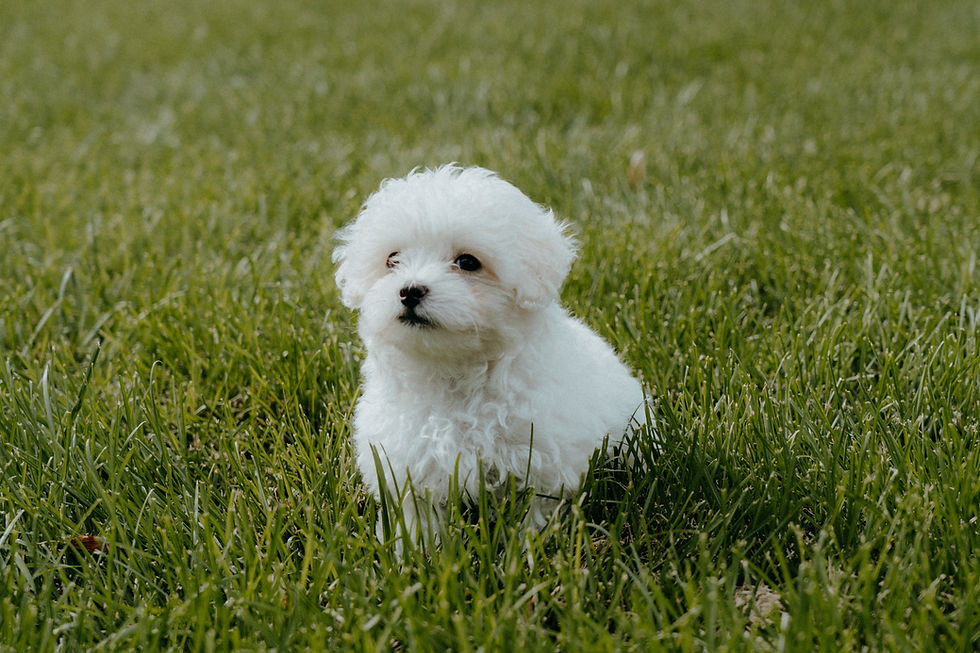
The Maltipoo is a small, compact, and lightweight breed. Its appearance is marked by the influence of both Maltese and Toy Poodle genes. Therefore, physical characteristics of Maltipoos can vary from individual to individual, but the overall breed profile is largely similar.
The most striking aspect of the Maltipoo is its soft, curly or wavy coat . Its single-layered coat is often described as "hypoallergenic." This coat results in minimal shedding, or even none at all in some individuals. However, it also leads to easy tangling, so regular grooming is essential.
Their eyes are large, bright, and usually dark. This expression gives the breed a sweet and emotional appearance. The nose is usually black, and the face is compact. The ears are soft, drooping, and covered with fur. Regular ear care is important, as dense fur can predispose to ear infections.
The legs are slender but sturdy. Despite their small body, the Toy Poodle's athletic genetics make them quite agile and active. This trait manifests itself in high agility and quick reflexes during play.
The Maltipoo typically weighs between 2–6 kg and stands at the shoulder around 20–30 cm . Lifespan is typically between 12–15 years , although with good care, longer-living individuals are common.

Maltipoo Dog Breed Adoption and Care Cost (EU & US)
The Maltipoo is a more expensive choice than many small breeds, both because of its popularity and its care requirements. In this section, I explain both the initial cost of ownership and the monthly care expenses separately for Europe and the United States.
Initial Ownership / Purchase Cost
Prices can vary significantly depending on the country, breeder quality, and the pedigree of the puppy's parents.
In EU countries (Germany, Netherlands, Austria, France):
Between 900 and 2,000 €
Puppies from show quality parents: €2,500+
In the USA:
$1,200 to $3,000
Up to $3,500 – $4,000 for premium bloodlines
Breeders who produce legal, ethical, healthy puppies always charge a higher price because health screenings, genetic testing, and early socialization activities increase the cost.

Monthly Maintenance Cost (EU & US Average)
Although the Maltipoo is small, its grooming requirements are intense.
Expense Item | EU Average | US Average | Explanation |
Formula | 25–40 € | $30–$50 | Quality food is preferred for sensitive digestion. |
Grooming (shaving + combing) | 40–60 € | $50–$80 | Professional maintenance is required every 4–8 weeks |
Primary health & medicines | 20–35 € | $25–40 | Parasitic apps + minor controls |
Toy/accessories | 10–20 € | $10–20 | Chew toys are replaced regularly |
Additional dog care expenses | 15–25 € | $20–$30 | Feather care products, ear cleaners |
Monthly average total:
EU: 110–180 €
US: $130–$220
The actual annual cost of caring for a Maltipoo is in the range of €/$1,500 – $2,500 depending on the country.

Character and Behavior Characteristics of the Maltipoo Dog Breed
The Maltipoo's exceptional adaptability, cheerfulness, and affectionate nature make it one of the most popular hybrid breeds. This breed tolerates indoor life well and forms strong bonds with people. Its energetic yet manageable nature makes it an easy fit, even for first-time dog owners.
One of the most distinctive traits is their high sociability . The Maltipoo craves constant physical and emotional contact with its family. It dislikes being alone, so it may not always be ideal for those who work hard or are away from home for long periods. A tendency toward separation anxiety is one of the breed's most prominent behavioral challenges.
Its high intelligence makes training highly effective. It learns basic commands quickly, responds well to positive reinforcement, and performs excellently in play-based training. Its temperament is gentle and not suited to harsh training methods; harsh or authoritarian tones can increase anxiety in this breed.
The Maltipoo's demeanor combines the gentleness of the Maltese with the energetic nature of the Poodle. This blend makes him a breed that's both calm and capable of occasional bursts of energy. Short play sessions and daily walks are sufficient to meet his energy needs.
It gets along very well with children and tends to be calm and patient. However, like all small breeds, it dislikes rough play, so supervision is recommended when interacting with small children. It is generally easy to socialize with other animals.
In general, the Maltipoo has a character that is sensitive yet affectionate, intelligent yet calm, energetic yet controlled. It is this balanced temperament that makes it special.

Common Diseases of the Maltipoo Dog Breed
While the Maltipoo is generally known as a healthy breed, it does carry some genetic tendencies from its parent breeds, the Maltese and Toy Poodle. Therefore, it's important for Maltipoo owners to closely monitor both hereditary and environmental health risks.
Common illnesses in Maltipoos are often similar to those seen in smaller breeds. These include patellar luxation (kneecap dislocation) , allergic dermatitis , eye problems , dental problems , heart valve disease , tracheal collapse , ear infections , and hypoglycemia .
Patellar luxation is a very common orthopedic problem in small breeds and occurs when the kneecap dislodges from its normal socket. Symptoms range from mild limping to occasional inability to walk. Watery eyes, eye infections, and irritation of the hair around the eyes are also common in Maltipoos.
Additionally, due to the Maltipoo's coat, the ear canal is more closed, increasing the risk of fungal or bacterial ear infections . Individuals with allergies often experience skin problems, such as itching and redness.
The table below summarizes the common diseases of the breed:
Maltipoo Dog Breed Common Diseases Table
Illness | Explanation | Level of Predisposition |
Patella Luxation | Dislocation of the kneecap; common in small breeds | Medium – High |
Allergic Dermatitis | Itching and redness due to triggers such as pollen, food, detergent | Middle |
Tracheal Collapse | Weakening of the trachea; cough and shortness of breath | Middle |
It is common due to moisture and hair density in the ear canal. | Middle | |
Eye watering, discharge, irritation and stain formation | Middle | |
Tartar and gum problems common in small breeds | High | |
Hypoglycemia (in puppies) | Low blood sugar is accompanied by weakness and tremors. | Middle |
Heart problems seen with age in small breeds | Middle |
This table clearly shows which areas Maltipoo owners should particularly check regularly.

Intelligence and Trainability Level of the Maltipoo Dog Breed
The Maltipoo is considered a highly trainable hybrid breed because it combines the high intelligence of the Poodle with the people-oriented nature of the Maltese. Both its learning speed and ability to remember commands are excellent. This gives the Maltipoo an advantage over other small breeds.
Thanks to their high intelligence, Maltipoos are very good at:
Basic obedience training
Toilet training
Positive reinforcement method
Clicker training
Object fetching / orientation
Finding targets by smell
Emotional support or therapy tasks
Another reason why the Maltipoo is so prone to learning is its strong instinct to please its owner . Small rewards, a gentle tone of voice, and playful activities are extremely effective in motivating it during training.
However, this breed has a sensitive nature. Harsh tones, punishments, or authoritarian approaches increase anxiety in the Maltipoo and reduce its learning capacity. Therefore, training must be based on positive reinforcement.
In general, the Maltipoo has a structure that can fall into the “highly trainable” category among small breeds.
Exercise and Activity Needs of the Maltipoo Dog Breed
Although the Maltipoo is a small breed, it has a high energy level and requires regular daily activity. Its Toy Poodle genes can cause it to experience occasional bursts of energy. Therefore, while the Maltipoo's exercise needs may seem low, it's important to establish a healthy routine.
The Maltipoo's daily exercise needs are approximately:
Walking 20–40 minutes a day ,
Additionally, it is in the form of an interactive game for 10–20 minutes .
These periods balance their physical energy and prevent behavioral imbalances (excessive barking, biting, chewing). The Maltipoo is not a breed suited to strenuous exercise; high jumping, treadmill running, or long runs can damage their joints.
Mental activity is as important as physiological activity. Hide-and-seek games, treat balls, scent-targeting games, and basic intelligence toys help regulate the Maltipoo's mental energy.
This breed is sensitive to extreme heat and cold. Therefore, exercise hours should be adjusted according to the season; walks should be taken in the early morning or evening in the summer and shorter, warmer hours in the winter.
Nutrition and Diet Recommendations for the Maltipoo Dog Breed
A healthy diet is crucial for a Maltipoo's well-being. This breed requires specialized nutritional guidelines due to its sensitive digestive system , energetic nature , hypoallergenic coat , and small mouth .
The basic points to consider in nutrition are as follows:
1. Foods containing quality protein should be preferred.
High-quality animal proteins such as chicken, turkey, lamb, salmon, or duck are suitable for the Maltipoo. Foods rich in plant protein should be avoided.
2. Grain-free or low-grain foods may be preferred.
Some Maltipoos may be sensitive to grains such as wheat, corn, and soy.
3. Foods containing Omega-3 and Omega-6 are necessary for hair structure.
These fatty acids:
Reduces itching
Strengthens hair
Supports the skin barrier
Balances allergy susceptibility
4. Foods that are excessively fatty or have additives should be avoided.
Homemade meals, fatty foods, fried foods, spicy foods negatively affect the Maltipoo's digestive system.
5. Meal frequency is important for Maltipoo puppies.
To avoid the risk of hypoglycemia, puppies should be fed 3–4 small meals a day.
6. Water consumption should be closely monitored.
Maltipoos that do not drink enough water may experience urinary tract problems and dry skin.
7. Regular diet + regular weight monitoring is mandatory.
When small breeds gain weight, the load on the joints increases and the risk of tracheal collapse increases.
A diet that complies with these guidelines will maintain the Maltipoo's coat health, energy level and overall metabolic balance at ideal levels.
Maltipoo Dog Breed Training Techniques
The Maltipoo is one of the most trainable small breeds, thanks to its high intelligence and the strong bond it forms with its owner. Starting training early helps establish habits. This breed responds well to positive reinforcement; harsh tones, punishments, or threatening behaviors can increase anxiety in the Maltipoo and make training difficult.
The basic principles in education are:
1. Early socialization
Because of its sensitive and people-oriented nature, the Maltipoo needs social experiences. Contact with different people, exposure to different sounds, and safe social environments with other dogs can help prevent future anxiety or fear.
2. Short but regular training sessions
The Maltipoo's attention span can be short. Short training sessions of 5–10 minutes throughout the day are more effective than longer sessions. Taking small steps and rewarding each correct behavior accelerates learning.
3. Toilet training
Potty training can be challenging at times for small breed dogs. The Maltipoo learns quickly with a consistent routine.
Taking it out at regular intervals
Using the same door/same spot
Immediate rewards for successful trials make this process easier.
4. Clicker training
It's very effective with intelligent breeds. Because the clicker sound serves as a clear signal, the Maltipoo quickly establishes the connection between the command and the behavior.
5. Separation anxiety-focused training
One of the biggest challenges for the Maltipoo is separation anxiety . Therefore:
Rehearsal for leaving home
Short-term isolation exercises
Techniques such as creating a safe space should be implemented early.
6. Preventing excessive barking
The Maltipoo can sometimes be sensitive to trigger sounds. A "quiet" command, prompting, refocusing, and rewards are effective in controlling this behavior.
When the training process is implemented regularly, the Maltipoo becomes a well-balanced dog that is harmonious, open to commands, and well-adjusted both at home and in social environments.
Maltipoo Dog Breed Skin, Fur, Eye and Ear Care
Despite being a small breed, the Maltipoo requires a fairly strict grooming routine. Because its coat is curly or wavy, neglecting daily grooming can lead to knots, skin irritation, hair loss, and ear infections. Therefore, regular grooming of both the coat and the ears and eyes is crucial.
The table below summarizes the basic care requirements of the Maltipoo:
Maltipoo Care Chart
Area | Suggestion |
Fur | Daily brushing and professional shaving every 4–8 weeks. A metal comb and slicker brush should be used as the coat is prone to knotting. |
Skin | Sensitive skin shampoos should be preferred, and bathing should be done every 3–4 weeks. Complete drying after bathing is essential. |
Eyelash | The hair around the eyes should be kept short. Spot cleansing should be done daily with warm water. Anti-spot solutions can be helpful. |
Ear | Ear cleaning solution should be used once a week. Ear hair can obstruct airflow and should be professionally thinned if necessary. |
Nail | Nails should be trimmed approximately every 3–5 weeks. Nails grow quickly in small breeds. |
External | Brushing your teeth 3-4 times a week and professional tartar cleaning once a year are recommended. |
By following this care routine, your Maltipoo's coat will remain shiny, its skin healthy, and ear and eye problems will be minimized.
General Health Status and Lifespan of the Maltipoo Dog Breed
The Maltipoo is generally a healthy and resilient breed. Its hybrid nature may reduce, but not eliminate, the risk of some genetic diseases in the parent breeds. Regular care, proper nutrition, and routine checkups ensure the Maltipoo lives a healthy life.
General health framework
Lifespan: Average 12–15 years
Small breed advantage: Long life, low joint load
Hypoallergenic hair structure: Helps protect the skin barrier
Sensitive points: Kneecap, ear health, eye discharge, tooth structure
The Maltipoo's immune system is generally strong, but regular monitoring is essential in certain areas:
Knee and joint health: Jumping, jumping from high places and using stairs should be controlled due to the risk of patellar luxation.
Eye health : Eye discharge is a legacy of the Maltese heritage. If the area around the eyes is not cleaned regularly, it can become stained and irritated.
Skin and coat health: There is a tendency to allergic dermatitis. Quality nutrition and regular care reduce this risk.
Digestive sensitivity: Sudden food changes or low-quality food can cause digestive problems.
Heart health: Heart valve problems can occur in small breeds as they age. Annual cardiac checkups are recommended.
In general, when properly cared for, a Maltipoo can live a healthy, energetic and balanced life for many years.
Suitable Owner and Living Environment for the Maltipoo Dog Breed
The Maltipoo, with its adaptable, social, and people-oriented nature, is a breed suited to a wide range of lifestyles; however, it thrives in certain circumstances. A key characteristic of this breed is its desire for close family relationships and its inability to tolerate solitude. Therefore, it is not ideal for dogs left alone at home for long periods of time.
The Maltipoo is perfectly suited to apartment living. Its quiet nature, small size, and low exercise needs make it a great advantage for families living in the city. Even when its range of motion is limited, it's sufficient for it to play with its owners and burn off energy with short walks throughout the day. Therefore, a garden isn't a necessity.
They get along very well with families with children, especially school-aged ones. Their gentle temperament allows them to interact safely with children. However, supervision is recommended, as very young children can be unintentionally rough. The Maltipoo's delicate nature can be affected by inappropriate lifting or pinching.
Owners who value family, socialization, and regular grooming, and who want to maintain constant communication with their dog, are ideal candidates for the Maltipoo. In short, the Maltipoo is a family dog that thrives in a loving, organized, and calm environment.
Maltipoo Dog Breed Lifespan and Reproduction Information
The Maltipoo is a relatively long-lived hybrid among small breeds. Its average lifespan is between 12 and 15 years ; with good care, regular veterinary checkups, and a quality diet, this lifespan can be extended. While hybrid vigor may reduce the incidence of some genetic diseases, it does not completely eliminate the risks associated with the parent breeds.
Factors affecting life expectancy:
Quality nutrition
Regular dental and fur care
Allergy and skin type monitoring
Reducing joint load
Annual veterinary checkups
Vaccination and antiparasitic applications
Keeping stress levels low
Reproductive characteristics
Since the Maltipoo is in the small breed category, the breeding process requires attention and precision.
Female estrus cycles may be more pronounced in smaller breeds.
The risk of fertility is higher in overly small-sized females, so controlled mating is essential.
Because there is no official breed standard for the Maltipoo, breeding programs are highly dependent on the breeder, making health screenings even more important.
Living Environment and Daily Routine Needs of the Maltipoo Dog Breed
For a Maltipoo to live a happy and healthy life, a well-designed home environment is essential. This breed has both physical and emotional needs, and it's important that the environment supports these needs.
First, the living space should include a safe, secure resting area . Soft bedding, a quiet corner, and a fixed area will help the Maltipoo relax. Noisy or busy areas are not suitable for this breed.
In daily routines, you must:
Short walks
Mind games
Basic command studies
Social contact
Light gaming sessions
Although the Maltipoo sleeps for long periods, it needs small activities to burn off energy during the day. Otherwise, behaviors such as restlessness, barking, or chewing may occur.
Temperature and weather conditions are important factors for the Maltipoo. Because its coat is soft and fine, it is sensitive to extreme cold. Short walks and protective clothing may be necessary in cold weather. Extreme heat is also a risk for this breed; walks should be scheduled during the summer months to avoid heatstroke and shortness of breath.
Consequently, a stable and loving home environment with regular routines creates the ideal environment for the Maltipoo's mental and physical health.
FAQ - Maltipoo Dog Breed
Does the Maltipoo dog breed cause allergies?
The Maltipoo's hypoallergenic coat is considered to have a low risk of allergies. Its single-layered coat and low shedding rate reduce shedding in the home. However, no breed is completely "100% allergy-free." Allergies can often be caused by dandruff, saliva, or environmental factors.
Does the Maltipoo dog breed get along well with children?
Yes. The Maltipoo is gentle, patient, and social. Their interactions with children are generally very positive. However, due to the dog's delicate nature, it's recommended that interactions be supervised to avoid excessive physical exertion by young children. They form secure and positive bonds with school-aged children.
Does the Maltipoo dog breed bark a lot?
Maltipoos aren't usually heavy barkers. However, they can be sensitive to trigger sounds and may emit short warning barks to alert strangers. Barking may increase in Maltipoos experiencing separation anxiety. Regular training, routine, and mental exercise can significantly reduce barking.
Can the Maltipoo dog breed be left alone at home?
The Maltipoo is quite sensitive to loneliness. It's not recommended that he be left alone for long periods of time. Separation anxiety is common in this breed, and when left alone, he may bark, wait in front of doors, chew objects, or show signs of stress. Owners with busy schedules should adjust their care schedule accordingly.
Does the Maltipoo dog breed shed a lot?
No. One of the Maltipoo's greatest advantages is its low shedding rate. Its single-layered, wavy or curly coat ensures that shed hairs are trapped within the coat, rather than on the ground. Regular grooming minimizes dander problems. Due to its hypoallergenic nature, dander problems are very rare indoors.
What are the sizes of the Maltipoo dog breed?
The Maltipoo is a small breed, typically weighing between 2–6 kg. Its height ranges from 20–30 cm. Adult size may vary depending on the genetic makeup of its parent breeds, the Maltese and Toy Poodle. Because there is no standard breed, slight variations between individuals are normal.
How long does the Maltipoo dog breed live?
The Maltipoo's average lifespan is 12–15 years. This lifespan can be extended with good nutrition, regular veterinary checkups, proper coat care, and healthy living conditions. It is one of the most resilient hybrid breeds among small breeds.
Is separation anxiety common in the Maltipoo dog breed?
Yes. The Maltipoo is extremely people-oriented and is not suited to being alone. It craves constant contact with its owner. Signs of separation anxiety include constant barking, waiting at the door, wandering the house, damaging objects, and stress-related behavioral changes.
Is Maltipoo dog breed training easy?
It's quite easy. Its high intelligence and sensitivity to positive reinforcement make training easy. Basic commands, potty training, and obedience exercises are quickly mastered. Methods like clicker training are highly effective with this breed.
How often should a Maltipoo dog be groomed?
Professional shaving is generally recommended every 4–8 weeks. Because the coat is curly or wavy, the risk of knots and matting is high. Regular shaving both maintains its appearance and promotes skin health.
What are the most common health problems experienced by the Maltipoo dog breed?
The most common health problems include allergic dermatitis, ear infections, watery and eye infections, patellar luxation, tracheal collapse, tartar buildup, and the risk of hypoglycemia in puppies. Adopting from a breeder who has conducted genetic screening reduces these risks.
Is the Maltipoo dog breed very active?
This breed is moderately energetic. While it may have occasional bursts of energy, it doesn't need long runs. Daily walks of 20–40 minutes and short play sessions are ideal.
Is the Maltipoo dog breed resistant to cold weather?
No. Due to its fine fur and delicate skin, it is sensitive to cold. Short walks should be taken in winter, and a light dog coat should be used when necessary. There is also a risk of sunstroke in extremely hot weather, so temperature control is important.
Which food should be preferred for the Maltipoo dog breed?
Choose foods that contain high-quality animal protein and are low in grains or grain-free. Foods containing omega-3 and omega-6 fatty acids are essential for healthy coat and skin. Foods labeled "sensitive digestion" are often preferred for Maltipoos.
What causes eye discharge in Maltipoo dogs?
Eye discharge can be caused by hair around the eyes, blocked tear ducts, or environmental irritation. Due to the Maltese breed's origins, eye puffiness is common. Regular cleaning and grooming are important.
Does the Maltipoo dog breed smell?
They are generally an odorless breed. Due to their low shedding, hypoallergenic nature, and clean coat, they are less prone to producing foul odors. However, ear infections, dental problems, or skin problems can cause odor.
Does the Maltipoo dog breed get along with other pets?
They are generally very adaptable and can live socially with both cats and other small dogs. Early socialization further strengthens this compatibility.
Should the Maltipoo dog breed be bathed frequently?
Excessive bathing is not recommended. Bathing once every 3–4 weeks is sufficient. Over-washing can cause dry skin and itching. It's important to dry the coat completely after each bath.
Does the Maltipoo dog breed eat a lot or tend to gain weight?
He has a moderate appetite for small breeds. He may be prone to gaining weight, as even small weights are significantly affected by calories. A balanced diet and daily exercise can help control his weight.
Is the Maltipoo dog breed prone to tracheal collapse?
Yes. Tracheal collapse, common in small breeds, can also occur in Maltipoos. It's important to use the collar as a harness, avoid excessive neck pressure, and maintain weight control.
Why does the Maltipoo dog breed's hair get matted?
Curly hair that isn't groomed regularly quickly becomes knotted and matted. This creates both aesthetic and health problems. The matting irritates the skin and can lead to infection.
Why is dental care important for the Maltipoo dog breed?
Tartar and gum problems are very common in small breeds. Regular brushing and annual cleanings can prevent bad breath, tooth loss, and gum disease.
Does the Maltipoo dog breed get sick often?
It's generally a hardy breed, but allergies, ear infections, and dental problems are more common. Routine care and regular checkups can reduce these risks.
Is the Maltipoo dog breed suitable for first-time dog owners?
Yes, it's quite suitable. Its docile nature, ease of training, and small size make it an ideal choice for first-time dog owners.
Is the Maltipoo dog breed an expensive breed?
Yes. Both the cost of ownership and care are higher than many small breeds. Regular grooming, special care, and quality food increase the cost. However, the adaptability and convenience they offer offset these costs.
Sources
Cat Fanciers' Association (CFA)
The International Cat Association (TICA)
American Veterinary Medical Association (AVMA)
Mersin Vetlife Veterinary Clinic – Open on Map: https://share.google/XPP6L1V6c1EnGP3Oc


Comments