
International Dog Day 2026: 8 Science-Backed Ways to Give Your Dog a Happier Life


When Is International Dog Day 2026 and Why Is It Celebrated?
International Dog Day 2026 will be observed on Wednesday, August 26. The annual event was established in 2004 by animal welfare advocate Colleen Paige to celebrate dogs of every breed and background while raising awareness about adoption, responsible ownership, and dogs still waiting for permanent homes.
The occasion also recognizes the many roles dogs perform in human society. In addition to being companions, dogs work in search and rescue, disability assistance, therapy, livestock management, law enforcement, and medical detection. However, International Dog Day is not only about thanking dogs for what they do for people; it is also an opportunity to consider whether their own physical, behavioral, and emotional needs are being met.
Posting a photograph or offering an extra treat can be enjoyable, but meaningful celebration extends beyond a single day. Providing appropriate exercise, opportunities to sniff and explore, positive training, sufficient rest, preventive healthcare, and respectful interaction can improve a dog’s quality of life throughout the year.
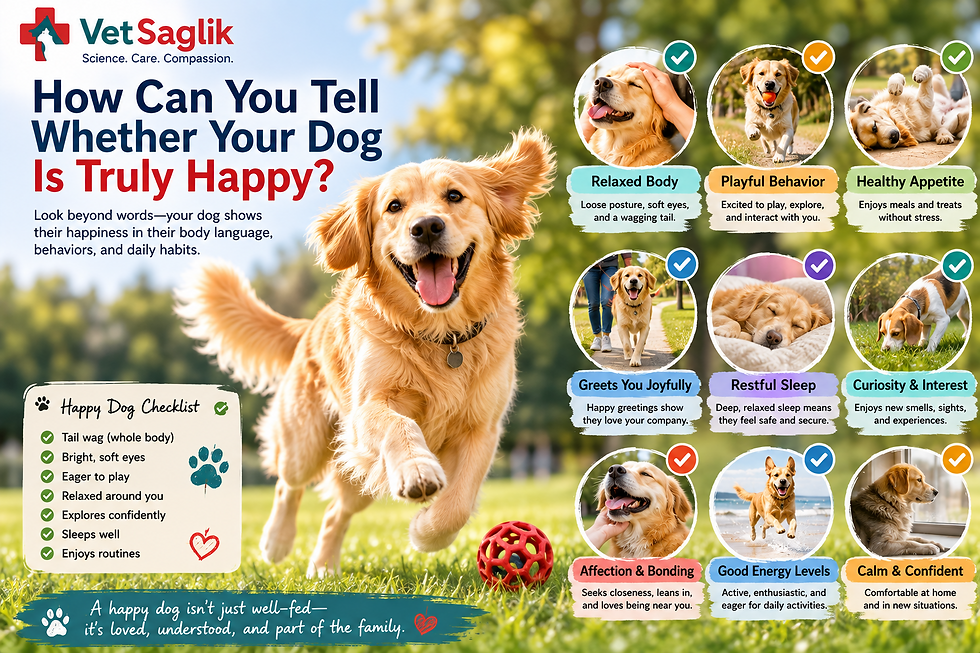
How Can You Tell Whether Your Dog Is Truly Happy?
A happy dog generally appears physically relaxed and comfortable within its environment. Soft eyes, a loose body, a naturally positioned tail and ears, relaxed facial muscles, and an interest in play or exploration can all indicate positive emotional well-being. Some dogs may initiate interaction, perform a play bow, carry a favorite toy, or rest comfortably near trusted people.
Happiness does not look identical in every dog. A highly social dog may enthusiastically greet visitors, while a more reserved dog may prefer quiet companionship. Breed, age, health, previous experiences, temperament, and environment all influence how a dog expresses contentment.
Look at the entire body rather than relying on tail wagging alone. Dogs may also wag their tails when excited, uncertain, frustrated, or preparing to react. A low or rigid posture, tucked tail, repeated lip licking, yawning outside a tired context, trembling, pacing, avoidance, flattened ears, or showing the whites of the eyes can signal discomfort or stress.
Changes from the dog’s normal behavior are especially important. Reduced interest in walks, increased irritability, disturbed sleep, excessive licking, appetite changes, withdrawal, or reluctance to move may indicate pain or illness rather than unhappiness alone. Persistent or sudden behavioral changes should be discussed with a veterinarian.

1. Make Daily Walks About Sniffing, Not Just Distance
For dogs, a walk is not only physical exercise. Smell is one of their primary ways of gathering information about other animals, people, food, territory, and changes in the environment. Allowing time to sniff can provide substantial mental stimulation, even when the distance covered is relatively short.
Avoid pulling your dog away from every interesting scent or treating the walk as a race to complete a fixed route. When it is safe, use a comfortable harness and allow your dog to choose the pace, stop at selected locations, and investigate the environment. A dedicated “sniff walk” can be slower and shorter than an exercise-focused walk while still being mentally enriching.
Dogs also benefit from variety, but new environments should match the individual dog’s confidence and health. A quiet route may be more enjoyable for a fearful, reactive, senior, or recovering dog than a crowded park. Watch body language and increase distance from anything that causes tension, freezing, repeated attempts to escape, or an inability to disengage.
Physical exercise requirements vary according to age, breed, fitness, medical status, and temperature. Puppies should not be pushed into excessive repetitive exercise, while dogs with arthritis, heart disease, breathing difficulties, or other conditions may need an individualized activity plan from their veterinarian.

2. Use Reward-Based Training to Build Confidence and Trust
Training influences more than obedience. When conducted positively, it helps dogs understand what is expected, communicate with their caregivers, and navigate unfamiliar situations with greater confidence. Reward-based methods use food, toys, play, praise, or access to desired activities to reinforce behaviors the dog is likely to repeat.
Teach practical skills such as responding to a name, coming when called, settling on a mat, dropping objects, walking comfortably on a leash, and cooperating with grooming or veterinary handling. Keep sessions short, clear, and achievable. Ending while the dog remains engaged is usually more effective than repeating an exercise until frustration develops.
Avoid methods based on intimidation, physical punishment, leash corrections, shouting, or deliberately provoking fear. These approaches may suppress visible behavior without addressing its cause and can increase anxiety, defensive aggression, and damage to the human–dog relationship.
Reward-based training does not mean allowing every behavior. Clear boundaries can be taught without fear or pain. Prevent unwanted behavior where possible, reinforce a suitable alternative, and adjust the environment so the dog can succeed. A qualified reward-based trainer or veterinary behaviorist can help when fear, aggression, separation distress, or other serious behavioral concerns are present.
3. Give Your Dog Meaningful Play and Problem-Solving Activities
Play allows dogs to exercise natural behaviors, strengthen social bonds, and use physical and mental energy. Fetch, tug, scent searches, food puzzles, hide-and-seek, and controlled chase games can all be valuable when they suit the dog’s preferences, age, and physical condition.
Not every dog enjoys the same activity. Some prefer carrying or retrieving objects, while others are motivated by sniffing, digging, chewing, or searching for food. Observe which activities produce relaxed enthusiasm rather than frustration or excessive arousal. Play should include pauses, clear rules, and opportunities for the dog to disengage.
Puzzle feeders and scent games can turn part of the daily food allowance into enrichment. Begin with an easy task and gradually increase the difficulty. If the dog repeatedly paws, barks, bites the device forcefully, or walks away, the challenge may be too difficult. Enrichment should encourage successful problem-solving rather than create frustration.
Choose toys that are appropriately sized and resistant to damage, and supervise items that could break apart or be swallowed. Avoid repetitive high-impact movements when they may aggravate joint, spinal, or cardiovascular conditions. Dogs with pain or mobility limitations can still enjoy adapted scent games and gentle food-searching activities.
4. Provide Choice, Predictability, and a Consistent Routine
Dogs generally cope better when important parts of daily life are reasonably predictable. Regular opportunities to eat, toilet, exercise, play, and rest can reduce uncertainty and help a dog understand what happens next. A consistent routine does not require every activity to occur at the exact same minute, but essential needs should not be delayed unpredictably.
Choice is also an important part of welfare. When safe, allow your dog to choose between resting places, decide whether to approach an unfamiliar person, pause during a walk, or move away from unwanted interaction. A dog that has a reliable way to say “no” may feel less need to growl, snap, hide, or struggle.
Do not force physical affection, greetings, play, or exposure to feared situations. Turning the head away, leaning back, moving behind the caregiver, freezing, lip licking, or attempting to leave can indicate discomfort. Respecting these early signals helps prevent escalation and builds trust.
Major changes such as moving home, welcoming a baby, adopting another pet, or altering work schedules should be introduced gradually whenever possible. Preserve familiar bedding, feeding routines, walking opportunities, and individual attention during transitions. Dogs showing persistent anxiety may need veterinary or qualified behavioral support rather than simply more exposure.
5. Meet Your Dog’s Individual Social Needs
Dogs are a social species, but this does not mean every dog wants to greet every person or play with every other dog. Healthy social fulfillment depends on the individual animal’s temperament, age, history, health, and previous experiences.
Some dogs enjoy carefully matched playmates, group walks, or friendly visitors. Others prefer interaction with familiar people and feel overwhelmed in dog parks, crowded streets, daycare environments, or forced greetings. A dog that avoids another dog is not necessarily antisocial; creating distance may be an appropriate and peaceful choice.
Focus on the quality of interaction rather than the number of social encounters. Compatible dogs should display loose movement, balanced turn-taking, play bows, pauses, and voluntary re-engagement. Interrupt the interaction if one dog repeatedly attempts to escape, hides, becomes rigid, is constantly pinned or chased, or cannot take a break.
Provide regular, positive attention at home through play, training, grooming if enjoyed, or simply resting together. Dogs should not be left socially isolated for long periods without toilet access, exercise, enrichment, or companionship. However, they also need opportunities to rest undisturbed and should not be expected to interact constantly.
If your dog displays fear, lunging, growling, or aggression around people or animals, avoid punishment and forced socialization. Increase distance, prevent unsafe encounters, and seek help from a veterinarian or appropriately qualified reward-based behavior professional.
6. Protect Rest With a Quiet and Comfortable Sleeping Space
Sleep supports physical recovery, learning, memory, emotional regulation, and immune function. Dogs may become irritable, less tolerant, or more easily overwhelmed when they cannot rest properly. Puppies, senior dogs, working dogs, and those recovering from illness may require especially long or frequent periods of sleep.
Provide a comfortable bed in a quiet location away from constant household traffic. The dog should be able to enter and leave freely and should not be disturbed by children, visitors, or other pets while resting. Some dogs prefer an enclosed bed or properly introduced open crate, while others feel more comfortable on a flat mattress in an open area.
Choose bedding that suits the dog’s physical needs. Senior dogs and those with arthritis may benefit from supportive padding, non-slip flooring, and a bed with a low entrance. Thick-coated or flat-faced dogs may prefer a cooler resting surface, particularly during warm weather.
Resting dogs should not be hugged, climbed on, startled, or pulled from their beds. Teach children that the sleeping area belongs to the dog and must be respected. If a dog suddenly sleeps much more, cannot settle, repeatedly changes position, pants at rest, or appears reluctant to lie down or rise, arrange a veterinary examination because pain or illness may be interfering with rest.
7. Support a Healthy Weight With Appropriate Exercise and Nutrition
Maintaining a healthy body condition can improve mobility, stamina, comfort, and long-term quality of life. Excess body fat increases stress on joints and may contribute to conditions such as osteoarthritis, diabetes, respiratory difficulty, and reduced heat tolerance. Being underweight can also indicate inadequate nutrition or underlying disease.
Feed a complete and balanced diet appropriate for the dog’s age, size, activity level, and health status. Measure daily portions rather than relying solely on visual estimates, and include treats, chews, table food, and training rewards in the total calorie intake. Treats should complement the diet rather than replace balanced meals.
Body weight alone does not reveal whether a dog is in ideal condition. In a dog with an appropriate body condition, the ribs should usually be easy to feel beneath a light fat covering, a waist should be visible from above, and the abdomen should rise behind the rib cage when viewed from the side. Breed and coat differences can make visual assessment difficult, so veterinary guidance is valuable.
Exercise should be matched to the individual dog. High-energy dogs may need a combination of walking, running, play, training, and scent work, while puppies, senior dogs, flat-faced breeds, and dogs with medical conditions require more carefully controlled activity. Avoid strenuous exercise during hot weather and stop if the dog shows weakness, excessive panting, poor coordination, or difficulty breathing.
Weight changes should be gradual and supervised. Sudden weight gain or loss, increased hunger or thirst, reduced appetite, exercise intolerance, or abdominal enlargement warrants veterinary assessment rather than simply changing the food amount.
8. Protect Long-Term Happiness With Preventive Veterinary Care
Dogs cannot fully enjoy walks, play, training, and social interaction when pain or illness is untreated. Dental disease, arthritis, ear infections, skin disorders, gastrointestinal disease, obesity, and other conditions may first appear as subtle changes in mood or behavior.
Routine veterinary examinations help establish a health baseline and may identify problems before they become advanced. The appropriate schedule depends on age, lifestyle, breed, and medical history. Puppies, senior dogs, and dogs with chronic conditions generally require more frequent monitoring than healthy young adults.
Preventive care may include individualized vaccination, parasite control, dental assessment, nutrition and weight management, reproductive health planning, and age-appropriate laboratory screening. Microchip details and identification tags should also be checked regularly so the dog can be returned safely if lost.
Pay attention to changes in appetite, thirst, urination, bowel movements, breathing, mobility, sleep, grooming, body weight, and willingness to interact. A dog that becomes quiet, irritable, fearful, reluctant to exercise, or resistant to touch may be experiencing discomfort rather than simply “slowing down.”
International Dog Day is a useful annual reminder to review your dog’s health plan, identification information, medications, and last veterinary examination. Detecting pain and disease early may contribute more to lasting happiness than any new toy, treat, or one-day celebration.
Common Signs That Your Dog May Be Stressed or Unhappy
Stress in dogs is not always obvious. Early signs may include turning the head away, avoiding eye contact, lip licking, yawning when not tired, lifting a front paw, lowering the body, tucking the tail, flattening the ears, or showing the whites of the eyes. These signals often mean the dog needs more distance or relief from the situation.
A stressed dog may also pace, pant without heat or exercise, tremble, hide, vocalize, become unusually clingy, refuse food, or struggle to settle. More intense distress can lead to freezing, growling, snapping, destructive behavior, escape attempts, or aggression. Growling should not be punished because it provides an important warning that the dog feels threatened or uncomfortable.
Longer-term changes may include reduced interest in walks or play, altered sleep, repetitive licking, house-soiling, appetite changes, withdrawal, or increased sensitivity to handling. These behaviors should not automatically be labeled as stubbornness, jealousy, or disobedience.
Pain and medical disease can produce many of the same signs. Sudden irritability, reluctance to move, restlessness at night, panting at rest, hiding, reduced appetite, or an unexpected behavioral change should prompt a veterinary examination. Addressing discomfort is often an essential part of improving emotional well-being.
Meaningful Ways to Help Other Dogs on International Dog Day 2026
International Dog Day is not limited to celebrating dogs who already have secure homes. The occasion was also created to promote adoption and draw attention to dogs living in shelters, rescue organizations, or difficult conditions.
If you are prepared for the long-term responsibility, consider adopting through a reputable shelter or rescue organization. Adoption should be based on compatibility, available time, housing, financial resources, and the ability to meet the dog’s medical and behavioral needs—not solely on emotion or the date.
People who cannot adopt can still make a meaningful contribution. Fostering, volunteering, transporting animals, donating requested supplies, funding veterinary treatment, or sharing verified adoption profiles may directly support dogs awaiting homes. Contact the organization first to learn what help is genuinely needed.
You can also check that your own dog’s microchip information is current, support humane reward-based training, report suspected cruelty through the appropriate local authority, and encourage responsible breeding and ownership. Avoid purchasing dogs impulsively or supporting sellers who cannot provide transparent health, welfare, and parentage information.
The most valuable International Dog Day action is one that produces a lasting improvement. A carefully considered adoption, recurring shelter donation, regular volunteer commitment, or permanent enhancement to your dog’s daily life can matter far more than a temporary social-media post.
Frequently Asked Questions About International Dog Day and Dog Happiness
When is International Dog Day 2026?
International Dog Day 2026 will be observed on Wednesday, August 26. It is celebrated on August 26 every year to recognize dogs, promote responsible ownership, and raise awareness about adoption and canine welfare.
Who created International Dog Day?
International Dog Day was established in 2004 by animal welfare advocate Colleen Paige. August 26 was selected because it was the date her family adopted her first dog from a shelter when she was a child.
How can I celebrate International Dog Day with my dog?
Choose an activity your dog genuinely enjoys, such as a relaxed sniffing walk, interactive play, a food-searching game, reward-based training, or quiet time together. The activity should suit the dog’s age, health, temperament, and physical abilities.
How can I tell whether my dog is happy?
A content dog commonly displays a loose body, soft eyes, relaxed facial muscles, natural ear and tail positions, an interest in exploration, comfortable sleep, and a willingness to play or interact. Behavior should always be interpreted in context and compared with the dog’s normal patterns.
Does a wagging tail always mean a dog is happy?
No. Tail wagging indicates emotional arousal but does not always represent friendliness or happiness. Dogs may wag when excited, uncertain, frustrated, fearful, or preparing to react. The position and speed of the tail and the rest of the body language must be considered together.
How much exercise does a dog need each day?
There is no single amount suitable for every dog. Exercise requirements depend on age, breed, size, fitness, temperature, health, and individual temperament. Exercise should combine appropriate physical activity with opportunities to sniff, explore, play, and rest.
Do dogs need to socialize with other dogs to be happy?
Not necessarily. Some dogs enjoy compatible canine companions, while others prefer familiar people or limited, carefully managed dog contact. Forced greetings and crowded dog parks may be stressful for fearful, reactive, senior, or selectively social dogs.
Can treats make a dog happier?
Treats can support training, enrichment, and positive experiences when used appropriately. However, excessive treats may lead to weight gain and cannot replace exercise, companionship, mental stimulation, rest, or veterinary care. Treat calories should be included in the dog’s daily intake.
Should I adopt a dog on International Dog Day?
Adoption can be meaningful when it is carefully planned and the household is prepared for a long-term commitment. Do not adopt impulsively because of a holiday or emotional campaign. Consider compatibility, time, housing, expenses, training, and future veterinary needs.
When should changes in my dog’s behavior be discussed with a veterinarian?
Seek veterinary advice when behavioral changes are sudden, persistent, worsening, or accompanied by appetite loss, altered thirst, vomiting, diarrhea, breathing changes, reduced mobility, sleep disruption, aggression, or signs of pain. Behavioral changes may be the first indication of illness.
Sources
Official source | URL |
National Dog Day — About International Dog Day | |
American Veterinary Society of Animal Behavior — Humane Dog Training Position Statement | |
RSPCA — Understanding Your Dog’s Body Language | |
Dogs Trust — Enrichment Activities for Dogs | |
Blue Cross — Enrichment for Dogs | |
Blue Cross — Scent Work for Dogs | |
American Animal Hospital Association — Canine Life Stage Guidelines | |
American Animal Hospital Association — How Often Should My Dog Go to the Vet? | |
Mersin Vetlife Veterinary Clinic |


Comments