
Long-Haired Cat Breeds – Grooming Challenges, Coat Management and Professional Guide

General Characteristics of Long-Haired Cat Breeds
Long-haired cat breeds are genetically predisposed to a dense, silky, and often layered coat, making them stand out from other cat breeds both in appearance and in their grooming requirements. These cats have a double-layered coat consisting of a soft undercoat and longer guard hairs. This structure protects them from the cold, creates the appearance of voluminous fur, and also requires a more specialized grooming routine.
The generally known characteristics of long-haired cats are:
1. Double Layer Fur Structure
The vast majority of these cats have both a soft undercoat and a long outer coat. The undercoat provides thermal insulation, while the outer coat protects against water and dirt. This double layer can easily lead to matting and knotting.
2. Aesthetic and Flashy Appearance
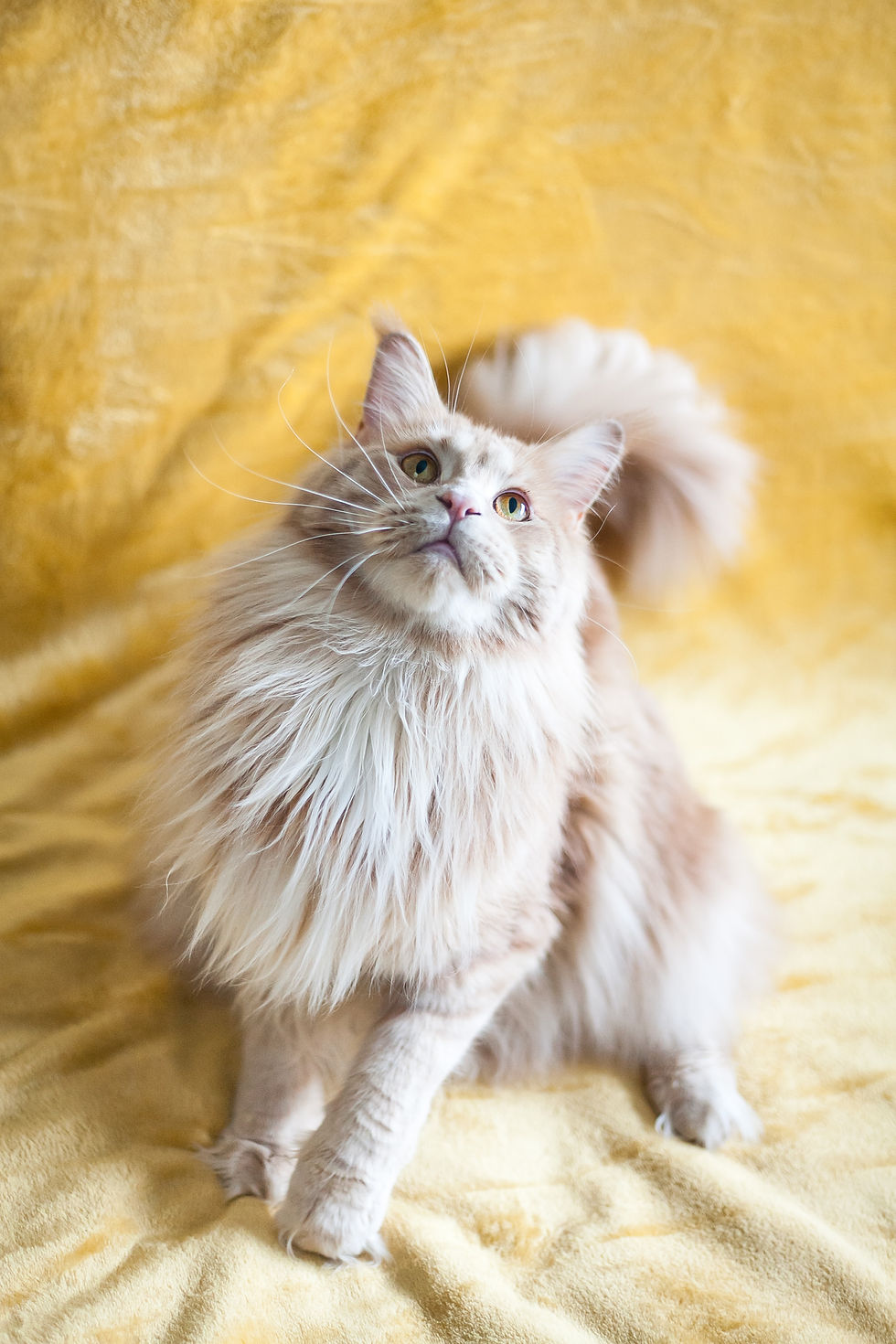
Many long-haired cats are visually striking. Breeds like the Maine Coon, Persian, Ragdoll , and Norwegian Forest Cat , in particular, have an elegant and noble appearance thanks to the length and density of their coats.
3. Need for Intensive Hair Care
These cats require more thorough grooming than short-haired cats. Grooming several times a week is essential; for some breeds, this should be done daily. Failure to groom can lead to problems such as hairballs, skin irritation, and itching.
4. Seasonal Hair Change Is More Intense
Shedding increases significantly in spring and autumn. Grooming frequency should be doubled during these periods. Seasonal transitions can cause more significant stress and skin sensitivity in long-haired breeds.
5. Higher Risk of Ingesting Feathers and Hairballs
Because long fur is easier to ingest when licked, these cats are more prone to hairballs. Hairballs can lead to vomiting, loss of appetite, and sometimes intestinal obstruction.
6. They Are More Sensitive to Hot Weather
Due to their thick fur, they can tire easily in hot environments. During the summer months, gentle grooming, air conditioning, cool spaces, and constant access to water are even more critical for these cats.
Below is a table summarizing the main characteristics of long-haired cats:

General Characteristics of Long-Haired Cats (Table)
Feature | Explanation |
Fur Structure | Double-layered, dense, long hair |
Molting | Seasonally very high |
Scanning Frequency | 3–7 times a week mandatory |
Hairball Risk | Significantly higher than short-haired breeds |
Temperature Tolerance | Low, heat sensitive |
Maintenance Cost | Medium–high (hairdresser, comb, shampoo) |
Home Environment Requirements | Clean, cool, regularly maintained environment |
These features make long-haired cat breeds both visually appealing and in need of regular care.

The World's Most Known Long-Haired Cat Breeds
Long-haired cats are popular in many countries, and while some breeds have historically adapted to cold climates, others have achieved long-hairedness entirely through human selection. Below, we detail the most well-known and most commonly owned long-haired cat breeds worldwide.
1. Persian (Persian Cat)
The Persian cat is the first breed that comes to mind when you think of longhair. It's known for its extremely dense, cottony coat, short face, and calm disposition.
Advantages: Calm, harmonious, very suitable for home life
Challenges: Requires daily combing, eye discharge is common
2. Maine Coon
It's one of the world's largest domestic cat breeds. Its fur is thick, long, and water-repellent. Its tail feathers, in particular, are very voluminous.
Advantages: Social, intelligent, adaptable
Challenges: It sheds heavily, periodic care requires extra attention.
3. Ragdoll
Known for its soft, silky coat and calm disposition, it has a medium- to long-haired coat and is easier to comb than the Persian.
Advantages: Docile, highly adaptable to the home
Challenges: Tendency to hairballs
4. Norwegian Forest Cat
They have thick, waterproof fur that evolved to survive in cold climates.
Advantages: Durable structure, long life
Challenges: Seasonal shedding is very intense
5. Himalayan
It is a breed mixed between the Persian and the Siamese. Like the Persian, it has a rich coat structure, but its character is more active.
Advantages: Affectionate and social
Challenges: Daily maintenance is essential
6. Burmese
Known for its soft, velvety long coat, it resembles a Ragdoll, but has different facial features and body structure.
Advantages: Emotional and people-oriented
Challenges: Hair knotting can be common
7. Siberian (Siberian Cat)
With its three-layered fur structure, it is one of the most cold-resistant cat breeds.
Advantages: Strong immunity, may have hypoallergenic structure
Challenges: Maintenance frequency is high
Long-Haired Cat Breeds Comparison Chart
Race | Feather Length | Molting | Difficulty of Maintenance | Personality |
Persian | Too long | Very high | Very high | Beware |
Maine Coon | LONG | Medium–high | Middle | Social |
Ragdoll | Medium-long | Middle | Middle | Docile |
Norwegian Forest | Long and thick | Very high | Middle | Resistant |
Himalayan | Too long | High | Very high | Caressing |
Burmese | Medium-long | Middle | Middle | Compassionate |
Siberian | Three-layered | Medium–high | Middle | Active |
These breeds are the most recognized representatives of the long-haired category worldwide. While each is uniquely beautiful, their grooming requirements are significantly higher than those of other breeds.

Genetic Basis for Long Hair Development
This distinctive coat structure of long-haired cat breeds isn't just a visual difference; it's also a genetically determined, evolutionary trait. The most important factor determining hair length in cats is the FGF5 gene and its various variations. This gene controls the growth phase (anagen phase) of the hair follicles. As this phase progresses, the hair grows longer; as it shortens, the hair stays shorter.
1. FGF5 Gene Mutation and Long Hair Phenotype
The primary cause of long hair in cats is loss of function of the FGF5 gene, which normally signals to stop hair growth.
This signal weakens when mutation occurs.
The growth period of the feather increases
This results in hair that is much longer than normal.
Although this mutation operates through a single gene, the texture, density and hardness of the feathers may vary since there are different variations in different breeds.
2. Genetic Origin of Double-Layered Feather Structure
Many long-haired breeds have not only hair length but also a double-layered fur structure. This structure consists of two layers:
Undercoat – Provides thermal insulation
Guard hair – Forms the water-repellent and protective structure
The development of these two feather structures is associated not only with FGF5 but also with other genes, such as:
Keratin genes determine the hardness and durability of the feather
Melanin genes determine color and pattern structure
Wnt signaling pathways determine hair follicle formation density
Therefore, not every long-haired cat looks the same.
3. Climate Adaptation and Selection Pressure
Long hair evolved through natural selection in breeds like the Norwegian Forest Cat, Siberian Cat, and Maine Coon. These cats developed thick fur over time to survive in cold, harsh climates.
In breeds like Persians and Himalayans, long hair has emerged through artificial selection . Because humans found longer hair more aesthetically pleasing, they have bred cats with this trait over the years to enhance long-hairedness.
4. Why Does Coat Texture Differ from Breed to Breed?
Even within the same "long-haired" category, coat structure varies greatly. This is because:
Genetic variations
Density of the double-layer structure
Keratin mutations that determine feather curl
Differences in oil and sebum production
Hair follicle density
The table below summarizes the genetic differences in coat color among some long-haired breeds:
Genetic Factors Determining Long Hair Development (Table)
Race | Genetic Trait | Feather Structure |
Persian | FGF5 mutation + heavy undercoat | Very dense, cottony |
Maine Coon | Cold climate adaptation | Water repellent, thick |
Siberian | Three-fold natural selection | Very strong thermal insulation |
Ragdoll | Medium density undercoat | Silky, easy to comb |
Norwegian Forest Cat | Guard hair dominant | Waterproof, long |
These genetic underpinnings also explain why grooming challenges are more intense in some breeds.
Character and Behavior Structure of Long-Haired Cats in the Home Environment
Many long-haired cat breeds are distinguished not only by their coats but also by their personalities. Their behavior varies significantly depending on their historical background. Cold-climate cats tend to be more independent, while artificially bred breeds tend to be calmer and more adapted to indoor life.
1. Calm and Docile Nature
Many long-haired breeds (Persian, Himalayan, Ragdoll) are calm, quiet, and people-oriented. These cats:
It adapts very well to home life.
Doesn't like noise
It is not very active
Generally tends to be a lap cat
This behavior makes them ideal for families with children and apartment living.
2. Level of Independence Varies by Race
Natural selection breeds like the Maine Coon, Norwegian Forest Cat, and Siberian are more independent. These cats:
Has high intelligence
Likes to spend time alone
Hunting instincts are strong
Is prone to interactive games
Therefore, they require more physical activity and environmental enrichment.
3. Sociality and People-Orientedness
Breeds like Ragdolls and Birmans are known for being "people-oriented." They follow their owners around the house, enjoy attention, and don't like being alone. These cats are not suited to homes where they will be left alone for long periods of time.
4. Indirect Effect of Feather Structure on Behavior
Excessive care may affect a cat's behavior by:
Cats accustomed to regular combing calm down like therapy
Cats that are not groomed and whose fur is knotted can become aggressive.
When the skin does not get air, discomfort increases.
Stress may increase during seasonal shedding periods.
Therefore, the behavioral management of long-haired cats is directly linked to coat care.
5. Acting Levels
Most long-haired breeds are not overly active, but there are some exceptions:
Norwegian Forest Cat -> Loves to climb
Maine Coon -> Hunting instinct is strong
Siberian -> Athletic and energetic
Persian -> Low energy level
The table below summarizes the behavioral differences:
Behavior Comparison Chart of Long-Haired Breeds
Race | Energy Level | Sociability | Independence | Scanning Tolerance |
Persian | Low | Middle | High | Low–medium |
Ragdoll | Low–medium | Very high | Low | High |
Maine Coon | Medium–high | High | Middle | Middle |
Siberian | Middle | Middle | Middle | Middle |
Norwegian Forest | High | Middle | Medium–high | Middle |
These behavioral characteristics help people considering adopting a long-haired cat make choices based on their lifestyle.
Common Problems and Risks Caused by Long Hair
While long-haired cats are captivatingly beautiful, the length and density of their coats make them prone to certain health and grooming issues. Below, we provide a scientific explanation of these issues and explain why they are more common in long-haired breeds.
1. Feather clumping (Matting)
Tangling and sticking of hair is very common in long-haired cats. The main reasons for matting are:
Excessive density of the undercoat
Inadequate screening frequency
Increased hair load during seasonal shedding periods
Decreased licking behavior in older cats
Matting on leather:
Pain
Feeling of withdrawal
Irritation because the skin does not get air
Increased risk of bacterial infection
may cause problems such as.
2. Hairball risk
Long-haired cats swallow a lot of hair while grooming. This hair can accumulate in the digestive tract and form hairballs. Hairball symptoms include:
Tendency to vomit
Anorexia
Cough-like reflex
Rarely, intestinal obstruction
The most effective ways to reduce the hairball problem:
Regular screening
Use of malt paste
High fiber foods
3. Skin infections
In knotted hair areas, the skin cannot breathe, a moist environment is created and bacterial/fungal infections can occur. The skin surface is more sensitive, especially in breeds such as Persians and Himalayans.
4. Eye problems
Some long-haired cats have a higher density of hair around their eyes. In this area:
tear discharge
Hairs coming into contact with the eyes and causing irritation
Brown deposits in the corner of the eye
visible.
These problems are especially common in brachycephalic (flat face) breeds such as Persians and Himalayans.
5. Ear hair and ear health
Some long-haired breeds may have excessive inner-ear hair and this is:
Increases dirt accumulation
Reduces ventilation of the ear canal
Predisposes to ear infections
For this reason, ear checks should be performed more frequently in long-haired cats than in short-haired cats.
6. Low heat tolerance
The thick coat of fur causes the cat to have difficulty in hot environments. Symptoms:
rapid breathing
Fatigue
Increase in water consumption
For this reason, in the summer months in long-haired breeds:
Cool environment
Air conditioning or fan
Frequent browsing
Professional “lion cut” shave when necessary
recommended.
Table of Problems Caused by Long Hair
Problem | From where | Risk Level |
Feather clumping | Lack of combing, undercoat density | Very high |
Hairball | Feather swallowing while licking | High |
Skin infections | Hair knot, moisture | Medium–high |
Hair density around the eyes | Middle | |
Excessive hair in the ear | Middle | |
Heat stroke | Thick coat of hair | Medium–high |
Most of these problems can be easily prevented with regular maintenance and correct techniques.
Daily Coat Care: Combing Techniques and Recommended Tools
Daily grooming is the most critical step in maintaining a healthy coat for long-haired cats. This grooming isn't just for aesthetic purposes; it also improves skin health, reduces shedding, reduces the risk of hairballs, and improves the cat's overall comfort. Long-haired cats that don't receive regular grooming inevitably experience tangles, knots, and skin irritation.
1. What should be the frequency of scanning?
Recommended brushing frequency for long-haired cats:
During seasonal transitions: Every day
During normal periods: 3–5 times a week
In breeds with very dense hair structure (Persian, Himalayan): Every day
Less frequent brushing can cause the undercoat in particular to accumulate and increase the risk of hairballs.
2. What should be the correct scanning technique?
Screening is not a quick, one-step process. It must be performed correctly and gently in stages:
Stages:
Checking the hairs by gently opening them with your hand: To roughly identify the knotted areas, lift the hairs with your palm and feel the under layer.
Using a wide-toothed comb to detangle the undercoat: A wide-toothed comb separates the undercoat without pulling.
Fine metal comb for smoothing the outer coat: Smooths the upper surface of the coat and reduces frizz.
Splitting the knotted areas open: Trying to untie the knot by pulling it all at once causes pain and increased stress for the cat. Instead, the knot is split horizontally and opened in small pieces.
Final check: The neck, armpits, groin and abdomen are checked again; these areas are the fastest moving points.
3. Which combs should be used?
The table below shows the most suitable combs for long-haired cats, their purposes and advantages:
Recommended Comb Types for Long-Haired Cats
Vehicle | Area of Use | Advantage |
Wide-toothed comb | Opening the undercoat | Opens without pulling, reduces tangling |
Fine metal comb | Smoothing the top coat | Provides shine and smooth appearance |
Undercoat rake | Plucking excess underfur | Effective in seasonal shedding |
Slicker brush | Daily surface care | Fluffs up feathers and collects dead hair |
Knot remover spray | Knotted regions | Reduces breakage, shortens processing time |
4. Points to consider during scanning
The comb tips should not be too sharp.
Scanning should be done without applying pressure to the cat.
Nails should be cut regularly to prevent scratching during combing.
If the cat is stressed, the combing time should be divided.
Do not press too close to the skin.
5. Why is screening so vital?
Increases skin circulation
Prevents feather clumping
Reduces hairball formation
Reduces allergen load
Calms the cat and creates bonding
Care costs and health risks increase rapidly in long-haired cats that are not regularly brushed.
What Causes Feather Matting and How Can It Be Prevented?
Hair clumping is one of the most common and challenging grooming problems for long-haired cat owners. It occurs when the hairs stick together and become matted, and can seriously affect a cat's mobility, skin health, and comfort.
1. Main causes of hair clumping
a) The undercoat is extremely dense
The hair that accumulates in the undercoat can easily become tangled. Persian, Himalayan, and Siberian breeds are at the highest risk of this.
b) Inadequate screening
When not combed, the hair combines with natural oils and forms knots. This risk doubles during seasonal changes.
c) Old age or obesity
Older cats have difficulty licking themselves. Obese cats, on the other hand, cannot reach the belly and back area.
d) Skin problems
Conditions such as allergies, fungi and dermatitis damage the structure of the hair and make it easier for it to tangle.
e) Improper drying after bathing
The hairs that remain wet stick together and become felted more easily.
2. Why is feather clumping dangerous?
It causes skin pulling and pain
Bacterial growth increases in unventilated areas
Redness, irritation and fungus may occur on the skin surface.
The risk of infection increases
Restricts the cat's mobility
Increases the risk of parasites under the feather
In cases of severe matting, shaving under anesthesia may be necessary.
3. In which areas is matting most common?
Armpit
Neck and cheek area
Groin area
Under the tail
Underbelly
These areas require extra care during scanning.
4. How to prevent hair clumps?
a) Regular scanning
It is the most effective method. Daily combing reduces the risk of matting by more than 80% for long-haired cats.
b) Use of knot-removing spray
When used before combing, the hair becomes slippery and opens without breaking.
c) Professional hairdresser support
In cases of severe matting, hairdresser intervention is necessary. The hair is lightened in a controlled manner without damaging the cat's skin.
d) Bathing and proper drying
After bathing, the feathers should be dried completely, slightly warm air should be used and the feathers should never be left wet.
e) Healthy nutrition
Omega-3 and omega-6 fatty acids improve coat quality and reduce the likelihood of matting.
Matting Cause – Solution Table
From where | Explanation | Solution |
Under-scanning | Feather gets tangled and knotted | Daily scan |
Thick undercoat | Feathers tangled together | Using an undercoat rake |
Old age / obesity | The cat can't clean itself | Regular care + weight control |
Skin diseases | Feather structure is damaged | Veterinary treatment |
Improper drying | Wet feathers become matted | Full drying + blow drying |
Matting is a completely preventable problem, provided the correct maintenance routine is followed.
Seasonal Molting: Why Does It Increase and How to Manage It?
Seasonal shedding in long-haired cats is a natural biological process and increases significantly during the spring-fall transition. This shedding is closely linked to both hormones and environmental factors. Understanding the underlying mechanisms of shedding allows for the proper application of grooming methods.
1. Biological cause of seasonal hair loss
Cat shedding depends on two basic biological cycles:
a) Photoperiod (Sunlight duration)
When daylight lengthens:
The old, dense winter feathers are shed
It is replaced by finer and lighter summer hair.
When daylight becomes shorter:
Summer feathers shed
Thicker, protective winter hair grows in its place
Although this cycle is seen in all cats, it is much more pronounced in long-haired cats.
b) Hormonal changes
Melatonin and thyroid hormones determine the cycle rate of hair follicles. Fluctuations in these hormones during seasonal changes lead to increased shedding.
2. Reasons why seasonal shedding is more intense in long-haired cats
The undercoat is very dense
Guard hairs are longer
Old feathers collide more with new feathers
Small knots increase shedding
For this reason, daily care , not weekly, is mandatory during shedding periods.
3. Why is spill mismanagement dangerous?
The hair and dust load increases greatly in the house.
Increases the risk of hairballs
The feathers intermingle, creating matting.
It causes the cat to experience irritation, itching and redness.
Breeds such as Persians and Himalayans are particularly at high risk for matting during shedding periods.
4. How should care be done during shedding periods?
a) Daily scanning
The undercoat layer accumulates quickly. Undercoat rake + metal comb should be used together.
b) Warm bath (when necessary)
Bathing once a month removes most of the dead hair. After bathing, complete drying must be done.
c) Malt and fiber support
Since hair swallowing is inevitable, hairball precautions are essential.
d) Air filtration at home
Air purifiers with HEPA filters greatly reduce the allergen load caused by shed hair.
5. Seasonal shedding management table
Period | Problem | Solution |
Spring shedding | Undercoat accumulation | Daily scan + rake |
Autumn shedding | New feathers mixing with old feathers | Bath + full drying |
Increased feather swallowing | Hairball | Malt + fiber food |
Allergen increase | Home air becomes polluted | Air filtering device |
Seasonal shedding is completely normal, but if not managed correctly it can lead to serious grooming and health problems.
Effects of Nutrition on Feather Health
Coat health in long-haired cats is directly related not only to genetics but also to their diet. In poorly nourished cats, the coat becomes matted, brittle, oily, or more prone to knotting. Therefore, grooming requires both external care and internal nourishment.
1. Essential nutrients that affect feather health
a) Omega-3 and Omega-6 fatty acids
It reduces hair loss, provides shine and maintains the moisture balance of the skin. Omega-3 supplements, especially those containing EPA and DHA, are very effective in long-haired cats.
b) High-quality protein
The majority of the feather structure is keratin protein. Protein deficiency → brittle feather → risk of matting
Foods with high plasma quality and animal protein content are ideal for long-haired cats.
c) Vitamins and minerals
Biotin: Increases hair shine
Zinc: Strengthens the skin barrier
Vitamin A: Supports the regeneration of hair follicles
Vitamin E: Provides antioxidant effect
d) Fiber
It reduces hairball formation. Fiber-supported foods are recommended for long-haired cats.
2. Choosing the ideal food for coat health
Special formulas for long-haired cats usually have the following characteristics:
Increased fatty acid content
Vitamin-mineral balance that increases brightness
Fiber ratio that provides hairball control
Soft, easily digestible proteins
Foods such as Royal Canin Hair & Skin and Haireball Control have been developed in this direction, but the critical point is the quality of the ingredients rather than the brand recommendation.
3. Nutrition – Feather health relationship table
Nutritional Element | Effect on Feather |
Omega-3 | Shine, reduced shedding |
Omega-6 | Skin moisture balance |
Protein | Feather durability |
Biotin | Tight and shiny coat |
Zinc | skin barrier |
Fiber | Hairball prevention |
4. Effect of water consumption on feather health
Adequate water consumption is essential for skin and coat health. Lack of water:
Dry skin
Fragile feather
Matte appearance
Itching
may cause problems such as.
Therefore, in long-haired cats:
water fountain
High moisture wet food
Water container in each room
Highly recommended.
5. Use of supplements
In cats with nutritional deficiencies, supplements can be used under veterinary supervision:
Omega-3 capsules
Biotin supplements
Hairball pastes
These products, combined with a regular care routine, maximize coat health.
Allergy , Odor and Home Hygiene Management
Managing allergens, odors, and hygiene in long-haired cats requires more attention than in short-haired cats. Long, dense fur not only increases shedding but also leads to an accumulation of allergens within the home, trapping odors in the fur, and making hygiene management more difficult.
This section is especially important if there are children, allergic individuals or sensitive family members at home.
1. Why do allergies occur in cats?
Cat allergies are not caused by hair, but by a protein called Fel d 1. This protein:
Saliva
Skin sebaceous glands
Tears
Anal gland secretions
It spreads from the skin and is transferred to the fur as the cat licks itself. Symptoms may be more pronounced in long-haired cats because the surface area where the allergen can attach is much larger.
2. How to manage allergies at home?
a) Daily use of air purifier
Air purifiers with HEPA filters:
Reduces allergens suspended in the air
Prevents the spread of fallen feathers in the air
Greatly minimizes odors in the home
b) Frequent combing and shedding control
Regular screening reduces Fel d 1 accumulation.
c) Regular cleaning of the areas where the cat lies
Blankets, cushions and bedspreads should be washed 1-2 times a week.
d) Room accessories should be minimal
Long-haired cats shed a lot of hair; surfaces like carpets, curtains, and fabric sofas collect hair. A simpler room layout makes hygiene management easier.
3. Why is odor management more difficult?
Long hairs:
Urine splashing
Sand contamination
It makes it easier for the feathers to come into contact with the urine.
Therefore, it is very important to regularly check the under-tail area of long-haired cats.
4. What to do for odor management
Semi-closed large boxes should be preferred instead of closed type litter boxes.
Silica or clumping sands provide better odor control
The litter box should be cleaned at least once a day.
Regular trimming should be done to prevent long hairs from sticking under the tail.
5. Critical areas in home hygiene
Armchairs, beds, carpets
The areas where the cat most often lies and marks
Cat carrier bag
Food and water bowls
These areas should be disinfected regularly.
6. Allergy – Odor – Hygiene Management Table
Problem | From where | Solution |
Allergen accumulation | Fel d 1 protein accumulates in feathers | HEPA filter, regular scanning |
Increased odor | Contact of long hairs with urine | Large litter box + local shaving |
Lint and dust accumulation | Heavy shedding | Daily cleaning |
The smell remains in the house | Feathers retain scent | Regular bath + thorough drying |
These methods ensure that long-haired cats live in a clean, hygienic and comfortable home environment.
Skin, Ear and Eye Care for Long-Haired Cats
In long-haired cats, skin, ear, and eye care is a much more important grooming step than in short-haired cats due to the coat density, facial anatomy, and environmental influences of the coat in these areas. In breeds like Persians and Himalayans, the flatter facial structure can cause more intense discharge from the eyes and nose.
1. Skin care
a) It becomes difficult for the skin to breathe
The long and dense layer of hair makes it difficult for the skin to breathe. As a result:
Fungal infections
Bacterial dermatitis
Redness and itching
Problems like these are more common.
b) How should leather care be done?
Hair density should be increased with regular combing.
Monthly bathing should be applied
A pH-balanced shampoo suitable for cats should be used.
If skin redness, crusting or dandruff is observed, veterinary control should be provided.
c) Recommended care products for leather
Anti-itch lotions
Shampoos containing oatmeal
Moisturizing sprays
These products should only be used with veterinary advice.
2. Ear care
Long-haired cats have more hair inside their ears. These hairs:
Increases dirt accumulation
Reduces ventilation of the ear canal
Increases the risk of infection
How should ear care be done?
The inside of the ear should be checked every 2 weeks.
A veterinarian-approved ear cleaning solution should be used.
Long hairs inside the ear should be shortened if necessary.
Veterinary check-up is necessary in the following cases:
Bad smell in the ear
Dark colored discharge
Scratching and shaking the head
Feeling of pain
3. Eye care
Long hair can stick to the eye area and block tear flow. Breeds like Persians and Himalayans are particularly prone to eye discharge.
Basic steps of eye care:
The area around the eyes should be cleaned with warm water every day.
The hair should be trimmed regularly so that it does not touch the eye socket.
Brown tear buildup should be wiped daily
If there is redness, swelling, or increased discharge in the eye, a veterinary check should be performed.
4. Skin – Ear – Eye Care Table
Area | The Most Common Problem | From where | Solution |
Skin | Redness, fungus | Airtight feather layer | Regular combing + bathing |
Ear | Infection | Excessive hair in the ear | Regular cleaning + hair trimming |
Eyelash | Discharge, irritation | Feathers touching the eyes | Daily eye cleaning + hair trimming |
These care routines significantly improve the quality of life of long-haired cats and greatly reduce health problems.
Safety Tips for Children and Vulnerable Individuals Living at Home
Long-haired cats, with their calm disposition and gentle appearance, are often preferred by families with children. However, due to their long coats, shedding, and hygiene requirements, special precautions may be necessary for children, the elderly, those with allergies, and those with weakened immune systems. These precautions ensure the cat's safety in the home and a healthy environment for the household.
1. Why is allergen management more important for children?
Children may be more sensitive to allergens than adults. Long-haired cats:
Fel d 1 protein is more likely to cling to feathers
Allergen density may increase due to the high amount of shed hair.
Children are more likely to come into contact with feathers.
This is why regular cleaning and screening becomes more critical in homes with children.
2. Things to consider in child-cat interactions
The cat's tail, belly and back area should not be touched harshly.
Children should be trained not to pull the cat by its fur.
Children should not disturb the cat during busy browsing hours.
Cats should not be disturbed in eating and resting areas.
Running away or hiding teaches children that they should be respected.
Although long-haired cats are generally calm, the wrong touches can increase aggression.
3. How should the home environment be arranged for sensitive individuals?
Easy-to-clean floors instead of carpets
Washable covers on the seats
Reducing items that collect lint in the corners of the room
Using air purifiers with HEPA filters
Avoiding cats entering the bedroom (especially for people with allergies)
These arrangements significantly reduce lint and dust load.
4. Points to consider regarding cat hair and hygiene
In long-haired cats, it is easier for hair to stick to the area under the tail. For this reason:
The under-tail area should be trimmed regularly.
Odor control should be done after toilet use
A high-sided litter box should be used to prevent cat litter from spilling around.
5. Game and safety rules
Cat's nails should be cut regularly
Interaction with toys should be encouraged instead of manual play.
The cat should not be touched harshly, especially in the abdominal area.
Playtime should be balanced to prevent the cat from getting stressed.
These recommendations reduce the risk of scratching and irritation, especially for young children.
6. Educational table for children
Situation | What Should Be Taught to Children |
If the cat hides itself | Should not be disturbed |
While the cat is eating | Should not be approached |
During scanning | Cats should be avoided |
If the cat sheds fur | Hairs should not be pulled |
If the cat becomes aggressive | Immediate removal |
These safety measures ensure that both the cat and the children live in a healthy and peaceful environment.
Professional Hairdressing: When is it Necessary?
Professional grooming is essential in many cases for long-haired cats. Home grooming can maintain basic coat health, but in cases of excessive matting, seasonal shedding, inappropriate bathing, or health issues, professional grooming can directly impact the cat's quality of life.
1. When is professional hairdressing service necessary?
a) When heavy matting occurs
If the knots have become too hard to be opened by hand:
Trying to open it at home causes pain, skin tearing and increased stress.
Hairdressers can open it without damaging it with professional scissors and equipment.
In case of excessive matting, a "lion cut" shave may be necessary.
b) When proper drying after bathing is not possible
Long-haired cats must be dried completely after bathing. Household hair dryers:
May irritate the skin with very hot weather
May cause matting with insufficient drying
For this reason, hairdresser baths are preferred especially for breeds such as Persian, Himalayan and Siberian.
c) When the hair density increases during seasonal shedding
Professional hairdressers:
Undercoat rake
High-velocity dryer
The Slicker brush collects dead hairs and reduces shedding by 50–70%.
d) In elderly and obese cats
Because these cats have difficulty cleaning themselves, knots often occur. Professional care may become necessary for these cats.
2. Advantages of professional hairdressers
Deep opening of all hairs
Checking skin health
Preventing static electricity in hair
Collecting large amounts of dead hair during the shedding period
Hygienic shaving of the underside of the rosehip and genital area
These procedures contribute significantly to the cat's relaxation and the reduction of indoor hair burden.
3. Types of hairdressing procedures
Process | Explanation | Application Frequency |
Short shave of the whole body | Every 3–6 months | |
Hygienic shaving | Under the tail and abdominal area | Every 1–2 months |
Bath + blow dry | Professional drying | Every 1–2 months |
Opening matting | Cleaning the nodes | As needed |
Hair density reduction | Removing dead hairs | Seasonally |
FAQ – Long-Haired Cat Breeds and Care Challenges
What is the main reason why long-haired cats are more difficult to care for than short-haired cats?
The main reason long-haired cats are difficult to care for is that they are genetically endowed with a double-layered coat. Because the undercoat is so dense, the coat is much more prone to tangling, tangling, and knotting. Furthermore, long coats trap more dead hair, increase shedding, and the cat's self-grooming capacity may be impaired under this density. This makes grooming essential. Inadequate grooming can lead to matting, skin irritation, heatstroke, and hygiene problems.
Why is matting so common in long-haired cat breeds?
Matting is very common in long-haired cat breeds due to the high density of undercoat. When the coats are tangled, airflow is cut off, the hair becomes matted, and the coat hardens over time. Matting occurs more quickly in breeds such as Persians, Himalayans, and Siberians. Lack of grooming, neglected grooming, poor drying after bathing, aging, and obesity increase the risk of matting. Matting isn't just an aesthetic concern; it can be pulled into the cat's skin, causing pain and posing a risk of infection.
How often should I brush my long-haired cat at home?
The ideal grooming frequency for a long-haired cat varies seasonally. It's recommended to groom daily during the spring and fall shedding seasons, and 3–5 times a week during other periods. Daily grooming is essential for breeds with dense coats, such as Persians and Himalayans. Brushing prevents tangling and reduces the risk of hairballs. Regular grooming also allows the cat's skin to breathe and improves blood circulation.
If my long-haired cat is shedding, is this normal or a health problem?
Shedding is completely normal in most cases for long-haired cats. Shedding can be particularly intense during seasonal transitions. Increased shedding during this period isn't a health concern. However, if shedding is excessive, the coat becomes matted, dandruff is present, or the coat becomes thinner, skin conditions, allergies, parasites, or nutritional issues should be considered. In these cases, veterinary attention is recommended.
How often should long-haired cats be bathed?
Bathing is generally recommended every 4–6 weeks for long-haired cats. More frequent bathing can disrupt the coat's natural oil balance. However, for breeds at high risk of matting or during the summer months, bathing frequency can be increased. After bathing, the coat must be thoroughly dried with a professional hairdryer. Matting develops rapidly in wet coats and can lead to skin infections.
Why are hairballs more common in long-haired cats?
It's inevitable that long hairs are ingested during grooming. Because these hairs can't be digested, they accumulate in the stomach, forming hairballs. Hairballs are particularly common in long-haired cats and can cause vomiting, loss of appetite, constipation, and even intestinal obstruction. Regular brushing, malt consumption, high-fiber foods, and adequate water intake significantly reduce the risk of hairballs.
Why are long-haired cats at higher risk of heatstroke?
The dense coat of fur traps a cat's body heat, preventing the cat's skin from breathing in hot weather. This makes long-haired cats more sensitive to heat. The home environment should be kept cool, shaded, and access to plenty of water should be constant. During the summer months, a light thinning or hygienic shave by a groomer reduces the risk of heatstroke.
Why does my long-haired cat's fur around her eyes get dirty all the time?
In long-haired breeds, the dense hair around the eyes causes tears to come into contact with the hair, causing brownish stains. Flat-faced breeds like Persians have narrow tear ducts, which cause more discharge. Daily cleaning of the eye area, regular trimming of the hair, and veterinary attention may be necessary if tear discharge increases.
Why is ear care important for long-haired cats?
Hair accumulation inside the ear can cause dirt and oil to become trapped. This can lead to ear infections. For long-haired cats, the inner ear hair should be trimmed when necessary, the ears should be checked every two weeks, and cleaned with veterinarian-approved solutions. If a foul odor, thick discharge, or scratching is observed, a veterinary examination is essential.
How can long-haired cat owners manage hygiene at home?
To maintain hygiene at home, regular brushing, frequent vacuuming, using washable upholstery, running a HEPA-filtered air purifier, and washing your cat's bedding weekly are recommended. A wide and deep litter box reduces contact between fur and urine. These measures reduce allergen load and prevent odor.
How is hair length determined genetically in long-haired cat breeds?
The primary factor determining coat length is the FGF5 gene. Loss of function of this gene prolongs the coat growth phase, resulting in longer coat length. Because different breeds have different variants of this gene, coat texture, density, and length vary. The three-layer coat system (like the Siberian) is a result of genetic adaptation to cold climates.
Do long-haired cats cause allergies at home?
It's not the coat itself that causes allergies, but the Fel d 1 protein. Long hair can cause this protein to cling more tightly. However, regular brushing, using an air purifier, washing bedding, and avoiding sleeping with a cat can significantly reduce allergy symptoms. Some long-haired breeds, such as Siberians, can be relatively hypoallergenic.
How to ensure children's safety when there is a long-haired cat at home?
Children should be taught not to pull the cat's fur, not to touch its tail, and not to disturb it while it's eating. Cats' nails should be trimmed regularly, and children should play with toys, not hands. Furthermore, it's not recommended for children to sleep with the cat. These precautions are important for the safety of both the child and the cat.
Why is it dangerous to leave long-haired cats' fur dry after bathing?
Long fur easily sticks together when wet. When it begins to dry, these hairs become matted, causing matting. Furthermore, damp fur creates an ideal environment for fungal and bacterial growth. Therefore, long-haired cats should be thoroughly dried after bathing.
Can a long-haired cat get knotted hair even if it is a house cat?
Yes. Even indoor cats can experience matting due to undercoat density, inadequate grooming, aging, obesity, or high humidity. Matting isn't exclusive to outdoor cats. It can occur in any long-haired cat with a suitable coat type and requires regular grooming.
Which comb is best for long-haired cats?
The optimal comb combination is a wide-tooth comb, a fine-tooth metal comb, and an undercoat rake. The wide-tooth comb detangles the undercoat, the fine-tooth metal comb smooths the topcoat, and the undercoat rake collects excess undercoat during seasonal shedding. This trio is the foundation of long-haired grooming.
When should my long-haired cat go to a professional groomer?
Professional grooming is essential when there's severe matting, shedding, when the coat doesn't straighten after bathing, when odor or hygiene problems arise, or when grooming behavior declines in older cats. Grooming allows the coat to be lightened without damaging it and improves coat health.
What is the effect of nutrition on coat quality in long-haired cats?
Foods containing high-quality protein, omega fatty acids, and biotin help the coat become shinier, more durable, and more resistant to matting. Inadequate nutrition can lead to brittle hair and excessive shedding. Therefore, using premium food is crucial for long-haired cats.
Why is litter box hygiene more critical for long-haired cats?
Long fur comes into contact with urine and feces more easily. This can lead to odor, dirt buildup, clumping of the undertail hair, and hygiene problems. Large, high-sided litter boxes and daily cleaning are the cornerstones of hygiene in long-haired cats.
Why do long-haired cats become restless in hot weather?
The long, dense coat of fur traps body heat. Cats may experience symptoms such as rapid breathing, seeking shade, and decreased appetite. A cool environment, plenty of water, air conditioning, and regular grooming are crucial for long-haired cats in the summer.
What causes static in long-haired cats?
Frizz can be caused by imbalanced hair moisture, inadequate nutrition, overdrying, or using the wrong shampoo. Moisturizing care sprays and quality nutrition can significantly reduce this problem.
How to reduce hair loss in long-haired cats?
Daily brushing, omega-3 supplements, fiber-rich food, regular baths, professional grooming, and home air purifier use are all very effective in reducing shedding. While shedding can't be stopped completely, it can be reduced by up to 70% with proper care.
Is it difficult to travel with long-haired cats?
Shedding, stress, and dirt can be more common during travel. Soft linens should be used inside the carrier, and it's recommended that your cat's fur be combed and brushed with a roller before travel. On long journeys, water breaks and a quiet environment should be provided.
Are long-haired cats suitable for living with other animals?
Most long-haired cat breeds get along well with other cats, dogs, or other pets because they are calm and easygoing. However, personality varies greatly depending on the breed. Social breeds like the Maine Coon and Ragdoll are very adaptable, while calmer breeds like the Persian may experience a slower acclimation process.
Does stress cause coat problems in long-haired cats?
Yes. Stress increases hair loss and disrupts a cat's grooming behavior, increasing the risk of matting. Sudden changes in the home, loud noises, or feelings of loneliness can negatively impact coat health. Enriched environments, playtime, and a regular routine reduce stress.
Sources
Cat Fanciers' Association (CFA)
The International Cat Association (TICA)
American Veterinary Medical Association (AVMA)
European Pet Food Industry Federation (FEDIAF)
Mersin VetLife Veterinary Clinic – https://share.google/XPP6L1V6c1EnGP3Oc


Comments