
Patellar Luxation in Dogs: Symptoms, Causes, Diagnosis, Treatment, and Recovery Guide

What Is Patellar Luxation in Dogs?
Patellar luxation is one of the most common orthopedic conditions seen in dogs, particularly in small and toy breeds. The condition occurs when the patella, commonly known as the kneecap, slips out of its normal position within the groove of the femur. Instead of moving smoothly as the knee bends and extends, the kneecap temporarily or permanently shifts to one side, causing instability, discomfort, and abnormal movement.
Many owners first notice the problem when their dog suddenly skips a few steps while walking or briefly holds one hind leg off the ground. Interestingly, affected dogs often return to normal walking moments later, making the condition easy to overlook during its early stages.

Patellar luxation can affect one or both hind limbs and may vary greatly in severity. Some dogs experience only occasional episodes with minimal discomfort, while others develop persistent lameness, pain, and difficulty moving. Over time, repeated dislocation of the kneecap can place abnormal stress on the knee joint, leading to cartilage damage, inflammation, and the development of osteoarthritis.
Although the condition can occur after trauma, most cases are developmental in origin. In these dogs, subtle abnormalities in the alignment of the bones, muscles, tendons, and ligaments gradually allow the kneecap to move out of place. Because of this, patellar luxation is frequently diagnosed in young dogs and is especially common in breeds such as Pomeranians, Chihuahuas, Yorkshire Terriers, Maltese, and Toy Poodles.
The good news is that patellar luxation is often manageable and, in many cases, surgically correctable. Early diagnosis is important because prompt treatment can help prevent further joint damage and improve a dog's long-term comfort and mobility. Whether treatment involves careful monitoring, weight management, rehabilitation, or surgery depends largely on the severity of the condition and the dog's clinical signs.
Understanding how patellar luxation develops and how the canine knee normally functions is the first step toward recognizing the condition and making informed decisions about treatment.

Understanding the Normal Anatomy of the Canine Knee
To understand patellar luxation, it is helpful to first understand how a healthy canine knee is designed to function.
The canine knee, known medically as the stifle joint, is a complex structure formed by the femur (thigh bone), tibia (shin bone), fibula, and patella. Together, these structures allow dogs to walk, run, jump, and change direction smoothly while supporting the body's weight.
The patella plays a particularly important role in this system. It sits within a natural groove at the lower end of the femur called the trochlear groove. As the knee bends and straightens, the patella glides smoothly within this groove, helping transfer the force generated by the quadriceps muscles to the lower limb.
In a healthy dog, the quadriceps muscle, patella, patellar ligament, and tibial tuberosity form a straight functional alignment. This alignment keeps the kneecap centered within the trochlear groove throughout movement. The surrounding joint capsule, ligaments, and soft tissues provide additional stability, preventing unwanted side-to-side movement.
When all components are properly aligned, movement occurs smoothly and efficiently. The patella remains securely seated within its groove even during running, jumping, or sudden changes in direction. This allows the knee to distribute forces evenly across the joint and minimizes wear on the cartilage surfaces.
Patellar luxation develops when this normal alignment is disrupted. Even small anatomical changes can gradually pull the kneecap away from the center of the trochlear groove. Over time, the groove may become shallower, the surrounding tissues may stretch, and the patella may begin slipping to the inside (medial luxation) or outside (lateral luxation) of the joint.
Because the condition often develops gradually, many dogs appear normal during puppyhood before subtle gait abnormalities begin to emerge. As the instability progresses, episodes of kneecap displacement become more frequent, eventually leading to chronic lameness, pain, and degenerative joint changes if left untreated.
A clear understanding of normal knee anatomy makes it much easier to appreciate why patellar luxation occurs and why surgical correction is sometimes necessary to restore proper joint function.
How Does Patellar Luxation Develop?
Patellar luxation rarely appears overnight. In most dogs, the condition develops gradually as a result of subtle anatomical abnormalities that affect the alignment of the hind limb. Over time, these changes alter the forces acting on the kneecap, eventually allowing it to slip out of its normal position.
In a healthy knee, the quadriceps muscle, patella, patellar ligament, and tibial tuberosity are aligned in a nearly straight line. This alignment ensures that every time the dog walks or runs, the kneecap remains centered within the trochlear groove. When this relationship is altered, even slightly, the patella begins to experience sideways forces that encourage displacement.
Many affected dogs are born with conformational abnormalities that gradually become more apparent as they grow. These may include a shallow trochlear groove, inward rotation of the tibia, abnormal femoral alignment, or soft tissue imbalances around the joint. Individually these changes may seem minor, but together they can significantly reduce kneecap stability.
As the patella repeatedly slips out of position, a vicious cycle begins. Because the kneecap is no longer spending enough time inside the trochlear groove, the groove may fail to develop normal depth. The shallower the groove becomes, the easier it is for the patella to luxate again. With each episode, the instability tends to worsen.
Over months or years, the joint capsule and surrounding soft tissues may stretch on one side while tightening on the other. Cartilage surfaces are exposed to abnormal pressure, leading to inflammation and gradual joint degeneration. Eventually, some dogs develop arthritis, chronic pain, and persistent lameness.
Traumatic patellar luxation can also occur following an injury, but this is considerably less common than developmental disease. In these cases, a sudden impact or twisting force may damage the structures that normally stabilize the kneecap.
Understanding how the condition develops helps explain why treatment often focuses on restoring normal anatomy. Surgical procedures commonly aim to deepen the trochlear groove, realign the forces acting on the patella, and tighten or balance the surrounding soft tissues. By addressing the underlying mechanical problem, the kneecap can once again move smoothly within its natural track.

Dog Breeds Most Commonly Affected by Patellar Luxation
Although patellar luxation can occur in dogs of any breed, it is particularly common in small and toy breeds. Genetic predisposition plays a major role, which is why veterinarians frequently diagnose the condition in young dogs with no history of trauma.
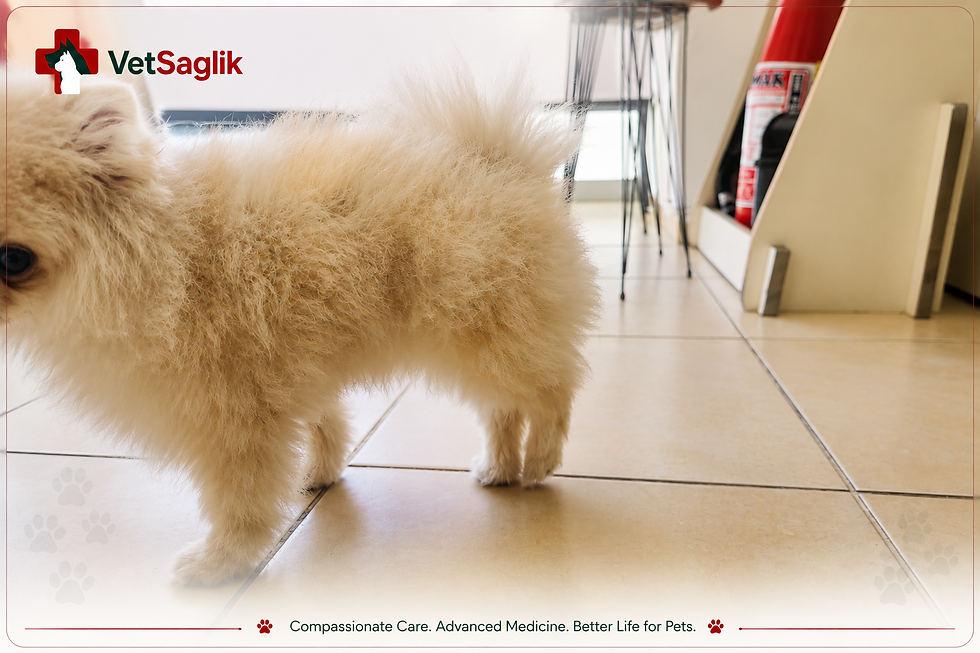
Among all breeds, the Pomeranian is one of the most commonly affected. Their small size and inherited limb conformation make them especially prone to medial patellar luxation. Many Pomeranians show subtle signs at a young age, such as occasional skipping steps or briefly carrying a hind leg while walking.
Other breeds frequently diagnosed with patellar luxation include:
One of the breeds most commonly associated with patellar luxation. Cases may range from mild intermittent luxation to severe instability requiring surgical correction.
Their lightweight frame and genetic predisposition make patellar luxation a frequent orthopedic problem throughout life.
Yorkies commonly develop medial patellar luxation and may begin showing signs during puppyhood or early adulthood.
Many affected Maltese dogs initially appear healthy before developing intermittent hind limb lameness.
Patellar instability is relatively common and may progress gradually if left untreated.
This breed may develop luxation due to inherited skeletal conformation abnormalities.
Although often associated with airway and spinal disorders, French Bulldogs may also experience patellar luxation.
Boston Terrier
The condition is regularly reported and may occur alongside other orthopedic abnormalities.
While small breeds account for most cases, larger breeds are not completely protected. Patellar luxation can also be seen in breeds such as Labrador Retrievers, Golden Retrievers, Akitas, Huskies, and Great Pyrenees. In these dogs, luxation may be associated with more significant skeletal abnormalities and can sometimes be more challenging to correct.
Because patellar luxation often has a hereditary component, responsible breeding practices are considered an important part of reducing the prevalence of the condition in future generations.

What Causes Patellar Luxation in Dogs?
Patellar luxation is a mechanical problem, meaning it develops when the structures responsible for keeping the kneecap in its normal position are no longer perfectly aligned. While owners often assume that a sudden injury caused the condition, the reality is that most cases begin long before any clinical signs become visible.
The most common cause is inherited skeletal conformation. Certain dogs are born with subtle abnormalities in the bones and soft tissues that form the hind limb. These abnormalities may be mild during puppyhood but become more pronounced as the dog grows, eventually allowing the patella to slip out of the trochlear groove.
Other potential contributing factors include:
Shallow Trochlear Groove
A groove that is not deep enough to securely hold the patella is one of the most common anatomical abnormalities associated with luxation.
Soft Tissue Imbalances
Tight tissues on one side of the knee and stretched tissues on the opposite side can gradually pull the kneecap out of alignment.
Abnormal Bone Development
Changes in femoral or tibial alignment may alter the mechanics of the entire hind limb.
Genetic Predisposition
Many affected dogs inherit anatomical characteristics that increase their risk of developing patellar luxation.
Trauma and Injury
Although less common, traumatic injuries can damage stabilizing structures and cause acute patellar displacement.
Excess Body Weight
Obesity does not directly cause patellar luxation, but additional weight increases stress on already unstable joints and may worsen clinical signs.
In many patients, several of these factors occur simultaneously. This is why the condition often progresses over time if left untreated. As instability increases, the kneecap luxates more frequently, leading to further changes within the joint and increasing the likelihood of arthritis.
Signs and Symptoms Owners May Notice at Home
Many dogs with patellar luxation appear perfectly normal when resting. In fact, some owners are surprised when their veterinarian diagnoses the condition because their dog does not seem to be in constant pain. However, careful observation often reveals subtle signs that become more noticeable over time.
One of the classic signs is intermittent skipping or hopping while walking. A dog may suddenly lift one hind leg for several steps and then resume normal movement as if nothing happened. This occurs when the kneecap temporarily slips out of position and then returns to its normal location.
Because these episodes may last only a few seconds, owners sometimes dismiss them as harmless quirks. In reality, they can be an early indication of joint instability.
Skipping or Hopping While Walking
Many affected dogs briefly carry a hind limb before returning to a normal gait. This is often one of the earliest signs noticed at home.
Holding a Hind Leg Up
Dogs may suddenly lift one rear leg off the ground, especially during exercise or excitement. Once the patella returns to position, normal weight-bearing usually resumes.
Occasional Limping
Intermittent lameness is common and may become more frequent as the condition progresses.
Difficulty Jumping
Dogs that previously jumped onto furniture or climbed stairs with ease may become hesitant or reluctant to perform these activities.
Reduced Activity Levels
Some dogs gradually become less playful because movement causes discomfort.
Stiffness After Rest
Mild stiffness may be noticeable after sleeping or prolonged periods of inactivity.
Audible Clicking or Popping
Owners occasionally report hearing or feeling unusual sounds around the knee during movement.

Patellar Luxation Grades: Understanding Severity Levels
Not all cases of patellar luxation are the same. Some dogs experience only occasional displacement of the kneecap with little discomfort, while others suffer from constant luxation that significantly affects their mobility and quality of life.
To help determine the severity of the condition and guide treatment decisions, veterinarians classify patellar luxation into four grades. These grades are based on how easily the patella moves out of position, how often it luxates, and whether it can return to its normal location.
Understanding these grades helps owners better appreciate why some dogs can be managed conservatively while others require surgical correction.
Grade I Patellar Luxation
Grade I is the mildest form of the condition.
In these dogs, the patella normally remains within the trochlear groove but can be manually luxated during a veterinary examination. Once released, it immediately returns to its normal position.
Many dogs with Grade I luxation show few or no clinical signs. Some may occasionally skip a step or briefly carry a hind leg, but these episodes are often infrequent.
Because the kneecap spends most of its time in the correct position, long-term joint damage is usually limited. However, regular monitoring is important because the condition can progress over time.
Typical signs include:
Occasional skipping while walking
Mild intermittent lameness
Normal activity levels
Minimal discomfort
Grade II Patellar Luxation
Grade II is one of the most commonly diagnosed forms of patellar luxation.
In these cases, the kneecap luxates more easily and may remain out of position for short periods before returning to the groove spontaneously or after the dog extends its leg.
Owners frequently notice intermittent limping, hopping, or sudden hind limb lifting. These episodes often become more frequent as the dog ages.
Because the patella repeatedly moves in and out of position, abnormal wear develops within the joint. Over time, cartilage damage and arthritis may occur.
Typical signs include:
Frequent skipping or hopping
Holding a hind leg up for several seconds
Intermittent lameness
Mild discomfort after exercise
Early arthritic changes
Many Grade II patients eventually benefit from surgical treatment, especially when clinical signs become more frequent or mobility begins to decline.
Grade III Patellar Luxation
Dogs with Grade III luxation have a patella that remains luxated most of the time.
Although the kneecap can usually be manually repositioned during examination, it quickly luxates again once released. Significant skeletal and soft tissue changes are often present by this stage.
Affected dogs commonly display an abnormal gait and may have difficulty running, jumping, or climbing stairs.
Because the joint is unstable almost continuously, arthritis and cartilage damage are frequently observed.
Typical signs include:
Persistent lameness
Abnormal hind limb posture
Difficulty exercising
Reduced mobility
Progressive muscle loss
Surgical correction is generally recommended for most Grade III patients to restore joint function and improve quality of life.
Grade IV Patellar Luxation
Grade IV represents the most severe form of the disease.
The kneecap remains permanently luxated and cannot be manually returned to the trochlear groove. Significant bone deformities and joint abnormalities are usually present.
Dogs with Grade IV luxation often develop severe gait abnormalities and may struggle to walk normally. In some cases, affected puppies show clinical signs at a very young age.
Without treatment, chronic pain, advanced arthritis, and substantial mobility limitations can develop.
Typical signs include:
Constant luxation
Severe lameness
Markedly abnormal gait
Difficulty standing or walking
Advanced joint degeneration
These cases almost always require surgical intervention and may involve multiple corrective procedures to restore proper limb alignment.
Why Grading Matters
The grade of patellar luxation is one of the most important factors veterinarians consider when developing a treatment plan.
While some Grade I patients may only require monitoring and lifestyle management, higher-grade luxations often benefit from surgery to prevent further joint damage. Other factors such as age, body weight, activity level, pain, and the presence of arthritis are also taken into account.
It is important to remember that treatment decisions are not based solely on the grade itself. A highly active young dog with symptomatic Grade II luxation may be a better surgical candidate than an older dog with mild clinical signs.
Ultimately, the goal of treatment is to restore comfortable movement, reduce pain, and protect the joint from long-term damage.
How Veterinarians Diagnose Patellar Luxation
Diagnosing patellar luxation usually begins with a thorough orthopedic examination. In many cases, an experienced veterinarian can identify the condition during a routine physical assessment, even before imaging studies are performed.
The diagnostic process focuses on evaluating joint stability, determining the severity of the luxation, and identifying any secondary changes that may influence treatment recommendations.
Physical Examination
The cornerstone of diagnosis is a hands-on orthopedic examination.
During this assessment, the veterinarian carefully manipulates the knee joint while the dog is standing and lying down. This allows them to determine whether the patella can be luxated manually, how easily it displaces, and whether it returns to its normal position.
This examination is also used to assign a patellar luxation grade and assess overall limb alignment.
Gait Evaluation
Observing the dog's movement often provides valuable diagnostic information.
Veterinarians look for characteristic signs such as:
Skipping steps
Intermittent hind limb lifting
Abnormal weight-bearing
Reduced stride length
Difficulty turning or changing direction
Even when a dog appears normal in the examination room, videos recorded at home can sometimes reveal subtle abnormalities that occur during everyday activities.
Orthopedic Assessment
In addition to evaluating the kneecap itself, veterinarians assess the entire hind limb.
This includes examining:
Hip alignment
Femoral conformation
Tibial alignment
Joint range of motion
Muscle mass
Signs of pain or arthritis
A complete orthopedic assessment helps identify concurrent conditions that may influence treatment planning.
Radiographs (X-Rays)
Radiographs are commonly performed to evaluate the bones and joint structures surrounding the knee.
While the luxation itself is often diagnosed through physical examination, X-rays provide important information about:
Skeletal alignment
Joint deformities
Arthritic changes
Bone remodeling
Surgical planning
Radiographs are particularly valuable when surgery is being considered.
Advanced Imaging
In complex cases, advanced imaging such as computed tomography (CT) may be recommended.
These studies can provide detailed information about bone structure and limb alignment, especially in dogs with severe or unusual deformities.
Pre-Anesthetic Evaluation
When surgical correction is planned, additional testing is performed to ensure the patient can safely undergo anesthesia.
This often includes:
Complete blood count (CBC)
Serum biochemistry testing
Physical examination
Cardiovascular assessment
These tests help identify underlying health concerns and allow the veterinary team to create the safest possible anesthetic protocol.
Once the diagnosis has been confirmed and the severity of the luxation determined, veterinarians can discuss treatment options with the owner. Depending on the grade and clinical signs, recommendations may range from conservative management to surgical correction aimed at restoring normal knee function.
Can Patellar Luxation Be Treated Without Surgery?
Not every dog diagnosed with patellar luxation requires immediate surgery. In mild cases, particularly those involving Grade I luxation or some stable Grade II cases, conservative management may help maintain comfort and mobility for extended periods.
The primary goal of non-surgical treatment is not to correct the underlying anatomical abnormality but rather to reduce discomfort, improve joint function, and slow the progression of secondary changes such as arthritis.
Weight Management
Maintaining a healthy body weight is one of the most important aspects of conservative treatment.
Excess weight increases the forces acting on the knee joint during every step. Even a small reduction in body weight can significantly decrease stress on unstable joints and improve mobility.
Controlled Exercise
Regular low-impact exercise helps maintain muscle strength and joint flexibility.
Activities such as leash walks are generally encouraged, while excessive jumping, abrupt turns, and high-impact activities may need to be limited in symptomatic dogs.
A complete lack of exercise is usually not recommended, as muscle weakness can further reduce joint stability.
Physical Rehabilitation
Rehabilitation programs can help improve strength, coordination, and overall limb function.
Depending on the patient, rehabilitation may include:
Therapeutic exercises
Balance training
Underwater treadmill sessions
Controlled strengthening activities
Range-of-motion exercises
These techniques are commonly used alongside other treatment strategies.
Joint Supplements
Many veterinarians recommend joint-support supplements containing ingredients such as glucosamine, chondroitin sulfate, omega-3 fatty acids, or green-lipped mussel extracts.
While supplements cannot reposition the patella, they may help support cartilage health and reduce inflammation within the joint.
Pain Management
Dogs experiencing discomfort may benefit from medications prescribed by a veterinarian.
Pain management plans vary depending on the severity of clinical signs and the presence of arthritis. Long-term medication should always be administered under veterinary supervision.
Monitoring Disease Progression
Even dogs that initially respond well to conservative management should undergo periodic re-evaluation.
Patellar luxation is often a progressive condition. A dog that appears comfortable today may develop worsening instability, increasing lameness, or arthritic changes in the future.
For this reason, owners should continue monitoring for signs such as:
Increased limping
More frequent skipping episodes
Difficulty rising
Reduced willingness to exercise
Progressive hind limb weakness
While conservative treatment can be very effective for selected patients, it is important to understand that it does not correct the mechanical cause of the luxation. In dogs with persistent clinical signs or worsening instability, surgical correction often provides the most definitive solution.

When Is Surgery Recommended for Patellar Luxation?
Surgery is generally recommended when patellar luxation significantly affects a dog's comfort, mobility, or long-term joint health. The decision is not based solely on the luxation grade but rather on the overall clinical picture.
Many dogs with mild luxation live comfortably for years without surgery, while others may benefit from early intervention despite having a lower-grade luxation.
Veterinarians typically consider several factors when determining whether surgery is the best option.
Persistent Clinical Signs
One of the most common reasons for surgery is ongoing lameness or repeated episodes of patellar luxation.
Dogs that frequently:
Skip steps
Hold a hind leg up
Limp after activity
Show reduced willingness to exercise
may benefit from surgical stabilization of the knee.
Progressive Joint Damage
Repeated luxation places abnormal forces on the cartilage and supporting structures of the knee.
Over time, this can lead to:
Cartilage wear
Joint inflammation
Osteoarthritis
Chronic pain
Surgical correction is often recommended before these changes become severe.
Grade III and Grade IV Luxations
Higher-grade luxations typically cause substantial instability within the joint.
Because the patella remains displaced most or all of the time, these patients usually experience progressive mechanical dysfunction and are commonly considered surgical candidates.
Symptomatic Grade II Luxations
Many Grade II patients can initially be managed conservatively. However, surgery is often recommended when episodes become frequent or when mobility begins to decline.
Early intervention may help prevent further joint deterioration and improve long-term outcomes.
Young Dogs with Developing Skeletal Changes
In young dogs, chronic luxation can influence the development of bones and soft tissues as they mature.
Correcting the problem before significant secondary changes occur may help preserve normal limb function and reduce the risk of future complications.
Failure of Conservative Management
If weight management, rehabilitation, activity modification, and medical therapy fail to provide adequate improvement, surgery may become the most appropriate treatment option.
Goals of Surgery
Patellar luxation surgery aims to restore normal tracking of the kneecap and improve overall joint stability.
Depending on the individual patient, surgical correction may involve:
Deepening the trochlear groove
Tightening the joint capsule
Rebalancing surrounding soft tissues
Realigning the patellar mechanism
Correcting underlying skeletal abnormalities
The specific procedures chosen depend on the anatomical abnormalities present in each dog.
What Is the Prognosis After Surgery?
The prognosis following patellar luxation surgery is generally very good, particularly in young and otherwise healthy dogs.
Most patients experience:
Improved limb function
Reduced discomfort
Better mobility
Increased activity levels
Slower progression of arthritis
Successful outcomes depend on appropriate case selection, proper surgical technique, and careful post-operative management.
In the next section, we will explore the surgical techniques commonly used to correct patellar luxation and explain how veterinarians restore normal kneecap function in affected dogs.
Common Surgical Techniques Used to Correct Patellar Luxation
Patellar luxation surgery is not a single procedure. Instead, veterinarians select one or more techniques based on the anatomical abnormalities present in each patient. The ultimate goal is to restore normal alignment of the kneecap, improve joint stability, and allow the patella to move smoothly within its natural groove.
Because every dog is different, surgical planning is tailored to the individual patient. Some dogs require only minor corrections, while others benefit from a combination of procedures to achieve the best long-term outcome.
Trochlear Groove Deepening
One of the most commonly performed procedures involves deepening the trochlear groove.
The trochlear groove is the channel in which the patella normally glides during movement. In many dogs with patellar luxation, this groove is too shallow to adequately stabilize the kneecap.
During surgery, the surgeon carefully deepens the groove while preserving as much healthy cartilage as possible. This creates a more secure track for the patella and reduces the likelihood of future luxation.
A properly reconstructed groove allows the kneecap to remain centered during both flexion and extension of the knee.
Soft Tissue Balancing
The tissues surrounding the knee often become imbalanced as patellar luxation progresses.
One side of the joint may become excessively tight while the opposite side stretches over time. These abnormal forces continue to pull the patella away from its normal position.
Soft tissue balancing procedures help restore more natural tension around the joint, reducing the tendency for the kneecap to luxate.
Joint Capsule Tightening (Capsulorrhaphy)
The joint capsule plays an important role in stabilizing the patella.
When chronic luxation is present, portions of the capsule may become stretched and lose their ability to properly support the joint. In these situations, surgeons may tighten the capsule using carefully placed sutures.
This procedure helps maintain the patella within its newly corrected position and is frequently performed alongside trochlear groove deepening.
Tibial Tuberosity Transposition
Some dogs have abnormal alignment of the patellar ligament and tibial tuberosity.
When this occurs, the forces acting on the patella are directed away from the center of the groove. To correct this problem, the tibial tuberosity can be surgically repositioned and stabilized.
This procedure helps restore a more normal pull of the quadriceps mechanism and improves patellar tracking.
Corrective Bone Procedures
In severe cases, particularly those involving advanced skeletal deformities, additional bone procedures may be required.
These surgeries are designed to address significant abnormalities of the femur or tibia that contribute to chronic luxation.
Although less commonly required, they can be extremely important in restoring proper limb alignment in complex cases.
Why Multiple Techniques Are Often Combined
Patellar luxation rarely results from a single anatomical problem. Instead, several contributing factors are usually present simultaneously.
For this reason, surgeons often combine multiple techniques during a single operation. Deepening the trochlear groove, balancing soft tissues, and tightening the joint capsule may all be performed together to achieve optimal stability.
Addressing only one aspect of the problem may leave residual instability and increase the risk of recurrence.
Surgical Success Rates
Patellar luxation surgery generally carries an excellent prognosis when performed in appropriate patients.
Most dogs experience:
Improved limb function
Greater comfort during activity
Reduced lameness
Better long-term joint stability
Improved quality of life
Young dogs often recover particularly well because they typically have less arthritis and fewer secondary joint changes at the time of surgery.
The exact recovery timeline varies from patient to patient, but proper post-operative care is just as important as the surgery itself. Careful activity restriction, follow-up examinations, and rehabilitation all contribute to achieving the best possible outcome.
Recovery After Patellar Luxation Surgery
Successful surgery is only the first step in the treatment process. Proper recovery management plays a critical role in protecting the repair, promoting healing, and helping the dog regain normal limb function.
Most patients begin using the operated leg surprisingly quickly, but complete healing requires patience and careful adherence to post-operative instructions.
The First 24 Hours
Immediately after surgery, mild discomfort, swelling, and temporary lameness are expected.
Veterinary teams closely monitor patients as they recover from anesthesia and ensure that pain management protocols are working effectively.
Many dogs are able to stand and walk with assistance within hours of the procedure.
Owners may notice:
Mild swelling around the incision
Temporary limping
Sleepiness from anesthesia
Reduced appetite for a short period
These findings are usually considered normal during the immediate recovery period.
The First Two Weeks
The first two weeks are focused primarily on protecting the surgical repair.
Activity should be strictly restricted to short leash walks for bathroom breaks. Running, jumping, climbing stairs, and rough play should be avoided.
During this period, owners should carefully monitor the incision site for:
Excessive redness
Abnormal swelling
Discharge
Opening of the incision
Signs of infection
Most skin sutures or staples are removed according to the veterinarian's recommendations.
Gradual Return to Activity
As healing progresses, activity levels can gradually increase.
Controlled exercise helps rebuild muscle strength and improve joint function without placing excessive stress on the surgical site.
The pace of rehabilitation varies depending on:
The severity of the luxation
Surgical techniques performed
Age of the dog
Overall health status
Individual healing response
Physical Rehabilitation
Many dogs benefit from structured rehabilitation programs.
Rehabilitation may include:
Controlled leash walking
Therapeutic exercises
Balance training
Underwater treadmill therapy
Strength-building exercises
These techniques can accelerate recovery and improve long-term outcomes.
Long-Term Expectations
Most dogs experience substantial improvement following surgery.
Owners commonly report:
More confident movement
Elimination of skipping episodes
Increased willingness to play
Improved endurance
Better overall quality of life
Although some patients may develop mild arthritis later in life, surgical stabilization significantly reduces ongoing joint damage and helps preserve mobility.
Follow-Up Examinations
Regular rechecks allow veterinarians to monitor healing and assess limb function.
These visits help ensure that the patella remains stable and that recovery is progressing as expected.
Recovery Prognosis
The long-term outlook after patellar luxation surgery is generally excellent, particularly in young dogs treated before severe arthritis develops.
With appropriate surgical correction, careful post-operative management, and owner commitment, most dogs return to comfortable, active lives and enjoy a significant improvement in mobility and overall well-being.
Long-Term Prognosis for Dogs with Patellar Luxation
The long-term outlook for dogs with patellar luxation is generally very good, especially when the condition is identified early and managed appropriately. Advances in veterinary orthopedic surgery have significantly improved outcomes, allowing many affected dogs to return to normal, active lives.
Several factors influence prognosis, including:
The severity of the luxation
The age of the dog
The presence of arthritis
The duration of the condition before treatment
The surgical techniques performed
Compliance with post-operative care
Dogs with mild luxation that remains stable may enjoy excellent quality of life with conservative management alone. However, when instability becomes persistent, surgical correction often provides the best opportunity for long-term joint health.
Young dogs typically achieve the most favorable outcomes because permanent arthritic changes have not yet developed. Correcting the problem before significant cartilage damage occurs helps preserve normal joint function for years to come.
Following successful surgery, most owners report:
Improved mobility
Resolution of skipping episodes
Increased activity levels
Better exercise tolerance
Improved overall comfort
Although surgery greatly reduces instability, it cannot completely erase damage that has already occurred within the joint. Some dogs may still develop mild osteoarthritis later in life, particularly if the condition was advanced before treatment.
Fortunately, regular exercise, weight management, joint-supportive nutrition, and routine veterinary monitoring can help maintain mobility and comfort long after treatment.
For most patients, the prognosis is excellent, and many go on to enjoy a full and active life with little or no ongoing limitation.
Can Patellar Luxation Be Prevented?
Because most cases of patellar luxation have a hereditary or developmental component, complete prevention is not always possible. However, several measures may help reduce the risk of progression and support long-term joint health.
Responsible Breeding Practices
Selective breeding remains one of the most important strategies for reducing the prevalence of patellar luxation.
Dogs with confirmed patellar luxation should generally not be used for breeding programs, particularly when hereditary factors are suspected.
Maintaining a Healthy Body Weight
Excess body weight increases stress on the knee joints and may accelerate the progression of existing instability.
Keeping dogs lean throughout life helps protect joints and improve mobility.
Regular Veterinary Examinations
Routine orthopedic evaluations can help identify subtle abnormalities before significant clinical signs develop.
Early detection often allows veterinarians to recommend monitoring or intervention before severe joint damage occurs.
Appropriate Exercise
Regular physical activity supports muscle development and joint stability.
Moderate exercise is generally beneficial, while excessive high-impact activity may increase stress on already unstable joints.
Early Evaluation of Abnormal Gait
Owners should never ignore signs such as:
Skipping steps
Intermittent limping
Hind limb lifting
Reluctance to jump
Difficulty climbing stairs
These may be early indicators of patellar luxation or other orthopedic conditions.
Although patellar luxation cannot always be prevented, proactive care and early intervention can significantly improve long-term outcomes and reduce the risk of complications.
Frequently Asked Questions About Patellar Luxation in Dogs
Is patellar luxation painful for dogs?
It can be. Some dogs experience only mild discomfort, while others develop significant pain due to joint instability, inflammation, or arthritis. The severity of pain often depends on the grade of luxation and the degree of secondary joint damage.
Can a dog live normally with patellar luxation?
Many dogs with mild patellar luxation live comfortable lives, particularly when the condition is monitored and managed appropriately. More severe cases may require surgery to maintain normal mobility and quality of life.
What dog breeds are most commonly affected?
Patellar luxation is particularly common in small and toy breeds, including Pomeranians, Chihuahuas, Yorkshire Terriers, Maltese, Toy Poodles, and Cavalier King Charles Spaniels.
Does patellar luxation always require surgery?
No. Some dogs with mild luxation and minimal clinical signs can be managed conservatively. Surgery is typically recommended when lameness, instability, or progressive joint damage becomes significant.
Can patellar luxation get worse over time?
Yes. Patellar luxation is often a progressive condition. Repeated luxation can lead to cartilage damage, arthritis, muscle loss, and worsening instability if left untreated.
How successful is patellar luxation surgery?
Patellar luxation surgery generally has a very good success rate. Most dogs experience improved mobility, reduced discomfort, and a significant improvement in quality of life following recovery.
How long does recovery take after surgery?
Initial healing usually occurs within several weeks, but complete recovery may take several months depending on the severity of the condition and the procedures performed.
Can patellar luxation occur in both knees?
Yes. Bilateral patellar luxation is relatively common, especially in small breed dogs. Some patients may require treatment of both knees either simultaneously or at separate times.
Is patellar luxation hereditary?
In many cases, yes. Genetic and developmental factors play a major role, particularly in predisposed breeds.
When should I see a veterinarian?
A veterinary examination is recommended whenever a dog shows signs such as skipping steps, intermittent limping, hind limb lifting, difficulty jumping, or changes in mobility.
Sources
Source | Link |
MSD Veterinary Manual – Patellar Luxation in Dogs and Cats | |
Merck Veterinary Manual – Patellar Luxation in Dogs and Cats | |
American College of Veterinary Surgeons (ACVS) – Patellar Luxations | |
Cornell University College of Veterinary Medicine – Patellar Luxation | |
University of California Davis Veterinary Medicine – Orthopedic Conditions in Dogs | |
American Veterinary Medical Association (AVMA) | |
WSAVA (World Small Animal Veterinary Association) | |
BSAVA (British Small Animal Veterinary Association) | |
Mersin Vetlife Veterinary Clinic |


Comments