
Raw Food (BARF) Diet for Dogs: Scientific Analysis and Risks

Scientific Basis for the Canine Raw Food (BARF) Diet
The canine raw food (BARF) diet is a nutritional model that aims to provide dogs with a diet similar to that of their wild ancestors before domestication. Theoretically, dogs' digestive systems are assumed to be more capable of digesting raw meat and animal tissue; however, there are significant differences between the physiology of modern dogs and wolves. Therefore, when examining the scientific basis of BARF, it becomes clear that most of the beneficial claims are based on controversial arguments based on evolutionary biology .
Advocates of raw feeding claim that this diet promotes shinier coats, healthier stools, more energy, and stronger muscle development. However, scientific studies show that many of these claims are not supported by controlled clinical data . The most important issues with the BARF diet are nutritional balance , pathogen risk , potential parasitic contamination , mineral and vitamin imbalances , and mechanical injuries from bone .
From a scientific perspective, the main points of discussion about the BARF diet are:
1. Digestive physiology
While dogs have acidic stomachs (pH 1–2), they are not acidic enough to make raw meats with a high pathogen load completely safe. This allows microorganisms like Salmonella , E. coli , Campylobacter , and Listeria to proliferate.
2. Nutritional balance
Most homemade BARF recipes include:
The calcium-phosphorus ratio is impaired
Vitamin D deficiency
Zinc deficiency
Omega-6/Omega-3 balance is inconsistent
Energy distribution is irregular
These imbalances can cause bone deformities, developmental disorders, and organ damage in the long term.
3. Food safety
Raw food also increases the risk of zoonotic infection in humans. Household members, especially children, the elderly, and individuals with low immunity, are at high risk.
4. Trends observed in veterinary clinics
In dogs fed BARF:
Bone blockage
Intestinal perforation
Severe diarrhea
Zoonotic infection
It is frequently emphasized in the veterinary literature that the cases are increasing.
In conclusion, BARF is a diet with scientifically proven advantages and disadvantages that requires careful planning and professional guidance. Unsupervised BARF practices carry serious health risks.

Analysis of Nutritional Content and Components of the BARF Diet (Table)
(Table: Component | Function | Possible Benefit | Possible Risk)
The BARF diet generally consists of the following: raw meat, organ meats, raw bones, vegetables, fruits, and some supplements. However, if these ingredients are not provided in the correct proportions, serious imbalances can occur.
The table below provides a scientific analysis of the BARF diet components:
Table: BARF Diet Component Analysis
Component | His duty | Possible Benefits | Possible Risk |
Raw meat | Source of protein and energy | Muscle development, high digestibility | Salmonella, Listeria, E. coli contamination; parasite risk |
Organ meats (liver, spleen, kidney) | Vitamin/mineral density | Source of iron, B vitamins, vitamin A | Vitamin A toxicity; liver burden in excessive consumption |
Raw bones | Calcium and dental health | Natural chewing behavior, mineral supplement | Tooth fracture, intestinal obstruction, perforation |
Vegetables | Fiber and phytochemicals | Supporting gut health | Some vegetables are difficult to digest; raw vegetables can cause gas. |
Fruits | Antioxidant sources | Vitamin supplements | Excess sugar → diarrhea, weight gain |
Egg | Protein + fat | High quality amino acids | Salmonella risk; biotin antagonism in excessive consumption |
Supplements (omega-3, zinc, calcium) | Complete nutritional balance | Safe when planned correctly | Unbalanced addition → toxicity |
Unprocessed offal | Vitamin store | Energy and mineral source | Parasites, pathogens, toxic metal accumulation |
As the table shows, all BARF ingredients carry both advantages and risks. The problem is that these ingredients are used in uncontrolled amounts at home . If the diet plan is not scientifically based, serious health problems are inevitable.
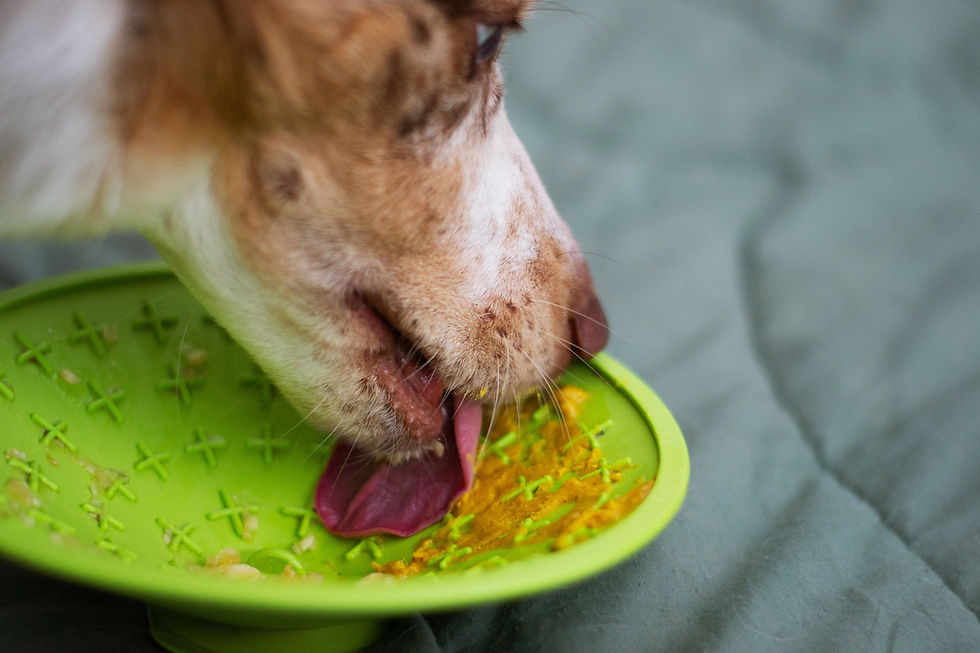
Cost of a Raw Food (BARF) Diet for Dogs (EU and US Average Costs)
While the BARF diet may seem easy to prepare at home, it's actually a costly, time-consuming, and demanding diet. Costs vary significantly depending on the meat source, organ type, vitamin and mineral supplements, storage conditions, and hygiene procedures. The data below is based on average price trends in the European Union (EU) and the United States (US) .
1. Basic Meat Costs (Monthly)
An adult dog's BARF diet requires an average of 400–600 grams of raw food per day.
EU:
Chicken: 3–5 € / kg
Turkey: 4–6 € / kg
Beef: 6–12 €/kg
Lamb: 8–14 € / kg
USA:
Chicken: $2.5–$4.5/kg
Beef: $6–$11/kg
Lamb: $8–$15/kg
Monthly meat costs range from €60–160 or $70–180 depending on the breed of dog.
2. Organ Meat Cost
Organs such as liver, kidney and heart are essential parts of BARF.
EU: €4–10/kg US: $5–12/kg
Monthly organ cost: €10–25 / $12–28
3. Raw Bone and Calcium Sources
Raw bone prices vary by region:
EU: €3–6/kg US: $3–$7/kg
Monthly average: €8–20 / $10–22
4. Vegetables, Fruits, and Supplementary Foods
Although the cost of fruits and vegetables may seem low, the BARF diet creates a monthly cost because the amount is high.
Monthly cost of vegetables and fruits:
EU: 10–20 €
US: $12–$25
5. Vitamin–Mineral Supplements (Required)
The most expensive part of BARF is the use of correct supplements. Calcium, zinc, iodine, vitamin D, vitamin E, omega-3 and prebiotic supplements are required.
Monthly cost:
EU: €15–40
US: $20–$45**
6. Deep Freezer and Storage Expenses
Freezing is essential for safe storage of raw food.
Electricity cost
Packaging, storage containers
Food safety equipment
Additional monthly cost: €5–15 / $6–20
7. Grand Total (Monthly Average)
Small breeds:
€60–90 / $70–100
Medium breeds:
€90–140 / $100–150
Large breeds:
€140–250 / $150–280
Conclusion
The BARF diet is sometimes more expensive and more difficult to prepare than formula. Furthermore, due to hygiene, pathogen control, and the necessity of supplementation, the cost is not solely determined by the price of meat. A monthly budget should be planned before switching to the BARF diet.

Biological Advantages of Consuming Raw Meat and Organs
The most common argument against the BARF diet is the claim that raw meat and organs are "more natural" to a dog's physiology. While it's true that raw meat and organs offer some biological advantages from a scientific perspective, these advantages should generally be considered within the context of a risk-benefit balance .
Below I explain the biological advantages of consuming raw meat and organs on a scientific basis.
1. High Biological Value Protein
Since raw meat is unprocessed, its amino acid structure is not damaged. Therefore, it is highly digestible and supports muscle development.
Advantage:
Increased muscle mass
Improvement of energy balance
2. Natural Enzyme Content (But Controversial)
Although some advocates praise the enzymes in raw meat, the high acidity in a dog's stomach renders most enzymes ineffective. However, some digestive enzymes may be partially supported by the raw form.
3. Micronutrient Density of Organ Meats
Organs such as the liver, kidneys and spleen:
B vitamins
Iron
Folate
Vitamin A
Zinc
Copper
It is rich in micronutrients such as.
These strengthen the immune system, cell regeneration and energy metabolism.
4. Increase in Hair and Skin Quality
Because raw food contains high levels of fatty acids, coat quality in some dogs may be positively affected in the first weeks.
5. Consume Less Processed Foods
Some owners consider it an advantage to consume less processed food compared to ready-made food. However, this does not eliminate the risk of unbalanced nutrition.
6. Temporary Relief for Some Dogs with Irritable Bowel Problems
Raw food may provide temporary relief for dogs with some food intolerances, but this benefit may not be sustained long-term without the right supplements.
Conclusion:
While consuming raw meat and organs may offer some physiological advantages, it doesn't constitute a healthy diet on its own . Without proper supplementation, hygiene, and microbiological safety, the risks of raw meat can outweigh its benefits. The key to the BARF diet is balance and safety .

Microbiological Risks of the BARF Diet in Dogs
The most debated and scientifically critical aspect of the BARF diet is its microbiological risks . Raw meat, organs, and bones can harbor high levels of pathogens, parasites, and environmental contamination. These pathogens pose a risk not only to the dog but also to the humans sharing the same household. The likelihood of zoonotic infection is particularly high in children, the elderly, and immunocompromised individuals.
The pathogen risks of the BARF diet are scientifically explained below:
1. Risk of Salmonella Contamination
The feces of dogs on the BARF diet are several times more likely to be positive for Salmonella than those fed dry food. This bacteria:
Severe diarrhea
Fire
Vomiting
Bloody stools
It can cause symptoms such as. In addition, even if dogs do not show signs of disease, they can be asymptomatic carriers and spread it to indoor surfaces.
2. Risk of Campylobacter and E. coli
Both Campylobacter jejuni and E. coli O157:H7 are commonly found in raw meat products. These bacteria damage the intestinal mucosa, causing:
Severe abdominal pain
Bloody diarrhea
Bacteremia
Dehydration
can lead to serious complications such as.
3. Risk of Listeria Monocytogenes
Listeria is one of the most dangerous pathogens of raw meat and poses a serious risk, especially for pregnant women. Dogs can carry Listeria on their paws, fur, and mouth after contact with raw meat.
4. Risk of Parasitic Contamination
The parasites most commonly transmitted by BARF are:
Toxocara canis
Neospora caninum
Toxoplasma gondii
Tapeworm species (especially in the consumption of raw offal)
These parasites can cause both intestinal and systemic infections.
5. Cross-Contamination
During the preparation of meats used in the BARF diet:
Kitchen surfaces
Cutting boards
Hands
Food bowls
Refrigerator interior surfaces
It can easily become contaminated. This contamination creates a risk for all individuals in the house.
6. Asymptomatic Carriage
Many dogs fed BARF can shed pathogens without becoming ill. This condition can go unnoticed for a long time and pose a serious risk to the household.
7. Inadequate Deep Freezing and Storage
Home freezers do not have a sufficient cooling rate to kill parasite eggs, so freezing does not guarantee safety.
Conclusion
The microbiological risks of the BARF diet are high and well-documented scientifically. These risks cannot be completely eliminated; they can only be reduced. Therefore, it is imperative that owners implementing BARF fully implement food safety protocols .
Effects of a Raw Diet on the Digestive System
The BARF diet affects the digestive system in dogs in different ways. While some dogs may experience decreased stool volume or improved coat quality, many dogs experience diarrhea, constipation, vomiting, reflux, intestinal irritation, exacerbation of pancreatitis, and microbial imbalance .
The effects of BARF on the digestive system are scientifically explained under the following headings:
1. Acidic Stomach Stress
Raw meat and bones require increased stomach acid. This increases digestive load. In some dogs, this can:
Gastritis
Reflux
stomach ache
Vomiting
It can trigger symptoms such as.
2. Disruption of Intestinal Flora
Bacteria and parasites that come with raw meat can quickly disrupt the intestinal flora. This situation:
Diarrhea
Gas
foul-smelling stools
Microflora imbalance
It manifests itself with. The deterioration in the flora also affects the immune system in the long term.
3. Constipation Due to Bone Consumption
Consuming raw bones causes calcium overload. This causes the stool to harden too much and:
Constipation
Colon irritation
Rectal pain
Anal sac fullness
problems such as these arise.
4. Diarrhea and Acute Gastroenteritis
If pathogen contamination is present, diarrhea will be very severe. Bloody diarrhea and high fever are signs of an emergency.
5. Pancreatitis Risk
Raw diets high in fat create a burden on the pancreas. Pancreatitis can be triggered, especially in predisposed breeds (Yorkshire, Mini Schnauzer, Pug).
6. Change in Stool Volume
One of the claimed benefits of BARF is a reduction in stool volume. This may be true, but excessively hard stools are not healthy for the gut.
7. Excretion of Food Particles Without Digestion
Raw vegetables and some offal are difficult to digest. It is common for undigested parts to appear in the stool.
Conclusion
Although the effects of the BARF diet on digestion vary from dog to dog, the generally accepted scientific conclusion is this: A balanced and safely planned BARF diet can be digested; however, uncontrolled BARF applications can lead to serious digestive problems.
Nutritional Imbalance and Vitamin–Mineral Deficiencies in the BARF Diet
While the BARF diet may seem natural and balanced in theory, in practice, it carries one of the highest risks of nutrient imbalances and micronutrient deficiencies . Most dog owners believe that a combination of raw meat and vegetables is sufficient; however, this combination poses significant risks regarding calcium-phosphorus balance, trace element requirements, and fatty acid distribution. Nearly all veterinary nutrition literature indicates that more than 80% of BARF diets are severely imbalanced.
Below, BARF's most critical nutrient imbalance points are explained in detail.
1. Calcium–Phosphorus Imbalance (Most Critical Point)
Raw meat is high in phosphorus but deficient in calcium. Without bone, the calcium-to-phosphorus ratio can drop to dangerous levels, such as 1:20. The correct ratio should be 1.2:1 .
Imbalance results:
osteoporosis
Developmental disorders (in puppies)
Muscle twitches
Tooth and jaw problems
Cardiac arrhythmias
This is precisely BARF's most devastating flaw.
2. Vitamin D Deficiency or Excess
Organ meats (especially liver) contain high levels of vitamin A, but are very low in vitamin D. Without supplementation, vitamin D deficiency occurs → bone structure deteriorates. Vitamin A toxicity occurs when excessive organ consumption occurs.
3. Zinc Deficiency
The majority of BARF diets are deficient in zinc. Skin diseases, hair loss, immune weakness, delayed wound healing and behavioral disorders are symptoms of zinc deficiency.
4. Omega-6 / Omega-3 Fatty Acid Imbalance
Meat-heavy diets are high in omega-6. If not enough omega-3 is added:
Chronic inflammation
Skin redness
Itching
Joint problems
emerges.
5. Iodine Deficiency
Almost all raw recipes prepared at home are seriously deficient in iodine . Iodine deficiency → Increases the risk of hypothyroidism.
6. Magnesium, Copper, Selenium Deficiencies
These elements are critical for metabolism, thyroid function, immune regulation, and oxidative balance. They are generally found in low amounts in BARF diets.
7. Energy and Protein Imbalance
The diet often contains excessive protein, carbohydrate and fiber deficiency disrupts the intestinal flora. Constipation, gas, foul-smelling stools and digestive sensitivity may occur.
Conclusion
The main problem with the BARF diet , even before food safety, is nutritional imbalance. If the diet is not formulated by a veterinary nutritionist, deficiencies are inevitable. Even if these deficiencies go unnoticed in the short term, they can cause serious health problems in the long run.
Benefits and Dangers of Consuming Raw Bones
Raw bone consumption is one of the most controversial aspects of the BARF diet. Proponents argue that it "cleans teeth" and supports dogs' natural behavior; however, from a scientific perspective , the benefit-risk ratio of raw bones is highly unbalanced . Choosing the wrong bone or consuming it incorrectly can lead to mechanical complications, even fatal ones.
The advantages and dangers of consuming raw bones are explained scientifically below.
1. Potential Benefits of Raw Bones
A. Mechanical Dental Cleaning
The act of chewing bone can mechanically reduce plaque formation. However, this effect can also be achieved with chewing toys.
B. Meeting the Natural Need to Chew
Dogs have a biological need to chew, and raw bones satisfy this urge.
C. Mineral Additive
Provides calcium and phosphorus support when given at the right rate.
2. The Dangers of Raw Bones (The Most Serious Headline)
A. Tooth Fractures
Tooth fractures from BARF are common in veterinary clinics. These include:
Horn
Hard beef bone
Overly dense femur bones can break tooth enamel.
Fractures are often painful and require root canal treatment/extraction.
B. Choking and Esophageal Obstruction
If a dog tries to swallow a bone whole, the esophagus may become blocked. This situation requires emergency endoscopy.
C. Gastrointestinal Obstruction
Raw bone fragments can become stuck in the stomach or intestines. Symptoms:
Vomiting
Severe abdominal pain
Anorexia
Constipation
Bloody stools
Surgical intervention may be required.
D. Intestinal Perforation
Sharp bone ends can puncture the intestinal wall. This is a life-threatening situation, and sepsis and shock may develop.
E. Infection
The bacterial load on raw bone can be high; oral infections may increase.
3. Which Bones Are Relatively Safer?
Soft, crushable lamb/meatball cartilages
Meaty, soft wing tips (though be careful)
It should only be given raw, not boiled (cooked bones are never given).
But remember: No raw bone is 100% safe.
4. Scientifically Safe Alternatives to Bone
Natural chew toys
Vet-approved dental chews
Rubber reinforced toys
Dental health-supporting reward bars
These options are both safe and effective.
Conclusion
Although raw bones may be beneficial for some dogs, the risks are much more serious. Considering complications such as tooth fracture, occlusion, and perforation, the decision to give raw bones should be made carefully.
The BARF Diet and Parasite Risks: Hidden Dangers
One of the most underestimated yet dangerous risks in dogs on the BARF diet is parasite contamination . Raw meat can carry a wide variety of parasite eggs, larvae, or cysts during slaughter, transport, storage, and home preparation. While some of these parasites only cause disease in dogs, a significant number are zoonotic parasites that can also infect humans .
Below, the parasite risks of the BARF diet are explained at a scientific level.
1. Toxoplasma gondii
It is one of the most important protozoan parasites transmitted by raw meat. It may cause mild intestinal symptoms in dogs; however, it can lead to very serious consequences for humans, especially pregnant women.
Sources of infection:
Raw lamb
Raw beef
Minced meat products
Freezing these meats may not completely kill Toxoplasma cysts.
2. Neospora caninum
It can cause paralysis, muscle weakness, and neurological problems in dogs. It is usually transmitted through raw beef products. It can be fatal in puppies.
3. Echinococcus (Hydatid Cyst)
It is easily transmitted through the consumption of raw offal. This parasite can form large cysts in the liver and lungs of humans.
The biggest risk:
Raw offal
Raw liver and lungs
4. Tapeworms (Taenia species)
It is frequently found in raw animal tissues. Inadequate freezing does not kill tapeworm eggs.
5. Toxocara canis
It is an internal parasite that can be exacerbated by BARF. If it infects humans, it can damage eye and brain tissue.
6. Giardia
It can be easily spread by cross-contamination during raw meat preparation. It causes diarrhea, foul-smelling stools and intestinal irritation.
7. Deep Freeze Fallacy
Home freezers cannot cool food quickly enough to kill most parasites. Therefore, the notion that "I deep-froze it, so it's safe" is incorrect.
8. Parasite Spread in Lack of Hygiene
When preparing raw meat:
Cutting boards
Stand
Hands
Food bowls
Feathers and paws
This may lead to parasites spreading throughout the home and infecting people.
Conclusion
The risk of parasite transmission with BARF is high and cannot be completely eliminated. Even regular monthly internal parasite control does not prevent some types of parasites 100%. Therefore, owners who implement BARF should realistically assess the parasite risk.
Behavior and Energy Level Changes in Dogs Fed a Raw Diet
While BARF advocates claim that dogs fed a raw diet have higher energy levels, shinier coats, better stool structure, and more lively behavior, the scientific evidence is mixed and inconsistent . Most behavioral changes are not due to the diet itself, but rather to changes in the dog's metabolism or reshaping of the gut flora.
Below, the effects of a raw diet on behavior and energy levels are scientifically explained.
1. Increased Energy (But the Reasons May Be Different)
Raw diet is low in carbohydrates and high in protein and fat. High protein → short-term energy increase Low carbohydrate → rapid metabolic adaptation
However, this increase in energy is sometimes confused with hyperactivity .
2. Overstimulation in Behavior
The high animal fat content and sudden change in intestinal flora can cause restlessness and hyperactivity in some dogs.
This situation:
Sudden dietary change
Inadequate mineral balance
It may be due to digestive stress.
3. Smaller Stools and Change in Toilet Habits
Stool volume may decrease with BARF, which owners may interpret as “healthy digestion.” In fact, low stool volume can also be a sign of fiber deficiency.
4. Behavioral Problems in Poorly Planned BARF
Nutritional imbalances such as zinc, iodine, B vitamins, calcium deficiency and fatty acid imbalance can lead to behavioral changes:
Irritability
Tendency to aggression
Concentration disorder
Lack of self-confidence
Excessive stress response
The lack of neurological nutrients is directly reflected in behavior.
5. Nutrient Richness Can Also Have Positive Effects on Behavior
A properly balanced BARF diet, with its high amino acid and omega-3 content:
Can improve feather quality
May improve overall mood
May increase desire to play
Can support focus
However, these effects are seen in properly planned diets.
6. Gut-Brain Axis Changes in Raw Diet
Gut flora plays a major role in behavior. A sudden change in flora with a raw diet can create behavioral imbalances. This is scientifically explained by the "gut-brain axis."
7. Extreme Behavior Change Is Always Negative
After switching to BARF:
Anorexia
Unrest
Onset of aggression
Excessive licking
Sudden fear reactions
If symptoms such as these appear, the diet should definitely be reviewed.
Conclusion
The effects of the BARF diet on behavior and energy are not as consistent as claimed. While positive effects are seen in some dogs, many dogs experience negative behavioral changes due to nutritional imbalance and digestive stress. Therefore, behavioral changes should always be evaluated carefully.
How Does the BARF Diet Produce Different Results for Puppies, Adults, and Senior Dogs?
The BARF diet carries different advantages and serious risks depending on the dog's age. This is because the metabolism, vitamin and mineral requirements, digestive capacity, and immune response of puppies, adult dogs, and senior dogs are completely different. The same BARF recipe can have very different effects in three different age groups.
The effects according to age groups are explained scientifically below.
1. BARF Diet for Puppies (Highest Risk Group)
Because puppies are in their growth period , they are very sensitive to the balance of calcium, phosphorus, zinc, vitamin D and amino acids . Since more than 80% of BARF diets have an imbalance of these nutrients, puppies:
Developmental disorders
Front and hind leg deformities
Hip-elbow developmental anomalies
Weakened immunity
Susceptibility to parasite and pathogen transmission
osteoporosis
Slow growth
Serious health problems such as may occur.
Puppies are also more susceptible to high pathogen loads; infections with Salmonella , Campylobacter , and Giardia are rapid and severe.
Conclusion: The BARF diet is not scientifically recommended for puppies and should be administered under the supervision of a professional nutritionist.
2. BARF Diet for Adult Dogs
Metabolic requirements are more stable in adult dogs. If the balance is maintained correctly, in the short term:
Shinier feathers
Less stool
Higher energy
can be observed. However:
Nutritional imbalance
Raw bone injuries
Intestinal infections
Parasitic infection
Microbial contamination
The risk is also high in adults.
The biggest problem with BARF in adult dogs is the lack of supplementation and incorrect proportions.
3. BARF Diet for Older Dogs
In older dogs, the digestive system is more sensitive, the immune system is slower and the risk of metabolic disease is higher. Therefore, the BARF diet is recommended for older dogs:
Diarrhea
Vomiting
Gas
Reflux
Pancreatitis exacerbation
Oral infections
Interference susceptibility
carries risks.
Additionally, because kidney and liver function are weaker in older dogs, a high-protein raw diet may increase organ load.
Conclusion: The BARF diet should be evaluated carefully in older dogs, and in most cases the risks outweigh the benefits.
Safety Differences Between Raw Food and Homemade Meals
The BARF diet is often confused with "homemade food." However, from a scientific perspective, raw food (BARF) and cooked food have completely different risk profiles. Both feeding patterns are prepared at home, but while a raw diet carries high microbiological and mechanical risks, cooked food can be much safer when planned correctly.
Below I explain the key security differences between the two methods.
1. Microbiological Safety
Raw food:
Pathogen load is high
Salmonella , Listeria , Campylobacter are common
Parasite cysts do not die
Cross contamination is very easy
Creates a risk for household members
Homemade cooked foods:
Most pathogens are destroyed by cooking
The risk of cross-contamination is low
Food safety control is easier
For this reason, raw food is riskier in terms of safety.
2. Nutritional Balance
BARF:
Serious vitamin and mineral deficiencies if supplementation is not made
Calcium-phosphorus balance is impaired
Omega-6/Omega-3 balance is poor
Risk of organ toxicity
Home cooked foods:
Vitamin-mineral premix can be added
Nutritional values can be balanced with cooking guides
Controlled recipe can be created
In terms of nutritional balance, home-cooked food is safer.
3. Effects on the Digestive System
BARF:
Diarrhea, vomiting
Constipation (from bone consumption)
Parasitic and pathogenic gastroenteritis
Risk of pancreatitis
Home cooked food:
More digestible
More homogeneous structure
Less digestive problems if the wrong recipe is not made
4. Preparation and Storage Risks
BARF:
Meat surface is easily contaminated
Refrigerator/freezer hygiene is critical
It can infect feathers and paws.
Home cooked food:
Risk is reduced by cooking
Storage period may be extended
Food becomes more stable
5. Household Security
BARF:
High zoonotic risk for children and the elderly
Pathogens can be transferred from dog paws to household surfaces
Home cooked food:
Pathogen risk is minimal
The probability of infection is low
Conclusion:
The most critical difference between raw food and home-cooked food is food safety and nutritional balance . While home-cooked foods can be safe and balanced when planned correctly, a raw diet carries high risks and requires close supervision.
Scientific Precautions to Make the BARF Diet Safe
The BARF diet, by its nature, is not completely risk-free. However, microbiological and nutritional risks can be reduced when scientific protocols are followed. In this section, I provide an in-depth explanation of the scientific measures recommended by veterinary nutritionists that should be implemented to make the BARF diet relatively safe.
1. Reliability of Meat Source (Basic Rule)
Raw meat must be purchased from reliable butchers or inspected production facilities. Cheap or unsourced meats are much more dangerous in terms of Salmonella , Listeria , E. coli , Campylobacter and parasite risks.
2. Freezing Protocol (But Not Enough)
Deep freezing may reduce the activity of some parasites but does not kill them completely. However, to reduce the risk of contamination, raw meat should:
At least 72 hours at -20°C
15 hours at -35°C
should be frozen. This method is more effective in FISH, but is limited in red meat.
3. Use Separate Cutting Boards and Knives
Kitchen equipment used for raw meat should never come into contact with cooked foods. Cutting boards and knives should be washed with hot water and detergent after each use, then dried.
4. Frequent Cleaning of Food Bowls
BARF containers should be washed daily; otherwise, pathogens will accumulate on the surface. Cleaning with hot water and antibacterial soap is essential.
5. Reducing the Risk of Hand Contact
Gloves should be used when preparing raw meat and hands should be washed with hot water for at least 20 seconds when the process is finished.
6. Safety Principles in Choosing Raw Bones
Cooked bone is never used (it breaks and perforates).
Soft cartilaginous bones should be preferred over very hard bones.
Bones suitable for large breeds and low risk of choking for small breeds should be chosen.
7. Use of Scientific Supplements for Nutritional Balance
The BARF recipe alone is not balanced, so the following supplements must be added:
Calcium
Zinc
Iodine
Vitamin D
Vitamin E
Omega-3 (EPA–DHA)
Prebiotic–probiotic
Supplements should be used in proportions calculated by a veterinary nutritionist.
8. The Proportion of Organ Meats Should Be Strictly Controlled
Organs are nutritious, but excessive consumption increases the risk of toxicity. Scientific recommendation: Organ meats should constitute 5–10% of the total diet.
9. Proper Preparation of Vegetables and Fiber Sources
Vegetables are difficult to digest when given raw, so:
Should be finely chopped
Should be lightly steamed
The fiber ratio should be kept balanced
This process facilitates digestion.
10. Always Follow Hygiene Protocols at Home
Surface contamination from raw meat is serious. The preparation area, countertops and floor must be cleaned each time; raw meat residue must be eliminated immediately.
11. Regular Interference Protection
Dogs fed BARF require more frequent internal parasite treatments. Monthly treatments are preferred.
12. BARF Start Should Be Slow
Switching to a raw diet suddenly can disrupt the intestinal flora. The transition should be spread over at least 7–10 days, and digestive responses should be carefully monitored.
FAQ – Frequently Asked Questions About the BARF Diet for Dogs
Is the BARF diet really a more natural diet for dogs?
While the BARF diet in dogs is often promoted as a "natural diet," this claim is scientifically questionable. The digestive system of modern dogs differs significantly from that of wolves; starch-digesting enzymes have increased during domestication, and the intestinal structure has changed. Therefore, while the BARF diet in dogs may appear "evolutionarily appropriate," it does not meet all modern physiological needs. Furthermore, meat arriving at the home is not as fresh and parasite-free as it is in the wild. Therefore, while the BARF diet may appear natural, it should be evaluated with caution due to current food safety risks and the potential for nutrient imbalances.
In what situations can the BARF diet be dangerous in dogs?
In dogs, the BARF diet poses serious risks, especially in puppies, older dogs, those with chronic diseases, and individuals with weakened immune systems. A calcium-phosphorus imbalance in puppies can lead to growth disorders; in older dogs, digestive sensitivity can trigger diarrhea, vomiting, and pancreatitis. Furthermore, pathogens transmitted through raw meat are dangerous to both the dog and human health. The BARF diet increases the risks of tooth fractures, intestinal blockages, and Giardia and Salmonella transmission. The danger is compounded, especially when used with unbalanced recipes.
Does the BARF diet really produce shinier coats and better stools in dogs?
In some dogs, the BARF diet may increase coat shine in the short term because raw meat contains high fatty acids. Decreased stool volume may be a result of fiber deficiency. However, these seemingly positive changes are not always healthy in the long term. Nutritional imbalances, zinc deficiency, vitamin D deficiency, and an imbalance in the calcium-phosphorus ratio can lead to skin problems and hair loss. Furthermore, low stool volume can be a sign of weakened intestinal flora. Therefore, coat and stool changes alone are not indicators of health.
Is the BARF diet really beneficial for dental health in dogs?
One of the most common claims made by advocates of the BARF diet is its dental health benefits. Chewing raw bones can provide mechanical cleaning, but this comes with serious risks. Choosing the wrong bone can lead to tooth fractures, cracked enamel, damage extending to the pulp, and intraoral trauma. The majority of tooth fractures seen in veterinary clinics are caused by raw bone. Therefore, the BARF diet in dogs can often pose more risks than benefits to dental health. Safe dental chews are a much safer alternative.
What effects does the BARF diet have on the digestive system in dogs?
In dogs, the BARF diet can have both positive and negative effects on the digestive system. Some dogs may experience short-term bowel regularity due to the high digestibility of raw meat; however, most dogs develop increased microbial load, disrupted intestinal flora, diarrhea, constipation, gas, reflux, and stomach sensitivity. Consuming raw bones increases the risk of constipation and intestinal obstruction. Pancreatitis attacks are common in high-fat raw diets. Therefore, BARF is not always safe for the digestive system.
What is the biggest mistake when preparing the BARF diet at home?
The biggest mistake is completely disregarding nutritional balance . Most owners think a combination of "meat + some organs + vegetables" is sufficient, but scientifically, these recipes are very common for calcium, iodine, zinc, vitamin D, and omega-3 deficiencies. Furthermore, incorrect organ ratios can lead to vitamin A toxicity. The second biggest mistake when preparing BARF at home is poor hygiene. Contamination of raw meat from countertops, containers, hands, and fur poses a serious risk to both dog and human.
Does the BARF diet cause behavioral changes in dogs?
In dogs, the BARF diet can cause some behavioral changes. While the high protein and fat content may lead to a short-term energy boost, nutritional imbalances (especially zinc and B vitamin deficiencies) can predispose to irritability, restlessness, and aggression. Altered gut flora can also affect behavior; this is scientifically supported by the mechanism known as the "gut-brain axis." Sudden changes in behavior after BARF should always be evaluated carefully.
Can dogs on the BARF diet shed pathogens?
Yes. This is one of the most critical dangers of the BARF diet. When dogs are on the BARF diet, they can shed pathogens such as Salmonella , Listeria , and Campylobacter through their feces, mouth, and fur. Even if the dog isn't sick itself, it can spread the infection to the environment. This poses a serious public health risk, especially if there are children, the elderly, or immunocompromised individuals in the household. Therefore, hygiene measures are even more important in homes implementing BARF.
Does the BARF diet increase the risk of parasites?
Absolutely yes. Raw meat and offal can carry many parasites, including Toxoplasma, Neospora, Echinococcus, Taenia, and Giardia. Freezing does not kill most parasites. Even monthly internal parasite treatments do not prevent all types of parasites in dogs on the BARF diet. Parasites can affect not only the dog but also the people in the household. Therefore, the BARF diet should be implemented with awareness of the parasite risk.
Can the BARF diet cause bone problems in dogs?
Yes. Raw bones can cause serious complications, such as tooth fractures, esophageal obstruction, intestinal blockage, and intestinal perforation. Bone-related emergencies are quite common in veterinary clinics. Chewing hard bones damages tooth enamel; small bone fragments pose a choking hazard. No raw bone is 100% safe.
Why is the BARF diet not recommended for puppies?
Because puppies are in their growth phase, they are very sensitive to the balance of calcium, phosphorus, iodine, zinc, and vitamin D. Because the vast majority of BARF recipes contain serious imbalances, they are at risk for leg deformities, osteoporosis, developmental delays, and weakened immune systems. Furthermore, puppies are much more susceptible to pathogens and parasites. Therefore, experts do not strictly recommend the BARF diet for puppies.
What risks does the BARF diet pose to older dogs?
Older dogs experience increased digestive sensitivity, weakened immunity, and decreased organ function. A high-protein raw diet can increase kidney and liver strain. Additionally, older dogs are more susceptible to pathogenic infections; diarrhea, vomiting, gas, and anorexia are common after a BARF diet. The risk of pancreatitis also increases significantly.
Does the BARF diet cause vitamin and mineral deficiencies in dogs?
Yes. Most homemade BARF recipes contain significant deficiencies in calcium, zinc, iodine, vitamin D, vitamin E, and omega-3 fatty acids. While these deficiencies may go unnoticed in the short term, they can lead to weakened immune systems, muscle loss, hormonal imbalances, hair loss, and developmental problems in the long term. The BARF diet must be balanced with scientifically proven supplements.
Does the BARF diet cause diarrhea in dogs?
Yes, it's quite common. Pathogen contamination, high fat content, excess organs, or an imbalance in the gut flora can cause diarrhea. Bacteria such as Salmonella, Campylobacter, and E. coli, in particular, can cause severe gastroenteritis after BARF. Clinical evaluation is necessary if diarrhea persists for several days or becomes bloody.
Does the BARF diet increase energy levels in dogs?
In some dogs, high protein and fat content can provide a short-term energy boost. However, this isn't always a sign of "health." In many dogs, this increased energy manifests as hyperactivity, restlessness, and behavioral instability. Furthermore, if there's a nutritional imbalance, long-term energy decline, lethargy, and muscle breakdown can occur.
Do I need to completely ban raw bones when following the BARF diet?
Raw bones aren't completely forbidden, but they do carry serious risks. Soft bones are relatively safer, but hard bones are not recommended due to the risk of tooth fractures and blockages. Safe dental chews and veterinarian-approved toys can be used instead. Owners on a BARF diet should be very careful with raw bones.
What is the difference between the BARF diet and home-cooked dog food?
The biggest difference is food safety . A raw diet carries a high microbial load, while a cooked diet eliminates most pathogens. Nutritional balance in cooked food is easier to control and can be supplemented with scientifically proven premixes. The BARF diet, on the other hand, presents a nutritional imbalance when implemented without supplements. Therefore, cooked food can be much safer when planned correctly.
When should dogs be weaned off the BARF diet?
The BARF diet should be stopped immediately in the following cases:
Persistent diarrhea or vomiting
Bloody stools
Excessive weight loss
Behavior change
Severe bad breath
Recurrent ear or skin infections
Parasite positivity: These symptoms indicate that BARF is not suitable for the dog.
Does the BARF diet pose a risk to human health?
Absolutely yes. Dogs fed a BARF diet can spread pathogens through their feces and fur. Surfaces, furniture, carpets, and even people's hands in the home can become contaminated. This poses a serious risk of infection for individuals with weakened immune systems. Food bowls and countertops prepared with raw meat are also risky. Therefore, hygiene rules are essential in homes implementing BARF.
Can the BARF diet cause bad breath in dogs?
Yes. Bacteria on raw meat can multiply in the mouth, bone fragments can accumulate on the surface of teeth, increasing tartar formation, and oral infections can cause bad breath. Additionally, a raw diet can trigger digestive issues like acid reflux and gastritis, which can exacerbate bad breath.
Can the BARF diet be healthy if it is balanced?
Theoretically, yes; however, in practice, this is quite difficult. A balanced BARF diet requires a detailed plan calculated by a veterinary nutritionist, supplements, hygiene protocols, and proper storage conditions. Making balanced BARF at home using "rule-of-thumb" recipes is nearly impossible. Therefore, most experts emphasize the need for careful and professional application of BARF.
Sources
American Veterinary Medical Association (AVMA)
World Organization for Animal Health (WOAH) – Food Safety & Zoonotic Pathogens
European College of Veterinary and Comparative Nutrition (ECVCN) – Clinical Nutrition Guidelines
Centers for Disease Control and Prevention (CDC) – Raw Pet Food & Zoonotic Risks
Mersin Vetlife Veterinary Clinic – https://share.google/XPP6L1V6c1EnGP3Oc


Comments