
What is Urinary Formula Food? What is its purpose in cats and dogs?


What is Urinary Formula?
Urinary food refers to nutritional products specifically formulated to support urinary tract health in cats and dogs. These foods are developed not only to meet general nutritional needs but also to balance the chemical composition of urine, reduce the risk of bladder and urinary tract problems, and prevent recurring issues. The main difference from regular food is that their ingredients are formulated with urinary tract physiology in mind.
The urinary tract is a delicate system where waste products that need to be eliminated from the body are removed. Disruptions in pH balance, concentrations of certain minerals, or excessive urine concentration can, over time, create a breeding ground for crystal and stone formation. Urinary supplements aim to control the factors that directly affect this process. Therefore, they should be considered not just as "special formulas," but as a nutritional approach centered on urinary tract health.
Urinary foods are formulated separately for both cats and dogs because the two species have different urinary tract anatomy, metabolism, and susceptibility to disease. Factors such as narrower urinary tracts and lower water intake in cats, in particular, lead to more frequent urinary problems, while in dogs, stone types and diet-related risks can vary. Therefore, "urinary food" is not a single standard product, but rather a nutritional group that varies according to purpose and situation.

For what purpose were urinary formulas developed?
The primary goal in developing urinary tract nutrition formulas is to control urinary tract problems not only after they occur, but also during and after their development. These formulas aim to reduce the conditions that predispose to crystal and stone formation by affecting the chemical composition of urine. Thus, they contribute to both managing existing problems and reducing the risk of recurrence.
Urinary tract problems are often not caused by a single factor. Several factors can combine to cause problems, including insufficient water intake , imbalances in minerals, changes in urine pH, and a sedentary lifestyle. Urinary supplements are formulated to keep these factors as balanced as possible. The goal is to ensure that urine is more diluted, balanced, and less irritating to the urinary tract.
The following table summarizes the goals behind the development of urinary formulas and their practical applications:
Aim | Explanation |
To maintain urine pH balance. | Reducing the risk of crystal formation by preventing urine from becoming excessively acidic or alkaline. |
Controlling mineral load | Maintaining a balance of minerals that play a role in stone formation, such as magnesium, phosphorus, and calcium. |
To reduce urine density. | To reduce bladder irritation and crystal buildup with more diluted urine. |
To reduce the risk of recurrence. | To help reduce the likelihood of recurrence in animals that have previously experienced urinary problems. |
Supporting bladder health | To ensure the urinary tract functions in a more stable and protected environment. |
Urinary supplements developed for these purposes should be considered not as a standalone treatment, but as part of a holistic nutritional strategy that supports urinary tract health. The timing, duration, and method of use may vary depending on the individual characteristics of the animal.
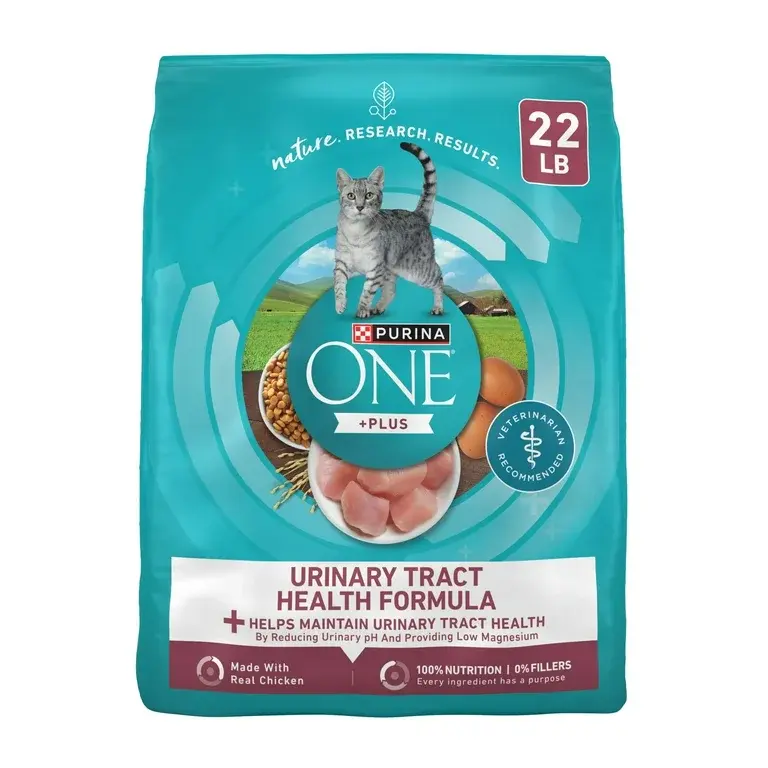
What are the benefits of urinary formula for cats and dogs?
Urinary foods offer a nutritional approach aimed at helping the urinary tracts of cats and dogs function more balanced and stable. This effect is important not only in animals with urinary stones but also in individuals at risk or with a history of urinary problems. The primary function of urinary foods is to affect the composition of urine, reducing the conditions that predispose to problems and supporting the natural defense mechanisms of the urinary tract.
Urinary tract problems in cats and dogs often progress silently. In cats, in particular, symptoms may go unnoticed for a long time, potentially leading to serious consequences such as sudden blockages. Urinary foods make the urine more diluted, making it more difficult for crystals to accumulate in the bladder and reducing the contact time between urine and the bladder wall. This reduces both the risk of irritation and the likelihood of triggering inflammatory processes.
In dogs, the function of urinary formulas is evaluated within a slightly different framework. The types of stones in dogs can vary depending on lifestyle and dietary habits. Urinary formulas make it more difficult for the environment conducive to stone formation to develop by preventing excessive concentration of urine and maintaining mineral balance. This effect is particularly important as a long-term preventative approach in recurrent cases.
Urinary supplements are not only used to "suppress" an existing problem, but also to maintain the physiological balance of the urinary tract. Therefore, rather than being perceived as a "therapeutic" product, it is more accurate to consider it as a special nutritional model that supports urinary tract health.

The Relationship Between Urinary Tract Health and Nutrition
Urinary tract health is directly related to diet. The composition of daily food intake determines the type and concentration of waste products formed in the body. While these wastes are eliminated through urine, the chemical composition of urine is also shaped by dietary habits. An incorrect or unbalanced diet can, over time, make urine more susceptible to crystal formation.
The amount of protein consumed through diet, mineral balance, and water intake indirectly affect urine concentration and pH. Excessively concentrated urine facilitates the aggregation of dissolved minerals within the bladder. This is particularly pronounced in animals that do not consume enough water. Diet, in this context, is the most important external factor in maintaining a more fluid and balanced urine composition.
Urinary formulas are formulated taking into account the nutritional-urinary relationship. The aim is to support the natural flow of urine and to stabilize the chemical environment within the bladder. While this balance in regular formulas is shaped according to general nutritional needs, urinary formulas prioritize urinary tract physiology. This difference can have significant long-term consequences for urinary tract health.
The following table summarizes the key relationship between diet and urinary tract health:
Nutritional Factor | Effect on the Urinary Tract |
Insufficient water intake | This can cause urine to become concentrated and increase the risk of crystal formation. |
Unbalanced mineral content | It can create conditions for stone and crystal formation. |
Incorrect pH balance | It can facilitate the formation of some types of rock. |
A proper diet | It helps to make the urine more stable and diluted. |
Urinary-focused nutrition | It helps protect urinary tract health in the long term. |
Given this relationship, urinary feeding plays a crucial role not only during specific disease episodes but also when urinary tract health is addressed holistically. When the impact of nutrition on this system is properly understood, the management of urinary problems becomes much more controlled and predictable.
How do urinary formulas affect urine pH?
Urine pH is a crucial factor in urinary tract health and is directly related to diet. The pH value indicates whether urine is acidic or basic, and when this balance is disrupted, the likelihood of certain types of crystals and stones forming increases significantly. Urinary supplements are designed to maintain this chemical balance in urine within a more stable range.
Under normal dietary conditions, urine pH can fluctuate depending on the type of protein consumed, mineral content, and metabolic processes. While these fluctuations may not be noticeable in the short term, in the long term they can create a breeding ground for crystal nuclei in the bladder. Urinary formulas aim to reduce these fluctuations and ensure a more predictable chemical composition of urine through their formulations.
These foods affect urine pH gradually and controllably, rather than with sudden and drastic changes. This reduces the risk of irritation to urinary tract tissues and helps prevent the formation of crystals. This approach is particularly important in reducing the risk of recurrence due to pH fluctuations in animals that have previously experienced urinary problems.
The effect of urinary formulas on pH should not be considered simply as a matter of "acidic" or "basic" guidance. The goal is to prevent the urine from shifting into risky ranges for a specific type of stone and to create as balanced an environment as possible. Therefore, pH control is considered one of the cornerstones of urinary nutrition.
How to Adjust the Mineral Balance of Urinary Formulas?
One of the most important factors playing a role in urinary stone and crystal formation is mineral balance. Minerals such as magnesium, phosphorus, and calcium can lose their solubility in urine and form crystal structures when their levels exceed certain thresholds. Urinary formulas are specially balanced, taking into account the amount of these minerals and how they are used in the body.
Daily feeds contain minerals adjusted to meet general nutritional requirements. However, this approach may not be sufficient for animals prone to urinary tract problems. Urinary feeds aim to limit unnecessary excesses of minerals that can contribute to stone formation, without completely eliminating essential mineral intake. The goal is to maintain balance and prevent risky accumulations.
Mineral balance is not solely about quantity. The absorption, excretion, and solubility of minerals in urine are also part of the equation. Urinary supplements offer a nutritional strategy aimed at making the excretion of minerals through urine more controlled and reducing their likelihood of clumping together to form crystals in the urine.
The following table summarizes why mineral balance is important in urinary formulas:
Mineral Balance Element | Importance from the Perspective of the Urinary Tract |
Magnesium control | Struvite helps reduce the risk of crystal formation. |
Phosphorus balance | It limits the mineral load that predisposes to stone formation. |
Calcium management | It helps prevent the increased risk of calcium-based stone formation. |
Balanced mineral profile | It reduces the likelihood of crystal nuclei forming in the urine. |
Controlled breakthrough | It helps minerals to be eliminated more stably through urine. |
Addressing mineral balance in this way transforms urinary formulas from a mere short-term solution into a planned nutritional approach for long-term urinary tract health. When this balance is established correctly, both the management of existing problems and the reduction of the risk of recurrence become more feasible.
The Link Between Urinary Feeding and Stone and Crystal Formation
Urinary stone and crystal formation often begins with an imbalance in the chemical balance of urine. Minerals normally dissolved in urine can clump together to form crystalline structures under inappropriate pH levels and high concentration conditions. Over time, these crystals can grow into stones, leading to serious problems such as irritation, pain, inflammation, or blockage in the urinary tract. Urinary supplements offer a nutritional approach aimed at addressing the fundamental stages of this process.
The effect of urinary supplements on stone and crystal formation is not based on a single factor. Maintaining the pH balance of the urine, limiting the mineral load, and creating a more diluted urine structure all contribute to this effect. The more concentrated and unbalanced the urine, the easier it is for crystals to form and aggregate. Urinary supplements aim to make this environment less favorable for crystal formation.
Stone and crystal formation often progresses silently, and by the time symptoms appear, the process may have reached an advanced stage. Therefore, urinary nutrition plays a crucial role not only in managing existing stones but also in reducing the risk of crystal nucleus formation. The impact of nutrition at this point provides longer-term and more sustainable support compared to drug treatments.
The following table summarizes the main effects of urinary formulas on stone and crystal formation:
Scope of Influence | Its Role in Stone and Crystal Formation |
Urine pH control | It makes it difficult for a favorable environment to form for certain types of crystals. |
Limiting the mineral load. | It reduces excess minerals that support crystal nucleus formation. |
Reducing urine concentration | It makes it difficult for crystals to come together. |
Long-term balance | It helps slow down the process leading to stone formation. |
Reducing the risk of recurrence. | It reduces the likelihood of recurrence in animals with a history of kidney stones. |
Given this connection, urinary formula should be considered not merely a "stone-dissolving" product, but a nutritional strategy that influences the entire stone formation process from start to finish. Its effectiveness becomes more pronounced with regular use and under appropriate conditions.
Why is the use of urinary formula more common in cats?
The reason why the use of urinary formula is more common in cats compared to dogs lies in the anatomy and behavioral characteristics of the feline urinary tract. Cats naturally tend to consume less water, which causes their urine to become more concentrated. Concentrated urine creates a more favorable environment for the formation of crystals and stones, and predisposes them to more frequent urinary problems.
Because male cats have a narrower urinary tract, even small crystals can cause serious blockages. These blockages can create sudden and life-threatening situations. Urinary supplements aim to reduce this risk by making the urine more balanced. Therefore, urinary nutrition is more frequently considered, especially for male cats.
Factors such as stress, inactivity, and living in confined spaces can also negatively affect urinary tract health in cats. Stressed cats may experience changes in their urination habits, and their bladder function may become more sensitive. While urinary tract supplements don't directly eliminate the risks posed by these environmental and behavioral factors, they can help make the urinary tract more resilient to these stressors.
For all these reasons, urinary formula for cats has become a more frequently considered nutritional option, not only in specific disease states but also in individuals with risk factors. However, it should not be seen as an automatic necessity for every cat; its purpose and duration of use should be considered according to individual circumstances.
When is a urinary formula necessary for dogs?
The use of urinary supplements in dogs requires a more selective and case-specific assessment compared to cats. This is primarily because dogs have a larger urinary tract anatomy and generally consume more water. However, this does not mean that dogs are completely immune to urinary problems. In some dogs, factors such as diet, lifestyle, and genetic predisposition can negatively affect urinary tract health.
Urinary nutrition in dogs is often considered in individuals with a history of urinary stones or crystal formation. In such cases, the goal is not only to manage the existing problem but also to reduce the risk of recurrence. Urinary tract problems in dogs often progress slowly, and by the time symptoms become apparent, the process may have reached a certain stage. Therefore, a supportive approach through nutrition is important for long-term control.
In some dogs, urinary tract infections and accompanying mineral imbalances can trigger stone formation. In such cases, urinary supplements aim to stabilize the chemical composition of the urine, making it more difficult for this risky environment to develop. Especially in recurring cases, tailoring the diet accordingly offers a more controlled process.
The need for urinary supplements in dogs isn't limited to diagnosed stone problems. Factors like a sedentary lifestyle, weight gain, and insufficient water intake can also affect urinary tract health over time. Therefore, urinary supplements can also be considered a preventative nutritional approach in dogs with certain risk factors. However, it's important to remember that routine use isn't necessary for every dog.
Is Urinary Food Suitable for Every Cat and Dog?
Urinary food is not automatically considered a suitable feeding option for every cat and dog. Because these foods are formulated for a specific purpose, unnecessary or indiscriminate use can sometimes disrupt nutritional balance. Therefore, it is important to evaluate the use of urinary food considering the animal's individual needs.
Long-term use of urinary supplements may not always be necessary in healthy cats and dogs without any urinary risk factors. In such cases, urinary tract health can be maintained through normal nutrition and adequate water intake. Unnecessary use of urinary supplements can lead to undesirable changes in mineral balance or a decrease in dietary diversity.
On the other hand, in animals with a history of urinary problems or those with certain risk factors, urinary supplements can play an important supportive role. The key factor here is the purpose and duration of use. There are significant differences between preventative and supportive treatment use, and these differences are directly reflected in the feeding plan.
Choosing and using urinary supplements requires individual assessment rather than a uniform approach. The cat or dog's age, overall health, water consumption habits, and past urinary problems play a significant role in this assessment. Therefore, urinary supplements should not be considered a standard solution for every animal, but rather a specialized nutritional tool that provides benefits when used correctly in the right situation.
Can Urinary Formula Be Used as a Preservative?
While urinary supplements are often associated with an existing urinary tract problem, they can also be used prophylactically in some cases. The rationale behind prophylactic use is to control conditions that may pose a risk to the urinary tract before a clinically significant problem arises. This approach is particularly meaningful in animals with a history of urinary problems or those with specific risk factors.
The use of preventative urinary tract supplements aims to maintain a more stable chemical composition of urine and reduce fluctuations that can lead to crystal formation. Urine concentration can increase over time, especially in animals that drink little water, are sedentary, or are exposed to stress factors. In such cases, adjusting the diet to support urinary tract health can help prevent future problems.
However, the use of preservatives should not be considered automatically necessary for every animal. Since urinary formulas are formulated according to specific mineral and pH balances, unnecessarily long-term use may lead to adverse effects on the nutritional balance in some individuals. Therefore, the decision to use preservatives should be evaluated based on the presence of risk factors and the animal's overall condition.
The effectiveness of a preventative approach is not limited to simply changing the feeding method. Ensuring adequate water intake, organizing the living environment, and reducing stress factors are also integral parts of this process. When urinary formula is considered as a component of this holistic approach, it makes a more significant contribution to maintaining long-term urinary tract health.
Key Differences Between Urinary Formula and Regular Formula
The differences between urinary formula and regular formula are not simple distinctions that can be understood simply by looking at the ingredient list. These two feeding approaches are formulated with different priorities in mind. While regular formulas aim to meet general nutritional needs, urinary formulas prioritize supporting urinary tract health.
In standard pet foods, the balance of minerals and proteins is adjusted according to general metabolic requirements. This approach may be sufficient for healthy individuals. However, in animals prone to urinary tract problems, this balance can create an environment conducive to crystal or stone formation over time. Urinary tract foods, on the other hand, have a more controlled mineral profile and a formulation that takes urinary tract physiology into account, thus reducing this risk.
The effect on urine pH is another important difference between these two groups of formulas. While regular formulas indirectly affect urine pH, urinary formulas aim to make this effect more predictable and controlled. This makes it more difficult for urine to shift into risky ranges for certain types of stones.
The table below summarizes the key differences between urinary formula and regular formula:
Comparison Criteria | Urinary Feeding | Regular Food |
Nutrition priority | Urinary tract health | General nutritional needs |
Mineral balance | Controlled and targeted. | According to general requirements |
Effect of urine pH | More stable and predictable | Indirect and variable |
Risk of stone formation | Towards reduction | Neutral or situational. |
Intended use | Supportive and protective | Daily nutrition routine |
Given these differences, the choice between urinary formula and regular formula should not be based solely on the perception of "specialized formula." The appropriate feeding approach should be evaluated considering the animal's current condition and risk profile.
Should urinary formula be wet or dry?
Choosing between wet or dry forms of urinary tract food isn't simply a matter of "which is better." This choice should be evaluated based on several factors, including the animal's water intake habits, lifestyle, and susceptibility to urinary tract problems. Both forms have different advantages and limitations in terms of urinary tract health.
Wet urinary foods naturally increase water intake due to their high moisture content. This contributes to a more diluted urine, making it more difficult for crystals and stones to form. Especially in cats with poor water intake habits, wet urinary foods can become an important tool in supporting urinary tract health. Diluted urine reduces the risk of bladder irritation and shortens the contact time between urine and the bladder wall.
Dry urinary formulas are a preferred option due to their practical use and the sustainability of their feeding regimen. Properly formulated dry urinary formulas can provide effective control over urine pH and mineral balance. However, the effectiveness of this formula may be limited if not supported by adequate water intake. Therefore, easy and encouraging access to water is crucial for animals fed dry urinary formula.
The table below summarizes the key differences between wet and dry urinary formulas in terms of urinary tract health:
Feature | Wet Urinary Formula | Dry Urinary Formula |
Water content | High | Low |
Dilution of urine | More obvious | Depending on water consumption |
Ease of use | More limited | More practical |
Animals that don't drink water | More advantageous | It requires supportive measures. |
Long-term use | It should be planned and balanced. | This should be considered in conjunction with water consumption. |
In light of these considerations, the choice between wet or dry urinary food should not be made in isolation, but in conjunction with the animal's overall habits and needs. In some cases, using both forms alternately or together may also help maintain nutritional balance.
Common Mistakes Made When Using Urinary Feeding Formula
Urinary supplementation may not provide the expected benefits if it is not used for the correct purpose and under the right conditions. One of the most common mistakes is assuming that urinary supplementation is automatically necessary for every cat and dog. However, these supplements are developed for animals with a specific risk profile or history, and unnecessary use can negatively impact nutritional balance in some cases.
Another common mistake is viewing urinary feeding as a sufficient solution on its own. Urinary tract health is not something that can be controlled solely by changing formula. When water intake, lifestyle, and stress factors are ignored, the expected support from nutrition may be limited. Urinary feeding offers a more meaningful effect when considered in conjunction with these factors.
In some cases, the indiscriminate mixing of urinary formula with regular formula can also create problems. Such practices can disrupt the formula's targeted pH and mineral balance, reducing its effectiveness. These kinds of fluctuations in feeding can lead to undesirable changes in the chemical composition of urine.
Furthermore, the indefinite and uncontrolled use of urinary formula is among the common mistakes. The belief that long-term use is always necessary can lead to ignoring individual differences. The goal of using urinary formula is to establish and maintain a certain balance. Once this balance is achieved, the feeding plan may need to be re-evaluated.
Being aware of these mistakes ensures that the benefits of using urinary formula are obtained in a healthier and more sustainable way. Correct use is directly related not only to the type of formula but also to the method and context of its use.
Key Considerations When Choosing Urinary Formula
Choosing a urinary food is not a process that should be based solely on whether the product is labeled "urinary." Because these foods can be formulated for different purposes, each product may not have the same effect in every situation. The animal's past urinary history, current condition, and individual characteristics should all be considered when making a selection.
First, the purpose for which the urinary supplement will be used must be clarified. There are significant differences between an approach aimed at preventing stone formation and supporting the management of an existing problem. These differences can be crucial in terms of the supplement's mineral profile and its effects on urinary pH. Choices made without clarifying the purpose may not only fail to provide the expected benefit but may also negatively impact the balance in some cases.
An animal's water consumption habits are also an important factor to consider when choosing food. For individuals who drink little water, planning a diet that dilutes urine becomes even more critical. In this regard, the form and method of feeding can directly affect urinary tract health. Feeding choices should be considered in conjunction with measures to support adequate water intake.
Furthermore, urinary food selection should be considered a planned process spanning a specific period, not a short-term solution. Randomly changing foods or frequent dietary changes can lead to fluctuations in the chemical balance of urine. These fluctuations can have undesirable consequences in animals prone to urinary problems. Therefore, consistent use of the chosen food over a specific period provides a more reliable approach for evaluation.
Is Urinary Formula Alone Sufficient?
While urinary feeding is an important nutritional tool for supporting urinary tract health, it should often not be considered a sufficient solution on its own. Urinary tract problems are affected not only by nutritional factors but also by environmental, behavioral, and physiological factors. Therefore, urinary feeding yields more meaningful results when considered as part of a broader management approach.
Water consumption is one of the most important components of this holistic approach. No matter how balanced the formula used, insufficient fluid intake can increase urine concentration and create favorable conditions for crystal formation. While urinary formula plays a supportive role in this regard, encouraging access to water and promoting water drinking is an indispensable part of the process.
Living conditions and stress factors also have a decisive impact on urinary tract health. In particular, animals living in confined spaces, with limited movement, or under stress may experience changes in their urination habits. These changes, regardless of how appropriate their diet is, can create a زمینه for urinary problems. Urinary supplements do not completely eliminate these risks, but when the right conditions are met, they can support a protective effect.
Therefore, urinary formula should not be considered a "cure-all" product on its own, but rather an important component of a holistic approach to maintaining urinary tract health. When nutrition, water intake, and lifestyle are considered together, the management of urinary problems becomes more controlled and sustainable.
Long-Term Effects of Urinary Nutrition
The long-term effects of urinary nutrition become more pronounced when the formula is used for the correct purpose and for the appropriate duration. This nutritional approach aims to create a more balanced and predictable physiological environment over time, rather than creating sudden changes in the urinary tract. In the long term, the goal is to permanently control the conditions that predispose to crystal and stone formation.
Regular and planned urinary nutrition can stabilize the concentration and chemical balance of urine. This stability reduces the risk of irritation to the bladder lining and contributes to healthier urinary tract function. In animals that have previously experienced urinary problems, a long-term nutritional regimen plays a significant role in managing the risk of recurrence.
However, long-term use does not always mean "indefinite" use. Since urinary formulas are formulated for specific goals, the duration of use should be evaluated according to the animal's individual condition. Risk factors may decrease or the animal's needs may change over time. At this point, reviewing the feeding plan is important to maintain balance.
The effectiveness of long-term urinary nutrition is not limited solely to the formula's ingredients. Factors such as promoting adequate water intake, adapting the living environment, and reducing stress factors are integral parts of this process. When these elements are considered together, urinary nutrition becomes a sustainable approach to supporting urinary tract health.
An Overview of the Most Frequently Asked Questions About Urinary Feeding
The most frequently asked questions about urinary supplements generally revolve around the duration of use, who they are suitable for, and their potential side effects. The common thread in these questions is the uncertainty surrounding whether urinary supplements are simply a “specialty food” or a long-term nutritional choice. This uncertainty stems from the fact that a one-size-fits-all approach isn't possible for every animal.
Questions such as when urinary supplementation is necessary, in what situations it can be considered for preventative purposes, and when normal feeding can be resumed require different answers depending on individual circumstances. Therefore, urinary supplementation should be considered not as a fixed practice with definite limits, but rather as a situational feeding strategy.
Another frequently asked question is whether urinary tract formula alone is sufficient. As emphasized throughout this article, nutrition is an important part of urinary tract health, but it is not the sole determinant. More meaningful results are obtained when considered together with water consumption, living conditions, and overall health status.
The questions grouped under this heading form the basis for topics that will be discussed in more detail in later content. A proper understanding of the points of interest regarding urinary feeding will contribute to a more informed and balanced use of this feeding approach.
Frequently Asked Questions
What is urinary formula and how does it differ from regular formula?
Urinary food is a nutritional product specifically formulated to support urinary tract health in cats and dogs. While regular pet foods focus on meeting general nutritional needs, urinary foods specifically target factors such as urine pH balance, mineral content, and concentration. Therefore, urinary food offers a more specific nutritional approach aimed at controlling conditions that predispose to urinary stone and crystal formation.
In what situations is urinary feeding used?
Urinary supplements are generally considered for cats and dogs with a history of urinary stones or crystals, those who have previously experienced urinary tract problems, or those prone to such problems. They may also be considered for preventative purposes in animals that drink little water, are sedentary, or are exposed to stress factors. However, it should not be seen as an automatic necessity for every animal, and its purpose should be clearly defined.
Can urine-based food be given to healthy animals?
In healthy cats and dogs without any urinary risk factors, the use of urinary supplements is not always necessary. Unnecessary and prolonged use can lead to adverse effects on nutritional balance. Therefore, urinary supplements only become a meaningful nutritional choice when there is a specific need or risk situation.
Is urinary formula used continuously?
The continuous use of urinary supplementation depends on the individual condition of the animal. While long-term use may be necessary for some animals, in other cases the feeding plan may need to be re-evaluated after a certain period. Regular review of needs at intervals offers a more balanced approach than indefinite use.
Does it completely dissolve urinary stones?
Urinary supplements aim to reduce the conditions that predispose to stone and crystal formation. However, they are not expected to have the same effect for all types of stones. Diet can slow down the stone formation process or reduce the risk of recurrence, but should not be considered a definitive solution in any case.
Does formula feeding cause weight gain?
The weight-gaining effect of urinary formula is related to portion control and overall nutritional management rather than the formula itself. Any type of formula given without controlling its energy content can lead to weight gain. Therefore, portion control and overall nutritional balance should be considered when using urinary formula.
Does formula milk cause diarrhea or constipation?
Urinary food can cause temporary digestive sensitivities in some animals due to dietary changes. This is usually associated with abrupt changes in diet. A controlled transition to a healthy diet can minimize potential effects on the digestive system.
Can urinary formula and regular formula be given together?
The uncontrolled and mixed feeding of urinary formula and regular formula can disrupt the targeted pH and mineral balance. This can reduce the intended effectiveness of the urinary formula. The effects of such mixtures should be considered when planning a feeding regimen.
Should urinary formula be wet or dry?
The choice between wet or dry urinary food should be evaluated based on the animal's water consumption habits and lifestyle. Wet food may be advantageous for animals that drink little water, while dry food can be effective when used in conjunction with adequate water intake. The choice should not be made in isolation, but as part of an overall feeding plan.
How long does it take for urinary supplementation to take effect?
The effect of urinary supplementation is not a sudden, noticeable change, but rather a gradual equilibrium that develops over time. Changes in urine composition and a reduced risk of crystal formation generally become significant with regular and planned use. Consistency is important for evaluating the effect.
What happens if urinary feeding is stopped?
When urinary tract supplementation is discontinued, the nutritional effect that supports urinary tract health may also disappear. If underlying risk factors persist, the chemical balance of the urine may change again. Therefore, changes in feeding should be planned according to the individual needs.
Is urinary feeding alone sufficient?
Urinary supplementation is an important tool in supporting urinary tract health, but it should not be considered sufficient on its own. It yields more meaningful results when considered in conjunction with factors such as water intake, lifestyle, and stress management. Nutrition is only one part of this holistic approach.
Source
American Veterinary Medical Association (AVMA) – Companion Animal Urinary Tract Health
World Small Animal Veterinary Association (WSAVA) – Global Nutrition Guidelines
International Society of Feline Medicine (ISFM) – Feline Lower Urinary Tract Disease (FLUTD) Resources
European Society of Veterinary Nephrology and Urology (ESVNU) – Urinary Disorders in Companion Animals
Merck Veterinary Manual – Urolithiasis and Urinary Tract Health in Cats and Dogs
Mersin Vetlife Veterinary Clinic – Open on Map: https://share.google/jgNW7TpQVLQ3NeUf2


Comments