
Australian Cattle Dog (Blue Heeler - Red Heeler): Complete Breed Guide, Price and Care

Australian Cattle Dog Origin and History
The Australian Cattle Dog, also widely known as the Blue Heeler or Red Heeler, is one of the most resilient and intelligent working dog breeds in the world. Its origin traces back to early 19th-century Australia, where vast cattle farms and extreme environmental conditions created a need for a highly durable herding dog.
Early European herding breeds brought to Australia were not capable of handling the harsh climate, long distances, and aggressive cattle. This led breeders to develop a new type of dog specifically adapted to the Australian outback.
A key figure in this development was Thomas Hall, who crossbred imported British herding dogs with the native Dingo. This resulted in a tougher, more heat-resistant, and highly independent working dog. These dogs became known as "Hall’s Heelers," forming the foundation of the modern Australian Cattle Dog.

Later breeding introduced other influences, including:
Dalmatian → improved endurance and affinity with horses
Bull Terrier → added strength and tenacity
Other working breeds → enhanced control and intelligence
The term “Heeler” comes from the breed’s unique herding technique. Instead of barking or circling, these dogs control cattle by nipping at their heels, a highly efficient method for moving stubborn livestock across long distances.
By the early 20th century, the breed was standardized and officially recognized. Today, the Australian Cattle Dog is not only a top-tier working dog but also excels in:
Agility and obedience sports
Search and rescue operations
Police and detection work
Active companion roles (with experienced owners)
This breed’s history is deeply tied to functionality. Every trait—from intelligence to physical endurance—exists because it was necessary for survival and performance in one of the toughest working environments on earth.
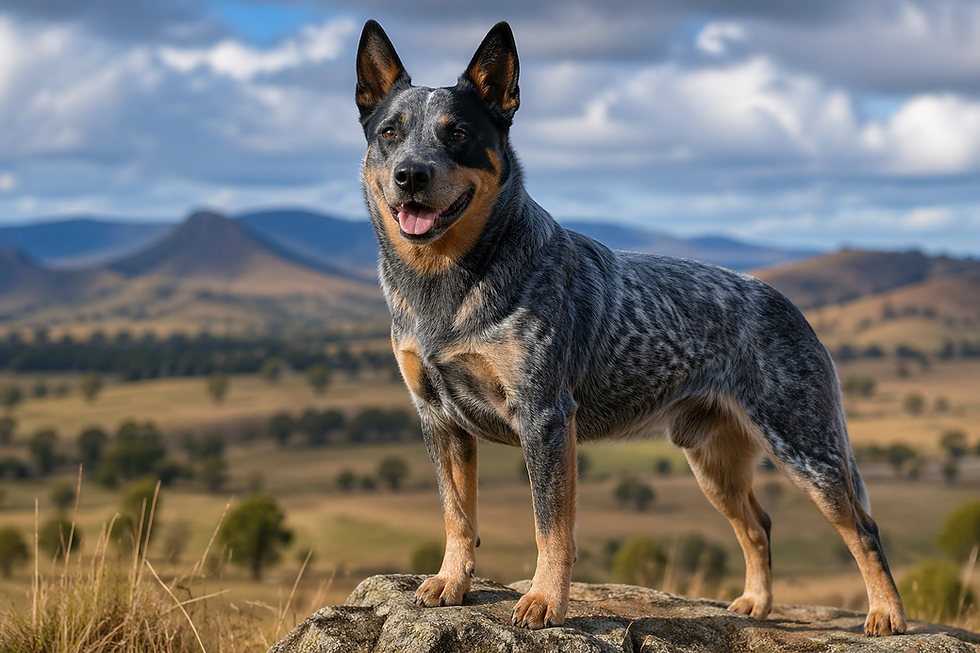
Australian Cattle Dog Positive Traits
Trait | Description |
Exceptional Intelligence | One of the smartest dog breeds, capable of learning complex commands quickly and adapting to new situations. |
High Work Ethic | Bred to work long hours without fatigue, making them extremely reliable in demanding environments. |
Strong Loyalty | Forms deep bonds with its owner and often becomes highly protective of its family. |
Problem-Solving Ability | Can think independently and make decisions while working, especially useful in herding scenarios. |
Physical Endurance | Built for stamina; can run and work for hours without significant exhaustion. |
Alertness | Naturally vigilant and aware of surroundings, making them excellent watchdogs. |
Versatility | Performs well in multiple roles including herding, sports, security, and companionship. |
Low Grooming Needs | Short coat requires minimal maintenance compared to many other breeds. |

Australian Cattle Dog Negative Traits
Trait | Description |
Extremely High Energy | This breed requires intense daily exercise. Without it, destructive behaviors such as chewing, digging, or excessive barking are very likely. |
Not Suitable for Beginners | Due to its intelligence and independence, inexperienced owners may struggle with training and control. |
Herding Instinct Issues | May try to herd children, other pets, or even adults by nipping at heels. This behavior must be managed early. |
Stubbornness | Highly intelligent but can be strong-willed, especially if it senses weak leadership. |
Needs Constant Mental Stimulation | Easily becomes bored without tasks or challenges, leading to behavioral problems. |
Territorial Tendencies | Can become overly protective if not properly socialized from a young age. |
Not Ideal for Apartment Living | Requires space and activity; small living environments can increase stress and frustration. |
Can Be Aggressive if Mishandled | Poor training or lack of socialization may lead to dominance or aggression issues. |
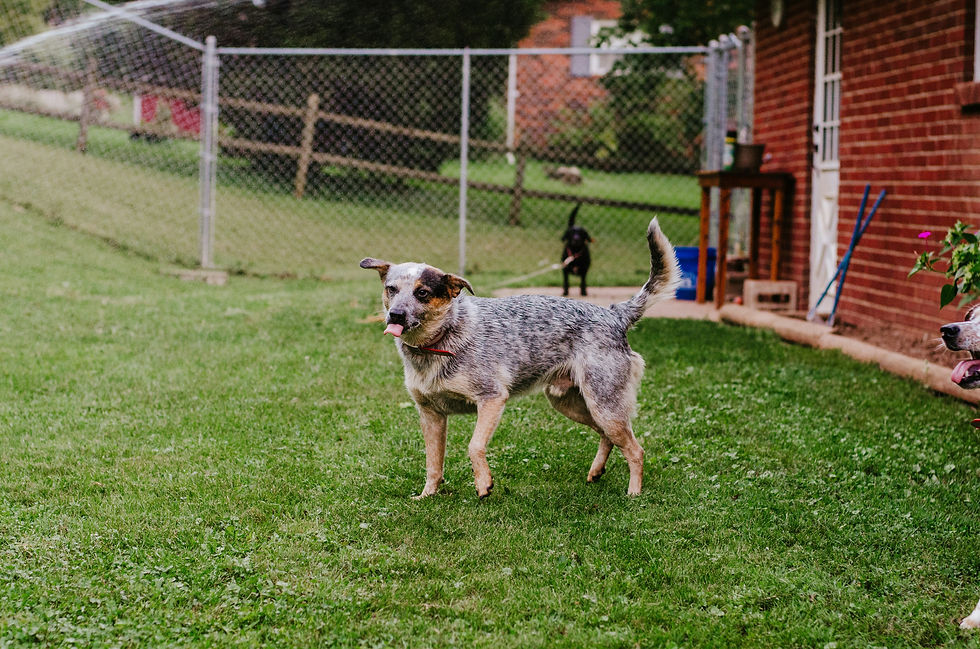
Australian Cattle Dog Common Diseases
Although the Australian Cattle Dog is generally a robust and long-living breed, it is genetically predisposed to several health conditions. Early screening and proper care significantly reduce risks.
Disease | Description | Risk Level |
Abnormal development of the hip joint leading to pain, stiffness, and mobility issues over time. | Medium | |
Progressive Retinal Atrophy (PRA) | A degenerative eye disease that gradually leads to blindness. Often hereditary. | High |
Deafness (Congenital) | Some individuals are born partially or completely deaf, especially those with certain coat patterns. | Medium |
Elbow Dysplasia | Malformation of the elbow joint causing lameness and discomfort, especially in active dogs. | Medium |
Osteochondritis Dissecans (OCD) | A joint condition affecting cartilage development, leading to pain and reduced movement. | Low |
Luxating Patella | The kneecap slips out of place, causing intermittent lameness or skipping gait. | Low |
Obesity (Lifestyle-related) | Can develop if exercise needs are not met, leading to secondary health problems. | Medium |
Health Insight
Compared to many modern breeds, Australian Cattle Dogs have:
Strong genetic resilience
Lower incidence of extreme structural disorders
Long average lifespan (often 12–16 years)
However, eye and hearing issues are the most critical conditions to monitor in this breed.
Regular health checks, genetic testing (for breeders), and proper exercise routines play a key role in maintaining long-term health.

Australian Cattle Dog Physical Characteristics
The Australian Cattle Dog is a medium-sized, muscular, and highly agile working dog, built specifically for endurance and efficiency rather than appearance. Every aspect of its physical structure supports long hours of movement and quick directional changes.
General Build
This breed has a compact yet powerful body. It is not bulky, but extremely strong for its size. The balance between strength and agility allows it to move quickly while maintaining control over livestock.
Height:
Males: 46–51 cm
Females: 43–48 cm
Typically between 15–22 kg
Coat and Color
The coat is one of the breed’s most distinctive features. It is short, dense, and weather-resistant, designed to protect against both heat and harsh environmental conditions.
There are two primary color variations:
Blue Heeler:
Blue, blue mottled, or blue speckled with possible black, tan, or white markings
Red Heeler:
Evenly distributed red speckling across the body
The speckled appearance develops as the dog matures; puppies are usually born mostly white.
Head and Expression
The head is broad with a slightly curved skull. The breed has a very alert, focused, and intelligent expression, reflecting its working nature.
Medium-sized ears, upright and pointed
Strong jaw with a scissor bite
Dark brown, oval-shaped eyes
Tail and Movement
The tail is moderately low-set and slightly curved, often carried relaxed. Movement is one of the breed’s strongest physical traits:
Smooth and efficient gait
High agility and rapid directional changes
Exceptional balance and coordination
Functional Anatomy
Unlike many companion breeds, the Australian Cattle Dog’s body is purely performance-driven:
Strong legs for endurance running
Tight paws for rough terrain
Flexible joints for sudden turns
This is not a decorative breed — it is a precision-built working machine designed for control, speed, and resilience.
Australian Cattle Dog Price and Ownership Cost (EU & US)
The cost of owning an Australian Cattle Dog (Blue Heeler) goes far beyond the initial purchase price. This is a high-energy working breed, and maintaining its physical and mental health requires consistent financial investment.
Initial Purchase Cost
The price of an Australian Cattle Dog varies depending on breeder quality, bloodline, and location.
Category | EU (€) | US ($) |
Pet Quality | €500 – €1,200 | $500 – $1,200 |
Reputable Breeder | €1,200 – €2,500 | $1,200 – $2,500 |
Show / Working Line | €2,500 – €4,000+ | $2,500 – $4,000+ |
Dogs bred specifically for herding or competition tend to be significantly more expensive due to genetics and training potential.
Monthly Maintenance Costs
Owning this breed means committing to ongoing monthly expenses.
Expense | EU (€ / month) | US ($ / month) |
High-Quality Food | €50 – €120 | $60 – $140 |
Routine Vet Care | €20 – €60 | $25 – $80 |
€15 – €50 | $20 – $70 | |
Toys & Mental Stimulation | €20 – €60 | $20 – $70 |
Training / Activities | €30 – €100 | $40 – $120 |
Annual Cost Estimate
Category | EU (€ / year) | US ($ / year) |
Basic Care | €1,200 – €2,500 | $1,500 – $3,000 |
Active Lifestyle | €2,500 – €4,500+ | $3,000 – $5,500+ |
Because this breed requires constant activity and engagement, costs can easily rise above average dog ownership.
Hidden Costs (Often Overlooked)
Many owners underestimate these:
Cost vs Value Insight
The Australian Cattle Dog is not an “easy” or “low-cost” pet. However, for the right owner:
Extremely low long-term behavioral issues (if trained properly)
High reliability as a working or sport dog
Long lifespan (reduces replacement/adoption frequency)
This makes it a high initial effort, high long-term return breed.
Australian Cattle Dog Character and Behavior
The Australian Cattle Dog is not a typical companion dog. It is a task-driven, highly intelligent, and intensely loyal working animal that requires purpose in daily life.
Core Personality Traits
This breed is defined by:
Extreme loyalty → often bonds strongly with one primary owner
High alertness → constantly aware of surroundings
Independence → capable of making decisions without human input
Protective instinct → naturally cautious around strangers
Unlike many social breeds, the Australian Cattle Dog is not overly friendly by default. It must be properly socialized early to avoid excessive suspicion or territorial behavior.
Herding Behavior and Instincts
Herding is not just a trait — it is a dominant behavioral driver.
Common behaviors include:
Nipping at heels (especially children or moving objects)
Controlling movement of people or animals
Chasing fast-moving targets
Without proper training, these instincts can become problematic in a household environment.
Interaction with Families
Loyal and protective toward family members
Can be excellent with older children (if trained)
Not ideal for very young children without supervision
This breed prefers structured environments, not chaotic or unpredictable households.
Mental Needs
One of the most important aspects of this breed:
A tired Australian Cattle Dog is a good dog.A bored one is a problem.
They require:
Daily problem-solving tasks
Training sessions
Interactive play
Clear leadership and boundaries
Without mental stimulation, behavioral issues develop quickly.
Behavior with Other Animals
Can coexist with other dogs if socialized early
May show dominance toward unfamiliar dogs
Strong prey drive toward smaller animals
Owner Compatibility Insight
This breed is best suited for:
Active individuals
Experienced dog owners
People who enjoy training and engagement
Not suitable for:
Sedentary lifestyles
First-time dog owners
People looking for a low-maintenance pet
Australian Cattle Dog Intelligence and Training Ability
The Australian Cattle Dog is widely recognized as one of the most intelligent and trainable dog breeds, but this intelligence comes with complexity.
Intelligence Profile
This breed ranks extremely high in:
Problem-solving ability
Command retention
Independent decision-making
Unlike many breeds that rely heavily on human direction, the Australian Cattle Dog can:
Analyze situations independently
Make quick decisions in dynamic environments
Adapt to new tasks rapidly
This is a direct result of its working heritage.
Training Characteristics
Training this breed is both rewarding and demanding.
Strengths:
Learns commands very quickly
Responds well to structured training systems
Excels in advanced obedience and agility
Challenges:
Becomes bored with repetition
May resist commands if not mentally engaged
Requires consistent leadership
Best Training Approach
Effective training should include:
Short, varied sessions (to prevent boredom)
Positive reinforcement (reward-based methods)
Task-oriented learning (give the dog a job)
Early socialization (critical for behavior control)
Avoid:
Harsh punishment (can trigger resistance)
Monotonous repetition
Lack of structure
Mental Stimulation Needs
This breed requires daily cognitive engagement, such as:
Puzzle toys
Advanced obedience exercises
Agility training
Herding simulations or games
Without mental stimulation:
Behavioral problems increase
Destructive tendencies emerge
Excess energy becomes difficult to manage
Training Insight
The Australian Cattle Dog is not just trainable — it is mentally demanding.
This is a breed that needs leadership, purpose, and daily challenges.
For the right owner, it becomes one of the most capable and reliable dogs in the world. For the wrong owner,
Australian Cattle Dog Exercise and Activity Needs
The Australian Cattle Dog is an extreme high-energy working breed that requires far more exercise than the average dog. This is not optional — it is a daily necessity.
Daily Exercise Requirements
At minimum, this breed needs:
1.5 to 2+ hours of intense daily activity
Combination of physical + mental stimulation
Structured and purposeful exercise (not just random walks)
Simple short walks are not enough for this breed.
Ideal Activities
To keep an Australian Cattle Dog balanced and healthy:
Running or jogging
Hiking (excellent endurance partner)
Agility training
Obedience drills
Fetch with variation (not repetitive throwing only)
Herding-based games or simulations
They perform best when exercise has a clear goal or task.
What Happens Without Enough Exercise?
Lack of activity leads to:
Destructive chewing
Excessive barking
Digging behavior
Hyperactivity indoors
Aggression or frustration
This breed does not “adapt” to inactivity — it breaks down behaviorally.
Mental vs Physical Balance
Important insight:
Physical exercise alone is not enough.
You must combine:
Physical exhaustion
Mental fatigue
Otherwise, the dog will still have excess energy.
Environment Suitability
Best environments:
Houses with yards
Farms or rural settings
Active urban owners (only if highly committed)
Worst environments:
Small apartments
Sedentary households
Owners with limited time
Australian Cattle Dog Feeding and Diet Recommendations
Feeding an Australian Cattle Dog is not just about quantity — it is about supporting a high-performance body and brain.
Daily Food Intake
Depends on activity level:
Adult (active): 2 – 3 cups high-quality dry food per day
Split into 2 meals
Highly active working dogs may require even more.
Nutritional Priorities
A proper diet should include:
High protein (25–35%) → muscle maintenance
Moderate fat (12–20%) → sustained energy
Balanced carbohydrates → endurance support
Protein sources should be high quality (chicken, beef, lamb, fish).
Feeding Strategy
Best practices:
Feed after exercise, not before
Maintain consistent feeding times
Monitor body condition regularly
Avoid free feeding — this breed does better with structure.
Foods to Avoid
Like all dogs, avoid:
Onions and garlic
Grapes and raisins
Excess fatty foods
Highly processed low-quality kibble
Hydration
Due to high activity:
Constant access to fresh water is essential
Increased water needs in hot climates
Weight Management
Although naturally lean, this breed can develop weight issues if:
Exercise is insufficient
Diet is excessive
Signs of imbalance:
Loss of waist definition
Reduced agility
Early fatigue
Supplement Considerations
Depending on lifestyle:
Joint support (glucosamine, chondroitin)
Omega-3 fatty acids (coat + inflammation)
Electrolyte support (for highly active dogs)
Australian Cattle Dog Training Techniques
Training an Australian Cattle Dog requires more than basic obedience. This breed needs structured, intelligent, and purpose-driven training to reach its full potential.
Core Training Principles
Consistency is critical → inconsistent rules lead to confusion and stubbornness
Leadership must be clear → the dog needs a confident, calm handler
Mental engagement is mandatory → training must challenge the dog
Best Training Methods
Method | Why It Works |
Positive Reinforcement | Encourages learning through rewards and builds trust |
Task-Based Training | Aligns with the breed’s working nature |
Short, Varied Sessions | Prevents boredom and keeps focus high |
Progressive Difficulty | Keeps the dog mentally stimulated |
Early Socialization | Reduces aggression and fear-based behavior |
What to Avoid
Repetitive, boring drills
Harsh punishment or dominance-based methods
Lack of structure or unclear commands
Ignoring early behavioral signs
Advanced Training Potential
This breed excels in:
Agility competitions
Advanced obedience
Herding trials
Search and rescue tasks
With the right training approach, the Australian Cattle Dog becomes one of the most capable and reliable working dogs.
Behavioral Control Focus
Special attention should be given to:
Heel nipping behavior
Over-protectiveness
Excessive independence
These must be managed early through structured training.
Australian Cattle Dog Coat, Skin, Eye and Ear Care
Area | Recommendation |
Coat | Brush once or twice per week to remove loose hair and maintain coat health. Shedding increases seasonally. |
Skin | Generally low maintenance, but monitor for dryness or irritation, especially in harsh climates. |
Eyes | Check regularly for redness, discharge, or signs of vision problems (important due to PRA risk). |
Ears | Clean weekly to prevent wax buildup and infection. Especially important for active outdoor dogs. |
Nails | Trim every 3–4 weeks to prevent overgrowth and posture issues. |
Brush 2–3 times per week to maintain dental health and prevent tartar buildup. |
Grooming Insight
The Australian Cattle Dog is a low-maintenance breed in terms of grooming, but:
Health monitoring is essential
Active lifestyles increase exposure to environmental risks
Regular checks prevent long-term problems
Australian Cattle Dog General Health and Life Expectancy
The Australian Cattle Dog is considered one of the healthiest and longest-living working breeds, largely due to its functional breeding history rather than appearance-focused selection.
Average Lifespan
Typically 12–16 years
Some individuals can exceed this with optimal care
This longevity is significantly higher than many medium-sized breeds.
Overall Health Profile
Strengths:
Strong immune system
High physical resilience
Low incidence of extreme structural deformities
However, health is still dependent on:
Proper exercise
Balanced nutrition
Regular health monitoring
Preventive Health Strategy
To maintain optimal health:
Annual veterinary check-ups
Eye examinations (especially for PRA)
Hearing tests (BAER test when necessary)
Joint monitoring for active dogs
Key Health Insight
This breed does not usually fail due to genetics alone —it fails due to poor lifestyle management.
Lack of exercise and stimulation is one of the biggest contributors to long-term health decline.
Australian Cattle Dog Ideal Owner and Living Environment
The Australian Cattle Dog is not a beginner-friendly breed. It requires a very specific type of owner and environment to thrive.
Ideal Owner Profile
Best suited for:
Active individuals or families
Experienced dog owners
People who enjoy training and structured routines
Owners with time for daily engagement
Not Suitable For
First-time dog owners
Sedentary lifestyles
People with limited time
Owners expecting a low-maintenance companion
Living Environment
Best environments:
Homes with large yards
Rural or semi-rural areas
Active urban owners (only with high commitment)
Worst environments:
Small apartments with limited activity
Chaotic households without structure
Compatibility Insight
This breed thrives when:
It has a job or purpose
It receives consistent leadership
It is mentally and physically challenged
Without these, behavioral issues are almost guaranteed.
Australian Cattle Dog Life Expectancy and Reproduction
Reproductive Maturity
Sexual maturity: around 6–12 months
Breeding maturity: recommended after 18–24 months
Breeding Considerations
Responsible breeding should include:
Genetic testing (PRA, deafness risk)
Health screening of parents
Avoiding inbreeding
Litter Size
Typically 3–7 puppies per litter
Pregnancy and Care
Gestation period: ~63 days
Requires proper nutrition and monitoring
Active breeds need controlled exercise during pregnancy
Longevity Factors
Key elements affecting lifespan:
Activity level
Diet quality
Genetic background
Preventive healthcare
FAQ
Is the Australian Cattle Dog a good family dog?
The Australian Cattle Dog can be a loyal and protective family dog, but it is best suited for active families with experience in dog handling. This breed forms strong bonds and can be excellent with older children, but its herding instincts may lead to nipping behavior. Proper training and early socialization are essential to make it a safe and balanced family companion.
Is the Australian Cattle Dog suitable for first-time owners?
The Australian Cattle Dog is generally not recommended for first-time owners. Its high intelligence, independence, and energy levels require consistent training, leadership, and experience. Without proper handling, it can become stubborn or develop behavioral problems.
How much exercise does an Australian Cattle Dog need daily?
An Australian Cattle Dog needs at least 1.5 to 2 hours of intense physical and mental exercise every day. Simple walks are not enough. Activities like running, agility, and structured training are necessary to keep this breed balanced.
Does the Australian Cattle Dog bark a lot?
The Australian Cattle Dog is not an excessive barker by nature, but it will bark if bored, under-stimulated, or trying to alert its owner. Proper exercise and mental engagement significantly reduce unnecessary barking.
Is the Australian Cattle Dog aggressive?
The Australian Cattle Dog is not inherently aggressive, but it can become reactive or dominant if poorly trained or not socialized properly. Early training and consistent leadership are key to preventing aggression.
Do Australian Cattle Dogs get along with other dogs?
An Australian Cattle Dog can get along with other dogs if properly socialized from a young age. However, it may show dominance toward unfamiliar dogs, especially in high-energy situations.
Is the Australian Cattle Dog good with children?
The Australian Cattle Dog can be good with children, particularly older ones. However, due to its herding instinct, it may nip at heels. Supervision and training are necessary when interacting with young children.
How intelligent is the Australian Cattle Dog?
The Australian Cattle Dog is considered one of the most intelligent dog breeds. It learns commands quickly, solves problems independently, and adapts to new situations with ease.
Is the Australian Cattle Dog easy to train?
The Australian Cattle Dog is highly trainable but not “easy.” It requires structured, engaging training sessions and a confident handler. Without mental stimulation, it can become stubborn.
What is the lifespan of an Australian Cattle Dog?
The Australian Cattle Dog typically lives between 12 and 16 years, with some individuals living even longer with proper care, nutrition, and exercise.
Do Australian Cattle Dogs shed a lot?
The Australian Cattle Dog has moderate shedding throughout the year, with heavier shedding during seasonal changes. Regular brushing helps control loose hair.
Is the Australian Cattle Dog good for apartment living?
The Australian Cattle Dog is not ideal for apartment living unless the owner can provide extensive daily exercise and mental stimulation. Lack of space and activity can lead to behavioral issues.
What does an Australian Cattle Dog eat?
An Australian Cattle Dog should be fed a high-quality, protein-rich diet that supports its active lifestyle. Balanced nutrition is essential for maintaining muscle and energy levels.
How much does an Australian Cattle Dog cost?
The Australian Cattle Dog typically costs between $500 and $2,500 depending on breeder quality, with additional monthly and annual expenses for care, food, and training.
Is the Australian Cattle Dog a good guard dog?
The Australian Cattle Dog can be an effective watchdog due to its alertness and protective nature. However, it is not a traditional guard dog and relies more on awareness than aggression.
Why does the Australian Cattle Dog nip at heels?
The Australian Cattle Dog nips at heels as part of its natural herding instinct. This behavior was developed to control cattle movement and must be managed through training in domestic settings.
Can the Australian Cattle Dog be left alone?
The Australian Cattle Dog does not tolerate being left alone for long periods. It requires mental and physical engagement, and isolation can lead to destructive behaviors.
Is the Australian Cattle Dog hypoallergenic?
The Australian Cattle Dog is not hypoallergenic. It sheds and produces dander, which may trigger allergies in sensitive individuals.
Does the Australian Cattle Dog need grooming?
The Australian Cattle Dog has low grooming needs. Weekly brushing and basic hygiene care are usually sufficient to maintain its coat and overall health.
What are common health problems in the Australian Cattle Dog?
The Australian Cattle Dog may be prone to conditions such as hip dysplasia, progressive retinal atrophy (PRA), and congenital deafness. Regular health checks are important.
How strong is the Australian Cattle Dog bite?
The Australian Cattle Dog has a strong bite designed for herding, but it is not considered a dangerous breed. Bite behavior is usually related to training and control.
Is the Australian Cattle Dog a working dog?
The Australian Cattle Dog is a true working breed. It was developed specifically for herding cattle and still performs exceptionally well in working and sport environments.
Can the Australian Cattle Dog live in hot climates?
The Australian Cattle Dog is well adapted to hot climates due to its Australian origin. However, it still requires shade, hydration, and proper care during extreme heat.
How often should you train an Australian Cattle Dog?
An Australian Cattle Dog should be trained daily, even if only for short sessions. Consistency and variety are key to maintaining focus and discipline.
Is the Australian Cattle Dog worth owning?
The Australian Cattle Dog is extremely rewarding for the right owner. However, it requires time, effort, and commitment. For active and experienced owners, it is one of the most capable and loyal breeds available.
Keywords
Australian cattle dog, blue heeler dog breed, australian cattle dog price, blue heeler temperament, australian cattle dog care
Sources
Source | Link |
American Kennel Club (AKC) | |
Fédération Cynologique Internationale (FCI) | |
Royal Veterinary College (RVC) | |
Mersin Vetlife Veterinary Clinic |