
Basset Hound Dog Breed: Complete Guide to Personality, Price, Care, and Health

Actualizado: 7 may
Origin and History of the Basset Hound
The Basset Hound is a classic scent hound breed with a long and fascinating history rooted in France, where it was originally developed for hunting small game, particularly rabbits and hares. The name “Basset” comes from the French word “bas”, meaning “low,” which directly refers to the breed’s short legs and low-slung body—a defining characteristic that makes the Basset Hound instantly recognizable.
The origins of the Basset Hound can be traced back to French monks in the Abbey of St. Hubert, who were instrumental in developing early scent hounds. These monks selectively bred dogs with exceptional tracking abilities, resulting in the ancestors of modern Basset Hounds. Over time, shorter-legged variants were favored because they allowed hunters to follow the dogs on foot, rather than on horseback, making them ideal for slower, methodical hunts.

Today, the Basset Hound is known worldwide as a loyal, gentle, and slightly stubborn companion, but it still retains its original instincts as a scent hound. In fact, its sense of smell is considered one of the best among all dog breeds—second only to the Bloodhound.

Positive Traits of the Basset Hound
Trait | Description |
Calm Temperament | The Basset Hound is known for its relaxed and easygoing personality. Unlike highly energetic working breeds, this dog usually prefers a calm household environment and enjoys spending time resting near its family members. |
Excellent Family Dog | Basset Hounds are generally affectionate, patient, and tolerant, making them excellent companions for families with children. Their gentle nature allows them to adapt well to home life when properly socialized. |
Strong Loyalty | Although they can sometimes appear independent, Basset Hounds often form deep emotional bonds with their owners and enjoy staying close to the people they trust. |
Exceptional Sense of Smell | The Basset Hound possesses one of the strongest scent-tracking abilities among all dog breeds. Their scenting capability is second only to the Bloodhound, making them highly effective tracking dogs. |
Friendly With Other Animals | Most Basset Hounds are naturally social dogs that get along well with other dogs and even cats when introduced correctly. Their pack-oriented hunting background contributes to this trait. |
Moderate Exercise Needs | Compared to highly active sporting breeds, the Basset Hound usually has lower exercise demands. Daily walks and moderate activity are often enough to keep the breed mentally and physically healthy. |
Adaptable Indoor Companion | Basset Hounds can adapt well to apartment or indoor living if their exercise and weight management needs are met. Their generally quiet indoor behavior makes them manageable companions in many households. |
Low Aggression Tendency | This breed is rarely naturally aggressive toward humans. Most Basset Hounds are friendly, approachable, and welcoming toward guests and strangers. |
Unique and Adorable Appearance | Their long ears, droopy eyes, wrinkled face, and short legs make the Basset Hound one of the most recognizable and visually charming dog breeds in the world. |
Strong Tracking Instincts | Basset Hounds are highly determined when following scents. This trait makes them successful in scent work, tracking sports, and certain search-related activities. |

Negative Traits of the Basset Hound
Trait | Description |
Stubborn Personality | Basset Hounds are intelligent but often independent thinkers. They may ignore commands if they become distracted by scents or lose interest in training sessions. |
Difficult Recall Training | Due to their strong scent drive, Basset Hounds may wander away when they detect an interesting smell. Off-leash reliability can be challenging without consistent training. |
High Risk of Obesity | This breed gains weight easily, especially when overfed or under-exercised. Obesity can significantly worsen joint and spinal problems in Basset Hounds. |
Prone to Ear Infections | Their long, heavy ears reduce airflow inside the ear canal, creating a warm and moist environment where infections can develop frequently if ears are not cleaned properly. |
Excessive Drooling | Many Basset Hounds drool heavily, particularly after eating, drinking, or exercising. Owners should be prepared for regular cleaning around the mouth area. |
Strong Odor Potential | The breed’s oily skin and skin folds can produce a noticeable dog odor if grooming and skin care are neglected. |
Vocal and Howling Behavior | Basset Hounds can be surprisingly loud. They often bark or howl when bored, lonely, or excited by scents and unfamiliar sounds. |
Separation Anxiety Risk | Some Basset Hounds become emotionally attached to their owners and may experience stress or destructive behaviors when left alone for long periods. |
Shedding | Although their coat is short, Basset Hounds shed consistently throughout the year and require regular brushing to control loose hair. |
Joint and Spine Vulnerability | Their long back and heavy body structure increase the risk of orthopedic problems such as hip dysplasia, elbow dysplasia, arthritis, and intervertebral disc disease. |

Common Diseases of the Basset Hound (Table: Disease | Description | Risk Level)
Disease | Description | Risk Level |
Intervertebral Disc Disease (IVDD) | A spinal condition caused by pressure or degeneration of the discs, leading to pain, mobility issues, or paralysis. Common due to the breed’s long back and short legs. | High |
Frequent infections caused by poor air circulation in long, floppy ears, creating a moist environment for bacteria and yeast. | High | |
Excess weight puts additional stress on joints and spine, increasing the risk of serious health problems. Often linked to low activity and strong appetite. | High | |
A genetic condition where the hip joint does not fit properly, leading to pain, arthritis, and reduced mobility. | Medium | |
Elbow Dysplasia | Abnormal development of the elbow joint, causing lameness and discomfort over time. | Medium |
Glaucoma | Increased pressure inside the eye that can lead to pain and vision loss if untreated. | Medium |
Eyelid abnormalities causing irritation, dryness, or inward rolling of the eyelid, potentially damaging the eye surface. | Medium | |
A life-threatening condition where the stomach fills with gas and twists. Requires immediate veterinary intervention. | Low–Medium | |
Allergies (Skin Issues) | Environmental or food allergies leading to itching, redness, and chronic skin irritation. | Medium |
Thrombopathia (Bleeding Disorder) | A rare inherited condition affecting blood clotting, leading to prolonged bleeding. | Low |

Physical Characteristics of the Basset Hound
The Basset Hound has one of the most distinctive appearances in the canine world. Its body is specifically adapted for ground-level scent tracking, combining strength, endurance, and unique anatomical features.
Body Structure
Basset Hounds are classified as medium-sized dogs, but their heavy bone structure and dense bodies make them appear larger than they actually are. Despite their short legs, they are surprisingly strong and sturdy.
Height: Typically 28–38 cm (11–15 inches) at the shoulder
Weight: Usually between 20–30 kg (44–66 lbs)
Body Type: Long, low, and muscular with a deep chest
Bone Density: Exceptionally heavy bones for their size, contributing to their solid build
Their short legs are the result of a genetic condition called dwarfism (chondrodysplasia), which was selectively bred to enhance their hunting efficiency.
Head and Facial Features
The head of a Basset Hound is one of its most iconic traits, designed to enhance scent tracking.
Ears: Extremely long, soft, and velvety; they help trap scent particles and direct them toward the nose
Eyes: Droopy and expressive, often giving a sad or melancholic look
Skin: Loose and elastic, especially around the face and neck, forming wrinkles that help retain scent
Muzzle: Strong and well-developed, supporting an advanced olfactory system
Coat and Color
Basset Hounds have a short, dense coat that is relatively easy to maintain but does shed consistently.
Coat Type: Smooth, short, and close to the body
Shedding: Moderate to high year-round
Common Colors:
Tri-color (black, white, tan)
Lemon and white
Red and white
Mahogany and white
Their coat is naturally weather-resistant, offering protection during outdoor tracking.
Tail and Movement
Tail: Long and slightly curved upward, often with a white tip to make it visible in tall grass
Gait: Slow but steady; their movement is deliberate and efficient for scent tracking rather than speed
Functional Anatomy
Every physical trait of the Basset Hound serves a purpose:
Low height allows close contact with scent trails
Long ears help sweep scents toward the nose
Loose skin traps scent particles
Strong legs and paws support endurance tracking
Overall, the Basset Hound’s physical structure is a perfect example of form following function—a breed engineered for precision scent work rather than speed or agility.
Cost of Owning a Basset Hound (Price, Monthly Expenses, Vet Costs)
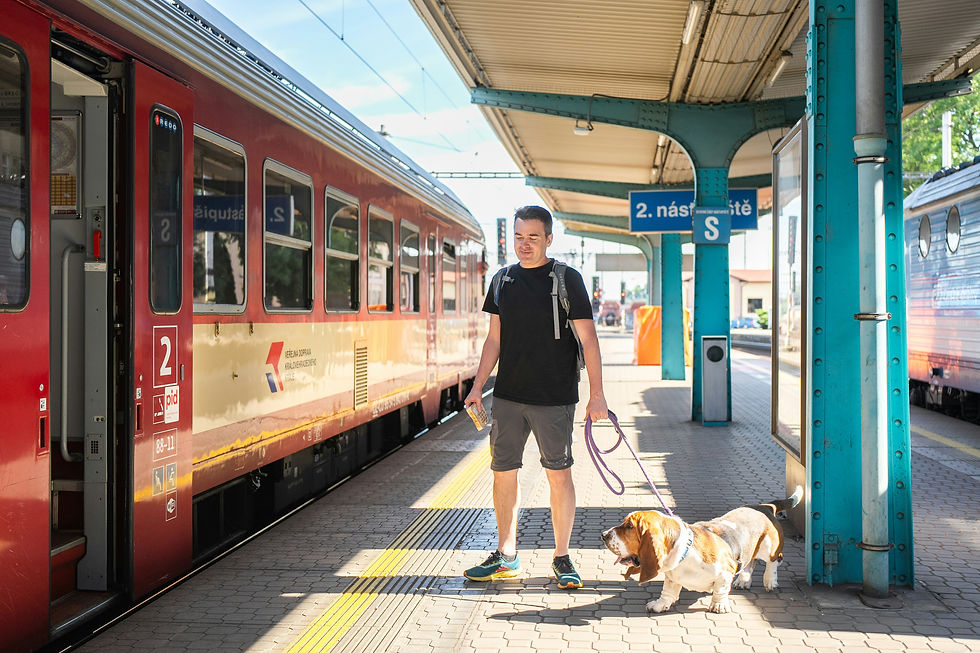
Owning a Basset Hound involves more than just the initial purchase price. This breed comes with moderate to high lifetime costs, especially due to its predisposition to certain health conditions and its tendency toward obesity. Understanding the full financial picture is essential before committing to ownership.
Initial Purchase Price
The cost of a Basset Hound puppy varies significantly depending on breeder quality, lineage, and location:
Europe: €700 – €2,000
Show-quality / Champion lines: $2,500 – $4,000+
Adopting from a shelter or rescue is usually much more affordable:
Adoption Fees: $100 – $400
Monthly Expenses
Basset Hounds are not high-energy dogs, but their diet, grooming, and healthcare needs still generate consistent monthly costs.
Food: $40 – $80
High-quality, portion-controlled diet is crucial to prevent obesity.
Treats and Supplements: $10 – $30
Often includes joint support supplements due to their body structure.
Basic Grooming: $10 – $40
Includes ear cleaning products, shampoos, and hygiene supplies.
Toys and Enrichment: $10 – $30
Scent-based toys are especially beneficial for mental stimulation.
Pet Insurance (optional but recommended): $30 – $80
Estimated Monthly Total: $100 – $260
Veterinary Costs
Basset Hounds are prone to several health issues, which can increase veterinary expenses over time.
Routine Check-ups: $100 – $300 per year
Vaccinations: $75 – $150 annually
Parasite Prevention: $100 – $250 annually
Common Treatments:
Ear infections: $100 – $300 per episode
Joint/back issues: $300 – $1,500+
Obesity-related care: variable
Estimated Annual Vet Cost: $300 – $1,200+
One-Time Costs
Bed, Crate, Bowls: $100 – $300
Leash, Harness, Collar: $50 – $150
Initial Vet Visit + Microchip: $100 – $250
Lifetime Cost Estimate
Over a lifespan of 10–12 years, the total cost of owning a Basset Hound can range between:
$10,000 – $20,000+
This makes it a moderate-cost breed overall, but unexpected medical expenses can push costs higher.

Character and Behavior of the Basset Hound
The Basset Hound is widely known for its gentle, laid-back personality, but beneath that calm exterior lies a strong-willed and highly scent-driven dog. Understanding their behavior is key to raising a well-balanced companion.
Temperament Overview
Basset Hounds are:
Affectionate and loyal toward their families
Friendly with strangers, making them poor guard dogs
Generally non-aggressive and easygoing
Patient with children, often tolerating rough play
They thrive in environments where they can be part of daily family life.
Social Behavior
This breed is highly social and does not enjoy being alone for long periods.
Gets along well with other dogs, especially fellow hounds
Usually tolerant of cats and smaller animals (with proper introduction)
Can develop separation anxiety if left alone too often
They are pack-oriented dogs, meaning they prefer companionship over isolation.
Intelligence and Personality
While Basset Hounds are intelligent, they are not eager-to-please in the traditional sense.
They are independent thinkers
Often described as “stubborn” rather than unintelligent
Motivated more by food and scent than by praise
This makes training possible—but it requires patience and the right approach.
Scent-Driven Behavior
One of the most defining traits of the Basset Hound is its obsession with scent.
Will follow a scent trail with intense focus
May ignore commands when tracking something interesting
Requires secure environments (fenced yards, leash walks)
This instinct can override obedience if not properly managed.
Activity Level
Despite being a hunting breed, Basset Hounds are relatively low-energy:
Enjoy short to moderate walks
Prefer lounging indoors for long periods
Can become lazy if not encouraged to move regularly
Mental stimulation is just as important as physical exercise.
Vocal Behavior
Basset Hounds are known for their deep, loud baying voice.
Use vocalization to communicate boredom, excitement, or loneliness
Can be prone to howling when left alone
Not ideal for noise-sensitive households
Overall Personality Summary
The Basset Hound is best described as:
Calm but stubborn
Loving but independent
Low-energy but mentally driven by scent
They are ideal for owners who appreciate a relaxed companion but are willing to manage their unique behavioral traits.

Intelligence and Training of the Basset Hound
The Basset Hound presents a unique challenge when it comes to intelligence and training. While they are undeniably intelligent dogs, their behavior often leads owners to underestimate their cognitive abilities. In reality, the issue is not intelligence—but motivation and independence.
How Intelligent Are Basset Hounds?
Basset Hounds are classified as moderately intelligent dogs, especially in terms of:
Scent intelligence (exceptionally high)
Problem-solving ability (moderate)
Obedience intelligence (relatively low compared to working breeds)
Their brains are highly specialized for tracking and scent analysis, which means they excel in tasks related to smell but may struggle with repetitive obedience commands.
Why Are They Considered “Stubborn”?
The Basset Hound’s reputation for stubbornness comes from its independent nature:
Originally bred to work without constant human direction
Makes decisions based on scent rather than commands
Less motivated by approval or praise compared to other breeds
This independence is often misinterpreted as disobedience, but it is actually a result of their breeding history.
Training Challenges
Training a Basset Hound requires patience due to several factors:
Easily distracted by scents
May ignore commands when uninterested
Slow response to repetition-based training
Can become bored quickly
Consistency and persistence are key when working with this breed.
Best Training Methods
To successfully train a Basset Hound, owners should focus on:
Positive reinforcement: Reward-based training works far better than punishment
Food motivation: High-value treats are extremely effective
Short training sessions: Keep sessions brief to maintain attention
Consistency: Repetition with structure builds habits over time
Early socialization: Exposure to different environments, people, and animals
Recall Training (Critical Point)
Recall (coming when called) is one of the most difficult skills for this breed.
Never fully trust a Basset Hound off-leash in open areas
Always use a secure leash or fenced environment
Practice recall in controlled settings with strong rewards
Their nose can easily override their obedience.
Mental Stimulation Needs
Despite their low physical energy, Basset Hounds require mental engagement:
Scent games (hide treats, tracking exercises)
Puzzle toys
Interactive feeding methods
Without stimulation, they may become bored and develop unwanted behaviors.
Overall Training Summary
Training a Basset Hound is not about control—it’s about understanding how they think:
They learn, but on their own terms
They respond best to motivation, not authority
They require patience, structure, and consistency
When trained correctly, they can become well-mannered, loyal companions, even if they never achieve perfect obedience.
Exercise and Activity Needs of the Basset Hound
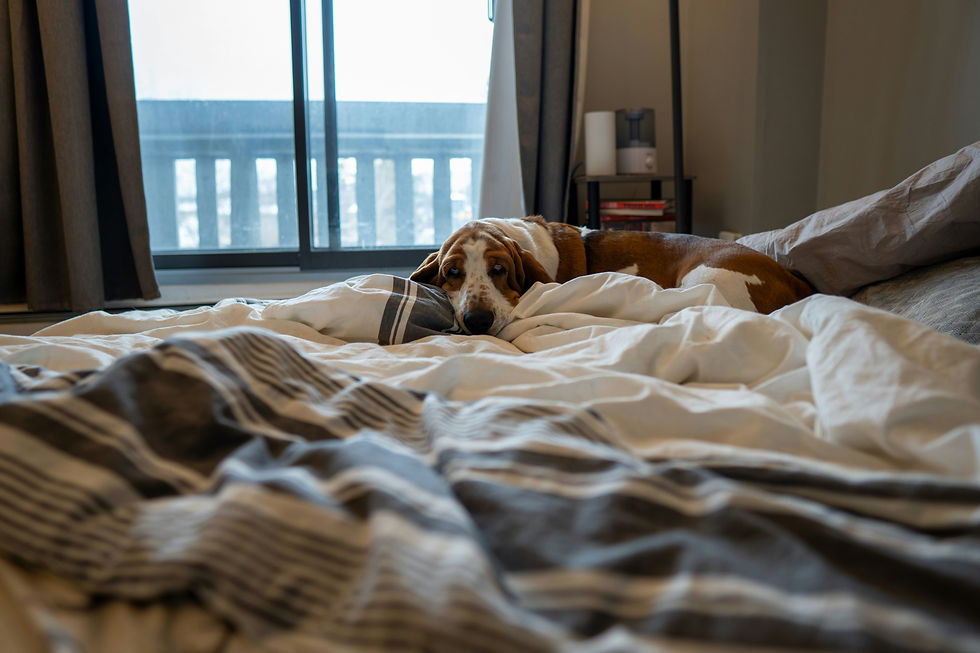
The Basset Hound is often perceived as a lazy dog due to its calm and slow-moving nature, but this can be misleading. While it is true that the breed has low to moderate energy levels, regular and structured activity is essential to maintain both physical health and mental balance.
Daily Exercise Requirements
Basset Hounds do not require intense exercise, but they do need consistent daily activity:
Duration: 30–60 minutes per day
Type: Low-impact activities such as walking and light play
Frequency: Ideally split into 2 sessions (morning and evening)
Short, consistent walks are far more beneficial than occasional intense exercise.
Why Exercise Is Critical
Due to their natural tendencies, Basset Hounds are highly prone to weight gain and inactivity-related health issues. Regular exercise helps:
Prevent obesity, which is one of the most common problems in the breed
Reduce strain on the spine and joints
Improve digestive function
Decrease the risk of behavioral issues caused by boredom
Suitable Activities
Basset Hounds are not built for speed or agility, but they excel in activities that engage their sense of smell:
Leash walks (primary exercise method)
Scent tracking games (hide treats or objects)
Exploration walks (allowing them to sniff freely)
Light backyard play
These activities align with their natural instincts and provide both physical and mental stimulation.
Activities to Avoid
Due to their unique body structure, certain activities can be harmful:
Jumping from heights (risk of spinal injury)
Stairs (excessive use)
High-impact running or agility training
Overexertion in hot weather
Their long spine and short legs make them vulnerable to injury under physical stress.
Off-Leash Considerations
Basset Hounds should rarely be trusted off-leash in open areas:
Strong scent drive can override training
They may wander far without responding to recall
Always use a secure leash or fenced area
Mental Activity Matters
Even more important than physical exercise is mental stimulation:
Puzzle toys
Scent trails
Food-dispensing toys
Interactive games
A mentally satisfied Basset Hound is far less likely to develop destructive behaviors.
Climate Sensitivity
Basset Hounds are sensitive to heat and humidity:
Exercise during cooler hours (morning/evening)
Avoid prolonged exposure to high temperatures
Provide constant access to water
Overall Activity Summary
The Basset Hound is:
Low-energy but not inactive
Physically limited but mentally driven
Best suited for controlled, moderate activity
A balanced routine combining light exercise and scent-based mental stimulation is ideal for this breed.
Feeding and Diet Recommendations for the Basset Hound
Feeding a Basset Hound correctly is one of the most important aspects of ownership. This breed is highly food-motivated and extremely prone to obesity, making diet control essential for long-term health.
Dietary Needs Overview
Basset Hounds require a balanced, portion-controlled diet that supports:
Joint health
Weight management
Digestive stability
Skin and coat quality
Recommended Diet Composition
A high-quality diet should include:
Protein: 18–25% (chicken, beef, fish)
Fat: 8–15% (moderate to prevent weight gain)
Fiber: Supports digestion and satiety
Omega-3 & Omega-6 fatty acids: For skin and coat health
Glucosamine & chondroitin: For joint support
Portion Control (Critical)
Basset Hounds will overeat if given the chance, so strict portion control is necessary.
Feed 2 measured meals per day
Avoid free-feeding
Adjust portions based on weight, age, and activity level
Daily Food Amount (General Guide)
Adult Basset Hound: 1.5 – 2.5 cups of dry food per day
Divided into 2 meals
Always tailor portions to the individual dog and consult a veterinarian if unsure.
Best Feeding Practices
Use measured feeding schedules
Choose high-quality commercial dog food or balanced homemade diets
Monitor body condition regularly
Avoid excessive treats
Treats and Snacks
Treats should be used carefully:
Should not exceed 10% of daily calorie intake
Prefer low-calorie, high-quality treats
Avoid fatty or processed human foods
Foods to Avoid
Certain foods are harmful and should never be given:
Onions and garlic
Fatty table scraps
Excess salt or sugar
Special Considerations
Slow feeders can help prevent overeating
Elevated bowls are sometimes used but should be discussed with a vet due to bloat risk
Monitor for food allergies or sensitivities
Weight Management
Maintaining a healthy weight is critical:
Regular weigh-ins
Visible waistline and rib check
Adjust diet immediately if weight gain occurs
Overall Feeding Summary
The Basset Hound’s diet should be:
Controlled, balanced, and consistent
Focused on preventing obesity
Supported by high-quality nutrition
Proper feeding directly impacts lifespan, mobility, and overall quality of life.
Training Techniques for the Basset Hound
Training a Basset Hound requires a very specific approach. This is not a breed that responds well to pressure or rigid obedience systems. Instead, success comes from understanding their motivation, instincts, and limitations.
Core Training Philosophy
Basset Hounds are:
Independent thinkers
Scent-driven decision makers
Food-motivated learners
This means training should focus on cooperation rather than control.
Positive Reinforcement Is Essential
The most effective training method for a Basset Hound is reward-based training:
Use high-value treats (chicken, cheese, etc.)
Reward immediately after desired behavior
Avoid punishment, as it can reduce motivation and trust
They respond far better to incentives than to correction.
Short and Engaging Sessions
Basset Hounds have a limited attention span for repetitive tasks:
Keep sessions 5–10 minutes long
Train multiple times a day instead of long sessions
End sessions on a positive note
This prevents boredom and increases learning retention.
Consistency and Routine
Consistency is critical:
Use the same commands every time
Maintain a fixed training schedule
Ensure all family members follow the same rules
Inconsistent training leads to confusion and slower progress.
House Training Tips
House training can take longer than average:
Establish a strict feeding and potty schedule
Take the dog outside after meals, naps, and play
Reward immediately after successful elimination
Patience is essential—this breed learns slowly but steadily.
Leash Training
Due to their strong scent drive, leash training is non-negotiable:
Use a secure harness instead of a collar
Allow controlled sniffing (important for mental satisfaction)
Teach loose-leash walking gradually
Pulling behavior is common and must be managed early.
Recall Training (Limited Reliability)
Recall is one of the most difficult skills for a Basset Hound:
Practice in enclosed areas only
Use high-value rewards
Never rely on recall in open environments
Even well-trained Basset Hounds may ignore commands when following a scent.
Socialization
Early socialization improves behavior significantly:
Introduce to different people, environments, and animals
Expose gradually to avoid stress
Reinforce calm and confident behavior
Well-socialized Basset Hounds are more adaptable and easier to manage.
Common Training Mistakes
Expecting fast obedience results
Using punishment-based methods
Ignoring mental stimulation needs
Inconsistent rules within the household
Avoiding these mistakes greatly improves outcomes.
Overall Training Summary
Training a Basset Hound requires:
Patience over pressure
Motivation over discipline
Consistency over intensity
With the right approach, they can become well-behaved, reliable companions, even if they retain a bit of their natural stubbornness.
Coat, Skin, Eye, and Ear Care of the Basset Hound (Table: Area | Recommendation)
Area | Recommendation |
Coat Care | Brush 1–2 times per week to remove loose hair and reduce shedding. Use a soft-bristle brush or grooming mitt. |
Bathe every 4–6 weeks or as needed. Use a gentle dog shampoo to prevent skin irritation. | |
Skin Folds | Regularly clean and dry skin folds to prevent moisture buildup and bacterial infections. |
Ear Care | Clean ears at least once a week using a vet-approved solution. Always keep ears dry to reduce infection risk. |
Eye Care | Wipe around the eyes gently to remove discharge. Monitor for redness or irritation. |
Nail Trimming | Trim nails every 3–4 weeks to prevent overgrowth and discomfort while walking. |
Brush teeth 2–3 times per week to prevent plaque and gum disease. | |
Odor Control | Regular grooming and ear cleaning help reduce the breed’s natural odor. |
Use regular flea, tick, and parasite control treatments as recommended by a veterinarian. | |
Seasonal Care | Increase brushing during shedding seasons and monitor skin health closely. |
General Health and Life Expectancy of the Basset Hound
The Basset Hound is generally considered a moderately healthy breed, but its unique body structure and genetic predispositions require careful, lifelong management. With proper care, most Basset Hounds live a comfortable and fulfilling life, though they are not among the longest-lived breeds.
Average Life Expectancy
Typical lifespan: 10–12 years
Some individuals may live longer with excellent care and genetics
Longevity is heavily influenced by weight management, joint health, and early disease detection.
Overall Health Profile
Basset Hounds are prone to several chronic and structural health issues, primarily due to:
Their long spine and short legs
Their loose skin and long ears
Their tendency toward low activity and overeating
However, many of these risks can be significantly reduced with proper care.
Key Health Priorities
Owners should focus on:
Weight control: The single most important factor affecting lifespan
Joint and spine protection: Avoid jumping and excessive strain
Ear hygiene: Prevent chronic infections
Regular veterinary monitoring: Early detection of conditions
Preventive Health Measures
Annual or biannual vet check-ups
Routine blood tests and screenings
Continuous parasite prevention
Balanced diet and controlled feeding
Regular, low-impact exercise
Quality of Life Factors
A healthy Basset Hound should:
Maintain a stable weight
Show consistent mobility
Have clean ears and healthy skin
Exhibit normal appetite and behavior
Any deviation should be evaluated early to prevent complications.
Overall Health Summary
The Basset Hound is not fragile, but it is a management-dependent breed:
Health is highly controllable with proper care
Neglect (especially diet and hygiene) quickly leads to problems
Preventive care has a direct and measurable impact on lifespan
Ideal Owner and Living Environment for the Basset Hound
The Basset Hound is not suitable for every type of owner. While it is often described as “easygoing,” its stubborn nature and specific care needs require a certain lifestyle and mindset.
Ideal Owner Profile
The best Basset Hound owners are:
Patient and consistent
Comfortable with slow training progress
Able to maintain structured routines
Willing to manage diet and health proactively
First-time dog owners can succeed, but only if they are well-informed and committed.
Living Environment
Basset Hounds adapt well to various living situations:
Apartments: Suitable if daily exercise is provided
Houses with yards: Ideal, especially if securely fenced
Rural environments: Also suitable, but require supervision due to scent tracking
Space Requirements
They do not require large spaces, but they do need:
Safe walking areas
Comfortable resting spaces
Access to enrichment activities
Compatibility with Families
Excellent with children (gentle and tolerant)
Good with other dogs (especially pack environments)
Generally compatible with cats, if socialized early
Time Commitment
Basset Hounds require:
Daily interaction and companionship
Routine care (especially ears and skin)
Consistent feeding and exercise schedules
They are not ideal for people who are frequently away from home.
Climate Considerations
Sensitive to heat and humidity
Prefer moderate climates
Require shade, hydration, and limited heat exposure
Overall Suitability Summary
The Basset Hound is ideal for:
Families
Low to moderate activity households
Owners seeking a calm, affectionate companion
Less suitable for:
Highly active lifestyles
People expecting fast training results
Owners unwilling to manage health and diet carefully
Life Expectancy and Reproduction of the Basset Hound
Understanding reproduction and lifespan helps owners make informed decisions about breeding, healthcare, and long-term planning.
Reproductive Maturity
Sexual maturity: 6–12 months
Responsible breeding is recommended after 18–24 months, once full development is complete
Breeding Considerations
Basset Hounds require careful breeding management due to:
Structural traits (long spine, heavy body)
Genetic predispositions to certain diseases
Breeding should always be:
Supervised by professionals
Based on health screening
Focused on improving breed quality
Litter Size
Average litter size: 6–8 puppies
Can vary depending on genetics and health
Pregnancy and Birth
Gestation period: ~63 days
Some Basset Hounds may require veterinary assistance during delivery due to body structure
Lifespan Influencing Factors
Key factors that affect longevity:
Diet and weight control
Exercise consistency
Genetic background
Aging and Senior Care
As Basset Hounds age:
Joint issues may become more pronounced
Activity levels decrease further
Dietary adjustments are required
Senior dogs benefit from:
Joint supplements
Softer bedding
More frequent health monitoring
Overall Reproduction & Lifespan Summary
Moderate lifespan (10–12 years)
Reproduction requires responsible management
Aging requires progressive care adjustments
Frequently Asked Questions (FAQ) About the Basset Hound
Is the Basset Hound a good family dog?
Yes, the Basset Hound is widely considered an excellent family dog. The Basset Hound is gentle, patient, and tolerant, which makes it especially suitable for households with children. Unlike high-energy breeds, the Basset Hound does not become easily overwhelmed by noise or activity, and it tends to remain calm even in busy environments. However, supervision is still important with young children, as the Basset Hound’s long body and short legs make it physically vulnerable to rough handling.
Is the Basset Hound easy to train?
The Basset Hound is not considered easy to train compared to many other breeds. While the Basset Hound is intelligent, it is also highly independent and scent-driven. This means the Basset Hound may ignore commands if something more interesting—like a scent—is present. Training requires patience, consistency, and strong motivation, typically using food rewards. The Basset Hound responds poorly to harsh corrections and performs best with positive reinforcement methods.
Does the Basset Hound bark a lot?
Yes, the Basset Hound is known for being quite vocal. The Basset Hound has a deep, loud baying sound that was originally developed for hunting communication. This means the Basset Hound may howl, bark, or vocalize when bored, excited, or left alone. While this behavior can be managed with proper training and stimulation, it cannot be completely eliminated, as it is part of the breed’s natural instincts.
Can the Basset Hound live in an apartment?
Yes, the Basset Hound can live comfortably in an apartment, provided its basic needs are met. The Basset Hound has relatively low energy levels and does not require large living spaces. However, daily walks and mental stimulation are essential. Potential owners should also consider the Basset Hound’s vocal nature, as frequent barking or howling may be an issue in shared living environments.
Is the Basset Hound good with other pets?
The Basset Hound is generally very good with other pets, especially other dogs. As a pack-oriented breed, the Basset Hound tends to enjoy companionship and social interaction. With proper early socialization, the Basset Hound can also live peacefully with cats and smaller animals. However, due to its strong scent and hunting instincts, supervision is recommended when introducing smaller pets.
How much exercise does a Basset Hound need?
The Basset Hound requires moderate daily exercise. Typically, 30–60 minutes of walking per day is sufficient to maintain the Basset Hound’s health. While the Basset Hound is not a high-energy breed, regular activity is crucial to prevent obesity and maintain joint health. In addition to physical exercise, the Basset Hound benefits greatly from scent-based mental stimulation.
Does the Basset Hound shed a lot?
Yes, the Basset Hound sheds moderately to heavily throughout the year. The Basset Hound has a short but dense coat that continuously releases hair. Regular brushing (1–2 times per week) helps manage shedding and keeps the coat healthy. Seasonal shedding may increase the amount of loose hair.
Is the Basset Hound prone to health problems?
Yes, the Basset Hound is prone to several health issues, primarily due to its body structure. Common problems in the Basset Hound include ear infections, obesity, joint disorders, and spinal issues such as intervertebral disc disease (IVDD). Regular veterinary care, proper diet, and controlled exercise can significantly reduce these risks.
How often should a Basset Hound’s ears be cleaned?
The Basset Hound’s ears should be cleaned at least once a week. Due to their long, floppy structure, the Basset Hound’s ears trap moisture and limit airflow, creating an ideal environment for infections. Regular cleaning with a veterinarian-approved solution is essential to maintain ear health.
Is the Basset Hound suitable for hot climates?
The Basset Hound is not well-suited for hot climates. The Basset Hound’s body structure, combined with its tendency toward low activity and weight gain, makes it more vulnerable to heat stress. In warm environments, exercise should be limited to cooler hours, and access to shade and fresh water is critical.
Does the Basset Hound drool a lot?
Yes, the Basset Hound tends to drool due to its loose lips and skin structure. While drooling levels vary between individuals, most Basset Hounds produce noticeable saliva, especially after eating or drinking. Regular cleaning and hygiene help manage this.
Can a Basset Hound be left alone for long periods?
The Basset Hound does not tolerate long periods of isolation well. As a social breed, the Basset Hound can develop separation anxiety if left alone frequently. This may lead to behaviors such as barking, howling, or destructive actions. Owners should ensure the Basset Hound receives sufficient interaction and companionship.
Is the Basset Hound a guard dog?
No, the Basset Hound is not a good guard dog. The Basset Hound is friendly, relaxed, and generally welcoming toward strangers. While it may bark to alert its owner, it lacks the protective instincts typically required for guarding.
How long does a Basset Hound live?
The average lifespan of a Basset Hound is 10–12 years. With proper care, including weight management, regular veterinary check-ups, and a balanced lifestyle, some Basset Hounds may live beyond this range.
Is the Basset Hound expensive to own?
The Basset Hound is considered a moderate-cost breed. While the initial purchase price is reasonable, ongoing costs such as food, veterinary care, and grooming can add up over time. Health-related expenses may increase costs, particularly if preventive care is neglected.
Keywords
basset hound, basset hound temperament, basset hound price, basset hound care, basset hound health
Sources
Source | Link |
American Kennel Club (AKC) | |
The Kennel Club UK | |
American Veterinary Medical Association (AVMA) | |
Mersin Vetlife Veterinary Clinic |