
Ehrlichiosis in Dogs: Symptoms, Transmission Methods and Scientific Treatment Guide

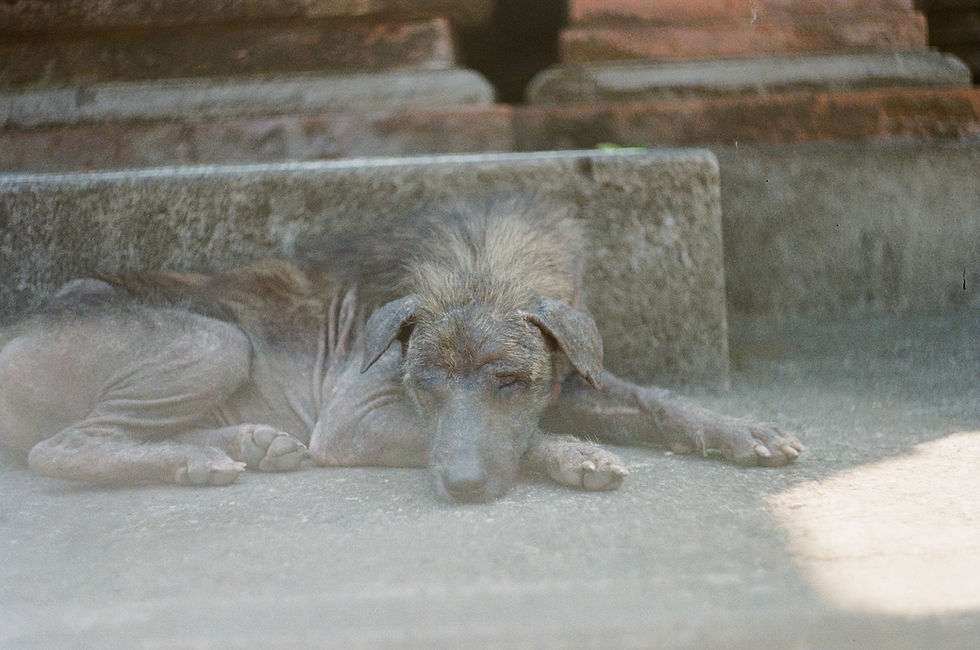
What is Ehrlichiosis Disease?
Ehrlichiosis is a tick -borne infectious disease in dogs caused by various Ehrlichia species, primarily Ehrlichia canis , and often progresses insidiously. It is transmitted primarily by the brown dog tick , Rhipicephalus sanguineus . After entering the bloodstream , this bacterium multiplies in white blood cells and disrupts the normal immune system response. As a result, dogs can develop both acute symptoms and, if left untreated, serious long-term organ damage.
Although ehrlichiosis is more common in warm climates worldwide, it is now reported in nearly all regions. Stray dogs, shelter animals, and breeds with a high risk of tick contact are particularly susceptible. The disease typically progresses in three stages: acute, subclinical, and chronic. While the transitions between these three stages are sometimes distinct, in some dogs, symptoms can be so mild as to be almost unnoticeable.
The most striking aspect of ehrlichiosis is that, if undiagnosed early, it can lead to serious complications, including bone marrow suppression in the chronic phase . Therefore, the disease is considered a serious and urgent infection in veterinary medicine. Delayed treatment significantly reduces dogs' quality of life , prolongs recovery, and increases mortality. Therefore, understanding the disease, identifying its sources of transmission, and recognizing early symptoms is crucial.

Ehrlichiosis Types and Infection Stages (Acute – Subclinical – Chronic)
Ehrlichiosis infection in dogs is characterized by three primary clinical stages . These stages should be thoroughly understood as they determine both disease severity and therapeutic approach.
Acute Phase: This encompasses the first 1–3 weeks of infection. In dogs bitten by a tick, bacteria enter the bloodstream, and the immune system responds. The acute phase may include fever, loss of appetite, depression, red eyes, enlarged lymph nodes, and a tendency to mild bleeding. If diagnosed early, the acute phase responds very well to treatment, and the disease can be controlled before it reaches the subclinical stage. However, in most dogs, the symptoms during this phase are mild or transient and can be easily overlooked.
Subclinical Stage: During this stage, the dog appears completely healthy externally, but the infection continues silently within the body. The bacteria usually hide in the spleen and bone marrow and can persist there for months, even years. Because there are no symptoms in the subclinical stage, many owners fail to recognize the disease. This stage is critical for transitioning to the chronic stage, and in dogs with weakened immune systems, the infection can progress rapidly.
Chronic Stage: This is the most dangerous and difficult stage of the disease to treat. In the chronic stage, severe clinical problems such as bone marrow suppression, severe anemia, thrombocytopenia, epistaxis, intraocular hemorrhages, neurological findings, weakness, and emaciation are observed. Treatment is lengthy and the prognosis is significantly poor for dogs that reach this stage. Without treatment, the risk of death increases significantly.
Knowing the differences between these three stages is extremely valuable for both veterinarians and pet owners. Understanding the correct stage, determining the stage of the disease, and tailoring the treatment plan accordingly directly impacts the patient's chances of recovery.

Causes and Transmission Mechanism of Ehrlichiosis Disease
The primary mode of transmission of ehrlichiosis is through a tick bite . The Ehrlichia bacteria, which cause the disease, are transmitted when infected ticks enter a dog's circulatory system during a blood meal. The most important vector species is Rhipicephalus sanguineus , the brown dog tick. Because this tick species can survive both indoors and outdoors, the risk of transmission is quite high.
The mechanism of infection works as follows:
Infected tick bites dog.
When the tick sucks blood, it transfers the bacteria to the dog through its saliva.
The bacteria settle in the dog's white blood cells and begin to multiply.
The immune system weakens, inflammation and organ damage occur in the body.
The disease is not transmitted through direct contact, saliva, or the air. However, transferring infected blood from one dog to another (especially through blood transfusions) can transmit ehrlichiosis. Therefore, testing in blood banks is critical.
Tick density can increase depending on climate, environmental conditions, the dog's habitat, and seasonal changes. The risk of transmission is much higher in warm weather and rural areas. Furthermore, even a single tick carried into the home can be sufficient to spread the disease.

Breeds Prone to Ehrlichiosis in Dogs
Race | Explanation | Level of Predisposition |
German Shepherd | Due to differences in immune system response, both acute and chronic ehrlichiosis can have a severe course. | A lot |
Doberman Pinscher | The risk of developing severe infection is high because the cellular immune response is genetically more susceptible to suppression. | A lot |
Belgian Malinois | As a working dog, it is more frequently infected in areas with high tick contact, and symptoms can progress rapidly. | A lot |
Rottweiler | Despite its strong structure, infection is common in areas where tick contact is intense. | Middle |
Labrador Retriever | Because of its love of outdoor life, exposure to ticks increases; it usually has a moderate clinical course. | Middle |
Golden Retriever | The risk of infection is high because he spends more time in open land and rural areas. | Middle |
Beagle | Being a hunting dog, there is constant contact with the field; the risk of infection is evident. | Middle |
Kangal / Anatolian Shepherd Dog | The incidence of infection is high in rural areas and herd management due to intense tick contact. | Middle |
Pointer & Setter Breeds | Due to hunting activities, contact with ticks is very common; mild to moderate clinical course is observed. | Middle |
Jack Russell Terrier | Due to its energetic structure, excessive contact with the outside environment increases the risk of infection. | Little |
Mixed Breed (Street / Hybrid Breeds) | It presents variable risk depending on the level of exposure; incidence is high in areas with dense tick populations. | Low–Medium |

Ehrlichiosis Symptoms and Clinical Findings
Clinical signs of ehrlichiosis vary depending on the stage of the disease, the dog's immune response, and the severity of the infection. In some dogs, what begins as mild symptoms can progress to life-threatening complications in the chronic phase. Therefore, early recognition of symptoms is crucial.
Symptoms seen in the acute phase:
High fever and weakness
Loss of appetite or complete cessation of eating
Redness, discharge and conjunctivitis in the eyes
Runny nose or nosebleeds
Significant enlargement of lymph nodes
Abdominal tenderness
Bruising and bleeding foci on the body
These signs usually appear within 1–3 weeks. However, as the symptoms progress to the subclinical stage, they diminish, and most owners are unaware that their dog is ill.
Symptoms seen in the subclinical stage:
Slight weight loss
Low energy
There may be no significant findings other than low platelets in the tests.
This period may last months or even years.
Symptoms seen in the chronic stage:
Significant weight loss and slimming
Severe anemia and pale gums
Recurrence of high fever
Damage to internal organs, especially enlargement of the spleen and liver
Joint pain and limited movement
Neurological symptoms (loss of balance, seizure-like behavior)
Eye complications that can lead to intraocular hemorrhage and blindness
The chronic phase is the most dangerous stage of the disease and requires intensive treatment. Cases that reach this stage have a poorer prognosis than dogs diagnosed early.

Diagnosis of Ehrlichiosis: Blood Tests, PCR, and Imaging Methods
The diagnosis of ehrlichiosis is made by evaluating clinical symptoms and laboratory findings together. A single test is often insufficient, so the diagnostic process requires a comprehensive approach.
Blood Tests (CBC and Biochemistry): The most common laboratory finding in ehrlichiosis is thrombocytopenia , a marked decrease in platelet count. Additionally, anemia, low white blood cell count, changes related to splenic stress, and elevated liver enzymes may also occur.
Serological Tests (ELISA, IFA): These tests detect antibodies developed by the dog against the Ehrlichia bacteria. A positive result indicates exposure, but must be interpreted in conjunction with the clinical presentation to distinguish exposure from active infection.
PCR Test: This test, which directly detects Ehrlichia DNA, is one of the most accurate diagnostic methods . It provides high accuracy, especially in cases where the bacteria are present in the bloodstream at an early or subclinical stage.
Blood Smear and Microscopic Examination: Ehrlichia morulae can be seen in white blood cells. However, they are not always detectable and therefore are not sufficient for diagnosis alone.
Imaging Methods: Imaging tests such as radiography and ultrasound do not provide a direct diagnosis. However, they provide valuable information about the stage of the disease and organ involvement by revealing secondary changes such as enlargement and fluid accumulation in the spleen, liver, or lymph nodes.
The most important aspect of diagnosis is the evaluation of clinical findings along with laboratory results and tick history . This multifaceted approach ensures early and accurate diagnosis of the disease.
Ehrlichiosis Treatment: Medications Used, Protocols, and Duration of Treatment
The goal of treating ehrlichiosis is to eliminate the Ehrlichia bacteria in the dog's circulatory system, support the immune system, and prevent potential complications. Treatment may vary depending on the stage of the disease and the dog's overall clinical condition. Early diagnosis often results in a good response to treatment. However, in the chronic stage, treatment takes longer, and the likelihood of recovery may be reduced.
Main treatment agent: Doxycycline The gold standard treatment for ehrlichiosis is the antibiotic doxycycline . It is usually administered for 28 days. In some severe cases, treatment can be extended to six weeks. Doxycycline is the most effective drug in combating the disease because it inhibits the intracellular proliferation of bacteria.
Alternative antibiotics: In rare cases of drug intolerance or failure to respond to doxycycline, chloramphenicol or imidocarb may be used. However, these drugs are generally considered second-line treatments.
Supportive treatments:
Fluid therapy: Essential to prevent dehydration and preserve organ function.
Pain control: Appropriate analgesics are used for joint pain and inflammation.
Appetite stimulants and nutritional support: Important to prevent weight loss in the chronic phase.
Immune supports: Can accelerate recovery, especially in the subclinical and chronic stages.
Blood transfusion: This is lifesaving in critical cases with severe anemia and thrombocytopenia. However, dogs undergoing blood transfusion must be tested for Ehrlichia.
The success of treatment depends on the stage at which the dog contracts the disease. Dogs treated in the acute stage generally recover completely. In the chronic stage, recovery is slower and can cause permanent damage in some dogs. Therefore, early intervention is crucial.
Complications and Prognosis If Left Untreated
Ehrlichiosis can lead to serious health problems if left untreated or diagnosed late. Cases, particularly those that progress to the chronic stage, experience widespread inflammation, organ damage, and immune system collapse. At this stage, the disease progresses aggressively, and the risk of death increases.
The main complications include:
Bone marrow suppression: Decreased blood cell production results in severe anemia, thrombocytopenia, and leukopenia.
Bleeding disorders: Nosebleeds, intraocular hemorrhages, bruising under the skin, and an increased risk of internal bleeding are observed.
Organ enlargement and damage: The liver and spleen are particularly affected. In the chronic phase, dysfunction in these organs may develop.
Kidney failure: In cases left untreated for long periods, kidney damage may be permanent.
Neurological complications: If the bacteria reach the central nervous system, seizures, incoordination, behavioral changes, and fluctuations in consciousness may occur.
Eye problems: Serious eye diseases such as intraocular hemorrhages and uveitis can lead to permanent vision loss.
Prognosis:
The prognosis is excellent in dogs in which treatment is initiated in the acute phase .
In the subclinical stage, the disease may remain silent for a long time, but if left untreated, the risk of shifting to the chronic stage is very high.
In the chronic stage, the prognosis is more cautious and the treatment process can be long, costly and challenging.
Early diagnosis and prompt treatment prevent most of these complications. Therefore, regular checkups are crucial for dogs with a history of tick exposure.
Home Care, Supportive Treatment, and Nutritional Recommendations for Ehrlichiosis
In treating a dog diagnosed with ehrlichiosis, home care and support are as critical to recovery as veterinarian-administered medication. Because the disease can severely deplete the body, especially in its chronic phase, implementing appropriate home care protocols can significantly improve a dog's quality of life.
Home care recommendations:
The dog should be kept in a calm and stress-free environment whenever possible. Stress can exacerbate the disease in animals with suppressed immune systems.
Medications must be given regularly and completely. Stopping treatment halfway may lead to a relapse.
During periods of high fever or loss of appetite, the dog should be allowed to rest and strenuous activities should be avoided.
In dogs with eye and nose discharge, regular cleaning of the area reduces the risk of infection.
When signs of bleeding (nosebleeds, blood in the urine, bruising under the skin) are observed, a veterinarian should be contacted immediately.
Nutritional recommendations: A quality diet accelerates recovery in dogs battling chronic infection.
Foods containing highly digestible, high-quality protein should be preferred.
Foods containing omega-3 fatty acids help reduce inflammation.
Vitamin and mineral supplements (especially B vitamins) can support bone marrow function.
Energy-dense foods can be used in dogs experiencing weight loss.
Water consumption should be increased and the water bowl should always be kept clean.
Exercise: Excessive exercise is not recommended during treatment. Short, controlled walks are sufficient. Once the dog has fully recovered, activity levels can be gradually increased.
Proper home care, combined with medication, accelerates your dog's recovery and reduces the risk of complications. Owners' attention and patience during this process directly contribute to the success of treatment.
Preventing Ehrlichiosis: Tick Control and Protective Practices
Ehrlichiosis is a disease largely preventable with proper preventative measures. Because tick bites are the primary source of infection in dogs, the primary goal of prevention is to completely prevent or minimize contact between dogs and ticks. The risk of infection increases exponentially when preventative measures are neglected, especially in dogs living in areas with high tick populations.
Tick protection products:
Monthly spot-on drops: Applied to the neck area, these drops both repel ticks and kill them after they bite. Regular application significantly reduces the risk of infection.
Oral tablets: Effective for 1 to 3 months, these medications have a high success rate in killing ticks. They are the first choice for dogs living in high-risk areas.
Tick repellent collars: Can provide protection for 6 to 8 months, but are usually combined with tablets and drops as their effectiveness alone is limited.
Habitat control:
In homes with gardens, it is important to keep the grass short and reduce damp spots where ticks can hide.
Dogs should be prevented from frequently entering rural and densely bush areas.
Environmental pesticides used inside the home provide long-term protection by suppressing tick reproduction.
Control and early intervention:
Every time you return from outside, your dog's fur should be combed and checked for ticks.
When a tick attached to the skin is noticed, it should be removed with the correct technique and the dog should be kept under close observation.
The frequency of protection applications should be increased during the summer months.
Prevention is far more important than cure , especially when considering chronic infections. Regular tick protection practices dramatically reduce the rate of ehrlichiosis.
Key Differences Between Ehrlichiosis in Dogs and Cats
Although ehrlichiosis can occur in both species, the course, symptoms, and prognosis of the disease may differ between dogs and cats. Understanding these differences is crucial for accurate diagnosis and treatment planning.
Contamination and susceptibility:
Dogs are much more susceptible to Ehrlichia canis infection.
Ehrlichiosis is less common in cats and is usually mild.
Different Ehrlichia species can cause infection in cats, but they do not cause as severe clinical signs as in dogs.
Clinical signs:
Fever, anemia, thrombocytopenia, neurological signs and severe organ damage are common in dogs.
Cats usually experience milder symptoms such as lethargy, mild fever, and loss of appetite.
Intraocular hemorrhages and nosebleeds are extremely rare in cats.
Laboratory findings:
A significant decrease in platelets in dogs is an important clue to the diagnosis.
Thrombocytopenia in cats is much milder and often does not cause clinical problems.
Treatment and prognosis:
The treatment process in dogs can be long, and recovery is slow, especially in the chronic phase.
Cats generally respond rapidly to doxycycline therapy and the prognosis is better.
Chronic Ehrlichiosis is rarely seen in cats.
These differences help veterinarians develop an accurate diagnosis and treatment plan. However, tick control is a common necessity for both species.
What Dog Owners with Suspected Ehrlichiosis Should Know
Ehrlichiosis is a serious infection that can be successfully treated when detected early, but can become a chronic, complex, and costly disease if caught late. Therefore, awareness among owners is crucial for early detection.
Here are the key points owners need to know:
If there is a history of tick contact and the dog shows signs of weakness, fever, loss of appetite or bleeding, a veterinarian should be consulted without delay.
Treatment can be lengthy, and skipping medication can lead to a relapse. Owners must adhere strictly to the medication schedule.
Blood counts should be checked regularly throughout treatment. Platelet and red blood cell counts, in particular, are crucial for monitoring the course of the disease.
Despite treatment in the chronic phase, some organ damage can be permanent. Therefore, early diagnosis significantly increases the chance of success.
There is always a risk of disease re-emergence unless tick protection is implemented. Therefore, regular protective measures should not be abandoned.
Other dogs in the household may also be at risk. Because the disease can be transmitted through infected blood, extra caution is necessary during situations such as blood transfusions.
The conscious approach of the owners not only contributes to the early diagnosis of the disease but also increases the effectiveness of the treatment.
Frequently Asked Questions (FAQ)
What exactly is Ehrlichiosis in dogs and why is it so dangerous?
Ehrlichiosis is a serious infectious disease that targets the white blood cells of dogs and is transmitted through tick bites. The disease specifically affects the immune system, reduces platelet count, causes bleeding disorders, and, if left untreated, can progress to chronic bone marrow suppression. Therefore, both early diagnosis and prompt treatment are crucial. The biggest danger is that the disease often presents mild symptoms in the early stages, leading to late diagnosis.
Can ehrlichiosis be transmitted to humans? Does it pose a risk to humans?
Ehrlichia canis, found in dogs, is not directly transmitted to humans. However, humans can also be infected with different Ehrlichia species. Therefore, while an infected dog poses no direct risk to humans, people living in the same area should be vigilant against tick bites. The disease is not transmitted from dogs to humans; the only source of transmission is an infected tick.
What are the most common symptoms of ehrlichiosis in dogs?
The most common symptoms are fever, loss of appetite, weakness, red eyes, enlarged lymph nodes, and bleeding symptoms such as nosebleeds. In advanced stages, weight loss, neurological problems, vision problems, and severe anemia can occur. In some dogs, the symptoms are so mild that the disease can go unnoticed for months.
How do I know if my dog has Ehrlichiosis? Can it be diagnosed at home?
It's impossible to make a definitive diagnosis with a visual examination at home. The early stages of the disease are often mild enough to be confused with common viral infections. A definitive diagnosis requires blood tests, serological tests, and PCR testing. Signs that can be noticed at home include fatigue, loss of appetite, and small bruises like petechiae, but these are not sufficient for diagnosis.
Is PCR testing more accurate or antibody tests for diagnosing ehrlichiosis?
PCR testing is the most definitive diagnostic method because it directly detects the bacterial DNA. However, PCR can sometimes be negative in the chronic phase. Antibody tests indicate exposure, but they are not sufficient alone to distinguish active infection from past infection. It is best to evaluate clinical findings, blood results, and PCR testing together.
How long does ehrlichiosis treatment take and what medications are used?
The mainstay of treatment is doxycycline, which is usually administered for 28 days. In severe cases, treatment may extend up to six weeks. In rare cases where doxycycline is unresponsive, alternative medications such as chloramphenicol or imidocarb may be used. In the chronic phase, supportive care, fluid replacement, and blood transfusions may also be necessary.
How long will it take for my dog to recover from the treatment of the disease?
Dogs diagnosed in the acute stage generally begin to improve significantly within the first 48 hours of treatment. In the subclinical and chronic stages, recovery takes longer, and in some dogs, full recovery can take weeks. If permanent organ damage has occurred in the chronic stage, recovery time is even longer.
What complications will occur in my dog if ehrlichiosis is left untreated?
Untreated cases can lead to bone marrow suppression, severe anemia, bleeding disorders, neurological problems, intraocular hemorrhages leading to vision loss, and liver and spleen damage. These complications are often life-threatening. The risk of death increases significantly in dogs that progress to the chronic stage.
Once my dog has had Ehrlichiosis, can he get it again?
Yes. Because the disease suppresses the immune system, dogs are vulnerable to reinfection. Reinfection occurs through repeated bites from infected ticks. Therefore, it is essential to continue regular tick protection practices even after treatment.
Is complete recovery possible when ehrlichiosis becomes chronic?
Some dogs may respond to treatment even in the chronic phase, but the success rate is lower than in the acute phase. If bone marrow damage has already developed in the chronic phase, complete recovery may not be possible, and treatment is focused primarily on symptom control. Therefore, early diagnosis is crucial.
Does ehrlichiosis cause a dog to lose their appetite? How long does the loss of appetite last?
Yes, loss of appetite is one of the most common early symptoms of the disease. Fever, fatigue, and immune system stress can significantly reduce appetite for several days. Once effective treatment is initiated, appetite usually returns within 2 to 3 days. In the chronic phase, loss of appetite may persist longer.
Is it normal for the disease to cause neurological signs in dogs?
Neurological symptoms can occur in the advanced form of ehrlichiosis. The bacteria inflame blood vessels, which can lead to damage to the brain and nerve tissue. Balance disorders, muscle twitching, seizures, and behavioral changes can all occur.
Is my dog's nosebleeds a serious symptom of Ehrlichiosis?
Yes. Nosebleeds are a significant clinical sign indicating a severely low platelet count. This symptom suggests that the disease is progressing or approaching a chronic stage and requires urgent intervention.
Why are eye problems common in dogs with ehrlichiosis?
The inflammation and vascular wall damage caused by the disease can lead to intraocular hemorrhage or uveitis. This can threaten vision. Early treatment and regular eye checkups reduce the risk of permanent vision loss.
I have two dogs at home. If one of them gets Ehrlichiosis, can it spread to the other?
The disease is not transmitted from dog to dog through direct contact. However, living in the same environment means both dogs are exposed to the same tick species. Therefore, the other dog is also at risk, and regular tick protection practices are necessary. Situations such as blood transfusions are particularly risky for transmission.
Is there a vaccine for ehrlichiosis? Is it possible to protect yourself with a vaccine?
There is currently no commercial vaccine against ehrlichiosis in dogs. The only effective means of protection is regular tick control practices and habitat management. Personal precautions are considered as effective as vaccination.
How long does the subclinical (silent) phase of the disease last? Could my dog be sick even if he appears healthy?
Yes. The subclinical stage can last months or even years. During this period, the dog appears completely healthy on the outside, but bacteria continue to multiply, especially in the spleen. It is very difficult to detect the disease at this stage without blood tests.
My dog is losing weight due to Ehrlichiosis. Is this normal?
Weight loss is a typical finding, especially in the chronic phase. A dog can lose weight rapidly due to decreased appetite, organ dysfunction, and metabolic stress. In this case, high-quality, energy-dense foods and supplements should be used with veterinary advice.
My dog has low platelets. Does this mean he has Ehrlichiosis?
Thrombocytopenia is one of the most important indicators of the disease, but it alone does not provide a definitive diagnosis. Other diseases that cause bleeding disorders can also cause low platelets. However, if platelets are low, an ehrlichiosis test should be performed.
Are ehrlichiosis and Lyme disease the same thing? What are the differences?
No, they are not the same disease. While both are tick-borne, they are caused by different bacteria. Lyme disease is caused by Borrelia burgdorferi, while ehrlichiosis is caused by Ehrlichia canis. Their clinical symptoms and treatment protocols also differ.
Is life expectancy affected when ehrlichiosis becomes chronic?
Life expectancy can be significantly shortened in dogs that progress to the chronic stage. If organ damage has already occurred, full recovery may not occur despite treatment. Therefore, early diagnosis and prompt treatment directly prolong a dog's lifespan.
What should I do at home to protect my dog from Ehrlichiosis?
To reduce tick infestation in the environment, it's important to keep grass short, reduce humidity, and regularly spray the surrounding area. Avoid brush, dense grass, and rural areas when walking your dog. Regular use of tick control products is also essential.
Sources
American College of Veterinary Internal Medicine (ACVIM)
Companion Animal Parasite Council (CAPC)
Merck Veterinary Manual
Centers for Disease Control and Prevention (CDC)
Mersin Vetlife Veterinary Clinic – Open on Map: https://share.google/jgNW7TpQVLQ3NeUf2


Comments