
How to Introduce a New Cat to Your Resident Cat: A Step-by-Step Guide


Why Does My Resident Cat React Aggressively to a New Cat?
Cats are territorial animals that generally feel safest when their environment is familiar and predictable. A new cat suddenly entering the home changes established scents, routines, resting areas, and access to important resources. The resident cat may therefore see the newcomer as a potential threat rather than a future companion.
Hissing, growling, staring, hiding, swatting, blocking doorways, or refusing to eat can all occur during the early stages. These behaviors do not necessarily mean the cats will never get along. They usually indicate fear, uncertainty, stress, or an attempt to create distance.
Personality, age, previous social experiences, health, and available space can influence the intensity of the reaction. Pain or illness may also make either cat less tolerant. Forcing immediate contact or punishing aggressive behavior can increase anxiety and create a lasting negative association between the cats.

What to Do Before Bringing the New Cat Home
Before the new cat arrives, prepare a quiet transition room that the resident cat does not rely on heavily. This room should contain everything the newcomer needs:
Separate food and water bowls
Comfortable hiding places
A bed or soft resting area
Scratching surfaces
Toys and elevated resting spots
The new cat should ideally receive a veterinary examination before direct contact, especially when its vaccination, parasite-control, or infectious-disease history is unknown. Your veterinarian may recommend appropriate testing based on the cat’s age, origin, and health status.
The rest of the home should also provide enough resources for both cats. A useful guideline is one litter box per cat, plus one extra, placed in different locations. Food bowls, water stations, beds, hiding places, scratching posts, and elevated areas should also be distributed throughout the home so that one cat cannot control access to everything.
Keep the resident cat’s feeding schedule, playtime, sleeping areas, and daily attention as consistent as possible. Preserving its familiar routine can reduce the feeling that the newcomer has suddenly taken over its territory.
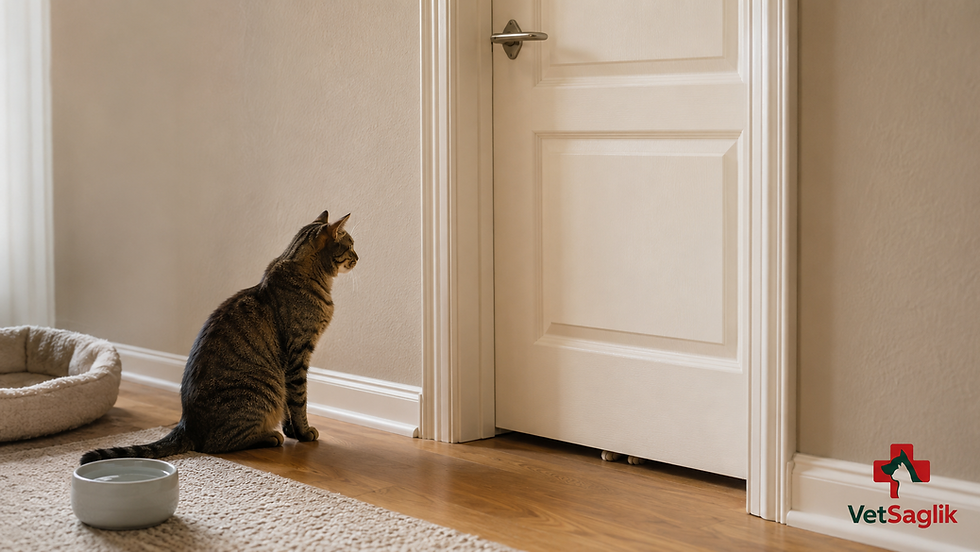
Step 1: Keep the Cats in Separate Rooms
When the new cat arrives, take it directly to the prepared transition room without allowing the cats to meet face-to-face. Keep the door closed and give the newcomer time to explore, eat, use the litter box, and become comfortable in this smaller environment.
The cats may hear and smell each other through the closed door. Some hissing, growling, or cautious behavior is normal, but neither cat should be forced to approach. Continue giving the resident cat access to its usual spaces and maintain its normal routine.
There is no fixed number of days for this stage. Move forward only when both cats appear relaxed near the door, continue eating normally, and show curiosity without intense fear or aggression. Depending on their personalities and previous experiences, this may take several days or considerably longer.

Step 2: Introduce the Cats Through Scent
Scent swapping allows the cats to gather information about each other without the pressure of direct contact. Gently rub a clean, soft cloth around one cat’s cheeks and facial area, then place it in the other cat’s room. Bedding, toys, or blankets can also be exchanged regularly.
Do not place the scented item directly in front of a cat or force it to investigate. Leave it nearby and allow the cat to approach at its own pace. Treats, play, or gentle attention can help create a positive association with the unfamiliar scent.
Once both cats remain calm around each other’s scent, briefly switch their locations without allowing them to meet. Let the new cat explore part of the home while the resident cat investigates the transition room. This “site swapping” helps each cat become familiar with the other’s presence before visual contact begins.

Step 3: Create Positive Associations With Food and Play
Feed the cats on opposite sides of the closed door so they begin associating each other’s presence and scent with something pleasant. Start with the bowls far enough from the door that both cats can eat comfortably. Over several meals, gradually move them closer only if neither cat shows significant stress.
Wet food, favorite treats, interactive toys, and calm play sessions can all be used during this stage. Keep each session short and stop before either cat becomes tense. If one cat refuses to eat, stares at the door, growls continuously, or tries to attack underneath it, move the bowls farther away and progress more slowly.
The goal is not simply to make the cats stay near each other. Both cats should be able to eat, play, or relax while noticing the other cat without feeling threatened.

Step 4: Allow Safe Visual Contact
When both cats remain calm near the closed door, begin controlled visual introductions. Use a secure screen door, tall pet gate, or slightly opened door that prevents physical contact. Make sure neither cat can jump over, squeeze through, or push the barrier aside.
Keep the first sessions very short—sometimes only a few seconds. Offer treats, wet food, or gentle play while the cats can see each other. End the session while both are still relatively calm rather than waiting for tension to escalate.
Brief hissing or cautious observation may occur and does not always mean the session has failed. However, prolonged staring, flattened ears, tail lashing, crouching, lunging, or repeated attempts to attack indicate that the cats need more distance. Close the barrier calmly and return to scent-based introductions before trying again.

Step 5: Begin Short, Supervised Meetings
Once both cats can see each other calmly through a barrier, allow them to share the same room for a brief, supervised meeting. Choose a spacious area with multiple escape routes, hiding places, and elevated surfaces. Never hold the cats close together or force them to approach.
Use treats, wet food, or interactive toys to keep the experience positive, but avoid placing food so close that either cat feels pressured. Allow the cats to observe, approach, or move away at their own pace. End the meeting after a few calm minutes and gradually increase the duration over subsequent sessions.
Keep a barrier, large piece of cardboard, or thick blanket nearby in case tension rises. Do not use your hands to separate fighting cats. Until the cats consistently remain relaxed together, keep them apart whenever nobody is available to supervise.
How to Tell Whether the Introduction Is Going Well
A successful introduction does not require the cats to immediately sleep together or groom each other. Peaceful coexistence is an appropriate initial goal.
Positive signs include:
Eating, playing, or resting while the other cat is nearby
Briefly sniffing and then moving away calmly
Relaxed ears, body posture, and tail position
Taking turns exploring shared areas
Passing one another without staring, chasing, or blocking access
Showing normal appetite, grooming, sleep, and litter-box habits
Occasional hissing or a brief warning swat may still occur while boundaries are being established. More concerning signs include prolonged staring, stalking, cornering, resource blocking, repeated chasing, hiding for extended periods, appetite loss, urine marking, or litter-box avoidance.
Progress should be judged by the cat showing the most fear or tension. If either cat becomes increasingly distressed, return to an earlier stage and proceed more gradually.
What to Do If the Cats Hiss, Growl, or Fight
Hissing and growling are warning signals that communicate discomfort and a need for more distance. Do not punish either cat, shout, spray water, or force them to remain together. Punishment can increase fear and cause each cat to associate the other with an unpleasant experience.
If tension begins to rise, calmly redirect the cats with a toy or block their view using a large piece of cardboard. If a fight occurs, never place your hands between them. Use a thick blanket, cushion, or solid barrier to separate them safely, then return each cat to its own secure area.
Allow both cats time to settle before restarting the introduction. Resume from an earlier stage, such as scent swapping or feeding on opposite sides of a closed door. Repeated fights are a sign that the process is moving too quickly or that the environment lacks sufficient space and resources.
Check both cats carefully for bites, scratches, limping, pain, or swelling after a fight. Cat bites can produce small punctures that later develop into painful abscesses, so suspected injuries should be examined by a veterinarian.
How Long Does It Take for Two Cats to Get Along?
There is no universal timeline. Some cats begin tolerating each other within a few days, while others require several weeks or even months. Age, temperament, social history, health, available space, and the intensity of their initial reaction can all affect the process.
The cats’ behavior—not the calendar—should determine when to move to the next stage. Rushing because a certain number of days has passed can lead to fights and make future introductions more difficult.
The final relationship can also vary. Some cats become close companions who play, groom, and sleep together. Others simply learn to share the home peacefully while maintaining their own preferred areas. Both outcomes can represent a successful introduction, provided neither cat lives in persistent fear or stress.
How to Arrange Food, Water, Litter Boxes, and Resting Areas
Cats are more likely to experience tension when they must compete for essential resources. Provide multiple feeding stations, water bowls, litter boxes, beds, scratching surfaces, hiding places, and elevated resting areas throughout the home.
A common guideline is one litter box per cat, plus one extra. For two cats, this means providing three boxes in separate locations. Placing several boxes next to one another may still feel like a single resource because one cat can block access to all of them.
Food and water should also be offered in different areas, especially during the introduction period. Each cat must be able to eat, drink, rest, and use a litter box without passing the other cat or risking being cornered. Vertical spaces such as cat trees, shelves, and window perches create additional territory and make it easier for the cats to avoid conflict.
Common Mistakes That Can Make the Introduction Worse
Even well-intentioned actions can create fear and make the cats associate each other with stress. Common mistakes include:
Allowing an immediate face-to-face meeting
Holding the cats close together so they can “get used to it”
Leaving them alone together too early
Moving to the next stage despite persistent stress
Punishing hissing, growling, or defensive behavior
Using too few litter boxes, feeding stations, or resting areas
Allowing one cat to block doorways or essential resources
Expecting the cats to become friends within a fixed period
Ignoring pain, illness, appetite loss, or litter-box changes
If a session goes badly, separate the cats calmly and return to the last stage at which both appeared comfortable. Slowing down is not a failure; it helps prevent repeated negative encounters that could make acceptance more difficult.
When Should You Consult a Veterinarian or Cat Behaviorist?
Consult a veterinarian if either cat shows a sudden or persistent change in behavior. Pain, illness, hormonal influences, or other medical problems can reduce tolerance and contribute to aggression. Warning signs include:
Refusing food or water
Persistent hiding or withdrawal
Urinating or defecating outside the litter box
Bite wounds, scratches, swelling, or limping
Repeated attacks or injuries
Ongoing fear that affects normal daily activities
If medical causes have been excluded but tension continues, ask your veterinarian about a qualified feline behaviorist or veterinary behaviorist. A professional can assess the home environment, identify subtle conflict, and create an individualized reintroduction plan. In severe cases, medication may be considered alongside environmental and behavioral changes, but it should only be used under veterinary supervision.
Frequently Asked Questions About how to introduce a new cat to your resident cat
Should I Let My Cats Fight It Out?
No. Fighting can cause physical injury and create a lasting negative association. Separate the cats safely and restart the introduction from an earlier stage.
Is Hissing Normal When Introducing Cats?
Brief hissing can be a normal request for distance. Continuous hissing, lunging, stalking, or attacking suggests that the introduction is progressing too quickly.
Can I Put the Cats Together After a Few Days?
Only if both cats are relaxed during the earlier stages. The decision should be based on their behavior rather than a fixed number of days.
Should the Cats Eat Together?
Initially, feed them on opposite sides of a closed door. Later, they may eat within sight of each other at a comfortable distance, but they should never be forced to share a bowl or eat side by side.
Can Pheromone Diffusers Help?
Synthetic feline pheromone diffusers may help reduce stress for some cats, but they do not replace gradual introductions, sufficient resources, and careful supervision.
Will My Cats Eventually Become Friends?
Some cats form a close bond, while others simply learn to coexist peacefully. The primary goal is for both cats to feel safe and use the home’s resources without fear, chasing, or intimidation.
References
Reference | Open Link |
Feline Veterinary Medical Association – Step-by-Step Guide: How to Introduce a New Cat to Other Cats in Your Home | |
Feline Veterinary Medical Association – 2024 Intercat Tension Guidelines | |
FelineVMA – Intercat Tension Guideline Brief | |
ASPCA – Aggression Between Cats in Your Household | |
Humane Society of the United States – How to Introduce Your New Cat to Resident Cats | |
Humane Society of the United States – Aggression Between Cats | |
Mersin Vetlife Veterinary Clinic |


Comments