
Newfoundland Dog: Gentle Giant Breed Guide, Price, Temperament, Care and Health

Origin and History of the Newfoundland Dog
The Newfoundland Dog is one of the most historically significant working breeds in the canine world. Originating from the island of Newfoundland in eastern Canada, this breed was developed to assist fishermen in harsh maritime conditions. Its roots date back several centuries, with strong evidence suggesting that early European settlers brought large working dogs that later mixed with local breeds, forming the foundation of the modern Newfoundland.
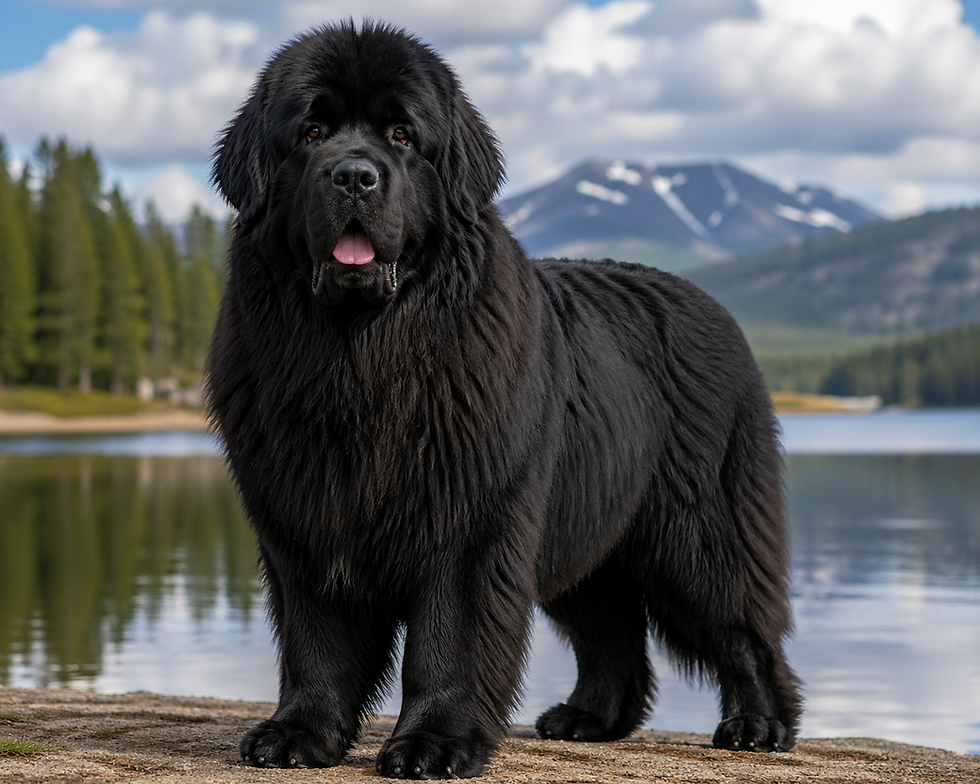
Historically, Newfoundland Dogs were used for:
Pulling fishing nets from the water
Hauling carts and heavy loads
Rescuing people from drowning
Delivering messages between ships and shore
Their physical and behavioral traits—such as webbed feet, a water-resistant double coat, and exceptional strength—are direct results of this working heritage. Even today, many Newfoundlands participate in water rescue training and competitions, preserving their ancestral skills.
Positive Traits of the Newfoundland Dog
Trait | Description |
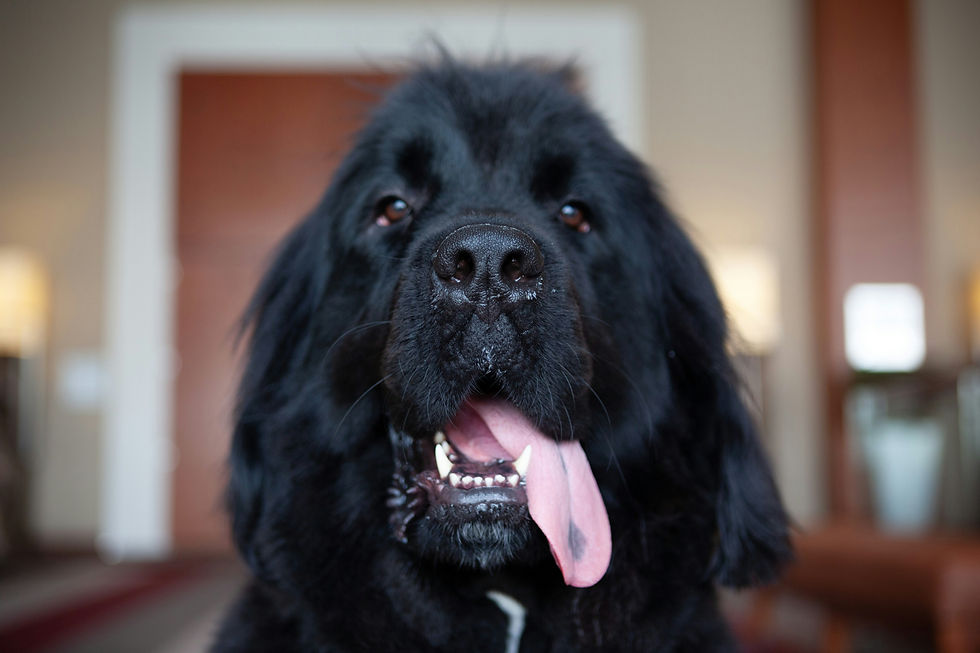
Gentle Temperament | Known as the “gentle giant,” the Newfoundland Dog is exceptionally calm, patient, and tolerant. It rarely shows aggression and is highly predictable in behavior. |
Excellent with Children | This breed is famously good with kids. Its protective instincts combined with a soft demeanor make it one of the safest large breeds for families. |
Natural Lifesaver Instinct | Newfoundlands have an innate ability to rescue people in water. They instinctively respond to distress and are capable of performing complex rescue tasks. |
Highly Loyal | They form strong emotional bonds with their owners and prefer staying close to family members rather than being independent. |
Strong Work Ethic | Historically bred for labor, they are reliable, determined, and capable of performing physically demanding tasks. |
Good with Other Animals | Generally friendly toward other dogs and pets when properly socialized. |
Cold Weather Tolerance | Their thick double coat makes them extremely resilient in cold climates. |
Low Reactivity | Unlike many large breeds, Newfoundlands are not easily triggered by noise, strangers, or environmental changes. |
Intelligent and Trainable | They learn quickly, especially when training is calm and consistent. They respond best to positive reinforcement methods. |
Protective but Not Aggressive | They will protect their family if necessary, but do so without unnecessary aggression, making them balanced guardians. |
The Newfoundland Dog’s positive traits make it one of the most desirable large breeds for families, especially those looking for a calm, affectionate, and reliable companion. However, these strengths come with responsibilities—particularly regarding grooming, space, and health—which will be covered in the following sections.
Negative Traits of the Newfoundland Dog
Trait | Description |
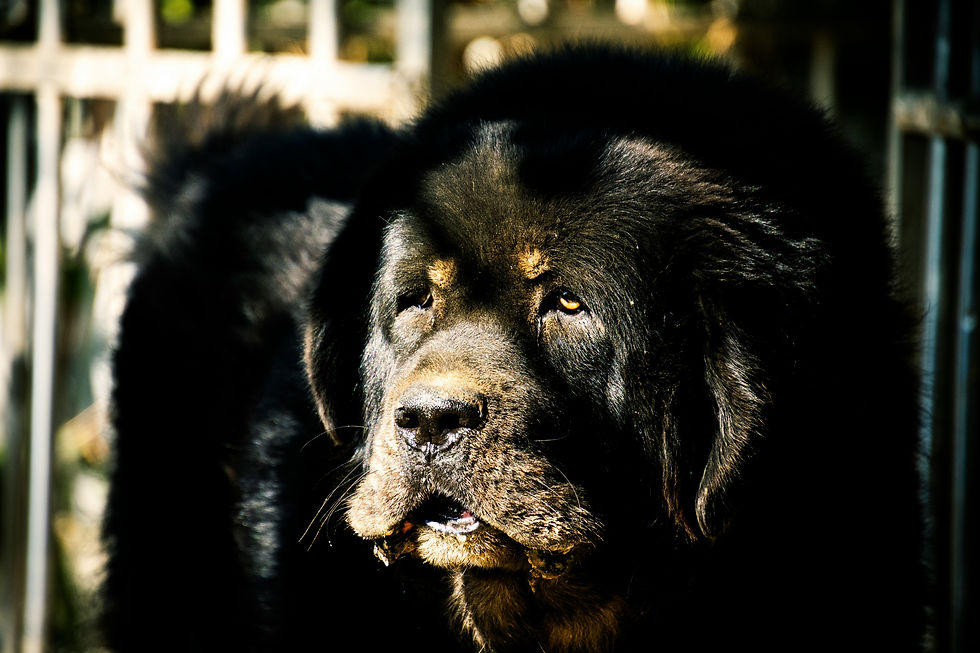
Excessive Drooling | Newfoundland Dogs are known for heavy drooling. Saliva can be frequent, especially after drinking water or during hot weather. This can be challenging in indoor environments. |
Heavy Shedding | Their thick double coat sheds significantly year-round, with seasonal peaks. Regular brushing is essential to manage loose hair. |
Very Large Size | Their massive body (often 50–70 kg) requires substantial living space. Small apartments are generally not suitable. |
Short Lifespan | Compared to smaller breeds, Newfoundlands have a relatively shorter lifespan, typically around 8–10 years. |
High Maintenance Grooming | Their dense coat requires frequent grooming to prevent matting, skin issues, and odor buildup. |
Heat Sensitivity | They are not well adapted to hot climates. Overheating can occur quickly without proper cooling and hydration. |
Expensive Upkeep | Food, grooming, medical care, and general maintenance costs are significantly higher than average. |
Slow Maturity | Newfoundland Dogs mature both physically and mentally at a slower rate, requiring patience in training. |
Risk of Joint Problems | Due to their size, they are prone to orthopedic issues such as hip and elbow dysplasia. |
Not Ideal for First-Time Owners (in some cases) | Their size, care needs, and strength can be overwhelming for inexperienced dog owners. |
The Newfoundland Dog is an exceptional breed, but these challenges should not be underestimated. Proper planning, financial readiness, and lifestyle compatibility are critical before choosing this breed.

Physical Characteristics of the Newfoundland Dog
The Newfoundland Dog is one of the largest and most physically powerful dog breeds in the world. Every aspect of its anatomy reflects its historical role as a working water dog.
General Size and Weight
Their body is massive, muscular, and well-balanced. Despite their size, they move with a surprisingly smooth and coordinated gait.
Coat and Texture
The Newfoundland has a thick, double-layered coat:
Outer Coat: Long, slightly oily, and water-resistant
Undercoat: Dense and insulating
This coat structure allows them to swim in icy waters without losing body heat. However, it also requires intensive maintenance.
Color Variations
Common coat colors include:
Black (most common)
Brown
Gray
Black and white (Landseer pattern)
Head and Facial Structure
Broad skull with a strong, square-shaped muzzle
Deep-set, expressive eyes (usually brown)
Small, triangular ears that lie close to the head
Their facial expression is soft and intelligent, reinforcing their “gentle giant” reputation.
Unique Physical Adaptations
Webbed Feet: One of the most distinctive traits. These enhance swimming efficiency and power.
Strong Tail: Acts as a rudder in water
Large Lung Capacity: Supports endurance swimming
Heavy Bone Structure: Provides strength for pulling and rescue tasks
Movement and Gait
Newfoundland Dogs have a slow but powerful gait. Their movement is:
Balanced
Energy-efficient
Capable of long-distance work
They are not built for speed but for endurance and strength.
Newfoundland Dog Price and Ownership Costs (EU & US)
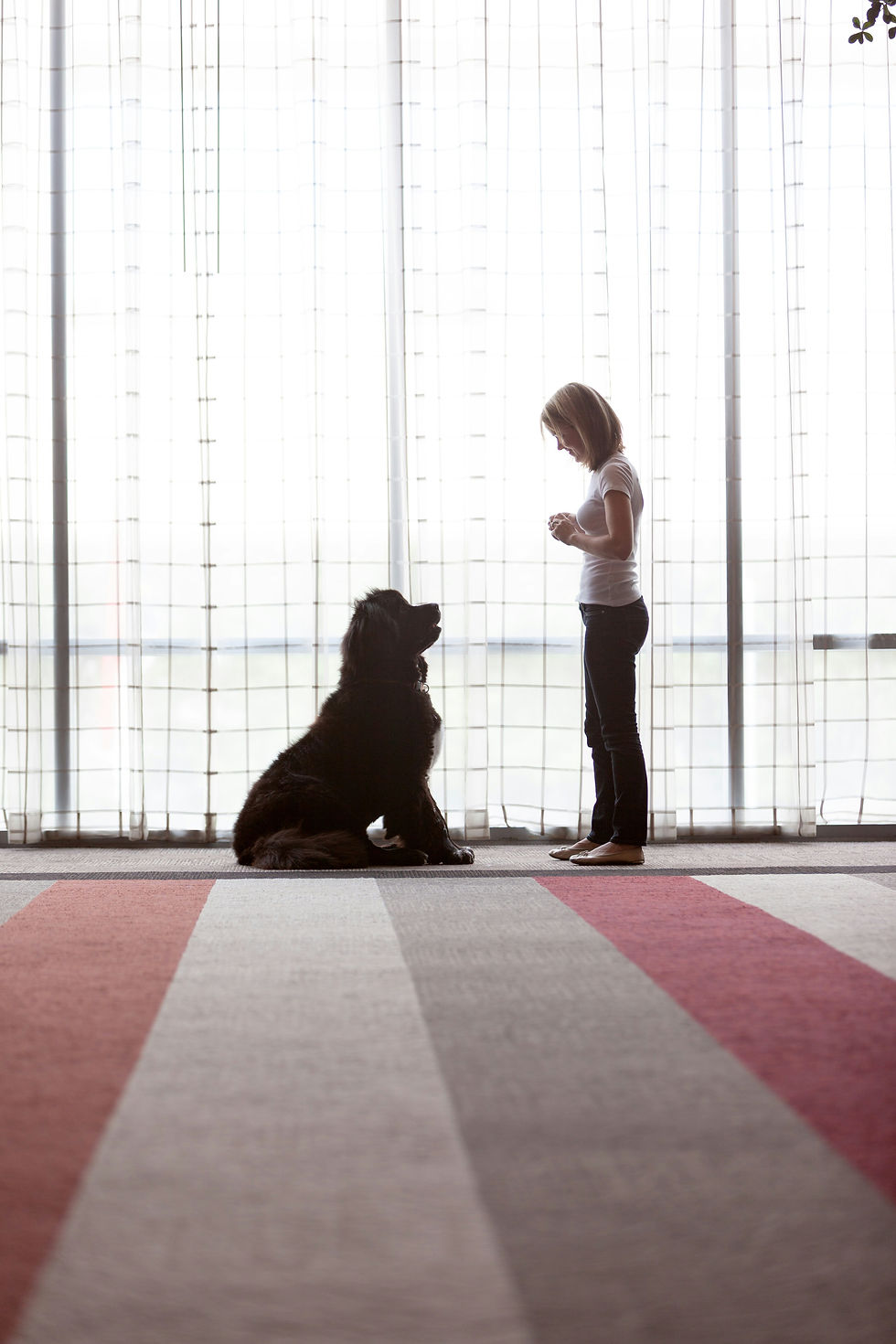
Owning a Newfoundland Dog is a significant financial commitment. Due to its giant size and maintenance needs, the total cost is much higher than average dog breeds. Below is a realistic breakdown based on EU and US markets.
Initial Purchase Price
Region | Average Price |
United States | $1,500 – $3,500 |
Europe | €1,200 – €3,000 |
Prices vary depending on:
Breeder reputation
Bloodline quality
Health testing (hip, elbow, heart)
Pedigree and registration
Monthly Expenses
Category | Estimated Cost (US) | Estimated Cost (EU) |
Food | $100 – $200 | €90 – €180 |
Grooming | $50 – $120 | €40 – €100 |
Healthcare | $50 – $150 | €40 – €120 |
Miscellaneous | $30 – $80 | €25 – €70 |
Annual Cost Estimate
US: $2,500 – $5,000
EU: €2,000 – €4,500
Key Cost Drivers
High-quality large breed nutrition
Frequent grooming (especially coat care)
Orthopedic and cardiac health monitoring
Preventive care (parasite protection, vaccinations)
Long-Term Cost Reality
Over a lifetime (8–10 years), a Newfoundland Dog may cost:
$25,000 – $50,000+ (US)
€20,000 – €45,000+ (EU)
This makes it essential for owners to plan financially before choosing this breed.

Common Diseases of the Newfoundland Dog
Disease | Description | Risk Level |
A genetic joint disorder where the hip socket does not form properly, leading to pain, lameness, and arthritis over time. Very common in giant breeds. | High | |
Elbow Dysplasia | Abnormal development of the elbow joint causing stiffness, pain, and reduced mobility, especially in young dogs. | High |
Subaortic Stenosis (SAS) | A serious congenital heart condition that restricts blood flow from the heart. One of the most critical diseases in this breed. | High |
Dilated Cardiomyopathy (DCM) | Enlargement and weakening of the heart muscle, reducing its ability to pump blood efficiently. | Medium |
A life-threatening condition where the stomach twists and fills with gas. Requires immediate emergency intervention. | High | |
Cystinuria | A genetic condition affecting kidney function, leading to the formation of urinary stones. More common in males. | Medium |
Osteosarcoma | A type of aggressive bone cancer seen more frequently in large and giant breeds. | Medium |
Cruciate Ligament Rupture | Knee ligament injury often related to weight and joint stress. Can lead to long-term mobility issues. | Medium |
Due to thick coat and moisture retention, bacterial skin infections can develop easily. | Medium | |
Due to low activity levels and large appetite, weight gain is common and worsens other health issues. | Medium |
Newfoundland Dogs require regular health screening, especially for heart and joint conditions. Early detection significantly improves quality of life.
Character and Behavior of the Newfoundland Dog
The Newfoundland Dog is widely known as the “gentle giant”, and this is not an exaggeration. Its temperament is one of the most stable and predictable among large breeds.
Core Personality Traits
Calm and Patient: Rarely hyperactive or aggressive
Affectionate: Deeply bonded to family members
Protective: Naturally watches over loved ones without being hostile
Sociable: Generally friendly with strangers and other animals
Behavior with Children
Newfoundlands are considered one of the best family dogs in the world. They:
Show high tolerance to children’s behavior
Rarely react aggressively
Often display nurturing instincts
However, due to their size, supervision is always necessary to prevent accidental knocks.
Water Instinct and Rescue Behavior
One of the most unique behavioral traits is their instinctive rescue response:
They may attempt to “save” people in water—even if not needed
Naturally swim toward struggling individuals
Can become highly focused in aquatic environments
This instinct comes directly from their working heritage.
Social Behavior
Not overly territorial
Low tendency for unnecessary barking
Usually welcoming toward guests
They are not ideal as aggressive guard dogs, but they provide strong passive protection.
Emotional Sensitivity
Newfoundland Dogs are emotionally intelligent:
Sensitive to owner tone and mood
Respond poorly to harsh training
Thrive in calm, structured environments
Independence vs Attachment
Prefer staying close to their owners
Not suitable for long periods of isolation
May develop separation-related stress if neglected
Intelligence and Training Ability of the Newfoundland Dog
The Newfoundland Dog is an intelligent and highly perceptive breed, but its learning style differs from more energetic working dogs like Border Collies or German Shepherds.
Intelligence Profile
Learns commands relatively quickly
Strong problem-solving ability in practical situations
Excels in task-based and purpose-driven training
They are not “fast responders” but rather thoughtful learners.
Training Style
Newfoundlands respond best to:
Positive reinforcement (reward-based training)
Calm and patient instruction
Consistent routines
They do NOT respond well to:
Harsh corrections
Loud or aggressive training methods
Key Training Considerations
Start training early (puppy stage is critical)
Focus on leash control (due to size and strength)
Prioritize basic obedience (sit, stay, recall)
Socialization must begin early
Work-Oriented Intelligence
Their intelligence shines in:
Water rescue training
Draft work (pulling loads)
Therapy and assistance roles
They are capable of understanding complex tasks, especially when tied to their natural instincts.
Stubbornness Factor
Can show mild stubbornness
May ignore repetitive or boring commands
Training must remain engaging and varied
Realistic Expectation
Newfoundland Dogs are:
Not the fastest learners
But extremely reliable once trained
Exercise and Activity Needs of the Newfoundland Dog
The Newfoundland Dog is not a hyperactive breed, but it still requires regular, controlled exercise to maintain health and prevent obesity.
Daily Exercise Requirements
Duration: 30–60 minutes per day
Type: Low-impact, structured activity
Intensity: Moderate
Newfoundlands are built for strength and endurance, not speed. Their exercise routine should reflect this.
Best Types of Exercise
Daily walks (essential)
Swimming (ideal for this breed)
Light pulling or draft work
Controlled play sessions
Swimming is especially beneficial because it:
Reduces stress on joints
Builds muscle strength
Matches their natural instincts
Activities to Avoid
High-impact running
Excessive jumping
Exercise in hot weather
These can lead to:
Joint damage
Overheating
Increased risk of heart strain
Puppy Exercise Considerations
Puppies should not be over-exercised:
Their bones and joints are still developing
Excess strain can cause long-term orthopedic issues
Exercise should be increased gradually as they grow.
Mental Stimulation
In addition to physical activity, Newfoundlands need:
Basic obedience training
Interactive games
Social interaction
Climate Sensitivity
Due to their thick coat:
Exercise should be done in cooler parts of the day
Hot and humid environments should be avoided
Feeding and Diet Recommendations for the Newfoundland Dog
Proper nutrition is critical for a giant breed like the Newfoundland Dog. Poor feeding habits can lead to obesity, joint problems, and serious conditions such as bloat.
Daily Food Intake
Adult Newfoundland: 4–8 cups of high-quality dry food per day
Divided into 2 meals
The exact amount depends on:
Age
Weight
Activity level
Metabolism
Diet Composition
A balanced diet should include:
High-quality animal protein
Moderate fat levels
Controlled calcium and phosphorus (especially for puppies)
Joint-support nutrients (glucosamine, chondroitin)
Puppy Nutrition
Puppies require:
Large-breed specific formulas
Controlled growth rates
Rapid growth must be avoided because it increases the risk of:
Hip dysplasia
Joint instability
Feeding Schedule
Puppies: 3 meals per day
Adults: 2 meals per day
Avoid:
Feeding once daily
Free-feeding (unlimited food access)
Bloat (GDV) Prevention
Newfoundlands are at high risk of gastric dilatation-volvulus (GDV).
To reduce risk:
Avoid exercise immediately after meals
Use slow-feeding bowls
Feed smaller, divided portions
Maintain a consistent feeding routine
Hydration
Provide fresh water at all times
Monitor intake in warm conditions
Common Feeding Mistakes
Overfeeding
Low-quality commercial diets
Excessive treats
Weight Management
Maintaining an ideal body condition:
Reduces stress on joints
Improves overall health
Extends lifespan
Training Techniques for the Newfoundland Dog
The Newfoundland Dog is intelligent and cooperative, but its size and slow maturity require a thoughtful training approach. Training is not optional for this breed—it is essential for safety and control.
Core Training Principles
Start early: Begin training during puppyhood
Be consistent: Use the same commands and routines
Stay calm: This breed responds best to gentle guidance
Use positive reinforcement: Rewards, praise, and food motivation work best
Harsh corrections or aggressive methods can lead to:
Loss of trust
Reduced responsiveness
Increased stubbornness
Essential Commands
Every Newfoundland Dog should reliably learn:
Sit
Stay
Come (recall)
Down
Loose leash walking
Because of their strength, leash training is critical. An untrained adult Newfoundland can easily overpower an owner.
Socialization
Early socialization helps prevent behavioral issues:
Exposure to different people, animals, and environments
Positive experiences in new situations
Gradual introduction to noise and movement
A well-socialized Newfoundland becomes:
Calm in public
Confident around strangers
Stable in different environments
Training Challenges
Slow maturity: Mental development takes time
Mild stubbornness: May resist repetitive or boring tasks
Sensitivity: Negative tone affects performance
Training sessions should be:
Short
Varied
Engaging
Advanced Training Potential
Newfoundland Dogs excel in:
Water rescue training
Therapy work
Assistance roles
Draft work (pulling carts)
Their natural instincts make them highly reliable in purpose-driven tasks.
Coat, Skin, Eye, and Ear Care of the Newfoundland Dog
Area | Recommendation |
Coat Care | Brush at least 3–4 times per week to prevent matting. During shedding seasons, daily brushing is recommended. Use a slicker brush and undercoat rake. |
Bathing | Bathe every 4–6 weeks or as needed. Use a gentle dog shampoo to avoid stripping natural oils. Ensure the coat is fully dried to prevent skin issues. |
Shedding Management | Expect heavy shedding year-round. Regular grooming reduces loose hair and prevents tangles. Professional grooming may be required. |
Skin Care | Check regularly for hot spots, especially in warm or humid conditions. Keep the coat clean and dry to reduce bacterial growth. |
Ear Care | Inspect ears weekly. Clean gently to prevent infections, especially after swimming. Moisture buildup can lead to ear problems. |
Eye Care | Monitor for redness, discharge, or irritation. Clean gently with a soft cloth if needed. |
Nail Care | Trim nails every 3–4 weeks. Overgrown nails can affect posture and movement. |
Dental Care | Brush teeth 2–3 times per week to prevent tartar buildup and gum disease. |
Key Grooming Reality
Newfoundland grooming is time-consuming and non-negotiable. Without proper care:
Mats and tangles develop quickly
Skin infections become more likely
Odor and hygiene issues increase
Professional Grooming
Many owners rely on professional groomers because:
The coat is extremely dense
Proper drying requires specialized equipment
Trimming and maintenance can be physically demanding
General Health and Life Expectancy of the Newfoundland Dog
The Newfoundland Dog is a giant breed, and like most large dogs, its overall health profile is closely tied to genetics, nutrition, weight control, and lifestyle management.
Average Life Expectancy
Typically 8–10 years
Some individuals may live slightly longer with optimal care
Compared to smaller breeds, this is considered a relatively short lifespan, which is common among giant dogs.
General Health Profile
Newfoundlands are:
Physically strong but medically sensitive
Prone to genetic and size-related conditions
Highly dependent on preventive care
Key Health Priorities
Joint health: Hip and elbow monitoring is essential
Cardiac health: Regular heart evaluations are recommended
Weight control: Obesity significantly worsens all major risks
Skin care: Thick coat predisposes to infections if neglected
Preventive Care Strategy
A well-managed Newfoundland should have:
Routine veterinary check-ups (at least once per year)
Vaccination and parasite control programs
Early screening for heart and orthopedic diseases
A controlled diet with proper portion management
Impact of Lifestyle on Lifespan
Lifespan can vary significantly depending on:
Diet quality
Exercise routine
Living conditions
Access to medical care
Well-cared-for dogs tend to have:
Better mobility in later years
Reduced disease severity
Improved quality of life
Ideal Owner and Living Environment for the Newfoundland Dog
The Newfoundland Dog is not suitable for every household. Its size, needs, and temperament require a very specific type of owner and environment.
Ideal Owner Profile
The best Newfoundland owners are:
Experienced or well-informed dog owners
Patient and calm individuals
Financially prepared for high maintenance costs
Willing to dedicate time to grooming and care
This breed is not ideal for people who:
Prefer low-maintenance pets
Have limited time for daily care
Are not comfortable handling large, powerful dogs
Living Environment Requirements
Large living space is strongly recommended
Homes with a yard are ideal
Apartments are generally not suitable
They need room to:
Move comfortably
Rest without restriction
Avoid overheating
Climate Suitability
Newfoundlands thrive in:
Cold or temperate climates
They struggle in:
Hot and humid environments
Owners in warmer regions must provide:
Air-conditioned indoor spaces
Limited daytime activity
Constant access to fresh water
Family Compatibility
This breed is excellent for:
Families with children
Multi-pet households
They are known for:
Gentle interactions
High tolerance
Strong emotional bonding
Time and Attention Needs
Newfoundland Dogs:
Prefer constant companionship
Do not tolerate long periods alone
May develop behavioral issues if neglected
Space vs Lifestyle Reality
Even with enough space, owners must also consider:
Daily cleaning (due to shedding and drooling)
Grooming time commitment
Physical strength needed for handling
Life Expectancy and Reproduction of the Newfoundland Dog
Reproductive Maturity
Females reach maturity around 18–24 months
Males may take slightly longer to fully mature
Due to their large size, early breeding is not recommended.
Breeding Considerations
Careful selection is critical to reduce genetic diseases
Health screening (hips, heart, cystinuria) is essential
Breeding should only be done responsibly
Pregnancy and Litter Size
Average litter size: 6–10 puppies
Large litters are common in this breed
Due to size:
Pregnancy and delivery may require close monitoring
Veterinary supervision is often necessary
Longevity and Reproductive Impact
Responsible breeding improves lifespan and health outcomes
Poor breeding practices significantly increase disease risk
Frequently Asked Questions (FAQ) About the Newfoundland Dog
Is the Newfoundland Dog a good family dog?
The Newfoundland Dog is widely considered one of the best family dogs, especially for households with children. Its calm, patient, and tolerant nature makes it highly reliable in family environments. Unlike many large breeds, it rarely shows aggression and tends to be naturally protective without being overly reactive. However, due to its massive size, supervision is always recommended around small children to prevent accidental knocks.
Is the Newfoundland Dog aggressive?
No, the Newfoundland Dog is not an aggressive breed. It is known for its gentle and stable temperament. While it may act protectively if it senses danger, it typically avoids confrontation. Proper socialization ensures that the dog remains calm and confident in different situations.
How big does a Newfoundland Dog get?
Newfoundland Dogs are giant-sized dogs. Adult males typically weigh between 60–70 kg and females between 45–55 kg. Their height can reach around 66–71 cm at the shoulder. Their large size is one of their defining characteristics and requires adequate space and handling capability.
How much does a Newfoundland Dog cost?
The price of a Newfoundland Dog varies depending on location and breeder quality. In the United States, prices usually range from $1,500 to $3,500, while in Europe, they range from €1,200 to €3,000. In addition to the purchase price, ongoing costs such as food, grooming, and healthcare are significantly higher than average due to the dog’s size.
Does the Newfoundland Dog shed a lot?
Yes, the Newfoundland Dog sheds heavily throughout the year, with increased shedding during seasonal transitions. Its thick double coat requires frequent brushing to manage loose hair and prevent matting. Owners should be prepared for regular cleaning and grooming.
Is the Newfoundland Dog suitable for hot climates?
No, the Newfoundland Dog is not well-suited for hot climates. Its dense double coat is designed for cold environments, and it can easily overheat in warm conditions. If kept in a hot region, it requires air conditioning, limited outdoor activity during peak heat, and constant access to fresh water.
How long does a Newfoundland Dog live?
The average lifespan of a Newfoundland Dog is approximately 8–10 years. This is typical for giant breeds. Proper care, nutrition, and regular health monitoring can help improve both lifespan and quality of life.
Is the Newfoundland Dog easy to train?
The Newfoundland Dog is intelligent and trainable, but it is not a fast learner compared to some working breeds. It responds best to calm, consistent, and reward-based training methods. Harsh training techniques should be avoided, as the breed is sensitive and may become uncooperative.
Does the Newfoundland Dog bark a lot?
No, the Newfoundland Dog is generally not a frequent barker. It tends to be quiet and only barks when necessary, such as when alerting its owner to something unusual.
Can the Newfoundland Dog live in an apartment?
This breed is generally not suitable for apartment living due to its large size and space requirements. It thrives in homes with ample indoor space and ideally a yard. Limited space can lead to discomfort and reduced quality of life.
Is the Newfoundland Dog good with other pets?
Yes, Newfoundland Dogs are typically friendly and tolerant toward other animals. With proper socialization, they can coexist peacefully with other dogs and even smaller pets.
Why is the Newfoundland Dog called a “gentle giant”?
The breed is called a “gentle giant” because of its large size combined with a calm, affectionate, and non-aggressive personality. This unique combination makes it stand out among giant dog breeds.
Does the Newfoundland Dog drool a lot?
Yes, excessive drooling is common in Newfoundland Dogs. Owners should expect saliva, especially after eating, drinking, or during warm weather.
Is the Newfoundland Dog a good guard dog?
The Newfoundland Dog is not a traditional guard dog. It is more of a passive protector. While it may defend its family if necessary, it is generally friendly and not aggressive toward strangers.
How much exercise does a Newfoundland Dog need?
The Newfoundland Dog requires moderate daily exercise, typically 30–60 minutes. Activities such as walking and swimming are ideal. Over-exercising, especially in hot weather, should be avoided.
Can the Newfoundland Dog swim well?
Yes, the Newfoundland Dog is an excellent swimmer. It has webbed feet, a strong tail, and a water-resistant coat, making it one of the best swimming dog breeds in the world.
Is the Newfoundland Dog suitable for first-time owners?
It depends. While the breed has a gentle temperament, its large size, grooming needs, and cost can be challenging for inexperienced owners. First-time owners must be well-prepared and committed.
What health problems are common in Newfoundland Dogs?
Common health issues include hip dysplasia, heart diseases such as subaortic stenosis, bloat (GDV), and joint problems. Regular health screening is important for early detection.
How often should a Newfoundland Dog be groomed?
Regular grooming is essential. Brushing should be done at least 3–4 times per week, with more frequent sessions during shedding seasons. Professional grooming may also be required.
What does a Newfoundland Dog eat?
A Newfoundland Dog should be fed high-quality, large-breed dog food with balanced nutrients. Portion control is important to prevent obesity. Meals should be divided into at least two portions per day.
Is the Newfoundland Dog prone to obesity?
Yes, due to its large appetite and moderate activity level, the Newfoundland Dog is prone to weight gain. Proper diet and regular exercise are necessary to maintain a healthy weight.
How strong is a Newfoundland Dog?
The Newfoundland Dog is extremely strong. It was historically used for pulling nets and rescuing people from water. Its strength requires proper training and handling.
Does the Newfoundland Dog need a lot of attention?
Yes, this breed prefers constant companionship and strong human interaction. It does not do well when left alone for long periods and may develop behavioral issues if neglected.
Is the Newfoundland Dog a high-maintenance breed?
Yes, the Newfoundland Dog is considered high-maintenance due to grooming needs, feeding costs, healthcare requirements, and space demands. It is best suited for owners who are fully prepared for these responsibilities.
Keywords
newfoundland dog, newfoundland dog price, newfoundland dog temperament, newfoundland dog care, newfoundland dog size
Sources
Source | Link |
American Kennel Club (AKC) – Newfoundland Breed Information | |
American Kennel Club (AKC) – Newfoundland Breed Standard | |
Fédération Cynologique Internationale (FCI) – Breed Standard No. 50 | |
The Kennel Club (UK) – Newfoundland Breed Standard | |
American Veterinary Medical Association (AVMA) | |
Newfoundland Club of America | |
Mersin Vetlife Veterinary Clinic |


Comments