
All About the Chinchilla Cat – Appearance, Personality, Price & Complete Care Guide

Updated: Sep 23

Origin and History of the Chinchilla Cat
The Chinchilla Cat is not a separate breed but a specific coat variety that originated within the Persian cat lineage. The term “Chinchilla” refers to the cat’s uniquely tipped silver coat, which resembles the fur of the South American chinchilla rodent. Over time, this coat type became so popular that many people began referring to these cats simply as “Chinchilla Cats,” although technically they are a variety of the Persian breed.
The history of the Chinchilla Cat dates back to the late 19th century in the United Kingdom. The first known silver Persian was reportedly born in 1882, the result of selective breeding between smoke-colored and silver tabby Persians. Breeders were fascinated by the luminous pale coat combined with dark tipping, which created a sparkling effect. This coat pattern quickly gained attention in cat shows across England.
One of the most historically significant early cats was “Silver Lambkin,” considered a foundation ancestor of many modern silver and chinchilla Persians. Through careful and deliberate breeding, British breeders refined the coat color to achieve:
A pure white undercoat
Black tipping only on the outermost hair
Emerald green or blue-green eyes
Dark eyeliner and nose outlining
By the early 20th century, Chinchilla Persians were firmly established as one of the most elegant and prestigious show cats in Europe. Their popularity spread to North America, where breeders continued refining facial structure, coat density, and eye color.
Over time, the Chinchilla coat pattern was also developed in other breeds such as the British Shorthair and occasionally Exotic Shorthair. However, the long-haired Persian version remains the most iconic and widely recognized form.
Today, when people search for “Chinchilla Cat,” they are typically referring to:
Chinchilla Persian (Silver Shaded Persian)
Silver Shaded British Shorthair
Golden Chinchilla variations
Despite being rooted in Persian genetics, the Chinchilla Cat has developed a strong identity due to its distinctive coat and aristocratic appearance. In many countries, it is associated with luxury, refinement, and high breeding standards.

Positive Traits of the Chinchilla Cat
Trait | Description |
Gentle Temperament | Calm, affectionate, and emotionally attached to their owners. They prefer peaceful environments and stable routines. |
Elegant Appearance | One of the most visually striking coat types in the feline world. The silver tipping creates a luminous, high-end look. |
Indoor Adaptability | Well suited to apartment living and indoor lifestyles. They do not require large outdoor space. |
Low Aggression | Rarely display aggressive behavior. Typically patient with adults and respectful children. |
Moderate Activity Level | Playful but not hyperactive. Ideal for owners who prefer a balanced companion. |
Strong Human Bond | Often develop deep attachment to one or two primary caretakers. |
Quiet Nature | Generally soft-voiced and not excessively vocal. |
Show Quality Genetics | Frequently bred with strict pedigree standards, resulting in predictable temperament and coat traits. |
The Chinchilla Cat is often described as refined, calm, and emotionally intuitive. Unlike highly energetic breeds, they tend to prefer comfort and stability. They enjoy lounging in warm, soft spaces and often choose elevated resting spots where they can observe their environment.
Their personality makes them particularly suitable for:
Apartment dwellers
First-time cat owners
Seniors or quiet households
Owners seeking a visually stunning but calm companion
However, their elegance comes with responsibility. While their temperament is stable and affectionate, they require consistent grooming and structured care to maintain their iconic coat.

Negative Traits of the Chinchilla Cat
Trait | Description |
High Grooming Requirement | Long, dense coat mats easily if not brushed daily. Neglect quickly leads to painful tangles. |
Tear Staining | Prominent in flat-faced lines. Eye discharge can stain the silver coat and requires daily cleaning. |
Brachycephalic Issues | Some lines have shortened muzzles, which may cause breathing difficulties and dental crowding. |
Sensitive to Heat | Thick coat makes them less tolerant of hot climates without air conditioning. |
Moderate Shedding | Despite elegance, they shed significantly, especially seasonally. |
Not Highly Athletic | Less agile compared to active breeds like Abyssinians or Bengals. |
Emotional Sensitivity | May become stressed in noisy, chaotic households. |
Higher Purchase Cost | Premium pedigree pricing makes them less accessible. |
The Chinchilla Cat is elegant but maintenance-heavy. Their coat is not just decorative — it is demanding. Owners who skip daily brushing often face matting that requires professional shaving.
Facial structure also plays a role in potential health and hygiene challenges. Flat-faced individuals require consistent eye cleaning to prevent staining and irritation.
While calm and affectionate, they are not highly adaptable to unpredictable environments. Loud households, frequent relocation, or constant visitors may cause anxiety.
This breed suits owners who:
Prefer a quiet indoor lifestyle
Are committed to daily grooming
Appreciate aesthetic beauty and refinement
Can invest in ongoing coat and health care
They are not ideal for extremely busy households seeking a low-maintenance pet.

Physical Characteristics of the Chinchilla Cat
The Chinchilla Cat is widely considered one of the most visually refined and luxurious-looking feline varieties in the world. Although technically a Persian coat variation, its physical features have been selectively refined over generations to enhance elegance, coat brilliance, and facial expression.
Coat Structure and Color
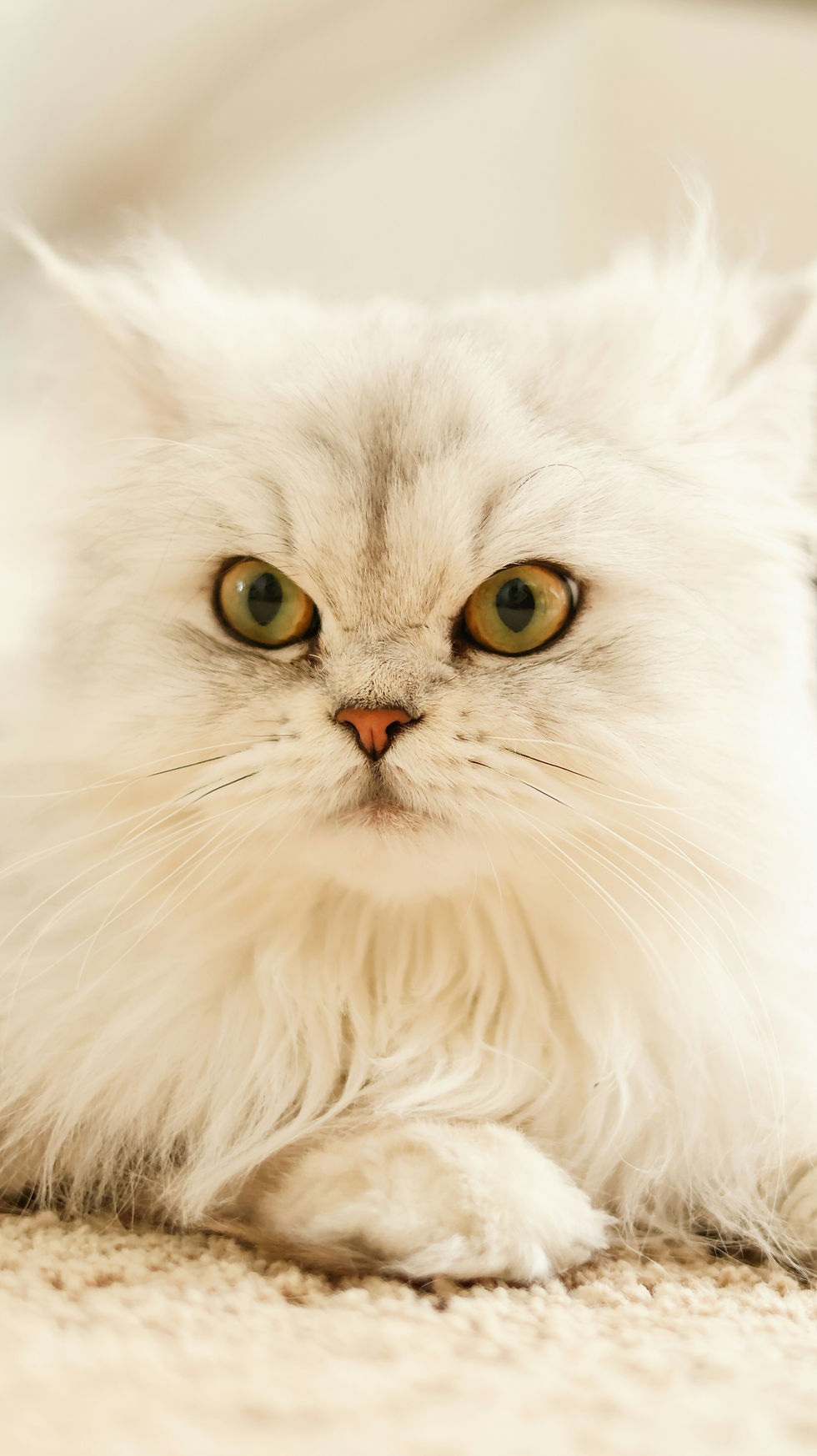
The defining feature of the Chinchilla Cat is its silver-tipped coat. Each hair strand has a pure white base with only the outermost tip colored black (or sometimes dark gray). This creates a shimmering, frosted effect when light hits the fur.
Key coat characteristics include:
Dense, long, silky double coat
Pure white undercoat
Black tipping covering approximately 1/8 of the hair length
No tabby striping (unlike silver tabbies)
Dark eyeliner-like facial markings
The coat must appear evenly shaded without patchiness. In show standards, uneven tipping or excessive shading is considered a fault.
Golden Chinchilla variations also exist. In these cats, the undercoat is warm cream or apricot instead of white, while the tipping remains dark.
Eye Color and Facial Expression
The Chinchilla Cat is famous for its large, round, emerald green eyes. This eye color contrasts dramatically with the pale coat and is a major reason for its popularity.
Distinctive facial features include:
Deep green or blue-green eyes
Black eye rims
Brick-red nose with dark outline
Rounded head with short muzzle (in Persian type)
Sweet, doll-like expression
Modern show-line Persians may have flatter faces (brachycephalic structure), while traditional or “doll-face” types have a slightly longer muzzle and fewer breathing issues.
Body Structure
The Chinchilla Cat has a medium-to-large, compact body typical of Persian lineage:
Short, thick legs
Broad chest
Rounded shoulders
Heavy bone structure
Full ruff around the neck
Average weight:
Females: 3.5–5 kg (7–11 lbs)
Males: 4–6.5 kg (9–14 lbs)
They are not athletic jumpers compared to Oriental breeds. Instead, they are built for stability and presence rather than speed.
Tail and Ear Shape
Medium-length bushy tail
Rounded ear tips
Ears set wide apart on a rounded skull
The overall appearance is symmetrical and balanced. Nothing about a Chinchilla Cat should appear sharp or angular. The breed standard emphasizes softness, roundness, and coat brilliance.
Chinchilla Cat Price in the US and Europe (Real Ownership Cost Breakdown)
The Chinchilla Cat is considered a premium pedigree variety. Pricing varies significantly depending on lineage quality, show potential, breeder reputation, and geographic location.
Purchase Price (Kitten)
Region | Pet Quality | Show Quality |
United States | $1,500 – $3,500 | $4,000 – $7,000+ |
United Kingdom | £1,200 – £3,000 | £3,500 – £6,000 |
European Union | €1,300 – €3,500 | €3,500 – €6,500 |
Show-quality kittens from champion bloodlines command significantly higher prices, especially if they meet strict coat tipping and eye color standards.
Golden Chinchilla variants can sometimes cost even more due to rarity.
Initial Setup Costs
Item | Estimated Cost (US) | Estimated Cost (EU) |
Premium Litter Box | $50 – $150 | €40 – €130 |
Grooming Tools (High-quality brushes, combs) | $80 – $200 | €70 – €180 |
Carrier | $60 – $200 | €50 – €180 |
Cat Tree (Heavy-duty) | $150 – $400 | €130 – €350 |
Initial Veterinary Exam | $100 – $250 | €80 – €200 |
Total initial setup:Approximately $400 – $1,200 / €350 – €1,000
Monthly Maintenance Costs
Category | US | EU |
High-Quality Food | $50 – $120 | €45 – €110 |
Grooming Products | $20 – $50 | €18 – €45 |
Pet Insurance | $30 – $70 | €25 – €60 |
Litter | $25 – $50 | €20 – €45 |
Average monthly cost:$125 – $290 / €110 – €260
Grooming Cost Consideration
Many owners underestimate grooming expenses. Professional grooming every 4–8 weeks may cost:
US: $70 – $150 per session
EU: €60 – €140 per session
Long-haired Chinchilla Cats require consistent coat maintenance to prevent matting, especially around the ruff and hindquarters.
Lifetime Cost Estimate
Assuming a lifespan of 12–16 years, total lifetime ownership cost may exceed:
$18,000 – $30,000+ in the US
€16,000 – €28,000+ in Europe
This estimate includes food, vet care, insurance, grooming, and supplies, but excludes unexpected medical emergencies.
The Chinchilla Cat is not an inexpensive breed. Its luxurious coat and pedigree background place it firmly in the premium companion category. Owners must be prepared for both financial and time commitment.

Character and Personality of the Chinchilla Cat
The Chinchilla Cat is often described as elegant not only in appearance but also in temperament. While rooted in Persian genetics, this coat variety has developed a reputation for being calm, emotionally sensitive, and highly people-oriented. They are not high-energy thrill-seekers. Instead, they thrive in peaceful, predictable environments.
Emotional Temperament
Chinchilla Cats are deeply affectionate but selective. They tend to form strong bonds with one or two primary caretakers rather than being equally attached to everyone in the household. Once bonded, they become loyal, gentle companions who enjoy quiet proximity.
They typically display:
Soft, melodic vocalization rather than loud meowing
Preference for calm interaction over rough play
High sensitivity to owner mood and emotional tone
Strong need for stable routines
They are not clingy in an overwhelming way, but they dislike being ignored for long periods. Extended isolation may lead to mild anxiety or withdrawal.
Social Behavior
Chinchilla Cats are moderately social. They generally tolerate other calm cats and cat-friendly dogs if introductions are gradual. However, they may struggle in overly chaotic multi-pet households.
With children, they do best with older, respectful kids who understand gentle handling. Rough play or loud environments can stress them.
Unlike highly curious breeds that explore every cabinet, Chinchilla Cats are more observant than intrusive. They prefer elevated resting spots where they can calmly watch their surroundings.
Activity Level
Their energy level is moderate to low. They enjoy interactive toys, coat wands, and light chasing games, but they are not marathon runners.
Daily activity pattern often includes:
Short bursts of play
Long resting periods
Grooming sessions
Quiet companionship near their owner
They are ideal for apartment living because they do not require large territories or intense physical stimulation.
Independence vs Attachment
Chinchilla Cats strike a balance between independence and emotional attachment. They are not overly demanding but do appreciate attention. Owners who work long hours may consider environmental enrichment such as:
Window perches
Soft climbing structures
Interactive puzzle feeders
Overall personality summary:Refined, calm, affectionate, sensitive, and moderately playful.
Common Diseases of the Chinchilla Cat
Due to their Persian lineage and selective breeding for coat and facial traits, Chinchilla Cats are predisposed to certain genetic and structural health issues. Responsible breeders screen for many of these conditions, but awareness is essential for long-term care.
Disease | Description | Risk Level |
Polycystic Kidney Disease (PKD) | Genetic kidney disorder common in Persian lines. Leads to cyst formation and gradual kidney failure. | High |
Brachycephalic Airway Syndrome | Narrow nasal passages in flat-faced lines can cause breathing difficulty and snoring. | Moderate |
Dental Malocclusion | Shortened jaw structure may cause crowded teeth and plaque accumulation. | Moderate |
Tear Duct Overflow (Epiphora) | Chronic tear staining due to facial anatomy. | Moderate |
Thickening of heart muscle, seen in various pedigree cats. | Low–Moderate | |
Low activity level can lead to weight gain without portion control. | Moderate | |
Dermatitis from Matting | Poor grooming may cause skin inflammation under tangled fur. | Preventable |
Polycystic Kidney Disease (PKD)
PKD is one of the most significant inherited conditions in Persian-related breeds. It is caused by a genetic mutation that results in fluid-filled cysts forming in the kidneys. DNA testing has significantly reduced prevalence in reputable breeding programs, but screening remains crucial.
Respiratory Considerations
Flat-faced Chinchilla lines may experience:
Noisy breathing
Reduced heat tolerance
Exercise intolerance in extreme cases
Choosing a breeder who prioritizes moderate facial structure can reduce risk.
Eye and Skin Concerns
Because of their coat color and facial anatomy:
Tear staining is common
Eye infections may occur if hygiene is neglected
Skin irritation can develop under matted fur
Daily eye cleaning and regular brushing dramatically reduce complications.
Preventive Care
Best practices include:
Annual veterinary examinations
Genetic testing documentation from breeder
Weight monitoring
High-quality nutrition
Consistent grooming routine
When responsibly bred and properly maintained, Chinchilla Cats can live healthy, stable lives despite their predispositions.
Intelligence and Learning Ability of the Chinchilla Cat
The Chinchilla Cat is often underestimated in terms of intelligence because of its calm demeanor. However, beneath the serene exterior lies a cat with solid problem-solving ability, strong environmental awareness, and refined observational skills. Their intelligence is not hyperactive or mischievous like some oriental breeds, but rather quiet and deliberate.
Cognitive Style
Chinchilla Cats tend to think before acting. They observe their environment carefully and assess situations calmly. This trait makes them:
Less impulsive
Less destructive
More predictable in behavior
They quickly learn household routines such as feeding times, sleeping areas, and owner habits. Many owners report that their Chinchilla Cat recognizes specific sounds, including treat containers or grooming tools.
Trainability
While not as eager-to-please as dogs, Chinchilla Cats respond well to:
Positive reinforcement
Clicker training
Gentle repetition
They can learn:
Name recognition
Litter box consistency
Basic recall
Target training
Simple tricks such as “sit” or “high five”
Because they are emotionally sensitive, harsh correction is counterproductive. Calm tone and consistency are essential.
Environmental Enrichment Needs
Although not hyperactive, mental stimulation is important. Without enrichment, they may become bored and sedentary.
Recommended stimulation methods:
Puzzle feeders
Window perches for outdoor observation
Rotating toy selection
Light interactive play sessions
Their intelligence is best described as steady and adaptable rather than energetic and adventurous.
Memory and Emotional Intelligence
Chinchilla Cats possess strong emotional intelligence. They often:
Detect owner mood shifts
Seek proximity during quiet moments
Avoid confrontation
This breed is particularly attuned to household harmony. Emotional stress in the home can directly affect their behavior.
In summary, the Chinchilla Cat is intelligent in a composed and observant manner. They thrive in structured, calm environments where mental engagement is present but not overwhelming.
Play and Activity Level of the Chinchilla Cat
The Chinchilla Cat has a moderate-to-low activity profile compared to many modern active breeds. They enjoy play but do not require intense physical stimulation.
Natural Activity Pattern
A typical day includes:
Short play bursts (5–15 minutes)
Long resting periods
Grooming sessions
Window observation
They are not climbers or extreme jumpers. Their heavier bone structure and dense coat make them more suited to ground-level play or moderate climbing structures.
Preferred Play Types
Chinchilla Cats respond well to:
Coat wand toys
Soft plush toys
Slow-moving laser play (short sessions only)
Gentle chasing games
They are less inclined toward:
High-speed sprints
Extreme vertical climbing
Aggressive wrestling
Because of their calmer temperament, overstimulation can cause withdrawal rather than excitement.
Risk of Sedentary Lifestyle
Due to their low activity preference, obesity risk increases if diet is not controlled. Owners should ensure:
Scheduled daily play sessions
Portion-controlled feeding
Avoidance of free-feeding dry food
Even 10–20 minutes of interactive engagement daily can significantly improve muscle tone and mental well-being.
Apartment Suitability
Their moderate activity level makes them excellent for:
Apartments
Urban homes
Indoor-only living
They do not require outdoor access to remain satisfied, provided environmental enrichment is present.
Age-Related Activity Changes
Kittens are naturally more playful and energetic. However, as they mature, Chinchilla Cats tend to become:
More relaxed
More routine-oriented
Less physically demanding
This makes them especially attractive for owners seeking a visually stunning but low-drama companion.
Feeding and Diet Recommendations for the Chinchilla Cat
Proper nutrition plays a crucial role in maintaining the Chinchilla Cat’s coat brilliance, kidney health, and ideal body condition. Because of their moderate activity level and Persian genetic background, diet must be carefully balanced to prevent obesity and metabolic strain.
Nutritional Priorities
The Chinchilla Cat benefits from:
High-quality animal protein as the primary ingredient
Moderate fat content
Controlled carbohydrate levels
Adequate taurine
Omega-3 and Omega-6 fatty acids for coat health
Their luxurious silver coat requires consistent nutritional support. Deficiencies in essential fatty acids can quickly dull coat shine and increase shedding.
Wet vs Dry Food
A mixed feeding approach is often recommended.
Wet food benefits:
Higher moisture content supports kidney health
Lower carbohydrate density
Helps prevent dehydration
Dry food benefits:
Dental mechanical cleaning
Convenient storage
Calorie control if measured carefully
Because Persian-related breeds have a predisposition to kidney issues such as PKD, hydration is especially important. Wet food or water fountains can significantly improve fluid intake.
Portion Control and Weight Management
Due to their calm lifestyle, Chinchilla Cats are prone to gradual weight gain.
Typical daily calorie needs:
Indoor adult (4–5 kg): ~180–220 kcal per day
Less active individuals: slightly lower
Free feeding is not recommended. Scheduled feeding twice daily helps regulate metabolism.
Coat-Supportive Nutrients
For optimal coat condition:
Fish oil supplementation (under professional guidance)
Zinc and biotin
High-quality protein sources such as chicken or turkey
Sudden coat dullness or increased shedding may signal nutritional imbalance.
Special Considerations
If the cat has a flatter facial structure:
Choose kibble shapes designed for brachycephalic breeds
Monitor dental health carefully
Senior Chinchilla Cats may benefit from:
Reduced phosphorus diet
Joint support supplements
Higher moisture intake
Overall, consistency and portion control are more important than brand selection alone.
Grooming and Coat Maintenance for the Chinchilla Cat
The Chinchilla Cat’s coat is its defining feature — and its biggest maintenance responsibility. Without daily care, the dense double coat can mat rapidly, leading to discomfort and skin problems.
Brushing Routine
Minimum grooming requirement:
Daily light brushing
Deep combing 3–4 times per week
Tools recommended:
Wide-tooth metal comb
Slicker brush
Fine comb for finishing
De-matting tool (if necessary)
Particular attention should be paid to:
Behind the ears
Under the legs
Around the ruff
Hindquarters
These areas are most prone to mat formation.
Bathing Frequency
Chinchilla Cats may benefit from bathing every 4–6 weeks, especially show-quality individuals.
Benefits of periodic bathing:
Removes excess oil
Enhances coat brightness
Reduces shedding
Prevents matting
Always use feline-specific shampoos that preserve coat color and skin balance.
Tear Stain Management
Because of facial structure, tear staining is common.
Daily routine may include:
Soft damp cotton pad cleaning
Gentle drying of under-eye fur
Avoid harsh chemicals
Neglecting eye hygiene may lead to discoloration and irritation.
Professional Grooming
Some owners choose professional grooming every 1–2 months, especially if the cat resists home brushing.
Professional services may include:
Sanitary trimming
Coat de-matting
Nail clipping
Ear cleaning
Shedding Control
Despite their elegant look, Chinchilla Cats shed moderately to heavily seasonally.
Daily brushing significantly reduces:
Hair accumulation in the home
Hairball formation
Skin irritation
Skin Health Monitoring
Dense fur can hide:
Dermatitis
Small wounds
Regular coat separation during brushing allows early detection of problems.
Grooming is not optional for this breed — it is a fundamental part of responsible ownership.
Eye, Skin, and Ear Care for the Chinchilla Cat
Because of their dense coat and often brachycephalic facial structure, the Chinchilla Cat requires consistent hygiene care beyond basic grooming. Eye discharge, hidden skin irritation, and wax accumulation can develop quickly if overlooked.
Eye Care
Tear staining (epiphora) is particularly common in Chinchilla Cats, especially in flatter-faced Persian lines. The shortened tear ducts may not drain efficiently, leading to moisture accumulation beneath the eyes.
Daily eye care routine should include:
Gently wiping under the eyes with a soft, damp cotton pad
Drying the area afterward to prevent moisture retention
Checking for redness, swelling, or excessive discharge
Dark crusting, strong odor, or thick discharge may indicate infection and requires professional evaluation.
Maintaining clean facial fur prevents discoloration and secondary skin irritation.
Skin Care
The thick double coat can trap:
Moisture
Dead hair
Debris
Parasites
During brushing sessions, the coat should be gently parted to inspect the skin. Early signs of concern include:
Redness
Flaking
Bald patches
Small scabs
Because matting pulls on the skin, untreated tangles may lead to painful inflammation.
Seasonal shedding periods require more frequent inspection.
Ear Care
Chinchilla Cats generally have small, rounded ears with moderate hair coverage. Ear wax buildup can occur if not monitored.
Recommended ear care:
Weekly visual inspection
Cleaning only if wax accumulation is visible
Using feline-specific ear cleaning solution
Avoid inserting cotton swabs deeply into the ear canal.
Signs that require attention:
Persistent scratching
Head shaking
Foul odor
Dark discharge
Routine hygiene significantly reduces infection risk and maintains overall comfort.
General Health and Life Expectancy of the Chinchilla Cat
When responsibly bred and well cared for, the Chinchilla Cat can live a stable and relatively long life. However, genetic screening and proper daily care are critical due to Persian lineage predispositions.
Average Lifespan
The average lifespan of a Chinchilla Cat is:
12–16 years
With excellent care, some individuals may reach 17–18 years.
Lifespan depends heavily on:
Genetic background
Diet quality
Weight management
Preventive healthcare
Preventive Health Priorities
Key preventive strategies include:
Annual wellness examinations
Early kidney screening (especially if PKD lineage risk exists)
Weight monitoring
Dental cleaning when necessary
Vaccination according to regional guidelines
Early detection dramatically improves prognosis in hereditary conditions.
Weight and Metabolic Health
Due to their calm temperament, obesity is one of the most preventable yet common issues.
Maintaining a lean body condition reduces risk of:
Diabetes
Joint strain
Cardiovascular stress
Body condition scoring should be assessed regularly.
Heat Sensitivity
The dense coat makes Chinchilla Cats more sensitive to high temperatures. During warm seasons:
Ensure adequate ventilation
Provide cool resting surfaces
Avoid prolonged sun exposure
Heat stress can be more problematic in flat-faced individuals due to airway limitations.
Indoor Lifestyle Benefits
Chinchilla Cats are best suited to indoor living.
Benefits include:
Reduced trauma risk
Lower parasite exposure
Controlled diet and environment
Longer life expectancy
Outdoor access is not required for psychological well-being if enrichment is sufficient.
Overall, the Chinchilla Cat is not fragile but does require structured care and responsible breeding oversight to achieve optimal longevity.
Ideal Owner and Living Environment for the Chinchilla Cat
The Chinchilla Cat is best suited for owners who appreciate refinement, routine, and responsibility. This is not a rugged outdoor explorer or a high-energy athletic breed. Instead, it thrives in structured, calm environments where its grooming and emotional needs are consistently met.
Ideal Owner Profile
The ideal Chinchilla Cat owner is someone who:
Has time for daily grooming
Prefers a calm household atmosphere
Values routine and predictability
Is financially prepared for premium care
Understands long-term commitment
Because grooming is non-negotiable, owners who dislike brushing or who travel frequently without arranging proper care may struggle with this breed.
They are particularly well suited for:
Apartment dwellers
Professionals working from home
Retirees
Small households
Owners seeking a visually elegant companion
Household Compatibility
Chinchilla Cats adapt best to:
Quiet environments
Stable daily routines
Moderate noise levels
They may experience stress in homes with:
Constant loud activity
Frequent relocation
High-energy dogs
Very young children who handle pets roughly
If introduced properly, they can coexist peacefully with calm animals. However, they prefer low-conflict social structures.
Living Space Requirements
They do not require large living areas, but they do appreciate:
Elevated resting areas
Soft bedding
Window perches
Stable temperature control
Air conditioning or climate regulation is important in warmer regions because their dense coat and facial structure reduce heat tolerance.
Indoor vs Outdoor Living
Chinchilla Cats are strongly recommended as indoor companions.
Outdoor risks include:
Coat contamination and matting
Injury
Parasites
Theft (due to high market value)
Indoor enrichment, such as climbing trees and interactive toys, is sufficient to maintain their well-being.
Emotional Environment
This breed is emotionally perceptive. A tense or chaotic environment can affect appetite and behavior. Owners who provide calm interaction and consistent attention will see the best temperament outcomes.
In summary, the Chinchilla Cat is ideal for responsible owners who value elegance, routine, and gentle companionship over high-energy play.
Life Expectancy and Reproduction of the Chinchilla Cat
The Chinchilla Cat shares reproductive and lifespan characteristics with the Persian lineage, but responsible breeding practices significantly influence long-term health outcomes.
Life Expectancy
As previously mentioned, the typical lifespan ranges from:
12–16 years
Longevity depends heavily on:
Genetic screening
Kidney health
Weight control
Preventive care
Indoor-only individuals with regular health monitoring often exceed the average lifespan.
Sexual Maturity
Chinchilla Cats typically reach sexual maturity at:
Females: 6–10 months
Males: 8–12 months
However, responsible breeding programs delay breeding until full physical maturity to reduce health risks.
Reproductive Considerations
Breeding Chinchilla Cats requires careful genetic planning, especially to:
Avoid PKD transmission
Maintain coat tipping quality
Preserve eye color intensity
Prevent excessive brachycephalic traits
Because coat color genetics are complex, breeding silver and golden variants requires expertise to avoid undesirable shading patterns.
Litter Size
Average litter size:
2–4 kittens
Persian-type cats often have smaller litters compared to other breeds.
Pregnancy and Birth
Due to head shape in some lines, birthing complications may occur, and some breeders plan veterinary-assisted deliveries when necessary.
This is one reason Chinchilla Cats remain expensive — breeding requires medical oversight and selective pairing.
Spaying and Neutering
Reduce reproductive cancers
Prevent territorial spraying
Minimize behavioral stress
Most pet-quality kittens are sold with breeding restrictions.
Is the Chinchilla Cat Hypoallergenic?
The short answer is no — the Chinchilla Cat is not considered hypoallergenic. In fact, due to its dense long coat and Persian lineage, it may trigger allergies more easily than short-haired breeds.
Why Cats Trigger Allergies
Most cat allergies are not caused by fur itself but by a protein called Fel d 1, which is found in:
Saliva
Skin secretions
Sebaceous glands
Dander (dead skin cells)
When cats groom themselves, this protein spreads onto their coat. As the coat sheds, allergen particles become airborne.
Because the Chinchilla Cat has:
A thick double coat
Moderate-to-heavy shedding
Frequent grooming behavior
Allergen distribution may be more noticeable in sensitive individuals.
Shedding and Allergen Spread
The long, fine fur of the Chinchilla Cat tends to:
Trap dander
Release hair into the environment
Spread allergens through soft surfaces like bedding and carpets
Seasonal shedding may temporarily increase allergen exposure.
Can Allergic Owners Live with a Chinchilla Cat?
In mild allergy cases, management strategies may help:
Daily brushing to remove loose hair
HEPA air filtration
Frequent vacuuming
Washing bedding regularly
Limiting bedroom access
However, individuals with moderate to severe cat allergies may struggle with this breed.
Coat Color and Allergies
There is no scientific evidence that silver or golden coat color reduces allergen production. Coat color does not affect Fel d 1 levels.
Final Allergy Consideration
If hypoallergenic traits are a priority, breeds such as the Siberian (with lower Fel d 1 production in some lines) may be more suitable. The Chinchilla Cat, while elegant, is not allergy-friendly.
Chinchilla Cat vs Persian Cat – What’s the Difference?
One of the most common points of confusion is whether the Chinchilla Cat is a separate breed or simply a type of Persian.
Technically, the Chinchilla Cat is a coat variety within the Persian breed. However, selective breeding over time has created subtle differences in appearance and perception.
Key Differences Overview
Feature | Chinchilla Cat | Standard Persian |
Coat Pattern | Silver or golden tipped (light undercoat with dark tipping) | Wide range of solid, tabby, bi-color, and other patterns |
Eye Color | Emerald or blue-green preferred | Varies widely (blue, copper, green, odd-eyed) |
Popular Image | Elegant silver luxury look | Classic flat-faced show cat |
Recognition | Often marketed separately | Official breed category |
Grooming Needs | High | High |
Facial Structure
Some Chinchilla lines are bred with slightly less extreme facial flattening compared to modern ultra-flat show Persians. However, this varies significantly by breeder.
Traditional “doll-face” Persians and Chinchilla Persians may look nearly identical aside from coat color.
Coat Genetics
The Chinchilla coat requires:
Specific tipping control
Controlled undercoat pigmentation
Careful selection to avoid tabby striping
This makes breeding more complex than many solid-color Persian lines.
Market Position
Chinchilla Cats often carry a perception of exclusivity because:
Silver coat is visually striking
Eye contrast is dramatic
Supply is more limited
This perception contributes to higher pricing in some regions.
Temperament Differences
Temperament differences are minimal because they share the same breed foundation. However, some owners report that Chinchilla lines may be slightly more moderate in activity level compared to some Persian show lines.
In essence, the Chinchilla Cat is a specialized aesthetic refinement within the Persian family rather than an entirely separate breed.
Is the Chinchilla Cat Right for You?
Choosing a Chinchilla Cat is not simply about admiring its stunning silver coat. This variety requires long-term commitment, daily maintenance, and financial readiness. Before deciding, it is important to realistically evaluate your lifestyle and expectations.
You May Be a Good Match If
You prefer a calm, elegant companion rather than a high-energy cat.
You have time for daily grooming sessions.
You live in a relatively quiet household.
You are comfortable with moderate ongoing expenses.
You appreciate routine and stable environments.
Chinchilla Cats thrive when their environment is predictable and emotionally steady. They reward consistent care with deep affection and quiet companionship.
This Breed May Not Be Ideal If
You are looking for a low-maintenance cat.
You travel frequently without reliable pet care.
Your home environment is chaotic or very loud.
You prefer highly athletic, playful, or adventurous breeds.
You have moderate to severe cat allergies.
Their coat demands daily brushing. Skipping grooming quickly leads to matting, skin irritation, and discomfort. Financially, their premium status also means higher initial and ongoing costs.
Long-Term Commitment
The Chinchilla Cat can live well into its mid-teens. Over a 15-year lifespan, this breed requires:
Preventive healthcare
Grooming consistency
Emotional stability
Controlled nutrition
Indoor safety
This is a breed that suits deliberate, responsible ownership rather than spontaneous decisions.
If you value elegance, calm companionship, and are prepared for grooming responsibility, the Chinchilla Cat can be a rewarding and visually extraordinary companion.
Frequently Asked Questions About the Chinchilla Cat
What is a Chinchilla Cat?
The Chinchilla Cat is a silver or golden tipped coat variety most commonly associated with the Persian breed. It is characterized by a bright white or warm cream undercoat with dark tipping on only the outer portion of each hair shaft. This creates a luminous, frosted appearance that distinguishes it from other Persian color patterns. Although many people treat it as a separate breed, it is technically a specialized coat type within the Persian category.
Is the Chinchilla Cat different from a Persian Cat?
The Chinchilla Cat is not a completely separate breed but a specific coat variation within the Persian breed. The primary difference lies in the coat tipping and eye color. Chinchilla Cats are typically silver or golden shaded with emerald or blue-green eyes, while Persian Cats come in many different colors and eye variations. Structurally and temperamentally, they are very similar.
How much does a Chinchilla Cat cost in the United States?
In the United States, a Chinchilla Cat kitten usually costs between $1,500 and $3,500 for pet quality. Show-quality kittens with strong pedigree lines, ideal coat tipping, and vibrant eye color may cost $4,000 to $7,000 or more. Pricing depends on breeder reputation, bloodline documentation, health testing, and regional demand.
How much does a Chinchilla Cat cost in Europe?
In Europe, pet-quality Chinchilla Cats typically range from €1,300 to €3,500. High-quality show lines may exceed €6,000 depending on lineage and rarity. Some golden Chinchilla variants may command even higher prices due to limited availability.
Do Chinchilla Cats require daily grooming?
Yes, daily grooming is strongly recommended. Their dense double coat can mat quickly if neglected. Regular brushing prevents tangles, reduces shedding, and helps maintain skin health. Skipping grooming can lead to painful matting and potential skin irritation.
Do Chinchilla Cats shed heavily?
Chinchilla Cats shed moderately to heavily, especially during seasonal transitions. Daily brushing significantly reduces loose fur accumulation in the home and lowers the risk of hairball formation. Shedding is a natural part of maintaining their dense coat.
Are Chinchilla Cats hypoallergenic?
No, Chinchilla Cats are not hypoallergenic. They produce the Fel d 1 protein responsible for most cat allergies. Because they have long fur and groom frequently, allergens may spread more easily in the environment compared to some short-haired breeds.
How long do Chinchilla Cats live?
The average lifespan of a Chinchilla Cat ranges from 12 to 16 years. With proper preventive care, indoor living, weight management, and responsible breeding, some individuals may live longer.
Are Chinchilla Cats good for apartment living?
Yes, Chinchilla Cats adapt very well to apartment living. They have a moderate-to-low activity level and do not require large territories. As long as they have enrichment such as scratching posts and window perches, they remain content indoors.
Are Chinchilla Cats affectionate?
Chinchilla Cats are generally affectionate but calm. They often bond strongly with one or two primary caretakers. They prefer gentle interaction and quiet companionship rather than constant physical play.
Do Chinchilla Cats get along with children?
They can get along with respectful older children who understand gentle handling. Very young or highly energetic children may unintentionally stress this sensitive breed.
Are Chinchilla Cats prone to health issues?
Due to Persian lineage, they may be predisposed to Polycystic Kidney Disease (PKD), dental crowding, tear staining, and respiratory issues in flat-faced lines. Responsible breeders conduct genetic testing to reduce risk.
What do Chinchilla Cats eat?
They benefit from high-quality, protein-rich diets with moderate fat content. Wet food can support hydration, particularly because Persian-related breeds may be more susceptible to kidney issues. Portion control is important due to their moderate activity level.
Do Chinchilla Cats tolerate heat well?
They are less tolerant of high temperatures due to their dense coat and, in some cases, shortened facial structure. Climate-controlled indoor environments are recommended in warm regions.
Are Chinchilla Cats active or lazy?
They are moderately active. They enjoy short play sessions but spend a large portion of the day resting. They are not highly athletic compared to more energetic breeds.
Can a Chinchilla Cat live with other pets?
Yes, they can coexist peacefully with calm cats or well-mannered dogs if introduced gradually. Chaotic or aggressive animals may cause stress.
Do Chinchilla Cats require professional grooming?
While daily home brushing is essential, some owners choose professional grooming every 4–8 weeks for coat maintenance and sanitary trimming.
Is the Chinchilla Cat suitable for first-time owners?
Yes, provided the owner understands grooming requirements and long-term financial commitment. Their calm temperament makes them manageable for responsible beginners.
How big do Chinchilla Cats get?
Adult females typically weigh between 3.5 and 5 kg (7–11 lbs), while males range from 4 to 6.5 kg (9–14 lbs). They have a sturdy, compact body structure.
Do Chinchilla Cats meow a lot?
They are generally soft-spoken. They communicate when necessary but are not excessively vocal compared to some Oriental breeds.
Is the Chinchilla Cat expensive to maintain?
Yes, ongoing costs include premium nutrition, grooming supplies, potential professional grooming, preventive healthcare, and insurance. Over a lifetime, total ownership cost can exceed tens of thousands of dollars or euros.
Can Chinchilla Cats go outdoors?
They are best kept indoors. Outdoor access increases risk of injury, parasites, coat damage, and theft due to their high value.
Do Chinchilla Cats bond strongly with one person?
Many Chinchilla Cats develop particularly strong attachment to one primary caregiver, although they remain affectionate toward other household members.
How often should a Chinchilla Cat be bathed?
Bathing every 4–6 weeks may help maintain coat brightness and reduce oil buildup, especially in show-quality individuals. Always use cat-specific products.
Is the Chinchilla Cat a good long-term companion?
Yes, for owners seeking a calm, elegant, indoor companion and who are prepared for daily grooming and structured care, the Chinchilla Cat can be a deeply rewarding lifelong companion.
Sources
Cat Fanciers’ Association (CFA)
The International Cat Association (TICA)
American Veterinary Medical Association (AVMA)
International Cat Care (iCatCare)
Mersin VetLife Veterinary Clinic https://share.google/XPP6L1V6c1EnGP3Oc


Comments