
Dog Constipation: What Causes It, How to Help at Home and When It’s Serious
- Vet. Ebru ARIKAN

- Mar 30
- 14 min read
Dog Constipation Symptoms and Early Warning Signs
Recognizing the early signs of dog constipation is essential, as prompt action can prevent the condition from progressing into a more serious or painful state. Symptoms can vary depending on severity, but they generally follow a predictable pattern as the condition worsens.
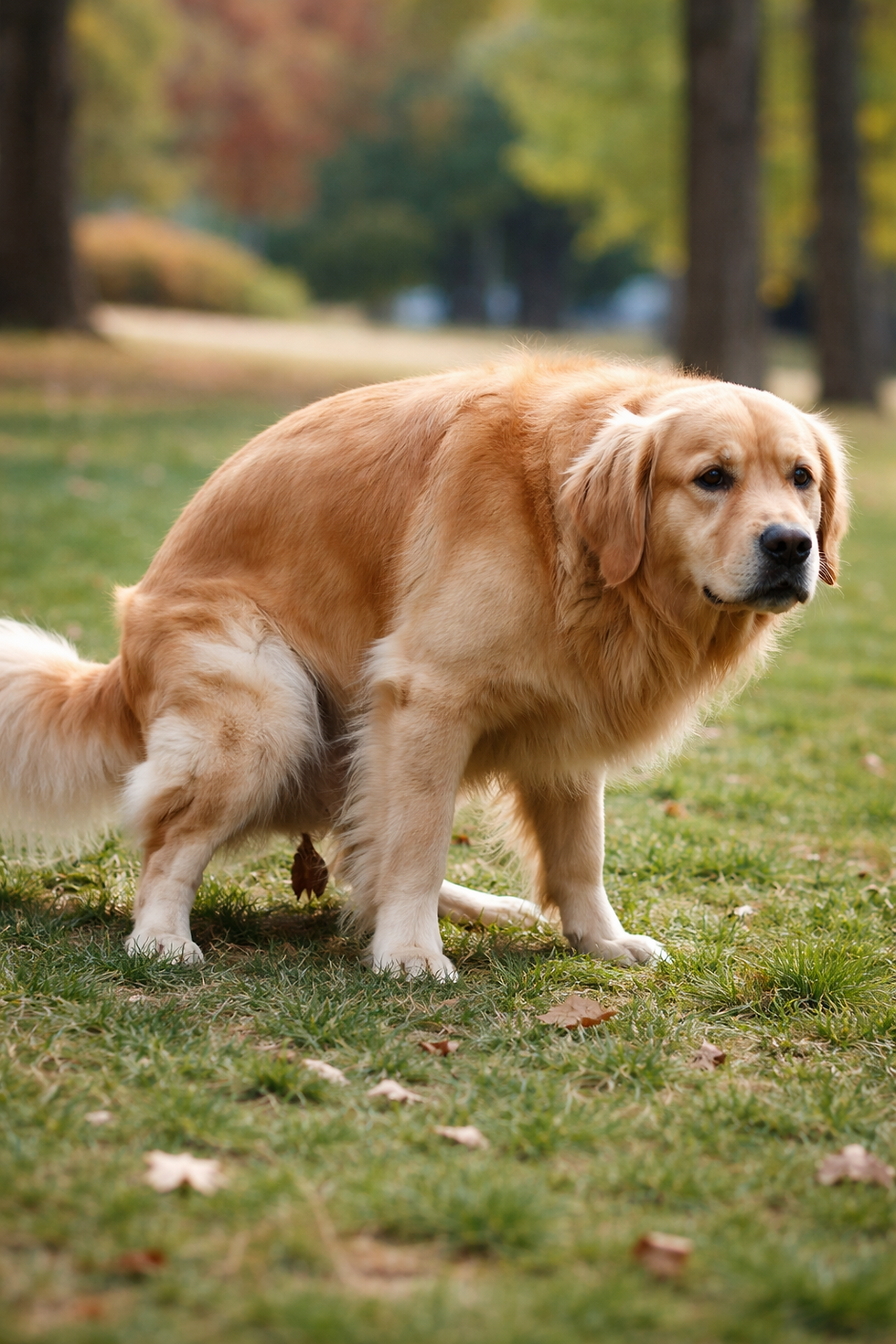
The most common and noticeable symptom is straining during defecation. A dog may repeatedly assume the posture to defecate but produce little to no stool. When stool is passed, it is often small, dry, hard, and sometimes pebble-like in appearance. This is a direct result of excessive water absorption in the colon.
Key Symptoms of Dog Constipation
Symptom | What It Means | Why It Happens |
Straining to defecate | Repeated attempts with little output | Hard stool is difficult to pass |
Hard, dry stool | Small, compact feces | Water reabsorption in colon |
Infrequent bowel movements | Reduced defecation frequency | Slowed intestinal motility |
Pain or vocalization | Whining or discomfort while trying to poop | Pressure and irritation in rectum |
Lethargy | Low energy and reduced activity | Discomfort and possible toxin buildup |
Eating less or refusing food | Abdominal discomfort | |
Abdominal bloating | Swollen or tense abdomen | Accumulation of fecal matter |
As constipation progresses, dogs may begin to show behavioral changes. They may become restless, frequently attempt to defecate without success, or conversely, avoid attempting altogether due to pain. Some dogs may also exhibit signs of anxiety or discomfort, such as pacing or whining.
Another important early sign is changes in stool consistency over time. Owners may notice that stools gradually become drier and smaller before constipation fully develops. This transitional phase is often overlooked but provides an opportunity for early intervention.
In more advanced cases, additional symptoms may appear:
Vomiting: This can occur when the digestive system is significantly disrupted.
Mucus or blood in stool: Straining can irritate the rectal lining.
Scooting or licking the anal area: Indicates discomfort or irritation.
Passing small amounts of liquid stool: Sometimes mistaken for diarrhea, this can actually be liquid passing around impacted feces.
One of the most critical warning signs is repeated unsuccessful attempts to defecate over 24–48 hours. At this point, the condition should no longer be considered mild and may require veterinary evaluation.
It is also crucial to differentiate constipation from other conditions with similar symptoms, such as urinary obstruction or intestinal blockage. For example, a dog straining without producing stool could also be struggling to urinate, which is a medical emergency.
Early recognition of these symptoms allows for timely intervention, which can often resolve the issue quickly and prevent escalation into more severe or life-threatening conditions.

Home Remedies for Dog Constipation (Safe and Effective Methods)
Mild cases of dog constipation can often be managed at home using safe and effective methods. However, it is essential to understand that these remedies are appropriate only when the dog is otherwise healthy, still active, and not showing signs of severe distress.
The primary goal of home care is to soften stool, improve intestinal movement, and restore normal bowel function.
Safe Home Remedies
Increase water intake Hydration is one of the most important factors in resolving constipation. Ensure your dog has constant access to fresh, clean water. You can also encourage drinking by adding water to dry food or offering low-sodium broth.
Add fiber to the diet Fiber helps regulate bowel movements by adding bulk and improving stool consistency. Small amounts of fiber-rich foods can be beneficial, but balance is key.
Plain canned pumpkin (not spiced)
Cooked vegetables such as carrots or green beans
Veterinary-approved fiber supplements
Switch to wet or softened food Dry kibble can sometimes worsen constipation if hydration is inadequate. Temporarily switching to wet food or soaking kibble in water can help increase moisture intake.
Increase physical activity Exercise stimulates intestinal motility. Regular walks and activity can encourage natural bowel movements and help relieve mild constipation.
Probiotics Gut health plays a role in digestion. Probiotics may support intestinal balance and improve stool consistency in some dogs.
Olive oil (in small amounts) A small amount of olive oil added to food may help lubricate the digestive tract. This should be used cautiously and only in limited quantities.
What to Avoid
Some commonly suggested remedies can be dangerous and should be avoided:
Human laxatives without guidance
Excessive oil or fat
Frequent use of enemas at home
Dairy products (may worsen digestive issues)
When Home Remedies Are Appropriate
Home care may be suitable if:
The dog is still eating and drinking normally
There is mild straining but no severe pain
Constipation has lasted less than 24–48 hours
There are no signs of vomiting or lethargy
When to Stop Home Treatment
Home remedies should be discontinued and veterinary care sought if:
There is no improvement within 48 hours
Symptoms worsen
The dog becomes weak, lethargic, or stops eating
There is persistent straining with no stool
Home management can be very effective when used correctly, but it should never replace professional care in moderate to severe cases. Recognizing the limits of home treatment is essential to protecting your dog’s health.
When Dog Constipation Becomes an Emergency
While many cases of constipation are mild, some situations are true medical emergencies that require immediate veterinary attention. Recognizing these cases early can be life-saving.
Emergency Warning Signs
Sign | What It Indicates | Urgency |
No stool for 48–72+ hours | Severe constipation or obstruction | High |
Repeated straining with no output | Possible blockage or obstipation | High |
Vomiting | Gastrointestinal disruption or obstruction | Very High |
Severe lethargy | Systemic illness or toxin buildup | High |
Bloated abdomen | Gas or fecal accumulation | Very High |
Crying or intense pain | Severe discomfort or injury | Very High |
Blood from rectum | Tissue damage or severe straining | High |
Possible Emergency Causes
In emergency situations, constipation is often not the primary problem but a symptom of something more serious:
Intestinal obstruction (foreign body)
Severe fecal impaction
Megacolon
Tumors or masses
Pelvic trauma or narrowing
These conditions can prevent stool from passing entirely and may require urgent medical or surgical intervention.
Why Emergencies Are Dangerous
When stool cannot pass:
The colon continues absorbing water → stool becomes harder
Pressure builds in the intestines → pain and tissue damage
Toxins may begin to accumulate
Risk of rupture or severe infection increases
In advanced cases, the condition can become life-threatening if not treated promptly.
What a Veterinarian May Do in an Emergency
Perform imaging (X-ray or ultrasound)
Administer fluids to correct dehydration
Use enemas under controlled conditions
Manually remove impacted stool (under sedation)
Perform surgery if there is a blockage
Critical Rule
If your dog is straining repeatedly with no stool and showing signs of pain or illness, do not wait. This is not a “wait and see” situation.
How Serious Is Dog Constipation?
Dog constipation can range from a mild, temporary inconvenience to a serious and potentially life-threatening condition. The level of seriousness depends on the duration, severity, and underlying cause of the problem.
In mild cases, constipation may resolve within a day or two with simple interventions such as increased water intake, dietary adjustments, or mild home care. These cases are generally not dangerous if addressed early.
However, when constipation persists or worsens, it can quickly become more serious. The longer stool remains in the colon, the harder and drier it becomes, making it increasingly difficult—and painful—for the dog to pass it. This creates a cycle of worsening symptoms and increased risk of complications.
Levels of Severity
Severity Level | Description | Risk |
Mild | Occasional difficulty, still passing stool | Low |
Moderate | Straining, hard stool, reduced frequency | Medium |
Severe (Obstipation) | Unable to pass stool at all | High |
Chronic (Megacolon) | Long-term colon dysfunction | Very High |
One of the key concerns is the progression to obstipation, where the dog is completely unable to defecate despite repeated attempts. This condition often requires medical intervention, including enemas or manual removal of fecal material under sedation.
If left untreated, chronic constipation can lead to megacolon, a condition in which the colon becomes permanently enlarged and loses its ability to function properly. At this stage, normal bowel movements may no longer be possible without ongoing medical management or even surgery.
Constipation can also lead to secondary complications, including:
Severe pain and distress
Rectal tears or bleeding due to excessive straining
Toxin buildup in the body from prolonged stool retention
Vomiting and loss of appetite
Intestinal blockage if the condition is caused by a foreign object
Another important consideration is that constipation may be a symptom of a more serious underlying condition, such as intestinal obstruction, tumors, or neurological disease. In these cases, treating constipation alone is not sufficient.
When It Becomes Serious
Dog constipation should be considered serious if:
The dog has not defecated for more than 48–72 hours
There is repeated straining with no result
The dog shows pain, lethargy, or vomiting
The abdomen appears swollen or tense
There is blood in the stool or rectal area
These signs indicate that the condition may have progressed beyond a simple digestive issue and requires prompt attention.
In summary, while dog constipation is often mild and manageable, it should never be dismissed if it persists or worsens. Early intervention is key to preventing complications and ensuring that a potentially serious condition does not develop.
Common Causes of Dog Constipation
Ingestion of indigestible materials is also a frequent cause. Dogs may consume bones, hair, grass, fabric, or other foreign materials. These substances can accumulate in the colon and form dense, compact masses that are difficult to pass. Bone ingestion, in particular, is a well-known trigger for severe constipation due to the formation of dry, chalky stool.
Lack of physical activity contributes significantly to reduced intestinal motility. Exercise stimulates normal bowel movements, and sedentary dogs often experience slower gastrointestinal transit. This is especially common in older dogs or those with limited mobility.
There are also behavioral causes. Dogs may intentionally delay defecation due to stress, changes in routine, unfamiliar environments, or lack of access to appropriate outdoor spaces. Over time, this retention leads to increased water absorption in the colon and eventual constipation.
Several medical conditions can also lead to constipation:
Anal gland problems: Pain or inflammation can make defecation uncomfortable, causing dogs to avoid it.
Neurological disorders: Conditions affecting nerve function can impair the colon’s ability to contract properly.
Pelvic injuries or structural abnormalities: Narrowing of the pelvic canal can physically obstruct stool passage.
Enlarged prostate (in male dogs): Can compress the rectum and interfere with normal defecation.
Hypothyroidism: Slows metabolic processes, including intestinal motility.
Certain medications may also contribute to constipation. Pain medications (especially opioids), antihistamines, diuretics, and some supplements can reduce intestinal movement or alter hydration balance.
Summary of Common Causes
Cause | Mechanism | Risk Level |
Low-fiber diet | Insufficient stool bulk | Moderate |
Dehydration | Excess water absorption in colon | High |
Bone ingestion | Formation of hard, compact stool | High |
Lack of exercise | Reduced intestinal motility | Moderate |
Behavioral retention | Delayed defecation | Moderate |
Medical conditions | Impaired bowel function or obstruction | High |
Medications | Slowed gut movement | Moderate |
In many cases, constipation develops gradually due to a combination of these factors. For example, an older dog with reduced activity, mild dehydration, and a low-fiber diet is significantly more likely to develop constipation than a healthy, active dog with a balanced diet.
Understanding these causes allows for targeted prevention and treatment strategies, making it possible to reduce recurrence and maintain long-term digestive health.
Cost of Treating Dog Constipation (US & EU)
The cost of treating dog constipation can vary widely depending on the severity of the condition, the underlying cause, and whether veterinary intervention is required. While mild cases may be managed at home with minimal cost, more serious cases—especially those involving obstruction or chronic conditions—can become significantly expensive.
Understanding potential costs is important not only for financial planning but also for recognizing when delaying treatment could lead to higher expenses and increased risk for the dog.
Typical Cost Breakdown
Treatment Type | Description | US Cost (USD) | EU Cost (EUR) |
Basic consultation | Physical exam and initial assessment | $50 – $150 | €40 – €120 |
Diagnostic tests | X-ray, ultrasound, blood tests | $100 – $400 | €80 – €300 |
Enema (clinical) | Administered under supervision | $100 – $300 | €80 – €250 |
Medications | Laxatives, stool softeners, prokinetics | $20 – $150 | €15 – €120 |
Manual fecal removal | Performed under sedation | $200 – $600 | €150 – €500 |
Hospitalization | Fluids, monitoring, supportive care | $300 – $1000+ | €250 – €800+ |
Surgery (severe cases) | For obstruction or megacolon | $1500 – $5000+ | €1200 – €4000+ |
What Affects the Cost?
Several factors influence how much treatment will cost:
Severity of constipation: Mild cases are inexpensive, while severe or chronic cases require more intensive care.
Underlying cause: A simple dietary issue costs far less than a blockage or tumor.
Location and clinic type: Urban clinics and emergency hospitals tend to be more expensive.
Need for anesthesia or surgery: Procedures requiring sedation significantly increase cost.
In many cases, early intervention can dramatically reduce expenses. A problem that could have been resolved with a simple dietary adjustment or medication may escalate into a costly emergency if ignored.
It is also worth noting that repeated episodes of constipation may lead to ongoing costs, especially if the dog develops a chronic condition like megacolon that requires long-term management.
What to Do Immediately If Your Dog Can’t Poop
When your dog is struggling to defecate, acting quickly and appropriately can prevent the situation from worsening. The key is to assess severity first, then apply safe, immediate steps that support natural bowel movement without causing harm.
Step-by-Step Immediate Actions
1. Observe your dog carefully Before taking action, determine how serious the situation is:
Is your dog still active and alert?
Is there repeated straining with little or no stool?
Any signs of pain, whining, or bloating?
If your dog is otherwise normal and only mildly constipated, you can proceed with supportive care. If severe signs are present, skip home steps and seek veterinary help immediately.
2. Increase hydration right away Water is critical for softening stool.
Offer fresh, clean water
Add water or broth to food
Switch temporarily to wet food
Even mild dehydration can significantly worsen constipation.
3. Encourage gentle movement Take your dog for a walk. Physical activity stimulates intestinal contractions and may trigger a bowel movement naturally.
4. Provide a safe fiber boost A small amount of fiber can help:
Plain pumpkin puree (small portion)
Cooked vegetables
Avoid overdoing it—too much fiber without water can worsen the problem.
5. Try a mild stool-softening approach Adding a small amount of moisture-rich food or safe oil (very limited quantity) may help lubricate stool passage.
What NOT to Do Immediately
Do not give human laxatives
Do not attempt enemas at home
Do not force your dog to strain
Do not ignore repeated unsuccessful attempts
Improper intervention can cause serious complications.
When Immediate Action Is Not Enough
You should stop home attempts and seek veterinary care immediately if:
No bowel movement after 24–48 hours
Repeated straining with no result
Signs of pain, vomiting, or lethargy
Bloated or hard abdomen
Quick action at this stage can prevent escalation into obstruction or severe impaction.
Veterinary Diagnosis of Dog Constipation
When a dog’s constipation does not resolve with basic care—or when symptoms suggest a more serious issue—veterinary diagnosis becomes essential. The goal is not only to confirm constipation but also to identify the underlying cause, which determines the correct treatment approach.
Initial Clinical Evaluation
The diagnostic process usually begins with a detailed physical examination and medical history. The veterinarian will ask questions such as:
When was the last normal bowel movement?
What does the dog’s diet consist of?
Has the dog ingested bones, foreign objects, or unusual materials?
Are there any changes in behavior, appetite, or activity?
During the physical exam, the vet will assess:
Abdominal tension or swelling
Pain response
Hydration status
Rectal condition
A rectal examination may be performed to check for impacted stool, masses, or structural abnormalities.
Diagnostic Tests
If the cause is not immediately clear, further testing may be required:
Test | Purpose | What It Detects |
X-ray (Radiography) | Visualize abdomen | Fecal impaction, obstruction, foreign bodies |
Ultrasound | Soft tissue evaluation | Tumors, organ abnormalities |
Assess systemic health | Dehydration, infection, metabolic issues | |
Neurological exam | Evaluate nerve function | Motility disorders |
Colonoscopy (rare) | Internal visualization | Chronic or unexplained cases |
X-rays are one of the most commonly used tools, as they can clearly show how much stool is present and whether there is an obstruction.
Identifying the Underlying Cause
Diagnosis is not complete until the root cause is identified. The vet will determine whether the constipation is due to:
Dietary factors
Dehydration
Foreign material ingestion
Structural blockage
Neurological dysfunction
Chronic disease
This distinction is critical. Treating constipation without addressing the cause often leads to recurrence.
Why Diagnosis Matters
Accurate diagnosis helps:
Prevent repeated episodes
Avoid inappropriate treatments
Detect serious conditions early
Guide long-term management strategies
In many cases, what appears to be simple constipation may actually be an early sign of a more complex condition.
Treatment Options for Dog Constipation
Treatment for dog constipation depends on severity, duration, and underlying cause. While mild cases may resolve with simple adjustments, moderate to severe cases require medical intervention.
Mild to Moderate Treatment Approaches
For less severe cases, treatment focuses on restoring normal bowel function:
Increased hydration
Dietary fiber adjustment
Temporary diet change (wet food)
Mild stool softeners (vet-approved)
These approaches aim to soften stool and stimulate natural movement through the intestines.
Veterinary Treatments
When home care is not sufficient, veterinarians may use more advanced methods:
Fluid therapy Intravenous or subcutaneous fluids help correct dehydration and soften stool internally.
Enemas (clinical use only) Administered safely under supervision to help evacuate stool.
Manual fecal removal In severe cases, impacted stool may need to be removed manually under sedation.
Prokinetic drugs Medications that stimulate intestinal movement.
Advanced or Severe Cases
In cases involving obstruction or chronic disease:
Hospitalization may be required for monitoring and supportive care
Surgery may be necessary if there is a blockage, tumor, or severe megacolon
Treatment Strategy Overview
Severity | Treatment Approach |
Mild | Diet, hydration, fiber |
Moderate | Medications, vet-guided care |
Severe | Enema, manual removal |
Critical | Surgery, hospitalization |
Recovery and Follow-Up
After treatment, follow-up care is essential to prevent recurrence:
Adjust diet long-term
Monitor hydration
Maintain regular exercise
Address underlying conditions
Dogs that experience constipation once are often at higher risk of developing it again if preventive measures are not taken.
Diet Changes That Help Prevent Dog Constipation
Diet plays a central role in both the development and prevention of constipation. A well-balanced diet supports regular bowel movements by providing the right combination of fiber, moisture, and nutrients.
Key Dietary Principles
Balanced fiber intake Fiber helps regulate stool formation and movement. Both insufficient and excessive fiber can cause problems, so balance is essential.
Adequate moisture Moisture is just as important as fiber. Dogs on dry diets may require additional hydration to maintain healthy digestion.
High-quality ingredients Easily digestible foods reduce the risk of stool buildup and improve intestinal function.
Fiber Sources for Dogs
Food Source | Benefit | Notes |
Pumpkin (plain) | Adds soluble fiber | Use small amounts |
Green beans | Low-calorie fiber source | Can be cooked |
Carrots | Supports stool bulk | Serve cooked for easier digestion |
Veterinary fiber supplements | Controlled dosage | Useful for chronic cases |
Feeding Adjustments
Transition gradually when changing food
Avoid sudden dietary changes
Split meals into smaller portions if needed
Monitor stool consistency regularly
Foods That May Worsen Constipation
Excessive bones
Highly processed low-fiber diets
Too many dry treats
Low-moisture feeding without water support
Long-Term Dietary Strategy
For dogs prone to constipation, consistency is key. A stable diet with:
Balanced fiber
Adequate hydration
Regular feeding schedule
helps maintain predictable bowel movements and reduces recurrence risk.
How Long Can a Dog Safely Go Without Pooping?
The frequency of bowel movements in dogs can vary depending on diet, age, and activity level. However, there are general guidelines that help determine what is normal and when it becomes a concern.
Most healthy dogs defecate once or twice per day. Some may go slightly more or less often without any issues. What matters most is consistency and the absence of discomfort.
General Time Guidelines
Time Without Pooping | Interpretation | Action |
24 hours | Usually normal (if no symptoms) | Monitor |
24–48 hours | Mild concern | Begin supportive care |
48–72 hours | Concerning | Consider veterinary evaluation |
72+ hours | High risk | Seek immediate veterinary care |
Factors That Affect Frequency
Diet type (wet vs dry, fiber content)
Hydration level
Exercise routine
Age (puppies vs seniors)
Individual digestive variation
For example, dogs on high-fiber or high-moisture diets may defecate more frequently, while dogs on dry diets may go slightly less often.
When It Becomes Unsafe
A dog should not go more than 48 hours without passing stool, especially if accompanied by:
Straining
Discomfort or pain
Loss of appetite
Lethargy
At this stage, constipation is no longer mild and may require intervention.
Important Consideration
Frequency alone is not enough to assess the situation. A dog that is:
Eating normally
Active
Not straining
may still be within a normal range, even if slightly delayed.
However, a dog that is:
Straining repeatedly
Producing no stool
Showing discomfort
should be evaluated regardless of time.
Key Takeaway
It is not just about how long your dog goes without pooping—it is about how your dog behaves during that time. Behavior and symptoms are often more important indicators than the exact number of hours.
Keywords
dog constipation, dog constipation relief, dog constipation symptoms, dog constipation home remedies, dog not pooping
Sources
Source | Link |
MSD Veterinary Manual | |
American Kennel Club (AKC) | |
VCA Animal Hospitals | |
Cornell University College of Veterinary Medicine | |
Mersin Vetlife Veterinary Clinic |


Comments