
Vet Review: Is The Farmer’s Dog Actually Healthy?

The Farmer’s Dog at a Glance
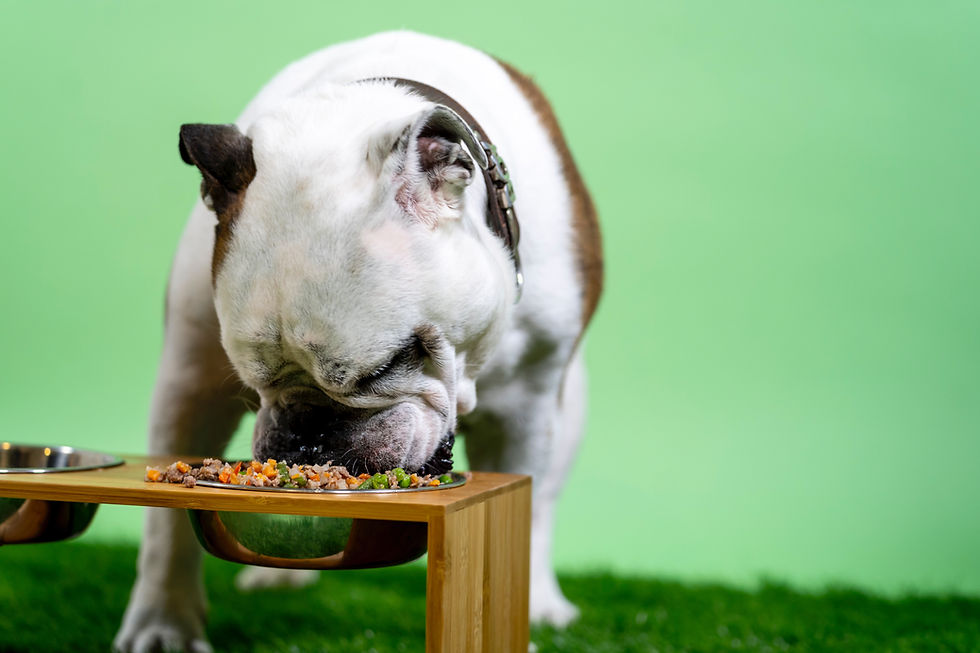
Fresh dog food has become one of the biggest trends in modern pet nutrition, and The Farmer’s Dog is currently one of the most popular brands in this market. The company offers freshly cooked, human-grade meals designed as an alternative to traditional dry kibble. Unlike heavily processed dog food, the meals are delivered refrigerated and contain recognizable ingredients such as meat, vegetables, and fish oil.
Many dog owners became interested in The Farmer’s Dog because they wanted:
Less processed food
Higher ingredient transparency
Better meal quality
More natural nutrition options

Some owners report improvements in appetite, coat quality, stool consistency, and feeding enthusiasm after switching to fresh food diets. However, veterinarians also emphasize that “fresh” does not automatically mean healthier for every dog. Nutritional balance, calorie control, digestive tolerance, and medical history still remain the most important factors.
For healthy dogs, The Farmer’s Dog may be a good alternative to lower-quality commercial foods. At the same time, some dogs with digestive sensitivity, obesity, or pancreatitis risk may require additional caution when switching to richer fresh diets.
Positive and Negative Aspects of The Farmer’s Dog
Positive Aspects | Veterinary Perspective |
High Moisture Content | Fresh diets contain substantially more water than dry kibble, which may support hydration and urinary health in some dogs. |
Strong Palatability | Many picky eaters are more willing to eat fresh food because of the smell, texture, and warmth of the meals. |
Minimally Processed Appearance | Owners often prefer seeing recognizable ingredients instead of heavily processed pellets. |
Personalized Feeding Plans | Portion sizes are adjusted according to age, weight, and activity level. |
Good Option for Some Senior Dogs | Older dogs with dental discomfort or appetite decline may eat soft fresh food more comfortably. |
Potential Coat and Skin Benefits | Some owners report shinier coats and reduced skin dryness after dietary changes. |
Convenient Subscription Model | Pre-portioned packages simplify meal preparation and reduce measuring errors. |
Ingredient Transparency | The ingredient lists are generally easier for owners to read and understand compared to some commercial pet foods. |
Potential Negatives | Veterinary Perspective |
Expensive Long-Term Cost | Fresh subscription feeding can become extremely costly, especially for medium and large breed dogs. |
Digestive Transition Problems | Sudden switching from kibble may trigger diarrhea, vomiting, or gas in sensitive dogs. |
May Be Too Rich for Some Dogs | Higher fat and richer formulations may not suit dogs with pancreatitis risk or sensitive digestion. |
Refrigeration and Storage Needs | Fresh food requires freezer or refrigerator space and careful storage management. |
Not Automatically Superior to All Kibble | Some high-quality veterinary diets may still outperform fresh diets for specific medical conditions. |
Portion Control Is Critical | Overfeeding fresh food can unintentionally contribute to obesity because owners often perceive it as “healthier.” |
Limited Long-Term Research | Fresh subscription diets do not yet have the same decades-long body of research as traditional veterinary therapeutic diets. |
Subscription Dependency | Shipping delays or supply interruptions may create feeding inconsistencies for owners relying exclusively on delivery services. |
One reason The Farmer’s Dog receives so much attention online is because the food creates a very strong emotional response in owners. The meals visually resemble homemade food, and many people naturally associate visible meat and vegetables with higher quality nutrition. Compared to dry brown pellets, fresh food often feels more “real” and trustworthy.
Is The Farmer’s Dog Better Than Traditional Kibble?
This depends heavily on the quality of the kibble being compared. The Farmer’s Dog is likely superior to many low-quality dry foods that contain excessive fillers, artificial additives, and poorly digestible ingredients. However, comparing it to high-quality veterinary diets is more complicated.
Fresh food may offer advantages such as:
Higher moisture content
Better palatability
Less visible processing
Improved appetite in picky eaters
Some dogs also experience:
Better stool quality
Shinier coats
More excitement during feeding
At the same time, premium veterinary kibble still has important strengths:
Long-term feeding research
Stable nutritional consistency
Easier storage
Better suitability for certain medical conditions
For example, dogs with:
Severe gastrointestinal disease
Advanced pancreatitis
may benefit more from prescription veterinary diets than rich fresh food.
The biggest mistake owners make is assuming all kibble is bad and all fresh food is automatically healthy. In veterinary nutrition, the ideal diet depends on the individual dog rather than internet trends.
For healthy dogs, The Farmer’s Dog may be an excellent alternative to lower-quality commercial kibble. For medically complex dogs, veterinary supervision becomes more important.

Potential Health Benefits of The Farmer’s Dog
Many owners report noticeable improvements after switching to fresh food diets like The Farmer’s Dog. While not every benefit is scientifically guaranteed, some dogs genuinely respond positively to less processed, moisture-rich meals.
Potential benefits may include:
Improved appetite
Better hydration
Softer and shinier coat
Increased food motivation
Better stool consistency
Easier chewing for senior dogs
Dogs that are picky eaters often respond especially well because fresh food has:
Stronger smell
Softer texture
Higher moisture
Warmer serving temperature
Some overweight dogs may also benefit from carefully portioned fresh food plans, especially when owners previously overfed calorie-dense treats and kibble.
The increased moisture content may help dogs that naturally drink very little water. This can be useful in some mild urinary or hydration-related situations.
Fresh diets may also psychologically improve feeding routines for owners. Many people feel more engaged and attentive when feeding visibly recognizable ingredients instead of dry pellets.
However, veterinary professionals still recommend realistic expectations. Fresh food is not a cure-all solution. It cannot:
Prevent all disease,
Replace medical treatment,
Or guarantee longer lifespan.
The biggest benefits are usually seen in:
Food enjoyment,
Digestive tolerance,
Feeding consistency,
And owner satisfaction.

Potential Risks and Side Effects of The Farmer’s Dog
Although many dogs tolerate fresh food very well, some may experience digestive or metabolic problems after switching to richer diets like The Farmer’s Dog.
The most commonly reported side effects include:
Gas
Stomach discomfort
In many cases, these problems occur because owners transition too quickly from dry kibble to fresh food. Sudden dietary changes can disrupt the intestinal microbiome and overwhelm sensitive digestive systems.
Veterinarians usually recommend gradually introducing new food over:
7–10 days,
Sometimes longer for sensitive dogs.
Another important concern is fat tolerance. Some fresh diets contain richer fat profiles than standard kibble, which may increase risk in dogs with:
Sensitive gastrointestinal systems
Certain endocrine disorders
Small breeds such as Miniature Schnauzers may require additional caution because they are naturally more prone to pancreatitis.
Overfeeding is another common issue. Because fresh food appears healthier and more natural, owners may unintentionally provide excessive calories through:
Larger portions
Extra treats
Mixed feeding with kibble
This can contribute to gradual weight gain over time.
Storage safety also matters. Fresh refrigerated food has stricter handling requirements than shelf-stable kibble. Improper storage may increase bacterial contamination risk if food is left unrefrigerated too long.
For healthy dogs, these risks are often manageable with proper feeding practices. However, dogs with chronic medical conditions should ideally transition under veterinary guidance.

Dogs That May Need Caution With The Farmer’s Dog
While many healthy dogs tolerate fresh food well, some dogs may require additional caution before starting diets like The Farmer’s Dog.
Veterinary supervision is especially important for dogs with:
Pancreatitis history
Chronic gastrointestinal disease
Severe food sensitivities
Obesity
Dogs prone to pancreatitis may struggle with richer fat content, particularly if the transition is sudden or portions are excessive.
Overweight dogs also require careful calorie control. Fresh food can appear deceptively “light” because of its moisture content, causing some owners to unintentionally overfeed.
Dogs with sensitive digestion may initially develop:
Diarrhea
Vomiting
Excessive gas
Soft stool
if the transition process is too aggressive.
Some prescription veterinary diets are specifically formulated for medical conditions and may remain safer choices than fresh subscription diets in complex cases.
For medically sensitive dogs, owners should avoid assuming that “natural” automatically means safer. Individual medical needs always matter more than marketing terms.
Cost Analysis of The Farmer’s Dog in the United States
One of the biggest disadvantages of The Farmer’s Dog is cost. Fresh subscription diets are significantly more expensive than most traditional kibble brands.
Average monthly costs may vary depending on:
Dog size
Calorie needs
Activity level
Full feeding vs partial feeding
Dog Size | Estimated Monthly Cost (USD) |
$60–120 | |
Medium Dogs | $120–250 |
$250–450+ |
Large breed dogs can become especially expensive because calorie requirements increase dramatically with body size.
Some owners reduce costs by:
Using fresh food as a topper,
Combining it with kibble,
Or feeding partial fresh meals instead of full subscriptions.
Supporters argue the higher price may be worthwhile for:
Ingredient quality,
Feeding enjoyment,
Convenience,
And perceived health benefits.
Critics argue that similar nutritional quality may sometimes be achieved through less expensive premium dog foods.
From a veterinary perspective, affordability matters because the best diet is one the owner can safely and consistently maintain long term without financial strain.
What Veterinarians Think About Fresh Dog Food Diets
Veterinary opinions on fresh dog food are generally more balanced than many online discussions. Most veterinarians do not automatically consider fresh diets either “miracle foods” or “dangerous trends.” Instead, they evaluate whether the diet is:
Nutritionally complete,
Safe long term,
Appropriate for the individual dog,
And medically suitable.
Many veterinarians agree that some dogs genuinely do well on fresh diets. Improved appetite, better feeding enthusiasm, and increased moisture intake are commonly observed benefits.
However, veterinary professionals also remain cautious about:
Excessive fat intake,
Unbalanced homemade feeding,
Rapid diet transitions,
Obesity risk,
And unsupported health claims.
One major concern is misinformation online. Social media often promotes the idea that all kibble is harmful and all fresh food is superior, which is not scientifically accurate.
High-quality veterinary kibble still has important advantages:
Long-term feeding studies
Consistent nutrient formulation
Medical diet options
Lower contamination risk
Better affordability
At the same time, well-formulated fresh diets may absolutely work well for certain healthy dogs.
Most veterinarians ultimately focus on:
Body condition,
Stool quality,
Digestive tolerance,
Energy level,
And long-term health outcomes
rather than internet trends alone.
Final Veterinary Verdict on The Farmer’s Dog
The Farmer’s Dog appears to be a higher-quality option than many low-end commercial dog foods, especially regarding ingredient transparency, moisture content, and palatability.
For many healthy dogs, it may provide:
Better meal enjoyment,
Improved appetite,
Softer texture,
And strong owner satisfaction.
However, it is not automatically the best choice for every dog. Dogs with pancreatitis risk, severe digestive sensitivity, obesity, or complex medical conditions may require more specialized dietary planning.
The most important factors remain:
Proper portion control,
Gradual transition,
Consistent monitoring,
And veterinary guidance when needed.
Fresh food itself is not magic, but neither is it simply marketing hype. When used appropriately, The Farmer’s Dog can be a reasonable nutritional option for some dogs. The ideal diet ultimately depends on the individual animal’s medical history, digestive tolerance, lifestyle, and long-term nutritional needs.
FAQ - The Farmer’s Dog Review
Is The Farmer’s Dog actually healthy for dogs?
For many healthy dogs, The Farmer’s Dog can be a good nutritional option because it uses fresh ingredients, high moisture content, and balanced meal plans. However, “healthy” depends on the individual dog. Some dogs tolerate fresh food extremely well, while others may experience digestive upset or require specialized veterinary diets.
Why do some dogs get diarrhea after switching to The Farmer’s Dog?
Diarrhea is usually caused by transitioning too quickly from kibble to fresh food. Fresh diets are often richer and higher in moisture than dry food, which can temporarily upset the digestive system. Gradual transition over 7–10 days is generally recommended.
Is The Farmer’s Dog better than kibble?
It may be better than many low-quality commercial kibbles, especially regarding ingredient quality and moisture content. However, premium veterinary kibble can still be an excellent choice, particularly for dogs with medical conditions requiring specialized nutrition.
Can The Farmer’s Dog cause pancreatitis?
Any rich or high-fat diet may increase pancreatitis risk in susceptible dogs. Dogs with previous pancreatitis history, obesity, or fat sensitivity should transition carefully and ideally under veterinary supervision.
Is The Farmer’s Dog good for senior dogs?
Some senior dogs benefit from softer fresh food because it is easier to chew and often more appealing. However, older dogs with kidney disease, obesity, or chronic illness may still require specialized veterinary diets.
Is The Farmer’s Dog worth the cost?
This depends on the owner’s budget and priorities. Many owners feel the ingredient quality, convenience, and feeding experience justify the higher price, while others prefer more affordable premium dog foods.
Can puppies eat The Farmer’s Dog?
Puppies have very specific nutritional needs for growth and development. Owners should confirm that the selected recipe is formulated appropriately for puppies and large-breed growth if applicable.
Does The Farmer’s Dog help picky eaters?
Many picky eaters respond positively to fresh food because of the smell, texture, and moisture content. Dogs that ignore kibble sometimes become much more enthusiastic about eating fresh meals.
Can dogs lose weight on The Farmer’s Dog?
Some overweight dogs may lose weight if portion sizes are properly controlled. However, overfeeding fresh food can also contribute to obesity, especially because owners often perceive fresh food as “healthier” and accidentally feed too much.
Do veterinarians recommend The Farmer’s Dog?
Some veterinarians support fresh diets for certain healthy dogs, while others remain cautious due to cost, fat content, and limited long-term research compared to traditional veterinary diets. Most veterinarians focus on whether the food works safely for the individual dog rather than promoting one universal feeding philosophy.
Is The Farmer’s Dog grain-free?
Some recipes contain ingredients like lentils or sweet potatoes instead of traditional grains. Owners concerned about grain-free diets should review the ingredient list carefully and discuss dietary choices with their veterinarian.
Can I mix The Farmer’s Dog with kibble?
Yes, many owners use The Farmer’s Dog as a topper or partial meal addition alongside kibble. This approach may reduce cost while still improving palatability and moisture intake.
Sources
Source | Link |
American Veterinary Medical Association (AVMA) | |
Association of American Feed Control Officials (AAFCO) | |
World Small Animal Veterinary Association (WSAVA) | |
U.S. Food & Drug Administration (FDA) | |
Mersin VetLife Veterinary Clinic |


Comments