
Chlorhexidine: Uses, Benefits, Side Effects, Risks, and Safe Application Guide

What Is Chlorhexidine?
Chlorhexidine is a widely used antiseptic and disinfectant known for its strong activity against bacteria, some fungi, and certain microorganisms found on the skin and mucous membranes. It is commonly used in both human and veterinary medicine because of its broad antimicrobial effect, long-lasting activity, and relatively safe profile when used correctly.
Today, chlorhexidine is considered one of the most important antiseptic agents in hospitals, veterinary clinics, dental practices, and surgical environments worldwide.

It can be found in many different products, including:
Antiseptic solutions
Veterinary shampoos
Skin sprays
Oral rinses
Surgical scrubs
Wound cleaning products
Ear cleaning solutions
The main purpose of chlorhexidine is to reduce microbial contamination and help prevent infections. Unlike some antiseptics that lose effectiveness quickly, chlorhexidine has residual activity, meaning it continues working for a period of time after application.
This prolonged effect makes it especially useful for:
Surgical preparation
Skin infections
Dental hygiene
Wound management
Veterinary dermatology
Infection prevention
In veterinary medicine, chlorhexidine is commonly used for treating:
Bacterial skin infections
Hot spots
Superficial wounds
Ear infections
Dental disease
Veterinary shampoos containing chlorhexidine are especially popular in dogs with chronic skin problems because they help reduce bacterial and yeast populations on the skin.
Chlorhexidine products are available in different concentrations depending on their intended use.
Concentration | Common Use |
0.05% | Wound cleaning |
0.12% | Oral rinses |
0.2% | Dental applications |
2% | Veterinary dermatology |
4% | Surgical scrubs and medicated shampoos |
Lower concentrations are generally used on sensitive tissues or mucous membranes, while higher concentrations are used for stronger antimicrobial activity on intact skin.
One important advantage of chlorhexidine is its effectiveness against many bacteria associated with skin infections, especially Staphylococcus species. It may also help control some yeast organisms such as Malassezia, which commonly affects dogs with allergies or chronic skin disease.
Despite its usefulness, chlorhexidine is not a cure-all product. It helps control microorganisms, but it does not solve the underlying causes of many skin conditions.
For example, recurrent skin infections in dogs may actually be caused by:
Allergies
Hormonal disease
Poor skin barrier function
Metabolic disease
In these cases, chlorhexidine may improve symptoms temporarily while the primary disease continues progressing underneath.
Another important point is that chlorhexidine should always be used carefully around sensitive areas such as:
Eyes
Inner ears
Deep wounds
Severely damaged tissue
Incorrect use may lead to irritation, discomfort, or tissue damage depending on the concentration and product type.
Chlorhexidine is also widely used in dentistry because it helps reduce plaque bacteria and gingivitis. Oral products containing chlorhexidine are often recommended after dental procedures or for managing periodontal disease.
In modern medicine and veterinary care, chlorhexidine remains one of the most trusted antiseptic compounds because it combines:
Broad antimicrobial action
Long-lasting effectiveness
Multiple clinical uses
Relative safety
Easy availability
When used properly, it can play a major role in infection control and skin health management.

Benefits of Chlorhexidine for Bacterial and Fungal Control
Chlorhexidine is highly valued because of its strong antimicrobial properties and broad range of applications. Its main benefit is the ability to significantly reduce bacteria and certain fungi on the skin and mucous membranes while maintaining relatively low toxicity when used correctly.
Unlike some antiseptics that work only briefly, chlorhexidine continues working after application due to its residual activity. This prolonged antimicrobial effect helps reduce the regrowth of microorganisms between treatments.
Some of the most important benefits of chlorhexidine include:
Benefit | Description |
Broad antibacterial activity | Effective against many harmful bacteria |
Residual action | Continues working after application |
Infection prevention | Helps reduce microbial contamination |
Odor control | Reduces odor caused by infections |
Support for wound care | Helps maintain cleaner wounds |
Oral hygiene support | Reduces plaque bacteria |
Veterinary dermatology support | Useful in skin infection management |
In veterinary medicine, chlorhexidine is especially useful in dogs with skin disease because bacterial overgrowth is extremely common in allergic and inflamed skin.
It is frequently used in cases involving:
Pyoderma
Hot spots
Yeast dermatitis
Seborrhea
Skin fold infections
Superficial bacterial infections
Dogs with allergies often develop secondary bacterial infections due to constant scratching and damage to the skin barrier. Chlorhexidine shampoos and sprays help lower the bacterial population and improve skin comfort.
Chlorhexidine is also commonly combined with antifungal ingredients such as:
Miconazole
Ketoconazole
Climbazole
These combinations are especially helpful in dogs suffering from mixed bacterial and yeast infections.
Combination Ingredient | Purpose |
Miconazole | Antifungal support |
Ketoconazole | Yeast control |
Ceramides | Skin barrier support |
Fatty acids | Moisturizing support |
Aloe vera | Soothing effect |
One major advantage of chlorhexidine is that it may help reduce the need for systemic antibiotics in some mild superficial infections. This is important because excessive antibiotic use can contribute to antimicrobial resistance over time.
In dentistry, chlorhexidine is considered one of the most effective oral antiseptics available.
It is commonly used for:
Plaque control
Dental recovery
Periodontal disease support
Because chlorhexidine binds to oral tissues and tooth surfaces, it continues reducing bacterial growth even after rinsing.
However, prolonged oral use may lead to:
Tooth staining
Temporary taste changes
Oral irritation
Increased tartar discoloration
In wound care, chlorhexidine helps reduce contamination and may support cleaner healing conditions for superficial wounds and abrasions.
It is commonly used for:
Minor cuts
Scratches
Surgical site preparation
Superficial skin wounds
Veterinary wound management
Another important benefit is odor reduction. Many bacterial and yeast skin infections produce strong unpleasant odors, especially in dogs with chronic dermatitis. By lowering microbial growth, chlorhexidine often improves skin smell significantly.
Despite these benefits, chlorhexidine still has limitations.
It does not replace proper diagnosis or treatment in severe cases involving:
Severe inflammation
Systemic illness
Autoimmune disease
Endocrine disorders
In these situations, chlorhexidine works best as part of a broader treatment plan rather than as a standalone solution.
When used correctly and appropriately, chlorhexidine remains one of the most effective and versatile antiseptics in both human and veterinary medicine.
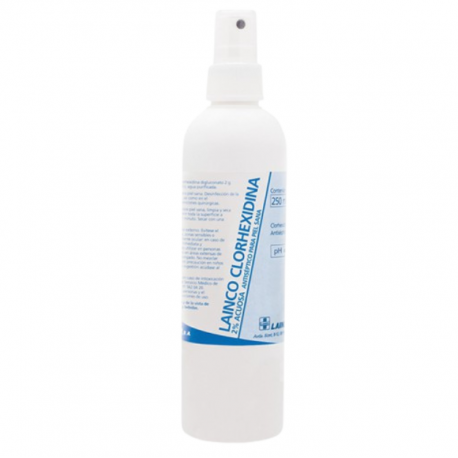
Types of Chlorhexidine and Differences Between Concentrations
Chlorhexidine is available in several different formulations and concentrations, each designed for specific medical or veterinary purposes. Choosing the correct type and concentration is extremely important because stronger products are not always safer or more effective.
Different chlorhexidine products are commonly used for:
Skin disinfection
Wound cleaning
Oral hygiene
Surgical preparation
Veterinary dermatology
Ear cleaning
Dental care
The most common forms include:
Formulation | Common Use |
Aqueous solution | Wounds and sensitive skin |
Alcohol-based solution | Surgical antisepsis |
Veterinary shampoo | Skin infections |
Spray solution | Localized skin treatment |
Oral rinse | Dental hygiene |
Gel | Oral or topical application |
Surgical scrub | Pre-operative preparation |
One of the most important differences between products is concentration.
Concentration | Typical Use | Important Notes |
0.05% | Wound cleansing | Mild and gentle |
0.12% | Mouthwash | Common dental concentration |
0.2% | Intensive oral care | Stronger oral antiseptic |
1% | Mild skin antisepsis | Less commonly used |
2% | Veterinary skin care | Common in medicated shampoos |
4% | Surgical scrub | Stronger antimicrobial activity |
Lower concentrations are usually safer for delicate tissues, while higher concentrations are intended for stronger disinfection on intact skin.
Alcohol-based chlorhexidine products often work faster, but they may also increase:
Skin dryness
Burning sensation
Irritation
Sensitivity
Aqueous chlorhexidine solutions are generally preferred for wounds and more sensitive areas because they are less irritating.
In veterinary medicine, chlorhexidine shampoos containing 2% or 4% chlorhexidine are extremely popular for dogs with chronic skin disease.
These shampoos are commonly used in cases involving:
Pyoderma
Seborrhea
Allergic dermatitis
Skin fold dermatitis
Bacterial overgrowth
Yeast infections
Some products also combine chlorhexidine with antifungal ingredients to improve treatment effectiveness.
Combination Product | Purpose |
Chlorhexidine + Miconazole | Bacteria and yeast control |
Chlorhexidine + Ketoconazole | Antifungal support |
Chlorhexidine + Ceramides | Skin barrier support |
Chlorhexidine + Aloe vera | Skin soothing |
Higher concentrations are not automatically better.
Using strong formulations incorrectly may increase the risk of:
Skin irritation
Dryness
Redness
Pain
Tissue sensitivity
Cats often require additional caution because their skin is more sensitive than dogs and they are more likely to ingest topical products through grooming.
Some chlorhexidine products are specifically formulated for:
Dogs
Cats
Horses
Humans
Surgical environments
Using the wrong formulation may lead to unnecessary complications.
Another important factor is contact time. Some shampoos require several minutes of skin contact before rinsing to achieve proper antimicrobial effectiveness.
Products used in hospitals and surgical settings are often stronger because they are designed for rapid and aggressive reduction of microorganisms before procedures.
However, these professional-grade products may not be suitable for routine home use.
Before using chlorhexidine, it is always important to check:
Product concentration
Intended species
Application area
Usage instructions
Presence of open wounds
Veterinary or medical guidance
Proper product selection greatly improves both safety and effectiveness.

How Chlorhexidine Works Against Microorganisms
Chlorhexidine works by disrupting the outer structure of microorganisms, particularly their cell membranes. This damage causes leakage of essential cellular components, eventually leading to microbial death or inhibition of growth.
Its mechanism of action makes it highly effective against many bacteria commonly involved in skin and oral infections.
At lower concentrations, chlorhexidine mainly slows bacterial growth. At higher concentrations, it can directly destroy microbial cells.
One reason chlorhexidine is so widely used is because it works against a broad spectrum of organisms.
Microorganism Type | Response to Chlorhexidine |
Gram-positive bacteria | Highly sensitive |
Gram-negative bacteria | Moderately sensitive |
Yeasts and fungi | Variable sensitivity |
Enveloped viruses | Some effectiveness |
Bacterial spores | Limited effectiveness |
Chlorhexidine is particularly effective against Staphylococcus species, which are among the most common bacteria involved in canine skin infections.
In veterinary dermatology, chlorhexidine is often used to help manage:
Superficial bacterial infections
Secondary infections from allergies
Skin fold dermatitis
Interdigital infections
Yeast overgrowth
Unlike some antiseptics that lose activity quickly, chlorhexidine binds to skin and mucosal surfaces, allowing it to continue working after application.
This residual activity is one of its biggest advantages.
Advantage | Clinical Importance |
Residual effect | Longer antimicrobial activity |
Surface binding | Continued bacterial reduction |
Broad activity | Multiple clinical applications |
Stability | Reliable effectiveness |
In medicated shampoos, proper contact time is critical.
Many veterinary shampoos recommend leaving the product on the skin for approximately 5–10 minutes before rinsing.
This allows chlorhexidine to:
Penetrate debris
Reach microorganisms effectively
Reduce bacterial populations
Improve treatment results
Organic material such as dirt, oils, and heavy debris may reduce antiseptic effectiveness. For this reason, proper cleaning before treatment is often important.
Another useful feature of chlorhexidine is its ability to help reduce microbial biofilms.
Biofilms are protective layers created by bacteria that make infections harder to treat. By disrupting these structures, chlorhexidine may improve overall infection management.
However, chlorhexidine is not equally effective against all organisms.
Some microorganisms naturally show lower sensitivity, and severe infections may still require:
Antibiotics
Antifungal medications
Anti-inflammatory therapy
Allergy management
Surgical care
In many skin diseases, microorganisms are only part of the problem.
For example, chronic bacterial infections may develop secondary to:
Allergies
Hormonal disease
Parasites
Immune dysfunction
Skin barrier defects
In these cases, chlorhexidine helps reduce surface microbial populations, but it does not correct the primary underlying disease.
Improper use may also reduce effectiveness.
Common mistakes include:
Insufficient contact time
Incorrect dilution
Over-rinsing
Infrequent application
Using expired products
Another important point is avoiding inappropriate chemical mixing. Certain combinations may reduce chlorhexidine activity or increase irritation risk.
When used correctly, chlorhexidine remains one of the most reliable and versatile antimicrobial agents available in modern human and veterinary medicine.

Chlorhexidine Cost and Average Prices in Different Countries
The cost of chlorhexidine products can vary significantly depending on the concentration, formulation, brand, and country where the product is sold. Basic antiseptic solutions are usually inexpensive, while specialized veterinary shampoos and dental products may cost considerably more.
Pricing is influenced by factors such as:
Product concentration
Manufacturing quality
Veterinary or medical formulation
Added ingredients
Import costs
Regional regulations
Chlorhexidine is available in multiple forms, including:
Liquid antiseptic solutions
Veterinary shampoos
Oral rinses
Sprays
Gels
Surgical scrubs
Ear cleaning products
Basic chlorhexidine solutions are generally affordable, while advanced dermatological products containing additional ingredients are more expensive.
Product Type | Average Price in the US | Average Price in Europe |
Basic chlorhexidine solution | US$5–15 | €5–14 |
Chlorhexidine mouthwash | US$7–20 | €6–18 |
Veterinary chlorhexidine shampoo | US$15–45 | €14–40 |
Chlorhexidine spray | US$10–30 | €9–28 |
Veterinary dental gel | US$12–35 | €10–32 |
Premium veterinary shampoos may cost even more when combined with ingredients such as:
Miconazole
Ketoconazole
Ceramides
Fatty acids
Skin moisturizers
These additional ingredients are often designed to improve:
Skin barrier support
Moisturizing effects
Yeast control
Chronic dermatitis management
In many countries, basic chlorhexidine products are available without prescription. However, specialized veterinary products may require veterinary recommendation depending on local regulations.
The overall treatment cost may also include additional expenses beyond the product itself.
Additional Cost | Purpose |
Veterinary consultation | Diagnosis and treatment planning |
Skin testing | Identifying underlying disease |
Cytology or culture | Infection identification |
Oral medications | Antibiotics or antifungals |
Long-term skin care | Chronic condition management |
Dogs with chronic skin disease may require repeated use of chlorhexidine shampoos over months or even years, increasing long-term expenses.
Despite this, chlorhexidine is often considered cost-effective because it may help reduce:
Recurrent infections
Severe flare-ups
Need for systemic antibiotics
Veterinary complications
Another important factor is product quality.
Very cheap products may have problems such as:
Inconsistent concentration
Poor stability
Low antimicrobial effectiveness
Excessive irritation
Inappropriate pH balance
For this reason, veterinarians often prefer reliable pharmaceutical-grade products for chronic skin conditions.
It is also important to avoid using random human products on pets without professional guidance. Some human antiseptics contain ingredients that may irritate animal skin or be unsafe if ingested during grooming.
In veterinary medicine, the most expensive part of treatment is often not the chlorhexidine itself, but the management of the underlying disease causing recurrent infections.
Conditions such as allergies, hormonal disease, and immune dysfunction may require:
Specialized diets
Long-term medication
Allergy management
Diagnostic testing
Ongoing veterinary monitoring
Chlorhexidine helps control microbial populations, but chronic cases usually require a broader treatment strategy.
Main Uses of Chlorhexidine in Humans and Animals
Chlorhexidine is one of the most versatile antiseptic agents used in both human and veterinary medicine. Its broad antimicrobial activity and prolonged residual effect make it useful in many different clinical situations.
The primary goal of chlorhexidine is reducing microbial contamination on skin and mucous membranes.
It is commonly used in:
Medical Area | Typical Use |
Dermatology | Skin infection management |
Dentistry | Plaque and gingivitis control |
Surgery | Pre-operative skin preparation |
Veterinary medicine | Dermatological therapy |
Wound care | Infection prevention |
Ear care | External ear hygiene |
In human medicine, chlorhexidine is frequently used for:
Surgical scrubbing
Hand disinfection
Wound cleansing
Oral rinses
Intensive care infection prevention
Dental procedures
Hospitals commonly use chlorhexidine because of its long-lasting antimicrobial activity and effectiveness against many healthcare-associated bacteria.
In dentistry, chlorhexidine mouthwash is widely used for:
Gingivitis
Periodontal disease
Plaque reduction
Post-dental surgery care
Bad breath management
Because chlorhexidine binds to oral tissues, it continues reducing bacterial growth after rinsing.
However, prolonged use may cause:
Tooth staining
Taste changes
Oral irritation
Increased tartar discoloration
In veterinary medicine, chlorhexidine is especially important in dermatology.
It is commonly used in dogs with:
Pyoderma
Allergic dermatitis
Hot spots
Seborrhea
Yeast dermatitis
Skin fold infections
Dogs with allergies often experience skin barrier damage, making bacterial and yeast overgrowth much more likely.
Chlorhexidine shampoos and sprays help reduce microbial populations and improve skin condition.
Veterinary Use | Purpose |
Medicated shampoo | Skin infection control |
Ear cleaner | External ear hygiene |
Oral gel | Dental support |
Surgical prep | Skin disinfection |
Wound cleansing | Infection reduction |
Some veterinary products combine chlorhexidine with antifungal ingredients for improved treatment of mixed bacterial and yeast infections.
Cats can also benefit from chlorhexidine, but extra caution is needed because cats are generally more sensitive to topical products and grooming-related ingestion.
Veterinary chlorhexidine products are often used after surgeries to help maintain cleaner skin around incision sites.
In wound care, chlorhexidine may help reduce contamination in:
Minor cuts
Abrasions
Superficial wounds
Post-operative skin
However, deep wounds and severe tissue damage require professional medical or veterinary care.
Another common use is in ear hygiene.
Certain chlorhexidine ear cleaners help reduce bacterial growth in the external ear canal. However, they should not be used improperly in animals with possible eardrum rupture because some products may damage deeper ear structures.
Chlorhexidine is also widely used in infection prevention protocols because it helps lower the number of microorganisms before procedures.
Despite its broad usefulness, chlorhexidine is not a substitute for proper diagnosis or complete treatment in severe disease cases.
Conditions involving:
Fever
Deep infection
Severe inflammation
Extensive wounds
Chronic recurring infections
usually require additional medical or veterinary treatment beyond antiseptic therapy alone.
When used correctly, chlorhexidine remains one of the most important antiseptic agents in modern healthcare and veterinary medicine because of its flexibility, effectiveness, and broad range of applications.
Chlorhexidine for Dogs and Cats: Common Veterinary Applications
In veterinary medicine, chlorhexidine is one of the most commonly used antiseptic ingredients for managing skin disease, wound care, and hygiene support in dogs and cats.
It is especially valuable because bacterial and yeast overgrowth are extremely common in veterinary dermatology.
The most common veterinary applications include:
Veterinary Application | Primary Purpose |
Medicated shampoo | Skin infection control |
Wound cleaning | Reducing contamination |
Ear cleaning | Supporting ear hygiene |
Oral hygiene | Plaque and bacteria reduction |
Surgical preparation | Skin disinfection |
Topical spray | Localized antimicrobial treatment |
In dogs, chlorhexidine is frequently used for:
Superficial pyoderma
Allergic dermatitis
Hot spots
Seborrhea
Interdigital infections
Skin fold dermatitis
Yeast dermatitis
Acne-like skin conditions
Dogs with allergies often damage their skin barrier through chronic scratching and inflammation, allowing bacteria and yeast to multiply more easily.
Chlorhexidine products help lower microbial populations and improve skin comfort.
Many veterinary shampoos combine chlorhexidine with antifungal ingredients to manage mixed infections involving bacteria and yeast.
Added Ingredient | Purpose |
Miconazole | Yeast control |
Ketoconazole | Antifungal support |
Ceramides | Skin barrier repair |
Fatty acids | Moisturizing support |
Aloe vera | Skin soothing |
In cats, chlorhexidine can also be useful, but additional caution is necessary.
Cats are generally more sensitive because they:
Groom excessively
Have delicate skin
May ingest topical products
Become stressed during bathing
For this reason, veterinarians often prefer:
Spot treatments
Sprays
Wipes
Localized therapy
instead of frequent full-body bathing in cats.
Chlorhexidine is also widely used in veterinary surgery.
It may be applied before surgical procedures to help reduce microbial contamination on the skin.
Post-surgical use may also help keep incision areas cleaner when recommended by a veterinarian.
In veterinary dentistry, chlorhexidine products are frequently used to support oral health.
Dental disease is one of the most common medical problems in adult dogs and cats.
Chlorhexidine oral products may help reduce:
Plaque bacteria
Gingivitis
Oral odor
Periodontal inflammation
However, they do not replace professional dental cleaning when severe tartar accumulation is already present.
Chlorhexidine ear products are another common veterinary use.
These products may help support ear hygiene and reduce bacterial growth in the external ear canal. However, improper use in animals with a damaged eardrum may create serious complications.
Signs that require veterinary evaluation before using ear products include:
Severe pain
Head tilting
Loss of balance
Neurological symptoms
Bloody discharge
Another important point is that chlorhexidine should not be viewed as a complete treatment for chronic disease by itself.
Recurring skin infections may indicate deeper problems such as:
Underlying Disease | Possible Effect |
Allergies | Chronic inflammation |
Hormonal disorders | Recurrent infections |
Parasites | Persistent itching |
Immune dysfunction | Reduced skin defense |
Metabolic disease | Poor skin health |
In these situations, chlorhexidine helps control microbial overgrowth, but the underlying disease must also be diagnosed and treated properly.
When used correctly and appropriately, chlorhexidine remains one of the most important tools in modern veterinary dermatology and infection management.
How to Use Chlorhexidine Safely and Correctly
Using chlorhexidine correctly is extremely important for both safety and effectiveness. Although chlorhexidine is considered relatively safe when used properly, incorrect application may reduce its antimicrobial benefits or cause irritation to the skin and mucous membranes.
The correct usage depends on several factors, including:
Product concentration
Product type
Area being treated
Species involved
Severity of the condition
Frequency of application
Before using any chlorhexidine product, it is important to carefully follow the manufacturer’s instructions or veterinary guidance.
Common chlorhexidine products include:
Product Type | Typical Use |
Medicated shampoo | Skin infections |
Spray solution | Localized skin treatment |
Aqueous solution | Wound cleaning |
Mouthwash | Oral hygiene |
Dental gel | Periodontal support |
Surgical scrub | Skin disinfection |
In veterinary dermatology, one of the most common mistakes is rinsing medicated shampoo too quickly.
Chlorhexidine requires contact time to work effectively.
The typical bathing process includes:
Thoroughly wet the coat and skin
Apply the shampoo evenly
Massage deeply into affected areas
Allow 5–10 minutes of contact time
Rinse thoroughly
Dry the skin completely
Proper drying is especially important in dogs prone to skin infections because trapped moisture may worsen:
Bacterial overgrowth
Yeast infections
Hot spots
Skin odor
For wound care, chlorhexidine solutions are usually applied gently to superficial injuries.
Wound Care Step | Purpose |
Remove visible debris | Reduce contamination |
Apply solution gently | Antiseptic cleansing |
Avoid aggressive scrubbing | Protect healthy tissue |
Prevent excessive moisture |
Deep wounds, severe tissue damage, or puncture wounds should always be evaluated professionally before antiseptics are applied.
In oral hygiene, chlorhexidine products should be used carefully and in controlled amounts.
Excessive use may lead to:
Tooth staining
Taste changes
Gum irritation
Oral discomfort
Veterinary oral products are often specially formulated to reduce the risks associated with accidental swallowing.
Another important safety rule is avoiding inappropriate chemical mixtures.
Chlorhexidine may lose effectiveness or increase irritation risk when combined with certain substances.
Products that should not be mixed casually include:
Household cleaning chemicals
Harsh soaps
Undirected alcohol combinations
Unknown antiseptics
Strong irritants
Using higher concentrations does not automatically improve results.
Excessive or improper use may increase the risk of:
Incorrect Use | Possible Consequence |
Overuse | Skin dryness |
High concentration misuse | Irritation |
Frequent applications | Barrier damage |
Eye exposure | Serious irritation |
Excessive licking | Gastrointestinal upset |
Animals with sensitive skin may require gentler protocols or moisturizing support during treatment.
Signs that chlorhexidine may be causing irritation include:
Redness
Excessive itching
Flaking
Dryness
Sensitivity
Increased discomfort
If these signs appear, the product may need adjustment or discontinuation.
The ideal treatment schedule depends entirely on the underlying condition.
Some animals may require daily treatment temporarily, while others may only need weekly maintenance therapy.
Correct diagnosis remains essential because chlorhexidine controls microorganisms but does not always solve the root cause of skin disease.
Important Precautions Before Using Chlorhexidine
Although chlorhexidine is widely used and generally safe, several precautions are necessary before applying it to humans or animals.
Not every skin condition or wound is suitable for home antiseptic treatment.
Before using chlorhexidine, it is important to evaluate:
Important Factor | Why It Matters |
Type of lesion | Some injuries are too severe |
Presence of pus | May indicate deeper infection |
Pain severity | Could suggest advanced inflammation |
Application area | Certain regions are highly sensitive |
Species involved | Cats require extra caution |
May increase reaction risk |
Deep wounds, severe burns, and extensive tissue damage should not be treated solely with antiseptics at home.
One of the most important precautions involves the eyes.
Chlorhexidine should never be intentionally applied directly into:
Eyes
Corneal tissue
Internal eye structures
Eye exposure may cause:
Severe pain
Inflammation
Corneal injury
Intense irritation
During medicated bathing, careful protection of the eye area is recommended.
The ears also require special caution.
Certain chlorhexidine ear products may help manage external ear infections, but some situations increase risk significantly.
Use may become dangerous when there is:
Eardrum rupture
Middle ear disease
Deep ear inflammation
Severe ear injury
Improper use in these situations may potentially contribute to hearing complications depending on the product formulation.
Another critical factor is concentration.
High Concentration Risk | Possible Problem |
Sensitive skin exposure | Irritation |
Damaged skin application | Pain and inflammation |
Frequent application | Barrier disruption |
Increased sensitivity |
Puppies, kittens, elderly animals, and debilitated patients often require milder treatment protocols.
It is also important to clean away:
Excess debris
Heavy crusting
Surface discharge
before applying chlorhexidine because organic material may reduce antimicrobial effectiveness.
Another common mistake is using human antiseptic products on pets without veterinary guidance.
Some human products may contain:
Strong fragrances
Dyes
Excess alcohol
Irritating additives
These ingredients may be uncomfortable or unsafe for animals.
Cats require especially careful monitoring because they groom themselves extensively and may ingest topical products during cleaning behavior.
Although small accidental exposure is usually not dangerous, excessive ingestion may cause:
Another important precaution is monitoring for allergic or sensitivity reactions.
Possible signs include:
Redness
Swelling
Severe itching
Irritation
Inflammation
If these symptoms occur, use should be stopped until professional evaluation is performed.
Long-term repetitive use without identifying the underlying disease may also become problematic.
Recurring infections are often associated with deeper conditions such as:
Underlying Condition | Potential Consequence |
Allergies | Chronic dermatitis |
Hormonal disease | Recurrent infections |
Parasites | Persistent inflammation |
Immune disorders | Reduced skin defense |
Metabolic disease | Poor skin healing |
In these situations, chlorhexidine may temporarily improve symptoms while the primary disease continues progressing.
Proper veterinary or medical diagnosis remains essential for long-term treatment success.
Possible Side Effects of Chlorhexidine
Although chlorhexidine is generally considered safe, side effects can occur in both humans and animals, especially when products are overused, incorrectly concentrated, or applied to sensitive tissues.
Most side effects are mild and localized, but some cases may require immediate discontinuation of the product.
The most common reactions involve skin irritation.
Possible Side Effect | Description |
Redness | Mild skin irritation |
Dryness | Loss of natural moisture |
Itching | Increased skin sensitivity |
Flaking | Surface irritation |
Burning sensation | More common on mucous membranes |
Oral irritation | Possible with mouthwash overuse |
In veterinary dermatology, repeated medicated bathing may sometimes over-dry the skin, especially in animals with already compromised skin barriers.
Cats are often more sensitive than dogs because they:
Groom excessively
Have delicate skin
May ingest topical products
React more strongly to chemicals
Excessive ingestion through grooming may lead to:
Drooling
Nausea
Vomiting
Gastrointestinal irritation
Another important concern involves eye exposure.
Chlorhexidine should never be intentionally applied directly into the eyes.
Eye contact may cause:
Eye Exposure Severity | Possible Effect |
Mild exposure | Tearing and irritation |
Moderate exposure | Significant pain |
Severe exposure | Corneal injury |
High concentration exposure | Serious ocular damage |
Careful facial protection is important during medicated bathing.
In oral products, prolonged chlorhexidine use may contribute to:
Tooth discoloration
Taste alteration
Oral sensitivity
Gum irritation
These effects are usually reversible after stopping the product.
Allergic reactions are less common but still possible.
Potential signs include:
Swelling
Severe redness
Intense itching
Hives
Rapid irritation
Rarely, severe hypersensitivity reactions may occur.
Animals with chronic allergic dermatitis or highly sensitive skin may experience more discomfort during treatment.
Higher concentrations increase the risk of irritation.
Risk Factor | Higher Irritation Risk |
Frequent application | Yes |
High concentration | Yes |
Damaged skin | Yes |
Long-term use | Yes |
Sensitive mucous membranes | Yes |
Another important issue involves ear use.
Certain chlorhexidine ear products may be unsafe if the eardrum is ruptured or damaged because deeper ear structures can become vulnerable.
Symptoms such as:
Severe ear pain
Head tilting
Balance problems
Neurological signs
should always be evaluated professionally before applying ear medications.
Monitoring skin response throughout treatment is important, especially during long-term therapy.
When used responsibly and correctly, chlorhexidine remains one of the safest and most effective antiseptic agents available in both human and veterinary medicine.
Risks of Excessive or Incorrect Chlorhexidine Use
Although chlorhexidine is highly effective and widely considered safe, excessive or incorrect use may create significant problems for both humans and animals. Many people assume that applying larger amounts or increasing treatment frequency will improve results faster, but this can actually damage the skin and worsen irritation.
The most common misuse problems include:
Overly frequent application
Using concentrations that are too strong
Applying products to sensitive tissues
Mixing chlorhexidine with incompatible substances
Long-term unsupervised use
Using human products on pets without guidance
Healthy skin naturally contains protective oils and beneficial microorganisms that help maintain the skin barrier. Excessive antiseptic exposure may disrupt this balance.
Excessive Use Problem | Possible Consequence |
Frequent medicated bathing | Severe skin dryness |
Repeated antiseptic exposure | Irritation and inflammation |
Long-term overuse | Skin barrier disruption |
High-concentration misuse | Burning and discomfort |
Over-cleaning | Increased sensitivity |
In dogs, excessive chlorhexidine bathing may eventually leave the skin:
Dry
Flaky
Irritated
Sensitive
More vulnerable to secondary infections
Some animals initially improve because bacterial populations decrease, but long-term overuse may weaken the skin’s natural defenses.
Another major risk is masking underlying disease.
Recurring infections are often symptoms of deeper medical conditions such as:
Allergies
Hormonal disorders
Immune dysfunction
Parasites
Metabolic disease
If chlorhexidine is repeatedly used without identifying the primary cause, the infection may continuously return.
Sensitive body regions require special caution.
Sensitive Area | Potential Problem |
Eyes | Serious irritation or injury |
Oral tissues | Burning and discomfort |
Inner ears | Possible auditory damage |
Deep wounds | Tissue irritation |
Cats may be especially vulnerable because they groom excessively and are more sensitive to topical products.
Chlorhexidine vs Other Antiseptics: Key Differences
Chlorhexidine is often compared with other antiseptics used in both human and veterinary medicine. While all antiseptics aim to reduce harmful microorganisms, each product has unique strengths, weaknesses, and ideal applications.
The best antiseptic depends on factors such as:
Type of infection
Body area involved
Skin sensitivity
Species being treated
Severity of contamination
Desired antimicrobial effect
Some of the most commonly used antiseptics include:
Chlorhexidine
Povidone-iodine
Alcohol
Hydrogen peroxide
Sodium hypochlorite
Acetic acid
One of chlorhexidine’s greatest advantages is its residual activity. Unlike many antiseptics that lose effectiveness quickly after drying, chlorhexidine continues working for a period of time after application.
Antiseptic | Main Advantage | Main Limitation |
Chlorhexidine | Long-lasting activity | Can irritate sensitive tissues |
Povidone-iodine | Broad antimicrobial spectrum | Shorter residual effect |
Alcohol | Rapid action | Drying and painful on wounds |
Hydrogen peroxide | Initial debris removal | May damage healthy tissue |
Sodium hypochlorite | Strong disinfectant | Highly irritating if overused |
Alcohol is commonly used for rapid disinfection because it kills microorganisms quickly. However, it may also cause:
Burning pain
Severe dryness
Skin irritation
Tissue discomfort
This makes alcohol less suitable for sensitive wounds or chronic dermatological conditions.
Signs of Allergic Reactions or Irritation After Chlorhexidine Use
Although chlorhexidine is generally considered safe, some humans and animals may develop irritation or allergic reactions after use. Most reactions are mild and temporary, but severe cases can occur and may require immediate medical or veterinary attention.
The risk of irritation depends on several factors, including:
Product concentration
Frequency of use
Skin sensitivity
Existing skin damage
Contact time
Individual hypersensitivity
Simple irritation is far more common than true allergy.
Reaction Type | How Common It Is |
Mild irritation | Common |
Skin dryness | Very common with overuse |
Sensitivity | Relatively common |
True allergic reaction | Less common |
The earliest signs often appear shortly after application or within several hours.
Common irritation symptoms include:
Redness
Dryness
Burning sensation
Flaking skin
Increased sensitivity
In dogs and cats, behavioral changes may also indicate discomfort.
Frequently Asked Questions About Chlorhexidine
Can chlorhexidine kill fungus?
Chlorhexidine primarily works against bacteria, but it may also help control certain fungi and yeasts. In veterinary dermatology, it is commonly used in dogs with yeast-related skin problems involving Malassezia overgrowth.
However, severe fungal infections often require additional antifungal medications because chlorhexidine alone may not completely eliminate deeper fungal disease.
Can chlorhexidine be used on dogs?
Yes. Chlorhexidine is widely used in dogs for:
Skin infections
Hot spots
Wound cleaning
Ear hygiene
Oral care
Surgical skin preparation
It is considered one of the most important antiseptic ingredients in veterinary dermatology.
Is chlorhexidine safe for cats?
It can be safe when used correctly, but cats require additional caution because they are more sensitive to many topical products and frequently groom themselves after treatment.
Products designed specifically for cats or veterinarian-approved formulations are generally preferred.
Can chlorhexidine irritate the skin?
Yes. Possible side effects include:
Redness
Dryness
Itching
Burning sensation
Skin flaking
Irritation is more likely when:
Concentrations are too strong
Products are overused
Sensitive skin is present
Existing skin damage already exists
How long should chlorhexidine stay on the skin?
Most veterinary chlorhexidine shampoos should remain on the skin for approximately 5–10 minutes before rinsing.
This contact time allows the antiseptic to work effectively against bacteria and yeast.
Can chlorhexidine be used on open wounds?
Chlorhexidine may help clean superficial wounds and reduce contamination. However, deep wounds, severe burns, or extensive tissue injuries should always be evaluated professionally before antiseptics are used.
Improper use on delicate tissue may delay healing in some situations.
What happens if a dog or cat licks chlorhexidine?
Small accidental amounts are usually not dangerous, but larger ingestion may cause:
Drooling
Nausea
Vomiting
Gastrointestinal irritation
Preventing excessive licking after application is important whenever possible.
Can chlorhexidine be used in the eyes?
No. Chlorhexidine should never be intentionally applied directly into the eyes.
Eye exposure may cause:
Severe irritation
Pain
Corneal injury
Inflammation
If accidental exposure occurs, the eye should be flushed immediately with large amounts of clean water.
Does chlorhexidine help with skin odor?
Yes. Many bacterial and yeast infections produce strong unpleasant odors, especially in dogs with chronic dermatitis.
By reducing microbial overgrowth, chlorhexidine often helps improve skin odor significantly.
Can chlorhexidine replace antibiotics?
Not completely.
In mild superficial infections, chlorhexidine may help reduce the need for systemic antibiotics. However, deeper or more severe infections often still require prescription medications.
Can chlorhexidine be used daily?
Sometimes, depending on the condition and veterinary guidance.
Daily use may be appropriate temporarily for severe skin infections, but excessive use can increase the risk of:
Dryness
Irritation
Skin barrier damage
Treatment frequency should always be adjusted based on the individual case.
Can chlorhexidine cause allergic reactions?
Yes, although true allergic reactions are relatively uncommon.
Possible signs include:
Swelling
Severe redness
Intense itching
Hives
Rapid irritation
Severe reactions require immediate medical or veterinary attention.
What is the difference between chlorhexidine and alcohol?
Alcohol acts very quickly but evaporates rapidly and may cause significant dryness or pain on damaged skin.
Chlorhexidine provides longer-lasting antimicrobial activity and is generally better suited for repeated dermatological use.
Can chlorhexidine be used on puppies and kittens?
Yes, but extra caution is necessary.
Young animals have more sensitive skin and may react more strongly to concentrated products. Gentle formulations and veterinary guidance are recommended.
Does chlorhexidine kill all bacteria?
No antiseptic eliminates every microorganism completely.
Chlorhexidine significantly reduces microbial populations and helps lower infection risk, but it does not create complete sterility in most routine applications.
Keywords
chlorhexidine, chlorhexidine for dogs, veterinary chlorhexidine, chlorhexidine shampoo, chlorhexidine for cats
Sources
Source | Link |
World Health Organization (WHO) | |
American Veterinary Medical Association (AVMA) | |
Merck Veterinary Manual | |
Mersin VetLife Veterinary Clinic |


Comments