
Animax Ointment for Dogs and Cats: Uses, Benefits, Side Effects, and Complete Safety Guide

What Is Animax Ointment?
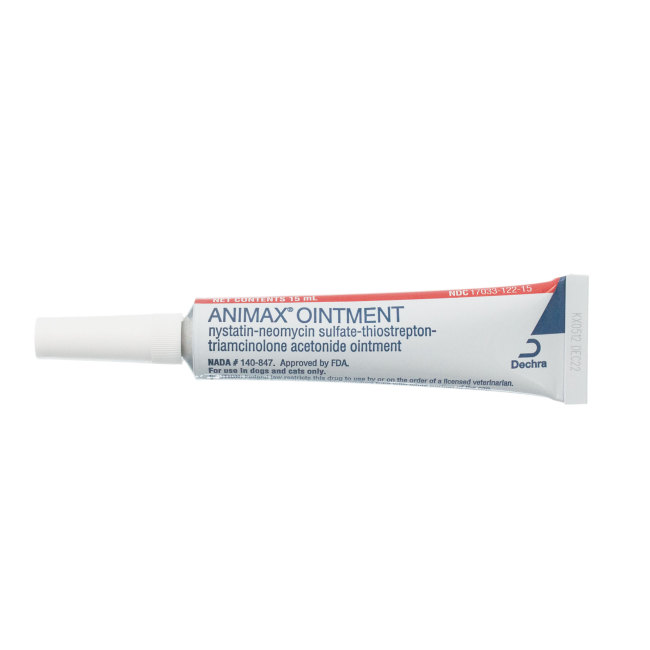
Animax Ointment is a prescription veterinary topical medication used in dogs and cats for certain inflammatory, bacterial, fungal, and yeast-related skin or ear conditions. It is not a general-purpose cream and should only be used under veterinary guidance. The official label states that it is for dogs and cats only and is restricted to use by or on the order of a licensed veterinarian.

Key Point | Explanation |
Medication type | Prescription topical and otic ointment |
Used in | Dogs and cats |
Main purpose | Helps manage inflammation, bacterial infection, yeast/fungal involvement, and itching |
Common areas | Skin, ears, interdigital areas, and anal gland-related problems |
Not for | Eyes, deep wounds, deep abscesses, serious burns, or ruptured eardrum cases |
Animax Ointment is commonly used when a pet has a skin or ear condition that involves more than one problem at the same time. For example, a dog may have ear inflammation, itching, yeast overgrowth, and secondary bacterial infection together. In such cases, a combination ointment may be useful because it contains ingredients that target several parts of the problem.
The product label lists Animax Ointment as useful for acute and chronic otitis, interdigital cysts in cats and dogs, anal gland infections in dogs, and dermatologic disorders involving inflammation, dry or exudative dermatitis, bacterial complications, and candidal infection.
However, Animax Ointment should not be treated as a quick fix for every itchy ear, red skin patch, or irritated wound. Many skin problems look similar on the surface, but the underlying cause may be very different.
Common causes of similar symptoms include:
Allergic dermatitis
Bacterial infection
Yeast overgrowth
Ringworm or other fungal disease
Skin fold dermatitis
Foreign material in the ear
Hormonal skin disease
Autoimmune skin disease
Deep infection or abscess formation
This is why diagnosis matters. If the wrong condition is treated with a steroid-containing ointment, the visible redness may improve temporarily while the deeper problem continues. In some cases, inappropriate use may delay proper treatment or worsen infection risk.
Animax Ointment is especially important to use carefully in ear cases. The manufacturer warns that the tympanic membrane must not be ruptured before medication is placed into the ear, and temporary hearing loss has been reported with corticosteroid-containing otic products.
For pet owners, the safest way to understand Animax Ointment is this:
Animax Ointment is a veterinarian-prescribed combination medication for selected skin and ear problems in dogs and cats, not a routine home cream for any redness, itching, wound, or ear discharge.

Active Ingredients and How Animax Ointment Works
Animax Ointment contains four active ingredients. Each one has a different role, which is why the product can address inflammation, bacteria, and yeast/fungal involvement at the same time. The official label lists the active ingredients as nystatin, neomycin sulfate, thiostrepton, and triamcinolone acetonide.
Active Ingredient | Drug Type | Main Role |
Nystatin | Antifungal | Helps control susceptible yeast/fungal organisms, especially Candida-related involvement |
Neomycin sulfate | Antibiotic | Helps control susceptible bacterial organisms |
Thiostrepton | Antibiotic | Adds additional antibacterial activity against susceptible bacteria |
Triamcinolone acetonide | Corticosteroid | Reduces inflammation, redness, swelling, and itching |
Nystatin
Nystatin is the antifungal component of Animax Ointment. Its role is to help control susceptible yeast and fungal organisms on the skin or in the ear canal. This is especially relevant in pets with moist skin folds, allergic skin disease, recurring ear irritation, or yeast-associated dermatitis.
Yeast problems often cause:
Greasy skin
Redness
Brownish ear discharge
Unpleasant odor
Thickened skin in chronic cases
Nystatin does not mean Animax treats every fungal disease. Some fungal infections require different medications, longer treatment plans, or systemic therapy.
Neomycin Sulfate
Neomycin sulfate is an antibiotic. It helps target certain bacteria that may complicate inflamed skin or ear disease. When pets scratch, lick, chew, or rub irritated areas, the skin barrier becomes damaged. This allows bacteria to multiply more easily.
Signs that bacterial involvement may be present include:
Pustules
Crusting
Red, moist skin
Bad odor
Pain
Discharge
Neomycin sensitivity can occur. The product insert warns that if redness, irritation, or swelling persists or increases, the medication should be discontinued and veterinary advice should be sought.
Thiostrepton
Thiostrepton is another antibiotic component. Its purpose is to broaden the antibacterial effect of the medication. In combination with neomycin, it helps support treatment when susceptible bacteria are part of the skin or ear problem.
This does not mean Animax is automatically effective against every bacterial infection. Resistant bacteria, deep infections, abscesses, or severe tissue involvement may require culture testing, oral antibiotics, injectable medication, drainage, or another treatment plan.
Triamcinolone Acetonide
Triamcinolone acetonide is the corticosteroid component. It helps reduce inflammation, itching, redness, swelling, and discomfort. This can make a pet feel better quickly because inflammation is often what causes intense scratching, head shaking, licking, or chewing.
This ingredient is useful, but it is also the reason Animax Ointment must be used carefully. Corticosteroids can calm inflammation, but they may also mask symptoms or contribute to complications if used incorrectly, too frequently, or for too long.
Possible concerns with inappropriate steroid use include:
Delayed wound healing
Worsening untreated infection
Skin thinning with prolonged use
Increased susceptibility to secondary infection
Systemic steroid effects if absorbed excessively or ingested repeatedly
The manufacturer also notes that corticosteroid-related systemic effects such as increased thirst, increased urination, vomiting, diarrhea, liver enzyme changes, and Cushing’s syndrome have been associated with prolonged or repeated steroid therapy in dogs.
How the Combination Works Together
Animax Ointment works best when the pet’s condition matches the medication’s coverage.
Problem in the Skin or Ear | Ingredient Helping With That Problem |
Itching and inflammation | Triamcinolone acetonide |
Yeast/fungal involvement | Nystatin |
Susceptible bacterial infection | Neomycin sulfate and thiostrepton |
Redness and swelling | Triamcinolone acetonide |
Mixed inflammatory and microbial disease | Combination effect of all four ingredients |
The main advantage of Animax Ointment is that it can address multiple common features of skin and ear disease in one product. The main risk is that it may be used when the real problem requires a different diagnosis or a different treatment plan.
For this reason, Animax Ointment should be used only when a veterinarian has confirmed that the affected area is appropriate for this medication, especially in ear cases where a ruptured eardrum must be ruled out before use.

Conditions Commonly Treated With Animax Ointment
Animax Ointment is commonly prescribed for specific inflammatory skin and ear conditions in dogs and cats when bacterial or yeast involvement is also suspected. According to the official product information, the medication is used for certain forms of dermatitis, otitis externa, anal gland infections, and interdigital cysts. However, it is important to understand that the medication is intended for selected cases and is not appropriate for every skin or ear problem.
Condition | How Animax Ointment May Help |
Otitis externa | Helps reduce inflammation, itching, and susceptible bacterial or yeast overgrowth in the outer ear canal |
Allergic dermatitis | May temporarily reduce redness and itching associated with allergic skin irritation |
Hot spots | Helps calm inflamed, irritated skin with secondary superficial infection |
Skin fold dermatitis | Helps manage moist, irritated folds where yeast and bacteria may multiply |
Interdigital inflammation | Sometimes used for inflamed areas between the toes |
Superficial bacterial skin infection | May help in mild localized bacterial involvement |
Yeast-associated skin irritation | Can help reduce yeast overgrowth in selected cases |
Anal gland inflammation | Occasionally used around affected gland regions under veterinary supervision |
Otitis Externa (Outer Ear Infections)
One of the most common reasons veterinarians prescribe Animax Ointment is otitis externa, which refers to inflammation of the external ear canal.
Common signs include:
Head shaking
Ear scratching
Red ear canals
Brown or yellow discharge
Strong odor
Pain when touching the ear
Recurrent ear irritation
Many ear infections involve both inflammation and microbial overgrowth at the same time. The steroid component helps reduce swelling and itching, while the antimicrobial ingredients target susceptible bacteria and yeast.
However, not all ear infections are the same. Some involve ear mites, resistant bacteria, severe allergy disease, foreign material, polyps, tumors, or ruptured eardrums. This is why proper ear examination is critical before treatment begins.
Allergic Dermatitis
Dogs and cats with allergies often develop inflamed, itchy skin that becomes secondarily infected with bacteria or yeast. In these cases, Animax Ointment may be used short-term to reduce irritation in localized areas.
Affected regions commonly include:
Paws
Groin
Armpits
Neck folds
Lips
Around the ears
The medication may improve comfort temporarily, but it does not cure the underlying allergy itself. Long-term allergy management usually requires identifying triggers and developing a broader treatment plan.
Hot Spots
Hot spots, also called acute moist dermatitis, are painful inflamed skin lesions caused by excessive licking, scratching, or chewing.
They often appear:
Suddenly
As wet red patches
With hair loss
With crusting or discharge
During allergy flare-ups or flea problems
Animax Ointment may help reduce inflammation and superficial infection in selected mild cases. However, larger or deeper hot spots may also require clipping, cleaning, oral medication, flea control, or additional diagnostics.
Skin Fold Dermatitis
Breeds with heavy skin folds may develop chronic moisture retention and friction inside folds. This creates an environment where bacteria and yeast can multiply.
Commonly affected areas include:
Facial folds
Lip folds
Tail folds
Vulvar folds
Neck folds
Signs may include redness, odor, greasy discharge, and irritation. In some cases, topical medications like Animax may help as part of a larger skin hygiene plan.
Interdigital Irritation and Paw Problems
Some dogs develop inflammation between the toes due to allergies, moisture, licking behavior, foreign bodies, or secondary infection.
Symptoms may include:
Paw licking
Red swollen feet
Brown saliva staining
Pain while walking
Draining lesions in severe cases
Animax Ointment may help selected mild inflammatory cases, but chronic interdigital disease often requires investigation into allergies, environmental triggers, or deeper infections.
Conditions Where Animax May NOT Be Appropriate
There are also situations where Animax Ointment may not be the correct treatment.
Condition | Why Caution Is Needed |
Deep wounds | Steroids may delay healing |
Ringworm | Some fungal infections require different antifungals |
Ruptured eardrum | Otic medications may damage inner ear structures |
Viral skin disease | Steroids may worsen infection |
Severe abscesses | May require drainage and systemic therapy |
Resistant bacterial infection | Culture and different antibiotics may be necessary |
Product is not intended for ophthalmic use |
Because skin disease symptoms overlap heavily, veterinary diagnosis remains extremely important before starting treatment.
Skin Problems and Ear Conditions Where Animax Ointment May Be Used
Many pet owners first hear about Animax Ointment after noticing redness, itching, odor, or discharge affecting the skin or ears of their dog or cat. These symptoms are extremely common in veterinary medicine, but they can result from many different underlying causes.
Common Ear Problems Associated With Animax Use
Ear Problem | Possible Symptoms |
Yeast otitis | Brown debris, odor, itching |
Mild bacterial otitis | Yellow discharge, pain, redness |
Allergic ear inflammation | Chronic itching and recurrent infections |
Moisture-related ear irritation | Common after swimming or humidity exposure |
Ear canal inflammation | Swelling, discomfort, head shaking |
Dogs with floppy ears, narrow ear canals, or allergy disease are especially prone to recurrent ear problems.
Breeds commonly affected include:
Cocker Spaniel
These dogs often have reduced airflow inside the ear canal, which promotes moisture retention and microbial growth.
Common Skin Problems Associated With Animax Use
Skin Issue | Typical Appearance |
Localized allergic dermatitis | Red itchy patches |
Superficial bacterial dermatitis | Crusting, pustules, redness |
Yeast dermatitis | Greasy skin with odor |
Skin fold irritation | Moist red folds |
Mild inflamed hot spots | Wet irritated lesions |
Redness and excessive licking |
Why Proper Diagnosis Matters
Many owners assume all itchy skin problems are infections, but this is often incorrect.
For example:
Underlying Cause | May Look Like |
Ear infections and paw licking | |
Flea allergy | Severe itching and hot spots |
Ear mites | Dark debris and scratching |
Hormonal disease | Recurrent skin infections |
Red crusting lesions | |
Environmental allergy | Chronic licking and inflammation |
This is why veterinarians may perform:
Ear cytology
Skin cytology
Microscopic evaluation
Skin scraping
Fungal testing
Bacterial culture
Allergy investigation
before deciding whether Animax Ointment is appropriate.
Signs a Pet Should Be Examined Quickly
Some symptoms should not be treated at home without veterinary evaluation.
These include:
Severe pain
Bleeding ears
Neurological signs
Loss of balance
Large open wounds
Pus-filled lesions
Rapid swelling
Fever
Hearing loss
Severe odor with thick discharge
These signs may indicate deeper infection, eardrum damage, severe inflammation, or conditions requiring more aggressive treatment than a topical ointment alone can provide.

Animax Ointment Cost and Veterinary Treatment Expenses
The cost of treating skin and ear conditions in dogs and cats can vary significantly depending on the severity of the disease, the number of affected areas, whether diagnostic testing is required, and how long treatment must continue. While Animax Ointment itself is generally considered a moderately priced prescription veterinary medication, the total expense often includes much more than the ointment alone.
Expense Type | Estimated Cost (US) |
Veterinary examination | $50 – $150 |
Ear cytology or skin testing | $30 – $120 |
Animax Ointment | $20 – $45 |
Ear cleaning products | $15 – $40 |
Additional oral medications | $25 – $120 |
Allergy management testing | $100 – $500+ |
Follow-up visits | $40 – $100 |
In Europe, total treatment expenses may commonly range between:
Country/Region | Estimated Cost Range |
$80 – $400+ | |
CAD 100 – CAD 500 | |
£70 – £300 | |
European Union | €80 – €350 |
Why Costs Can Increase Quickly
Many owners expect a simple ointment to completely solve the problem, but chronic skin and ear disease often requires a broader medical approach.
Treatment costs may increase because of:
Recurrent infections
Chronic allergies
Resistant bacteria
Repeated veterinary visits
Long-term medication use
Advanced diagnostics
Prescription diets
Regular ear cleaning products
Dogs with chronic allergies may experience repeated flare-ups throughout life, especially during seasonal changes or exposure to environmental allergens.
Chronic Ear Disease Can Become Expensive
Recurring ear infections are one of the most financially frustrating long-term conditions for dog owners.
Repeated inflammation can eventually cause:
Thickened ear canals
Chronic pain
Permanent narrowing of the canal
Resistant infections
Hearing damage
Surgical intervention needs
In severe chronic cases, advanced procedures such as total ear canal ablation surgery may become necessary, which can cost several thousand dollars.
Is Animax Ointment Expensive?
Compared to many advanced dermatology medications, Animax Ointment itself is usually not considered extremely expensive. However, improper use can delay correct diagnosis and potentially increase overall treatment expenses later.
For example:
Incorrect Approach | Possible Result |
Repeated self-treatment without diagnosis | Chronic recurring disease |
Ignoring allergies | Continuous infections |
Stopping treatment too early | Relapse |
Using leftover medication inappropriately | Masked symptoms |
Treating without ear examination | Missed ruptured eardrum |
Long-Term Management Costs
Some pets require ongoing management instead of one-time treatment.
Long-term expenses may include:
Prescription allergy medications
Regular medicated shampoos
Prescription diets
Ear cleaners
Recheck examinations
Cytology monitoring
Preventive skin care products
Owners should understand that chronic dermatologic disease is often managed rather than permanently cured.
How to Apply Animax Ointment Safely
Correct application is extremely important when using Animax Ointment. Even an effective medication may fail if applied improperly, too frequently, or to the wrong location.
The medication should always be used exactly as directed by a veterinarian.
Before Applying the Medication
Before application, the affected area is usually cleaned gently to remove debris, discharge, crusting, or excessive moisture.
Application Site | Preparation |
Ear canal | Clean excess debris carefully |
Skin lesion | Remove crusts and moisture gently |
Paw area | Dry thoroughly before application |
Skin folds | Clean and dry the fold area |
Excess moisture or thick debris may prevent the medication from contacting the affected tissue properly.
Basic Application Steps
For Skin Use
Wash your hands before and after application
Clean and dry the affected area
Apply a thin layer of ointment
Prevent excessive licking if possible
Follow the prescribed schedule exactly
For Ear Use
Confirm the ear was evaluated by a veterinarian
Clean the ear canal if instructed
Apply the prescribed amount
Gently massage the base of the ear
Allow the pet to shake its head naturally afterward
Why Ear Examination Is Critical
The official product warnings emphasize that the eardrum must not be ruptured before otic medications are applied. Applying certain medications into a damaged ear may potentially injure deeper structures.
This is one reason home treatment of ear disease can become dangerous without proper examination.
Common Application Mistakes
Mistake | Potential Problem |
Applying excessive amounts | Increased irritation or steroid exposure |
Stopping too early | Infection recurrence |
Using old leftover medication | Wrong treatment for current disease |
Applying into severely swollen ears | Medication may not reach properly |
Allowing constant licking | Reduced effectiveness |
Sharing medication between pets | Different diagnosis and risks |
Preventing Licking After Application
Many pets try to lick topical medications immediately after application.
Possible prevention methods include:
Elizabethan collar (cone)
Recovery collar
Supervised distraction
Covering certain areas temporarily if appropriate
Repeated licking may reduce medication effectiveness and increase ingestion risk.
Monitoring During Treatment
Owners should monitor for both improvement and worsening signs.
Signs of Improvement
Reduced redness
Less itching
Reduced odor
Less discharge
Improved comfort
Reduced head shaking or licking
Signs Veterinary Recheck May Be Needed
Warning Sign | Why It Matters |
Worsening redness | Possible irritation or incorrect diagnosis |
Swelling increase | Infection progression |
Severe pain | Deeper disease possible |
Neurological signs | Possible serious ear involvement |
Persistent odor | Resistant infection possible |
No improvement | Different treatment may be required |
Importance of Completing the Prescribed Course
Some owners stop treatment as soon as symptoms improve visually. This can contribute to recurrence because inflammation and microbial overgrowth may still be present microscopically.
Veterinarians often recommend completing the prescribed treatment duration even if the pet appears improved earlier.
Preparing the Ear Before Application
If Animax Ointment is being used in the ear, proper cleaning is often essential.
However, aggressive cleaning should never be performed unless specifically instructed by a veterinarian.
Basic Ear Preparation Steps
Examine the outer ear visually
Remove superficial debris gently
Use only veterinarian-approved ear cleaners
Dry excess moisture carefully
Avoid inserting deep objects into the ear canal
Never Use These Items Deep in the Ear
Unsafe Item | Reason |
Cotton swabs deep inside the ear | Can push debris deeper |
Alcohol solutions | May cause irritation |
Hydrogen peroxide | Can damage inflamed tissue |
Sharp cleaning tools | Injury risk |
Possible Side Effects of Animax Ointment
Like all prescription veterinary medications, Animax Ointment may cause side effects in some dogs and cats. Many pets tolerate the medication well when it is used correctly and for an appropriate duration, but risks increase when the product is overused, used incorrectly, or applied to the wrong condition.
Because Animax contains antibiotics and a corticosteroid, side effects may involve both local skin reactions and systemic steroid-related effects.
Possible Side Effect | Description |
Redness or irritation | Some pets develop localized skin sensitivity |
Increased itching | May indicate irritation or incorrect diagnosis |
Swelling | Could suggest allergic reaction or worsening infection |
Delayed wound healing | Steroid component may slow healing |
Skin thinning | More common with prolonged use |
Increased infection risk | Local immune suppression may occur |
Temporary hearing issues | Rarely reported with some otic steroid products |
Gastrointestinal upset | Possible if large amounts are ingested through licking |
Local Skin Reactions
The most common side effects usually occur directly at the application site.
Owners may notice:
Increased redness
Dryness
Cracking
Excessive irritation
Sensitivity to touch
Persistent inflammation
If the treated area appears significantly worse after starting therapy, veterinary reassessment is important.
Steroid-Related Side Effects
The triamcinolone component is a corticosteroid. Steroids are very effective at reducing inflammation, but prolonged exposure can create complications.
Possible Steroid Effects in Dogs
Potential Effect | Explanation |
Increased thirst | More common with prolonged exposure |
Increased urination | Steroid-related metabolic effect |
Increased appetite | Corticosteroids may stimulate hunger |
Weight gain | Long-term repeated exposure risk |
Skin fragility | Chronic steroid exposure may thin the skin |
Delayed healing | Tissue repair may slow down |
These effects are more likely when:
Large body areas are treated
The medication is used too frequently
Treatment continues too long
The pet repeatedly licks and ingests the ointment
Ear-Related Risks
When used in ears, special caution is necessary.
Potential concerns include:
Increased ear pain
Hearing changes
Balance abnormalities
Head tilt
Neurological signs in severe cases
These problems may be more serious if the eardrum is damaged.
Signs of Possible Allergic Reaction
Although uncommon, allergic or hypersensitivity reactions may occur.
Seek Veterinary Attention If You Notice
Facial swelling
Sudden severe redness
Hives
Difficulty breathing
Extreme discomfort
Rapid swelling around treated areas
Problems Associated With Long-Term Use
Repeated long-term steroid use can sometimes turn a manageable skin problem into a chronic recurrent condition.
Long-Term Risk | Why It Happens |
Recurrent infections | Immune suppression in the skin |
Resistant bacteria | Repeated antibiotic exposure |
Chronic thin skin | Steroid tissue effects |
Masked disease progression | Underlying cause remains untreated |
This is why veterinarians usually focus on identifying the root cause rather than continuously repeating steroid ointments indefinitely.
Side Effects From Licking the Medication
Many pets try to lick topical medication shortly after application.
Possible ingestion-related issues include:
Decreased appetite
Preventing excessive licking is important for both safety and treatment effectiveness.
When Owners Should Contact a Veterinarian
Owners should seek veterinary advice if:
Symptoms worsen instead of improving
The pet appears painful
Neurological signs appear
The ear develops heavy discharge
Skin lesions spread rapidly
Side effects appear severe or persistent
Prompt reevaluation may prevent complications and help determine whether another diagnosis or treatment plan is necessary.
Can Animax Ointment Be Used in Puppies, Kittens, Pregnant, or Nursing Animals?
Special caution is necessary when using topical steroid-containing medications in very young, pregnant, or nursing animals.
These groups may be more sensitive to medication effects because of body size, developmental stage, or hormonal changes.
Puppies and Kittens
Young animals have thinner skin and lower body mass, which may increase absorption risk.
Concern in Young Animals | Reason |
Increased steroid absorption | Smaller body size |
Immature immune system | Greater infection sensitivity |
Higher licking tendency | Increased ingestion risk |
Fragile skin barrier | Greater irritation potential |
Very young pets should only receive Animax Ointment under direct veterinary supervision.
Common Situations in Young Pets
Veterinarians may sometimes prescribe topical treatment for:
Mild ear infections
Localized skin irritation
Superficial bacterial dermatitis
Yeast-associated inflammation
However, diagnosis is especially important because parasites, congenital problems, and nutritional issues are also common causes of skin disease in young animals.
Pregnant Animals
Corticosteroids should generally be used cautiously during pregnancy.
Potential concerns may include:
Hormonal effects
Fetal developmental concerns
Increased maternal susceptibility to infection
Limited safety data in some situations
Veterinarians typically weigh the potential benefits against possible risks before prescribing steroid-containing medications during pregnancy.
Nursing Animals
Extra care is also necessary during lactation.
Potential Concern | Reason |
Medication transfer through grooming | Nursing offspring may ingest residues |
Licking by puppies or kittens | Accidental exposure risk |
Large-area application | Increased absorption potential |
If topical medication is applied near mammary tissue, nursing offspring may accidentally consume medication during feeding.
FAQ
What is Animax Ointment used for in dogs and cats?
Animax Ointment is commonly used to help manage certain skin and ear conditions involving inflammation, bacterial infection, and yeast overgrowth in dogs and cats. Veterinarians may prescribe it for otitis externa, hot spots, allergic skin irritation, superficial dermatitis, skin fold inflammation, and some localized infections. The medication combines antibiotics, an antifungal ingredient, and a corticosteroid to address multiple components of skin disease simultaneously.
Can Animax Ointment be used for dog ear infections?
Yes, Animax Ointment is frequently prescribed for certain outer ear infections in dogs, especially when inflammation and microbial overgrowth occur together. It may help reduce redness, itching, discharge, and irritation. However, not every ear infection should be treated with Animax. Ear mites, ruptured eardrums, resistant bacteria, tumors, or deep infections may require completely different treatment approaches. Veterinary examination is important before using any otic medication.
Can cats use Animax Ointment safely?
Cats can use Animax Ointment when prescribed by a veterinarian, but extra caution is important because cats are sensitive to many topical products and frequently groom themselves after application. Excessive licking may increase the risk of ingestion-related side effects. Veterinarians usually recommend careful monitoring and controlled application in feline patients.
How often should Animax Ointment be applied?
Application frequency depends on the specific condition, severity, location, and veterinary instructions. Some pets may require once-daily treatment, while others may need more frequent application initially. Owners should never increase the dosage or frequency on their own because excessive steroid exposure may increase complication risks.
Can Animax Ointment treat yeast infections in dogs?
Animax Ointment contains nystatin, an antifungal ingredient that may help control susceptible yeast organisms associated with certain skin and ear problems. Yeast infections often cause redness, greasy skin, odor, itching, and discharge. However, not every fungal condition responds to nystatin, and some severe fungal diseases require different medications or systemic therapy.
Can Animax Ointment be used on open wounds?
Animax Ointment is generally not intended for deep wounds, major tissue injuries, severe burns, or heavily infected open lesions unless specifically directed by a veterinarian. Corticosteroids may delay healing in certain wounds, and deeper infections often require additional treatment beyond topical medication alone.
What happens if a dog licks Animax Ointment?
Small accidental licking may sometimes cause mild gastrointestinal upset such as drooling, vomiting, or diarrhea. Repeated licking can also reduce treatment effectiveness because the medication is removed from the affected area before it has time to work properly. Excessive ingestion may increase the risk of steroid-related side effects. Preventing licking with supervision or protective collars is often recommended.
Can Animax Ointment be used long-term?
Long-term use should only occur under veterinary supervision. Because the medication contains a corticosteroid, prolonged or repeated use may increase the risk of skin thinning, delayed healing, recurrent infections, or local immune suppression. Chronic skin disease usually requires investigation into the underlying cause rather than indefinite steroid use alone.
Is Animax Ointment available over the counter?
In many regions, Animax Ointment is considered a prescription veterinary medication and typically requires veterinary authorization. This restriction exists because inappropriate use of antibiotics and steroids may worsen disease, delay diagnosis, or contribute to antimicrobial resistance.
Can Animax Ointment help hot spots in dogs?
Yes, veterinarians sometimes prescribe Animax Ointment for selected mild hot spots involving inflammation and superficial infection. Hot spots are painful moist skin lesions often caused by allergies, fleas, excessive licking, or skin irritation. Severe or widespread hot spots may require clipping, cleaning, oral medications, or additional diagnostics.
Can Animax Ointment be used for paw licking problems?
In some cases, Animax Ointment may be used for localized inflammation between the toes or paws, especially when secondary bacterial or yeast involvement is present. However, chronic paw licking is commonly associated with allergies, environmental triggers, or deeper inflammatory disease, so the underlying cause should still be investigated.
What are the side effects of Animax Ointment?
Possible side effects may include redness, irritation, swelling, worsening itchiness, delayed wound healing, skin thinning with prolonged use, or gastrointestinal upset if ingested. Rarely, ear-related complications may occur if the medication is used improperly in pets with damaged eardrums.
Can puppies and kittens use Animax Ointment?
Young animals may be more sensitive to topical steroid-containing medications because of their smaller body size and thinner skin. Puppies and kittens should only receive Animax Ointment under direct veterinary supervision with careful monitoring for side effects.
Can Animax Ointment treat ear mites?
Animax Ointment is not considered a primary ear mite treatment. While it may reduce inflammation associated with irritated ears, true ear mite infestations typically require antiparasitic medications specifically designed to eliminate mites.
Why do some pets get recurring ear infections even after Animax treatment?
Recurring ear infections often indicate an unresolved underlying issue such as allergies, excessive moisture, anatomical ear canal problems, resistant bacteria, hormonal disease, or chronic inflammatory skin conditions. The medication may temporarily control symptoms, but long-term management usually requires identifying and treating the root cause.
Should Animax Ointment be refrigerated?
Owners should follow the storage recommendations provided by the manufacturer or veterinarian. Most topical veterinary ointments are stored at controlled room temperature away from excessive heat, moisture, and direct sunlight. The container should remain tightly closed to reduce contamination risk.
Can humans use Animax Ointment?
Animax Ointment is formulated specifically for veterinary use in dogs and cats and should not be used by humans unless directed by a physician. Human skin conditions may require entirely different medications and dosing considerations.
How quickly does Animax Ointment start working?
Many pets begin showing improvement within several days, especially because the corticosteroid component reduces inflammation and itching relatively quickly. However, complete recovery depends on the severity of disease, the underlying cause, and whether secondary infections are fully controlled.
Can Animax Ointment cure allergies in dogs and cats?
No. While Animax Ointment may help reduce inflammation caused by allergies, it does not cure the allergy itself. Long-term allergy management often requires identifying triggers, improving skin barrier health, controlling secondary infections, and using broader treatment strategies.
When should a pet owner stop using Animax Ointment and contact a veterinarian?
Owners should seek veterinary advice if symptoms worsen, severe swelling develops, neurological signs appear, pain increases, heavy discharge persists, or no improvement occurs after the prescribed treatment period. Rapid worsening may indicate a different diagnosis or a more serious condition requiring additional treatment.
Sources
Source | Link |
DailyMed – Animax Ointment Official Drug Information | |
Dechra Veterinary Products – Animax Ointment | |
Merck Veterinary Manual – Otitis Externa in Animals | |
Merck Veterinary Manual – Dermatophytosis in Dogs and Cats | |
American Kennel Club – Dog Ear Infections | |
Mersin VetLife Veterinary Clinic |


Comments