
10 Best Dog Breeds for Kids: Gentle, Safe, and Family-Friendly Choices

How to Choose the Right Dog for Your Kids Without Regret
Choosing a family dog is exciting but it can also become stressful very quickly if the breed does not match your household. Some dogs love noise, playtime, and constant interaction with children. Others become overwhelmed, anxious, or destructive in busy family environments.
The best dog for kids is usually not the “coolest” breed online. It is the breed that fits your family’s daily life realistically.

Before Choosing a Dog, Ask Yourself These Questions
Question | Why It Matters |
Are your children toddlers or teenagers? | Different ages require different dog temperaments |
Is your home calm or chaotic? | Some dogs struggle in loud homes |
Do you want a playful or calm dog? | Energy level changes family compatibility |
How much exercise can you provide daily? | Active breeds become destructive without activity |
Can you afford grooming and vet bills? | Some breeds are expensive long-term |

10 Best Dog Breeds for Kids and Families
Dog Breed | Why Families Love This Breed |
Gentle, patient, highly trainable, and emotionally stable | |
Friendly, playful, and great for active children | |
Social, fun-loving, and excellent for energetic households | |
Calm, affectionate, and ideal for cuddly family companionship | |
Giant but incredibly gentle and patient with children | |
Intelligent, adaptable, and lower shedding than many breeds | |
Energetic, loyal, and protective toward family members | |
Bichon Frise | Cheerful small dog with a loving personality |
Loyal, protective, and emotionally connected to families | |
Irish Setter | Fun-loving and perfect for highly active households |
The Biggest Mistake Families Make
Many families choose dogs based on:
TikTok videos
Movie dogs
Appearance only
Puppy cuteness
“Trending” breeds online
But puppies grow up. And some adorable puppies become extremely difficult adult dogs if their energy level, instincts, or care needs do not match the family.
What Makes a Dog Truly Good With Kids?
The best family dogs usually have:
Patience
Emotional stability
Friendly social behavior
Trainability
Low aggression tendencies
Good tolerance for noise and activity
No breed is perfect, but some are naturally easier for family life than others.
Important Reality Parents Should Know
Even the gentlest dog can become stressed if:
Children pull ears or tails
The dog is cornered while sleeping
Food is taken away suddenly
The dog feels scared or overwhelmed
That is why experts recommend always supervising young children around dogs.

Important Safety Rules Between Dogs and Children
A good family dog is only part of the equation. Safe interaction matters just as much.
Many dog bites involving children happen because kids accidentally ignore stress signals that adults do not notice.
Teach Children These Rules Early
Rule | Why It Matters |
Never disturb a sleeping dog | Startled dogs may react defensively |
Do not hug tightly | Many dogs dislike restraint |
Never approach dogs while eating | Prevents food guarding issues |
Avoid pulling ears or tails | Pain may trigger reactions |
Stay calm around dogs | Sudden screaming excites some dogs |
Signs a Dog Feels Uncomfortable
Parents should watch for:
Lip licking
Yawning during interaction
Turning the head away
Tail tucked down
Ears pinned back
Growling
Trying to leave the area
These are often early stress signals — not “bad behavior.”
The Safest Family Homes Usually Have:
Structured routines
Calm dog introductions
Supervised playtime
Basic obedience training
Respectful child behavior
Enough daily exercise for the dog
When both the child and the dog learn boundaries, family life becomes much easier and safer.
One Important Truth
There is no such thing as a “100% child-proof dog.”
But there are definitely breeds that are:
More patient
More tolerant
Easier to train
Better suited for busy family life
And those are the breeds we are about to explore.
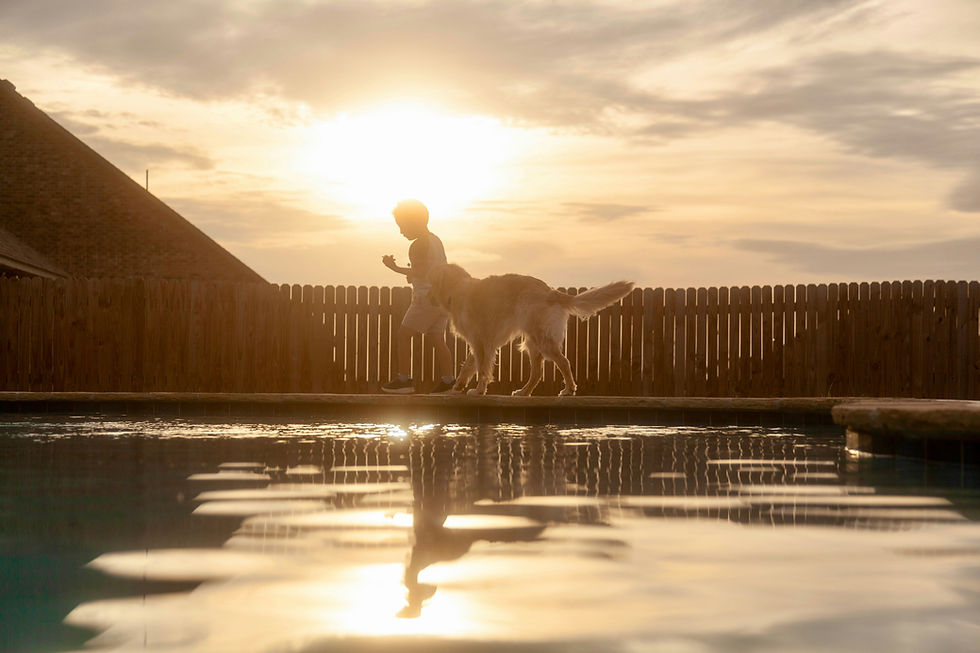
Golden Retriever – Why Families Love This Gentle Breed
If there is one dog breed that consistently appears on “best family dog” lists worldwide, it is the Golden Retriever.
Golden Retrievers are famous for being:
Patient
Friendly
Emotionally stable
Highly trainable
Extremely social
They usually love being involved in family activities and often form very strong bonds with children.
Why Parents Often Choose Golden Retrievers
Trait | Why Families Love It |
Gentle personality | Usually patient with children |
Easy to train | Great for first-time dog owners |
Social temperament | Often gets along with guests and other pets |
Playful but balanced | Good mix of energy and calmness |
Loyal behavior | Strong attachment to family members |
Golden Retrievers are also highly intelligent, which makes obedience training much easier compared to more stubborn breeds.
But Families Should Also Know This
Golden Retrievers are not low-maintenance dogs.
They require:
Daily exercise
Mental stimulation
Regular grooming
Attention and companionship
Without enough activity, they may become:
Hyperactive
Destructive
Overexcited
Prone to excessive chewing
Best Family Situation for a Golden Retriever
Golden Retrievers usually thrive in homes where:
Someone is home frequently
Outdoor activity is common
Children enjoy active play
The family wants a very social dog
They are often one of the safest “starter family dogs” for households wanting a larger breed.

Labrador Retriever – Friendly, Playful, and Easygoing Around Children
The Labrador Retriever is one of the most popular family dogs in the world for a reason.
Labs are known for being:
Extremely friendly
Outgoing
Energetic
Loyal
Easygoing with children
Many Labradors seem to genuinely enjoy chaotic family environments filled with movement, toys, noise, and outdoor play.
Why Kids Usually Love Labradors
Trait | Benefit for Families |
High playfulness | Great for active children |
Friendly personality | Usually social with strangers |
Strong trainability | Learns routines quickly |
Emotional warmth | Often highly affectionate |
Fits many family lifestyles |
Labradors often behave like permanent puppies emotionally, especially during their younger years. This makes them incredibly fun — but also very energetic.
Important Reality About Labradors
Many people underestimate how active Labradors are.
Young Labs especially need:
Long walks
Daily play sessions
Mental stimulation
Training consistency
Without enough activity, they may develop:
Jumping behavior
Hyperactivity indoors
Destructive chewing
Excessive excitement around children
Are Labradors Safe for Small Kids?
Generally, yes — but supervision is still necessary.
One common issue is not aggression, but excitement. Young Labradors may accidentally knock toddlers over simply because they are energetic and powerful dogs.
Best Family Situation for a Labrador Retriever
Labs usually do best in homes where:
Children enjoy outdoor activity
The family wants an active dog
Exercise is part of daily life
Owners have time for training and interaction
For energetic households, Labradors are often one of the most rewarding family companions available.

Beagle – Small, Social, and Great for Active Families
The Beagle is one of the most naturally cheerful dog breeds for families with children.
Beagles are known for being:
Curious
Playful
Friendly
Social
Energetic without being overwhelming
Their medium-small size makes them easier for many families to manage compared to giant breeds, while still being sturdy enough for active play with children.
Why Families Often Love Beagles
Trait | Why It Works Well |
Compact size | Easier to handle than large breeds |
Social personality | Usually enjoys family interaction |
Playful energy | Great for active kids |
Friendly nature | Often good with visitors and pets |
Expressive personality | Very entertaining family companion |
Beagles often become deeply attached to their families and usually dislike feeling excluded from household activities.
But Beagles Are Not “Easy” Dogs
Their adorable appearance makes many people underestimate them.
Beagles were bred as scent hounds, which means they can be:
Extremely stubborn
Distracted by smells
Loud and vocal
Escape artists outdoors
One Important Thing Parents Should Know
Beagles LOVE food.
Without proper control, they may:
Steal snacks from children
Beg constantly
Gain weight easily
Search through trash or backpacks
Families must teach children not to leave food unattended around them.
Best Family Situation for a Beagle
Beagles usually do best in homes where:
The family enjoys outdoor walks
Children want an interactive playful dog
Owners can provide daily stimulation
Noise is not a major issue
For active families wanting a fun-loving medium-small dog, Beagles are often an excellent choice.

Cavalier King Charles Spaniel – Calm and Affectionate Companion for Kids
The Cavalier King Charles Spaniel is one of the sweetest companion breeds for families wanting a calmer and more affectionate dog.
These dogs are famous for being:
Gentle
Emotionally sensitive
Loving
Calm indoors
Extremely people-oriented
Unlike some highly independent breeds, Cavaliers usually want to stay physically close to their owners most of the time.
Why Children Often Bond Quickly With Cavaliers
Trait | Benefit for Families |
Small size | Less intimidating for young children |
Soft temperament | Usually tolerant and affectionate |
Lower intensity | Easier for calmer households |
Strong attachment to people | Loves cuddling and companionship |
Adaptable lifestyle | Fits apartments and houses well |
Cavaliers often behave more like emotional companions than highly driven working dogs.
The Emotional Side of This Breed
One reason people fall in love with Cavaliers is how emotionally expressive they are.
They often:
Follow family members constantly
Seek physical affection
Enjoy lap time
Stay close during family activities
Become emotionally attached very quickly
This makes them incredibly loving pets — but also somewhat vulnerable to separation anxiety.
Important Reality About Cavaliers
Although they are gentle, Cavaliers are not ideal for rough handling.
Very small children must still learn:
Not to squeeze tightly
Not to pull ears or tails
Not to chase or corner the dog
Because of their softer temperament, harsh environments can overwhelm them emotionally.
Best Family Situation for a Cavalier
Cavaliers usually thrive in homes where:
The environment is relatively calm
The family wants a cuddly companion
Children are gentle and respectful
Owners want a smaller indoor-friendly dog
For families wanting an affectionate “shadow dog” that loves human connection, Cavaliers are often one of the best choices available.
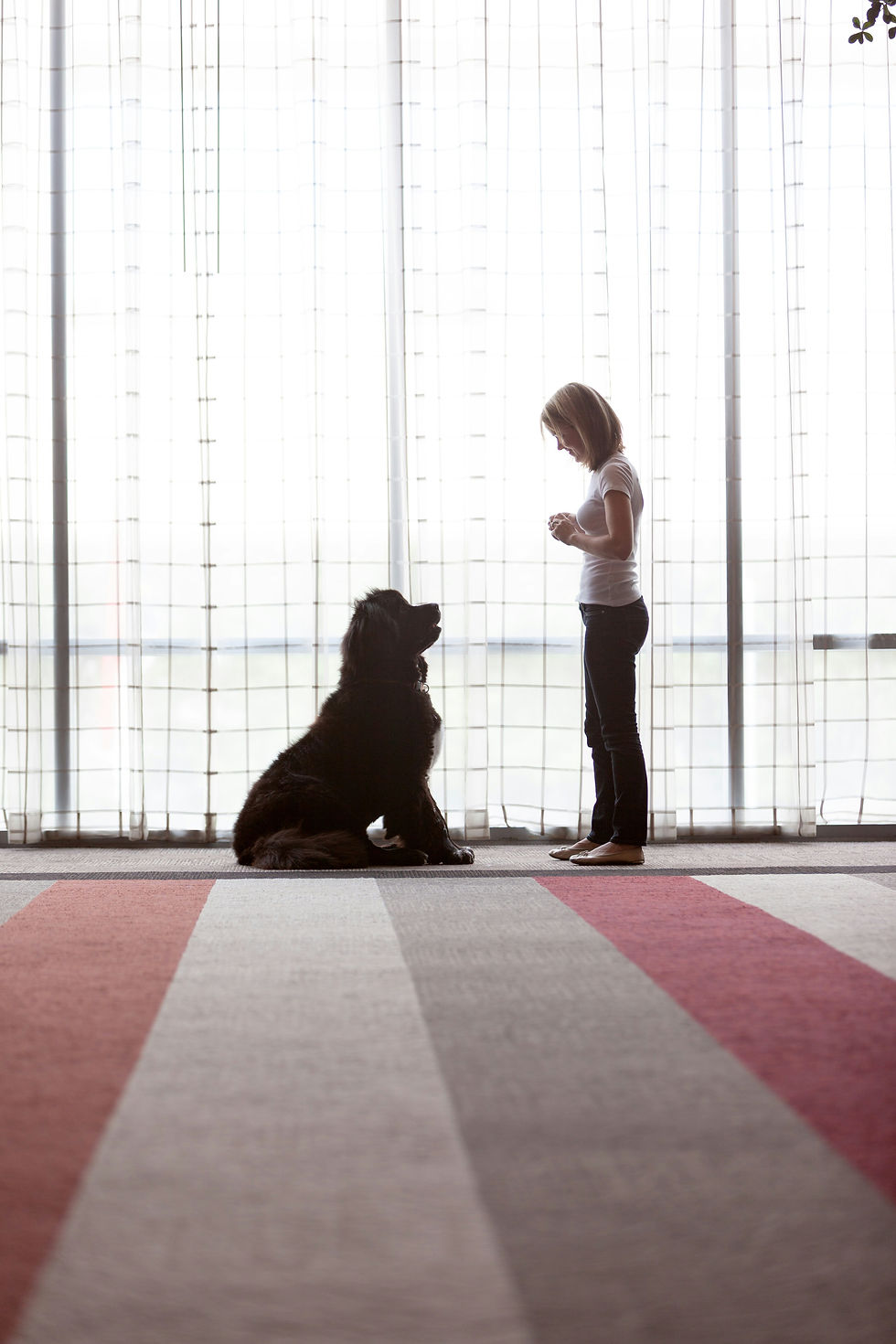
Newfoundland Dog – The Gentle Giant Known for Patience
The Newfoundland Dog is often called one of the gentlest large dog breeds in the world.
Despite their massive size, Newfoundlands are famous for being:
Calm
Patient
Protective
Loyal
Surprisingly gentle around children
Many people describe them as “nanny dogs” because of their naturally watchful and tolerant personality with families.
Why Families Love Newfoundlands
Trait | Why It Works for Families |
Calm temperament | Less chaotic indoors than many active breeds |
Protective instincts | Often naturally watchful around children |
Gentle personality | Usually patient and tolerant |
Emotional stability | Rarely overly reactive |
Strong family attachment | Loves staying near its people |
Newfoundlands usually prefer staying close to the family instead of constantly seeking independence.
The Reality of Owning a Giant Breed
As wonderful as they are, Newfoundlands are not easy dogs financially or physically.
Families should expect:
Heavy shedding
Large food expenses
Significant grooming needs
Higher veterinary costs
Their giant size also means:
They need more space
They may accidentally bump into small children
Travel becomes more difficult
Orthopedic problems may develop later in life
Best Family Situation for a Newfoundland
Newfoundlands usually thrive in homes where:
There is enough living space
Families want a calm large dog
Owners can manage grooming and expenses
Children are supervised because of the dog’s size
For families wanting a huge but emotionally gentle companion, few breeds compare to the Newfoundland.

Poodle – Intelligent, Trainable, and Allergy-Friendly Option
The Poodle is one of the smartest and most adaptable family dogs in the world.
Poodles are available in:
Miniature size
Toy size
This allows families to choose a size that fits their home and lifestyle more comfortably.
Why Parents Often Choose Poodles
Trait | Benefit for Families |
Extremely intelligent | Learns commands very quickly |
Highly trainable | Easier to manage around children |
Low-shedding coat | Often preferred for cleaner homes |
Energetic and playful | Great for active families |
Emotionally responsive | Strong connection with owners |
Poodles are often recommended for families wanting a dog that combines intelligence with friendliness.
The Big Advantage: Trainability
Poodles usually learn routines faster than many breeds.
This helps with:
House training
Recall commands
Walking manners
Child interaction boundaries
Visitor behavior
For first-time dog owners, this can make family life significantly easier.
But Poodles Need More Mental Stimulation Than People Expect
One common mistake is assuming Poodles are “easy” because they are intelligent.
In reality, bored Poodles may become:
Destructive
Hyperactive
Excessively vocal
Attention-seeking
Mental activity is just as important as physical exercise for this breed.
Grooming Is a Serious Commitment
Poodles require regular coat care.
Families should expect:
Professional grooming visits
Frequent brushing
Coat maintenance costs
Ear cleaning routines
Without proper grooming, matting can become severe.
Best Family Situation for a Poodle
Poodles usually do best in homes where:
The family enjoys training and interaction
Mental stimulation is provided daily
Grooming maintenance is manageable
Children want an active interactive dog
For families wanting a highly intelligent and adaptable companion, Poodles are often one of the strongest choices available.

Boxer – Energetic and Protective Family Companion
The Boxer is one of the funniest and most energetic family dogs on this list.
Boxers are famous for being:
Playful
Loyal
Protective
Silly and expressive
Extremely people-oriented
Many Boxer owners say these dogs behave like oversized puppies for years.
Why Kids Usually Love Boxers
Trait | Why Families Enjoy It |
High energy | Loves games and outdoor play |
Loyal personality | Strong bond with family |
Protective instincts | Naturally alert around children |
Funny behavior | Constant entertainment |
Affectionate nature | Loves physical interaction |
Boxers often enjoy active family life and usually want to participate in everything happening around them.
The Challenge With Young Boxers
Young Boxers can be VERY energetic.
Without training and exercise, they may become:
Jumpers
Rough players
Overexcited around small children
Destructive indoors
Their excitement is usually friendly, but their strength can overwhelm toddlers accidentally.
Boxers Need Structure
This breed usually performs best when families provide:
Consistent training
Daily exercise
Clear boundaries
Mental stimulation
A bored Boxer often creates chaos.
Best Family Situation for a Boxer
Boxers usually thrive in homes where:
Children are active
Outdoor play is common
The family wants a playful protective dog
Owners can provide training and exercise daily
For energetic families wanting a loyal “best friend” type of dog, Boxers are often incredible companions.

Bichon Frise – Cheerful Small Dog With a Loving Personality
The Bichon Frise is one of the happiest-looking dogs in the world — and its personality often matches its appearance.
Bichons are known for being:
Cheerful
Social
Affectionate
Playful
Family-oriented
Their small size and friendly personality make them very popular with families living in apartments or smaller homes.
Why Families Often Love Bichons
Trait | Benefit for Families |
Small manageable size | Easier for many households |
Friendly personality | Usually social with children |
Low shedding | Cleaner for indoor living |
Adaptable temperament | Fits many lifestyles |
Strong affection for people | Loves companionship |
Bichons usually enjoy attention and often become very attached to family members.
One Thing Families Should Know
Bichons do not enjoy being alone for long periods.
Without enough interaction, they may develop:
Separation anxiety
Excessive barking
Attention-seeking behavior
Stress-related habits
They usually do best in homes where someone is around frequently.
Grooming Is Important
The fluffy white coat requires maintenance.
Families should expect:
Frequent brushing
Professional grooming visits
Tear stain cleaning
Regular coat care
Without grooming, matting can become severe surprisingly quickly.
Why Children Usually Like This Breed
Bichons are often:
Gentle during play
Emotionally expressive
Fun and interactive
Less intimidating because of their size
This can make them especially appealing for younger children.
Best Family Situation for a Bichon Frise
Bichons usually thrive in homes where:
Families want a smaller indoor dog
Companionship is important
Someone is home regularly
Grooming maintenance is manageable
For families wanting a happy, affectionate, smaller companion dog, the Bichon Frise is often an excellent choice.

Collie – Loyal and Naturally Protective Around Children
The Collie became world famous because of the fictional dog Lassie — and honestly, the reputation fits the breed surprisingly well.
Collies are widely known for being:
Loyal
Intelligent
Gentle
Protective
Emotionally aware of their families
Many Collies naturally pay close attention to children and often behave almost like supervisors inside the home.
Why Families Trust Collies
Trait | Why It Helps Around Kids |
High intelligence | Learns routines quickly |
Protective personality | Naturally alert around children |
Emotional sensitivity | Responds closely to family moods |
Gentle interaction style | Usually calm with kids |
Strong trainability | Easier household management |
Collies often become deeply attached to their family unit and usually dislike conflict or tension in the household.
But Herding Instincts Are Real
One important thing parents should know is that Collies are herding dogs.
Some may occasionally try to:
“Herd” children during play
Circle running kids
Bark during excitement
Become overstimulated by chaos
Proper training and early socialization usually help manage these behaviors well.
Grooming Commitment
Collies have beautiful coats — but beautiful coats require work.
Families should expect:
Heavy seasonal shedding
Frequent brushing
Coat maintenance
Regular grooming routines
Without proper brushing, mats and skin problems can develop.
Best Family Situation for a Collie
Collies usually thrive in homes where:
Families want a gentle intelligent dog
Children are active but respectful
Owners enjoy training and interaction
Grooming time is manageable
For emotionally connected family life, Collies are often one of the most rewarding breeds.
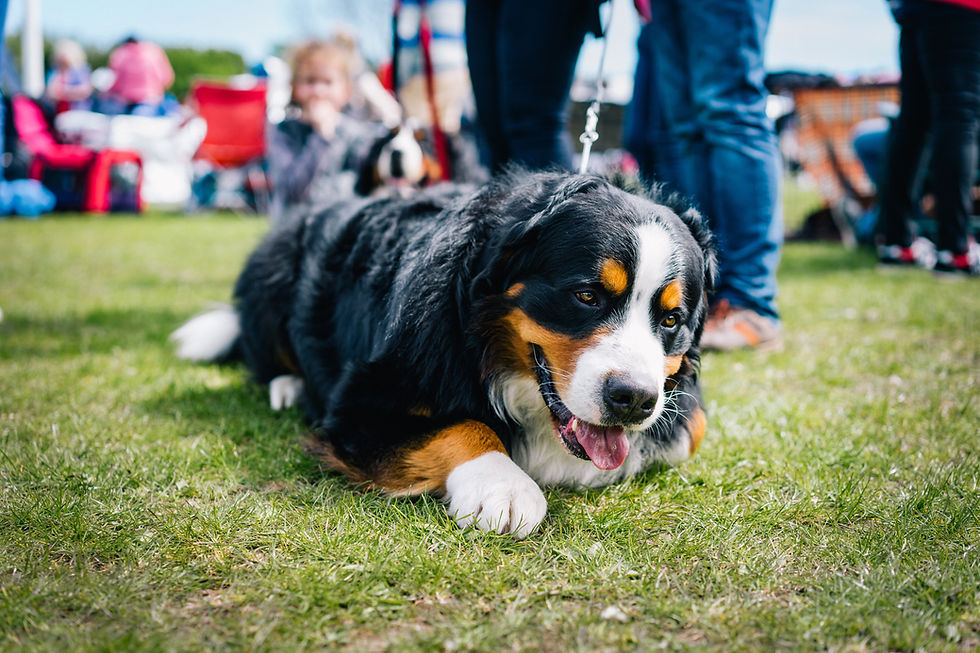
Bernese Mountain Dog – Calm Temperament and Strong Family Bond
The Bernese Mountain Dog is one of the most beautiful and emotionally gentle giant breeds in the world.
Bernese Mountain Dogs are famous for being:
Calm
Affectionate
Loyal
Patient
Extremely family-oriented
They often form very strong emotional bonds with both adults and children.
Why Families Fall in Love With Bernese Dogs
Trait | Why Families Love It |
Calm personality | Easier indoor behavior |
Gentle temperament | Usually patient with children |
Emotional loyalty | Loves staying near family |
Beautiful appearance | Very visually striking breed |
Friendly social behavior | Often welcoming toward guests |
Bernese dogs usually enjoy simply being close to their people rather than constantly demanding attention.
The Reality of Giant Breed Ownership
Bernese Mountain Dogs are wonderful — but they are not low-maintenance.
Families should expect:
Heavy shedding
Large food bills
Higher veterinary costs
Joint health monitoring
Significant grooming needs
Because of their large size, they may also accidentally knock over small children during excited moments.
One Emotional Challenge With This Breed
One heartbreaking reality is that Bernese Mountain Dogs often have shorter lifespans than many smaller breeds.
This is partly because giant breeds are more vulnerable to:
Orthopedic disease
Certain cancers
Mobility problems
Families considering this breed should understand the emotional commitment involved.
Best Family Situation for a Bernese Mountain Dog
Bernese dogs usually thrive in homes where:
Families want a calm affectionate giant breed
Space is available
Grooming is manageable
Children interact respectfully
For families wanting a large “gentle giant” companion with a soft personality, Bernese Mountain Dogs are often unforgettable pets.

Irish Setter – Fun-Loving Breed for Energetic Households
The Irish Setter is one of the happiest and most energetic family dogs in the canine world.
Irish Setters are famous for being:
Outgoing
Playful
Friendly
Athletic
Extremely social
They often behave like permanent optimists and usually bring a lot of energy into the home.
Why Active Families Love Irish Setters
Trait | Why It Works Well |
High play drive | Great for active children |
Friendly personality | Usually social with strangers |
Athletic ability | Excellent outdoor companion |
Emotional warmth | Loves family interaction |
Playful behavior | Keeps family life fun and active |
Irish Setters often LOVE being around children and usually enjoy games, running, and outdoor adventures.
But This Breed Is NOT Low-Energy
One of the biggest mistakes people make is underestimating how active Irish Setters are.
Without enough exercise, they may become:
Hyperactive indoors
Destructive
Difficult to manage
Excessively excitable
This breed usually needs far more activity than the average family expects.
Irish Setters Need Mental Stimulation Too
Physical exercise alone is often not enough.
They usually do best with:
Training sessions
Outdoor exploration
Interactive games
Structured routines
Social interaction
A bored Irish Setter often creates its own entertainment.
Grooming and Coat Maintenance
Their beautiful red coat also requires attention.
Families should expect:
Regular brushing
Moderate shedding
Ear care
Occasional grooming maintenance |
Best Family Situation for an Irish Setter
Irish Setters usually thrive in homes where:
The family is highly active
Outdoor activities are common
Children enjoy energetic play
Owners have time for training and exercise
For energetic households wanting a joyful and social dog, Irish Setters are often incredible companions.

Best Small Dog Breeds for Families With Kids
Not every family wants a large dog. Smaller breeds can be excellent choices for households living in apartments, smaller homes, or urban environments.
However, parents should remember something important:
Small dogs are not automatically easier with children.
Some small breeds become defensive if handled roughly, while others are extremely patient and affectionate.
Small Breeds Often Recommended for Families
Breed | Why Families Like Them |
Cavalier King Charles Spaniel | Gentle and affectionate |
Bichon Frise | Cheerful and social |
Playful and family-oriented | |
Miniature Poodle | Intelligent and trainable |
Calm and adaptable |
Advantages of Smaller Family Dogs
Advantage | Why Parents Like It |
More manageable size | |
Lower food costs | Smaller dogs eat less |
Apartment-friendly | Fits smaller spaces |
Less intimidating for kids | Children may feel more comfortable |
But Parents Should Still Supervise Carefully
Small dogs can be injured more easily by:
Rough handling
Falling
Tight hugging
Chasing behavior
Children must still learn respectful interaction regardless of dog size.
Which Small Breed Is Often the Easiest Overall?
For many families, the Cavalier King Charles Spaniel is often considered one of the gentlest and easiest small companion breeds for children because of its calm and affectionate personality.

Best Large Dog Breeds for Children
Large dogs often look intimidating, but many of the gentlest family breeds are actually medium-large or giant dogs.
In fact, some large breeds are:
More patient
More emotionally stable
Less reactive
Better with noise and chaos
than certain smaller breeds.
Large Breeds Often Recommended for Families
Breed | Why Families Love Them |
Golden Retriever | Friendly and easygoing |
Labrador Retriever | Playful and social |
Newfoundland Dog | Calm and patient |
Bernese Mountain Dog | Gentle and affectionate |
Collie | Protective and intelligent |
Why Families Often Prefer Large Dogs
Advantage | Why It Helps |
Higher emotional stability | Many large breeds are calmer |
More durable physically | Better suited for active kids |
Protective instincts | Families often feel safer |
Strong bonding behavior | Very family-oriented personalities |
The Biggest Challenge With Large Dogs
Even gentle giant breeds have one major issue:
Size.
Large dogs may accidentally:
Knock toddlers over
Pull strongly on walks
Break household items during excitement
Require expensive medical care
This is why training is essential from an early age.
Large Dogs Usually Need More Of Everything
Families should expect:
Need | Reality |
Food | Much higher costs |
Space | More room needed |
Usually more expensive | |
Exercise | Daily activity required |
Grooming | Often significant |
Large dogs can be amazing family companions — but they are major responsibilities.
Which Large Breed Is Often the Safest Family Choice?
The Golden Retriever is often considered one of the most balanced overall family dogs because it combines:
Trainability
Gentleness
Emotional stability
Social friendliness
Adaptability
This is one reason Golden Retrievers consistently remain one of the world’s most popular family breeds.

Dog Breeds That May Struggle in Homes With Small Children
This does NOT mean these breeds are “bad dogs.”
Many of them are intelligent, loyal, and amazing in the right environment.
But some breeds may struggle more in homes with young children because of:
High prey drive
Sensitivity to noise
Low patience
Extreme energy levels
Strong guarding instincts
Need for experienced handling |
Breeds That May Be More Challenging for Families
Breed Type | Possible Challenge |
Very high-drive working dogs | May become overstimulated |
Strong guarding breeds | Can misinterpret chaotic play |
Extremely sensitive dogs | May become stressed by loud homes |
Tiny fragile toy breeds | Risk of accidental injury |
Independent primitive breeds | Harder for first-time owners |
Important Reality: Individual Personality Matters
Breed tendencies matter — but every dog is still an individual.
Some dogs from “difficult” breeds become incredible family companions with:
Proper training
Socialization
Structure
Responsible ownership
Meanwhile, poorly trained dogs from traditionally “family-friendly” breeds can still become difficult or unsafe.
Warning Signs a Breed May Not Fit Your Family
A dog may be a poor match if:
The family cannot provide enough exercise
Children are extremely rough or chaotic
Owners are inexperienced with strong working breeds
The dog becomes stressed easily
There is not enough time for training
Compatibility matters far more than popularity.
One of the Biggest Mistakes Families Make
Many people choose dogs based on:
Appearance
Internet trends
Movies
Viral videos
instead of lifestyle compatibility.
The “perfect family dog” is usually the dog whose needs realistically match the household — not the dog that looks best online.

How to Introduce a Dog to a Child Safely
The first meeting between a child and a dog can shape their future relationship more than many people realize.
A calm introduction helps the dog feel secure and helps the child learn respectful behavior from the beginning.
The First Meeting Should Be Calm
Many families accidentally overwhelm dogs during introductions by creating too much excitement.
Avoid:
Loud screaming
Running toward the dog
Tight hugging immediately
Crowding the dog with multiple children
Forcing interaction
Dogs usually feel safer when they can approach slowly at their own pace.
Best First Introduction Setup
Recommendation | Why It Helps |
Calm environment | Reduces stress |
One child at a time | Less overwhelming |
Leashed but relaxed dog | Improves control |
Allow sniffing first | Natural canine behavior |
Reward calm behavior | Builds positive association |
Teach Children the “Gentle Rule”
Children should learn to:
Pet gently
Avoid face grabbing
Stay away from food bowls
Respect the dog’s resting space
Let the dog walk away freely
This helps prevent stress and fear-based reactions.
Dogs Need Safe Spaces Too
Even family dogs need breaks.
Every dog should have:
A quiet resting area
A crate or bed zone
A place children do not disturb
Dogs that cannot escape stressful interaction may become anxious over time.

Common Mistakes Families Make When Choosing a Dog
Choosing the wrong breed is one of the biggest reasons families later feel overwhelmed.
Many people choose dogs emotionally instead of realistically.
Most Common Family Mistakes
Mistake | Why It Causes Problems |
Choosing based only on appearance | Personality mismatch |
Ignoring energy level | Hyperactive household chaos |
Underestimating training needs | Behavioral problems develop |
Buying trendy breeds impulsively | Poor long-term compatibility |
Assuming all family breeds are easy | Every breed still needs work |
Ignoring grooming costs | Unexpected maintenance burden |
The “Cute Puppy” Trap
Almost every puppy looks adorable.
But families often forget puppies eventually become:
Large powerful adults
High-energy adolescents
Strong working dogs
Expensive long-term responsibilities |
The goal should not be choosing the cutest puppy.
The goal should be choosing the best long-term match.
Social Media Creates Unrealistic Expectations
Online videos often show:
Perfectly behaved dogs
Calm children
Edited interactions
Idealized moments
Real life is different.
Even great family dogs still:
Shed
Need training
Get sick
Become stressed sometimes
Daily Care Tips for Family Dogs
A happy family dog usually comes from consistent daily care — not just choosing the right breed.
Dogs that feel mentally stimulated, physically healthy, and emotionally secure are usually calmer and easier around children.
The Most Important Daily Needs
Need | Why It Matters |
Exercise | Prevents boredom and hyperactivity |
Mental stimulation | Reduces destructive behavior |
Consistent routine | Helps dogs feel secure |
Quality nutrition | Supports overall health |
Rest and quiet time | Prevents overstimulation |
Positive interaction | Strengthens family bonding |
Exercise Is More Important Than Many Families Realize
Even friendly family breeds can become difficult if they do not burn enough energy.
Under-exercised dogs may develop:
Excessive barking
Jumping behavior
Rough play
Destructive chewing
Attention-seeking behavior
Signs a Dog Feels Stressed Around Children
Many dogs show subtle stress signals long before growling or snapping happens.
The problem is that children — and even adults — often miss these warning signs completely.
Learning canine body language is one of the most important safety skills for families.
Early Stress Signals in Dogs
Stress Signal | What It May Mean |
Lip licking | Anxiety or discomfort |
Yawning repeatedly | Stress response |
Turning the head away | Avoidance behavior |
Tail tucked low | Fear or insecurity |
Ears pinned back | Nervousness |
Walking away constantly | Wants space |
Freezing suddenly | High discomfort level |
These signs often appear BEFORE aggressive behavior.
Many Dogs Do NOT Want Constant Physical Contact
Children often show affection differently than dogs understand.
Some dogs become stressed by:
Tight hugging
Climbing on them
Pulling fur
Face-to-face contact
Loud screaming nearby
Even tolerant family dogs have limits.
Should Families Adopt a Puppy or an Adult Dog?
One of the biggest decisions families face is whether to bring home a puppy or an adult dog.
Most people automatically choose puppies because they are adorable and feel easier to bond with emotionally. But in reality, adult dogs are often a better fit for many families with children.
The best choice depends on:
The age of the children
The family’s experience level
Available time for training
Household energy level
Lifestyle expectations
Why Families Love Puppies
Puppies are exciting, playful, and extremely cute.
Many families love the idea of:
Raising a dog from the beginning
Watching the dog grow with the children
Building strong early bonds
Training the dog themselves
But Puppies Are MUCH More Work Than Most People Expect
Puppy Challenge | Reality |
Biting and teething | Completely normal puppy behavior |
Potty training | Requires constant consistency |
Night waking | Common in young puppies |
Hyperactivity | Especially difficult with toddlers |
Destructive chewing | Happens frequently |
Unpredictable temperament | Adult personality still developing |
So Which Is Better?
Puppies May Be Better For Families Who:
Have time for training
Want the “raise from the beginning” experience
Have older children
Can handle high energy and chaos
Adult Dogs May Be Better For Families Who:
Want more predictability
Prefer calmer energy
Have very young children
Want easier household adjustment
There is no universally correct answer — only the best fit for the specific family.
FAQ
What is the best dog breed for kids overall?
Many experts and families consider the Golden Retriever one of the best overall dog breeds for children because of its gentle temperament, trainability, emotional stability, and friendly personality. However, the best dog for one family may not be the best for another. Lifestyle, activity level, home size, and the age of the children matter just as much as breed reputation.
Which dog breed is safest for small children?
Breeds known for patience and emotional stability are often considered safer choices for younger children. Popular examples include:
Golden Retriever
Labrador Retriever
Newfoundland Dog
Cavalier King Charles Spaniel
That said, supervision is always necessary regardless of breed.
Are small dogs better for kids than large dogs?
Not always. Some small dogs are actually more sensitive or defensive around rough handling, while many large breeds are surprisingly calm and patient. Large dogs may be emotionally stable but can accidentally knock small children over because of their size. Temperament is usually more important than size alone.
Which dog breeds are best for active families with children?
Highly active families often do well with energetic and playful breeds such as:
Labrador Retriever
Boxer
Irish Setter
Beagle
These dogs usually enjoy outdoor activity, games, and interactive family life.
What is the calmest family-friendly dog breed?
The Newfoundland Dog and Bernese Mountain Dog are often considered among the calmest large family dogs. For smaller calm companion breeds, the Cavalier King Charles Spaniel is widely loved for its gentle and affectionate personality.
Are Golden Retrievers really good with kids?
Yes. Golden Retriever dogs are widely known for being patient, friendly, affectionate, and highly trainable. They are often recommended for first-time family dog owners. However, young Goldens still require training, exercise, and supervision because they can become overly excited during play.
Which dog breeds are easiest for first-time parents?
Some of the most beginner-friendly family breeds include:
Breed | Why It Is Beginner-Friendly |
Golden Retriever | Easy to train and emotionally stable |
Labrador Retriever | Friendly and adaptable |
Poodle | Intelligent and trainable |
Bichon Frise | Social and manageable size |
Should families get a puppy or an adult dog?
Puppies are adorable but require intense supervision, training, potty training, and patience. Adult dogs often have more predictable personalities and calmer behavior. Many families with younger children actually adapt more easily to adult dogs.
What dog breeds may struggle with chaotic family environments?
Highly sensitive breeds, extremely high-drive working dogs, or dogs requiring experienced handling may struggle in loud or unpredictable households. This does not make them “bad dogs,” but some breeds need calmer environments and more advanced training.
How can parents help dogs and children get along better?
The safest and happiest family homes usually:
Supervise all interactions
Teach children respectful behavior
Give dogs personal space
Avoid rough play
Train dogs consistently
Provide enough daily exercise and mental stimulation.
Children should also learn how to recognize stress signals in dogs.
What are signs a dog feels stressed around children?
Common stress signals include:
Lip licking
Yawning repeatedly
Turning away
Tail tucked down
Growling
Walking away constantly
Freezing suddenly
These behaviors are often early warnings that the dog needs space.
Can family dogs become aggressive?
Yes. Any dog can react defensively if frightened, overwhelmed, injured, or handled inappropriately. Even breeds known for being gentle still require supervision, training, and respectful interaction.
Which dog breed sheds the least for families?
The Poodle and Bichon Frise are popular choices for families wanting lower-shedding breeds. However, lower shedding usually means higher grooming needs.
What is the most affectionate dog breed for children?
Many families describe the Cavalier King Charles Spaniel, Golden Retriever, and Labrador Retriever as extremely affectionate and emotionally connected family dogs.
Are rescue dogs good with children?
Absolutely. Many rescue dogs become amazing family pets when matched with the right household. Temperament evaluation, gradual introductions, and proper supervision are important. Adult rescue dogs can sometimes be calmer and easier for families than young puppies.
What is the biggest mistake families make when choosing a dog?
The most common mistake is choosing based only on appearance, trends, or social media popularity instead of realistic lifestyle compatibility. The best family dog is usually the dog whose energy level, personality, and care needs truly match the family’s daily life.
Sources
Official Source | Link |
American Kennel Club – Best Family Dogs | |
American Veterinary Medical Association – Dog Bite Prevention | |
Centers for Disease Control and Prevention – Healthy Pets and Dog Safety | |
The Kennel Club – Choosing the Right Dog Breed | |
VCA Animal Hospitals – Introducing Dogs and Children Safely | |
ASPCA – Dog Care and Behavior | |
Mersin VetLife Veterinary Clinic |


Comments