
Fungal Acne (Malassezia Folliculitis): Signs, Causes, Treatment Options, and Prevention Tips

Updated: Jul 2
What Is Fungal Acne (Malassezia Folliculitis)?
Fungal acne, medically known as Malassezia folliculitis, is a skin condition caused by an overgrowth of Malassezia yeast within hair follicles. Despite its name, fungal acne is not true acne. Unlike acne vulgaris, which is associated with clogged pores and bacteria, fungal acne develops when naturally occurring yeast multiplies excessively and triggers inflammation.
The condition often appears as clusters of small, uniform bumps that may resemble traditional acne. Because the lesions look similar to pimples, fungal acne is frequently mistaken for common acne, leading many people to use treatments that may actually worsen the condition.
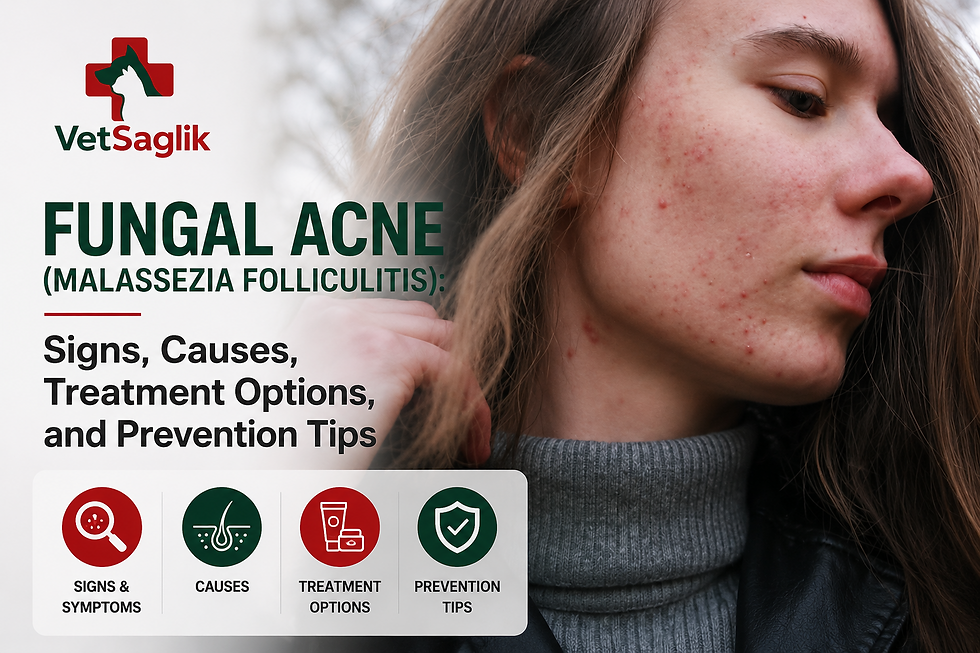
Fungal acne most commonly affects areas with a high concentration of oil glands, including:
Forehead
Cheeks
Chin
Chest
Upper back
Shoulders
One of the key characteristics of fungal acne is that the bumps are often itchy, which is less common in traditional acne.

What Causes Fungal Acne?
Fungal acne develops when the balance of microorganisms living on the skin is disrupted, allowing Malassezia yeast to grow excessively inside hair follicles. Several factors can contribute to this overgrowth.
Hot and Humid Environments
Warm temperatures and increased sweating create ideal conditions for yeast growth. People living in tropical climates or those who exercise frequently may be more susceptible.
Excessive Sweating
Sweat trapped beneath tight clothing or left on the skin for prolonged periods can encourage fungal proliferation and increase the risk of folliculitis.
Oily Skin
Malassezia yeast feeds on skin oils. Individuals with naturally oily skin may therefore be more prone to fungal acne outbreaks.
Antibiotic Use
Long-term or repeated use of antibiotics can reduce the population of beneficial skin bacteria. This may allow yeast organisms to multiply unchecked.
Weakened Immune Function
Certain medical conditions, medications, or treatments that affect the immune system can increase susceptibility to fungal infections, including Malassezia folliculitis.
Occlusive Skincare Products
Heavy creams, oily cosmetics, and pore-clogging products can create an environment that supports yeast overgrowth, particularly in individuals already prone to fungal acne.
Understanding these triggers can help reduce future flare-ups and guide more effective treatment choices.

Common Signs and Symptoms of Fungal Acne
The symptoms of fungal acne can closely resemble those of traditional acne, making it difficult to identify without careful evaluation. However, several features can help distinguish Malassezia folliculitis from other skin conditions.
Small, Uniform Bumps
Fungal acne typically appears as clusters of small red or skin-colored bumps that are similar in size. Unlike traditional acne, lesions tend to look very uniform.
Itching and Irritation
One of the most common symptoms is persistent itching. Many people report that the affected areas feel irritated, especially after sweating or exercising.
Pustules and Redness
In some cases, the bumps may develop into small pus-filled pustules surrounded by mild redness and inflammation.
Recurring Breakouts
Fungal acne often returns despite the use of conventional acne treatments. Repeated flare-ups are especially common in hot and humid conditions.
Commonly Affected Areas
Symptoms most frequently appear on:
Forehead
Hairline
Chin
Chest
Upper back
Shoulders
Because fungal acne can mimic bacterial acne, accurate diagnosis is important before starting treatment.

Fungal Acne vs Regular Acne: How to Tell the Difference
Although they may appear similar at first glance, fungal acne and acne vulgaris have different causes, symptoms, and treatment approaches.
Feature | Fungal Acne | Regular Acne |
Cause | Overgrowth of Malassezia yeast | Excess oil, clogged pores, bacteria |
Appearance | Small, uniform bumps | Various sizes of pimples and comedones |
Itching | Common | Uncommon |
Blackheads | Rare | Common |
Whiteheads | Rare | Common |
Response to Antibiotics | May worsen | Often improves |
Best Treatment | Antifungal therapy | Acne-specific treatments |
Signs That Suggest Fungal Acne
You may be dealing with fungal acne if:
Breakouts are very itchy.
Bumps are nearly identical in size.
Acne treatments are not helping.
Symptoms worsen with heat and sweating.
Lesions are concentrated on the forehead, chest, or back.
Correctly identifying the condition is essential because treatments that work for regular acne may not be effective against fungal acne and can sometimes make symptoms worse.

Where Does Fungal Acne Commonly Appear?
Fungal acne can develop anywhere on the body where hair follicles and oil glands are present. However, certain areas are affected more frequently because they provide an ideal environment for Malassezia yeast growth.
Forehead and Hairline
The forehead is one of the most common locations for fungal acne. Small, itchy bumps often appear near the hairline, especially in individuals who sweat frequently or use oily hair products.
Face
Although fungal acne can occur across the face, it is often concentrated on the forehead, temples, and jawline. The lesions are usually uniform in appearance and may be mistaken for traditional acne.
Chest
The chest is a frequent site of fungal acne, particularly in physically active individuals or those living in warm climates. Tight clothing and trapped sweat can contribute to flare-ups.
Upper Back and Shoulders
The back and shoulders contain many sebaceous glands, making them ideal environments for yeast overgrowth. Breakouts in these areas are often persistent and may worsen during hot weather.
Neck
Some individuals develop clusters of itchy bumps on the sides or back of the neck, especially after prolonged sweating or exercise.
Why These Areas Are Commonly Affected
Several factors make these body regions more vulnerable:
Increased oil production
Higher levels of sweating
Friction from clothing
Warm and humid conditions
Greater concentration of hair follicles
Recognizing the typical distribution pattern can help distinguish fungal acne from other skin conditions.

Who Is Most at Risk of Developing Fungal Acne?
While fungal acne can affect people of all ages and skin types, certain factors increase the likelihood of developing the condition.
People With Oily Skin
Because Malassezia yeast feeds on skin oils, individuals with naturally oily skin may be more susceptible to fungal acne.
Athletes and Active Individuals
Frequent exercise and excessive sweating create a warm, moist environment that encourages yeast growth. Athletes often experience breakouts on the chest, back, and shoulders.
People Living in Hot and Humid Climates
Tropical and subtropical climates provide ideal conditions for fungal proliferation. Flare-ups tend to be more common during summer months.
Individuals Using Antibiotics
Long-term antibiotic use can alter the skin's natural microbiome by reducing beneficial bacteria, allowing yeast populations to increase.
People With Weakened Immune Systems
Certain medical conditions or treatments that suppress immune function may increase the risk of fungal infections, including Malassezia folliculitis.
Individuals Using Heavy Skincare Products
Oil-based creams, thick moisturizers, and occlusive cosmetic products can trap heat and moisture, creating favorable conditions for yeast growth.
Common Risk Factors at a Glance
People may be at higher risk if they:
Sweat excessively
Have oily skin
Live in humid environments
Exercise frequently
Use antibiotics regularly
Wear tight or non-breathable clothing
Use heavy cosmetic or skincare products
Understanding these risk factors can help individuals take preventive measures and reduce the likelihood of future outbreaks.
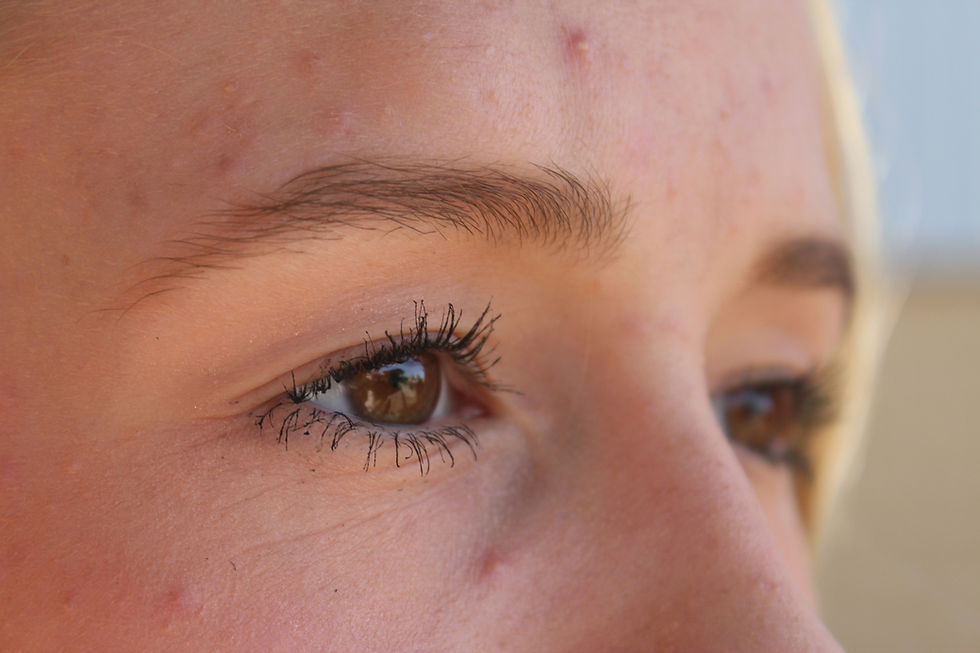
How Is Fungal Acne Diagnosed?
Diagnosing fungal acne can be challenging because it often resembles traditional acne. A healthcare professional will usually evaluate the appearance of the lesions, review symptoms, and consider factors such as itching, treatment history, and breakout patterns.
Physical Examination
The first step is a thorough skin examination. Healthcare providers look for:
Small, uniform bumps
Itchy lesions
Clusters of follicle-centered papules or pustules
Common distribution on the forehead, chest, back, and shoulders
The combination of these findings can raise suspicion for Malassezia folliculitis.
Medical History Review
Your healthcare provider may ask about:
Recent antibiotic use
Skincare products
Exercise habits
Sweating patterns
Previous acne treatments
History of skin conditions
These details can help identify potential triggers and risk factors.
Microscopic Examination
In some cases, skin scrapings or follicular samples may be examined under a microscope to detect the presence of Malassezia yeast.
Skin Biopsy
Rarely, a skin biopsy may be recommended when the diagnosis remains uncertain or when other skin disorders need to be ruled out.
Treatment Response as a Clue
Sometimes fungal acne is suspected when conventional acne treatments fail while antifungal therapies lead to rapid improvement.
Accurate diagnosis is important because fungal acne requires a different treatment approach than traditional acne.

Treatment Options for Fungal Acne
The primary goal of treatment is to reduce the overgrowth of Malassezia yeast and prevent future flare-ups.
Topical Antifungal Treatments
Many mild to moderate cases respond well to topical antifungal products.
Common options include:
Ketoconazole
Ciclopirox
Selenium sulfide
Zinc pyrithione
These ingredients are often found in medicated shampoos, cleansers, and creams that can be applied to affected areas.
Oral Antifungal Medications
For more severe or persistent cases, healthcare professionals may prescribe oral antifungal medications.
Examples include:
Fluconazole
Itraconazole
These medications should only be used under professional medical supervision.
Improving Skincare Habits
Proper skincare can help support treatment and reduce recurrence.
Helpful measures include:
Using non-comedogenic products
Avoiding heavy oils and greasy creams
Showering after exercise
Keeping the skin cool and dry
Wearing breathable clothing
Addressing Contributing Factors
Managing triggers is often just as important as treating the yeast overgrowth itself.
Potential triggers to address include:
Excessive sweating
Tight clothing
Hot and humid environments
Unnecessary antibiotic use
Occlusive skincare products
What to Expect
Many individuals notice improvement within a few weeks of appropriate antifungal treatment. However, recurrence is possible if underlying risk factors remain unchanged.
Early recognition and proper management typically provide the best long-term results.
Skincare Ingredients That May Help
Choosing the right skincare products can support treatment and help reduce the likelihood of future fungal acne flare-ups. While skincare alone cannot eliminate fungal acne, certain ingredients may help create a healthier skin environment.
Niacinamide
Niacinamide is a popular skincare ingredient known for its ability to support the skin barrier and regulate oil production.
Potential benefits include:
Reducing excess sebum
Improving skin barrier function
Helping calm redness and irritation
Salicylic Acid
Salicylic acid helps remove excess oil and dead skin cells from the surface of the skin.
Benefits may include:
Keeping pores clear
Reducing surface oil
Supporting overall skin texture
Although fungal acne is not caused by clogged pores, salicylic acid may help improve the appearance of affected skin.
Sulfur
Sulfur has long been used in dermatology for its antimicrobial and oil-reducing properties.
It may help:
Reduce excess oil
Support skin renewal
Improve the appearance of inflammatory lesions
Zinc-Based Products
Zinc-containing products can help regulate oil production and support overall skin health.
Potential benefits include:
Reduced skin irritation
Better oil control
Improved skin balance
Gentle Cleansers
A mild cleanser can help remove sweat, oil, and debris without damaging the skin barrier.
Look for products that are:
Fragrance-free when possible
Non-comedogenic
Lightweight and gentle
Products and Ingredients to Avoid
Certain products may worsen fungal acne by creating conditions that support yeast growth.
Heavy Oils
Some oils may contribute to an environment where Malassezia thrives.
Examples include:
Coconut oil
Olive oil
Wheat germ oil
Thick Creams and Occlusive Products
Heavy moisturizers and greasy products can trap heat and moisture against the skin.
This may:
Increase sweating
Promote yeast overgrowth
Worsen existing lesions
Oily Hair Products
Hair products can transfer onto the forehead, neck, and upper back, contributing to flare-ups in susceptible individuals.
Excessive Use of Antibiotics
Long-term antibiotic use may disrupt the skin microbiome and allow yeast populations to increase.
Antibiotics should only be used when medically necessary and under professional guidance.
Harsh Scrubs
Aggressive exfoliation can irritate the skin and damage the protective barrier.
Instead of helping, excessive scrubbing may:
Increase inflammation
Cause skin irritation
Delay recovery
Choosing lightweight, non-comedogenic products and avoiding known triggers can significantly improve treatment outcomes and help prevent future outbreaks.
Prevention Tips for Fungal Acne
Although fungal acne can be frustrating, several preventive measures may help reduce the risk of future flare-ups. Consistency is often the key to long-term control.
Shower After Sweating
Sweat and moisture can create favorable conditions for yeast growth. Showering soon after exercise or excessive sweating may help keep the skin cleaner and drier.
Wear Breathable Clothing
Loose-fitting, moisture-wicking fabrics can reduce heat buildup and friction on the skin.
Good choices include:
Cotton clothing
Moisture-wicking athletic fabrics
Loose-fitting garments
Avoid Heavy and Oily Products
Using lightweight skincare products may help minimize conditions that encourage yeast overgrowth.
Look for:
Non-comedogenic moisturizers
Lightweight sunscreens
Oil-free cosmetic products
Maintain a Consistent Skincare Routine
A simple routine is often more effective than using multiple aggressive products.
Recommended habits include:
Gentle cleansing twice daily
Removing sweat after exercise
Avoiding excessive exfoliation
Using products appropriate for your skin type
Be Cautious With Antibiotic Use
Antibiotics can sometimes disrupt the balance of microorganisms on the skin. They should only be used when prescribed and medically necessary.
Keep Hair Products Away From the Skin
Oily hair products may contribute to breakouts around the forehead, hairline, neck, and upper back.
If you are prone to fungal acne:
Avoid heavy pomades and oils
Wash hair regularly
Cleanse the forehead after applying hair products
Monitor Recurring Triggers
Many individuals notice that flare-ups occur after specific activities or environmental exposures.
Common triggers include:
Hot weather
Humid climates
Intense exercise
Tight clothing
Heavy skincare products
Identifying personal triggers can help prevent future outbreaks.
When Should You See a Healthcare Professional?
Mild cases may improve with appropriate skincare and antifungal treatments. However, professional evaluation is recommended in certain situations.
Seek Medical Advice If:
Symptoms persist despite treatment.
Breakouts continue to recur frequently.
The condition is spreading.
Severe itching develops.
The diagnosis is uncertain.
Conventional acne treatments are not working.
Why Professional Evaluation Matters
Several skin conditions can resemble fungal acne, including:
Acne vulgaris
Bacterial folliculitis
Rosacea
Contact dermatitis
Keratosis pilaris
An accurate diagnosis helps ensure that the most appropriate treatment plan is selected.
Early Treatment Often Leads to Better Results
Prompt diagnosis and treatment can:
Reduce discomfort
Improve skin appearance
Lower the risk of recurrence
Prevent unnecessary use of ineffective products
If you are unsure whether your skin condition is fungal acne or another type of breakout, consulting a qualified healthcare professional is the safest approach.
Frequently Asked Questions About Fungal Acne (FAQ)
Is fungal acne actually acne?
No. Fungal acne is not true acne. It is a form of folliculitis caused by an overgrowth of Malassezia yeast within hair follicles.
Does fungal acne itch?
Yes. Itching is one of the most common symptoms and is often a key feature that distinguishes fungal acne from traditional acne.
Can fungal acne go away on its own?
Mild cases may improve when triggering factors are removed, but many cases require antifungal treatment for complete resolution.
Can antibiotics treat fungal acne?
Generally no. Because fungal acne is caused by yeast rather than bacteria, antibiotics are often ineffective and may sometimes worsen the condition.
How long does fungal acne take to clear?
Many people notice improvement within a few weeks of appropriate treatment, although recovery time varies depending on severity and underlying risk factors.
Is fungal acne contagious?
No. Fungal acne is not considered contagious and cannot typically be spread through normal person-to-person contact.
Can fungal acne come back?
Yes. Recurrence is possible, especially if underlying triggers such as excessive sweating, humid environments, or unsuitable skincare products remain present.
What is fungal acne?
Fungal acne, also known as Malassezia folliculitis, is a skin condition caused by an overgrowth of yeast within hair follicles. Although it resembles acne, it is not the same as traditional acne.
What causes fungal acne?
Fungal acne develops when Malassezia yeast grows excessively on the skin. Common triggers include hot weather, excessive sweating, oily skin, antibiotic use, and occlusive skincare products.
How can I tell if I have fungal acne or regular acne?
Fungal acne usually consists of small, uniform bumps that often itch. Traditional acne typically includes blackheads, whiteheads, and pimples of varying sizes.
Where does fungal acne commonly occur?
It most frequently appears on the:
Forehead
Hairline
Chest
Upper back
Shoulders
Neck
Does fungal acne itch?
Yes. Itching is one of the most characteristic symptoms of fungal acne and can help distinguish it from acne vulgaris.
Can fungal acne be treated?
Yes. Treatment often involves topical or oral antifungal medications, along with skincare adjustments and trigger management.
Can antibiotics make fungal acne worse?
In some cases, yes. Antibiotics may disrupt the skin's natural microbiome and allow yeast populations to grow more easily.
How long does fungal acne take to clear?
Many people notice improvement within 2–4 weeks of appropriate treatment, although recovery time varies depending on severity and underlying risk factors.
Is fungal acne contagious?
No. Fungal acne is not considered contagious and is not typically spread through normal person-to-person contact.
Can fungal acne come back after treatment?
Yes. Recurrence is possible, especially if triggers such as excessive sweating, humid environments, tight clothing, or unsuitable skincare products remain present.
Does diet cause fungal acne?
There is currently limited evidence that diet directly causes fungal acne. However, overall skin health may be influenced by nutrition and lifestyle factors.
When should I see a healthcare professional?
You should seek professional evaluation if symptoms persist, frequently recur, spread to new areas, or do not respond to standard treatments. An accurate diagnosis is important because several skin conditions can mimic fungal acne.
Sources
Source | Open Link |
Cleveland Clinic – Fungal Acne (Malassezia Folliculitis) | |
American Academy of Dermatology (AAD) – Folliculitis Information | |
DermNet NZ – Malassezia Folliculitis | |
Merck Manual Professional Edition – Folliculitis | |
European Academy of Dermatology and Venereology (EADV) – Recommendations on Diagnosis and Treatment of Malassezia Folliculitis | |
National Institutes of Health (NIH/PMC) – Malassezia (Pityrosporum) Folliculitis Review | |
Vetonomi.com / Veterinaries for Human |


Comments