
Why Do Cats Hate Belly Rubs?

Medical Conditions That May Cause Belly Sensitivity in Cats
Although many cats react to belly touching because of instinct or personal preference, increased abdominal sensitivity can sometimes be associated with an underlying medical condition. If a cat suddenly becomes defensive when its abdomen is touched, especially when accompanied by other symptoms, veterinary evaluation may be warranted.
Conditions That Can Cause Belly Sensitivity
Condition | Why It Causes Belly Sensitivity | Other Common Signs |
Gastroenteritis | Inflammation of the stomach and intestines can cause abdominal discomfort. | Vomiting, diarrhea, decreased appetite |
Inflammation of the pancreas often results in abdominal pain. | Lethargy, vomiting, reduced appetite | |
Inflammatory Bowel Disease (IBD) | Chronic intestinal inflammation may lead to abdominal tenderness. | Weight loss, diarrhea, vomiting |
Intestinal Foreign Body | An object lodged in the digestive tract can cause pain and obstruction. | Vomiting, abdominal swelling, lethargy |
Accumulated fecal material can make the abdomen uncomfortable. | Straining to defecate, reduced stool production | |
Urinary Tract Disease (FLUTD) | Bladder inflammation can make the lower abdomen painful. | Frequent urination, blood in urine, straining |
Bladder Stones | Stones may irritate the bladder and surrounding tissues. | Painful urination, urinary accidents |
Advanced kidney disorders can sometimes cause abdominal discomfort. | Increased thirst, weight loss, lethargy | |
Enlargement or inflammation of the liver may contribute to abdominal sensitivity. | Appetite loss, vomiting, jaundice | |
Abdominal Trauma | Injury from falls, accidents, or bites can result in pain. | Bruising, reluctance to move, hiding |
Pregnant cats may become protective of their abdomen. | Enlarged abdomen, nesting behavior | |
Infection of the uterus can cause abdominal pain and swelling. | Lethargy, vaginal discharge, fever | |
Abdominal Tumors | Masses within the abdomen may create discomfort or pressure. | Weight loss, abdominal enlargement |
Peritonitis | Inflammation of the abdominal lining can cause severe pain. | Fever, lethargy, severe illness |
Important Note
If your cat has always disliked belly rubs, the behavior is usually normal. However, if belly sensitivity develops suddenly or is accompanied by vomiting, appetite loss, lethargy, difficulty urinating, abdominal swelling, or other signs of illness, a veterinary examination should be arranged as soon as possible.
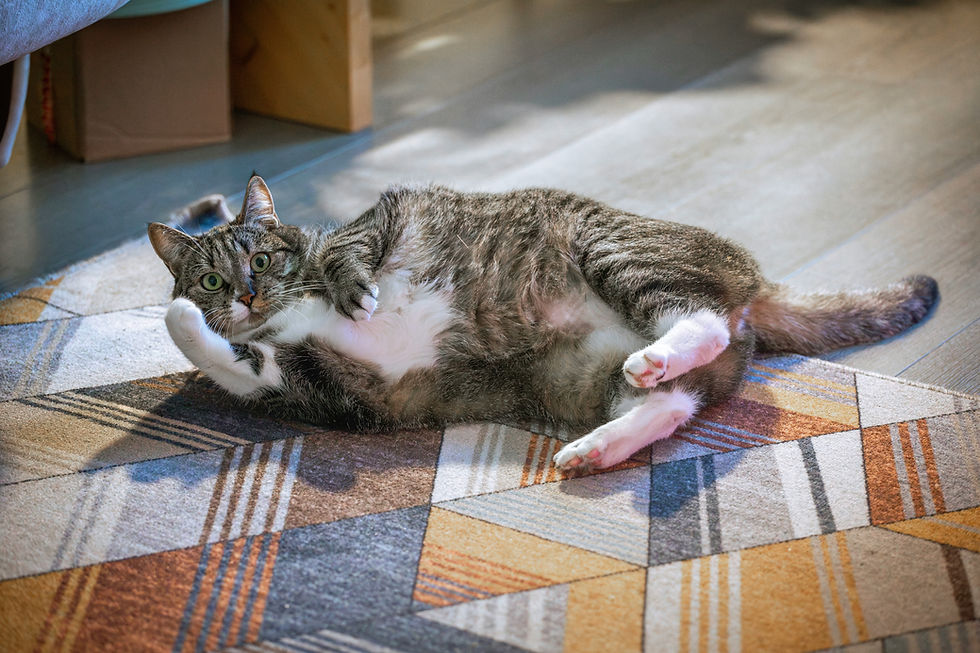
Why Is a Cat’s Belly So Sensitive?
A cat’s belly is one of the most vulnerable parts of its body. In the wild, the abdomen contains vital organs with little protection from bone, making it an area that cats instinctively guard. Even the most affectionate cats may feel uncomfortable when someone suddenly reaches for their stomach.
The belly is also covered with sensitive skin and nerve endings. Because of this, light touches can feel more intense than they do on other parts of the body. While some cats tolerate belly rubs, many prefer being petted on the head, cheeks, chin, or back instead.
Another reason for belly sensitivity is trust. When a cat rolls onto its back, it is often showing that it feels safe in its environment. However, this posture does not automatically mean the cat wants its belly touched. In many cases, the cat is simply relaxing, stretching, or demonstrating confidence around its owner.
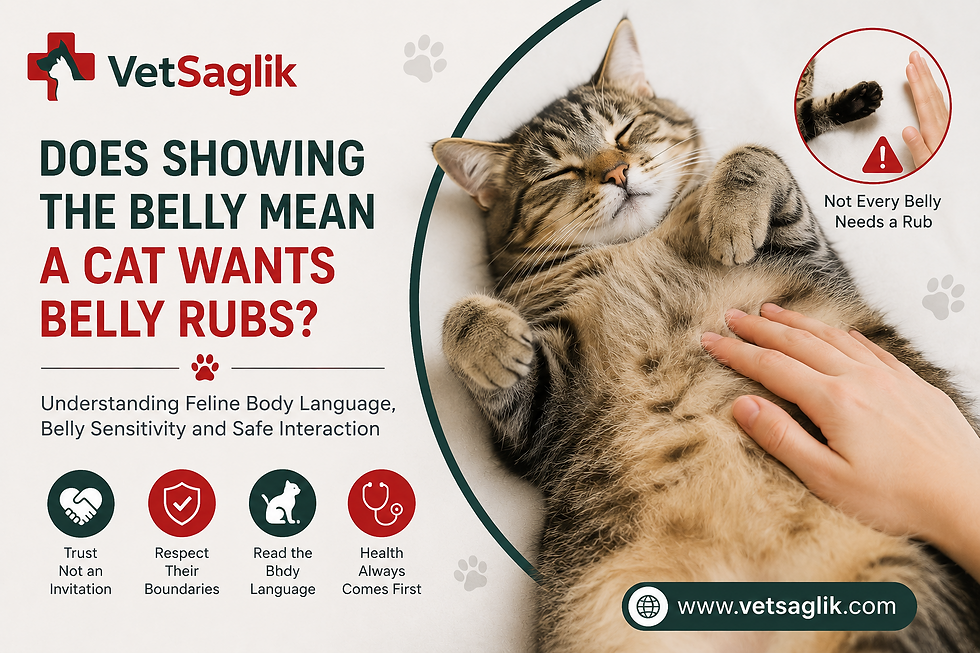
Key Points
The belly protects important internal organs.
Cats instinctively guard vulnerable body areas.
The skin on the abdomen is highly sensitive.
Showing the belly is usually a sign of trust, not an invitation for petting.
Why Do Cats React When You Touch Their Belly?
Cats react to belly touching for several reasons, including instinct, sensitivity, and overstimulation. When a hand suddenly approaches the abdomen, a cat's natural defense mechanisms may activate. This can cause the cat to pull away, grab the hand, kick with its hind legs, or even bite.
In many cases, the reaction is not aggression. Instead, it is a reflexive response designed to protect a vulnerable area. Some cats may initially enjoy a few seconds of petting but become overstimulated if the contact continues. Once overstimulated, they may flick their tail, flatten their ears, or suddenly swat at the person's hand.
A cat's past experiences and personality also play a role. Cats that were handled gently from a young age may be more accepting of belly touches, while others may never enjoy them. Just like people, every cat has individual preferences when it comes to physical contact.
Signs Your Cat Is Uncomfortable
Tail flicking or thumping
Ears turning sideways or backward
Tense body posture
Sudden grabbing with the front paws
Kicking with the hind legs
Biting or scratching
Understanding these signals can help prevent unwanted scratches and strengthen the bond between you and your cat. Respecting a cat's boundaries is often the best way to build trust and maintain a positive relationship.

Does Showing the Belly Mean a Cat Wants Belly Rubs?
One of the most common misconceptions among cat owners is that a cat showing its belly is asking for a belly rub. While this may be true for some cats, it is not the case for most. In feline body language, exposing the belly is usually a sign of trust and comfort rather than a request for physical contact.
When a cat rolls onto its back, it is placing itself in a vulnerable position. This behavior often means the cat feels safe around you and does not perceive you as a threat. However, many cats still prefer that their belly remains untouched, even when they are completely relaxed.
Cats may also expose their belly while stretching, cooling off, playing, or inviting interaction on their own terms. The key is to observe the cat's overall body language rather than assuming the exposed belly is an invitation for petting.
Signs Your Cat Is Simply Showing Trust
Rolling onto its back while remaining relaxed
Slow blinking while lying down
Stretching out comfortably
Relaxed ears and whiskers
Calm breathing and body posture
Remember that trust is a gift in the feline world. Respecting your cat's personal boundaries can strengthen your relationship more effectively than forcing physical interaction.

Common Cat Reactions to Belly Rubs
Cats respond to belly rubs in different ways depending on their personality, mood, and comfort level. Some cats may tolerate brief belly touches, while others react immediately by moving away or defending themselves.
A positive reaction may include purring, kneading, remaining relaxed, or gently stretching while being touched. These cats are relatively uncommon, but they do exist. More often, cats display warning signs before becoming defensive.
Many owners are surprised when a cat appears to enjoy a belly rub for a few seconds and then suddenly bites or grabs the hand. This behavior is usually caused by overstimulation rather than aggression. The cat's tolerance threshold has simply been reached.
Common Reactions Cats May Show
Reaction | What It Usually Means |
Purring and staying relaxed | Comfortable with the interaction |
Rolling from side to side | Playful or relaxed |
Tail flicking | Mild irritation or overstimulation |
Grabbing with front paws | Defensive or playful response |
Bunny kicking with hind legs | Protective instinct activated |
Biting or scratching | Wants the interaction to stop |
Walking away | Prefers not to be touched |
Learning to recognize these reactions can help owners understand their cat's preferences and avoid unnecessary stress. Every cat communicates differently, and paying attention to subtle signals is an important part of responsible pet ownership.

Why Some Cats Bite or Scratch During Belly Rubs
Many cat owners are surprised when a seemingly calm cat suddenly bites or scratches during a belly rub. While this behavior may appear aggressive, it is often a normal feline response rather than a sign of anger or hostility.
One common reason is instinctive self-protection. The abdomen contains vital organs, and cats are naturally programmed to defend this vulnerable area. Even a trusted owner can trigger a defensive reaction if the cat feels uncomfortable or startled.
Another cause is overstimulation. Cats have varying levels of tolerance for petting. A cat may enjoy being touched at first but become overwhelmed after a few seconds. Once that threshold is reached, the cat may respond with a quick bite, a swat, or a grab of the owner's hand.
Some cats also view belly touching as an invitation to play. These cats may grab the hand with their front paws and kick with their hind legs, mimicking hunting or defensive behaviors that would occur in the wild.
Reasons Cats May Bite or Scratch During Belly Rubs
Instinctive protection of a vulnerable body area
Overstimulation from prolonged petting
Fear or anxiety
Play-related behavior
Previous negative experiences with handling
Underlying pain or discomfort
Understanding the motivation behind the behavior can help prevent misunderstandings and reduce the risk of scratches or bites.
Do Some Cats Actually Like Belly Rubs?
Yes, some cats genuinely enjoy belly rubs. However, they are the exception rather than the rule. A cat's willingness to accept belly touching depends on factors such as personality, socialization, life experiences, and trust in its owner.
Cats that have been gently handled from kittenhood may be more comfortable with touching in sensitive areas. Likewise, highly social and confident cats are often more tolerant of physical interaction than shy or anxious individuals.
Even among cats that enjoy belly rubs, preferences vary. Some may only tolerate a few seconds of contact, while others may actively seek it by rolling over and remaining relaxed when their belly is touched.
The best approach is to let the cat decide. If your cat appears comfortable and continues to seek interaction, brief belly rubs may be acceptable. If the cat shows signs of discomfort, it is important to stop immediately.
Signs Your Cat May Enjoy Belly Rubs
Remains relaxed while being touched
Continues purring during contact
Does not tense its body
Shows no signs of irritation
Seeks additional interaction after petting
Rolls over repeatedly and stays calm
Respecting individual preferences is essential. Just because one cat enjoys belly rubs does not mean another cat will feel the same way. Understanding your cat's unique personality is the key to building a strong and trusting bond.
How to Tell If Your Cat Is Comfortable or Overstimulated
Cats communicate their feelings primarily through body language. Learning to recognize these signals can help you determine whether your cat is enjoying the interaction or becoming overstimulated.
A comfortable cat typically appears relaxed and content. Its muscles remain loose, breathing is calm, and it may purr softly while being petted. In contrast, an overstimulated cat often displays subtle warning signs before resorting to biting or scratching.
Many owners miss these early signals and are caught off guard when the cat suddenly reacts. Paying close attention to changes in posture, tail movement, and facial expressions can help prevent unwanted incidents.
Signs Your Cat Is Comfortable
Relaxed body posture
Soft facial expression
Gentle purring
Slow blinking
Normal ear position
Remaining close after petting
Signs Your Cat Is Becoming Overstimulated
Tail flicking or thumping
Skin twitching along the back
Dilated pupils
Ears turning sideways or backward
Sudden body tension
Looking repeatedly at your hand
Walking away from the interaction
When you notice these warning signs, it is usually best to stop petting and allow your cat to decide whether it wants more attention.
Safe Places to Pet a Cat Instead of the Belly -Why Do Cats Hate Belly Rubs
Since many cats dislike belly rubs, focusing on areas they naturally enjoy can make interactions more pleasant and rewarding for both the cat and the owner.
Most cats prefer being touched around facial scent glands. These areas contain glands that release pheromones, which cats use to mark people and objects they consider familiar and safe. Petting these regions often promotes relaxation and positive social bonding.
The exact preferences vary from cat to cat, but certain areas are generally well tolerated by most felines.
Areas Most Cats Enjoy Being Petted
Under the chin
Along the cheeks
At the base of the ears
Between the ears
Along the neck
Around the shoulders
Along the back
Areas Many Cats Prefer You Avoid
The belly
The base of the tail
The paws
The inner legs
Sensitive injured areas
Allowing your cat to guide the interaction and respecting its preferences can help create a more positive relationship while reducing stress and defensive behavior. Why Do Cats Hate Belly Rubs
When Belly Sensitivity Could Be a Sign of Pain
While many cats dislike belly rubs because of instinct and personal preference, sudden or severe sensitivity can sometimes indicate an underlying medical problem. If a cat that previously tolerated belly touching suddenly becomes defensive, painful conditions should be considered.
Abdominal pain can develop from a variety of health issues, including digestive disorders, urinary tract disease, pancreatitis, intestinal inflammation, or injury. In these situations, touching the abdomen may cause discomfort, prompting the cat to move away, vocalize, or become unusually aggressive.
It is important to look for additional symptoms rather than focusing solely on the reaction to touch. Behavioral changes often provide valuable clues that a cat may be experiencing pain.
Signs That Belly Sensitivity May Be Medical
Sudden change in behavior
Crying or vocalizing when touched
Loss of appetite
Vomiting
Diarrhea
Hiding more than usual
Lethargy
Difficulty urinating
Changes in posture or movement
Weight loss
If these symptoms accompany abdominal sensitivity, a veterinary examination is recommended to identify and treat the underlying cause.
When Should You Contact a Veterinarian?
Most cases of belly sensitivity are completely normal and simply reflect a cat's individual preferences. However, certain situations warrant professional evaluation.
Owners should be particularly attentive when sensitivity develops suddenly, becomes more severe over time, or occurs alongside other signs of illness. Early diagnosis can be important for conditions affecting the digestive, urinary, or reproductive systems.
You should contact a veterinarian if your cat:
Suddenly becomes sensitive to belly touching
Cries out when the abdomen is touched
Shows signs of pain or discomfort
Stops eating or drinking normally
Experiences vomiting or diarrhea
Appears lethargic or withdrawn
Has difficulty urinating
Develops abdominal swelling
Shows significant changes in behavior
A veterinary examination can help determine whether the reaction is simply behavioral or related to an underlying health condition.
FAQ: Cat Belly Rubs and Belly Sensitivity
Why does my cat show its belly but not want me to touch it?
Showing the belly is often a sign of trust rather than an invitation for petting. Many cats feel comfortable exposing their abdomen but still prefer that it remains untouched.
Why does my cat bite me when I rub its belly?
Biting during belly rubs is commonly caused by overstimulation or a defensive response to touching a vulnerable area.
Do cats enjoy belly rubs?
Some cats do, but most prefer being petted on the head, cheeks, chin, neck, or back.
Is it normal for cats to dislike belly touching?
Yes. Many healthy cats dislike belly touching because the abdomen is one of their most vulnerable body regions.
Can belly sensitivity indicate a health problem?
Sometimes. If sensitivity appears suddenly or is accompanied by symptoms such as vomiting, lethargy, loss of appetite, or difficulty urinating, a veterinary evaluation is recommended.
Where should I pet my cat instead of its belly?
Most cats prefer gentle petting under the chin, along the cheeks, around the ears, and along the back.
Why does my cat grab my hand and kick with its back legs?
This behavior is often called "bunny kicking" and is a natural defensive or play behavior that may be triggered during belly touching.
Can kittens be trained to accept belly rubs?
Some kittens become more tolerant through positive, gentle handling, but individual preferences vary. Not all cats will enjoy belly rubs, even with early socialization.
Sources
Kaynak | Açık Link |
American Association of Feline Practitioners (AAFP) – Feline Behavior Guidelines | |
American Association of Feline Practitioners (AAFP) & International Society of Feline Medicine (ISFM) – Cat Friendly Veterinary Interaction Guidelines | |
American Association of Feline Practitioners (AAFP) & International Society of Feline Medicine (ISFM) – Feline-Friendly Handling Guidelines | |
International Cat Care (ISFM/iCatCare) – Handling and Interactions | |
Cornell University College of Veterinary Medicine – Cornell Feline Health Center | |
Merck Veterinary Manual – Behavioral Disorders of Cats | |
Mersin Vetlife Veterinary Clinic |


Comments