
All About the Bernese Mountain Dog

Bernese Mountain Dog Origin and History
The Bernese Mountain Dog originated in the canton of Bern, Switzerland, where it was developed as a versatile farm dog more than 2,000 years ago. Historians believe the breed descends from mastiff-type dogs brought to the Alps by Roman soldiers and later crossed with local working dogs.
Known as one of the four Swiss Mountain Dog breeds, the Bernese Mountain Dog was valued for its strength, intelligence, and calm temperament. Farmers relied on these dogs to pull carts loaded with milk and cheese, guard property, and help move livestock across mountainous terrain. Their impressive size and willingness to work made them indispensable companions on Swiss farms.

Today, the Bernese Mountain Dog is admired worldwide as a loyal family companion. Although many no longer work on farms, they still retain the gentle nature, strength, and work ethic that made them famous in the Swiss Alps.
Positive Traits of the Bernese Mountain Dog
Trait | Description |
Gentle Temperament | Known for being calm, patient, and affectionate with family members. |
Often forms strong bonds with children and is generally tolerant of family activities. | |
Loyal and Devoted | Creates deep attachments to its owners and enjoys being involved in daily life. |
Highly Social | Usually friendly toward visitors when properly socialized from an early age. |
Intelligent | Learns commands quickly and responds well to positive reinforcement training. |
Versatile Working Ability | Historically used for drafting, guarding, and herding tasks. |
Adaptable Companion | Can thrive in many family environments provided it receives sufficient exercise and attention. |
Protective Without Aggression | Naturally alert and watchful without being excessively aggressive. |
Beautiful Appearance | Recognized for its striking tri-color coat and majestic presence. |
Strong Human Bond | Prefers staying close to its family and often seeks companionship throughout the day. |

Physical Characteristics of the Bernese Mountain Dog
The Bernese Mountain Dog is one of the largest and most recognizable working breeds in the world. Adult males typically stand 25–28 inches (64–70 cm) tall and weigh between 80–115 pounds (36–52 kg), while females usually weigh 70–95 pounds (32–43 kg). Despite their impressive size, they are known for their balanced proportions and surprisingly elegant movement.
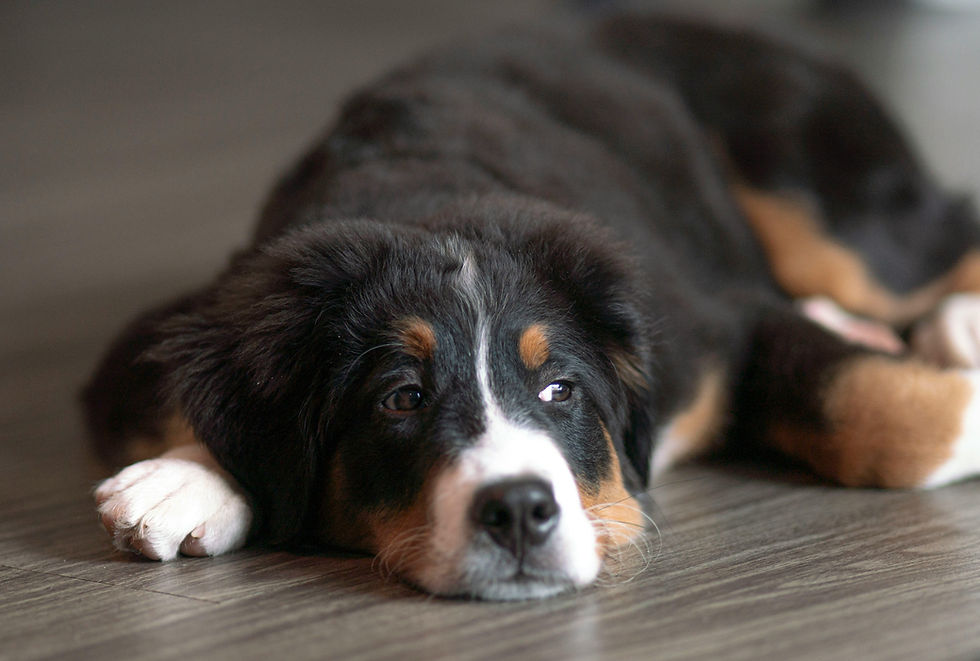
The breed's most distinctive feature is its beautiful tri-color coat. A Bernese Mountain Dog should have a predominantly black coat with rich rust markings above the eyes, on the cheeks, chest, and legs, along with clear white markings on the muzzle, chest, and forehead. Many dogs display a white blaze running between the eyes and a white "Swiss cross" pattern on the chest.
Physical Feature | Description |
Height | 23–28 inches (58–70 cm) |
70–115 pounds (32–52 kg) | |
Coat Type | Long, thick double coat |
Black, rust, and white tri-color | |
Eye Color | Dark brown |
Ear Type | Medium-sized, triangular, dropped ears |
Body Structure | Strong, muscular, and well-balanced |
Tail | Long, bushy, and carried naturally low |
Life Stage Growth | Continues developing until about 2–3 years of age |
The head is broad and powerful without appearing coarse. Dark brown eyes give the breed its famous gentle and intelligent expression. The ears hang close to the head and frame the face, contributing to the breed's friendly appearance.
The chest is deep and wide, providing excellent lung capacity for physical work. Strong shoulders, sturdy legs, and large paws were developed to help the breed navigate mountainous terrain and pull carts loaded with farm products. Even today, many Bernese Mountain Dogs participate in cart-pulling competitions that showcase this historical ability.
One unique characteristic of the breed is its slow physical maturation. While many dogs reach adult size within a year, Bernese Mountain Dogs often continue filling out and developing muscle mass until they are two to three years old. This extended growth period is important for owners to consider when planning exercise and nutrition programs.
Cost of Owning a Bernese Mountain Dog
The Bernese Mountain Dog is a large breed with higher ownership costs than many medium-sized dogs. Prospective owners should consider not only the initial purchase price but also long-term expenses such as food, veterinary care, grooming, insurance, and preventive healthcare.
Expense Category | Estimated Cost (US) | Estimated Cost (EU) |
Puppy Purchase Price | $1,500–$4,000 | €1,200–€3,500 |
Monthly Food Costs | $70–$150 | €60–€130 |
Routine Veterinary Care | $300–$800/year | €250–€700/year |
Pet Insurance | $40–$120/month | €30–€100/month |
Professional Grooming | $50–$120/session | €40–€100/session |
Training Classes | $100–$500 | €100–€450 |
Food expenses are often higher than expected because adult Bernese Mountain Dogs can weigh over 100 pounds (45 kg). High-quality nutrition is particularly important during puppyhood, when excessive growth rates may contribute to orthopedic problems.
Veterinary expenses may also exceed those of smaller breeds. Bernese Mountain Dogs are predisposed to several health conditions, including hip dysplasia, elbow dysplasia, certain cancers, and gastric dilatation-volvulus (bloat). Regular health screenings and preventive care can help detect problems early but add to overall ownership costs.
Although the breed requires routine grooming rather than highly specialized coat care, owners should still budget for brushes, shampoos, nail trims, ear cleaning products, and occasional professional grooming sessions. Over the dog's lifetime, the total cost of ownership can easily reach tens of thousands of dollars or euros.
For families prepared for the financial commitment, however, many owners consider the breed's loyalty, affection, and companionship well worth the investment.

Character and Behavior of the Bernese Mountain Dog
The Bernese Mountain Dog is widely regarded as one of the gentlest giant breeds. Originally developed as a farm companion and working dog, it combines strength and confidence with a calm, affectionate personality that makes it an excellent family pet.
One of the breed's defining traits is its strong attachment to people. Bernese Mountain Dogs thrive on human interaction and prefer to spend as much time as possible with their families. Many owners describe them as "velcro dogs" because they often follow family members from room to room and enjoy being involved in daily activities.
Despite their large size, Bernese Mountain Dogs are generally patient and tolerant with children. Their gentle nature often makes them excellent family companions when interactions are properly supervised. They are typically more interested in staying close to their family than displaying dominant or aggressive behavior.
Behavior Trait | Typical Level |
Family Affection | Very High |
Child Friendliness | Very High |
Trainability | High |
Stranger Friendliness | Moderate to High |
Protective Instinct | Moderate |
Aggression Tendency | Low |
Energy Level | Moderate |
Desire for Human Company | Very High |
The breed is naturally alert and observant. While not usually aggressive, Bernese Mountain Dogs often make effective watchdogs because they quickly notice unfamiliar people or unusual situations. Most will bark to alert their owners but are unlikely to show excessive territorial aggression when properly socialized.
Early socialization remains important. Puppies exposed to different people, animals, sounds, and environments are more likely to develop into confident and well-adjusted adults. Without sufficient socialization, some individuals may become shy or reserved around strangers.
A Bernese Mountain Dog is generally happiest in a home where it can participate in family life rather than being left alone for long periods. Their combination of loyalty, gentleness, intelligence, and emotional sensitivity is one of the main reasons they remain among the most beloved giant dog breeds in the world.
Common Diseases of the Bernese Mountain Dog
Like many giant breeds, the Bernese Mountain Dog has several inherited health concerns that prospective owners should understand. Responsible breeders perform health testing to reduce risks, but no dog is completely free from the possibility of developing these conditions.
One of the breed's biggest challenges is its relatively high incidence of cancer compared with many other dog breeds. This contributes significantly to the breed's shorter average lifespan.
Disease | Description | Risk Level |
Abnormal development of the hip joint leading to arthritis and mobility problems. | High | |
Elbow Dysplasia | Developmental abnormalities affecting the elbow joint. | High |
Histiocytic Sarcoma | An aggressive cancer seen more frequently in Bernese Mountain Dogs than in most breeds. | High |
Lymphoma | Cancer affecting lymphatic tissues and immune cells. | Moderate |
Osteosarcoma | A malignant bone cancer commonly affecting large and giant breeds. | Moderate |
Progressive Retinal Atrophy (PRA) | Degenerative eye disease that can eventually cause blindness. | Moderate |
Life-threatening stomach expansion and twisting requiring emergency treatment. | Moderate | |
Progressive neurological disease affecting the spinal cord. | Low to Moderate | |
Cruciate Ligament Injury | Knee ligament damage causing lameness and instability. | Moderate |
Excess body weight that worsens orthopedic and cardiovascular problems. | Moderate |
Regular veterinary examinations, weight management, and purchasing puppies from health-tested bloodlines can significantly improve long-term outcomes. Owners should also be familiar with the signs of bloat, including abdominal enlargement, unproductive retching, restlessness, and excessive drooling, as immediate treatment is critical.

Intelligence and Trainability of the Bernese Mountain Dog
The Bernese Mountain Dog is an intelligent working breed that was originally developed to perform a variety of farm tasks. This history has produced a dog that learns quickly, responds well to guidance, and generally enjoys working alongside people.
Unlike some highly independent working breeds, Bernese Mountain Dogs are often eager to please their owners. This trait makes training more enjoyable for first-time dog owners who are willing to remain patient and consistent.
Training Trait | Rating |
Intelligence | High |
Willingness to Please | Very High |
Problem-Solving Ability | High |
Ease of Training | High |
Food Motivation | Moderate to High |
Recall Reliability | Moderate |
Independent Thinking | Moderate |
Suitability for Beginners | High |

Exercise and Activity Needs of the Bernese Mountain Dog
Despite its calm reputation, the Bernese Mountain Dog is not a low-exercise breed. Originally developed to work on Swiss farms, this breed was expected to pull carts, move livestock, and travel long distances through mountainous terrain. As a result, Bernese Mountain Dogs require regular physical activity to maintain a healthy body weight, strong muscles, and good mental well-being.
Unlike highly energetic breeds such as Border Collies or Belgian Malinois, Bernese Mountain Dogs do not need constant stimulation throughout the day. Instead, they thrive on moderate but consistent exercise combined with family interaction.
Activity Type | Recommended Amount |
Daily Walks | 60–90 minutes |
Play Sessions | 20–30 minutes |
Mental Stimulation | 15–30 minutes |
Hiking | Excellent activity |
Swimming | Many enjoy it |
Running with Owners | Moderate distances only |
Cart Pulling Activities | Excellent |
Extreme Agility Sports | Not ideal |
A healthy adult Bernese Mountain Dog typically benefits from two daily walks combined with opportunities to explore, sniff, and interact with its environment. These dogs often enjoy hiking and outdoor adventures, particularly in cooler weather.
One common mistake owners make is exercising puppies too intensely. Bernese Mountain Dogs grow slowly, and their joints remain vulnerable during development. Excessive running, repetitive jumping, or long-distance exercise before skeletal maturity may increase the risk of orthopedic problems later in life.
Mental stimulation is equally important. Puzzle toys, obedience exercises, scent games, and training sessions help prevent boredom and strengthen the bond between dog and owner.
Because of their thick double coat, Bernese Mountain Dogs are far more comfortable in cold weather than in hot climates. Exercise during summer should be scheduled during cooler morning or evening hours to reduce the risk of overheating.

Feeding and Diet Recommendations for the Bernese Mountain Dog
Proper nutrition plays a critical role in the long-term health of the Bernese Mountain Dog. Since the breed is predisposed to orthopedic diseases and obesity, feeding strategies should focus on maintaining a lean body condition throughout life.
Large-breed puppies require carefully balanced growth diets. Rapid growth may place excessive stress on developing joints, increasing the likelihood of hip and elbow problems. For this reason, many veterinarians recommend high-quality large-breed puppy formulas specifically designed to support controlled growth.
Adult Bernese Mountain Dogs generally perform best on diets rich in high-quality animal protein, moderate fat levels, and balanced vitamins and minerals. Foods containing glucosamine, chondroitin, and omega-3 fatty acids may provide additional support for joint health.
Because the breed has a moderate risk of gastric dilatation-volvulus (bloat), feeding management is important. Many veterinarians recommend:
Dividing daily food into two or three meals.
Avoiding vigorous exercise immediately before and after meals.
Preventing rapid eating through slow-feeder bowls if necessary.
Ensuring constant access to fresh water.
Treats should be used thoughtfully. Although Bernese Mountain Dogs are often food-motivated, excessive treats can contribute to obesity, which significantly increases stress on the joints and cardiovascular system.
Maintaining an ideal body condition is one of the most effective ways owners can improve mobility, reduce orthopedic strain, and support a longer, healthier life for their Bernese Mountain Dog.

Training Techniques for the Bernese Mountain Dog
The Bernese Mountain Dog is often considered one of the most trainable giant breeds due to its intelligence, patience, and strong desire to work alongside people. However, successful training depends on consistency, early socialization, and understanding the breed's sensitive nature.
Unlike some independent working breeds, Bernese Mountain Dogs generally respond best to positive reinforcement. They thrive when rewarded for correct behavior and may become discouraged if training relies heavily on punishment or harsh corrections.
Training Area | Importance |
Basic Obedience | Very High |
Socialization | Very High |
Leash Training | Very High |
Recall Training | High |
Impulse Control | High |
Visitor Manners | High |
Crate Training | Moderate |
Advanced Obedience | Moderate to High |
Many Bernese Mountain Dogs excel in advanced activities such as therapy work, drafting competitions, obedience trials, and scent-based sports. Their calm temperament and willingness to cooperate make them highly versatile working companions.
Coat, Skin, Eye, and Ear Care for the Bernese Mountain Dog
The Bernese Mountain Dog's beautiful coat is one of its most admired features, but maintaining that appearance requires regular grooming and preventive care. Their thick double coat was developed to protect them from harsh Alpine weather and sheds significantly throughout the year.
Routine grooming helps reduce shedding, prevent matting, improve skin health, and provide opportunities to detect potential health problems early.
Area | Recommendation |
Coat | Brush 2–4 times weekly; daily during heavy shedding seasons |
Skin | Monitor for irritation, hot spots, and parasites |
Eyes | Check weekly for redness, discharge, or irritation |
Ears | Clean regularly and inspect for infection |
Brush several times weekly | |
Nails | Trim every 3–4 weeks or as needed |
The ears should be checked routinely because moisture and debris can accumulate within the ear canal. Signs such as foul odor, redness, swelling, or excessive wax may indicate infection and should be evaluated by a veterinarian.
Eye care is generally straightforward, but owners should watch for persistent tearing, discharge, cloudiness, or squinting. Early detection of eye problems can significantly improve treatment outcomes.
Regular grooming not only keeps the Bernese Mountain Dog looking impressive but also contributes directly to overall health by allowing owners to identify developing issues before they become serious problems.
General Health and Life Expectancy of the Bernese Mountain Dog
The Bernese Mountain Dog is beloved for its gentle personality and striking appearance, but prospective owners should be aware that the breed has a shorter lifespan than many other dogs. While advances in breeding practices and veterinary medicine have improved outcomes, Bernese Mountain Dogs still face several significant health challenges.
Most Bernese Mountain Dogs live between 7 and 10 years, although some individuals exceed this range when provided with excellent genetics, nutrition, preventive care, and an appropriate lifestyle.
Health Factor | Impact on Longevity |
Healthy Body Weight | Very High |
Quality Nutrition | High |
Regular Veterinary Care | High |
Genetic Background | Very High |
Exercise Routine | High |
Cancer Prevention & Early Detection | Very High |
Dental Health | Moderate |
Joint Management | High |
One of the primary reasons for the breed's relatively short lifespan is its increased predisposition to certain cancers. Early detection and routine veterinary examinations can significantly improve treatment options and quality of life.
Joint health should remain a lifelong priority. Maintaining a lean body condition helps reduce stress on the hips, elbows, knees, and spine. Even a small amount of excess weight can increase orthopedic strain in a large breed.
Owners should contact a veterinarian promptly if they notice:
Sudden weight loss
Persistent lameness
Unusual lumps or swellings
Changes in appetite
Difficulty breathing
Reduced exercise tolerance
Abdominal enlargement
Behavioral changes
Preventive care is particularly valuable for this breed. Annual wellness examinations, parasite prevention, vaccinations, dental care, and age-appropriate health screening programs can help identify developing conditions before they become severe.
Although Bernese Mountain Dogs do not have the longest lifespan among dog breeds, many owners feel that their exceptional loyalty, affection, and companionship make every year with them incredibly rewarding.
Ideal Owner and Living Environment for the Bernese Mountain Dog
The Bernese Mountain Dog is best suited for owners who view their dog as a true family member rather than an outdoor pet. This breed thrives when included in daily activities and generally prefers staying close to its people whenever possible.
Because of its size and social nature, the Bernese Mountain Dog is not ideal for households where it will spend most of its life alone. These dogs form deep emotional bonds and often become unhappy if isolated for extended periods.
Lifestyle Factor | Suitability |
Families with Children | Excellent |
First-Time Owners | Good |
Active Families | Excellent |
Apartment Living | Fair |
Rural Living | Excellent |
Homes with Yards | Excellent |
Multi-Pet Households | Good to Excellent |
Frequent Travelers | Poor |
Elderly Owners | Moderate |
Excellent |
A securely fenced yard is beneficial but not mandatory if the dog receives sufficient daily exercise. More important than yard size is the amount of interaction and companionship provided by the family.
Bernese Mountain Dogs typically perform best in cooler climates. Their thick double coat offers excellent protection against cold weather but can make hot and humid environments challenging. In warmer regions, owners should provide:
Constant access to shade
Fresh drinking water
Air-conditioned indoor areas
Exercise during cooler parts of the day
Protection from excessive heat exposure
Families with children often find the breed particularly appealing. When properly socialized, Bernese Mountain Dogs are known for their patience, gentleness, and willingness to participate in family life.
The ideal owner is someone who can provide:
Daily companionship
Consistent training
Moderate exercise
Regular grooming
Preventive veterinary care
Financial preparedness for large-breed healthcare needs
For individuals seeking a loyal, affectionate, and dependable giant companion, few breeds match the unique combination of strength, gentleness, and devotion found in the Bernese Mountain Dog.
Life Expectancy and Reproduction of the Bernese Mountain Dog
The Bernese Mountain Dog is a slow-maturing giant breed that requires careful management throughout both its reproductive years and senior life stages. Understanding the breed's reproductive characteristics can help owners make informed decisions regarding breeding, health testing, and long-term care.
Most Bernese Mountain Dogs reach sexual maturity before they reach full physical maturity. While reproductive capability may develop during the first year of life, the breed often continues growing physically and mentally until approximately two to three years of age.
Life Stage | Typical Age Range |
Puppy | Birth to 12 months |
Adolescent | 12–24 months |
Young Adult | 2–4 years |
Mature Adult | 4–7 years |
Senior | 7+ years |
7–10 years |
Responsible breeders typically avoid breeding dogs that have not completed orthopedic and genetic health evaluations. Because the breed has elevated risks for certain inherited diseases, health screening plays a particularly important role in breeding programs.
Recommended health assessments often include:
Hip dysplasia screening
Elbow dysplasia screening
Cardiac evaluation
Eye examinations
Genetic testing when available
Comprehensive breeding health assessments
Female Bernese Mountain Dogs generally have moderate-sized litters, although litter size varies considerably depending on genetics, age, and overall health.
Reproductive Factor | Typical Range |
6–18 months | |
Average Litter Size | 4–10 puppies |
Approximately 63 days | |
Recommended Breeding Age | After health clearances |
Physical Maturity | 2–3 years |
As Bernese Mountain Dogs age, owners may observe reduced activity levels, decreased muscle mass, and increased susceptibility to orthopedic disease. Senior dogs often benefit from joint-supportive diets, regular veterinary monitoring, and modified exercise programs that maintain mobility without placing excessive stress on aging joints.
Providing proper nutrition, maintaining a healthy body weight, and identifying health problems early can help maximize both lifespan and quality of life.
FAQ About the Bernese Mountain Dog
What is the average lifespan of a Bernese Mountain Dog?
The average lifespan of a Bernese Mountain Dog is typically between 7 and 10 years. This is shorter than many other dog breeds, largely due to the breed's increased susceptibility to certain cancers and orthopedic conditions. Maintaining a healthy weight, providing quality nutrition, and scheduling regular veterinary examinations can help improve both lifespan and quality of life.
Is the Bernese Mountain Dog a good family dog?
Yes. The Bernese Mountain Dog is widely considered one of the best family-oriented giant breeds. These dogs are known for their gentle temperament, loyalty, patience, and affectionate nature. They usually form strong bonds with family members and often get along well with children when properly socialized.
Does the Bernese Mountain Dog get along with children?
Most Bernese Mountain Dogs are excellent with children. Their calm and tolerant personality makes them a popular choice for families. However, because of their large size, interactions between dogs and young children should always be supervised to prevent accidental injuries.
Is the Bernese Mountain Dog aggressive?
No. The Bernese Mountain Dog is generally not considered an aggressive breed. Most individuals are friendly, confident, and affectionate. Early socialization helps ensure they develop into well-adjusted adults that are comfortable around people and other animals.
How much exercise does a Bernese Mountain Dog need?
An adult Bernese Mountain Dog usually requires about 60 to 90 minutes of daily exercise. Activities such as walking, hiking, play sessions, and obedience training help maintain physical fitness and mental stimulation. Puppies should avoid excessive exercise while their joints are still developing.
Does the Bernese Mountain Dog shed a lot?
Yes. The Bernese Mountain Dog is a heavy shedder due to its thick double coat. Shedding occurs year-round and often becomes more noticeable during spring and autumn. Regular brushing several times per week helps manage loose hair and keeps the coat healthy.
Is the Bernese Mountain Dog easy to train?
Yes. Bernese Mountain Dogs are intelligent and eager to please, making them relatively easy to train compared with many other large breeds. Positive reinforcement methods usually produce excellent results. Consistency and early training are important because these dogs grow into very large adults.
Can a Bernese Mountain Dog live in an apartment?
While it is possible, apartments are not usually the ideal environment for this breed. Bernese Mountain Dogs are large dogs that benefit from space and regular outdoor activity. Apartment living can work if the owner provides sufficient daily exercise and companionship.
Does the Bernese Mountain Dog bark a lot?
Generally, no. Bernese Mountain Dogs are not known as excessive barkers. Most will bark when they notice unusual activity or unfamiliar visitors, making them effective watchdogs without being overly noisy.
Are Bernese Mountain Dogs good with other pets?
Yes. Most Bernese Mountain Dogs get along well with other dogs and household pets when properly socialized from an early age. Their calm temperament often helps them adapt well to multi-pet households.
How large does a Bernese Mountain Dog get?
Adult males typically weigh between 80 and 115 pounds (36–52 kg) and stand 25–28 inches (64–70 cm) tall at the shoulder. Females are generally slightly smaller, weighing 70–95 pounds (32–43 kg).
What health problems are common in Bernese Mountain Dogs?
Common health concerns include hip dysplasia, elbow dysplasia, bloat (gastric dilatation-volvulus), cruciate ligament injuries, and several forms of cancer, including histiocytic sarcoma. Purchasing puppies from health-tested bloodlines can help reduce some inherited risks.
Can Bernese Mountain Dogs tolerate hot weather?
Not particularly well. Their thick double coat was developed for cold Alpine climates. In hot weather, owners should provide shade, fresh water, air-conditioned environments, and exercise during cooler parts of the day.
Are Bernese Mountain Dogs good for first-time owners?
Yes, many first-time owners successfully raise Bernese Mountain Dogs because of their friendly nature and willingness to learn. However, owners should be prepared for the breed's large size, grooming needs, and potential healthcare expenses.
How much does a Bernese Mountain Dog cost?
A Bernese Mountain Dog puppy from a reputable breeder often costs between $1,500 and $4,000 in the United States, although prices can be higher in some regions. Owners should also budget for food, veterinary care, grooming, insurance, and other long-term expenses.
Is the Bernese Mountain Dog a banned breed?
No. The Bernese Mountain Dog is not considered a banned breed in the United States, Canada, the United Kingdom, most European countries, or Australia. However, local regulations can vary, so owners should always check regional laws before acquiring any dog breed.
How much does a Bernese Mountain Dog cost in different countries?
Country/Region | Average Price |
$1,500–$4,000 | |
CAD 2,000–5,000 | |
£1,500–3,500 | |
€1,200–4,000 | |
AUD 3,000–6,000 |
Prices vary depending on pedigree, breeder reputation, health testing, bloodline quality, and geographic location. Puppies from championship bloodlines typically command higher prices.
Keywords
Bernese Mountain Dog, Bernese Mountain Dog temperament, Bernese Mountain Dog lifespan, Bernese Mountain Dog health problems, Bernese Mountain Dog cost
Sources
Source | Link |
American Kennel Club (AKC) – Bernese Mountain Dog | |
Bernese Mountain Dog Club of America (BMDCA) | |
BMDCA Health Program | |
Orthopedic Foundation for Animals (OFA) | |
BMDCA Recommended Health Testing | |
Fédération Cynologique Internationale (FCI) Breed Standard | |
Mersin VetLife Veterinary Clinic |


Comments